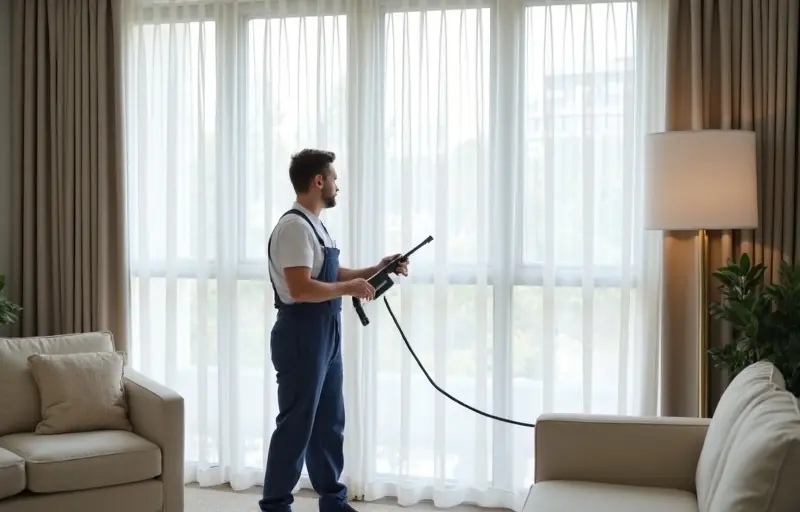
Curtains need cleaning that suits both the face fabric and the lining. We assess dust, marks and construction before explaining whether cleaning in place or removal is practical.
Dust can settle along pleats, hems and linings between routine household cleans. Our Brisbane curtain service begins with a fabric and condition check so treatment fits the window furnishings you have.
Share the number of curtains, their approximate size, care labels and access height. Tell us about sun damage, fragile linings and stains so we can discuss the approach before booking.
Fabric, lining, trims and colour stability are checked together before treatment.
Confirm the panels and handling arrangements included in your quote.
Plan an appointment and a suitable drying or return window for your curtains.
Window furnishings vary widely in material and construction. We review the care label, lining, headings and condition before choosing a cleaning method, and explain when specialist handling is needed.
Moisture-based cleaning may suit some curtains after inspection and testing. Temperature and application must account for the face fabric, backing and any decorative details.
The method is chosen for the curtain rather than assumed from its appearance. Fragile fibres, unstable dyes or damaged linings may limit wet treatment.
Dry-clean-only or moisture-sensitive curtains need a review of their care instructions. We confirm whether suitable specialist handling can be arranged before accepting the work.
Solvent-based treatment is not a universal option for delicate fabrics. Existing damage, trims and construction still need checks before a cleaning plan is agreed.
Machine washing is considered only when the care label and construction allow it. Shrinkage, lining and heading details are checked before deciding how to handle the panels.
Washable curtains still need suitable cycles, handling and drying. Confirm removal and re-hanging arrangements as part of the scope.
Tell us about stains, odours and worn areas as well as general dust. These concerns are assessed individually and any additional tasks are confirmed before work begins.
Each visible mark is assessed for suitable spot treatment, with care around dye stability and existing fabric wear.
Ask whether any protective finish is suitable and available for your material. It is not an automatic part of a standard curtain clean.
Odour treatment depends on the likely source and fabric. Cleaning the curtains alone may not resolve a source elsewhere in the room.
Loose stitching, hems and fragile fabric may need repair before cleaning. Confirm whether repairs are available or require a separate provider.
A useful recommendation considers the complete curtain, including lining and trims. We discuss the options and risks before agreeing the method.
The care label, weave, lining and visible construction help identify suitable handling.
Stains, dust, sun damage and weak areas are recorded so expectations are clear before treatment.
The chosen method accounts for the material, condition and practical handling arrangements.
Look for changes in appearance and odour during routine care. An assessment can help distinguish removable soil from fading, water damage or weakened fabric.
Darker hems or grey folds may show accumulated dust, while uneven colour can also come from sunlight or damage. These causes need different advice.
Cleaning may lift dulling soil, but it cannot restore dye lost through fading. We discuss the likely change in appearance before proceeding.
Curtains can hold cooking, smoke or pet residues. Tell us whether the smell affects one panel or the whole room so the likely source can be assessed.
Odour treatment is selected for the material and residue. Ventilation or attention to another source may still be needed after the fabric is cleaned.
Water rings, food marks and contact stains need prompt assessment. Avoid rubbing or applying household products before checking the care instructions.
Spot treatment is tested where appropriate. Some stains may only lighten, and colour loss or weakened fabric may prevent further treatment.
Dark spots, persistent dampness or a musty smell should be reported before booking. Tell us about window leaks or condensation affecting the area.
We assess whether cleaning is suitable and discuss any limits. The source of dampness needs separate attention; cleaning does not prevent future growth on its own.
Arrange an assessment when dust, stains or fabric condition begin to concern you. Photos and care-label details help us explain the next step.
Book before a move or event so there is time for assessment, treatment and drying.
We explain suitable methods and any handling limitations for your particular curtains.
Know what cleaning may improve and which marks or damage are likely to remain.
Our curtain cleaning process follows the assessment and agreed scope. Handling, dust removal, treatment and finishing are adapted to the fabric and condition.
You receive practical advice for the panels being cleaned, including access, drying and routine care. The method can vary between curtains in the same property.
We review the care label, face fabric, lining, headings and visible damage before selecting the approach.
Agree whether the curtains stay in place or need removal. Hardware, hooks and delicate details are checked before handling.
We check the treated fabric and discuss remaining marks, drying and any agreed re-hanging arrangements.

Loose dust removal helps prepare suitable curtains for further treatment, with the method adjusted to fragile or damaged areas.
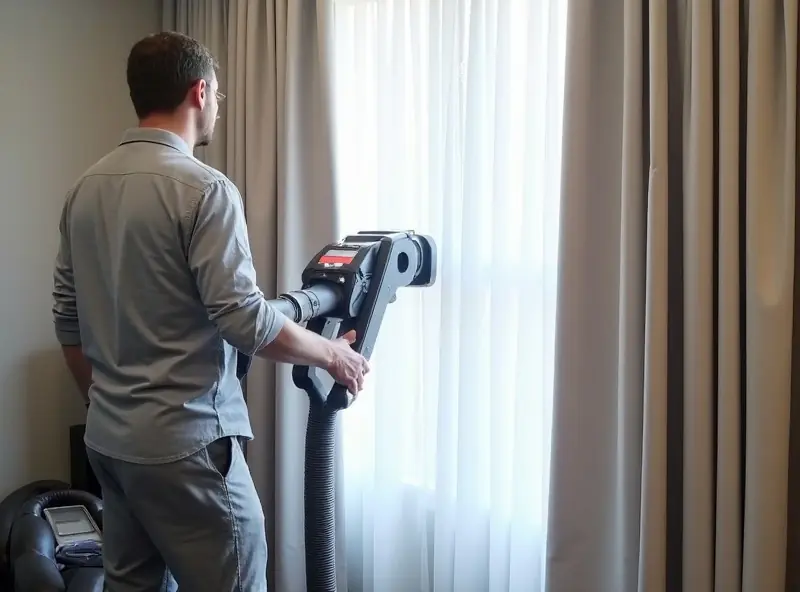
Suitable vacuuming can lift accessible dust from folds and hems without treating every fabric at the same suction level.
Additional dry soil removal methods are considered only where appropriate for the material and condition.
Any agitation is controlled to avoid pulling fragile fibres, trims or stitching.
Individual stains are assessed before the main clean. Knowing the cause and previous products helps guide suitable treatment.
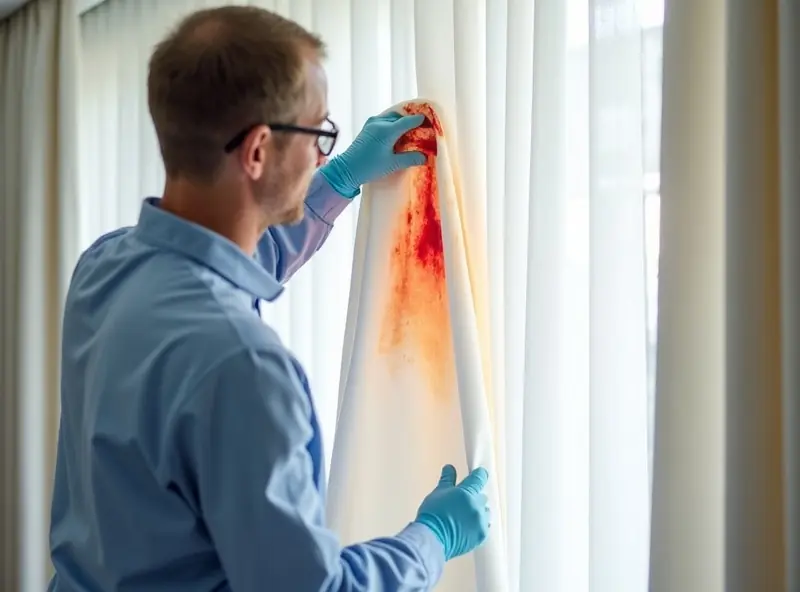
Water-based marks are tested and treated where the material allows, with attention to water rings and dye movement.
Oily residues need a material-suited product and careful application. Tell us about cooking exposure or previous attempts to remove grease.
Organic marks are assessed for suitable treatment. Product choice depends on the fabric and stain rather than a fixed formula for every curtain.
Some marks may remain or be unsafe to treat further. We explain those limits before applying additional products.
The main method is selected for the complete curtain, including the lining and heading construction.
Moisture and temperature are controlled where wet treatment is suitable. Not every curtain can be steamed safely.
Dry cleaning may be required by the label or construction. Confirm the available handling and expected return window before booking.
Washable panels are handled according to the label, including any temperature, cycle and drying restrictions.
Drying needs the same attention as cleaning. The fabric and construction determine suitable support, temperature and handling.
Air drying is considered with attention to support, airflow and the risk of stretching or uneven drying.
Tumble drying is used only if the care instructions and construction permit it, with appropriate settings and monitoring.
Flat or supported drying may be needed for some items. The method must suit the fabric and available handling arrangements.

A planned service gives you a clear method, expected timing and aftercare. It also identifies fragile or damaged curtains that may not suit routine cleaning.
Inspection guides the method for each curtain and its lining.
Equipment is selected for the material and task rather than used at one fixed setting.
Fabric checks help identify treatment limits before work starts.
Agree the appointment, handling and drying window in advance.
Our curtain service centres on material checks, practical handling and a clear scope. Ask about any unusual fabric or access issue before confirming a booking.
We review labels, fabric condition and previous treatment so the recommended method reflects the actual curtains.
Products are selected for the material and soil. Discuss particular sensitivities and follow the access and drying advice provided.
Temperature, moisture and recovery are controlled according to the selected method. We do not claim to restore weakened fibres or remove every residue.
Food, drink, water and contact marks are assessed separately. Existing dye changes and fabric damage may limit the result.
Suitable spot treatment is followed by a review of the result. Additional treatment is discussed if a mark remains rather than applied without explanation.
Dust removal focuses on accessible fabric, folds and hems. We do not promise complete dust mite removal or relief from allergy symptoms.
If someone in the household has particular product sensitivities, tell us before booking so treatment and aftercare can be discussed.
For in-home work, we plan equipment access, room protection and whether the curtains can remain hanging. Removal is confirmed where the material or method requires it.
Confirm whether your curtains can be treated in place after inspection.
Ask about available appointments and the time needed for handling and drying.
Access height, nearby furniture and fragile fittings are discussed before the visit.
You receive advice on the result and how to care for the treated curtains.
Confirm fabric, access and handling before taking curtains down or planning around a fixed return date.
Share panel numbers, approximate widths and drops, care-label photos and lining details. Mention trims and delicate headings.
Photograph stains, sun damage, weak linings or damp marks. Explain previous washing or spot treatments.
Tell us the window height and nearby furniture. Confirm whether cleaning in place, removal and re-hanging are included.
Check the expected schedule for the selected method. Follow the care advice before closing, storing or re-hanging treated panels.
Track repairs, replacement hardware, alterations, optional finishes and specialist installation are separate tasks unless expressly included. Ongoing leaks or condensation also need attention beyond cleaning the curtain fabric.
Need attention for another surface or room? Explore the relevant service and tell us what you need. Confirm the scope, availability and price of any additional work before adding it to your booking.
Room-by-room carpet cleaning with fibre checks, suitable spot treatment and hot water extraction where appropriate.
View Steam Carpet CleaningAssessment of pet accident marks and odour, including when backing or underlay may need separate attention.
View Pet Odour & Stain RemovalCarpet maintenance for offices, retail and shared areas, with access, trading hours and drying planned for the site.
View Commercial Carpet CleaningSofas, lounges and chairs assessed for fabric-suited cleaning, targeted marks and practical drying advice.
View Upholstery CleaningIndividual rug assessment covering fibres, dyes, backing and suitable cleaning and handling arrangements.
View Rug CleaningEnd-of-lease carpet cleaning planned around your room count, exit checklist, moving date and key handover.
View Bond CleaningMattress surface cleaning selected after care-label and construction checks, with stain and drying expectations explained.
View Mattress CleaningAssessment of burns, tears, loose carpet and seams, with donor patches or re-stretching discussed where practical.
View Carpet RepairAn upcoming inspection or event needs enough time for assessment and drying. Call with curtain sizes, care-label details and your deadline so we can check what is practical.
Check the Next Slot
Share your required date
Confirm Handling
In-place or removal options assessed
Allow for Drying
Follow the care advice provided
Use these answers to plan curtain cleaning around fabric suitability, handling, stains and drying. Discuss unusual materials or access before booking.
Review your curtains regularly and follow the care label. A twelve-to-eighteen-month review can be a starting point for discussing dust and appearance, with use and condition guiding whether cleaning is needed sooner.
Gentle routine care can help manage loose dust between visits. Avoid treatments that conflict with the label or put strain on fragile fabric.
Stain treatment depends on the substance, age, fabric and lining. Share photos and previous product details before attempting further cleaning.
We discuss which marks are likely to respond and where testing indicates a risk. Some permanent changes remain even after appropriate cleaning.
Dust removal lifts accumulated particles from accessible curtain fabric. It is one part of room maintenance rather than a guaranteed change in air quality.
Routine ventilation and attention to other household dust sources remain relevant after cleaning. No symptom or health outcome is promised.
Timing depends on panel count, size, material and whether removal is needed. Confirm the full appointment or return window before planning around a fixed date.
Allow time to inspect labels, check condition and agree the handling plan.
Moisture-based treatment needs a suitable drying window for the particular fabric and conditions.
Specialist off-site treatment may require a separate return schedule, confirmed when booking.
If re-hanging is included, agree access and timing once the curtains are ready.
For an urgent enquiry, share the deadline before booking. We will confirm whether the material, handling and drying requirements fit the available time.
Cleaning may address some visible marks or residues, but it cannot solve an ongoing moisture problem. Tell us about dampness, leaks or condensation before treatment.
Address the source of moisture separately and allow fabric to dry properly. Severely affected or weakened curtains may need specialist advice or replacement.
Ask us to confirm removal and re-hanging as part of the written scope. Some fabrics can be cleaned in place; others need handling arrangements agreed in advance.
Hardware condition, access height and fragile headings can affect what is practical. Additional repairs or installation work are not assumed to be part of a standard clean.
Follow the manufacturer’s instructions for routine care. Handle delicate linings and sun-weakened areas gently and ask before treating a mark you are unsure about.
Keep moisture around windows under control and check that curtains can dry after condensation or cleaning. Ask for advice if fabric repeatedly feels damp.
Routine care should suit the label and condition. If stains, odours or damage remain, arrange an assessment rather than repeatedly applying products at home.
Request a quote with panel sizes, care-label photos, lining details and access height. We will discuss the method, handling and timing before you book.
Need curtains ready for a specific date? Call with the material and deadline so we can check a practical assessment and cleaning window.