10 Common Carpet Stains and the Best Way to Treat Each One
Every household deals with carpet stains sooner or later, whether it's a spilled cup of coffee, a child's art project gone wrong, or a pet accident. The tricky part is that not every stain responds to the same treatment, and using the wrong method can sometimes make a mark worse rather than better.
At Fresho Carpet Cleaning Brisbane, we treat carpet stains of every kind on a daily basis, and over time we've learned exactly which approach works best for each common culprit. In this guide, we'll walk through ten of the most frequent carpet stains Brisbane households deal with, and the correct, fibre-safe way to treat each one.
1. Coffee and Tea
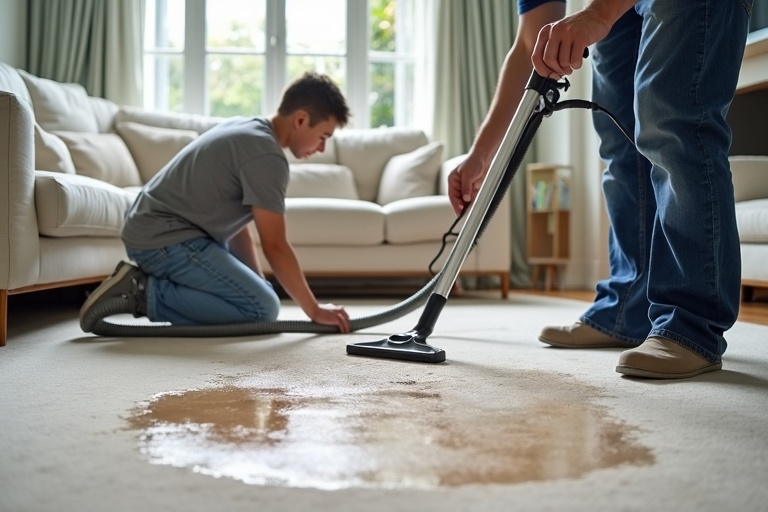
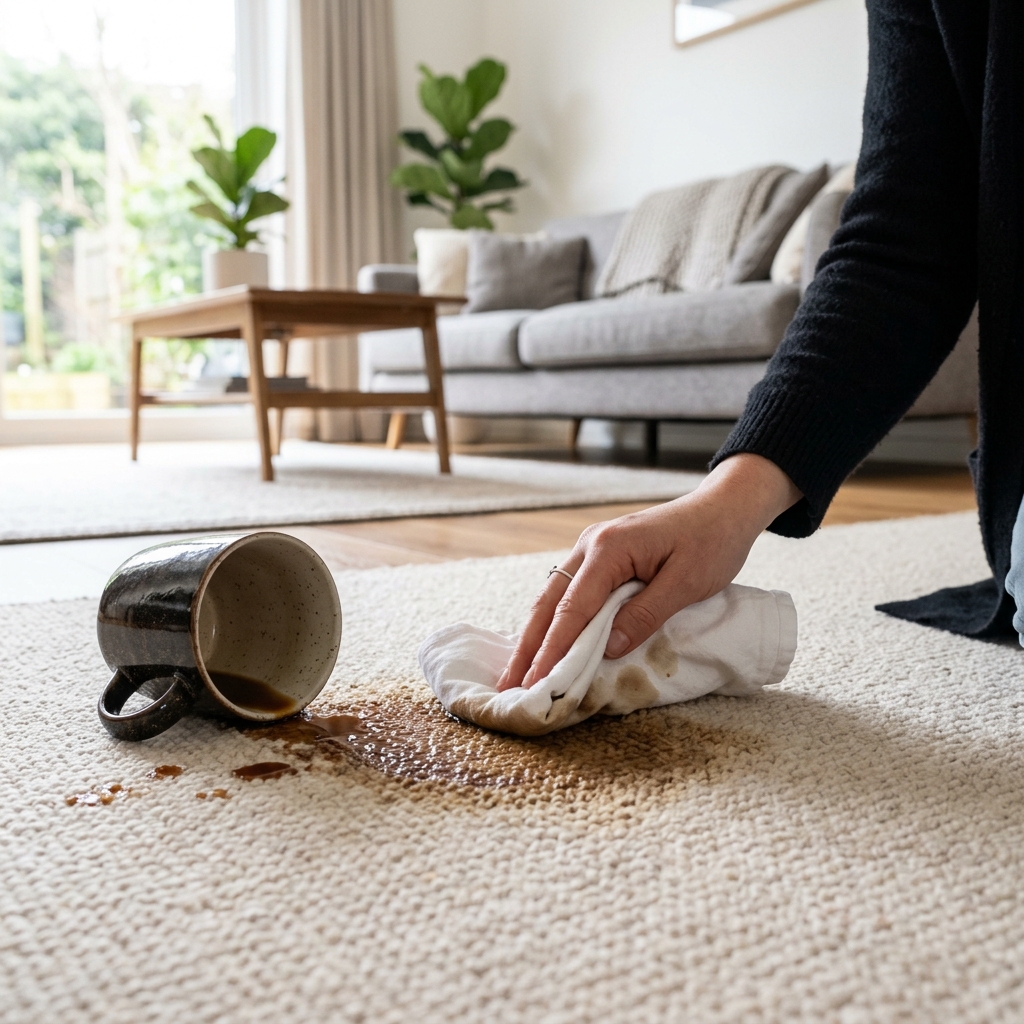
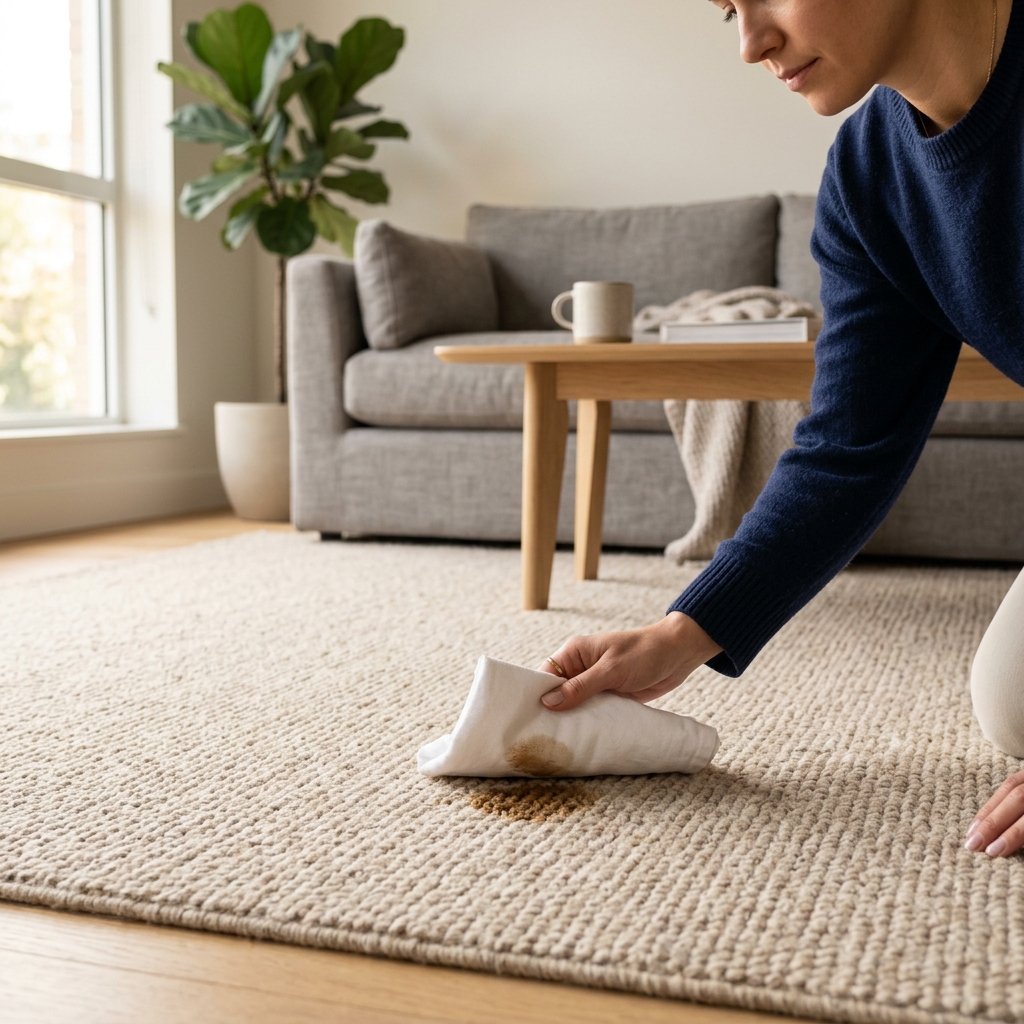
Coffee and tea stains are caused by tannins, which bond quickly to carpet fibres and darken over time if left untreated. Blot fresh spills immediately with a clean white cloth, then treat with a solution of mild dishwashing liquid, white vinegar, and cool water, working from the outside of the stain inward.
2. Red Wine
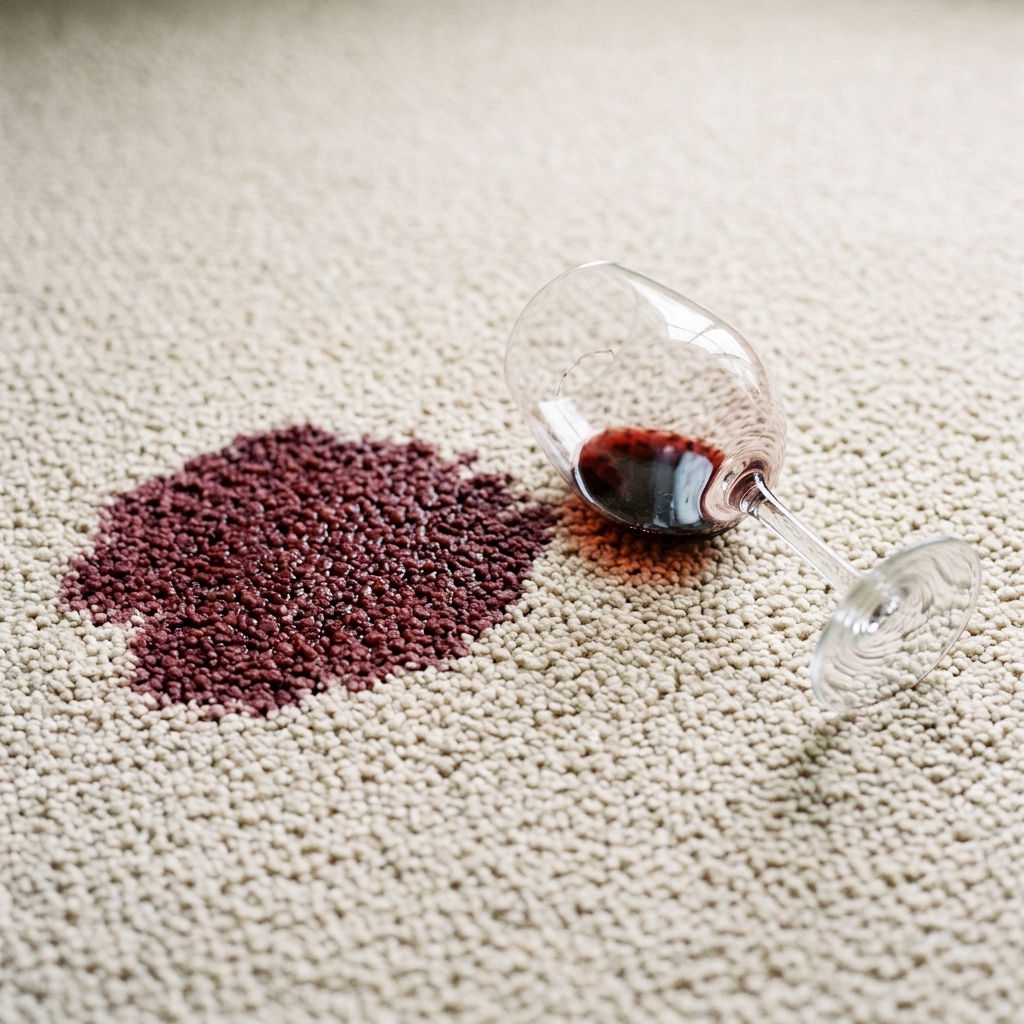
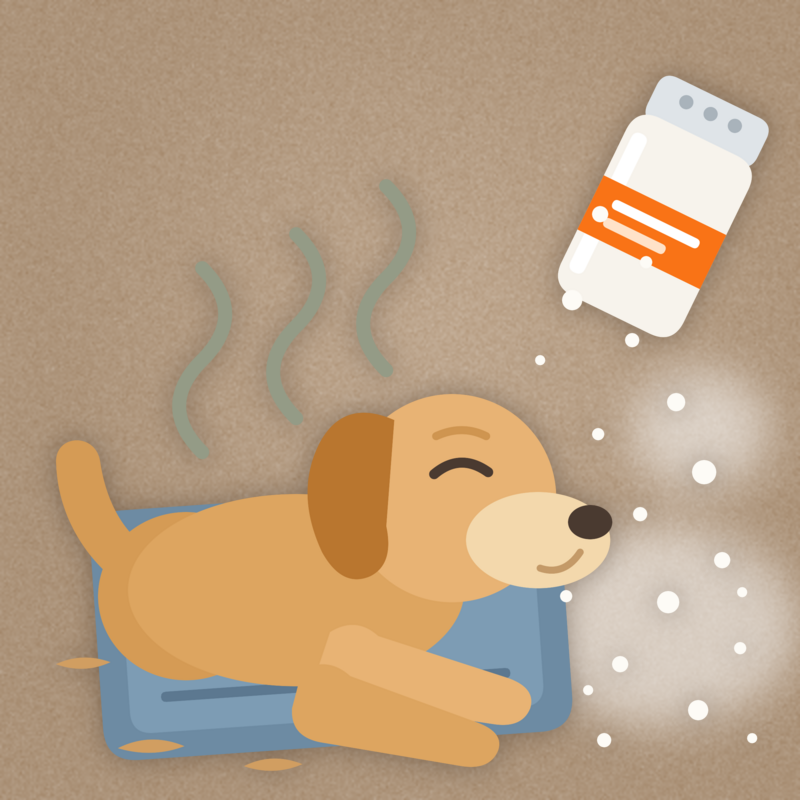
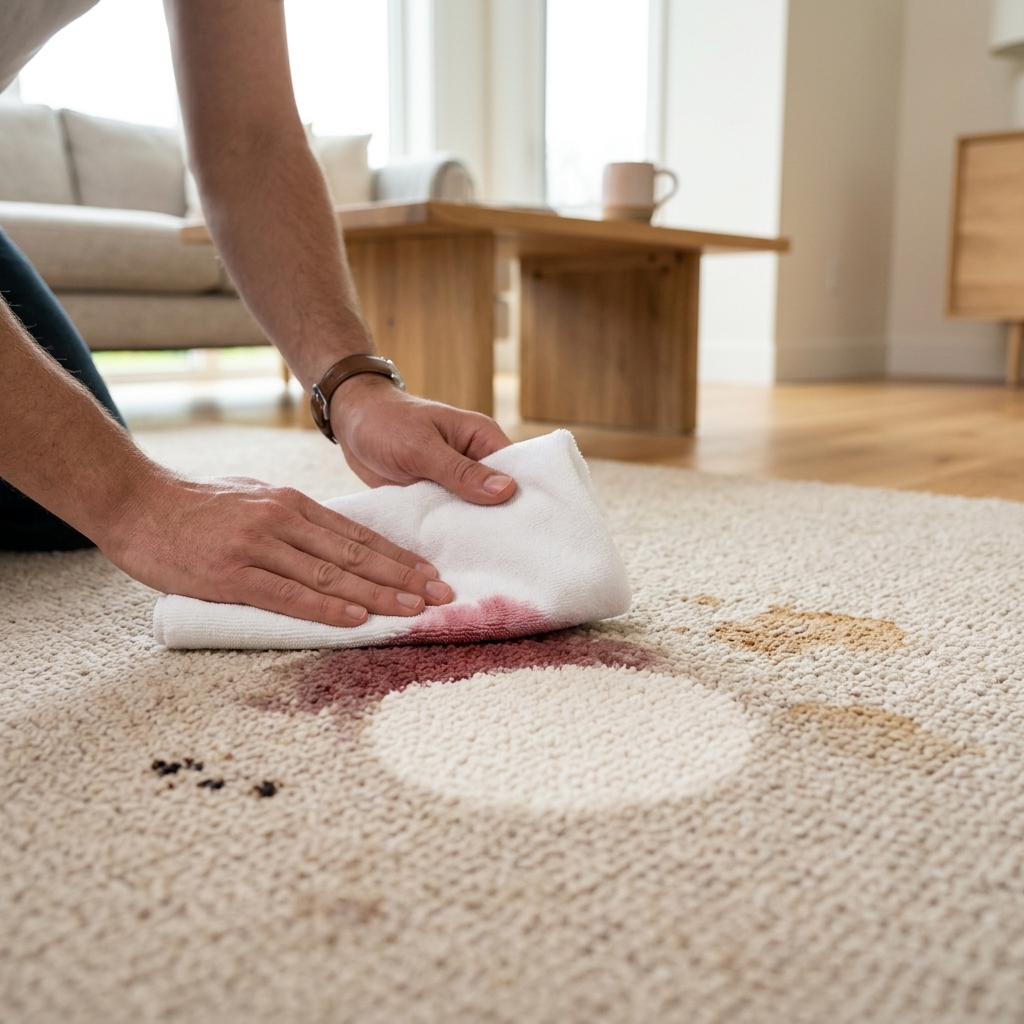
Red wine is notorious for staining carpet quickly, but acting fast makes a real difference. Blot up as much liquid as possible immediately, then cover the area with salt or baking soda to help absorb the remaining wine before it sets. Once dry, vacuum the powder and treat any remaining colour with a mix of one part dishwashing liquid, one part hydrogen peroxide, and two parts water, always patch testing first, particularly on darker or more delicate carpets.
3. Pet Urine
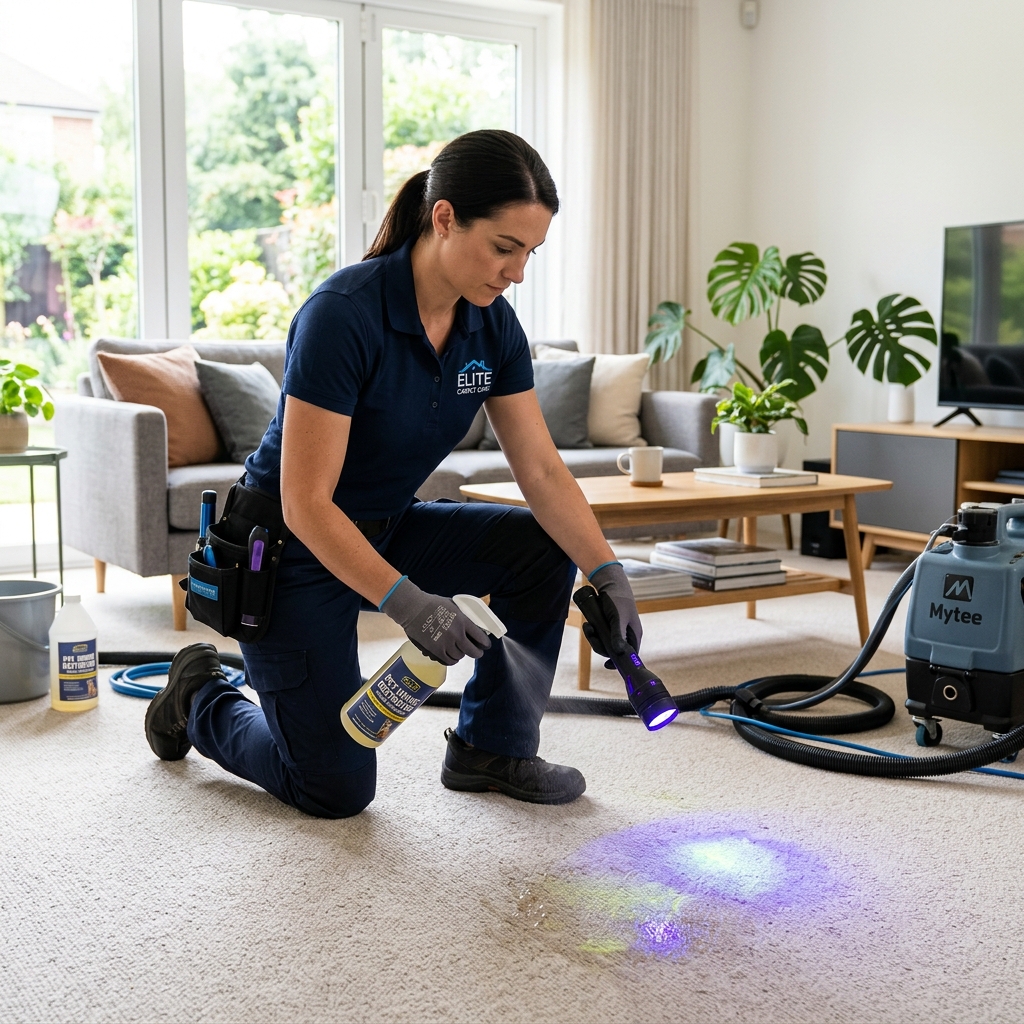
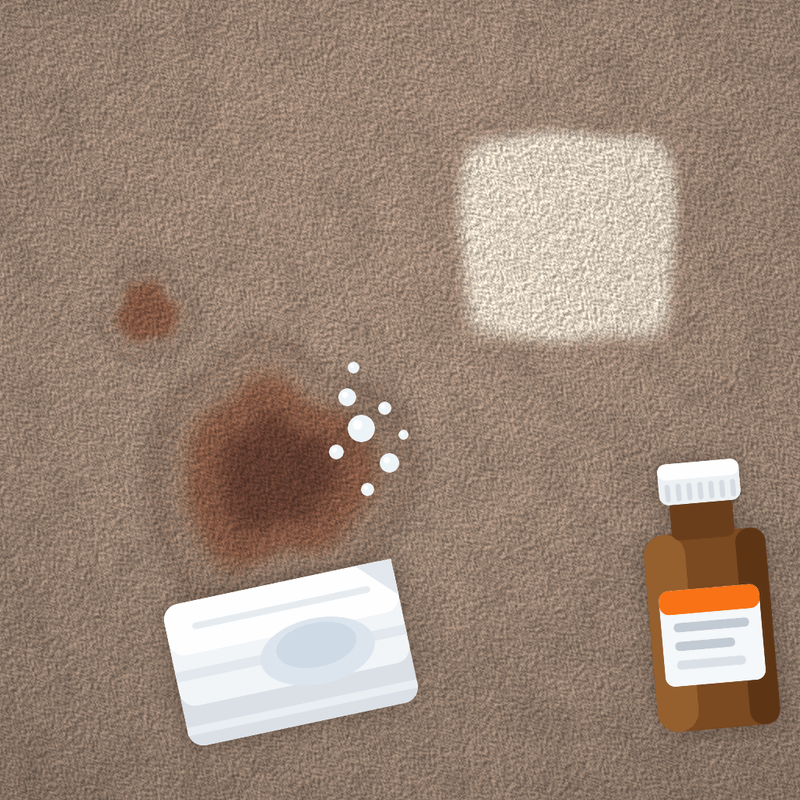
Pet urine requires a unique approach because it contains uric acid crystals that regular detergent cannot break down. Blot fresh accidents immediately, then apply an enzyme-based cleaner formulated for pet stains to digest the uric acid at a molecular level rather than simply masking the odour. For older or recurring accidents, a UV blacklight inspection helps identify contamination not visible to the naked eye.
4. Mud and Dirt
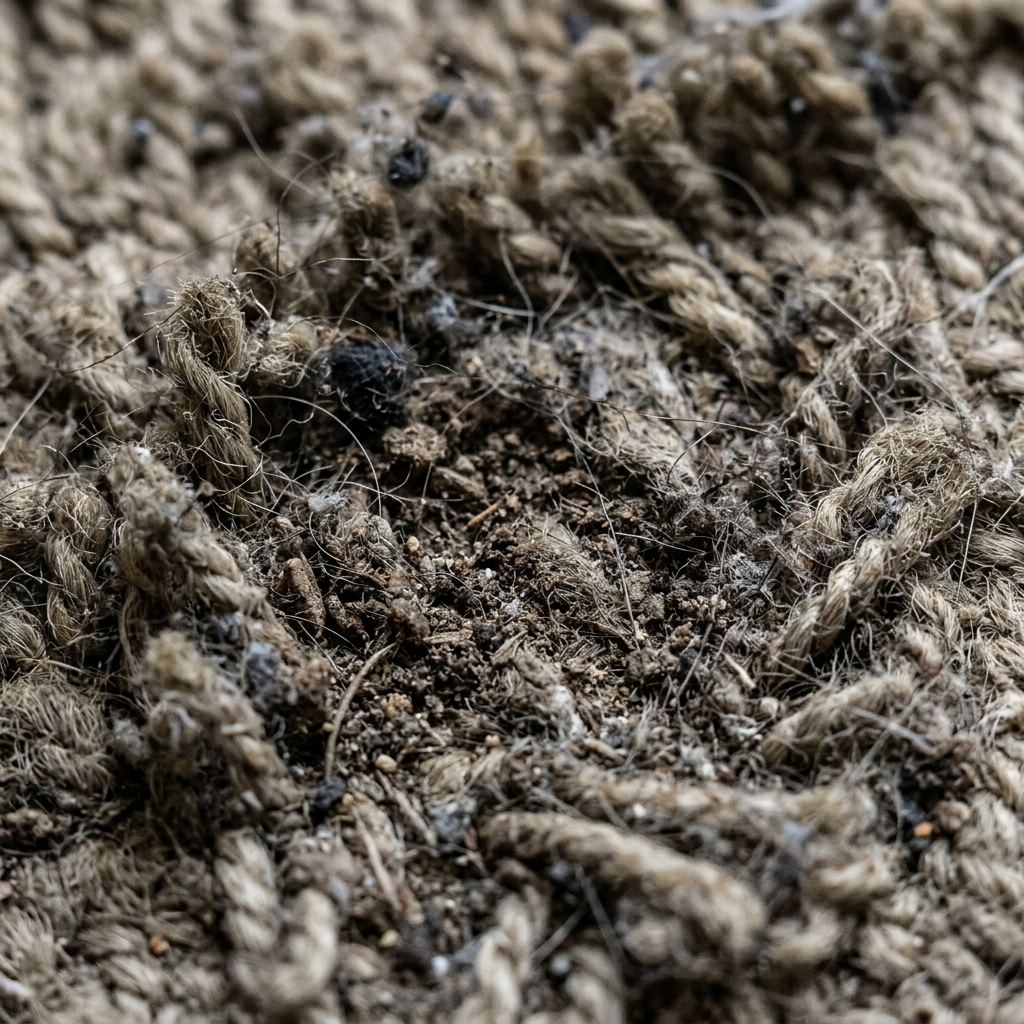
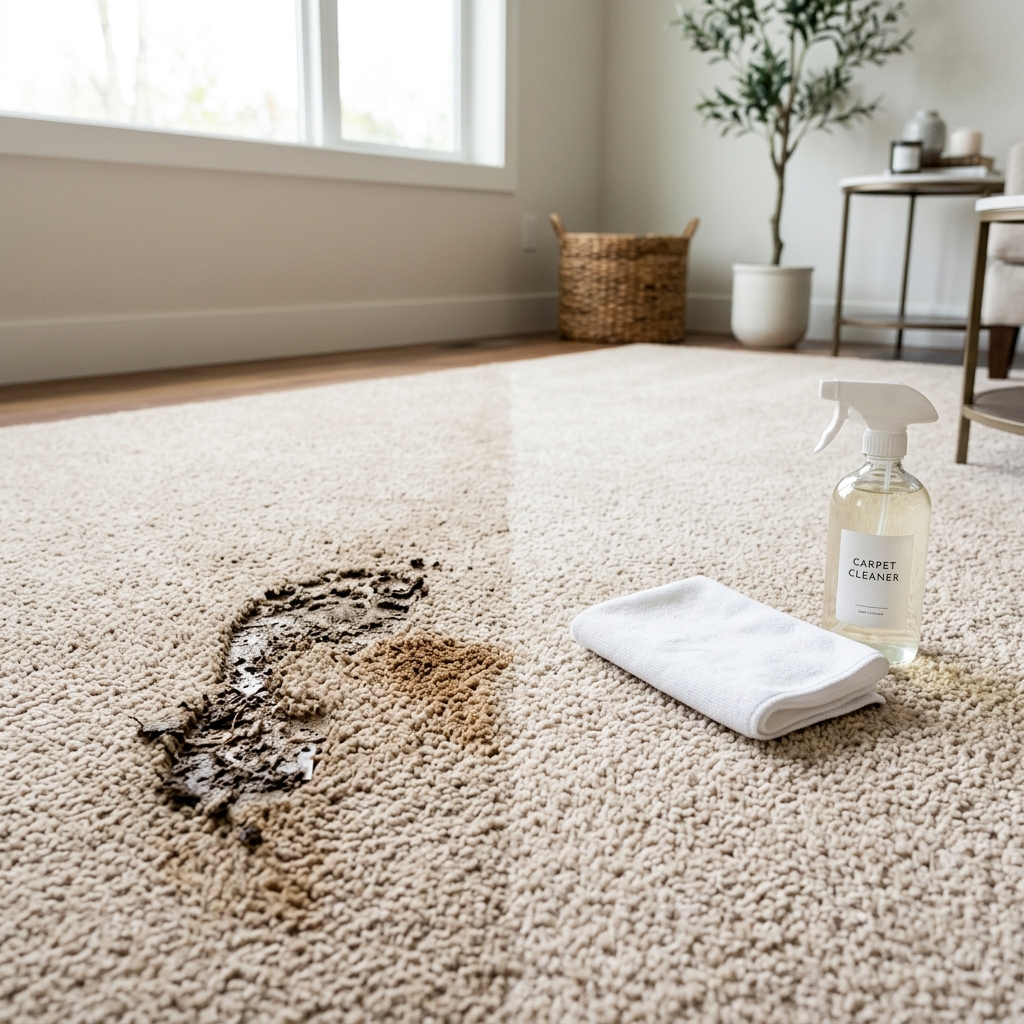
Mud is actually easier to remove once dried, as wet mud tends to smear further into the pile if disturbed. Let it dry fully, vacuum the dry residue, then treat any remaining mark with a mild detergent and vinegar solution. Our guide on How to Get Mud and Dirt Stains Out of Carpet Fast walks through this process step by step.
5. Grease and Cooking Oil
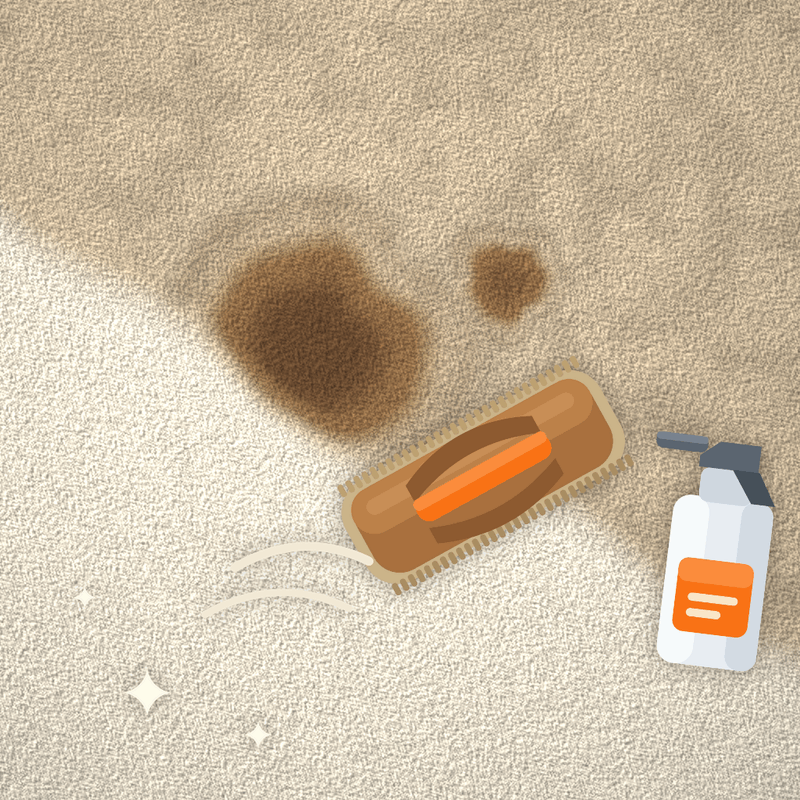
Oily stains repel water, so ordinary blotting can spread the mark. Cover the stain with cornstarch or baking soda, leave it to draw out the oil, then vacuum before treating any residue with grease-cutting dishwashing liquid. Rinse thoroughly afterward, as leftover detergent attracts dirt and makes the area look dingy again quickly.
6. Blood
Blood is a protein-based stain, so hot water must be avoided, as heat binds the protein to carpet fibres. Blot fresh blood with cold water first, then apply a small amount of mild detergent diluted in cold water, dabbing gently. For dried blood, apply a cold water and ammonia-free stain remover solution briefly before blotting, always patch testing first.
7. Ink
Ink stains look alarming but respond well to prompt treatment. Blot, never rub, and apply a small amount of isopropyl (rubbing) alcohol to a clean cloth, dabbing from the outside in. The alcohol breaks down the pigment without spreading it. Rinse the area with a damp cloth afterward and always test on a hidden section first, as alcohol can affect certain carpet dyes.
8. Chewing Gum
Gum stuck in carpet responds best to cold. Place ice cubes in a sealed plastic bag and hold it against the gum until it hardens right through, then gently break it apart and lift it out with a blunt tool like a spoon. Avoid pulling while soft, as this pushes the gum deeper into the fibres and spreads it.
9. Candle Wax
Wax spills should be treated with cold first. Once hardened, scrape away as much wax as possible using a blunt tool. For remaining residue, place a clean paper towel over the area and apply a warm iron on a low setting for a few seconds at a time to melt the wax into the towel. Replace paper towels as needed and repeat.
10. Vomit
Vomit stains combine organic residue and strong odour, making enzyme-based treatment crucial. Remove solid material first, then blot with cold water before applying an enzyme cleaner formulated for organic stains. This allows the cleaner to break down the residue at a molecular level, addressing both the visible stain and the lingering odour far more thoroughly than ordinary detergent.
General Rules That Apply to Almost Every Stain
- Always blot, never rub, to avoid spreading the stain or damaging the pile.
- Work from the outer edge of the stain inward to prevent it from growing.
- Test any cleaning solution on a hidden area of carpet first.
- Avoid hot water on protein-based stains like blood.
- Rinse thoroughly after treatment to remove detergent residue.
- Act quickly, since fresh stains are easier to remove than set-in ones.
When Home Treatment Isn't Enough
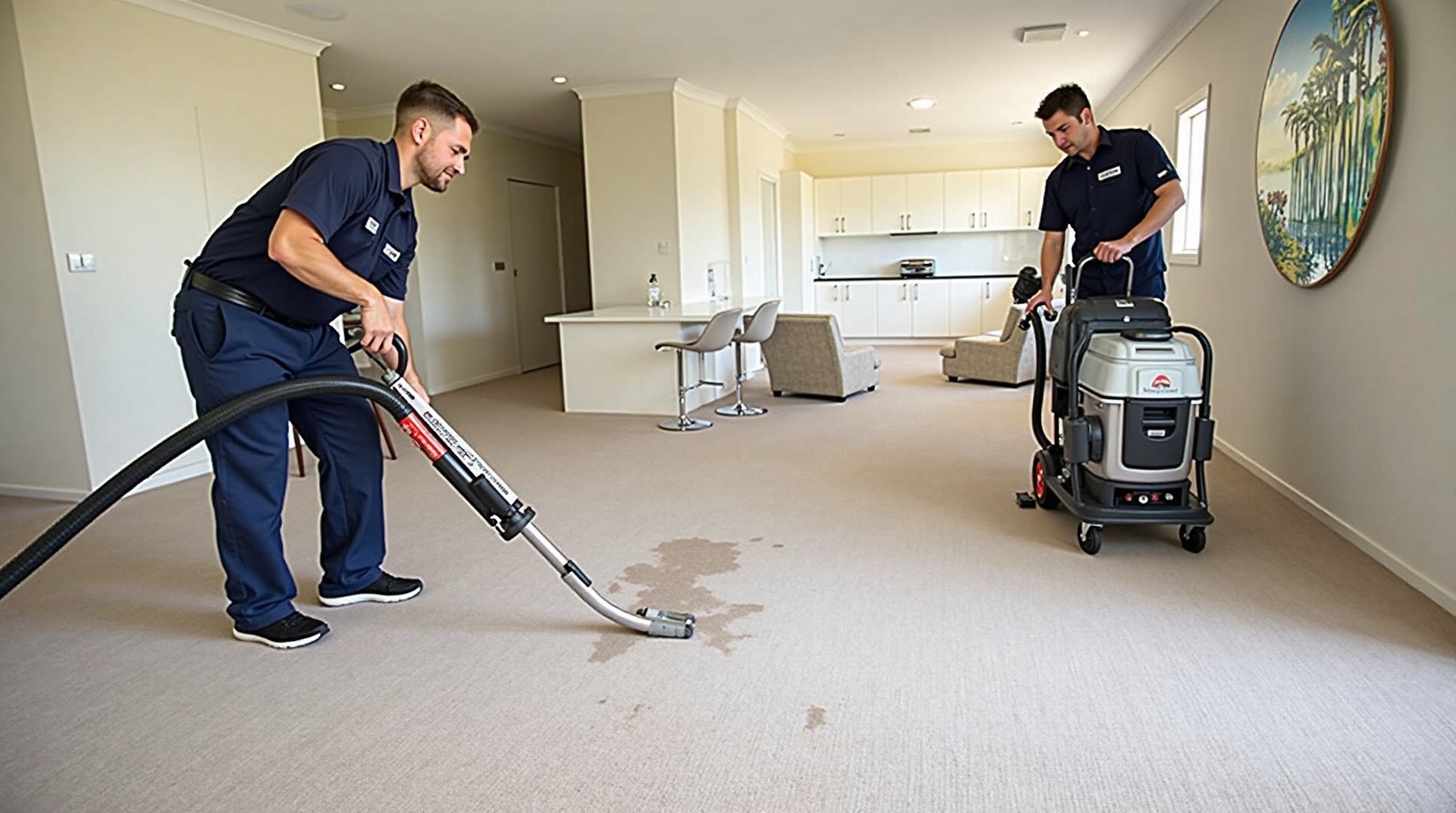
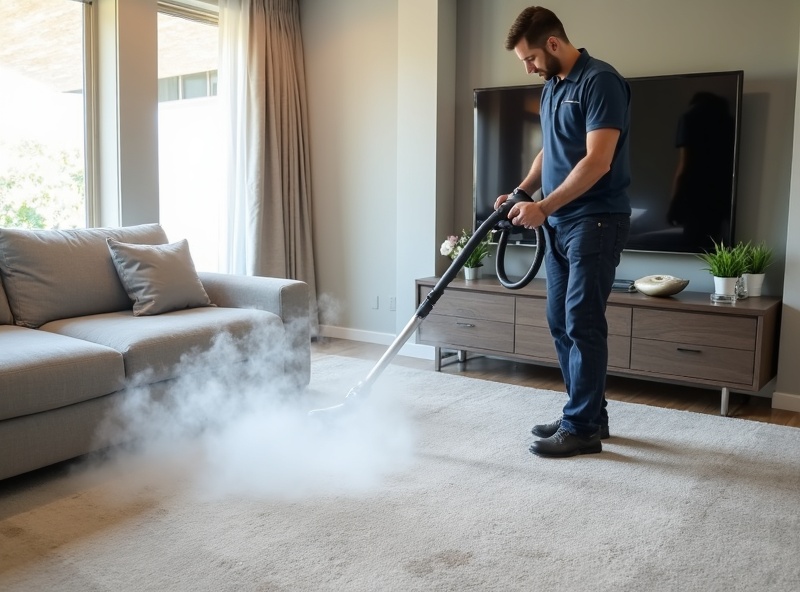
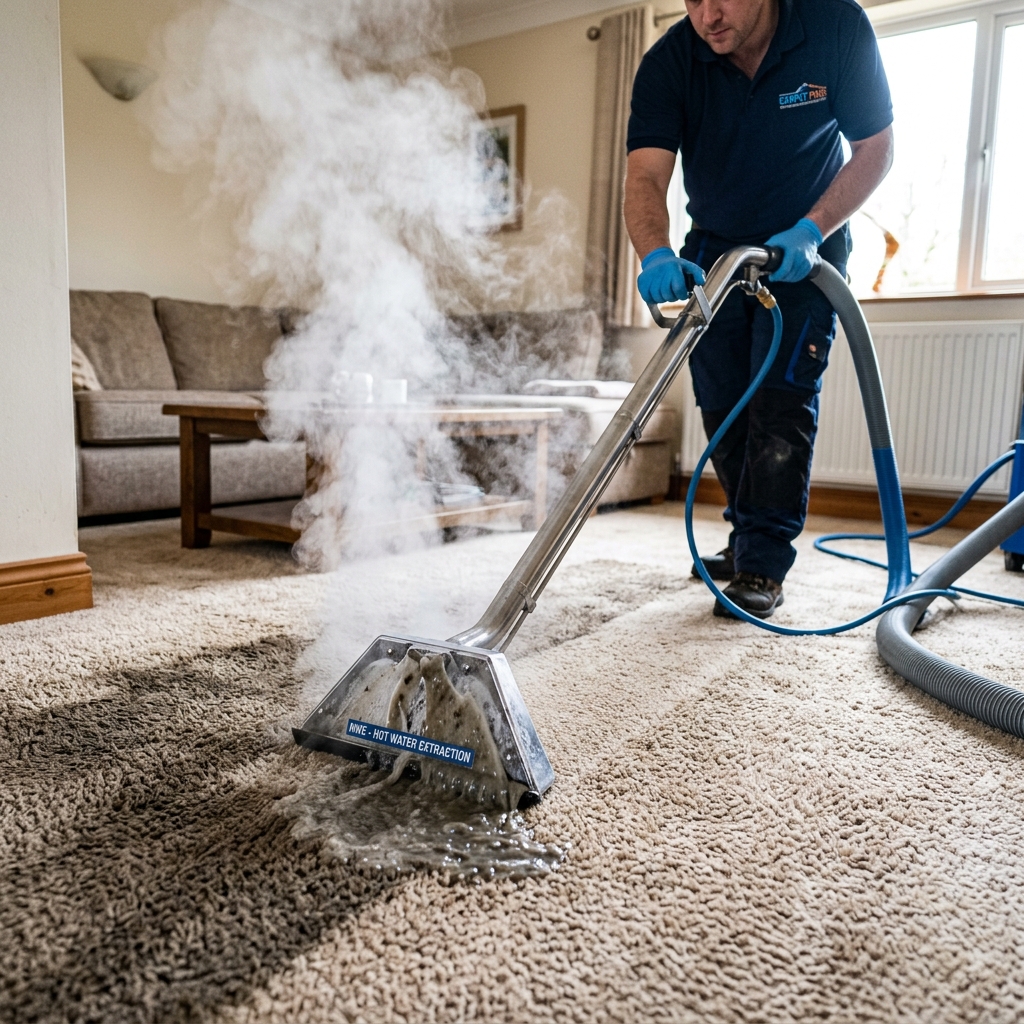
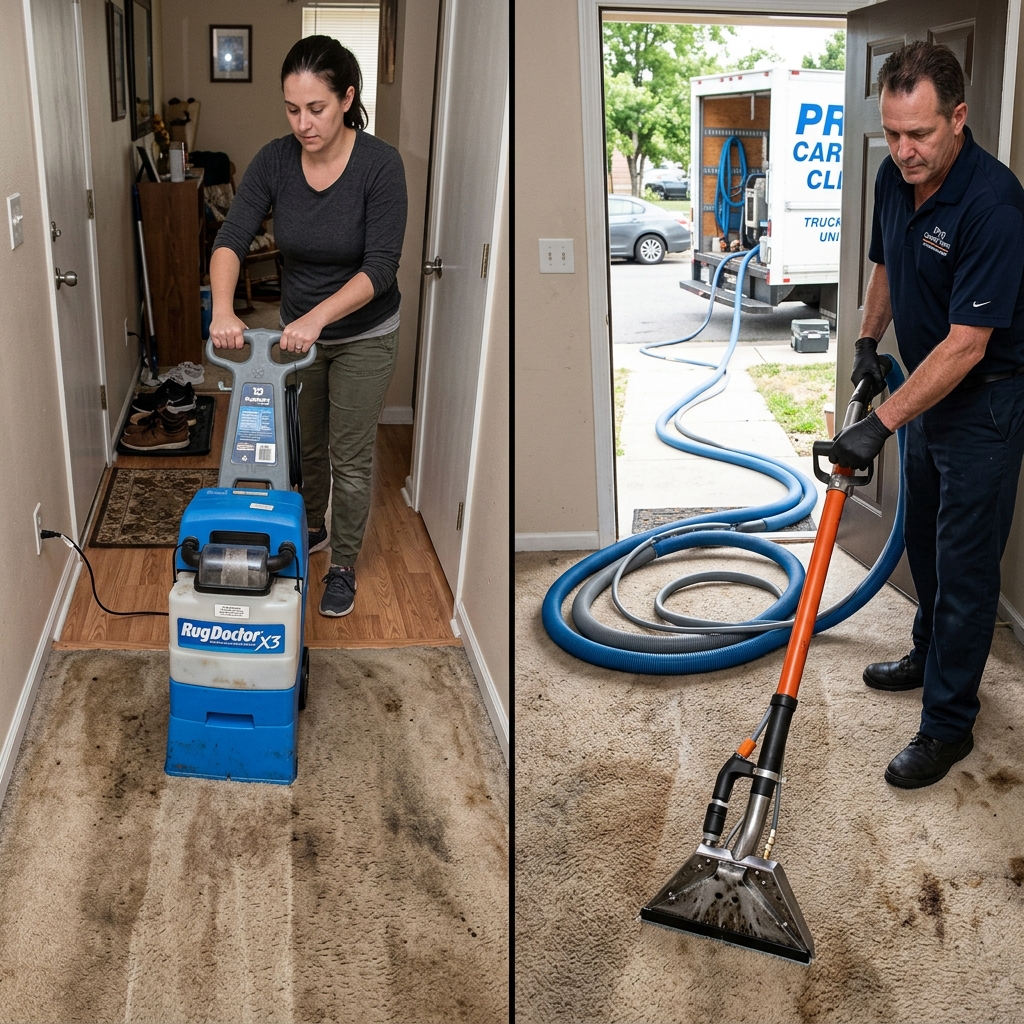
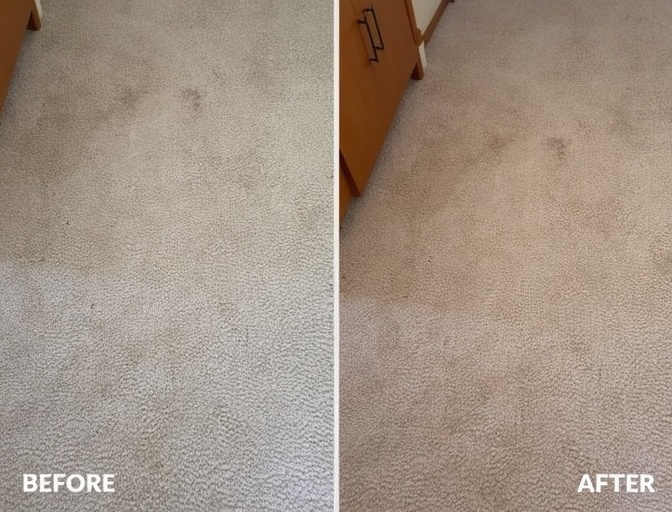
While most fresh stains respond well to the methods above, older, larger, or particularly stubborn marks often need the deeper extraction power and customised solutions that only professional equipment can provide. This is especially true for stains on delicate natural fibre carpets like wool, where the wrong home treatment can cause more damage than the original stain itself.
Building a Basic Stain-Removal Kit at Home
Keeping a few key items on hand makes responding to stains much easier when they happen. A reliable kit includes clean white cloths or paper towels, mild dishwashing liquid, white vinegar, baking soda, hydrogen peroxide, and an enzyme-based cleaner for organic stains. Having these ready means you can start treatment within the first crucial minutes of a spill, rather than scrambling to find the right product while the stain sets further into the fibres.
Frequently Asked Questions
1. What's the golden rule for treating any carpet stain?
Blot, don't rub, and act quickly. Rubbing spreads the stain and damages the pile, while delay allows stains to set firmly.
2. Can I use the same cleaning solution for every type of stain?
No, different stains require different treatments. Protein-based stains like blood need cold water and mild soap, while oily stains require absorbent powder first.
3. Is it ever too late to treat a carpet stain?
Older stains are harder but not impossible to treat. Repeated gentle cleaning or professional extraction can often improve or fully remove them.
4. Should I always test a cleaning solution before using it?
Yes, patch testing on a hidden spot, like inside a closet, avoids accidental discolouration, especially on delicate wool or natural fibres.
5. When should I call a professional carpet cleaner instead of treating it myself?
Call a professional for large, old, or stubborn stains, or if your carpet is a delicate natural fibre like wool that requires safe, deep extraction.
Final Thoughts
Every stain has its own best treatment method, and knowing the right approach before disaster strikes can make the difference between a fully removed mark and a lingering shadow. Keeping a basic stain kit on hand and acting quickly gives you the best chance of success with almost any spill.
If a stain has you stumped, or simply won't budge with home treatment, get in touch with Fresho Carpet Cleaning Brisbane today for professional stain removal that gets your carpet looking spotless again.