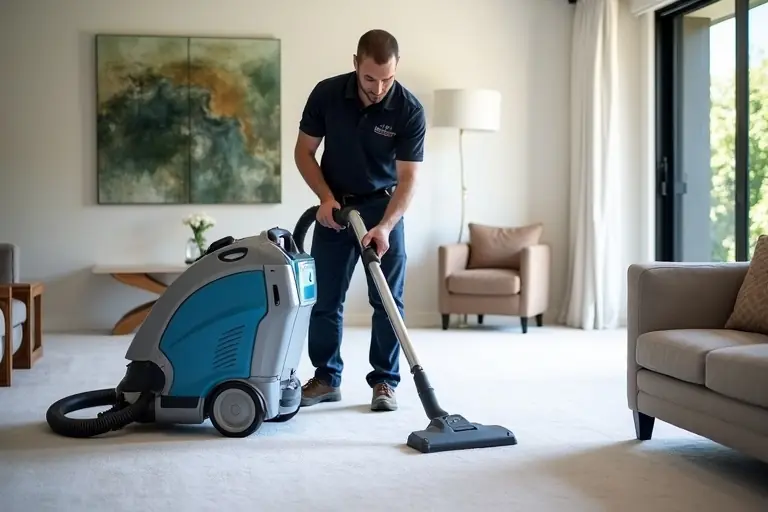
How Much Does Steam Carpet Cleaning Cost in Brisbane?
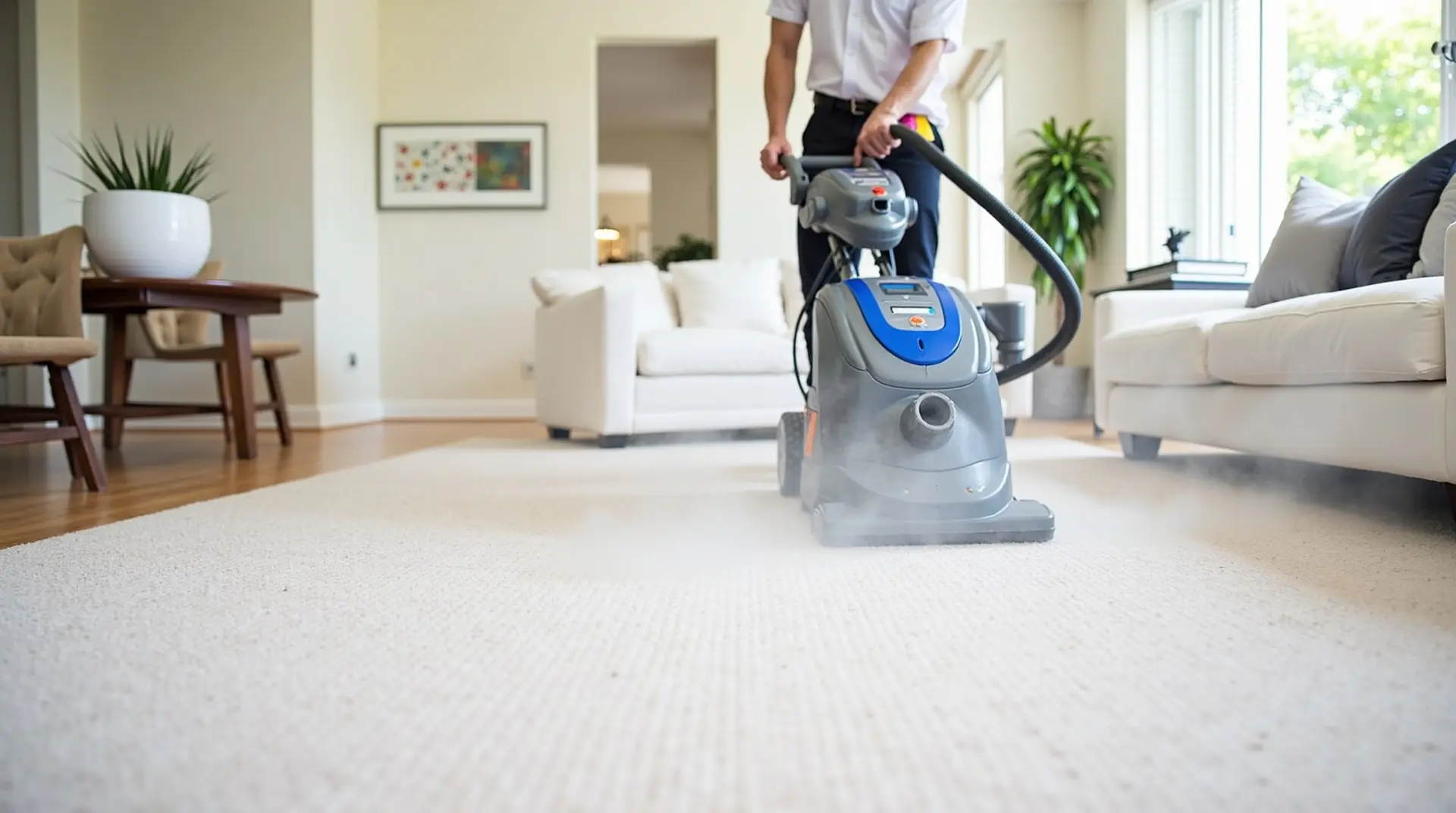
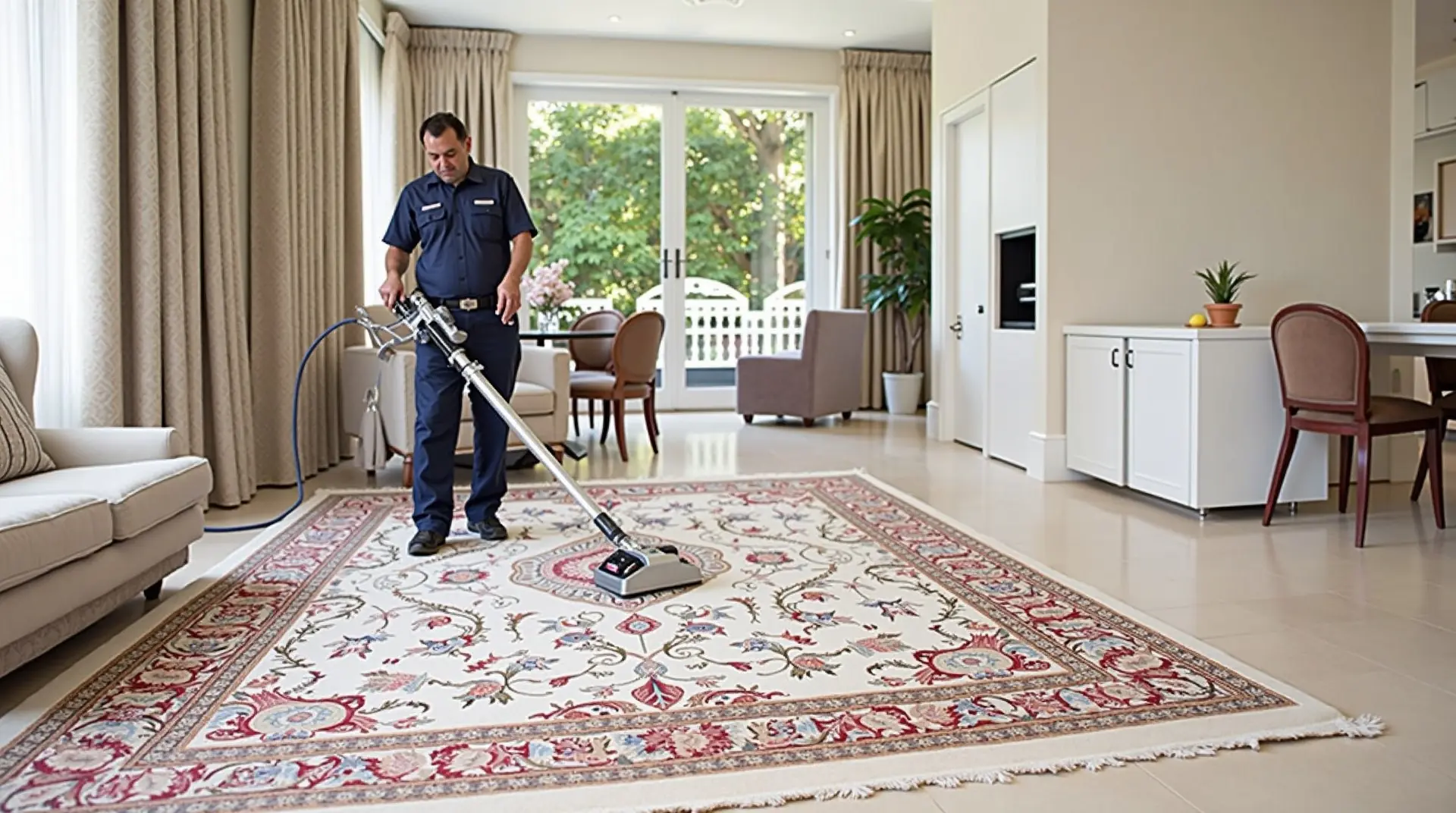
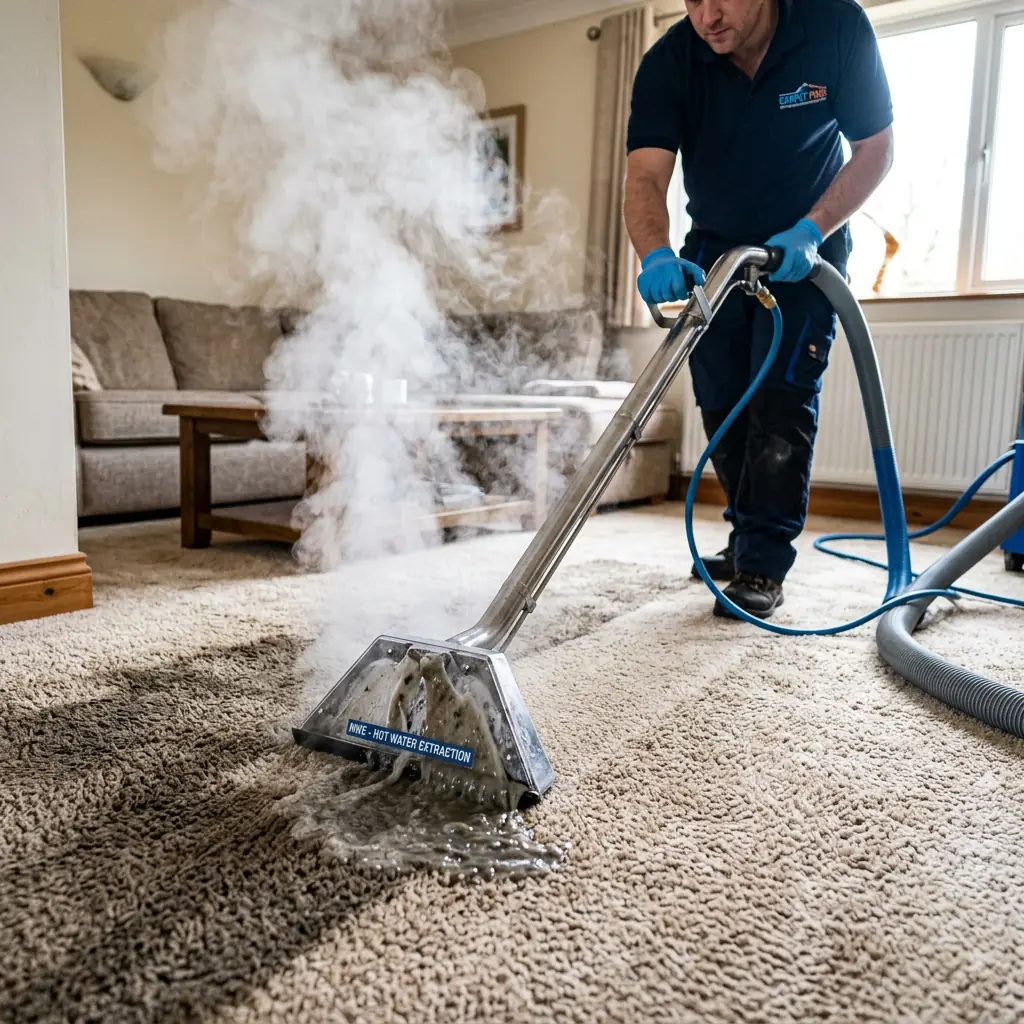
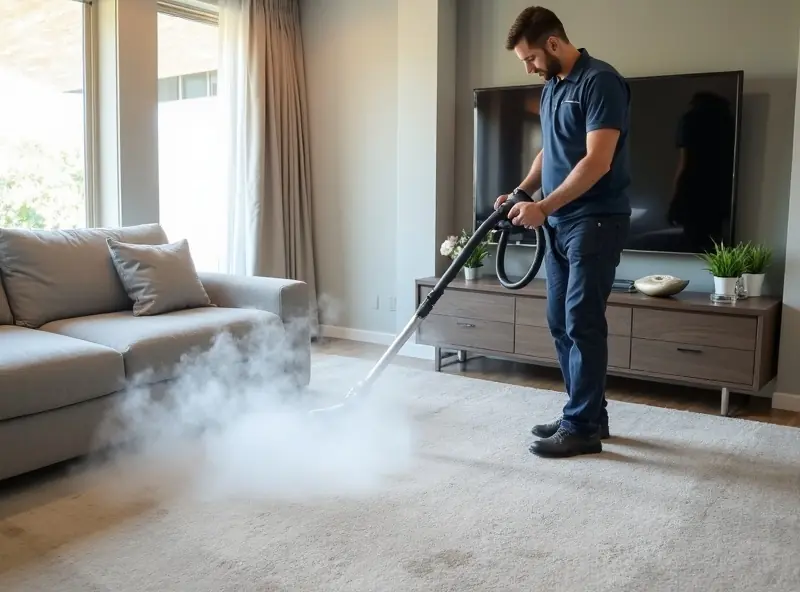
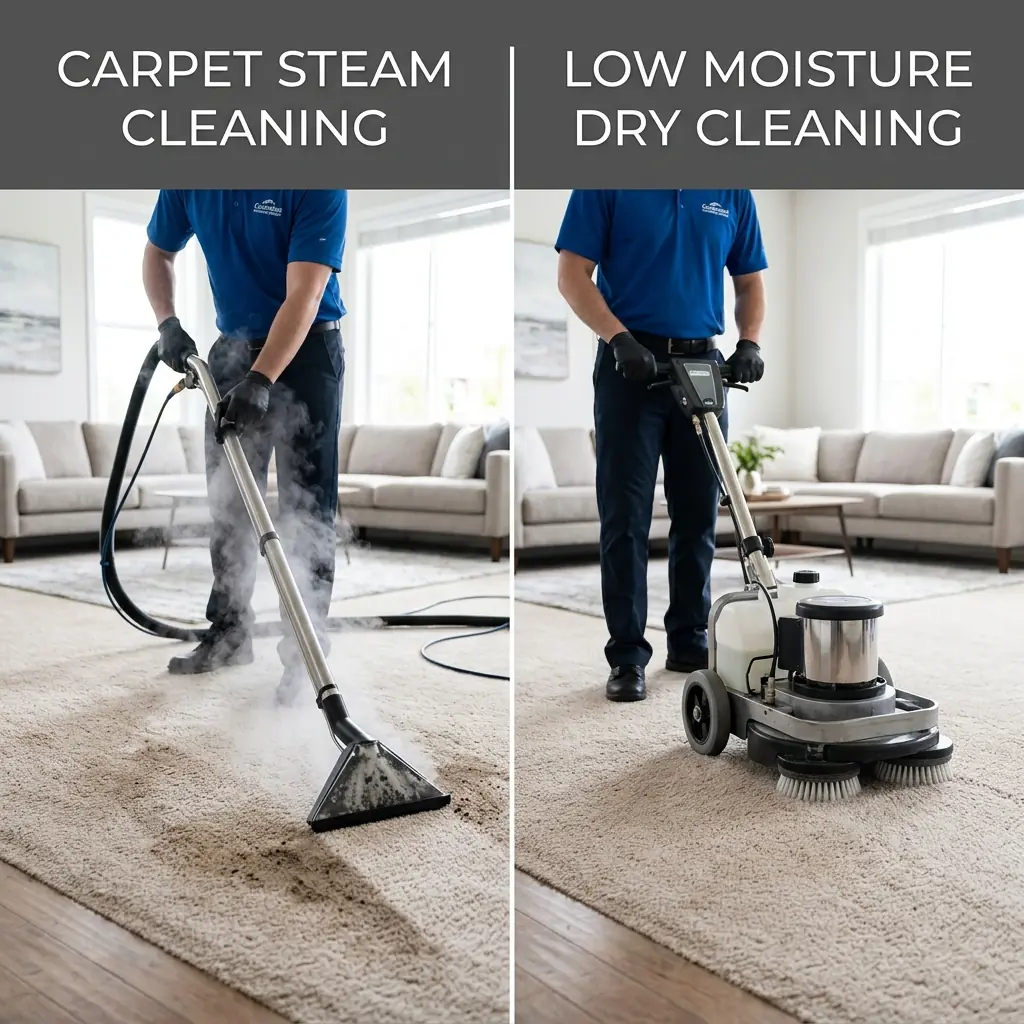
Steam carpet cleaning, often called hot-water extraction, uses controlled cleaning solution and extraction to lift accumulated soil from carpet fibres. The suitability of the method depends on fibre composition, construction, colour stability and the amount of moisture that can be safely recovered.
If you are researching steam carpet cleaning costs in Brisbane, it helps to understand the scope of work and what a technician needs to assess rather than relying on a generic figure. This guide explains the process, preparation, safety considerations and questions to ask for properties in Brisbane.
What influences the scope of steam carpet cleaning in Brisbane?
Property layout, access, material condition, severity of the issue and the need for follow-up all change the work involved. A clear description of the problem allows the team to recommend a suitable inspection and approach. Any proposed treatment should be explained in writing before it begins.
For service-specific information, see Steam Carpet Cleaning. Confirm which areas are included and which conditions may require a different method.
What determines the cleaning approach
Room access, furniture, traffic lanes, visible marks, pile depth and previous treatments all affect how a cleaner plans the job. Larger or heavily used rooms may need additional attention, but an inspection matters more than a one-size-fits-all method.
What happens during a professional visit
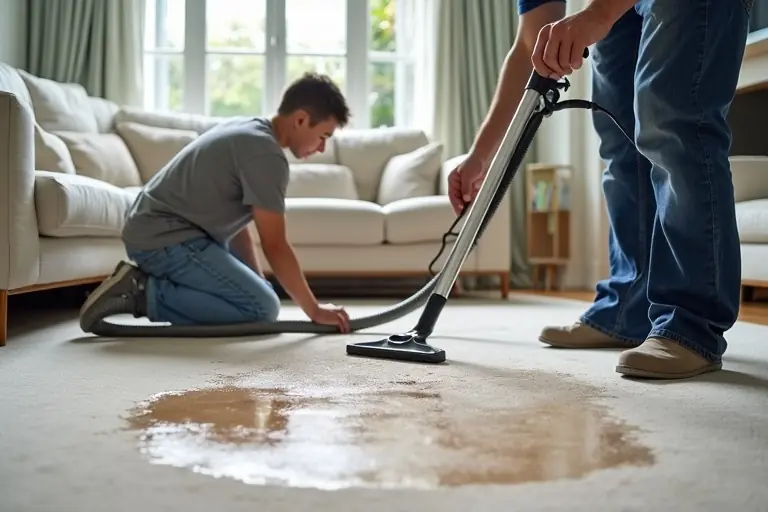
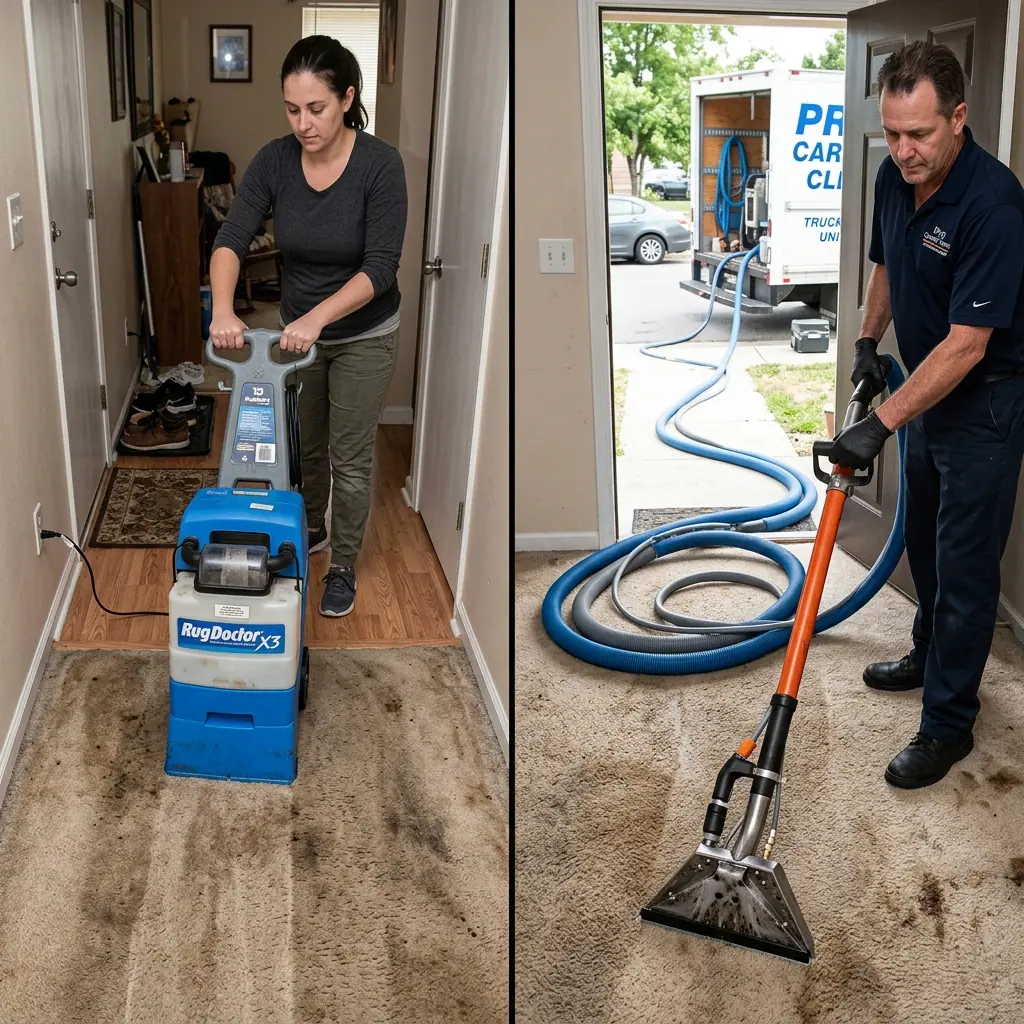
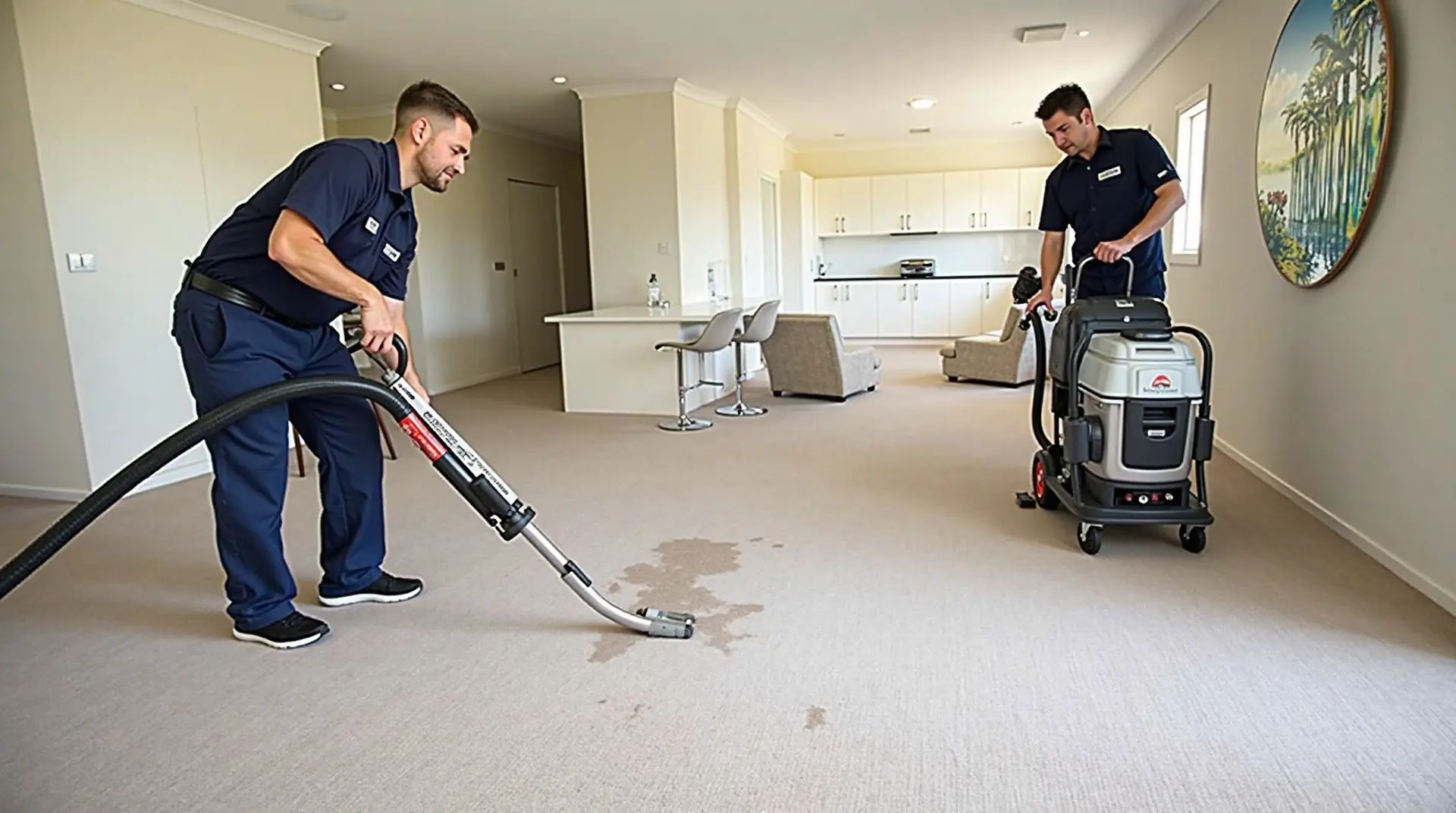
A typical visit includes reviewing carpet condition, inspecting stains and wear, vacuuming or pre-conditioning where appropriate, agitation if suitable, hot-water extraction and a final inspection. Technicians should avoid over-wetting and explain how to support drying.
Preparing each room
Clear small belongings, secure cords and move fragile pieces. Tell the team about colour-sensitive rugs, persistent spills, previous water leaks and difficult access. Take photos of problem areas so they are easy to identify.
Drying and maintenance after the clean
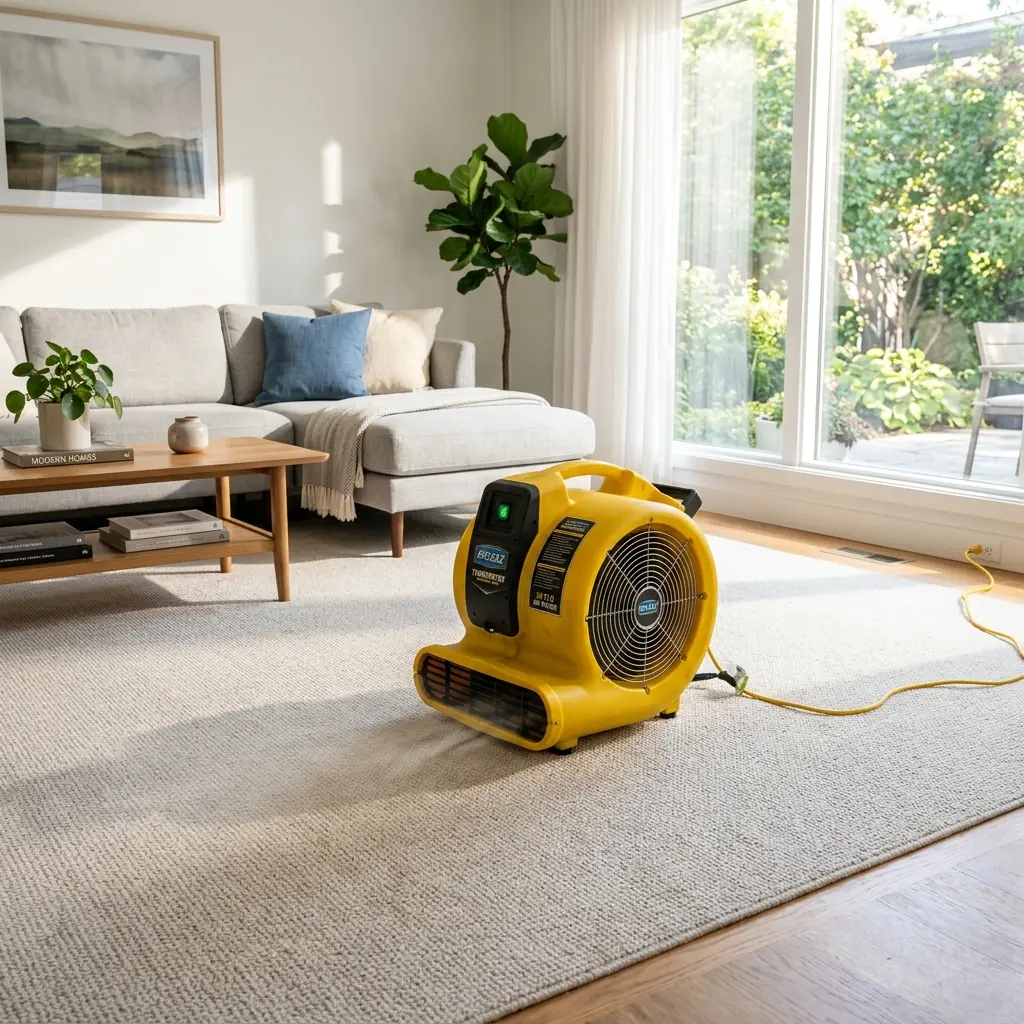
Ventilation, fans or dehumidification can help moisture dissipate. Follow technician guidance before replacing furniture. Vacuum regularly after the carpet has dried, manage spills promptly and deal with any recurring dampness at its source.
Questions to ask before arranging a visit
- What inspection is needed before the method is confirmed?
- What preparation should occupants complete?
- Are there material, access or safety limitations to consider?
- How will you confirm completion and recommend follow-up?
Why local conditions in Brisbane matter
Warm, humid periods and enclosed rooms can make ventilation and drying especially important. Ask how the service will manage moisture, provide fabric-care advice and minimise disruption.
Related services to consider
Depending on the assessment, related needs may include upholstery cleaning, rug cleaning or curtain & blind cleaning. These are optional complementary services, not automatically part of the requested appointment. Discuss them during the enquiry rather than assuming they are required.
The role of carpet type and construction
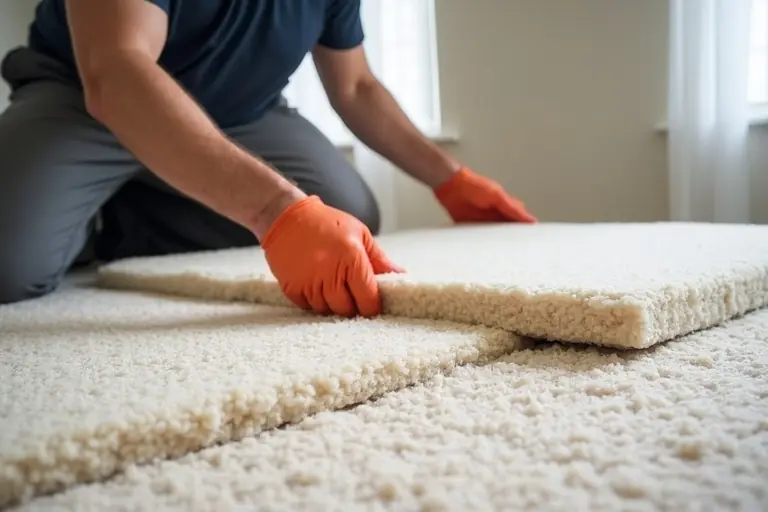
Cleaning choices should account for fibre, backing, age, pile density and manufacturer care instructions. A delicate wool carpet may need a different product and water-management approach from a hard-wearing synthetic carpet. Worn fibres can retain a dull appearance even after soil is removed, so expectations should be set during inspection. Ask the team how they will handle decorative borders, joins, loose edges and older stains before extraction begins.
Why pre-inspection prevents disappointments
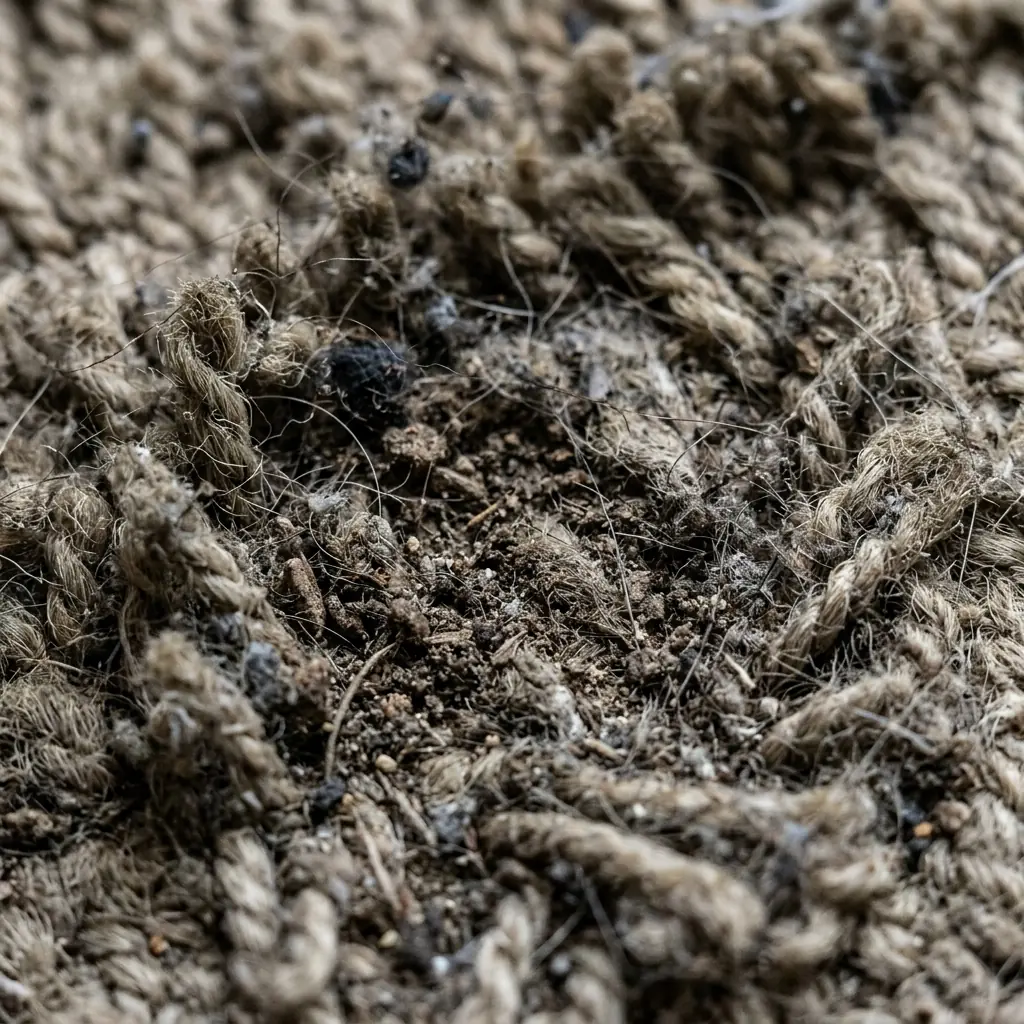
Walk through the rooms with the technician and identify traffic lanes, drink spills, pet incidents and areas shaded by furniture. Mark any spots that have already been treated with supermarket stain removers. Some staining may be permanent because the dye has changed or fibres have been damaged. Distinguishing soiling from wear allows the cleaner to explain what is likely to improve and what cannot be restored through ordinary cleaning.
Managing moisture and drying safely
Controlled water application and strong extraction are important because the carpet must dry without trapped dampness. Air movement, ventilation and dehumidification can support drying, particularly in enclosed rooms. Do not place heavy furniture back on damp carpet unless the technician recommends suitable protection. If a room has existing leaks, water staining or musty odour, investigate the underlying moisture source before scheduling another wet clean.
Maintaining results between visits
Vacuum high-traffic paths frequently with equipment suitable for the pile, keep entrance mats clean and address spills while fresh. Rotate movable furnishings where practical to distribute wear and keep abrasive grit from accumulating. Where households include pets or allergies are a concern, ask for a maintenance routine suited to actual use rather than a fixed rule for every home. Keep records of treatments so later technicians know what chemicals and methods were previously used.
Plan cleaning around carpet construction
Carpet materials behave differently when exposed to moisture, agitation and cleaning solutions. Wool, synthetic blends and delicate patterned carpets do not necessarily need the same process. The technician should inspect traffic lanes, joins and visible discolouration, then test unfamiliar materials before choosing equipment or pre-treatment. Explain whether furniture has been moved recently, whether a rug sits over the carpet and if previous spot cleaners were used. Those details can change how the surface should be treated.
Treat stains as separate problems
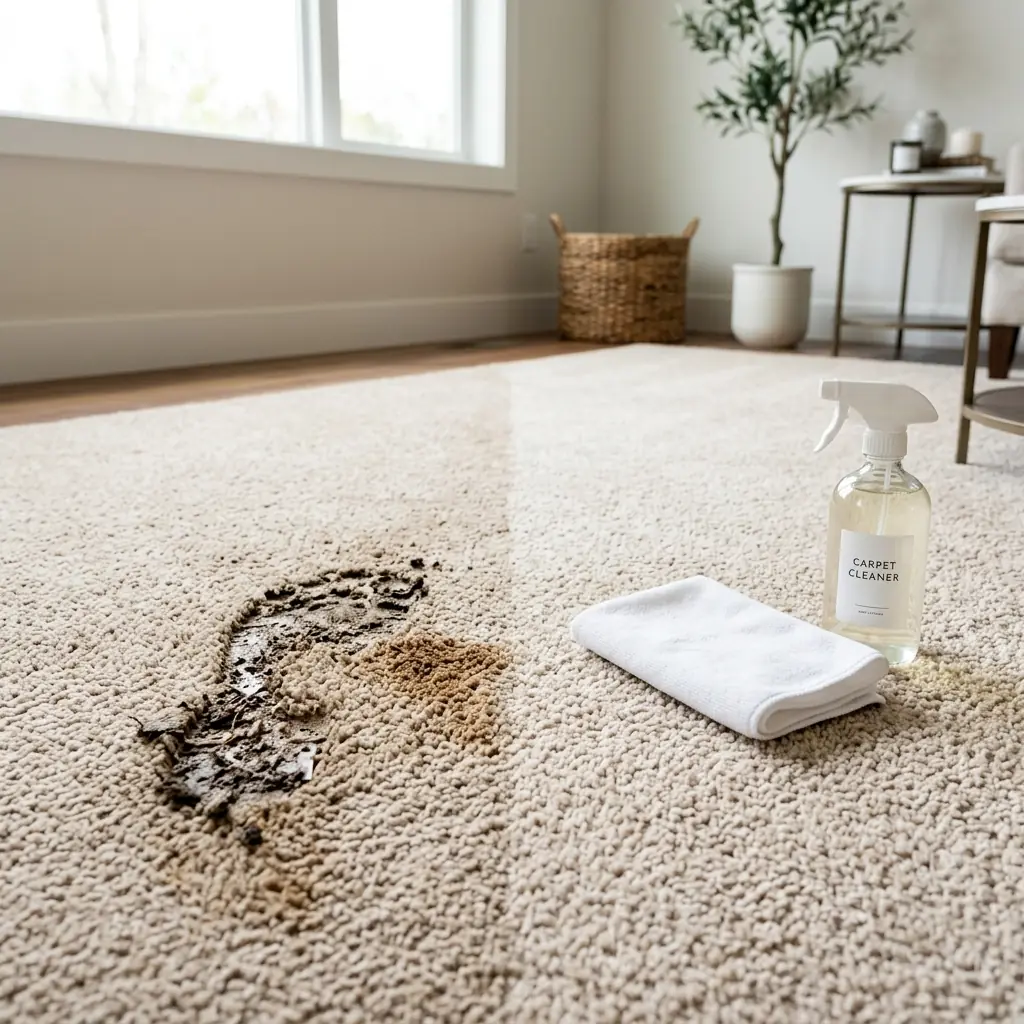
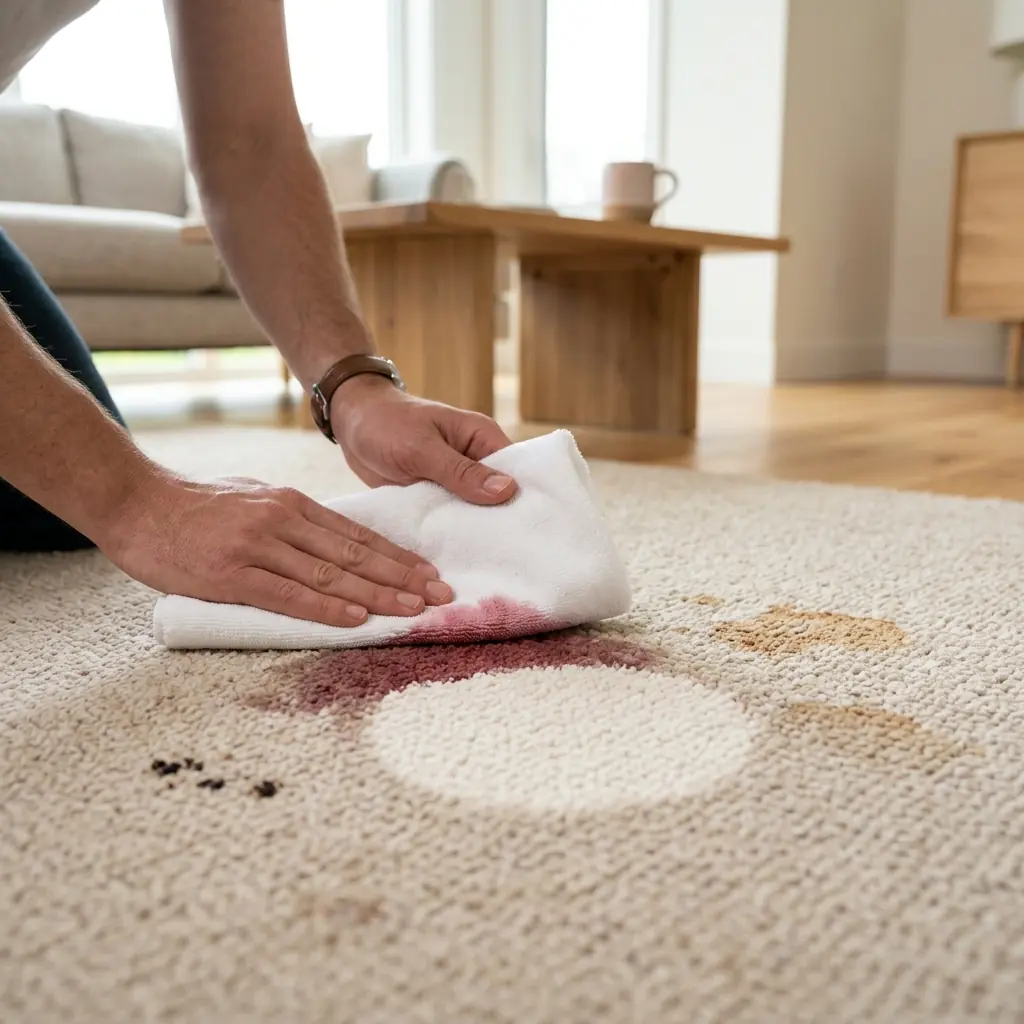
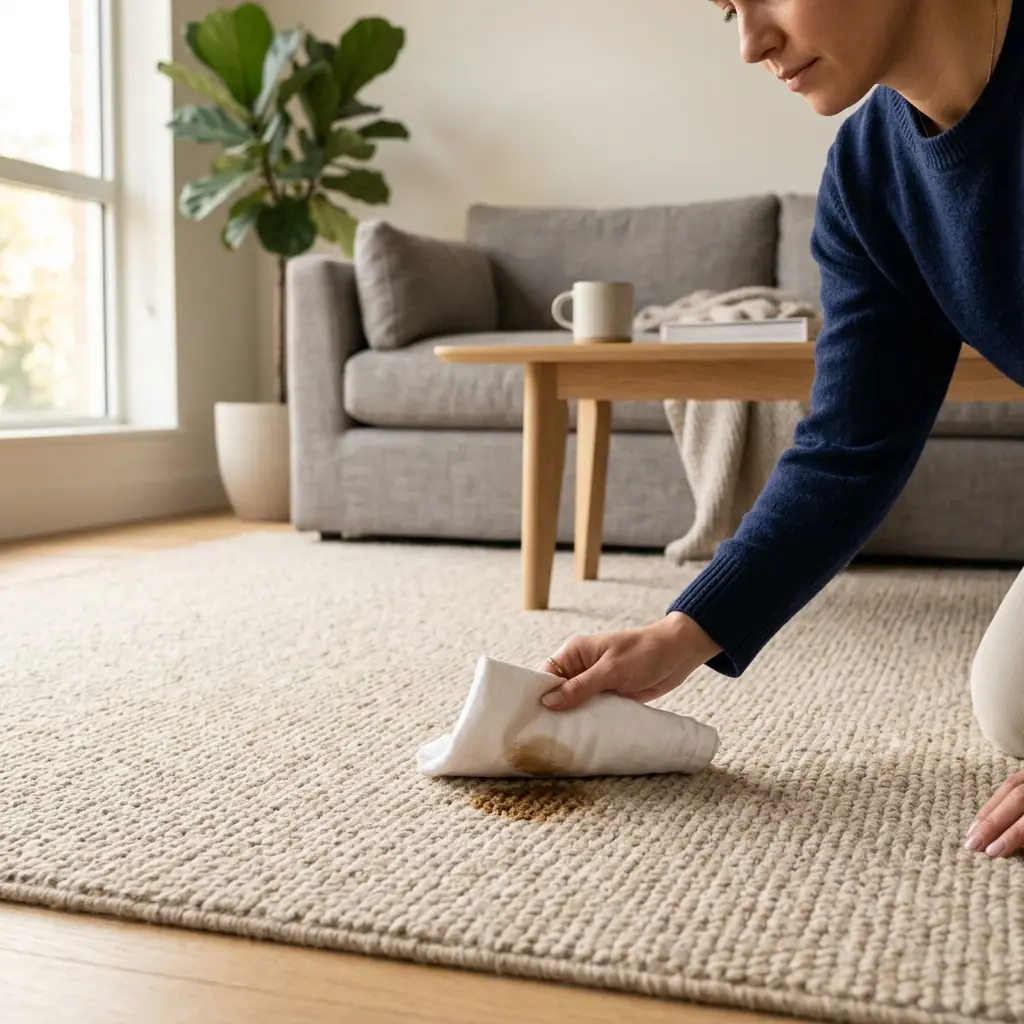
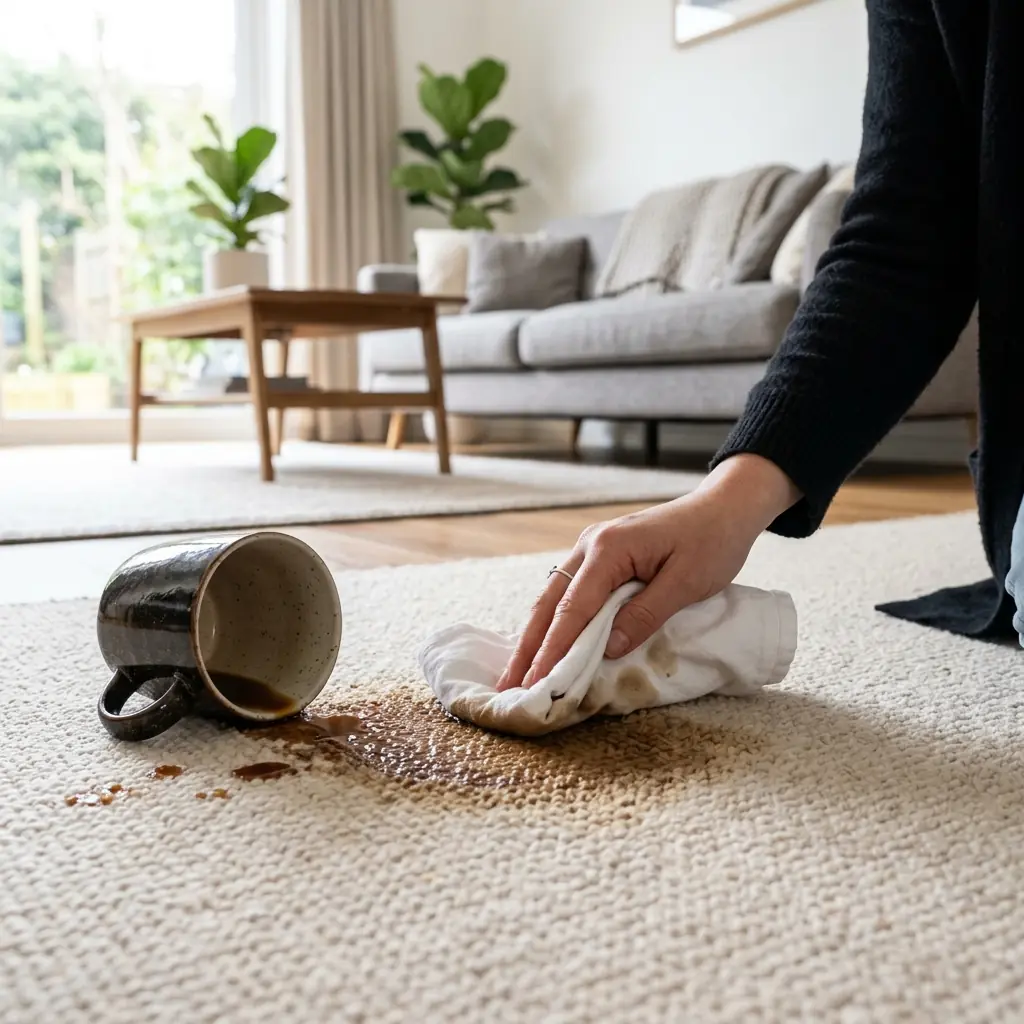
A dark patch may be tracked-in soil, a food spill, colour transfer or an older stain that has already altered the fibres. These situations do not respond equally to one universal product. Blot fresh spills without rubbing and avoid applying concentrated detergents before the cleaner arrives. If a stain has been repeatedly treated, share which products were used. This reduces the chance of unexpected reactions and helps distinguish removable residue from permanent damage or fading.
Make drying part of the cleaning plan
Effective cleaning includes controlled extraction and adequate airflow afterwards. Clear room access in advance, discuss moving furniture and ask when the carpet can be walked on or covered again. Ventilation, fans and indoor humidity can affect drying. Replacing heavy furniture or mats before the carpet is dry may slow evaporation and potentially cause marks. Follow the technician’s instructions rather than relying on a fixed drying time, especially in cooler weather or enclosed rooms.
Protect high-use areas between visits
Entrance mats, regular vacuuming and prompt attention to spills help slow the accumulation of grit and oils. Rotate small rugs when practical and avoid dragging furniture across pile. Pay particular attention to hallways, dining areas and spots where pets rest, since these areas may need extra inspection. The goal of routine care is not to make professional cleaning unnecessary; it is to keep abrasive dirt from staying embedded and preserve a consistent appearance for longer.
Frequently Asked Questions
Can the service be arranged without an on-site assessment?
You can normally submit an enquiry first, but photographs and a short description may not reveal hidden damage, material restrictions or inaccessible areas. Ask whether inspection is required.
What should I tell the team before booking?
Provide your suburb, preferred visit window, access details, the affected rooms or areas, any previous work and relevant safety concerns. For steam carpet cleaning, photographs can help explain the situation.
How should I prepare the property?
Keep the work area accessible, secure pets and children, and follow any specialist instructions. Avoid unapproved chemical mixtures or disturbing contaminated areas.
Will one appointment always resolve the issue?
Not necessarily. Deep contamination, persistent moisture or damage to the backing or underlay may call for further inspection or a follow-up treatment.
Book steam carpet cleaning in Brisbane
To request a visit, submit one enquiry for Steam Carpet Cleaning. Add your Brisbane suburb, preferred date, property type, affected areas, photos if available and any relevant safety or care-label information. Ask the team to confirm availability, scope and preparation requirements before you book.
Request an assessment from Fresho or call 07 3778 7181 to discuss the relevant service and arrange the next steps.