The Best Carpet Cleaning Methods for Different Carpet Types
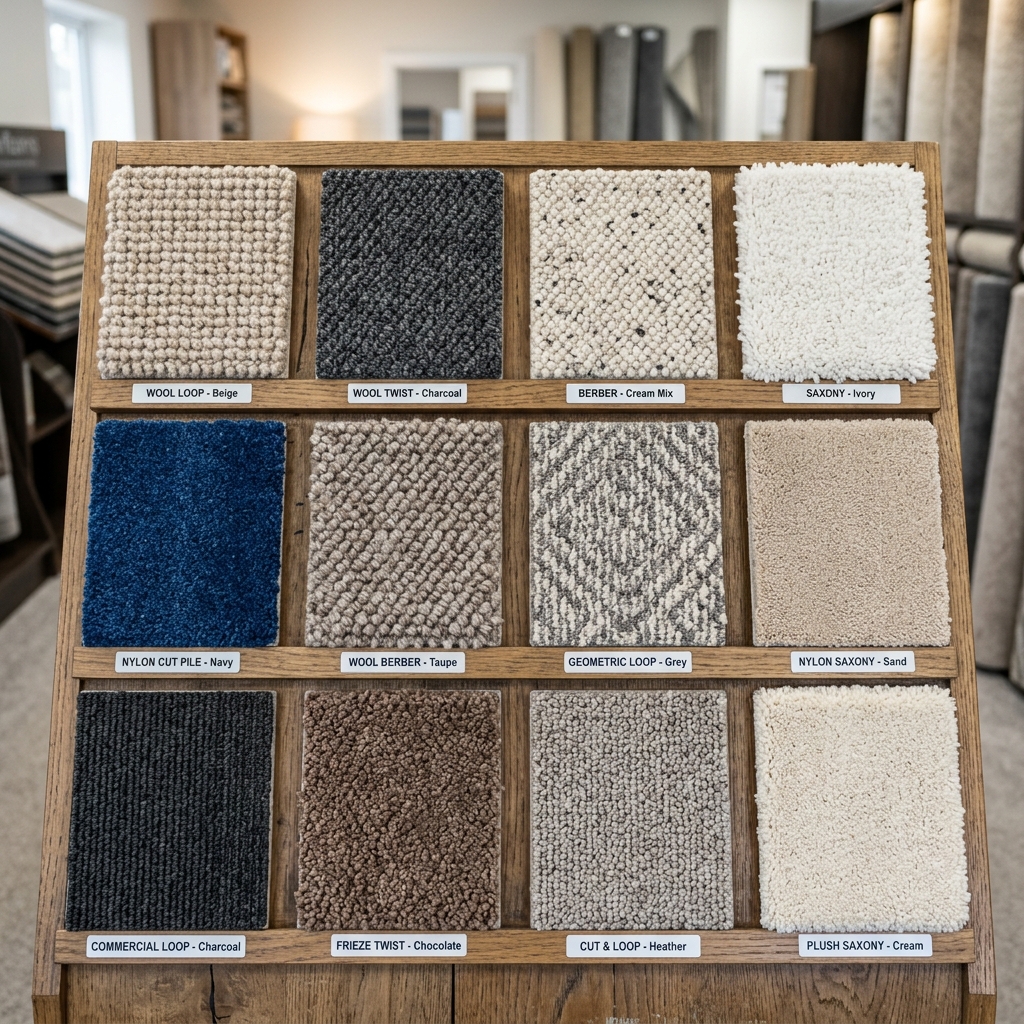
When shopping for carpets, we often focus on the colour, style, and how soft the pile feels under our feet. What many homeowners do not realize is that the material the carpet is made of determines how it should be cleaned. Carpets are manufactured from a variety of natural and synthetic fibres, each with its own physical properties, chemical sensitivities, and durability levels. Applying the wrong cleaning method, water temperature, or chemical pH to a delicate fibre can lead to irreversible damage, including fibre shrinkage, dye bleeding, colour loss, or texture distortion. This comprehensive guide outlines the best carpet cleaning methods for different carpet types.
1. Nylon Carpets: The Durable Choice
Nylon is the most popular synthetic carpet fibre in residential homes. It is highly valued for its strong durability, resilience, and resistance to abrasion. Nylon fibres have a physical memory; they can be compressed under heavy foot traffic or furniture and will spring back to their original shape when cleaned.
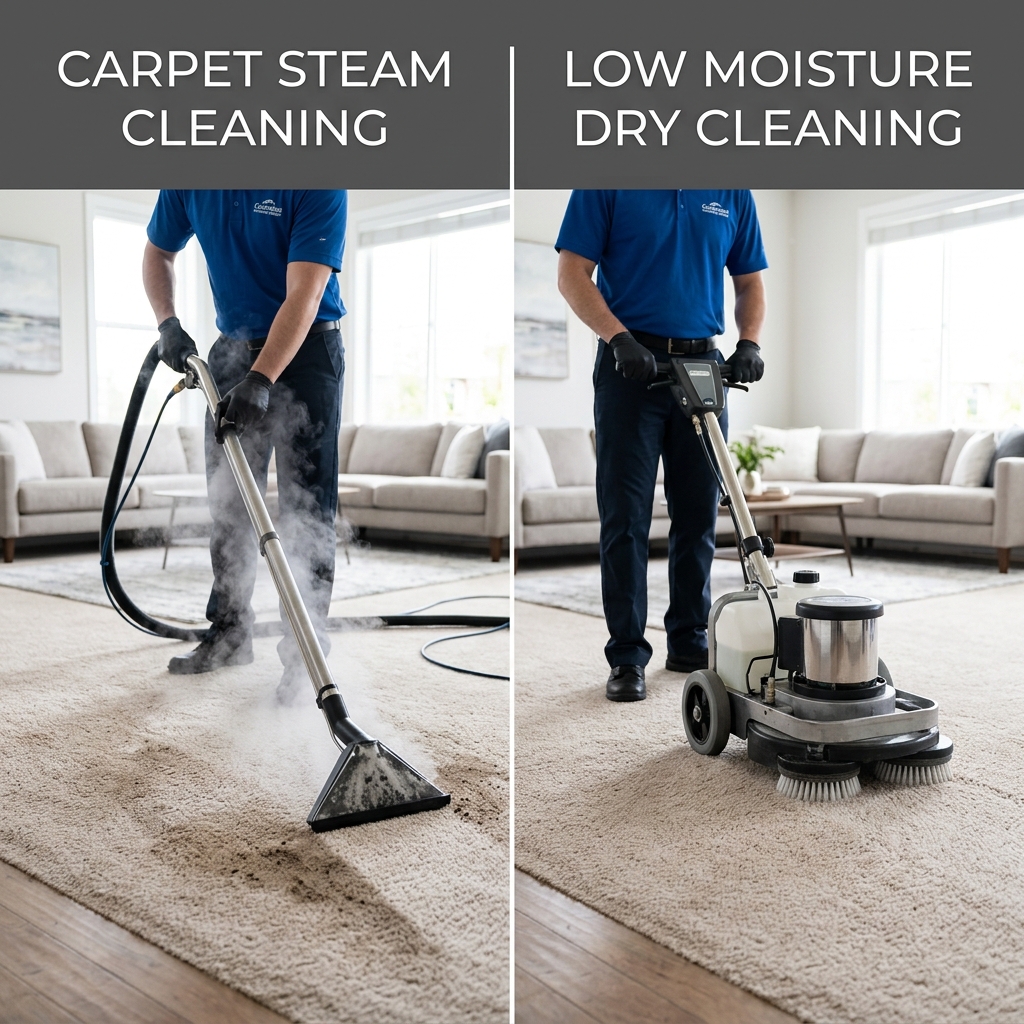
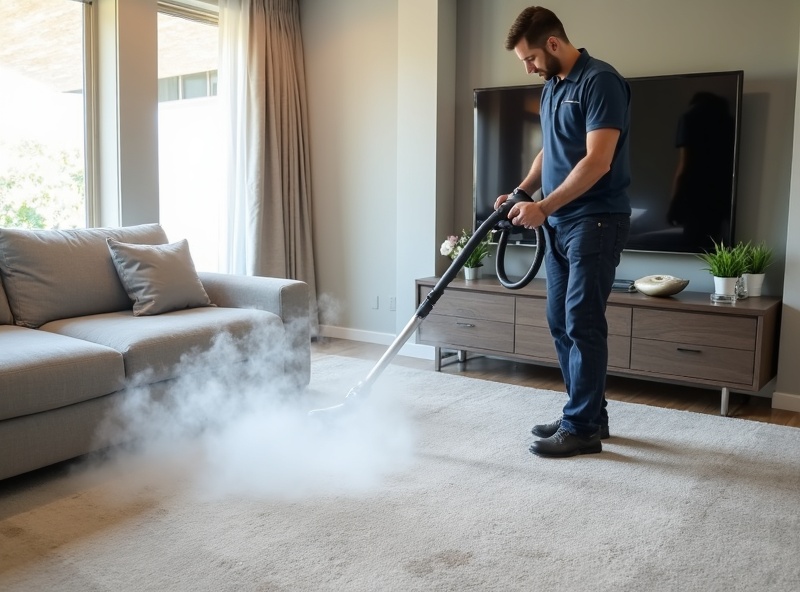
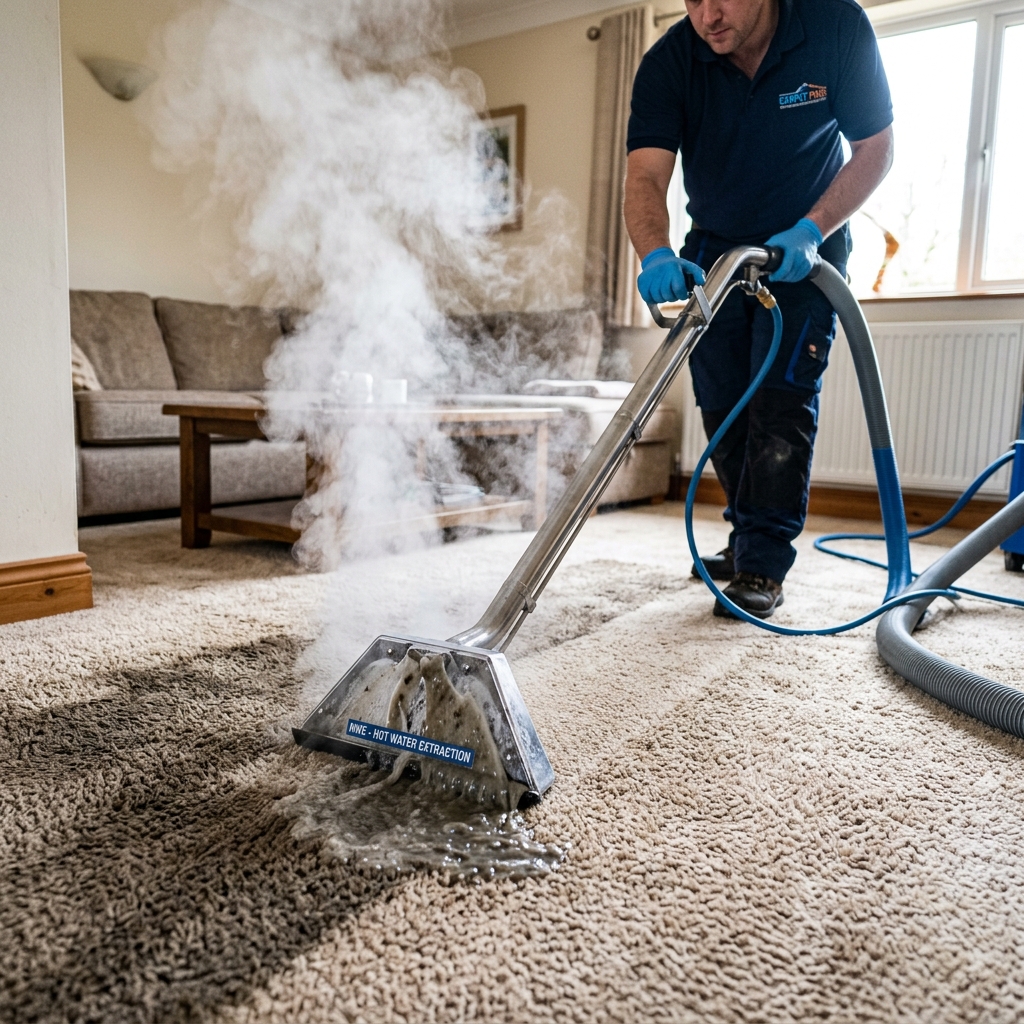
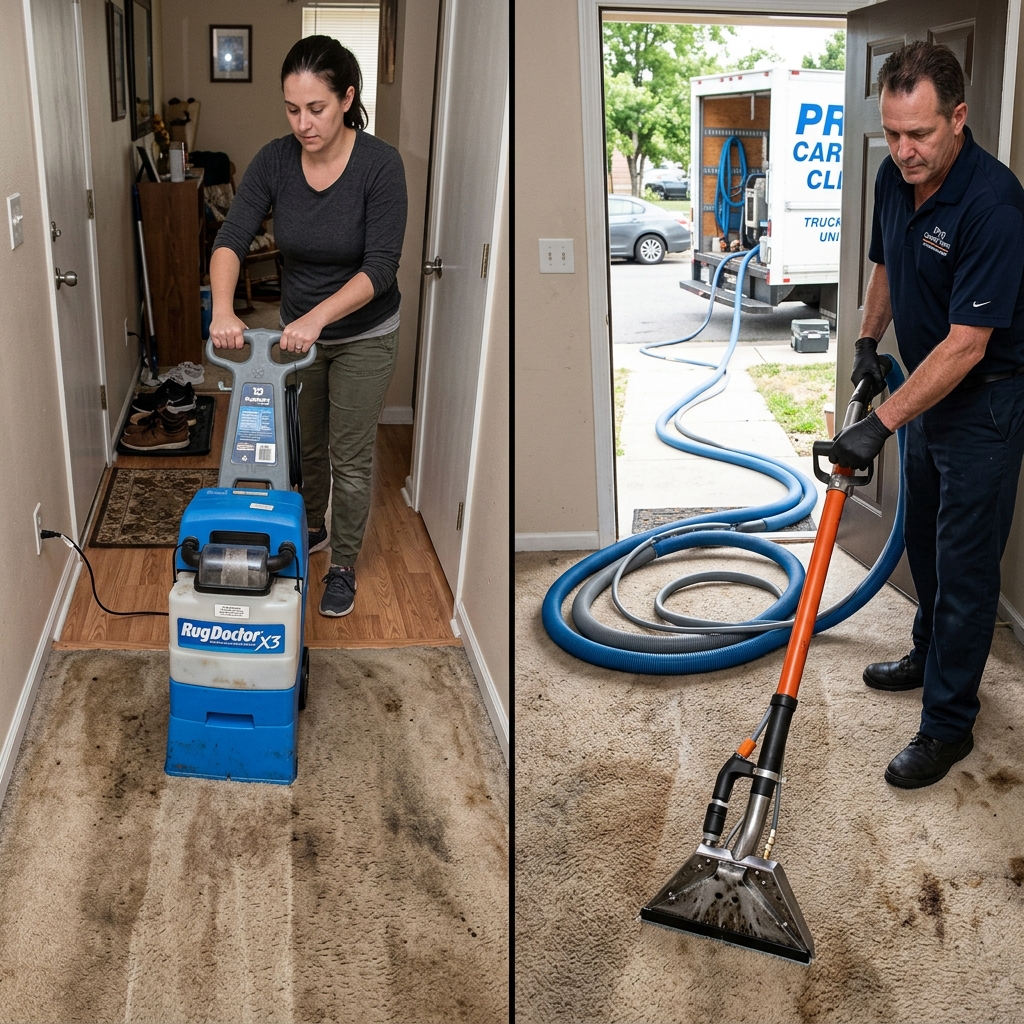
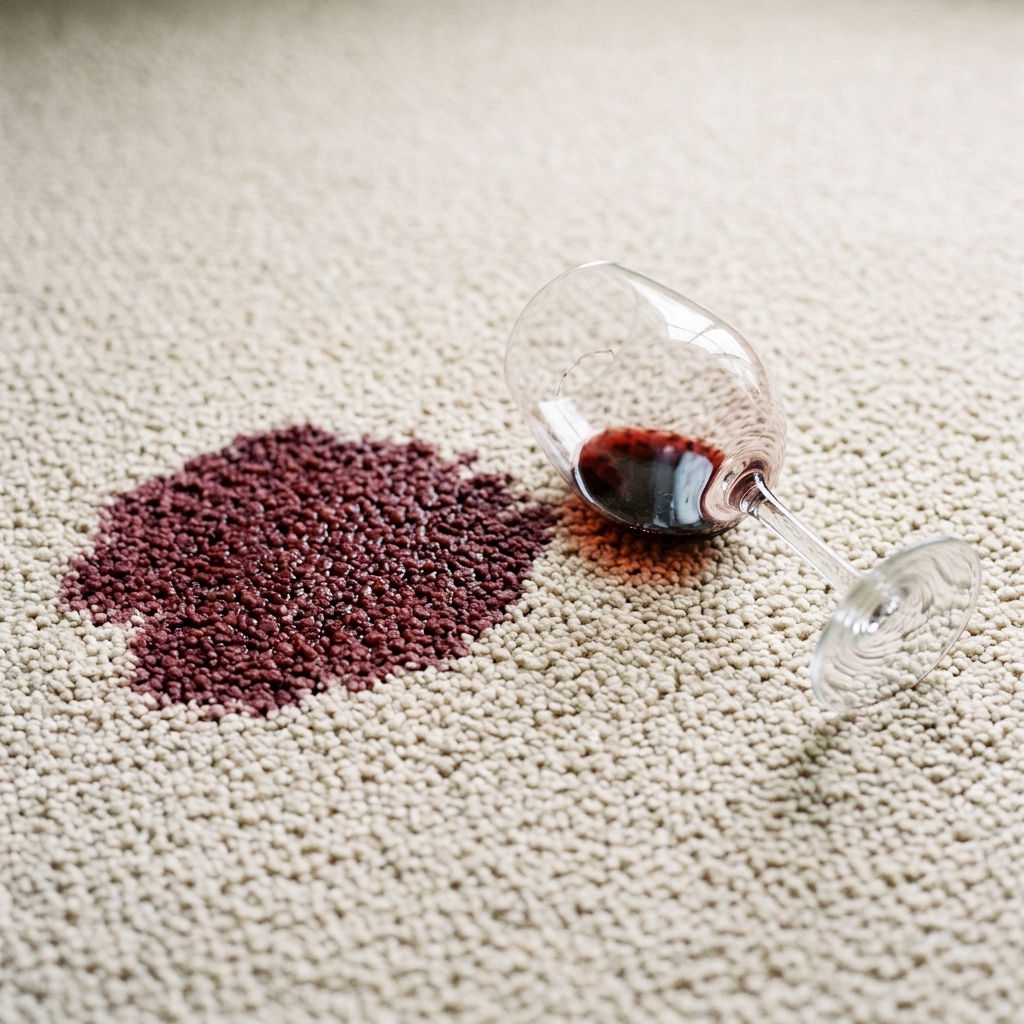
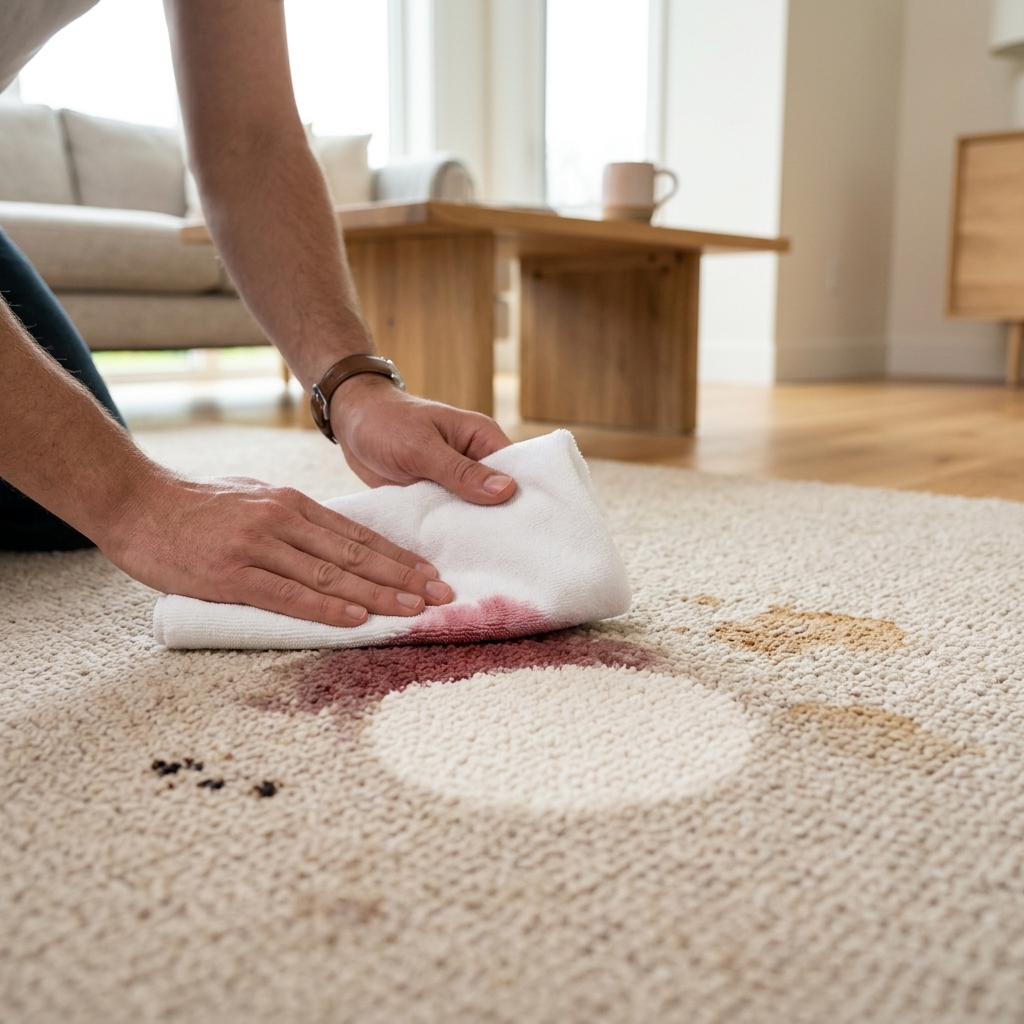
The best cleaning method for nylon carpets is professional hot water extraction (steam cleaning). Nylon fibres respond beautifully to the combination of high temperature and extraction. The heat of the water actually helps reset the hydrogen bonds within the nylon structure, restoring the bounce and loft of matted traffic lanes. While nylon is highly durable, it has dye sites that can absorb food dyes (like red wine), so applying a protective stain treatment after cleaning is highly recommended.
2. Polyester Carpets: The Stain-Resistant Choice
Polyester is another widely used synthetic fibre, known for its soft feel, vibrant colours, and natural resistance to water-soluble stains. Because polyester is non-porous, it does not have the open dye sites that nylon has, making it highly resistant to staining from spills like fruit juice or soda. However, polyester has a natural affinity for oil, meaning oily spills and grease can bond quickly with the fibres.
The best cleaning method for polyester is hot water extraction, combined with a specialized pre-treatment degreaser to break down oily soils. Because polyester is less resilient than nylon, it is prone to matting in high-traffic zones. Using a carpet rake after cleaning will help align the fibres and restore the pile height. Low-moisture encapsulation cleaning is also an excellent choice for regular, interim maintenance of polyester carpets.
3. Wool Carpets: The Delicate Luxury
Wool is a premium, natural fibre that is highly sought after for its luxurious feel, natural flame resistance, and aesthetic appeal. Unlike synthetic fibres, wool is highly porous and complex. The surface of a wool fibre is covered in tiny, overlapping scales, similar to shingles on a roof. These scales trap dirt on the surface, but they also mean wool is highly sensitive to friction, high heat, and high-alkalinity chemicals. Scrubbing or using hot water can cause these scales to interlock, leading to irreversible shrinking and felting.
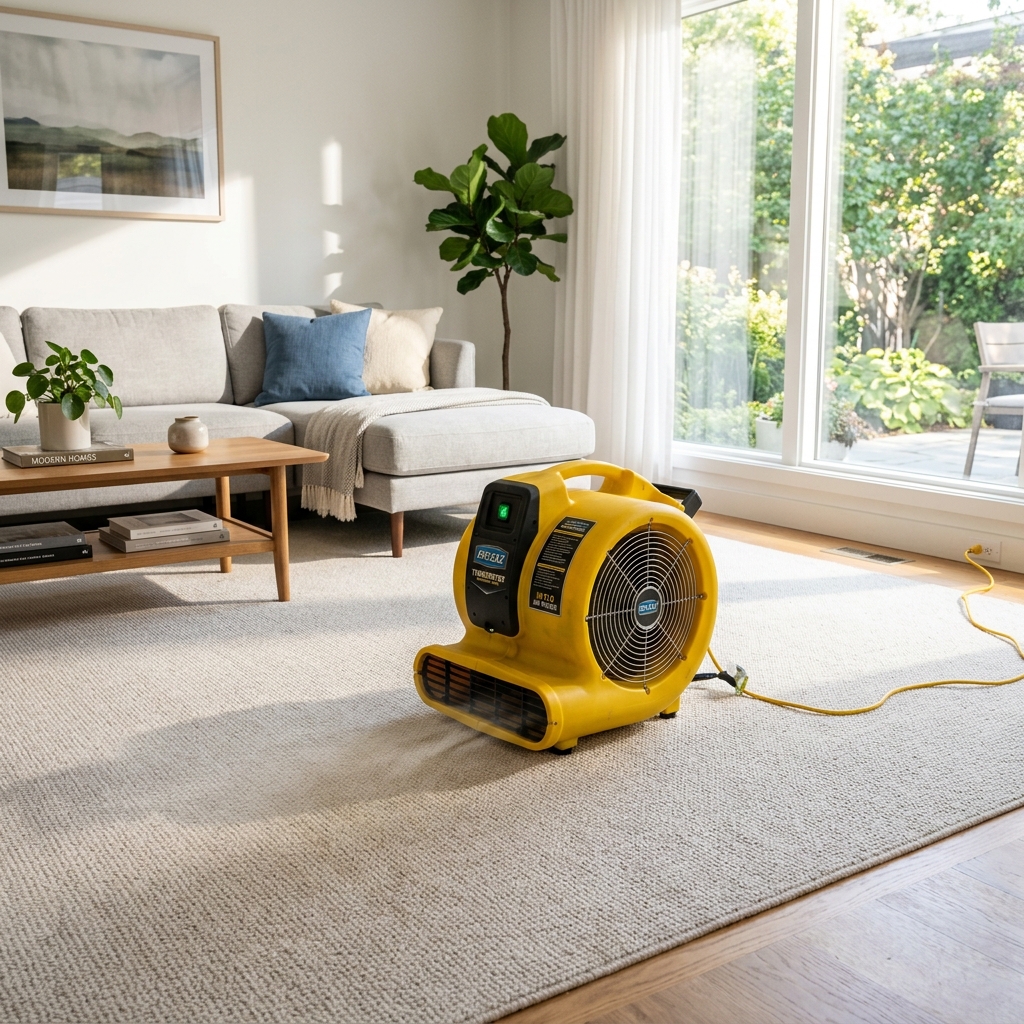
The best cleaning method for wool carpets is specialized low-moisture cleaning or a carefully controlled, low-temperature hot water extraction. The water temperature should not exceed sixty degrees Celsius, and the extraction pressure must be kept moderate. Most importantly, the cleaning solutions must be neutral (pH between 5.5 and 8.5) and approved for use on wool by recognized organisations. After cleaning, wool carpets require rapid drying using fans to prevent musty odours and cellulosic browning.
4. Polypropylene (Olefin) Carpets: The Budget-Friendly Option
Polypropylene, also known as Olefin, is a budget-friendly synthetic fibre that is highly popular in low-pile carpets, loop pile Berbers, and outdoor rugs. It is highly resistant to fading from sunlight and chemical bleaching, making it suitable for damp basements or sunny patios. However, like polyester, Olefin is highly oil-loving (oleophilic). It attracts grease from soles of shoes and cooking oils from the air, which can cause it to look dingy quickly.
The best cleaning method for polypropylene is hot water extraction using a specialized heavy-duty pre-spray designed to lift oil. Because polypropylene has a low melting point, technicians must monitor water temperatures to ensure they do not exceed ninety degrees Celsius. Additionally, because loop pile Berber carpets are common in Olefin, rotary brushing should be avoided to prevent snagging the loops.
5. Acrylic Carpets: The Synthetic Wool
Acrylic is a synthetic fibre designed to mimic the appearance and feel of wool at a fraction of the cost. It is soft, light, and resistant to moths and mildew. However, acrylic is prone to static and pilling (where fibres twist together to form small balls on the surface). It is also highly sensitive to heat.
The best cleaning method for acrylic carpets is low-temperature hot water extraction. The water temperature should be kept below sixty-five degrees Celsius to prevent the fibres from softening and losing their shape. Using an anti-static rinse after cleaning is also highly beneficial to keep the pile feeling soft and preventing it from attracting dust.
6. Plant Fibres: Sisal, Jute, and Seagrass
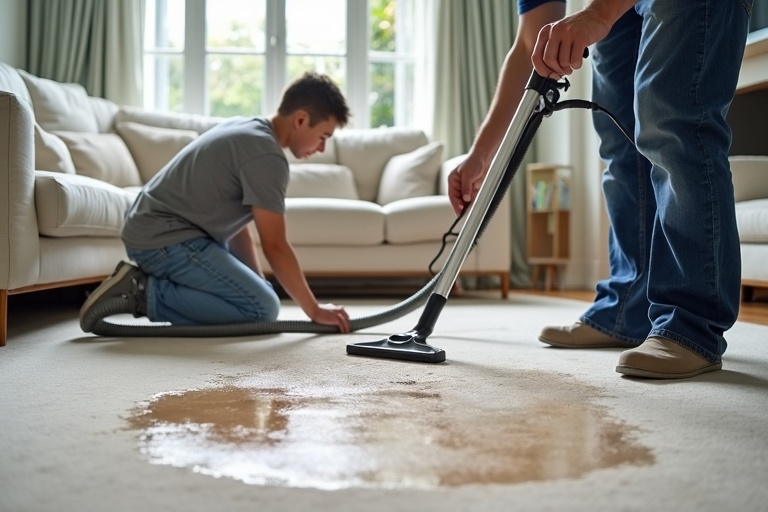
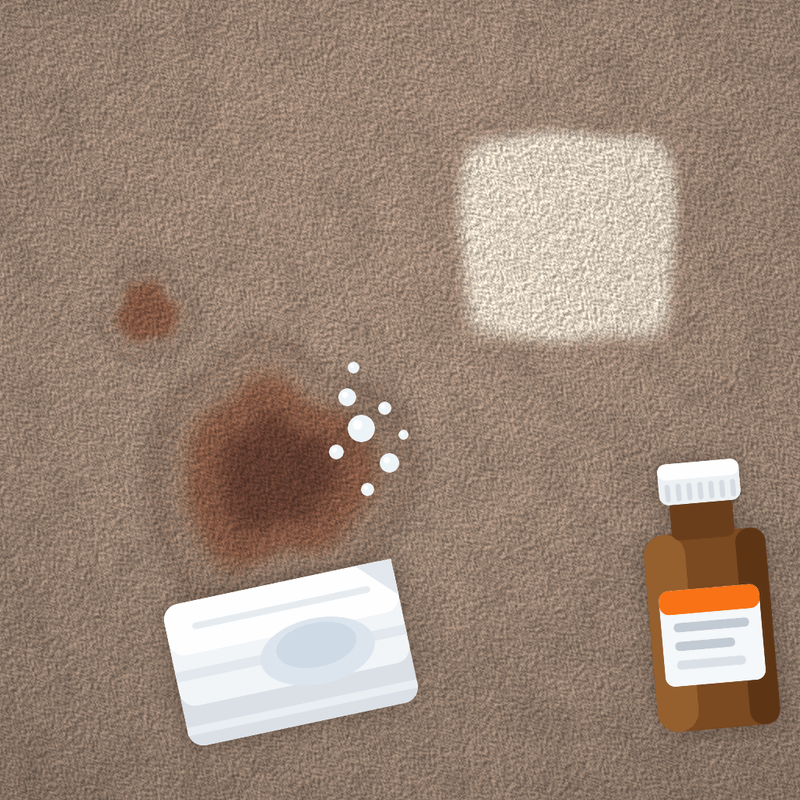
Sisal, jute, and seagrass are natural plant fibres that are woven into highly textured, rustic carpets and area rugs. Jute comes from the stem of the jute plant, while sisal is harvested from the leaves of the agave plant. While these fibres are beautiful and naturally sourced, they are extremely hydro-sensitive. If they are exposed to moisture, they will swell, warp, shrink, and release natural lignins that cause dark brown water stains. Even a small spill of clean water can cause a set-in stain on a jute or sisal rug, as the liquid dissolves the natural plant dyes and draws them to the surface, creating a dark outline as it dries. If a liquid spill occurs on these rugs, it must be blotted immediately with a bone-dry cloth, and a hairdryer set to cool should be used to dry the area quickly to prevent water marking.
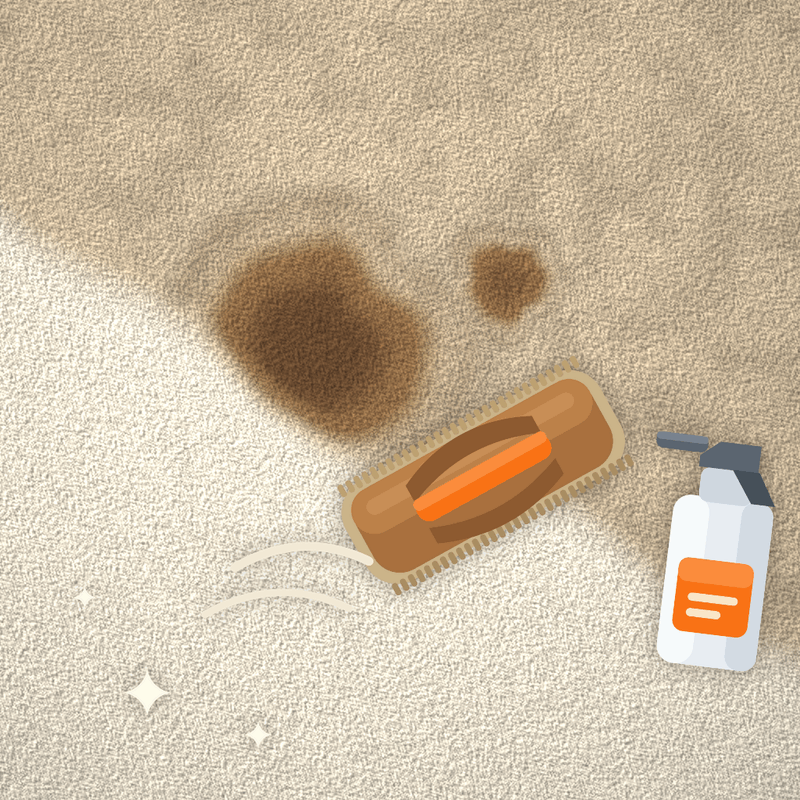
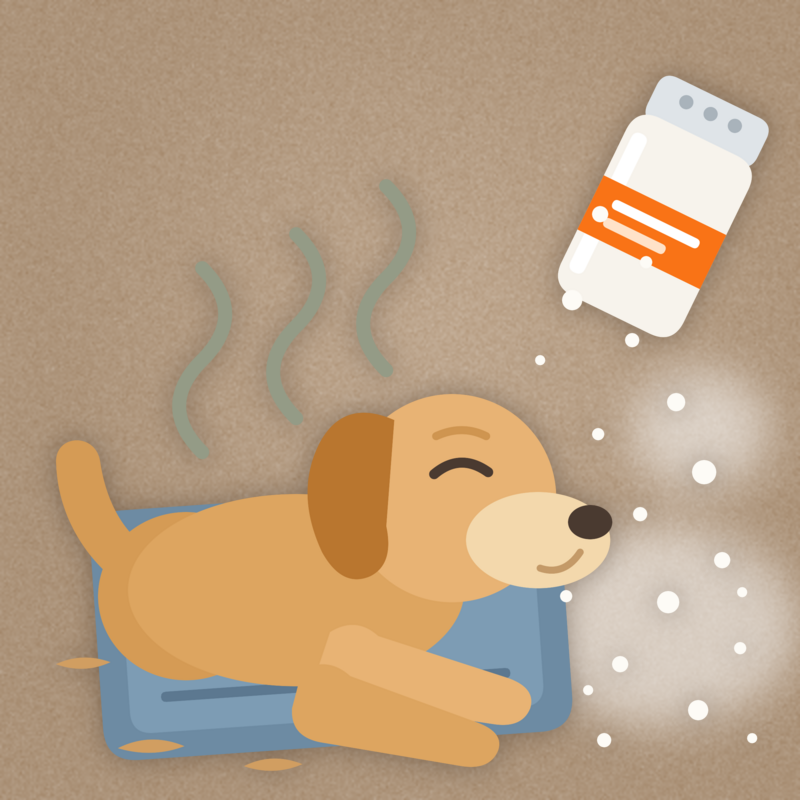
Never use hot water extraction, shampooing, or any wet method on plant-fibre carpets. The only suitable cleaning method is dry powder cleaning. This process involves sprinkling a dry, absorbent powder compound containing mild cleaning agents over the carpet. The powder is agitated into the fibres using a soft brush, where it absorbs dirt, grease, and dust. After sitting for about thirty minutes, the powder is vacuumed out, leaving the natural fibres dry, clean, and intact.
Conclusion: Identify Before You Clean
Selecting the right cleaning method is the key to maintaining the beauty and extending the lifespan of your flooring. Before scheduling a service or attempting a DIY clean, take the time to identify the fibre type of your carpets, which is usually listed on the manufacturer's label or purchase documents. Professional technicians know how to identify these fibres and adjust their water temperatures, extraction pressure, and cleaning chemistry accordingly. By tailoring the cleaning method to the specific carpet type, you ensure a safe, hygienic, and thorough clean that protects your investment.