How Professional Cleaning Improves Home Hygiene
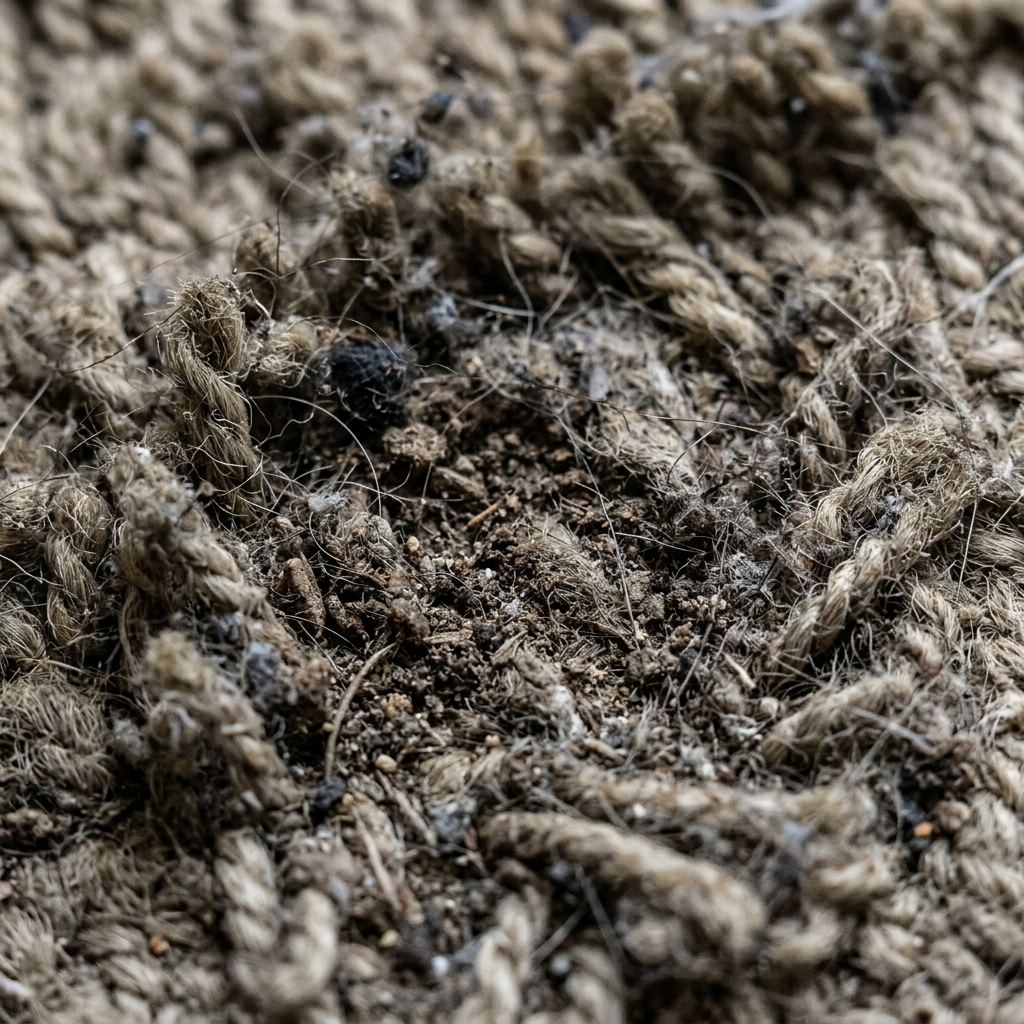
While regular vacuuming is essential for surface cleaning, it cannot reach the deep-seated dust mites, skin flakes, and bacteria that hide at the base of your carpet fibres. When we think of a clean home, we often focus on what we can see: tidy countertops, clear floors, and dust-free surfaces. However, true cleanliness is about hygiene and the health of your indoor environment. Carpets are incredibly comfortable and warm, but their fibrous structure makes them efficient traps for microscopic pollutants. Over time, these pollutants build up deep within the carpet pile, creating a breeding ground for bacteria, allergens, and dust mites. In this article, we will look at the limitations of everyday vacuuming, explore the hidden contaminants in dirty carpets, and explain how professional deep cleaning improves home hygiene and health. By understanding these benefits, you can make informed decisions to protect the well-being of everyone in your household.
The Limits of Everyday Household Vacuuming
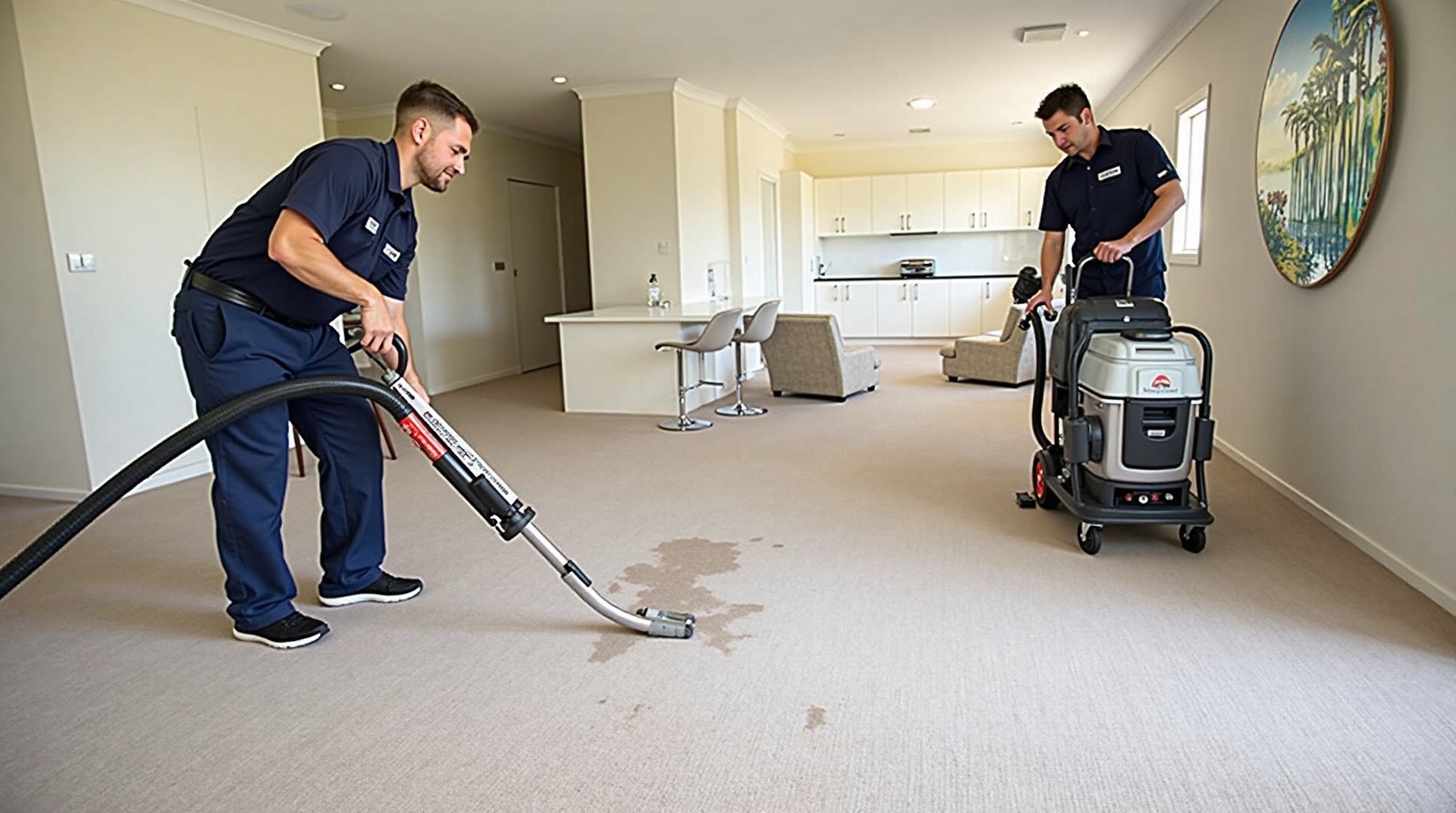
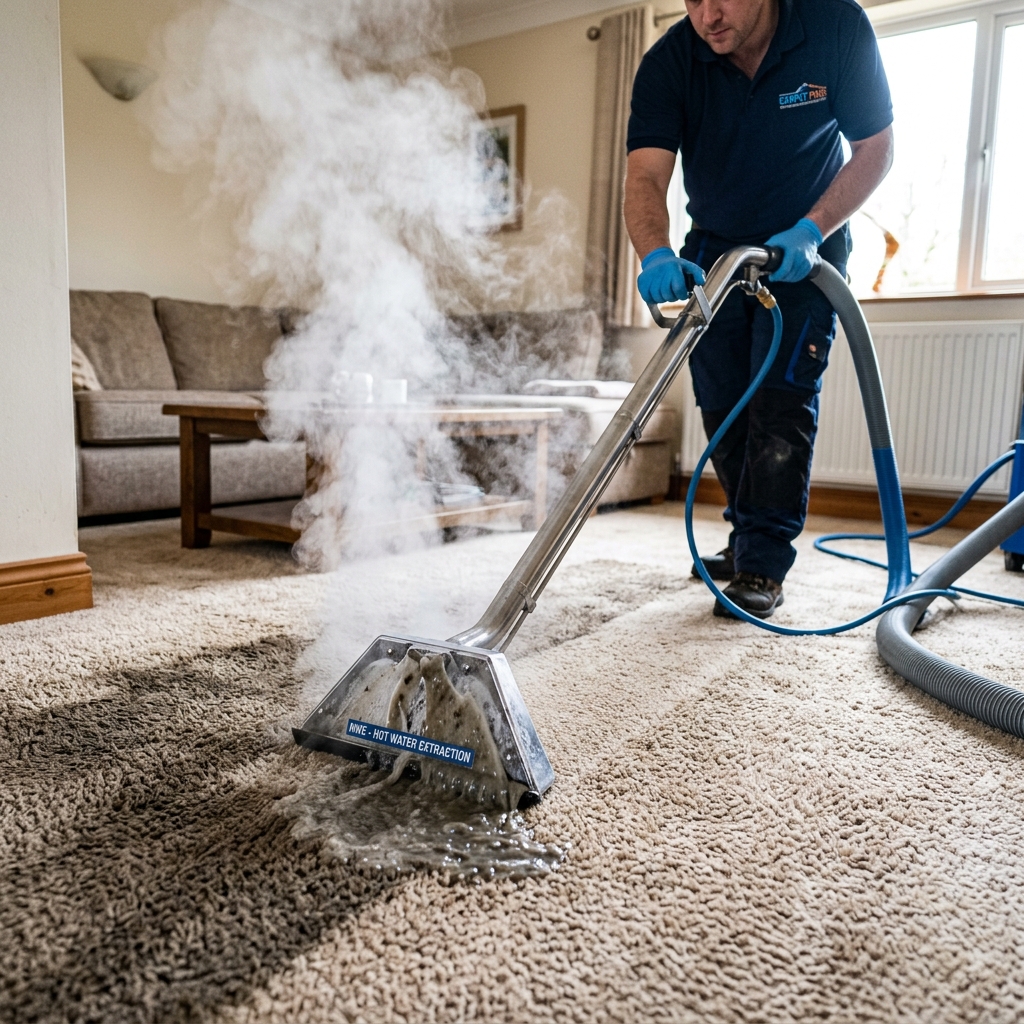
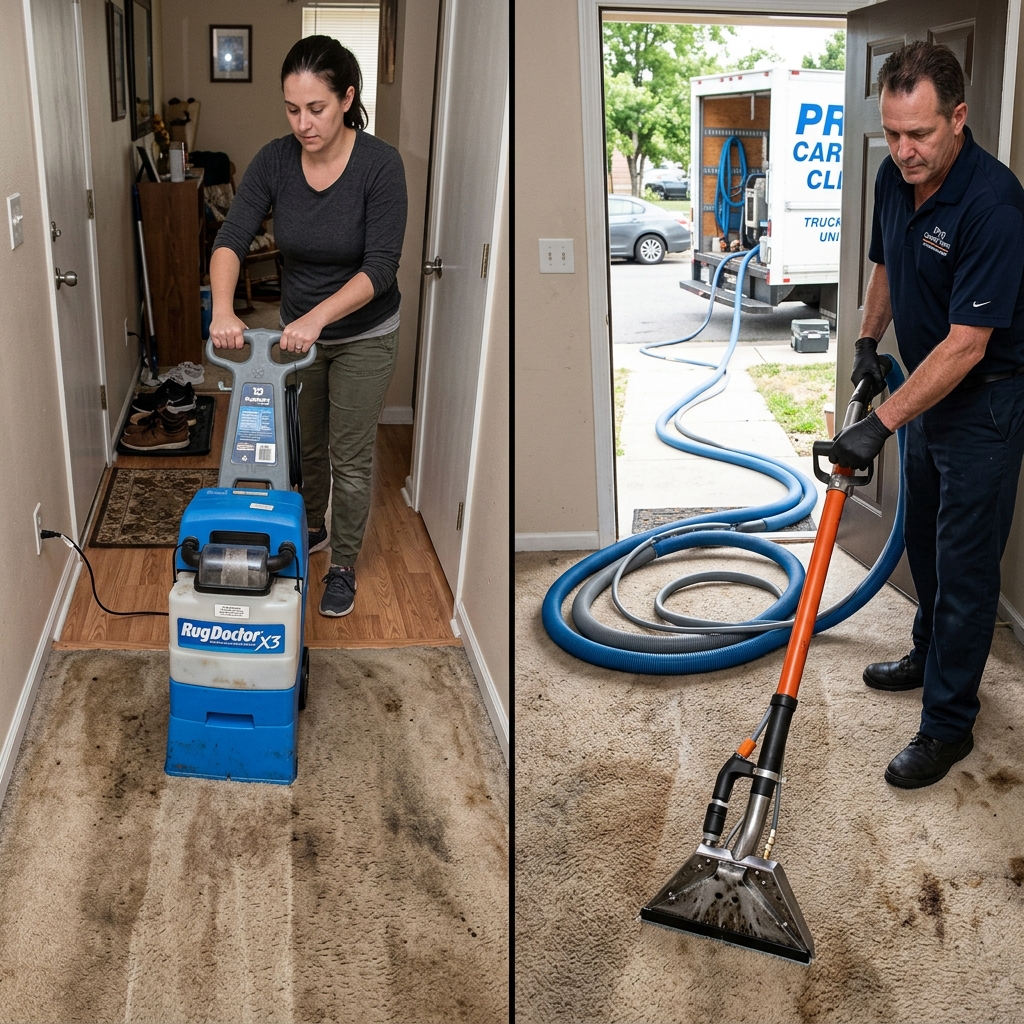
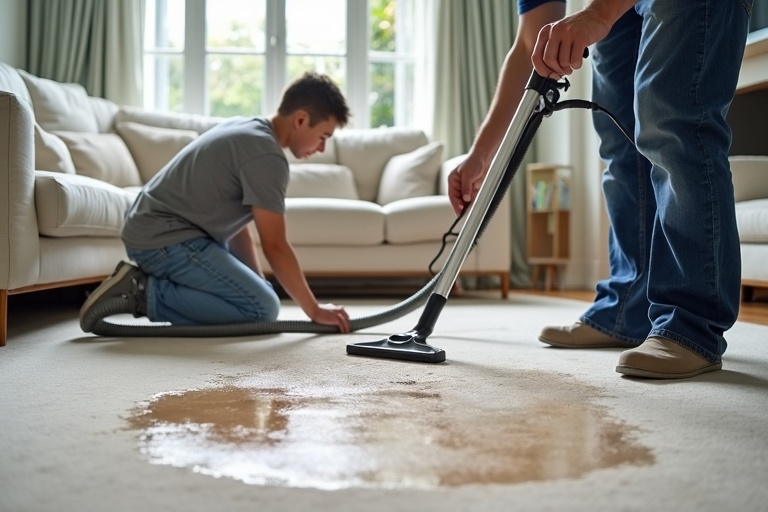
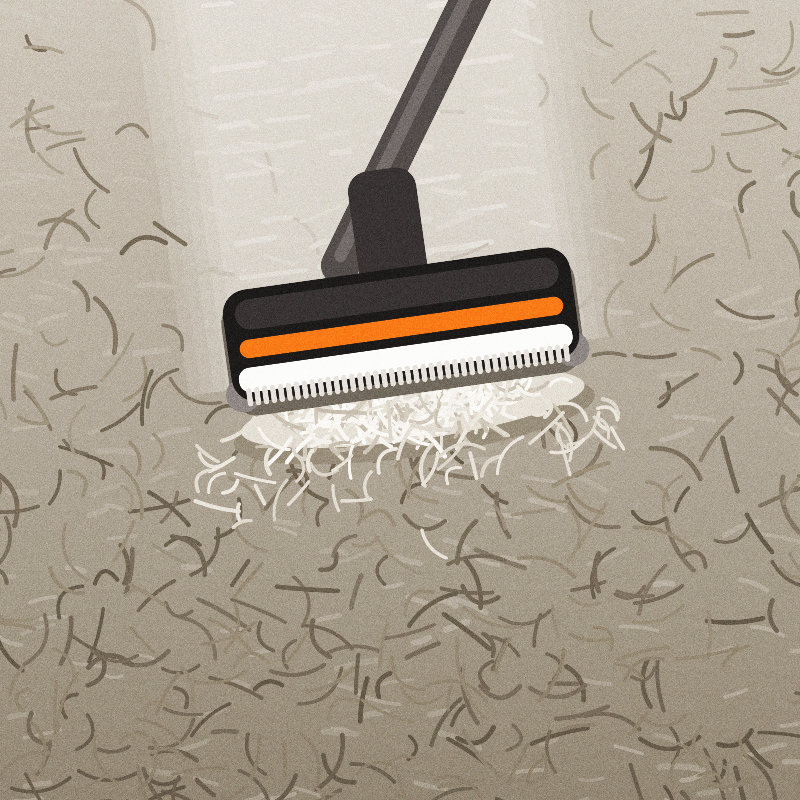
Vacuuming is a vital part of weekly home maintenance. It is excellent for removing hair, dust, and loose crumbs from the surface of the carpet. However, typical household vacuums, even those with strong suction, only clean the top layer of the carpet pile. Fine dust, sand, skin flakes, and microscopic pests naturally sink to the very bottom of the fibres where the vacuum brush cannot reach them. Over time, this mixture of organic debris and grit forms a compact layer of soil at the base of the carpet. To remove this deep-seated contamination, you need a process that can reach the backing of the carpet, break down the bonded soil, and flush it out entirely. This level of deep extraction can only be achieved with professional-grade hot water extraction systems, which flush the carpet with water under pressure and vacuum it away simultaneously.
The Hidden Contaminants Lurking in Your Carpet
A carpet that looks clean on the surface can actually hold a surprising amount of microscopic pollution. Let us look at what hides within dirty carpet fibres:
Dust Mites and Allergens
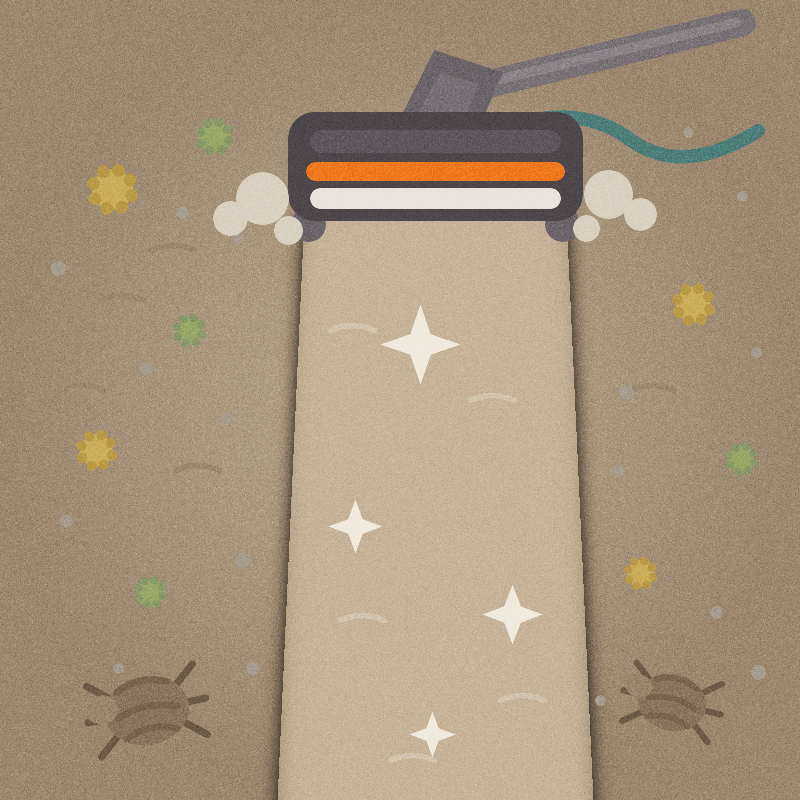
Dust mites are microscopic arachnids that feed on dead skin cells shed by humans and pets. A single gram of house dust can contain hundreds of dust mites. While they do not bite or carry diseases, their faeces and decaying bodies contain proteins that are highly irritating to the human respiratory system. Exposure to dust mite allergens is a leading cause of chronic sneezing, runny noses, eczema, and asthma attacks, particularly in young children and sensitive adults. Regular vacuuming removes surface dust, but only deep heat extraction can eliminate dust mite populations nesting at the base of the carpet.
Bacteria, Viruses, and Pathogens
We track in millions of bacteria on the soles of our shoes every day. Pet paws also carry bacteria from the outdoors, yard, and litter boxes. Once inside, these pathogens settle into the carpet, where they can survive for weeks. For households with young children who crawl and play on the floor, this represents a significant hygiene concern, as toys and hands can easily transfer these bacteria into the mouth. Deep sanitisation using hot water is required to eliminate these bacteria and create a safe environment.
Mould Spores and Fungi
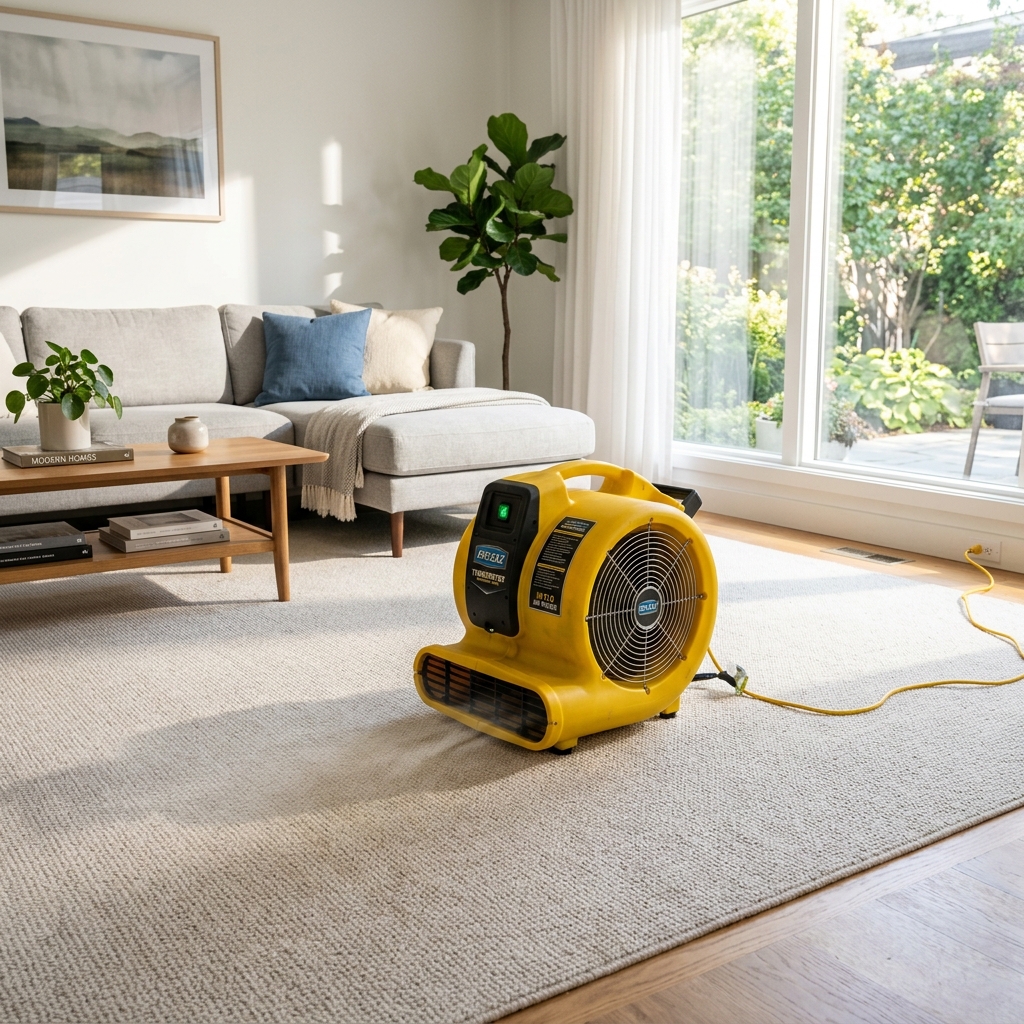
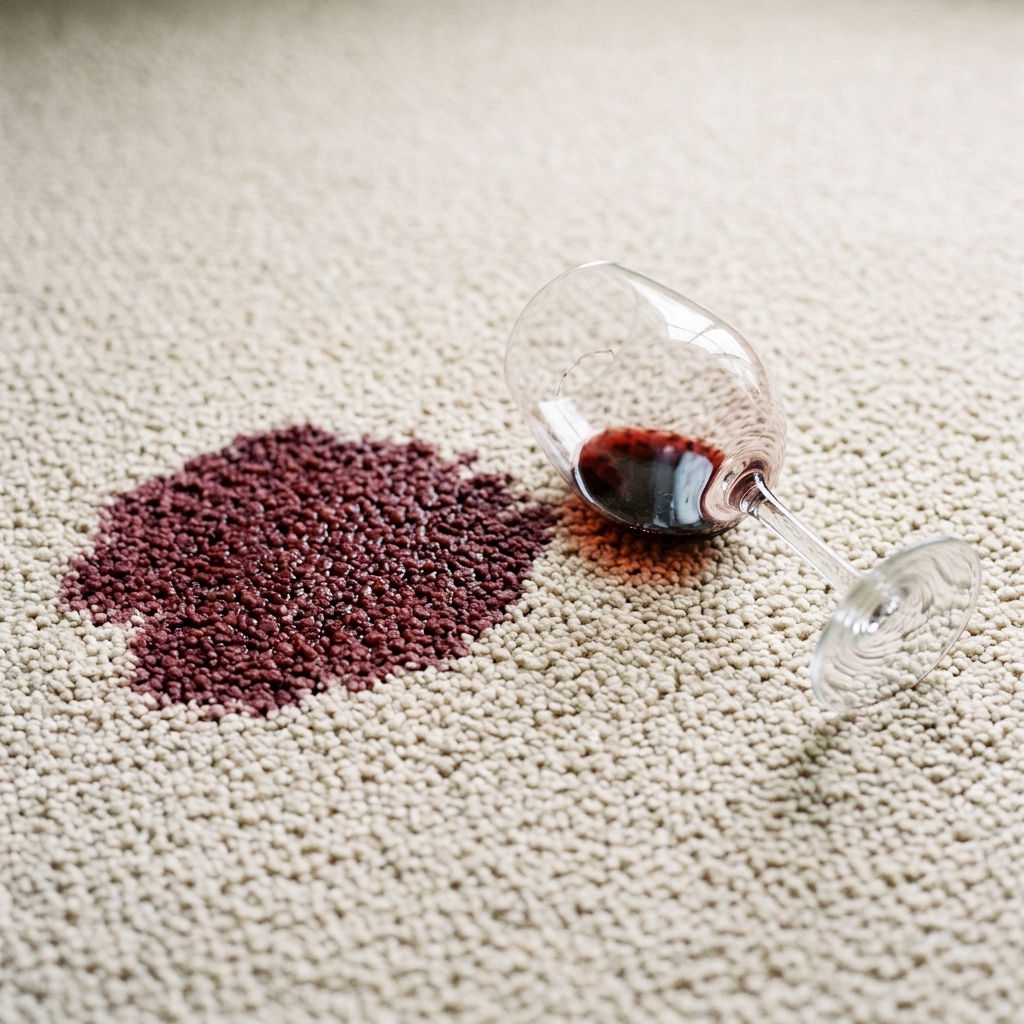
Mould spores are present in the air and will settle on carpets. If a spill is not dried fully, or if the humidity in the room is high, these spores can germinate, leading to mould growth within the carpet backing. Mould releases new spores and volatile organic compounds into the indoor air, which can cause musty odours, respiratory irritation, and throat discomfort. Ensuring carpets are thoroughly dried after deep cleaning is critical to preventing fungal issues.
The Health Risk for Crawling Infants and Toddlers
Young children, especially crawling infants and toddlers, spend the majority of their time on the floor. They play, roll, crawl, and place their hands and toys directly onto the carpet, then their mouths. This hand-to-mouth behaviour makes them highly vulnerable to ingesting chemical residues, outdoor pollutants, and biological contaminants trapped in the carpet fibres. Furthermore, children breathe faster than adults and are physically closer to the floor, meaning they inhale a higher concentration of resuspended dust and allergens with every breath. Regular deep cleaning eliminates these contaminants, creating a clean, hygienic surface that supports their developing immune systems and shields them from unnecessary health risks.
The Science of Professional Hot Water Extraction
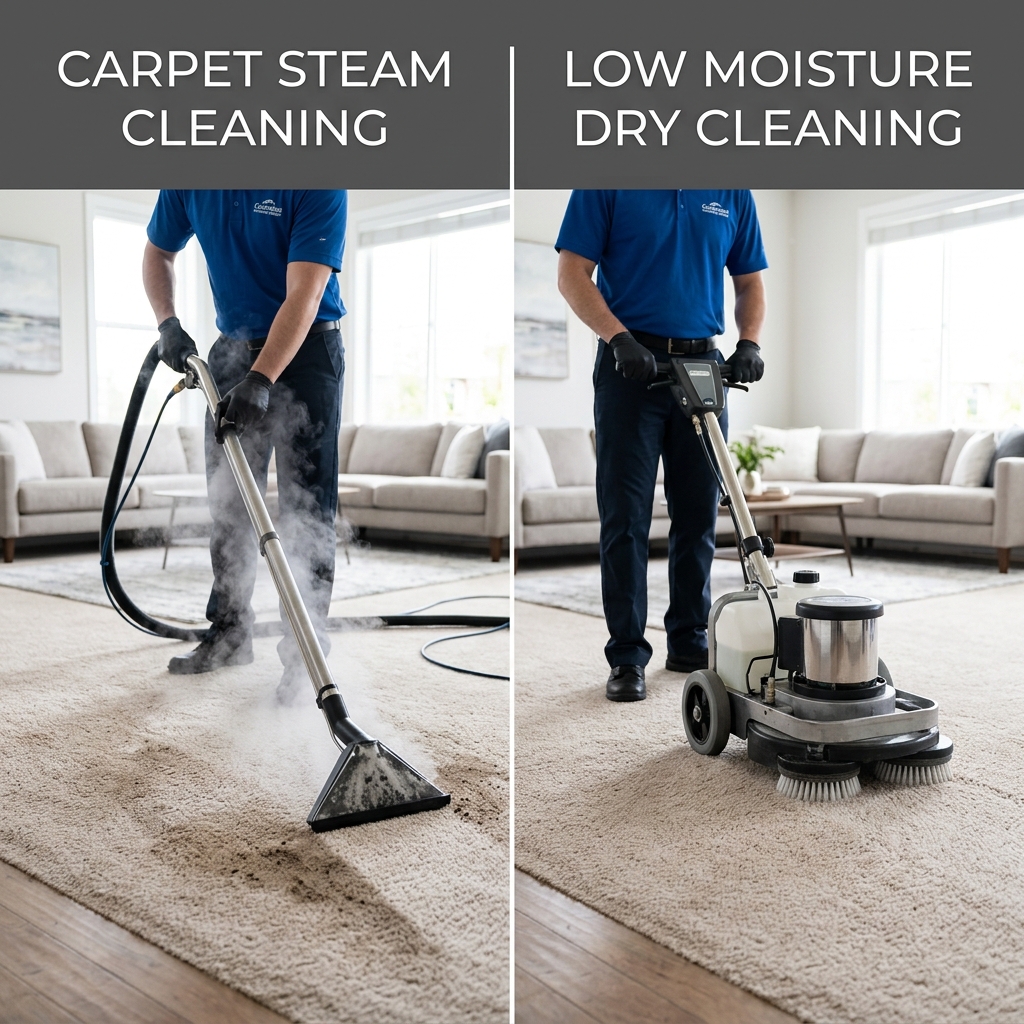
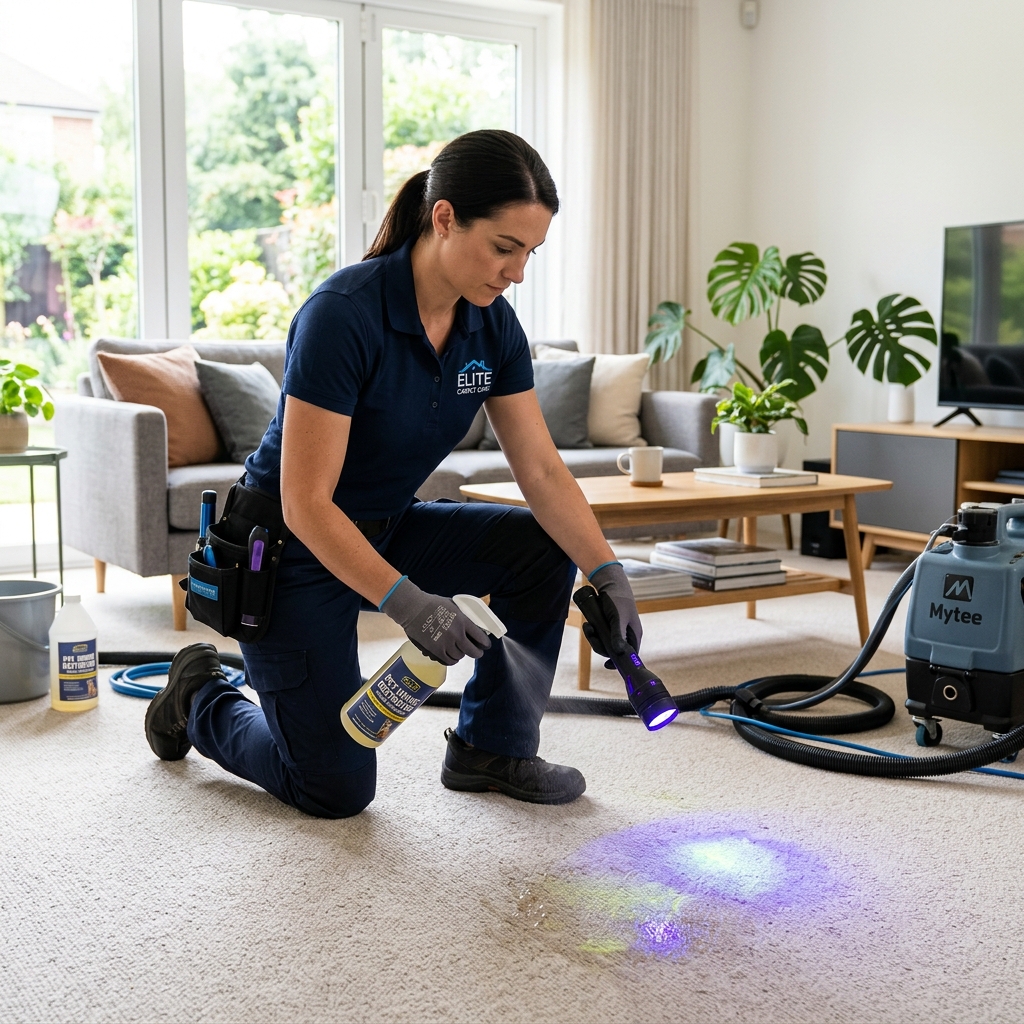
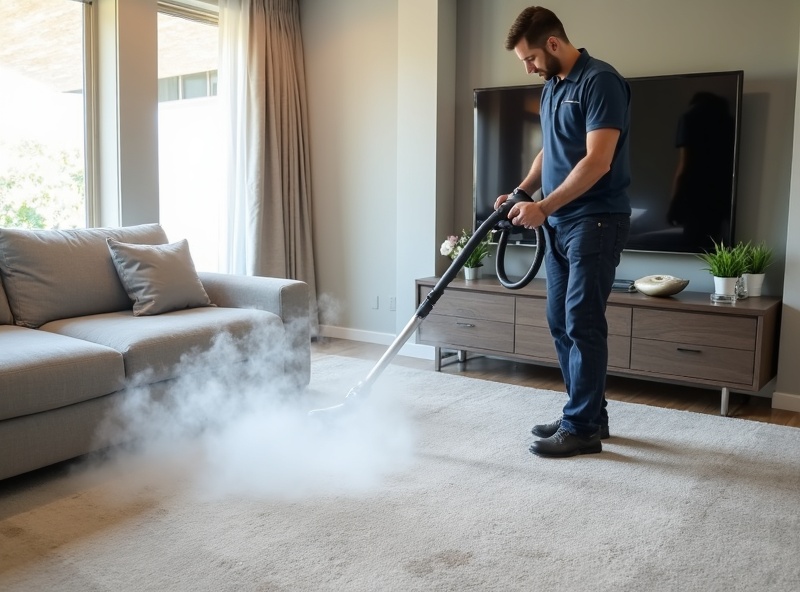
Professional carpet cleaning utilizes advanced science and specialized machinery to sanitize your flooring. The process combines three key factors: heat, chemistry, and extraction power. First, the water is heated to temperatures exceeding eighty degrees Celsius. This intense heat melts grease, breaks down stubborn oil bonds, and kills dust mites, bacteria, and mould spores on contact without requiring harsh chemicals. Second, professional-grade, pH-balanced sanitising agents are injected under pressure to suspend the dirt and grime. Finally, a high-vacuum extraction system immediately pulls the water, cleaning agents, and suspended contaminants out of the carpet, depositing them in a waste tank. This deep flush leaves the carpet pile clean, fresh, and thoroughly sanitised from the base to the surface.
Health Benefits of a Sanitised Home
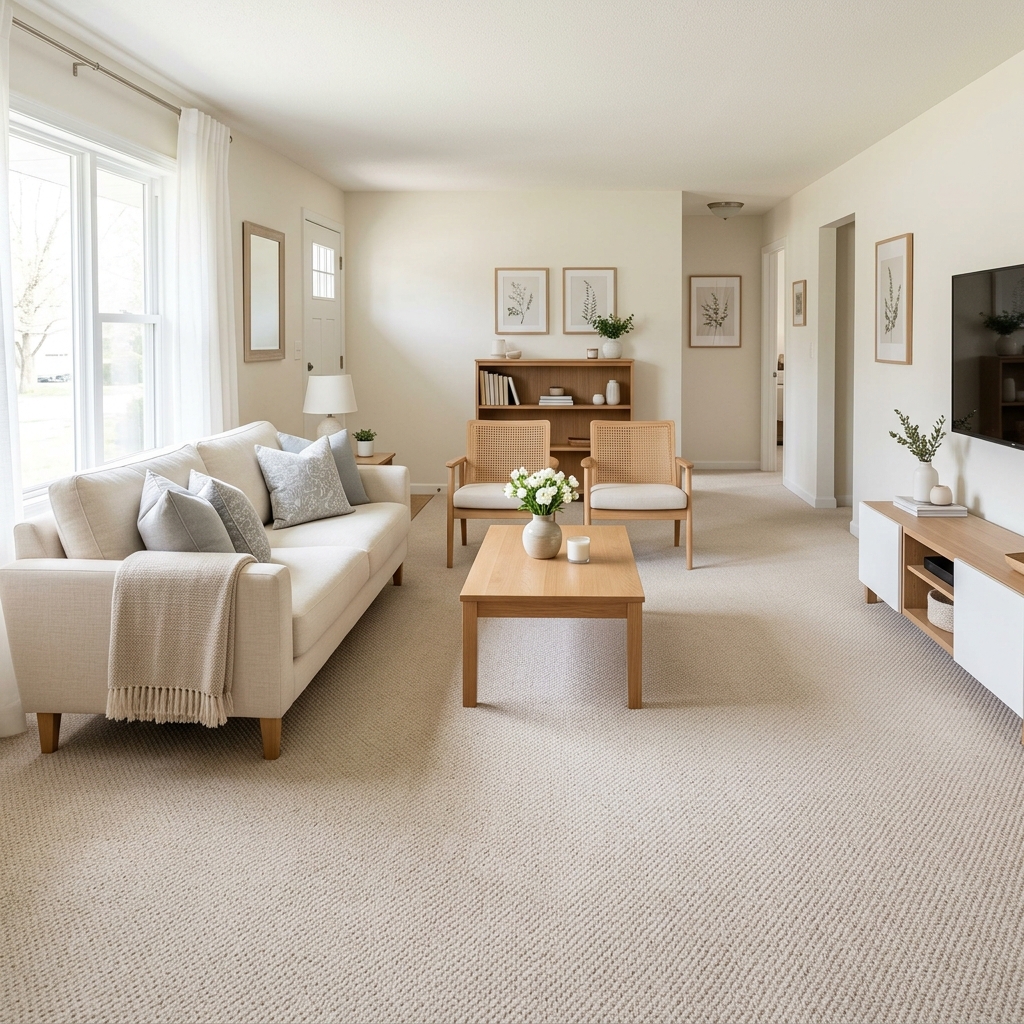
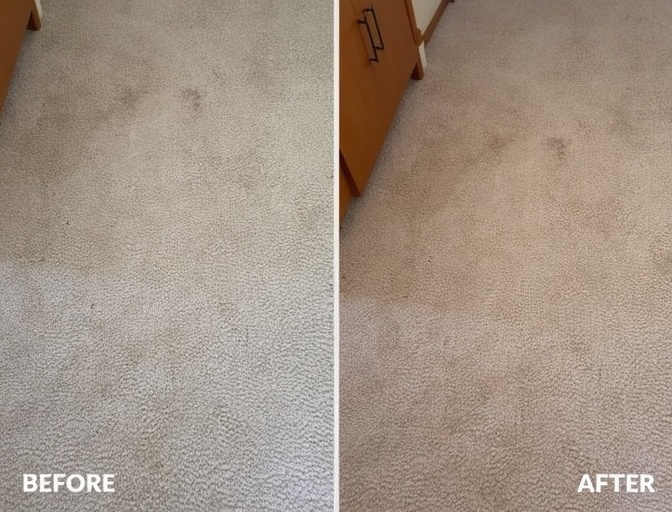
Investing in professional deep carpet cleaning provides significant health benefits for your household. By removing trapped allergens and dust mite particles, it significantly reduces the triggers for asthma and seasonal allergies, allowing everyone at home to breathe easier and enjoy a higher day-to-day comfort. The removal of bacteria and pathogens creates a much safer and more hygienic surface for young children and pets who spend time on the floor. Additionally, eliminating musty odours and trapped pollutants improves the overall indoor air cleanliness, making your home feel fresher, healthier, and more comfortable. Regular professional cleaning once or twice a year is a key component of a comprehensive home hygiene routine, protecting both your investment in flooring and your family's well-being.