Can Carpet Cleaning Help with Allergies? What Homeowners Should Know
If you or someone in your household deals with seasonal allergies, asthma, or general respiratory sensitivity, you've probably wondered whether your carpet is making things worse, and whether cleaning it more thoroughly might actually help. It's a genuinely reasonable question, and the answer, based on both research and our own experience treating allergen-heavy carpets, is a fairly confident yes, with some important caveats worth understanding.
At Fresho Carpet Cleaning Brisbane, we work with allergy-conscious households regularly, and understanding exactly how carpet contributes to indoor allergen levels helps set realistic expectations for what cleaning can and can't achieve. In this guide, we'll walk through what homeowners should know about the connection between carpet cleaning and allergy symptoms, based on both research and practical experience.
How Carpet Becomes an Allergen Reservoir
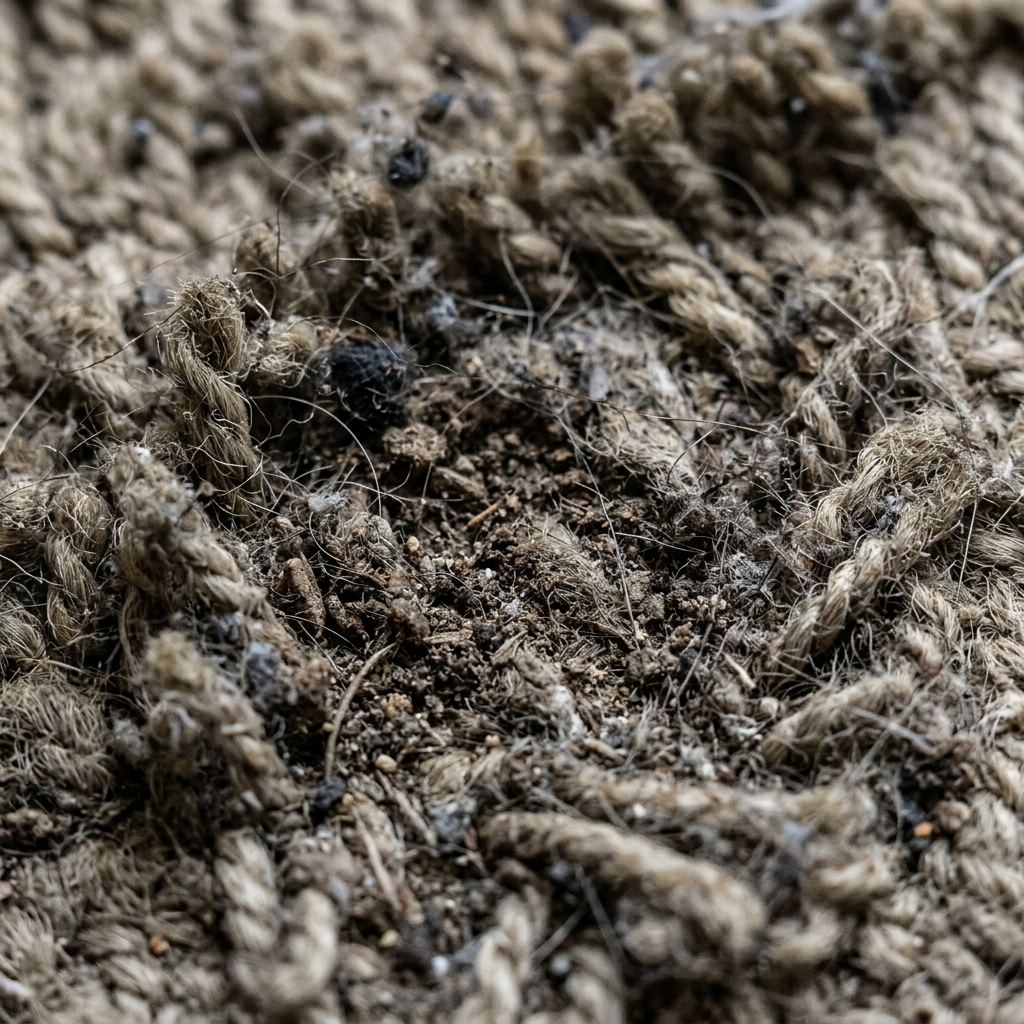
Carpet fibres act like a filter for airborne particles, trapping dust, pollen, pet dander, and dust mite waste that would otherwise remain suspended in the air you breathe. While this filtering effect can actually be beneficial in small amounts, since it keeps some allergens out of immediate circulation, carpet that isn't cleaned regularly can become a significant, concentrated reservoir of these same allergens, releasing them back into the air whenever the carpet is disturbed by walking or vacuuming.
Dust Mites: The Most Significant Carpet-Related Allergen
Dust mites are microscopic organisms that thrive in warm, humid environments and feed on shed human and pet skin cells, both of which accumulate readily in carpet fibres. Dust mite waste products are one of the most common indoor allergy triggers, and carpet, given its ability to retain moisture and organic debris deep within its structure, provides an ideal environment for dust mite populations to establish and grow over time.
Pet Dander and Carpet
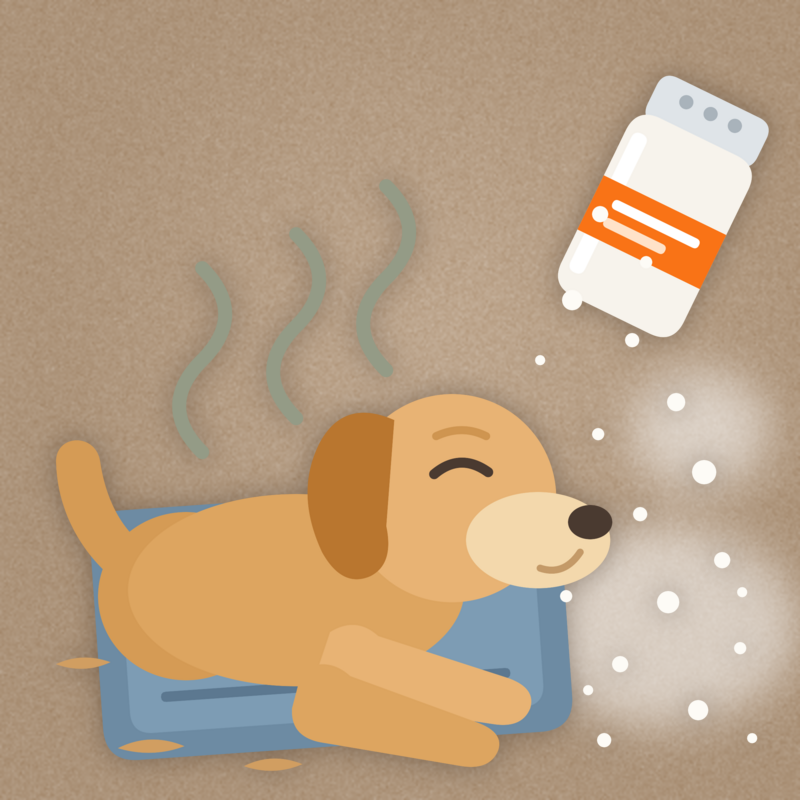
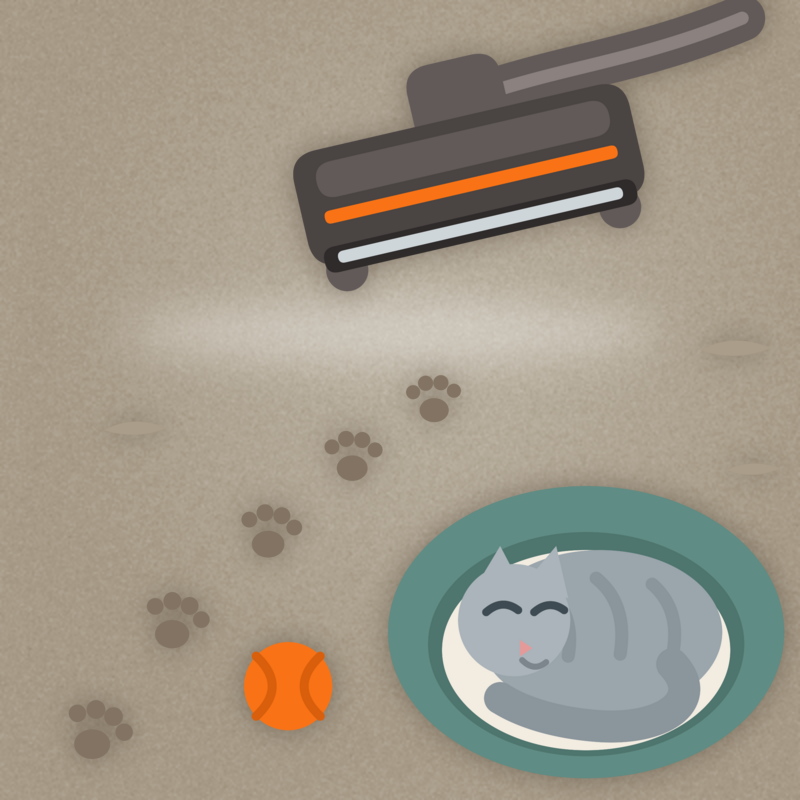
For households with pets, carpet fibres readily trap pet dander, the tiny, often microscopic flecks of skin that trigger allergic reactions in sensitive individuals. Regular vacuuming helps manage surface-level dander, but deeper, embedded dander requires more thorough extraction to fully remove, which is where professional cleaning becomes particularly valuable for allergy-conscious pet owners.
Pollen and Seasonal Allergens
During pollen-heavy seasons, airborne pollen readily settles into carpet fibres, particularly near entry points where it's tracked in on shoes and clothing. This can mean carpet contributes to prolonged pollen exposure indoors, even after the outdoor pollen count has dropped, since trapped pollen continues to be present until it's properly removed through cleaning.
What the Research Actually Shows
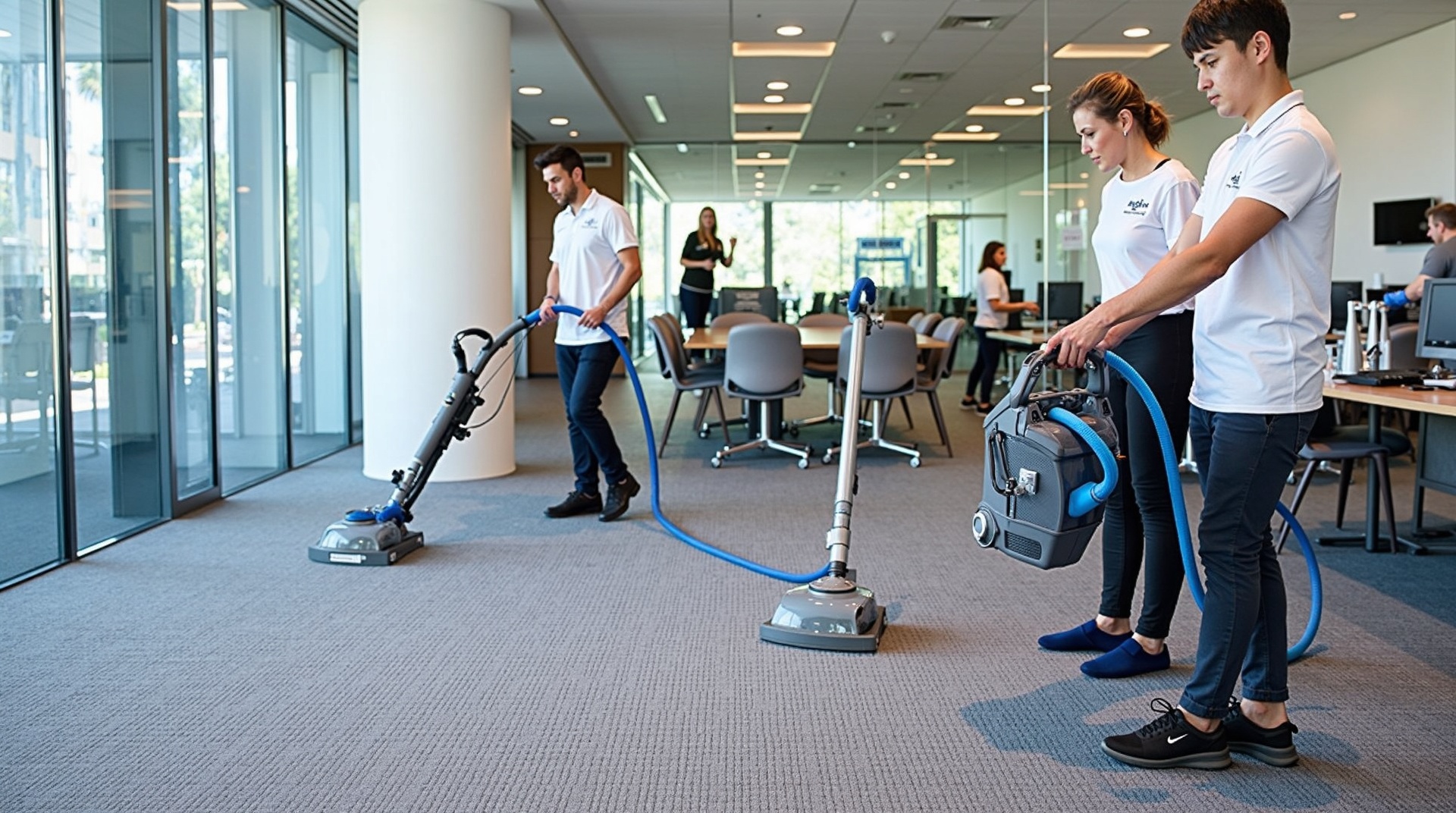
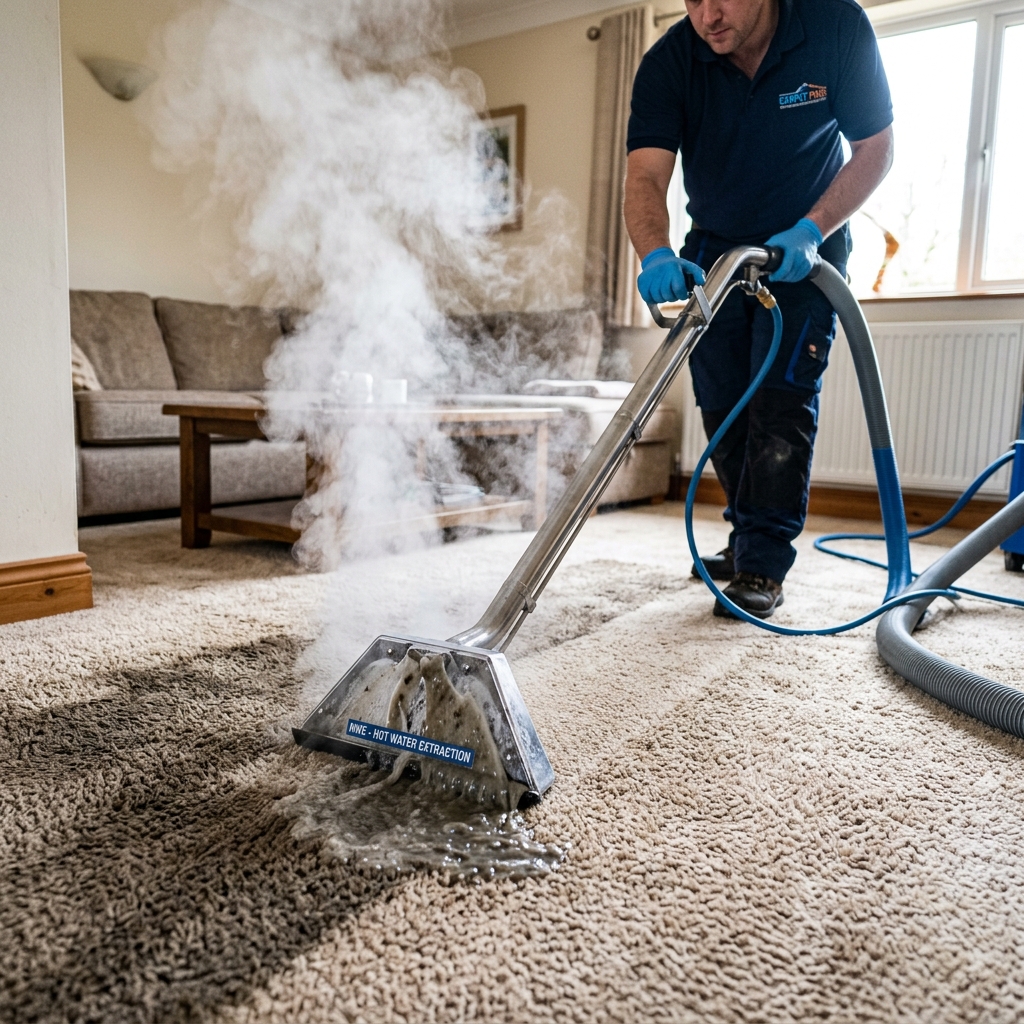
Studies on indoor air quality and allergen management generally support the idea that regular, thorough carpet cleaning reduces the overall allergen load within a home, particularly for dust mite allergens and pet dander. Hot water extraction, in particular, has been shown to be effective at reducing allergen concentrations compared to vacuuming alone, given its ability to reach and flush out contamination from deeper within the carpet pile.
Why Vacuuming Alone Isn't Always Enough
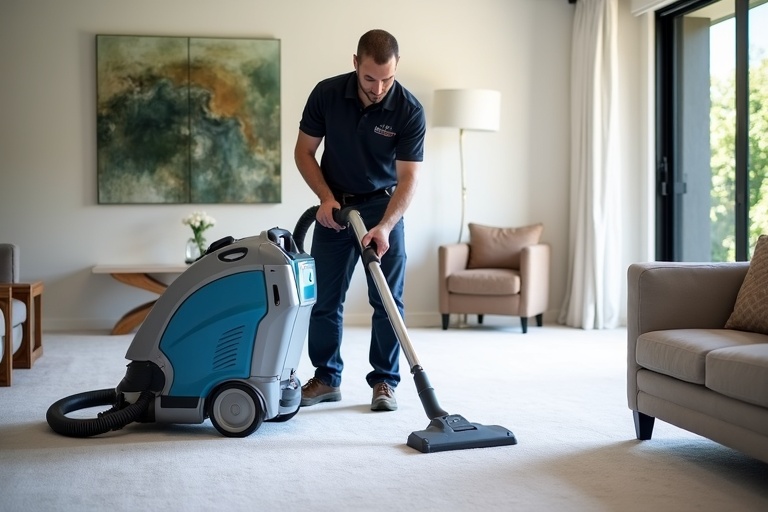
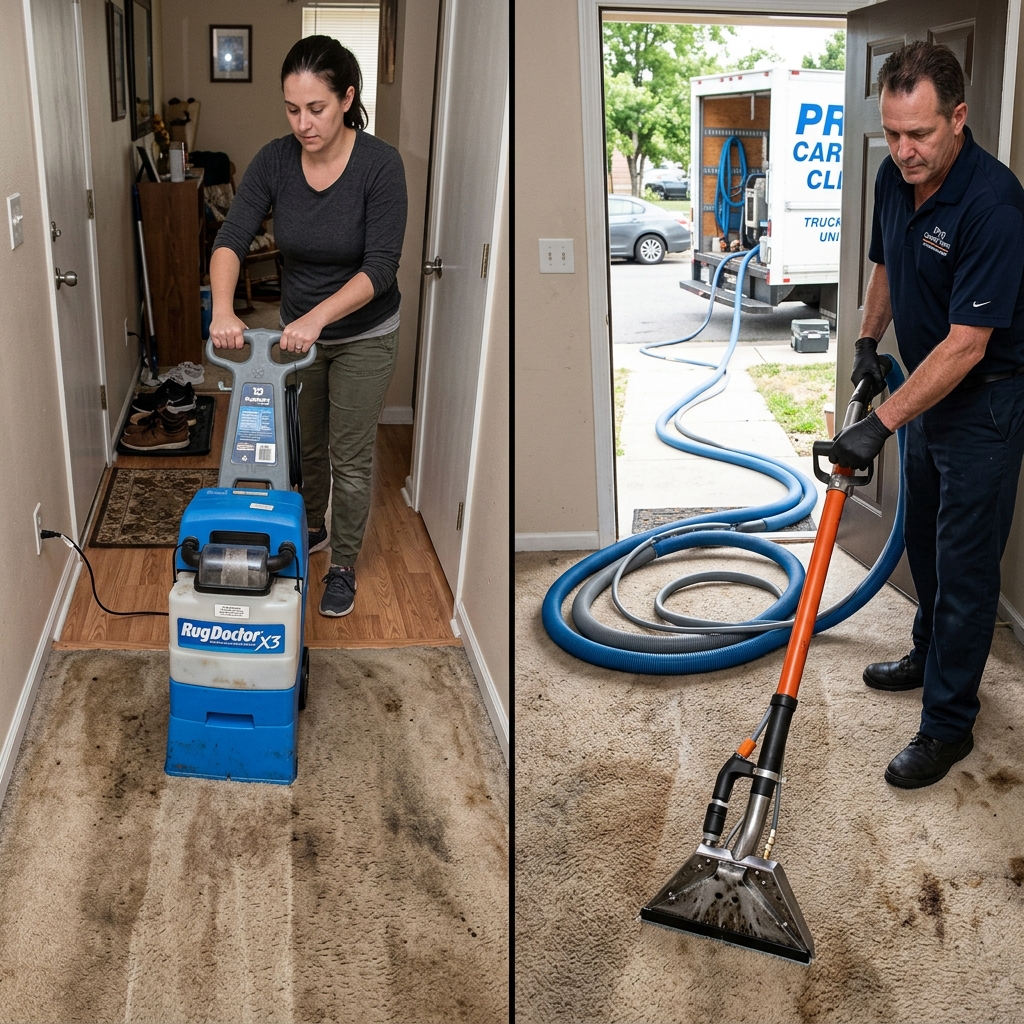
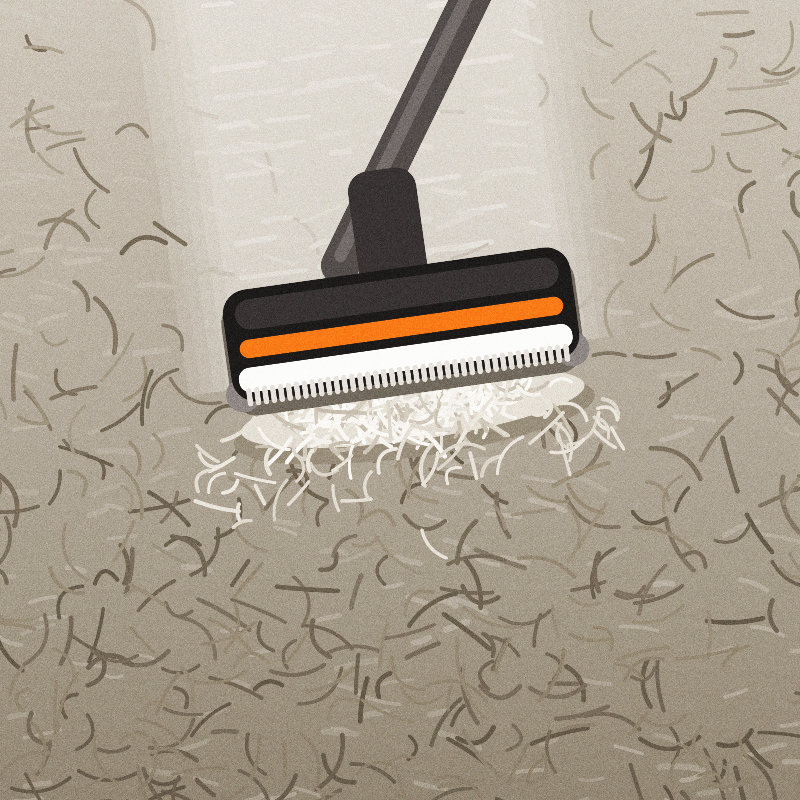
Regular vacuuming is a genuinely important part of allergen management, but standard vacuum cleaners, even good quality ones, typically only address the upper layers of carpet fibres, leaving deeper embedded allergens largely undisturbed. This is why vacuuming should be considered a maintenance step between deeper cleans, rather than a complete allergen management solution on its own.
How Carpet Age Affects Allergen Buildup
Older carpets, particularly those that haven't been professionally cleaned in several years, tend to harbour significantly more accumulated allergen buildup than newer or more regularly maintained carpet. If your carpet is approaching the end of its typical lifespan and hasn't had consistent professional attention, allergen levels may be considerably higher than in a newer, well-maintained carpet, even if both look similarly clean on the surface.
The Difference Between Surface Cleanliness and Allergen Levels
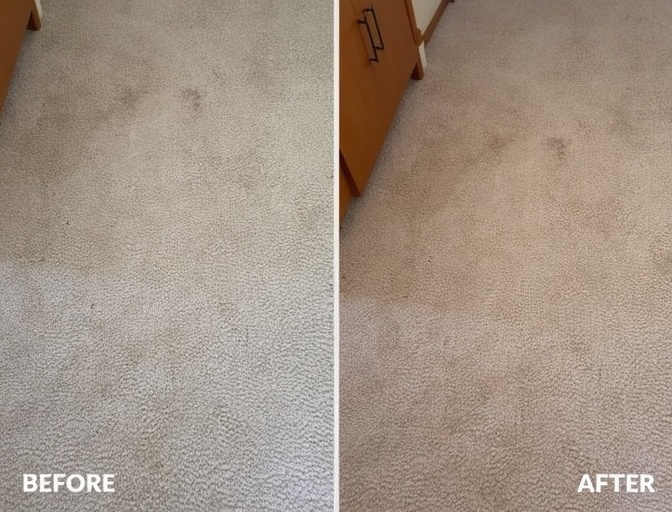
It's worth understanding that a carpet can look perfectly clean while still harbouring significant allergen levels deep within its fibres, since dust mites, dander, and pollen aren't typically visible to the naked eye. This disconnect between visual appearance and actual allergen content is exactly why relying on how carpet looks isn't a reliable way to judge whether a deeper clean is genuinely needed.
Why Hot Water Extraction Is Particularly Effective
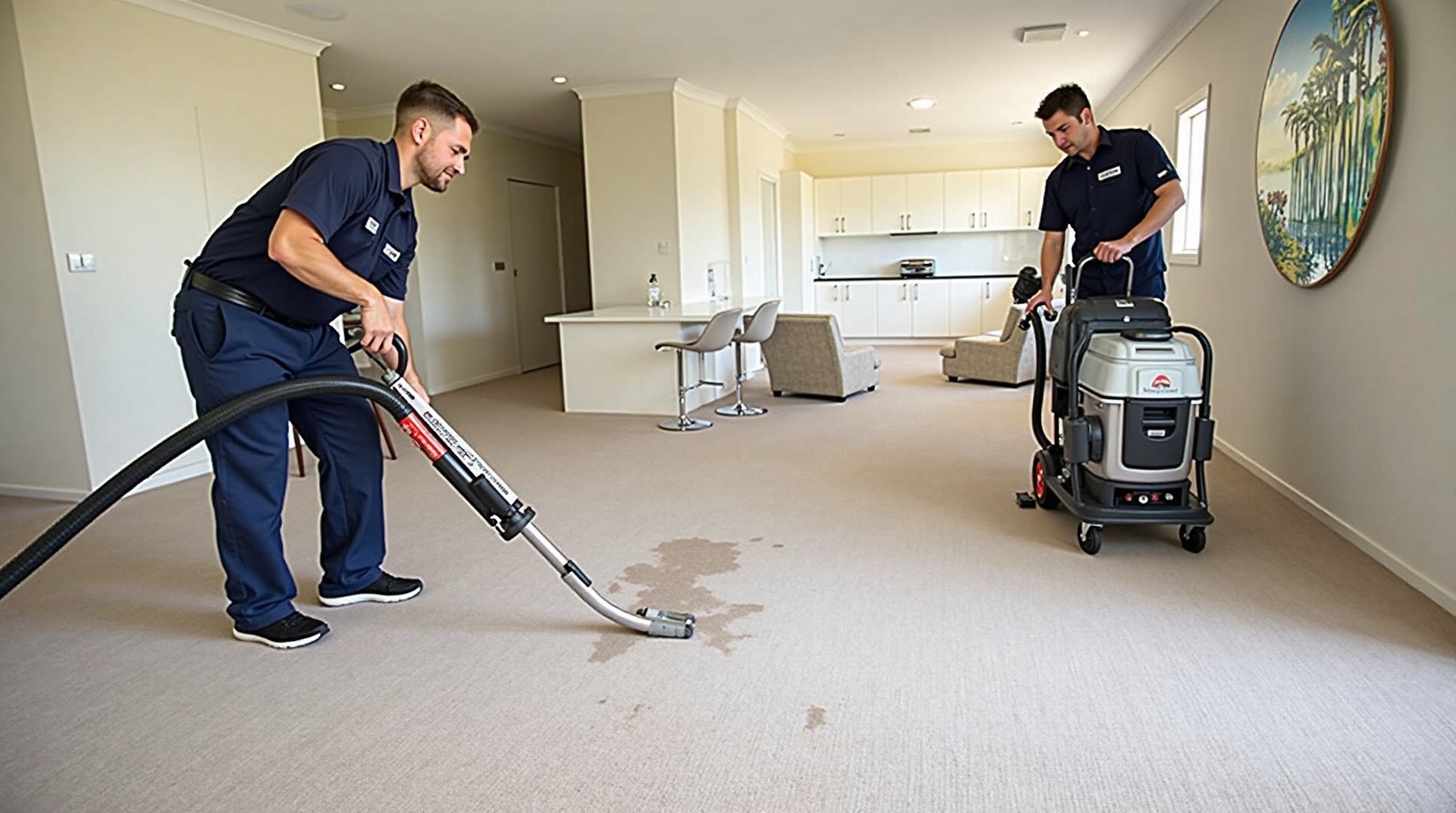
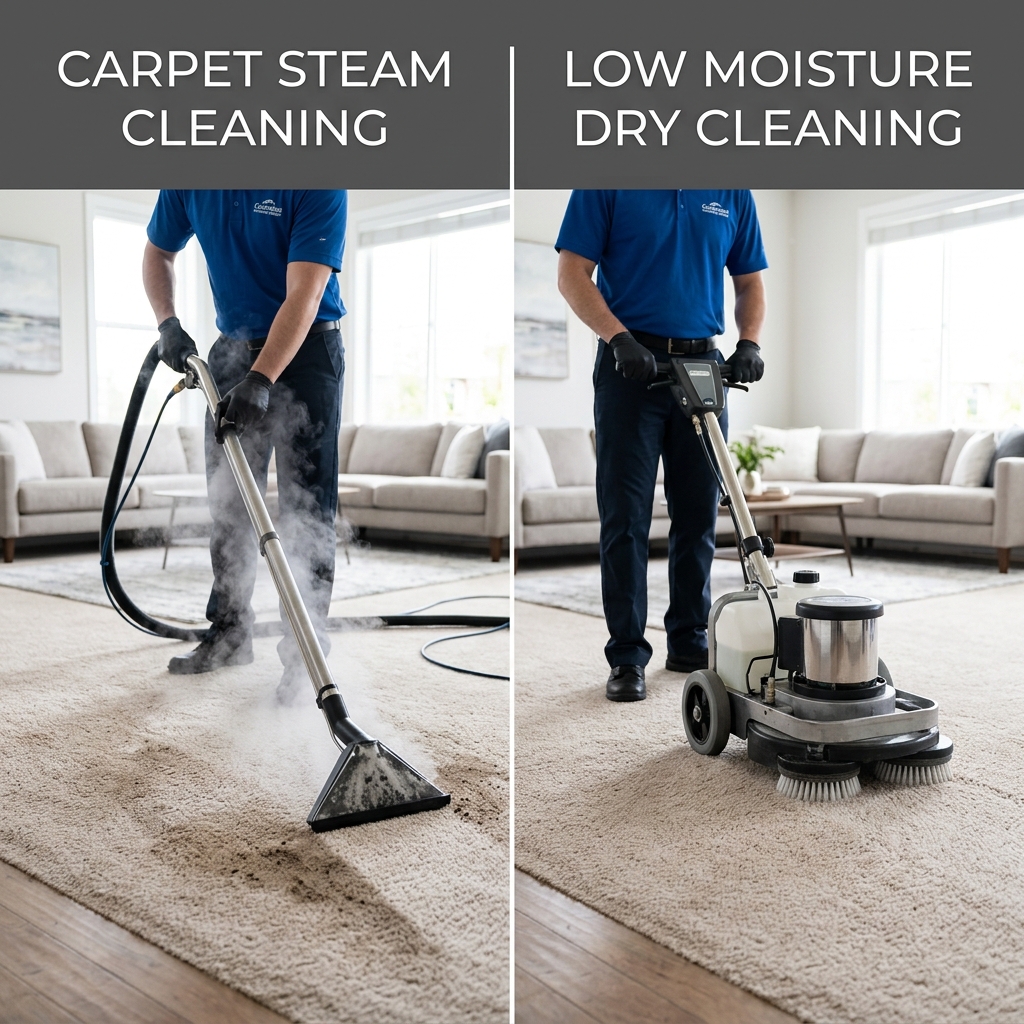
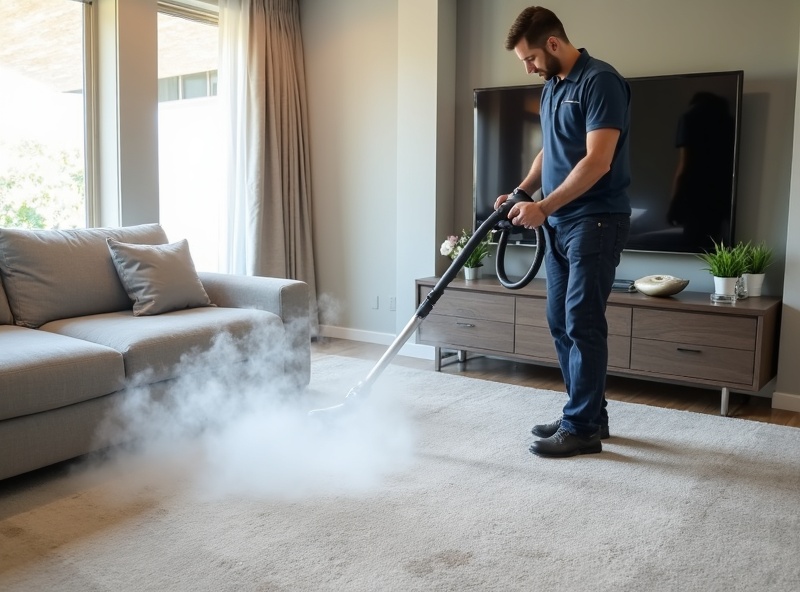
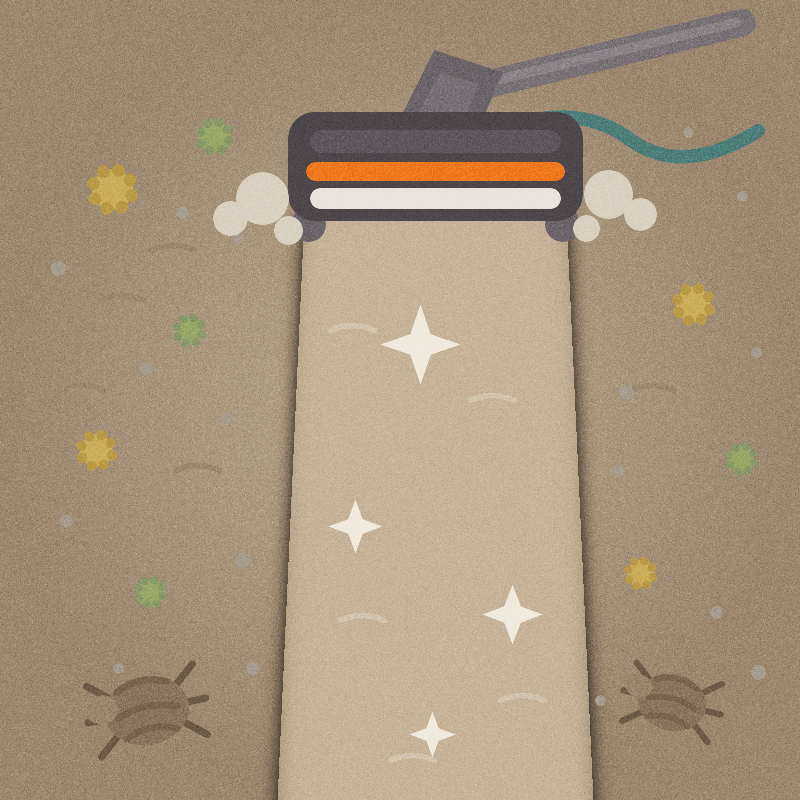
Hot water extraction uses heated water and strong suction to flush contaminants from deep within the carpet structure, reaching allergens that surface cleaning simply can't access. This makes it a particularly valuable method for allergy-conscious households, especially when combined with a hypoallergenic, fragrance-free cleaning solution to avoid introducing any additional chemical irritants during the process.
Choosing the Right Cleaning Products for Allergy Sufferers
Beyond the cleaning method itself, product choice matters for allergy-conscious households. Fragrance-free, hypoallergenic cleaning solutions reduce the risk of introducing new irritants during the cleaning process, which is particularly important for anyone with fragrance sensitivities in addition to their existing dust or dander allergies.
How Often Should Allergy Sufferers Clean Their Carpet?
While the general recommendation for most households is a professional deep clean every twelve to eighteen months, households managing significant allergies or asthma often benefit from more frequent attention, roughly every six to twelve months, alongside more regular vacuuming between full cleans, to keep allergen buildup consistently managed rather than allowing it to accumulate over an extended period.
Complementary Steps Beyond Carpet Cleaning
- Use a vacuum with a HEPA filter, which captures smaller particles than standard vacuum filters
- Maintain good ventilation and consider an air purifier in bedrooms
- Wash bedding regularly in hot water to manage dust mite populations
- Consider reducing carpet in particularly high-allergen rooms, such as bedrooms, if allergies are severe
- Manage indoor humidity, since dust mites thrive in more humid conditions
When Carpet Removal Might Be Worth Considering
For households with genuinely severe allergies or asthma, some allergists recommend considering hard flooring over carpet in bedrooms specifically, given how much time is spent there and how significantly dust mite exposure can affect sleep quality and symptom severity. That said, for most households, regular professional carpet cleaning combined with good vacuuming habits provides a meaningful, less disruptive improvement without needing to remove carpet entirely.
A Related Consideration for Pet-Owning Allergy Sufferers
Households managing both allergies and pet ownership face a particularly compounded challenge, given the combined dust mite and pet dander load carpet can accumulate. Our comprehensive guide on carpet cleaning for pet owners covers additional strategies particularly relevant to this specific situation.
Frequently Asked Questions
1. Does professional carpet cleaning actually reduce allergy symptoms?
For many people, yes, particularly when carpet cleaning is combined with regular vacuuming and other allergen management strategies. Hot water extraction is especially effective at reducing dust mite and pet dander levels.
2. Is vacuuming enough to manage carpet-related allergens?
Vacuuming helps manage surface-level allergens but typically doesn't reach deeply embedded contamination, which is why periodic professional deep cleaning remains important for more thorough allergen reduction.
3. What carpet cleaning method is best for allergy sufferers?
Hot water extraction is generally considered the most effective method for allergen reduction, given its ability to flush contaminants from deep within the carpet structure.
4. Should I use scented cleaning products if I have allergies?
It's generally better to choose fragrance-free, hypoallergenic products, since synthetic fragrances can introduce additional irritants for people with chemical or scent sensitivities.
5. How often should allergy sufferers get their carpet professionally cleaned?
Roughly every six to twelve months is generally recommended for households managing significant allergies, more frequent than the standard guideline for the general population.
6. Can carpet look clean but still trigger allergy symptoms?
Yes, dust mites, dander, and pollen aren't typically visible to the naked eye, meaning a carpet can appear clean on the surface while still harbouring significant allergen levels deep within the fibres.
7. Does older carpet contain more allergens than newer carpet?
Generally yes, particularly if it hasn't been professionally cleaned in several years, since allergens accumulate progressively over time without regular deep cleaning attention.
Final Thoughts
Carpet cleaning genuinely can help manage allergy symptoms, particularly when using hot water extraction to reach deeply embedded dust mites, pet dander, and pollen that surface cleaning alone can't fully address. Combined with regular vacuuming, good ventilation, and thoughtful product choices, a proper carpet cleaning routine can make a meaningful difference to indoor air quality for allergy-prone households.
If allergies are a concern in your Brisbane home, contact Fresho Carpet Cleaning Brisbane today for a professional, allergen-focused carpet clean tailored to your household's needs.