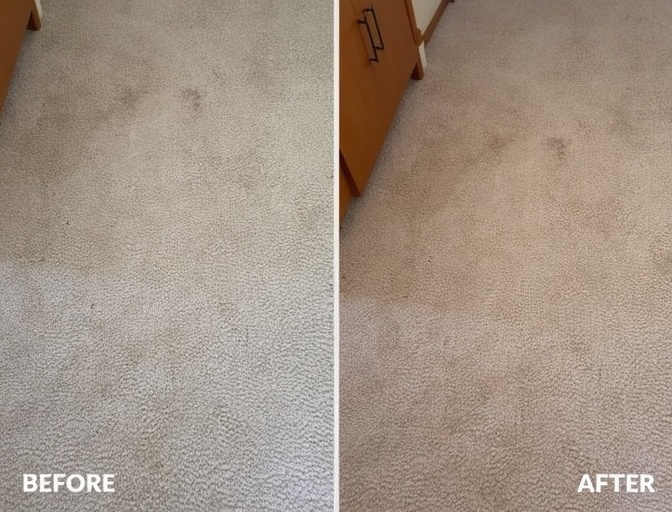
Best Way to Remove Cat Urine from Carpet and Eliminate the Odor
Cat urine has a well-earned reputation as one of the most difficult household odours to fully eliminate, and for genuinely good reason. It's not simply a matter of strong smell, cat urine contains compounds that make it particularly persistent and resistant to standard cleaning methods, which is why so many cat owners find themselves treating the same spot repeatedly without lasting success, often growing frustrated with the process.
At Fresho Carpet Cleaning Brisbane, cat urine odour is one of the most common, and most misunderstood, carpet issues we deal with. In this guide, we'll walk through the best, proven method for genuinely eliminating cat urine odour from carpet, not just masking it temporarily.
Why Cat Urine Is Particularly Difficult to Remove
Cat urine contains uric acid, a compound that crystallises as it dries and bonds tightly to carpet fibres. Unlike most stains, these uric acid crystals aren't water-soluble, meaning standard detergent and water simply can't fully break them down. As humidity rises, or if the area becomes damp again during cleaning, these crystals can reactivate and release odour all over again, even in spots that seemed successfully cleaned previously.
Cat urine is also generally more concentrated than dog urine, given cats' natural water conservation adaptations as desert-originated animals, which is part of why cat urine odour tends to be especially strong and persistent compared to other common pet odours.
Step 1: Locate All Affected Areas
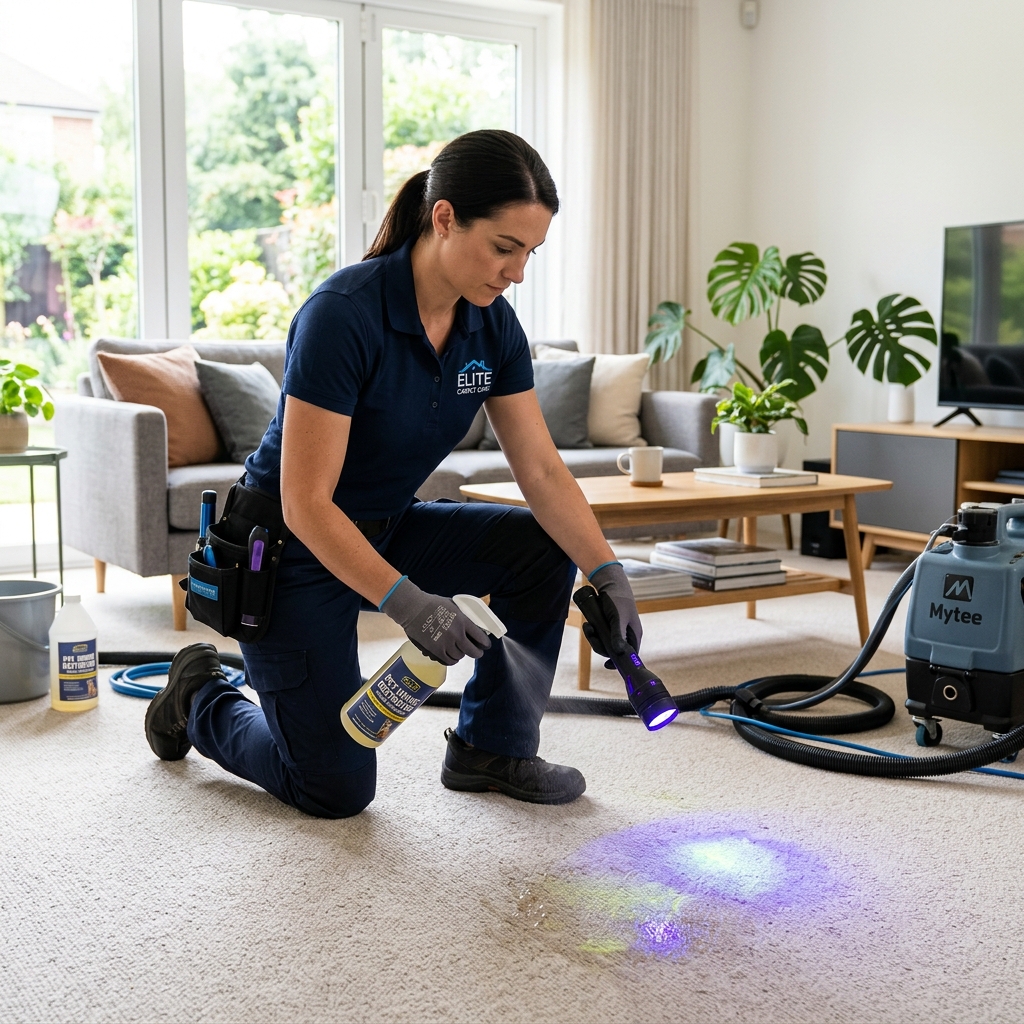
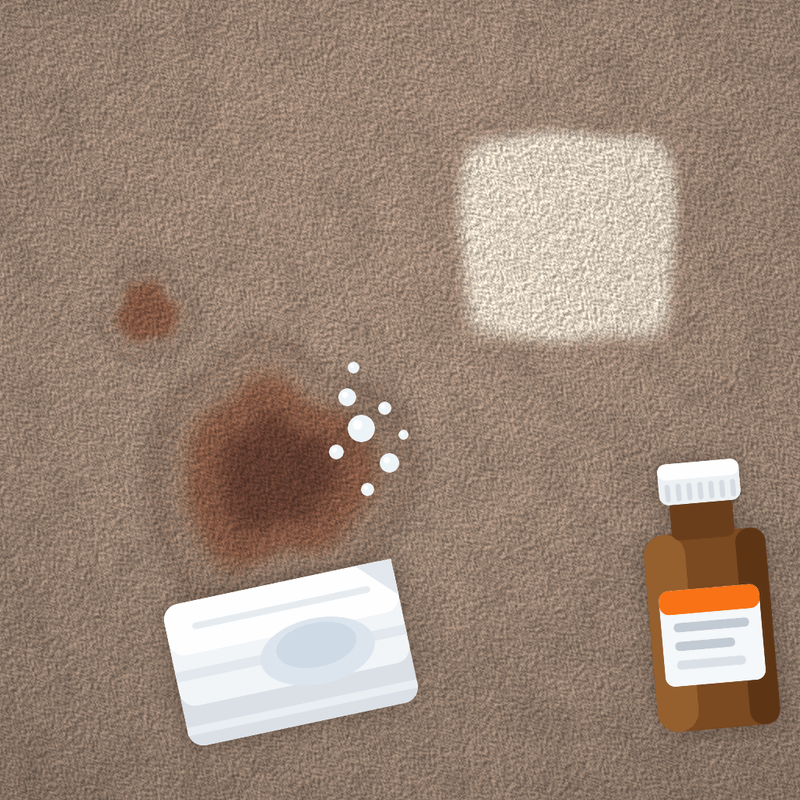
Before treatment, it's important to identify every affected spot, not just the obvious ones. A UV blacklight can reveal dried urine stains that fluoresce but aren't visible under normal lighting, which is particularly useful for cats that may have had repeated accidents in a similar general area over time, some of which may have gone unnoticed.
Step 2: Blot Fresh Accidents Immediately
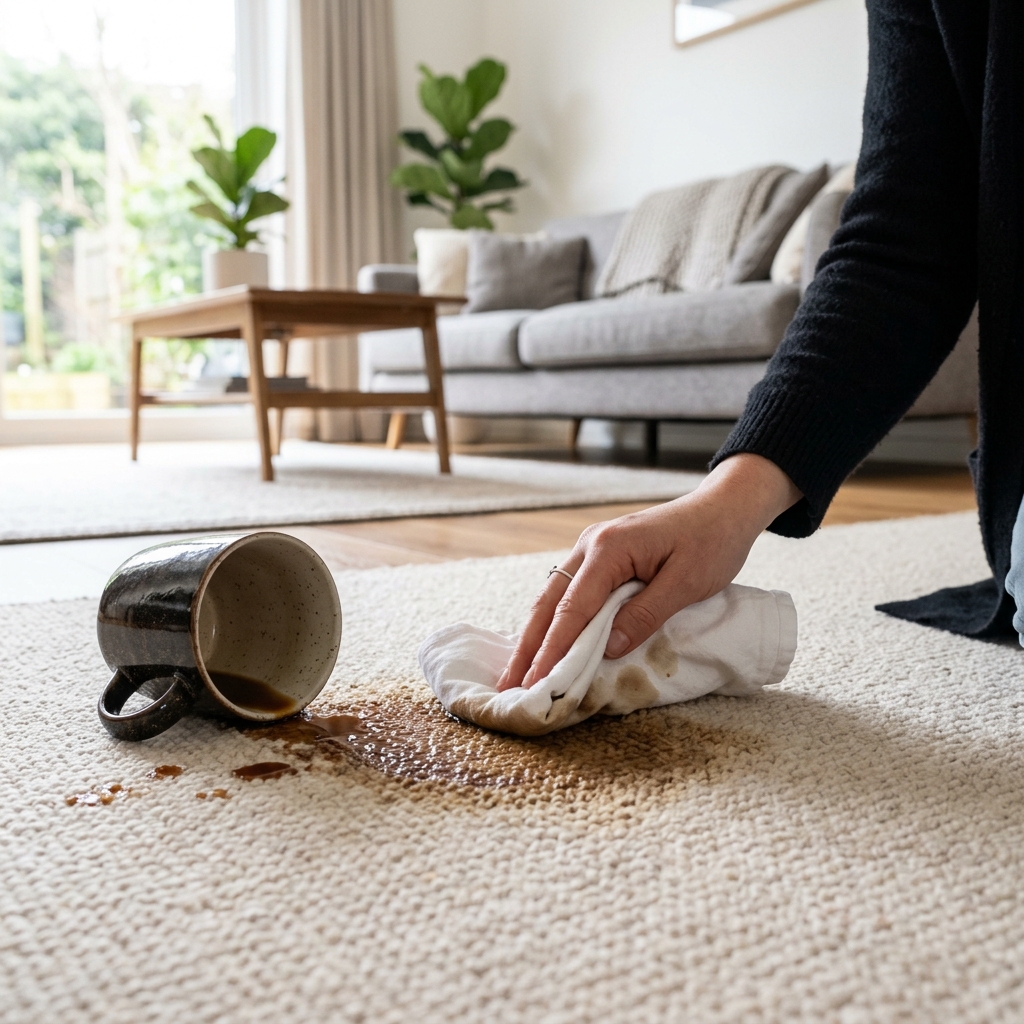
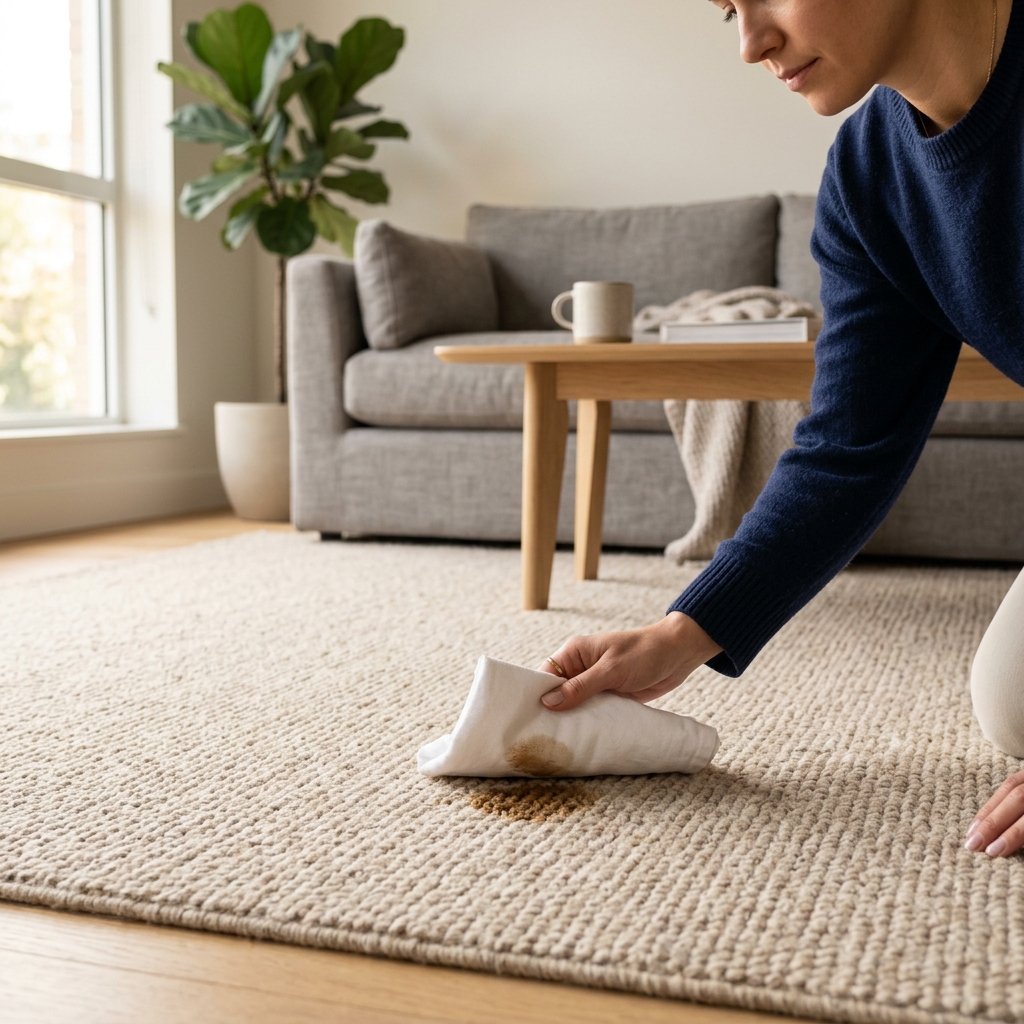
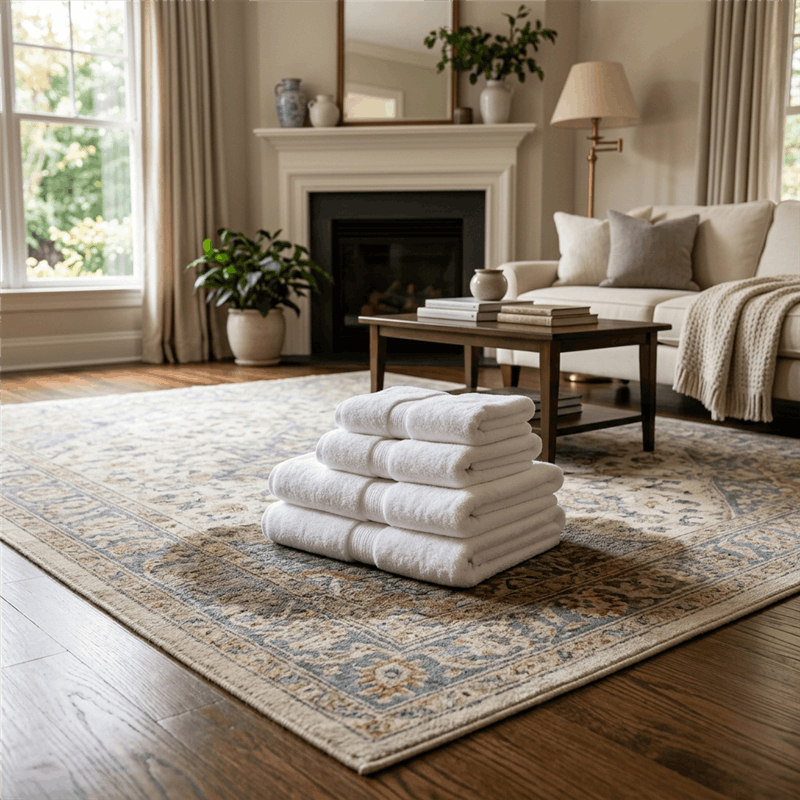
For a fresh accident, blot up as much liquid as possible with a clean, absorbent cloth or paper towel, pressing down firmly rather than rubbing. The faster you respond, the less time the urine has to soak deep into the carpet backing and underlay, which significantly improves your chances of full removal.
Step 3: Apply an Enzyme-Based Cleaner
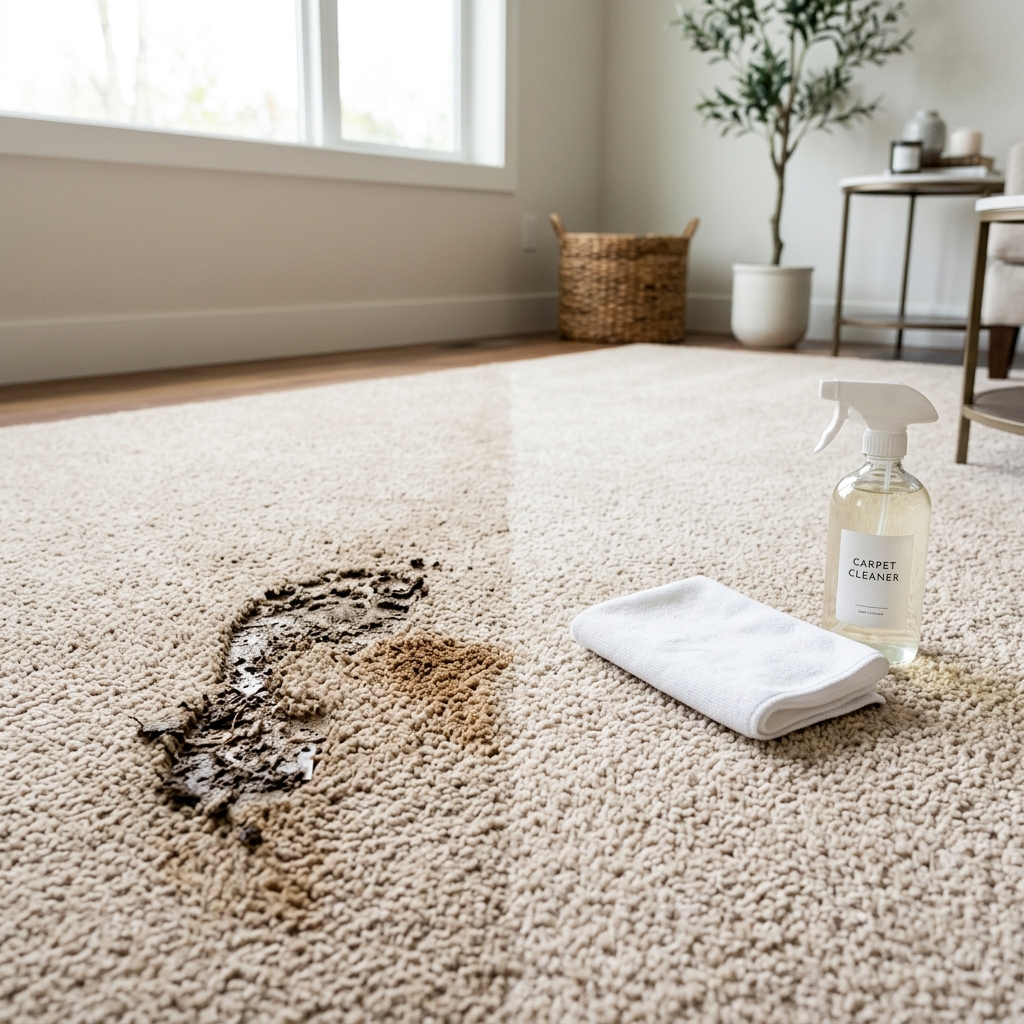
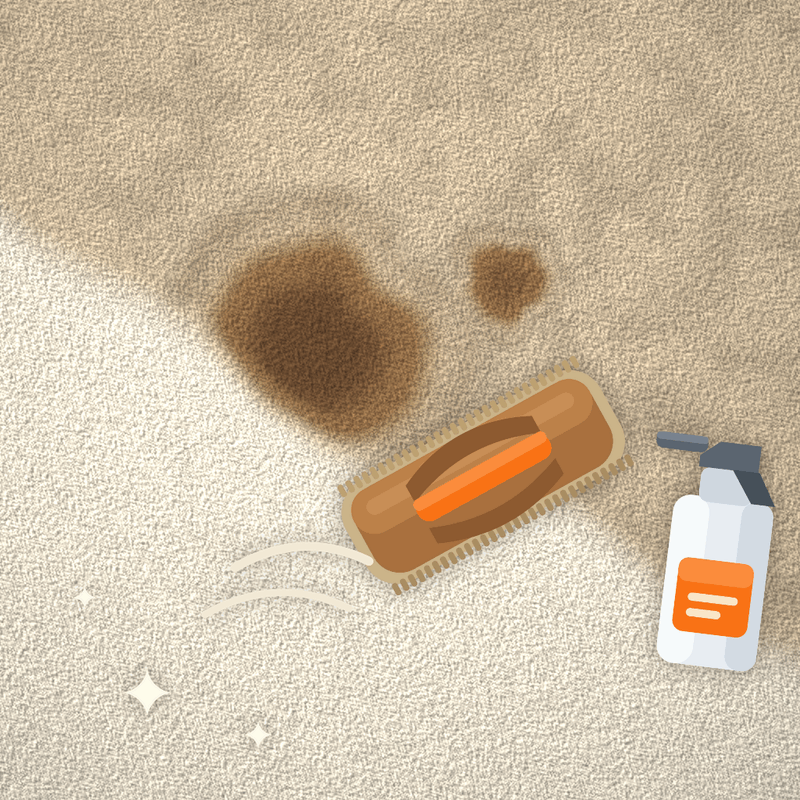
This is the genuinely essential step for cat urine specifically. Enzyme-based cleaners contain bacterial cultures that digest uric acid crystals at a molecular level, breaking them down into odourless compounds rather than simply masking the smell with fragrance. Apply generously enough to reach the same depth the urine originally soaked to, since surface-level application alone won't address deeper contamination.
Step 4: Allow Adequate Dwell Time
Enzyme cleaners need time to work effectively, generally at least fifteen to thirty minutes, though longer dwell times, sometimes several hours, are often recommended for older or more concentrated stains. Cover the area with plastic wrap during this period to prevent the solution from drying out too quickly, which would reduce its effectiveness.
Step 5: Blot and Extract
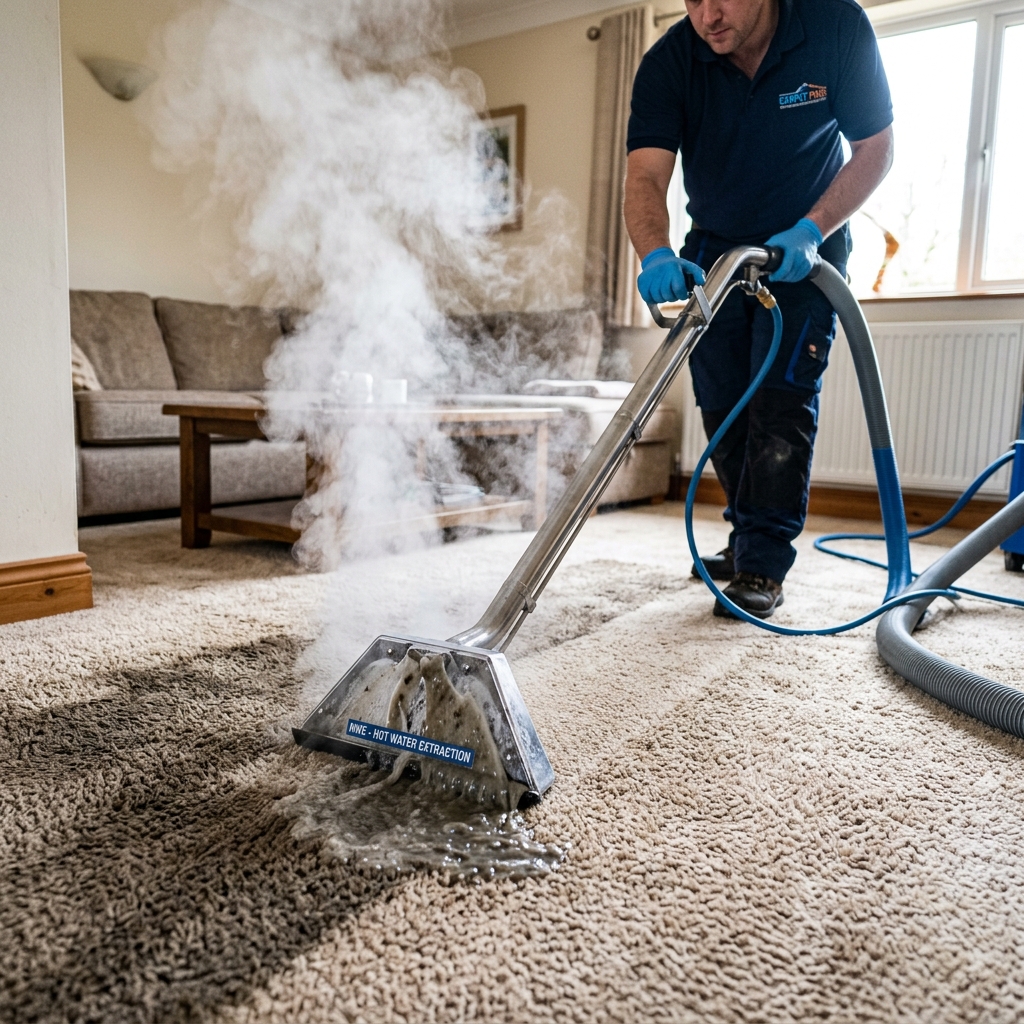
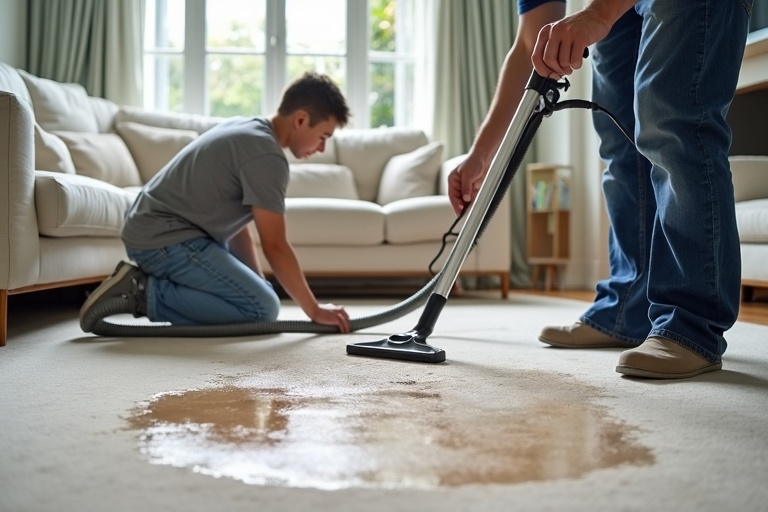
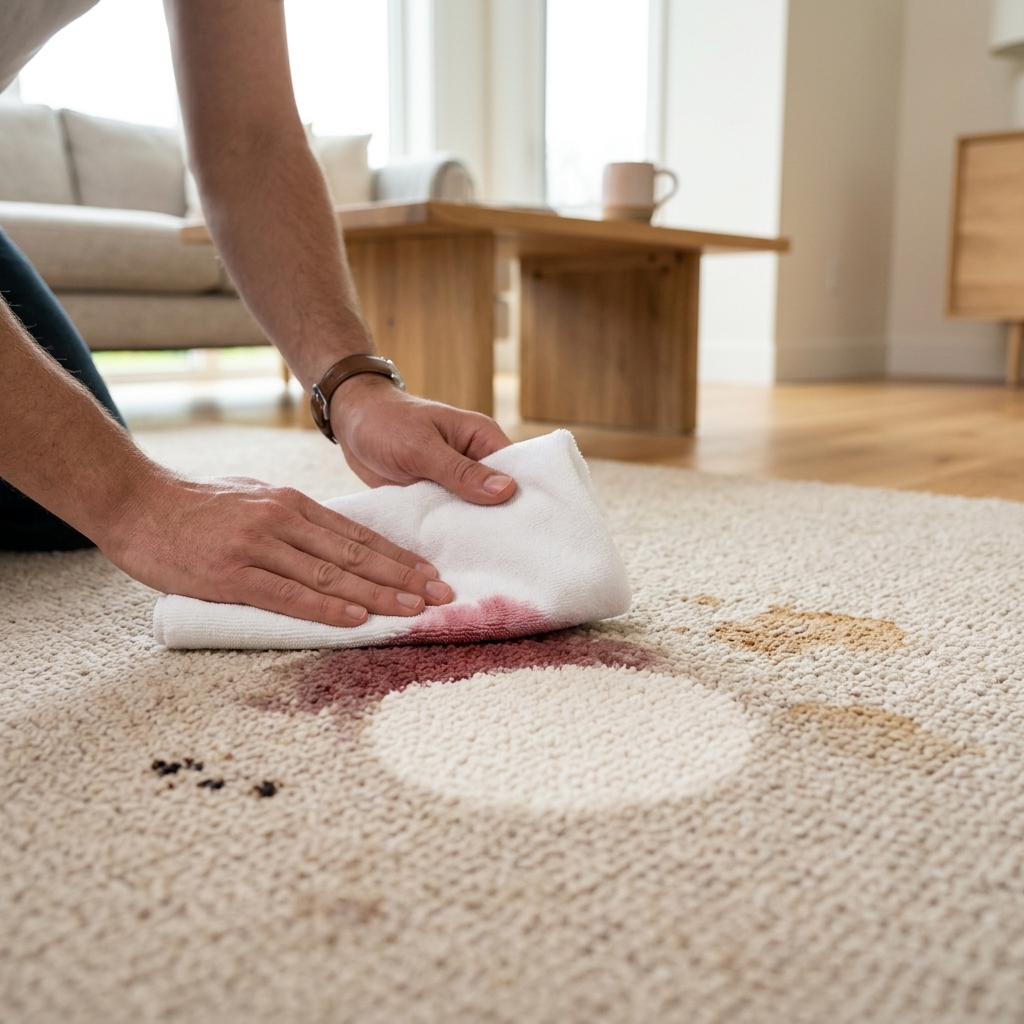
Once the dwell time has passed, blot the area thoroughly with clean, dry towels, applying firm pressure to draw out both the enzyme solution and the broken-down contamination. For more thorough removal, a wet vacuum or carpet extractor, if available, can pull out considerably more moisture and residue than blotting alone.
Why Male Cat Urine Can Be Even More Difficult
Unneutered male cats produce urine with an even higher concentration of specific compounds used for territorial marking, making their urine notably more pungent and, in some cases, more difficult to fully deodorise than urine from female or neutered cats. This is worth factoring into your expectations if repeated treatment seems less effective than anticipated.
Treating Cat Urine on Different Carpet Types
Synthetic carpets generally respond predictably to enzyme treatment, since these fibres don't absorb moisture as readily as natural materials. Wool carpets require extra care, using cooler treatment temperatures and gentler blotting, since wool can react differently to sustained moisture exposure during the enzyme treatment's dwell time.
Step 6: Assess Whether Underlay Treatment Is Needed
For larger accidents, or repeated accidents in the same spot over time, urine can soak through to the underlay and even the subfloor beneath. If odour persists despite thorough surface treatment, this is a strong indicator that the padding itself may need enzyme treatment or, in severe cases, replacement to fully resolve the issue.
Why Standard Cleaning Products Fail on Cat Urine
Regular carpet shampoo, soap, and even many general-purpose 'pet stain removers' rely on surfactants designed to lift dirt and organic matter, but they don't specifically target the uric acid crystals responsible for cat urine's persistent odour. Using the wrong product can sometimes make the situation worse by adding moisture that reactivates the smell without actually breaking down the underlying contamination.
The Vinegar Myth
White vinegar is often suggested as a home remedy for cat urine, and while it can help neutralise some odour compounds, it doesn't break down uric acid crystals the way a genuine enzyme treatment does. Vinegar alone tends to offer only temporary, partial improvement, which is why it's best used as a supplementary step, rather than a substitute for proper enzyme treatment.
Why Cats Sometimes Return to the Same Spot Repeatedly
If a cat urine spot isn't fully deodorised, cats can actually detect residual scent markers even when humans can no longer smell anything, and this lingering scent can encourage the cat to return to the same spot repeatedly, reinforcing the ongoing accident cycle. This is another reason genuinely complete odour elimination, not just surface cleaning, is so important for resolving repeated accidents in the same location.
Addressing the Underlying Behavioural Cause
While this guide focuses on removing existing stains and odour, it's worth mentioning that repeated cat urine accidents can sometimes signal an underlying health or behavioural issue, such as a urinary tract infection or litter box stress. If accidents continue despite thorough cleaning, a conversation with your vet is worthwhile alongside the cleaning process itself.
How This Compares to Dog Urine Treatment
While the enzyme-based approach is fundamentally similar across pets, cat urine's higher concentration often means slightly more thorough treatment is needed compared to typical dog accidents. Our broader guide on how to get pet urine smell out of carpet permanently covers the general enzyme treatment process in more depth, applicable to pet urine odour more broadly.
Frequently Asked Questions
1. Why is cat urine smell so much stronger than other pet odours?
Cat urine is generally more concentrated due to cats' natural water conservation adaptations, and it contains uric acid crystals that are particularly resistant to standard cleaning, both contributing to its notoriously strong, persistent smell.
2. Does vinegar remove cat urine smell completely?
Vinegar can help neutralise some odour but doesn't break down the uric acid crystals responsible for the persistent smell, so it typically only offers temporary, partial improvement rather than complete removal.
3. How can I find all the cat urine spots in my carpet?
A UV blacklight is the most effective way to reveal dried urine stains that fluoresce under UV light but aren't visible under normal lighting conditions.
4. Will my cat keep going back to the same spot if it's not fully cleaned?
Yes, cats can detect residual scent markers even when humans can't, which can encourage them to return to the same spot repeatedly if the odour isn't genuinely eliminated.
5. When should I call a professional for cat urine odour?
If home enzyme treatment hasn't fully resolved the smell, or if accidents have been repeated in the same area over time, professional treatment, potentially including underlay assessment, is worth considering.
6. Is unneutered male cat urine harder to remove than female cat urine?
Generally yes, since unneutered males produce urine with a higher concentration of territorial marking compounds, making it notably more pungent and sometimes more resistant to standard treatment.
7. Does carpet type affect how well cat urine odour can be removed?
Yes, synthetic carpets generally respond more predictably to enzyme treatment, while wool requires gentler handling given its different reaction to sustained moisture during treatment.
Final Thoughts
Genuinely eliminating cat urine odour from carpet comes down to using the right tool for the job: enzyme-based treatment that breaks down uric acid crystals at their source, rather than standard detergent or masking sprays that only offer temporary improvement. With prompt action and thorough treatment, even persistent cat urine odour can be fully resolved.
If cat urine smell has settled into your carpet and home treatment isn't cutting it, contact Fresho Carpet Cleaning Brisbane today for expert, enzyme-based odour elimination.