Steam Cleaning vs Dry Cleaning Carpet: Which Is Better for Your Home?
Carpets are a wonderful addition to any home, offering comfort, warmth, and a cozy aesthetic. However, keeping them clean is vital for maintaining a healthy indoor environment and extending the lifespan of your flooring. When it comes to deep cleaning, homeowners generally find themselves choosing between two popular methods: steam cleaning (technically known as hot water extraction) and dry cleaning (low moisture cleaning). Both methods have distinct mechanisms, advantages, and limitations. Choosing the right one depends on your specific needs, the condition of your carpets, and your daily schedule. This detailed guide compares steam cleaning and dry cleaning to help you make an informed decision for your household.
Understanding Steam Cleaning (Hot Water Extraction)
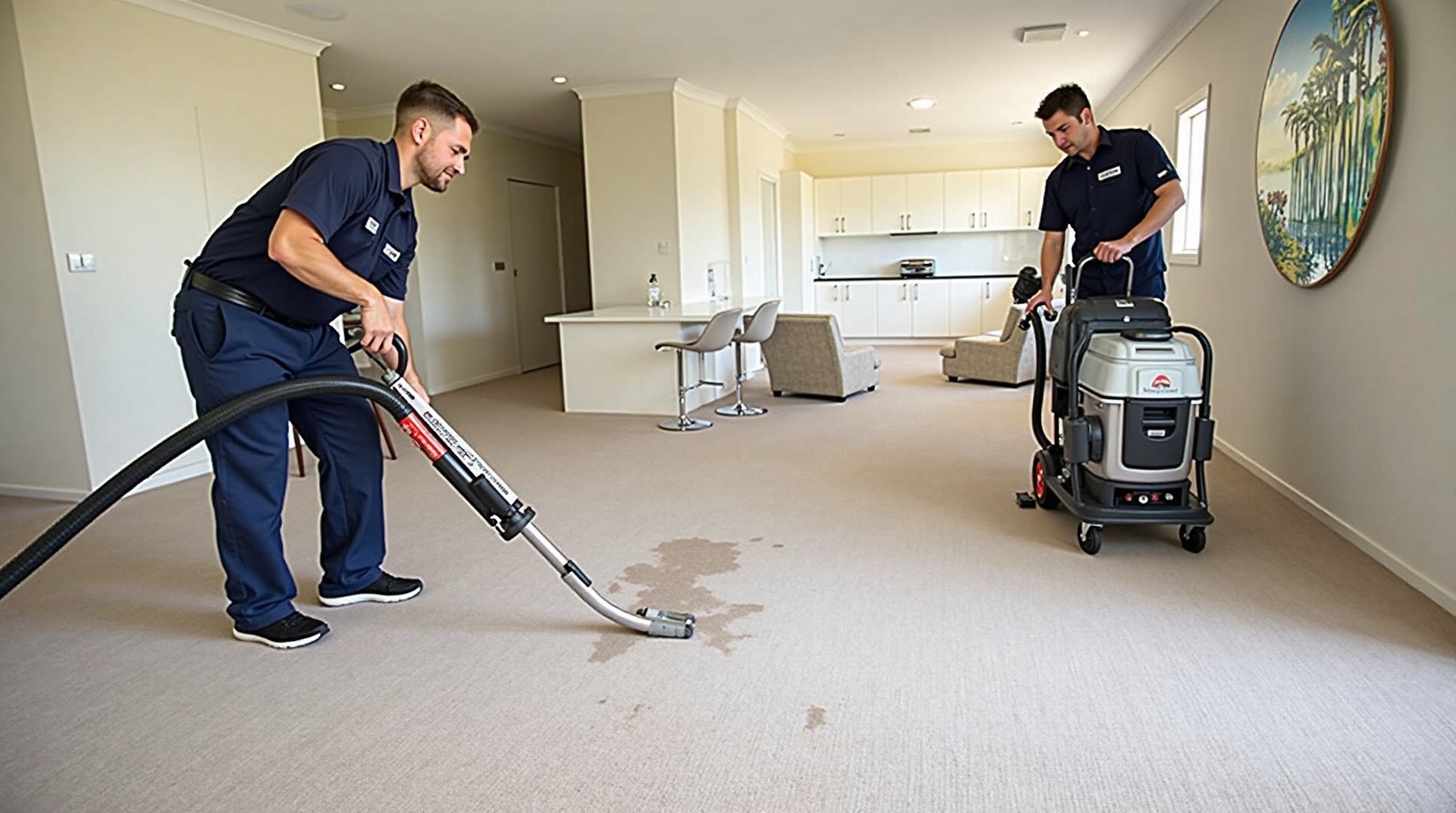
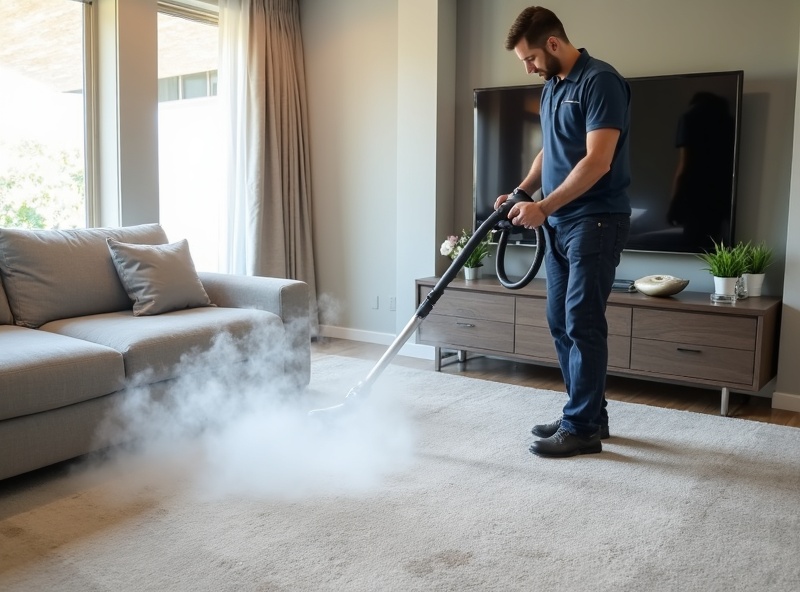
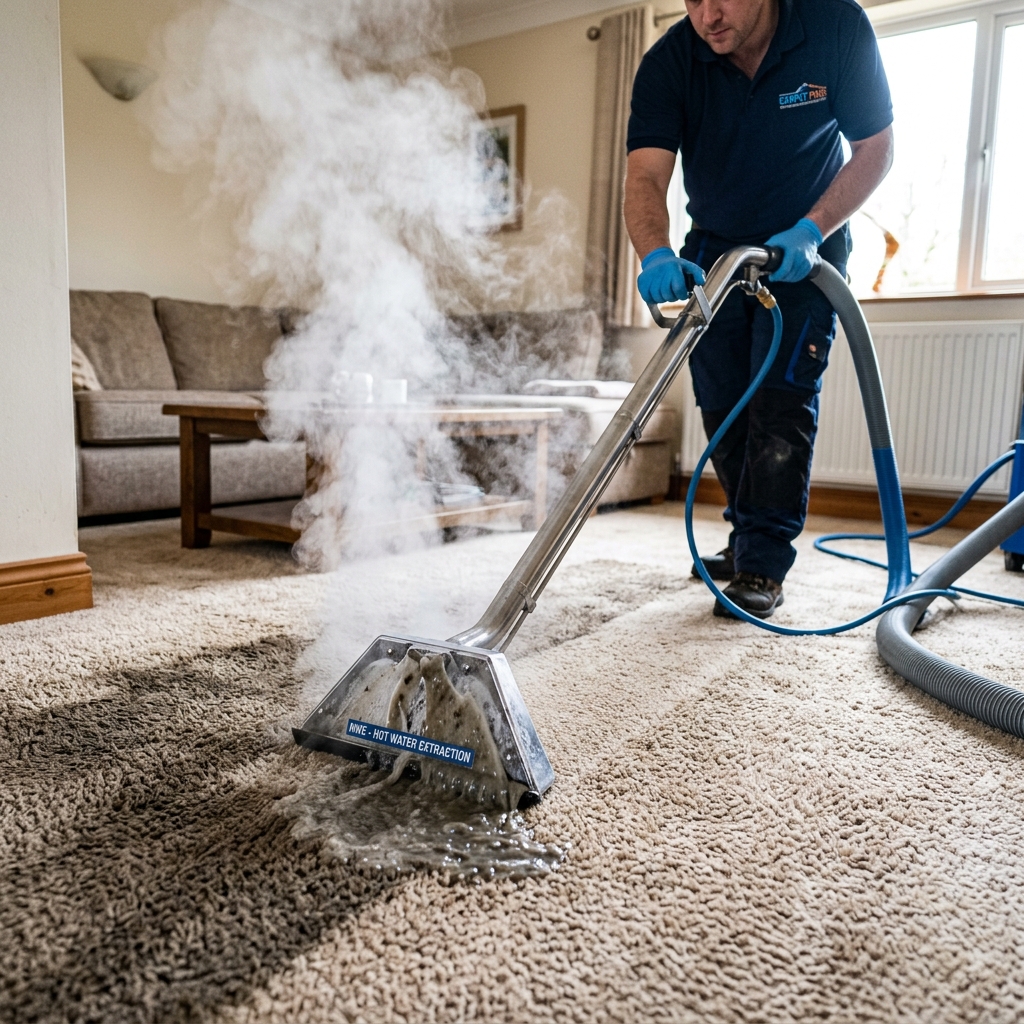
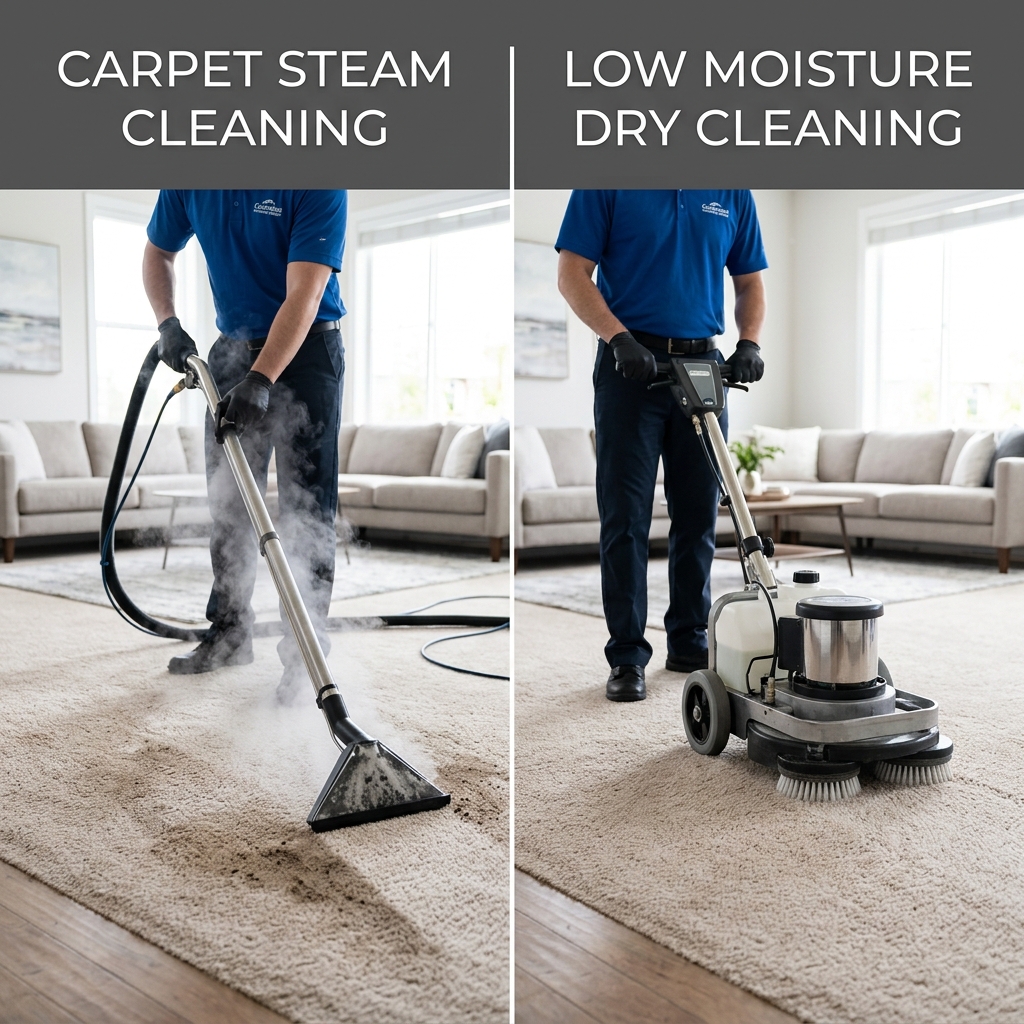
Steam cleaning is the most widely recognized and recommended carpet cleaning method. Despite its common name, the process does not actually rely on steam. Instead, it is a hot water extraction process. A professional steam cleaning machine heats water to a high temperature, typically between eighty and one hundred degrees Celsius. This hot water, mixed with specialized cleaning solutions, is injected deep into the carpet fibres under high pressure.
The high-temperature water acts immediately to loosen dirt, melt grease, and break down organic matter that has bonded with the fibres. Almost simultaneously, a powerful vacuum system extracts the hot water, cleaning solutions, and suspended dirt back into a holding tank on the machine. This pressure-and-extraction process cleans the carpet from the very base of the pile to the surface, flushing out pollutants that have settled deep near the backing.
Advantages of Steam Cleaning
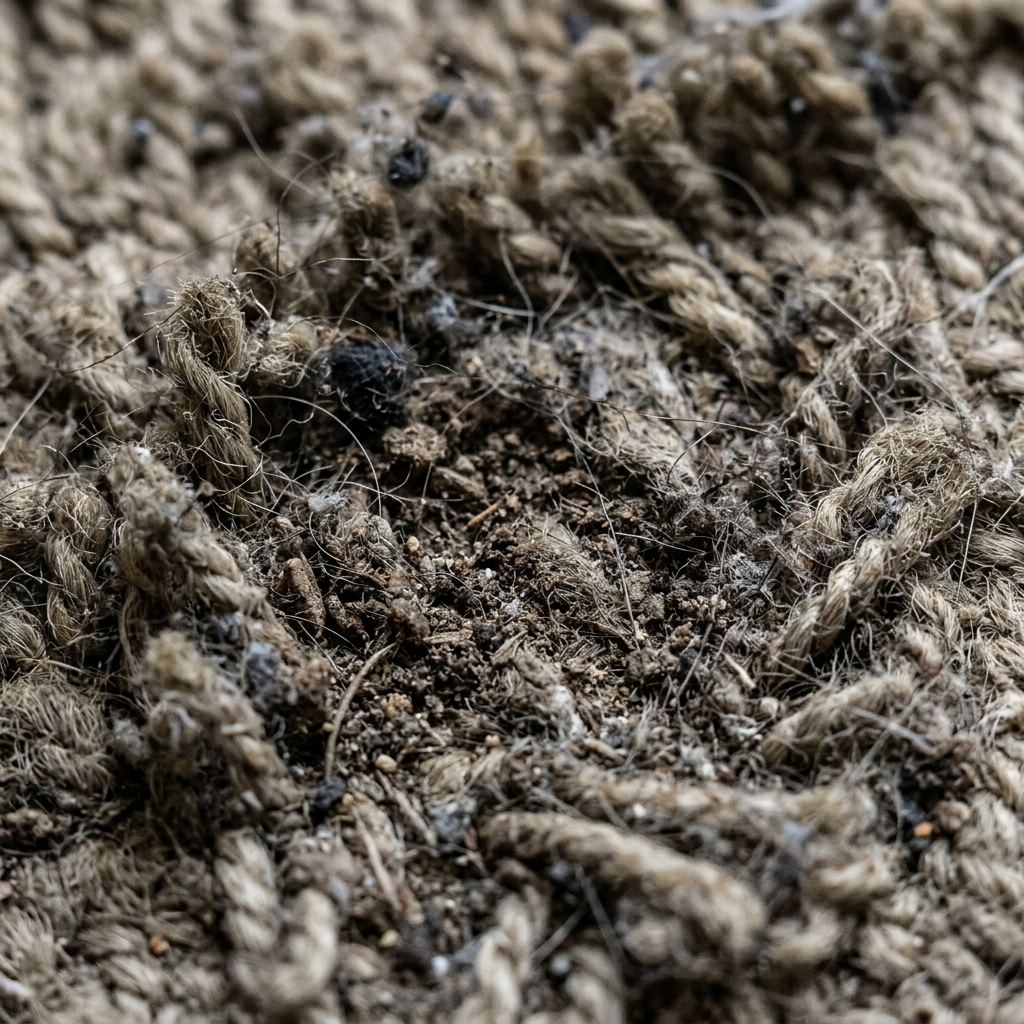
The primary benefit of hot water extraction is the depth of clean it achieves. No other method can match its ability to remove heavily embedded soil, sand, and grit from the base of the pile. This is crucial because embedded grit acts like sand paper, grinding against the fibres when walked on and causing them to break down. By flushing this grit out, steam cleaning extends the overall life of your carpet.
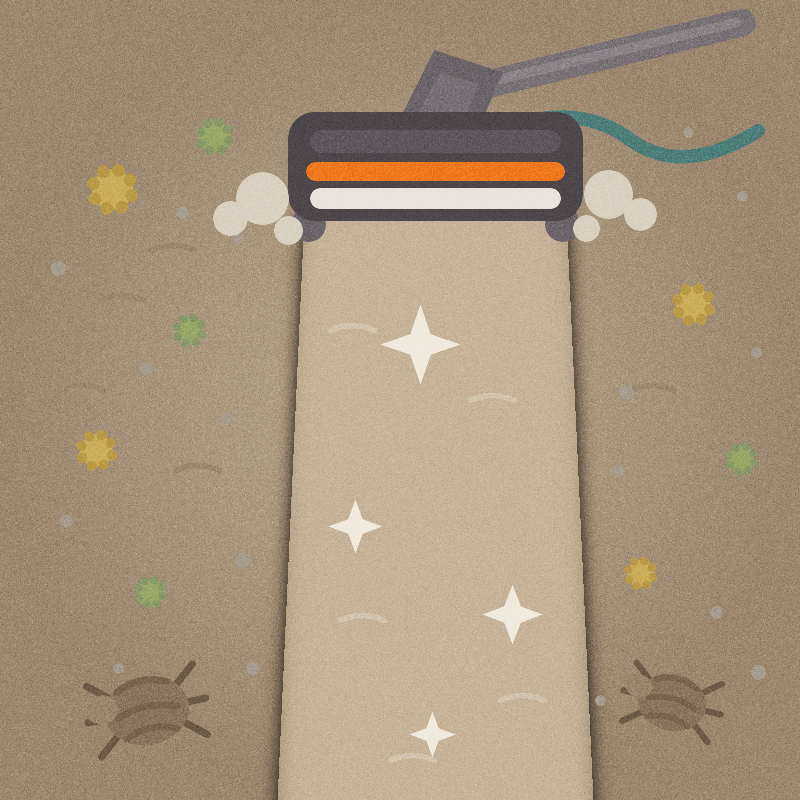
Beyond dirt removal, steam cleaning offers superior sanitization. The extreme heat of the water kills bacteria, mould spores, and dust mites on contact. Dust mites are a leading cause of household allergies and respiratory issues, and they thrive in the warmth of carpet fibres. Steam cleaning flushes out dust mite droppings and allergens, significantly improving indoor air cleanliness. Because of its thoroughness, major carpet manufacturers recommend hot water extraction to maintain the bounce and appearance of their products.
Disadvantages of Steam Cleaning
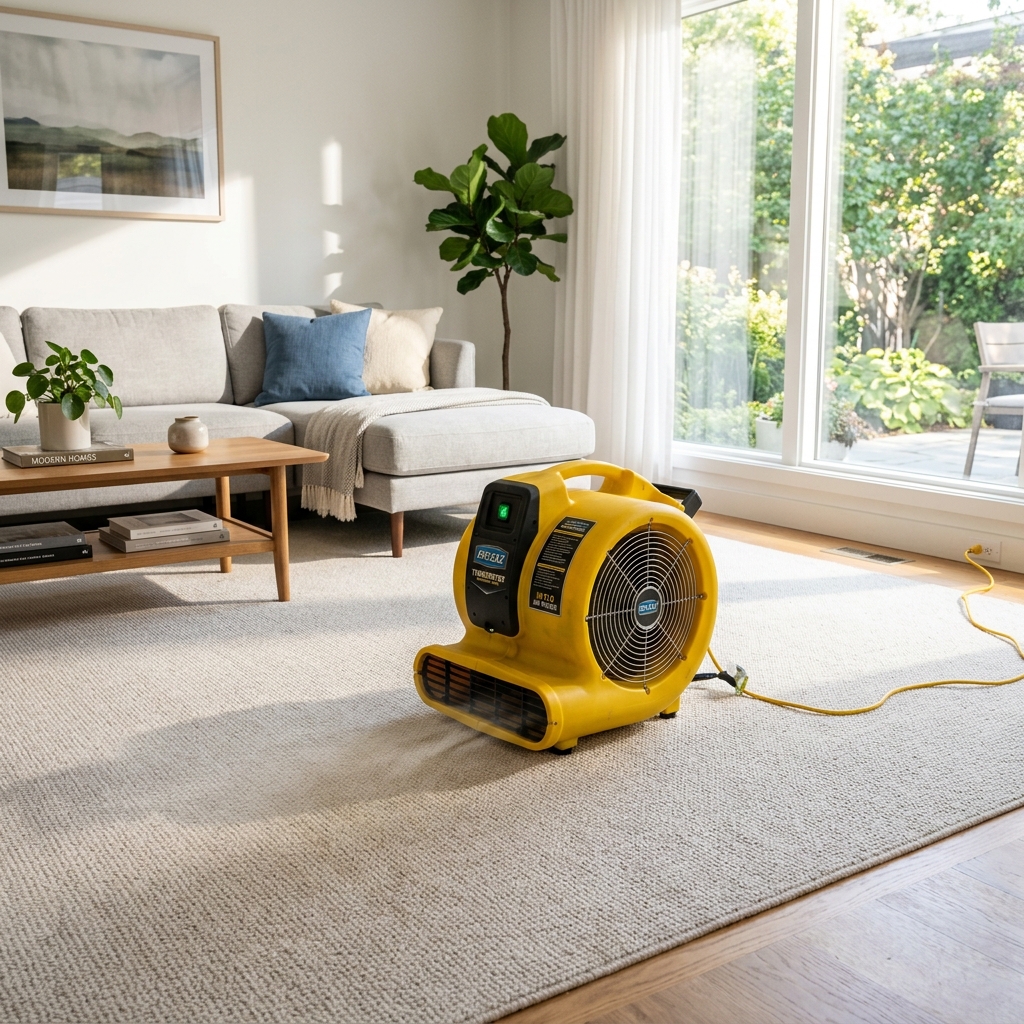
The main drawback of steam cleaning is the volume of water used, which leads to longer drying times. Depending on the room's ventilation, indoor humidity, and the extraction power of the machine, a steam-cleaned carpet can take anywhere from six to twenty-four hours to dry fully. During this drying period, foot traffic must be minimized to prevent re-soiling and matting of the damp fibres.
Furthermore, if the extraction process is performed poorly and too much moisture is left behind, water can seep into the backing and underlay. This damp environment can lead to musty odours, mildew, or mould growth, which is why it is essential to hire qualified professionals who use powerful, commercial-grade extraction equipment.
Understanding Dry Cleaning (Low Moisture)
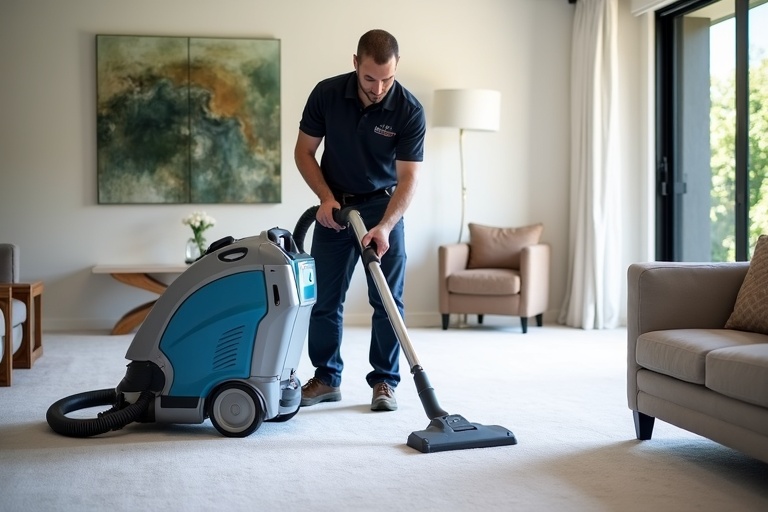
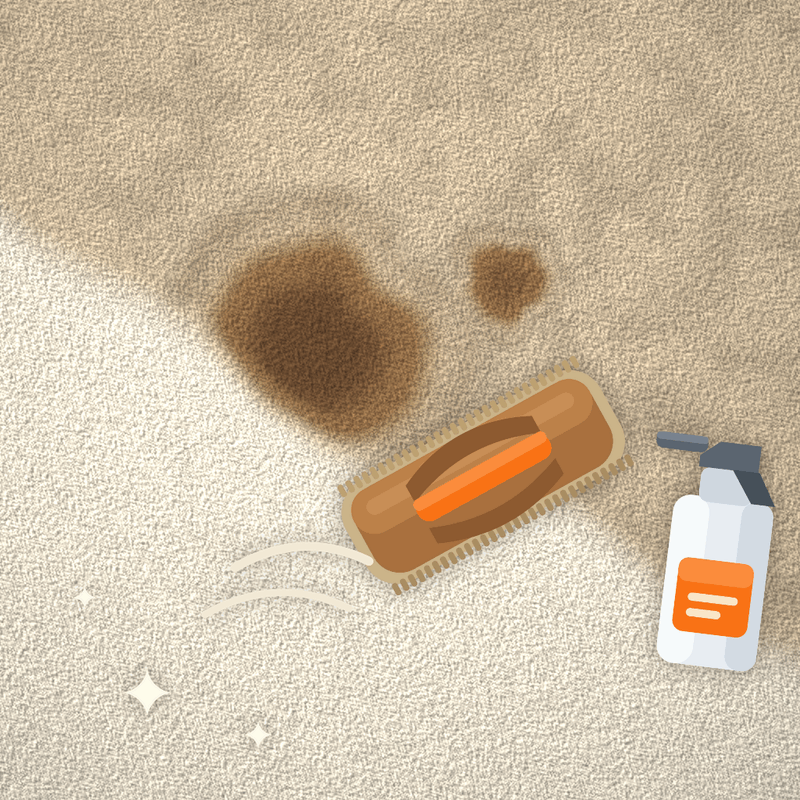
Dry cleaning does not mean that no liquid is used. Instead, it refers to methods that require very little moisture to clean the carpet. The most common modern dry cleaning technique is encapsulation. In this process, a specialized cleaning liquid is sprayed onto the carpet surface. This solution contains polymers that act like microscopic sponges.
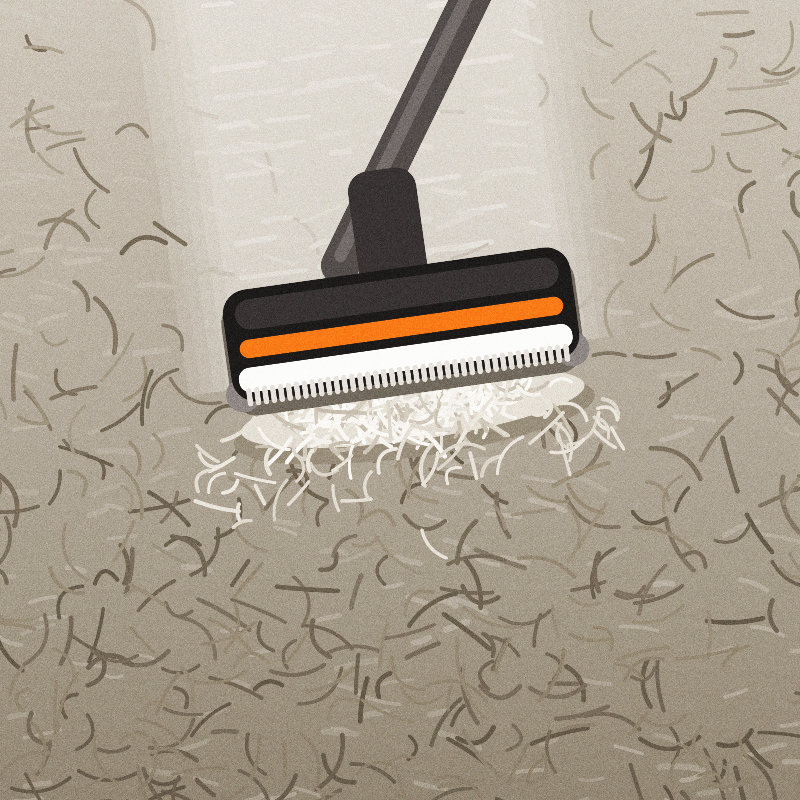
A machine with rotating cylindrical brushes is then run over the carpet, agitating the solution deep into the pile. The polymers wrap around dirt, grease, and soap residues, encapsulating them. As the solution dries, the polymers crystallize, forming dry, brittle particles that hold the encapsulated dirt in place. Once fully dry, these crystals are vacuumed out of the carpet, leaving the fibres clean and residue-free. Another dry cleaning method is bonnet cleaning, which uses a spinning pad to absorb dirt from the surface of the carpet.
Advantages of Dry Cleaning
The standout advantage of dry cleaning is the rapid drying time. Since very little moisture is introduced into the carpet, the fibres are typically dry and ready for foot traffic within one to two hours. This makes dry cleaning incredibly convenient for active households with pets and children, as well as for commercial spaces, offices, and hotels where room downtime must be kept to a minimum.
Additionally, dry cleaning carries virtually zero risk of over-wetting. This means there is no risk of carpet shrinkage, seam separation, backing damage, or mould growth. It also works well at removing surface-level stains and oily soils quickly, restoring the carpet's appearance with minimal disruption to your day.
Disadvantages of Dry Cleaning
While dry cleaning is highly convenient, it does have limitations. Because it does not involve a high-pressure flush and extraction, it cannot remove deeply embedded sand, soil, and dust from the bottom of the carpet pile. It is primarily a surface-level cleaning method, making it less thorough for carpets that have not been cleaned in a long time or are heavily soiled.
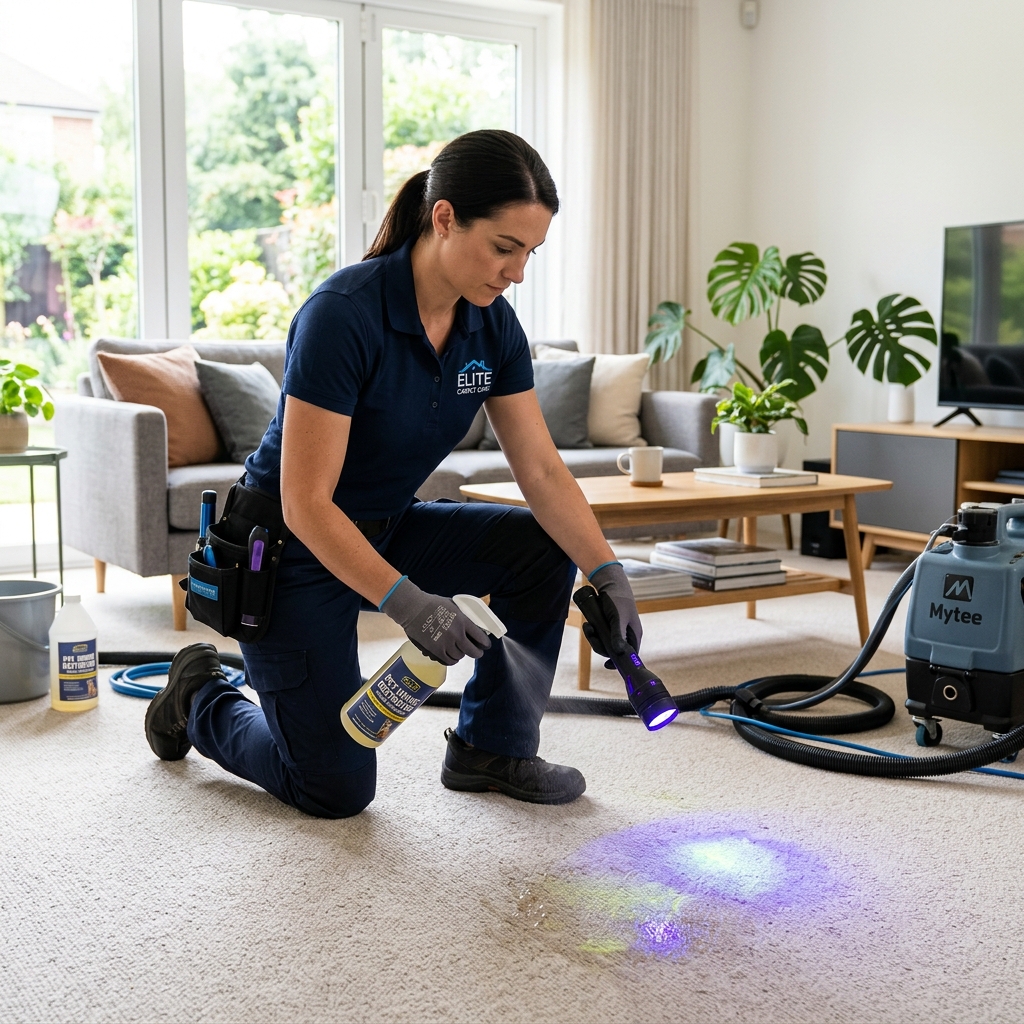
Additionally, dry cleaning is less thorough at eliminating deep-seated odours and biological contaminants. If you are dealing with pet urine accidents that have soaked through the backing, dry cleaning will only treat the surface fibres, leaving the underlying odour crystals intact. Some dry cleaning systems can also leave a fine, powdery residue if the final vacuuming is not done thoroughly, which can attract dirt over time.
Comparing the Methods: Which Wins?
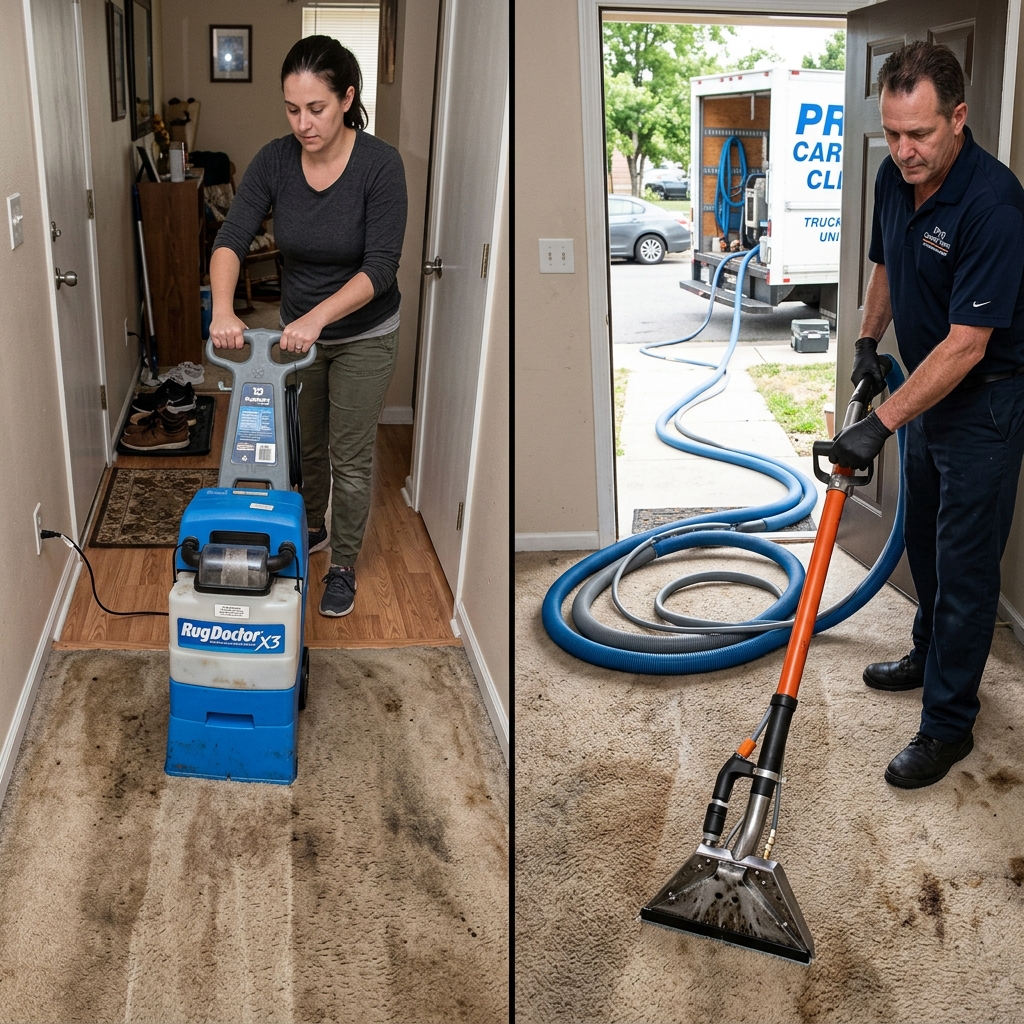
For Deep Cleaning and Hygiene: Steam cleaning is the clear winner. If your goal is to sanitize your home, eliminate allergens, kill dust mites, and remove deep-set soil, hot water extraction is the best choice. It is highly recommended for homes with allergy sufferers, crawling infants, or heavy pet traffic.
For Speed and Convenience: Dry cleaning wins. If you need to use the rooms immediately, or if you are cleaning a high-traffic commercial lobby, the rapid drying time of dry cleaning is unmatched. It is also excellent for regular, interim maintenance between deep steam cleans.
Making Your Choice
For the best results, many homeowners use a combined approach. Scheduling a professional steam clean once a year provides the deep sanitization and soil extraction your carpets need to last. In between these deep cleans, you can use dry cleaning every six months to refresh high-traffic pathways and keep your carpets looking bright and clean with zero drying hassle. By combining both approaches, you can enjoy clean, beautiful carpets that remain soft, smelling fresh, and free of allergens throughout the entire year.