Pet-Proof Your Carpets: The Complete Guide to Carpet Cleaning for Pet Owners
Sharing your home with a pet brings genuine joy, along with a distinctly different set of carpet care challenges compared to a pet-free household. Shedding, muddy paws, occasional accidents, and general wear from an animal's daily movement all add up over time, and understanding how to manage this proactively makes a real difference to how your carpet looks and smells day to day, year after year.
At Fresho Carpet Cleaning Brisbane, pet owners make up a significant portion of our regular clients, and we've developed a genuinely comprehensive understanding of what works. In this complete guide, we'll walk through everything pet owners need to know to keep carpets looking and smelling their best.
Understanding the Unique Challenges Pets Bring
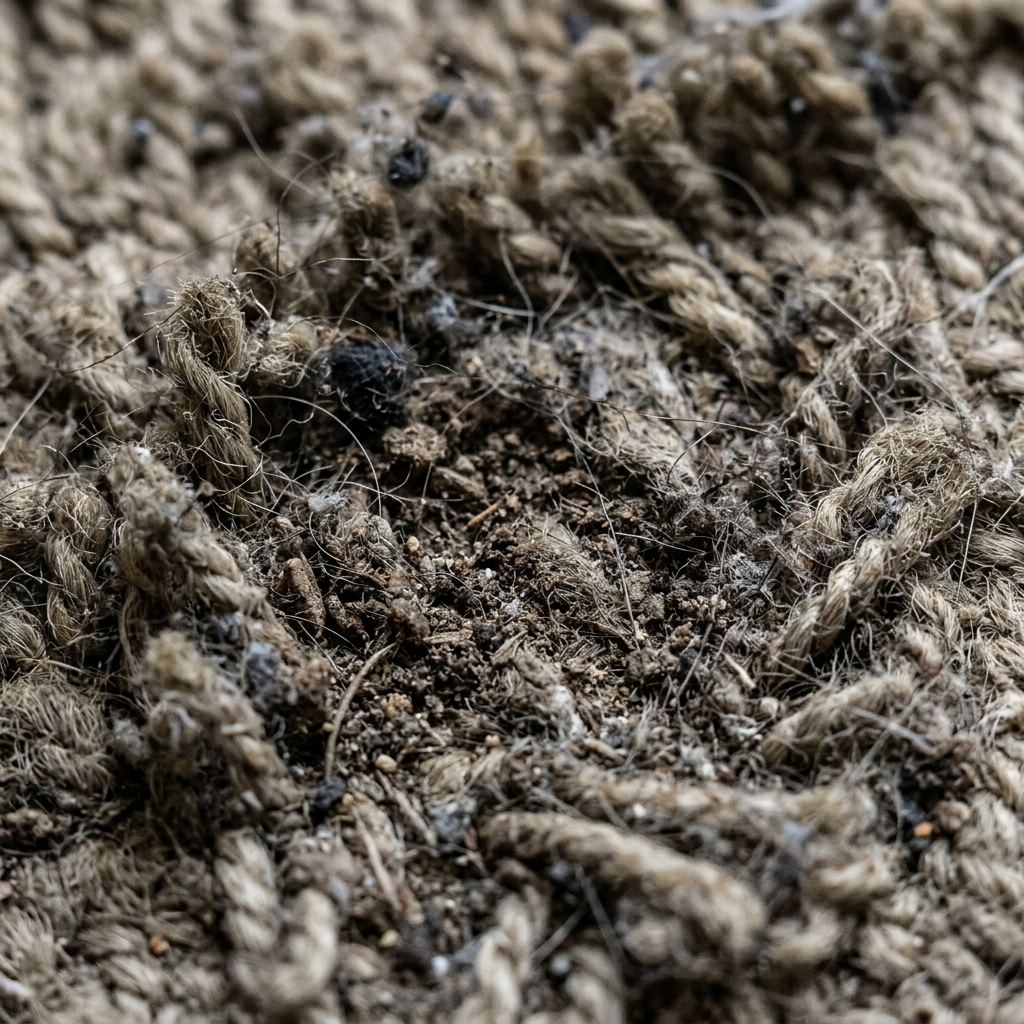
Pets interact with carpet very differently than the rest of a household. They spend extended periods lying directly on it, track in outdoor dirt and moisture on their paws, shed hair and dander continuously, and occasionally have accidents that require specific treatment beyond standard stain removal. Understanding these distinct challenges is the first step toward developing an effective care routine.
Choosing Pet-Friendly Carpet From the Start
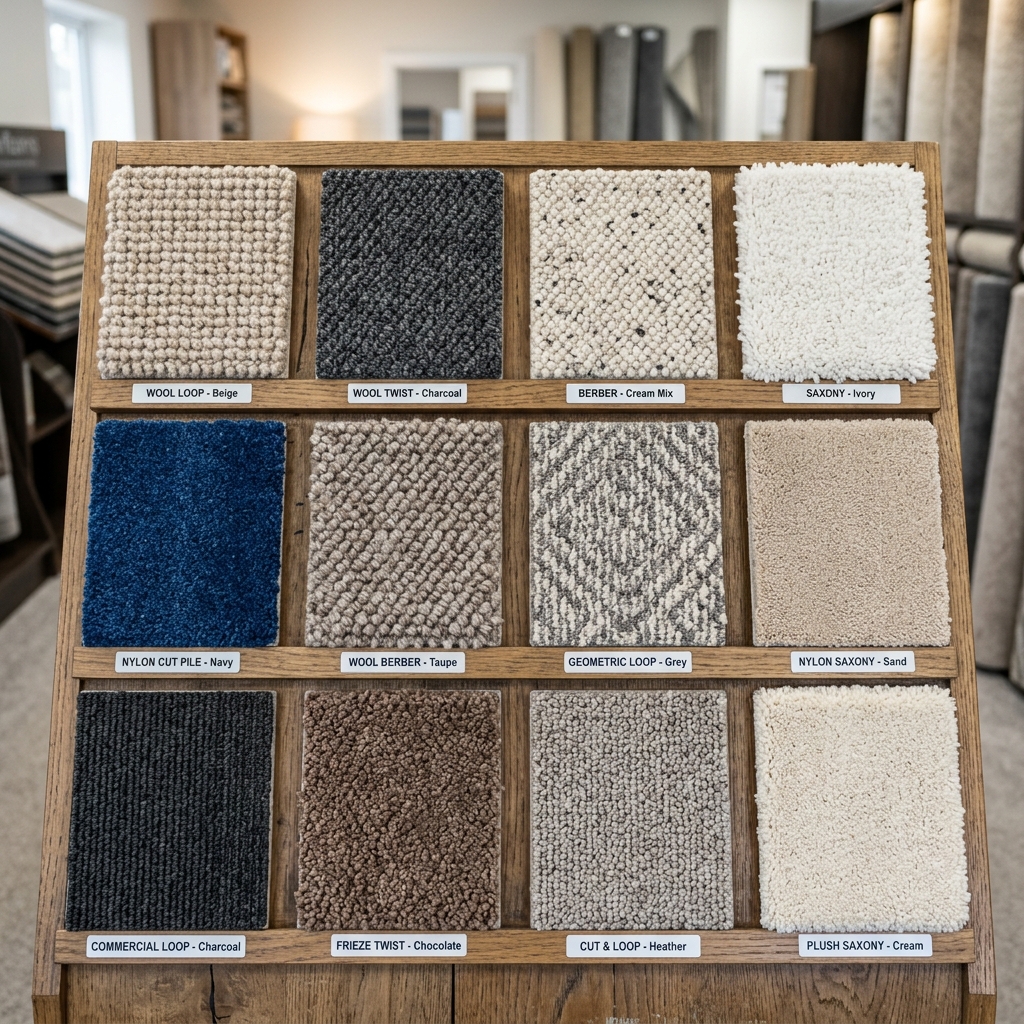
If you're in a position to choose new carpet, certain fibre types genuinely hold up better in pet-owning households. Synthetic fibres like nylon and polyester generally resist staining and shedding-related wear better than delicate natural fibres like wool, and darker or patterned carpets naturally hide pet hair and minor marks more effectively than plain, light-coloured options.
Managing Shedding Between Deep Cleans
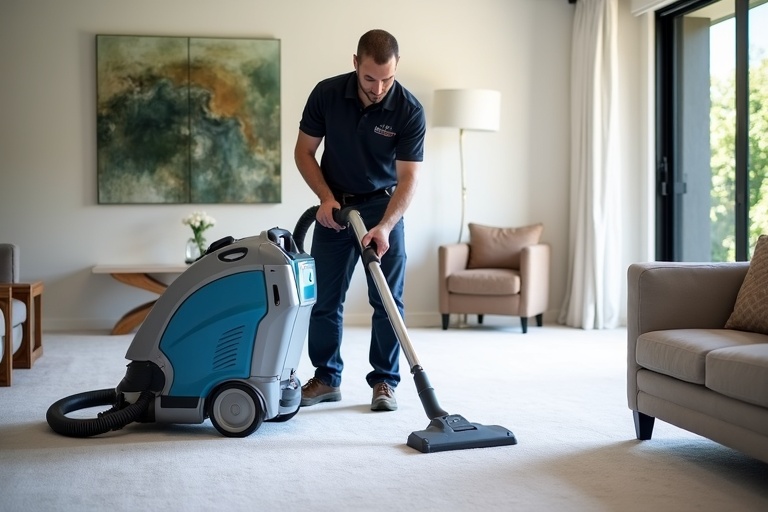
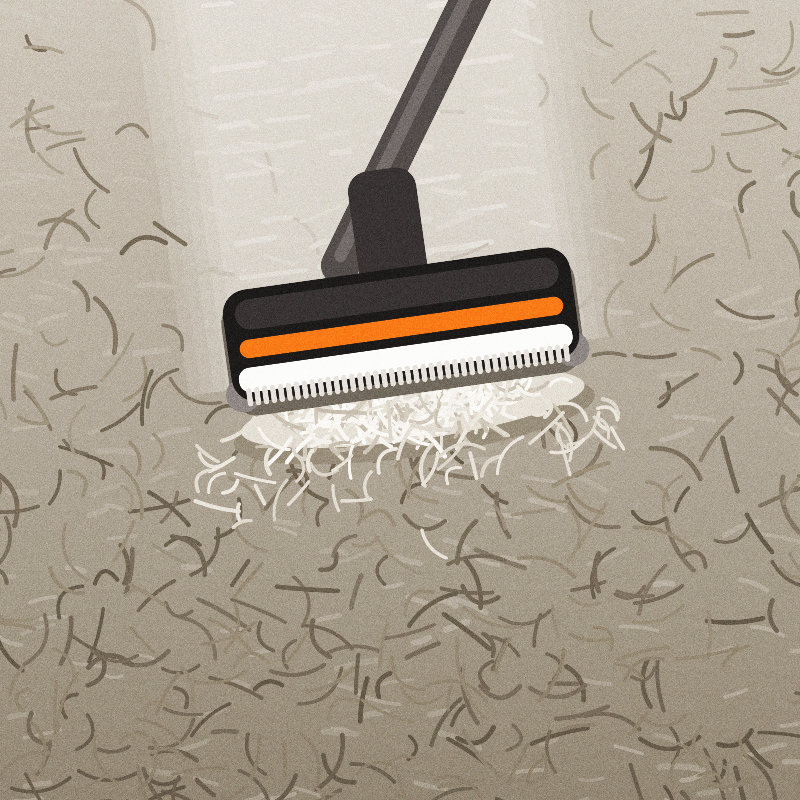
Regular vacuuming is genuinely essential in pet-owning households, ideally several times a week rather than the standard recommendation for pet-free homes. A vacuum with a dedicated pet hair attachment or a motorised brush head designed to lift embedded hair from carpet fibres makes a noticeable difference compared to a standard vacuum cleaner.
Managing Muddy Paws and Outdoor Dirt
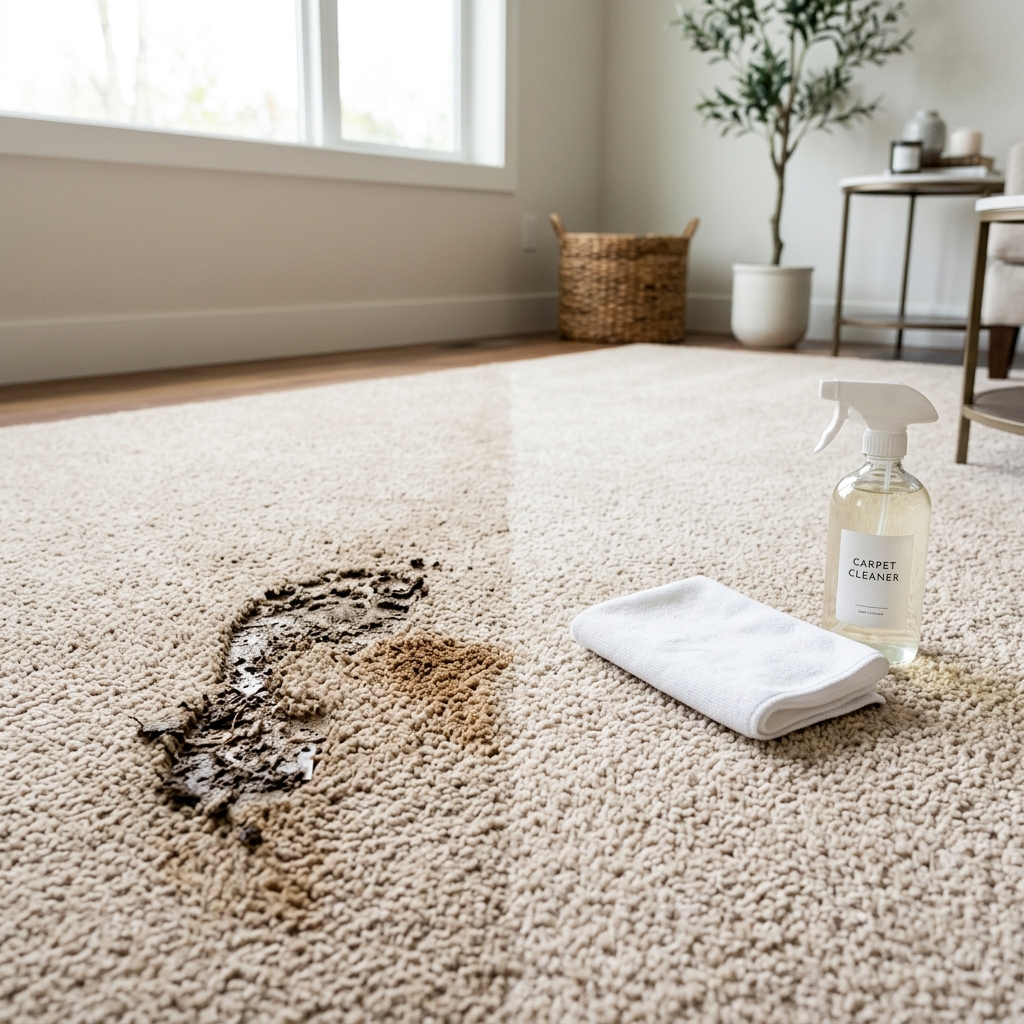
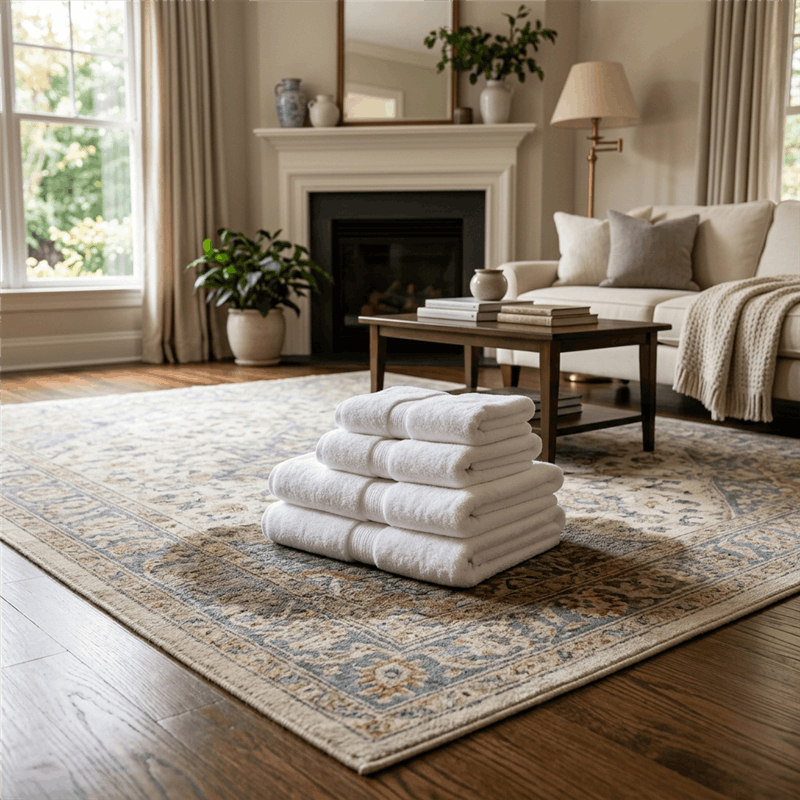
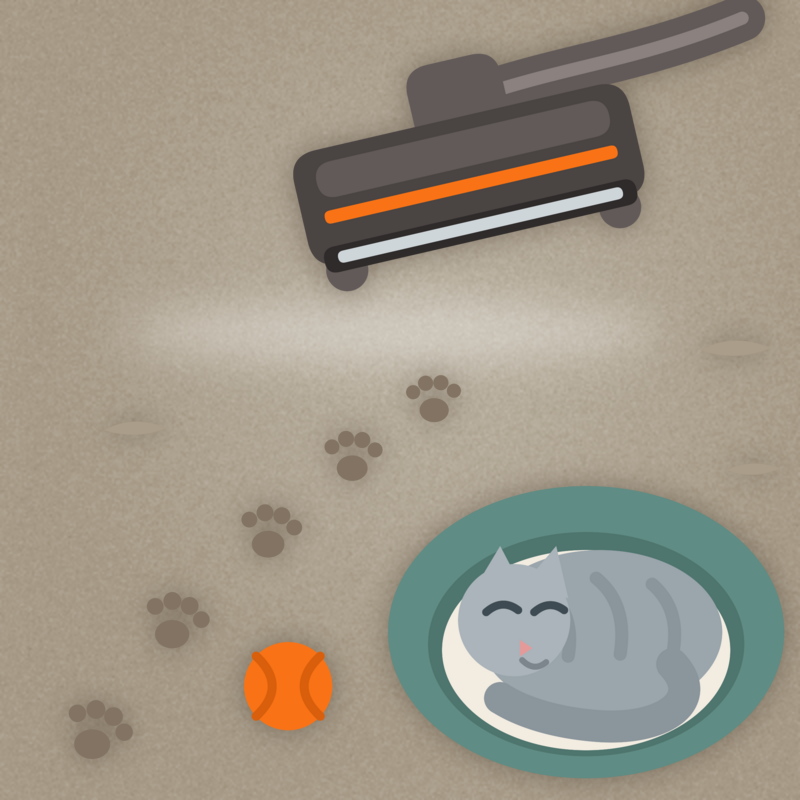
Wiping your pet's paws with a damp towel after outdoor time, particularly after rain, significantly reduces how much dirt and moisture reaches your carpet. Placing a towel or mat near entry points specifically for this purpose creates a natural habit and reminder for household members to manage this step consistently.
Responding to Accidents the Right Way
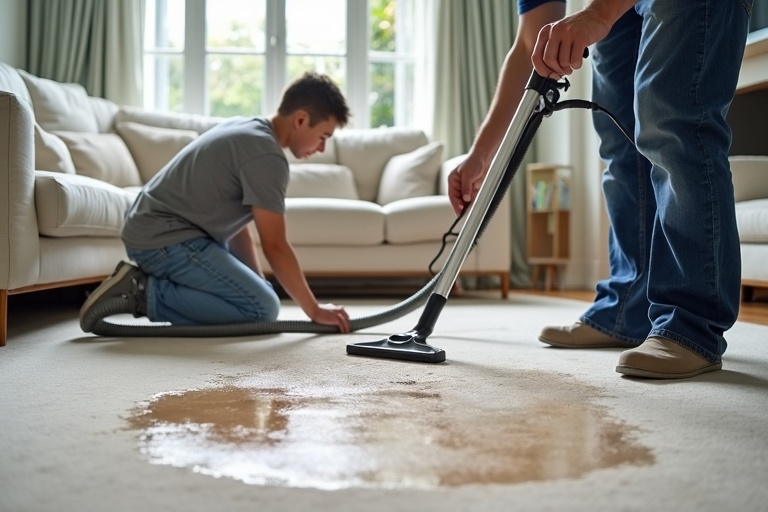
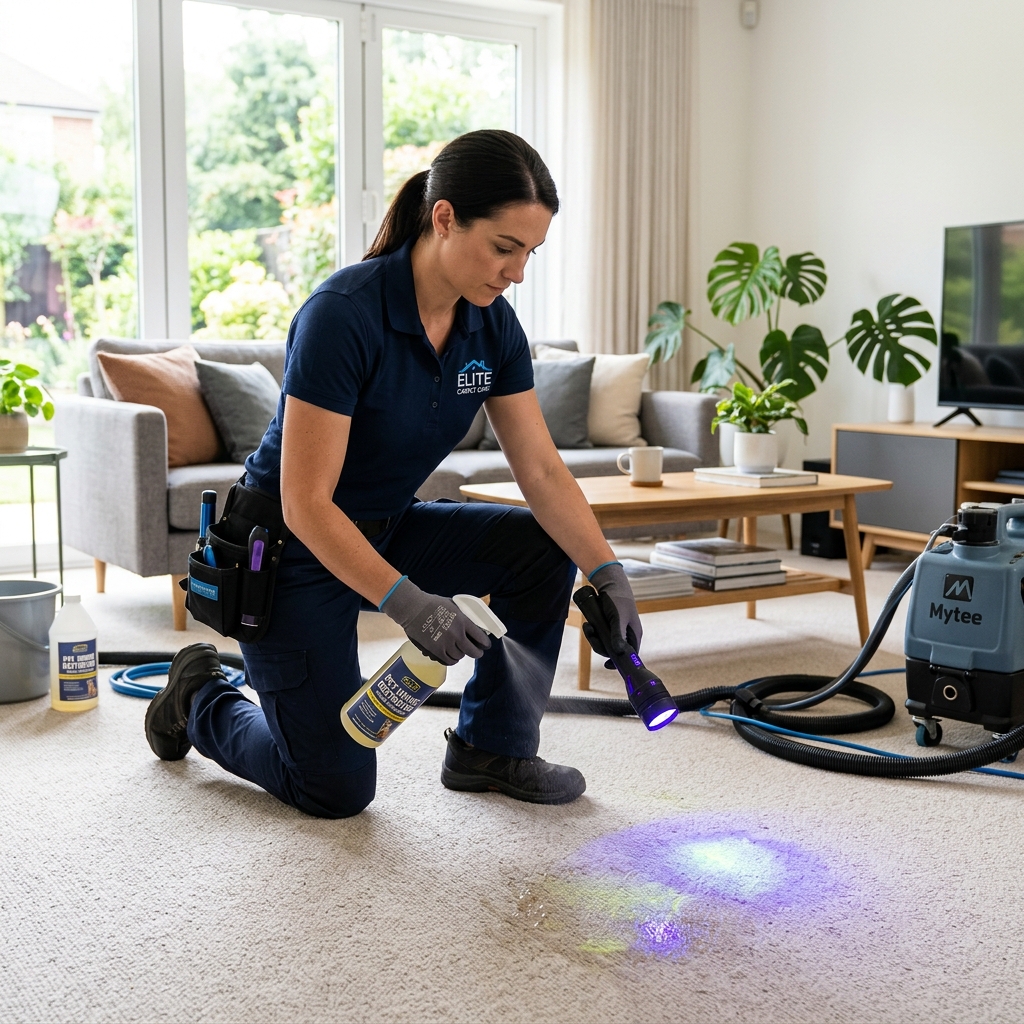
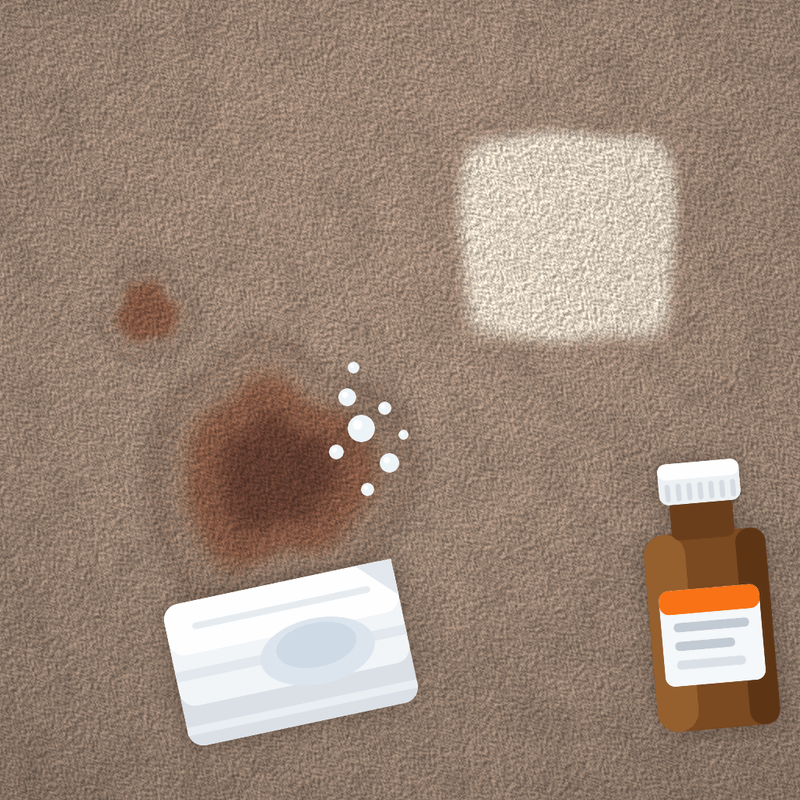
Pet accidents require a different treatment approach than most other carpet stains, since standard detergent doesn't fully break down the uric acid crystals responsible for lingering odour. Our detailed guide on how to get pet urine smell out of carpet permanently covers the enzyme-based treatment process needed to fully resolve this specific type of stain and odour.
Choosing Pet-Safe Cleaning Products
Given how much time pets spend in direct contact with carpet, choosing fragrance-free, non-toxic cleaning products is genuinely worthwhile for pet-owning households. Always allow carpet to dry completely before letting pets back into a treated area, and consider enzyme-based, pet-specific formulas over general-purpose cleaners for anything related to pet accidents specifically.
Managing Pet Odour Beyond Accidents
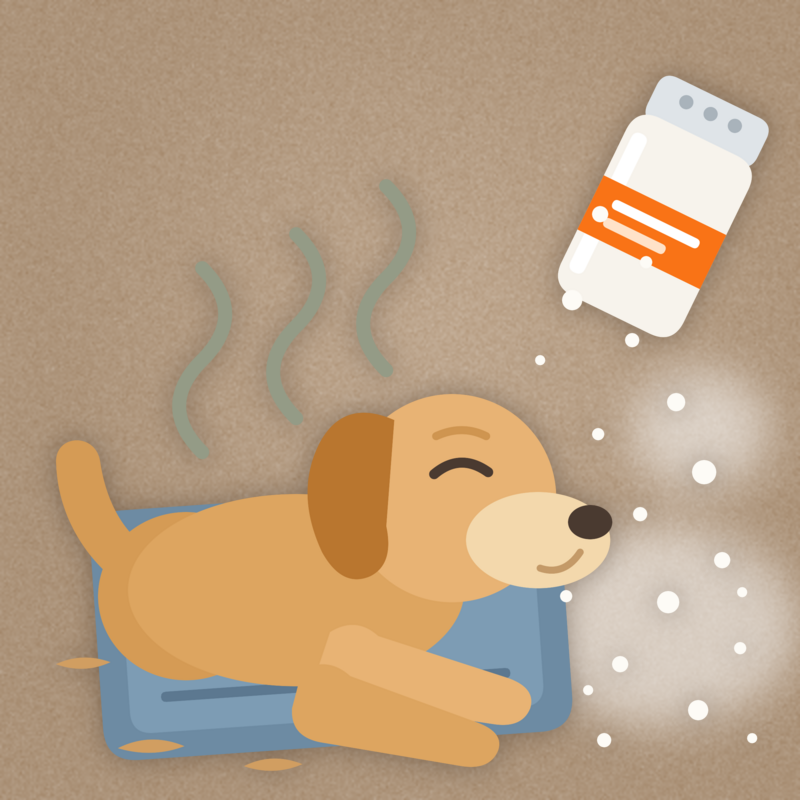
Even without any specific accidents, pets can contribute to a general, ambient odour in carpet over time, simply from regular contact and natural oils in their fur and skin. Periodic baking soda treatment, sprinkling a light layer, leaving it for thirty minutes, then vacuuming thoroughly, helps manage this general odour between deeper cleans without relying on fragrance to mask the smell.
Managing Multi-Pet Households
Homes with more than one pet naturally see faster accumulation of hair, dander, and general wear on carpet, given the combined contribution of each animal. In multi-pet households, it's worth leaning toward the more frequent end of the recommended vacuuming and professional cleaning schedules, since the cumulative impact of multiple animals tends to compound more quickly than a single-pet household would experience.
Special Considerations for Older or Senior Pets
Older pets sometimes experience increased accidents due to age-related health changes, along with potentially reduced grooming ability that can increase shedding and odour. If your pet is entering their senior years, it's worth being proactive about slightly more frequent carpet care, including quicker response to any new accidents, which older pets may have less control over than they did when younger.
Dealing With Claw Damage and Wear Patterns
Cats and dogs can occasionally cause physical wear to carpet through scratching, digging behaviours, or simply repeated movement along favourite paths through the home. Trimming pet nails regularly reduces scratching-related fibre damage, and providing appropriate scratching posts or designated digging areas for cats can help redirect this natural behaviour away from carpet.
Considering Area Rugs for High-Risk Zones
In homes where pets have a particularly favourite spot, such as by a window or near a food bowl, placing a washable area rug over the existing carpet in that specific zone can help protect the underlying carpet from concentrated wear and staining. The rug itself can be laundered far more easily and frequently than the full carpet, offering a practical layer of protection in high-risk areas.
Setting Up a Consistent Household Routine
Pet-proofing carpet works best when the whole household follows the same habits consistently, rather than one person managing paw-wiping or accident cleanup while others let it slide. Establishing simple, shared expectations, like always wiping paws after outdoor time, helps make pet-proofing routine rather than an occasional afterthought.
Managing Flea and Allergen Considerations
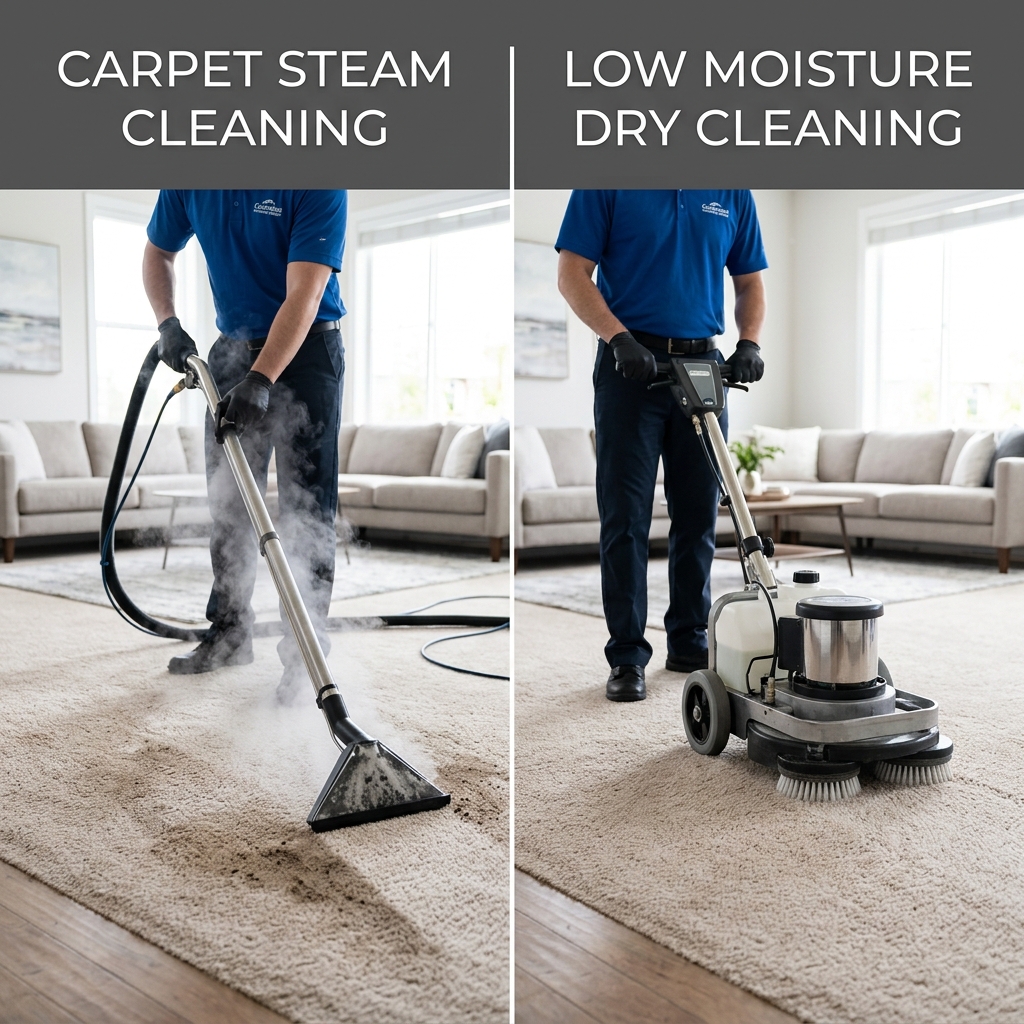
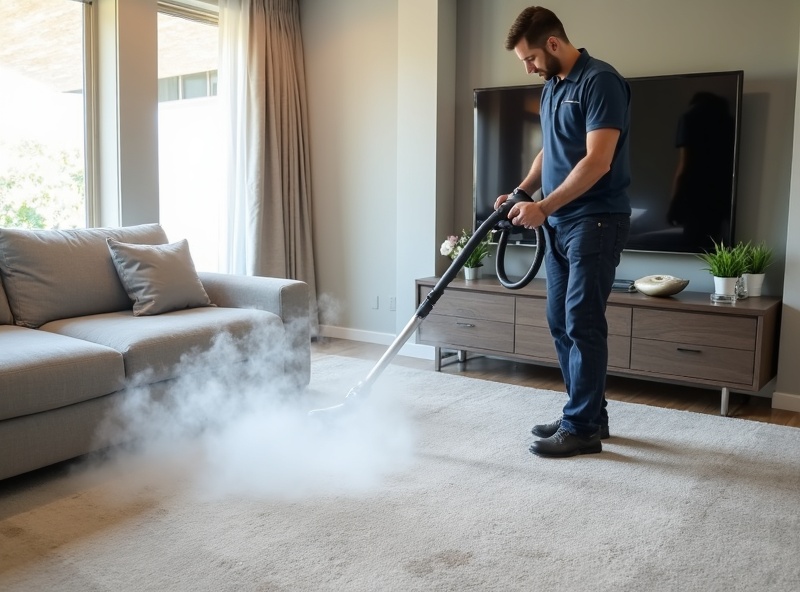
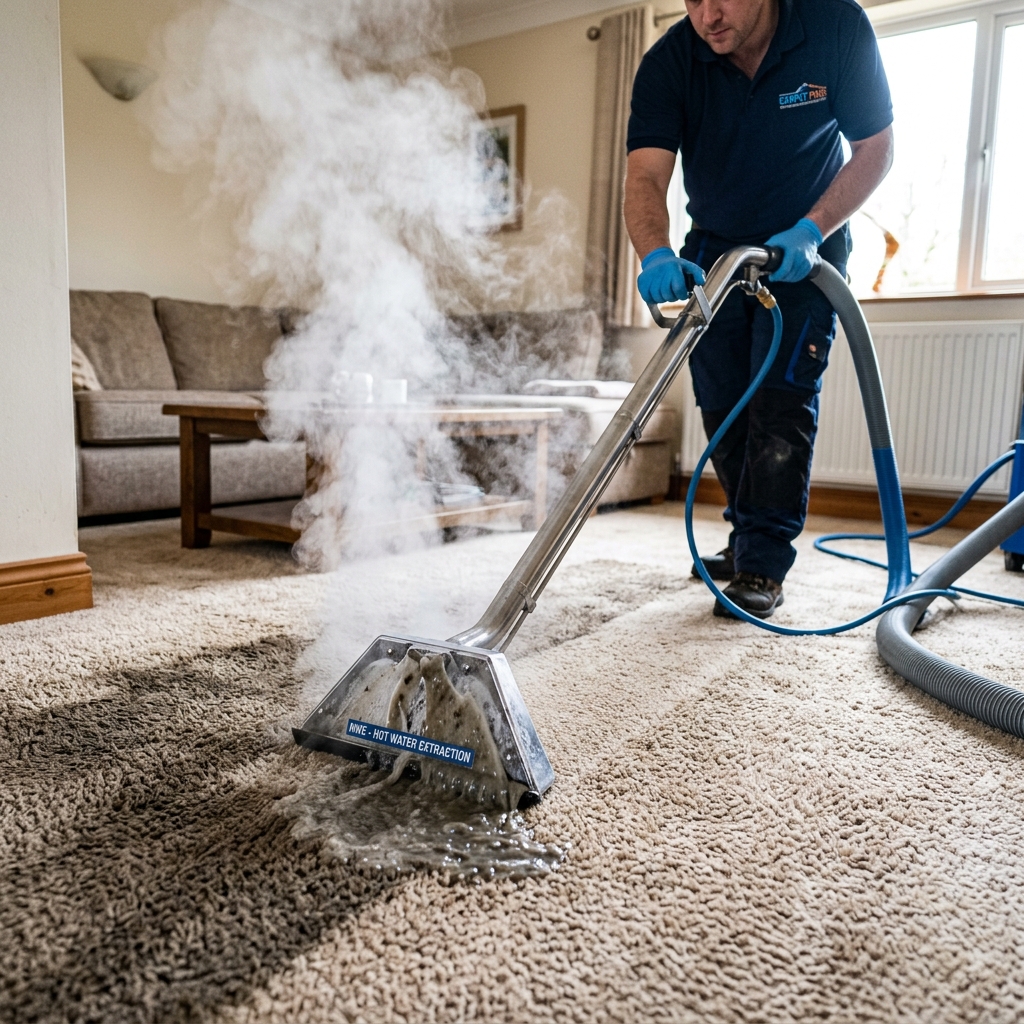
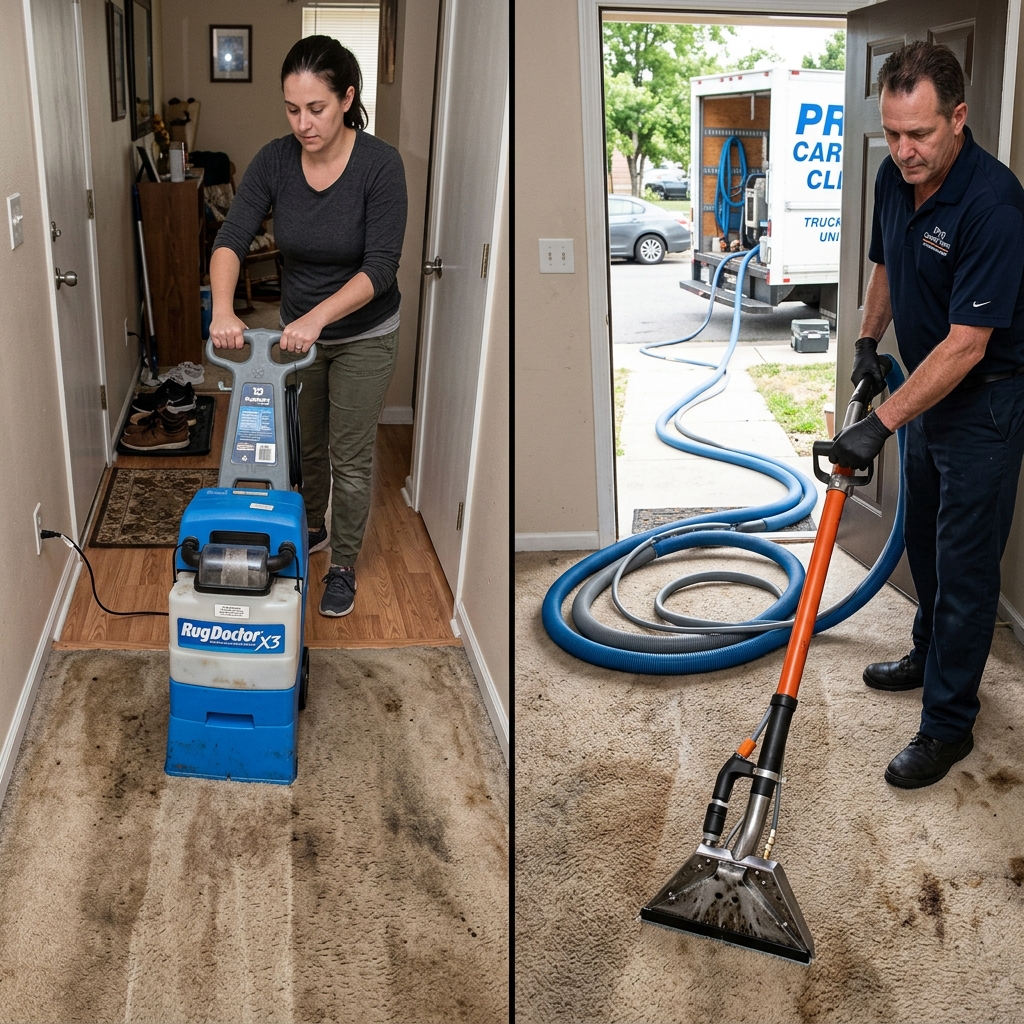
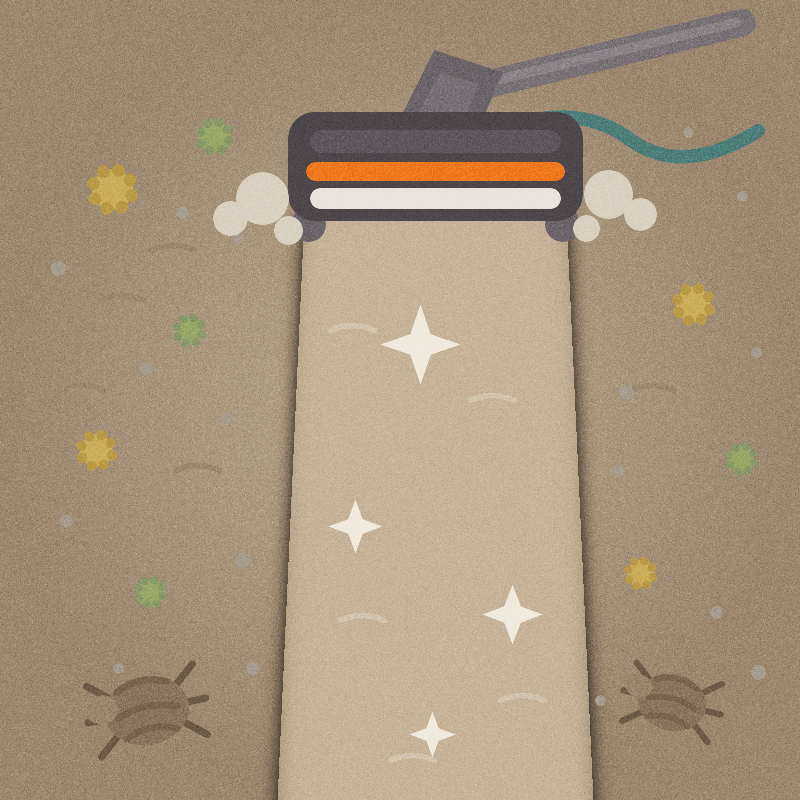
Carpet can harbour flea eggs and allergens from pet dander, particularly in households with outdoor-access pets. Regular vacuuming helps manage this, but periodic deeper professional cleaning, using hot water extraction, is particularly valuable for pet-owning households given its effectiveness at flushing out allergens and any flea-related contamination that surface cleaning alone can't fully address.
How Often Should Pet Owners Professionally Clean Their Carpet?
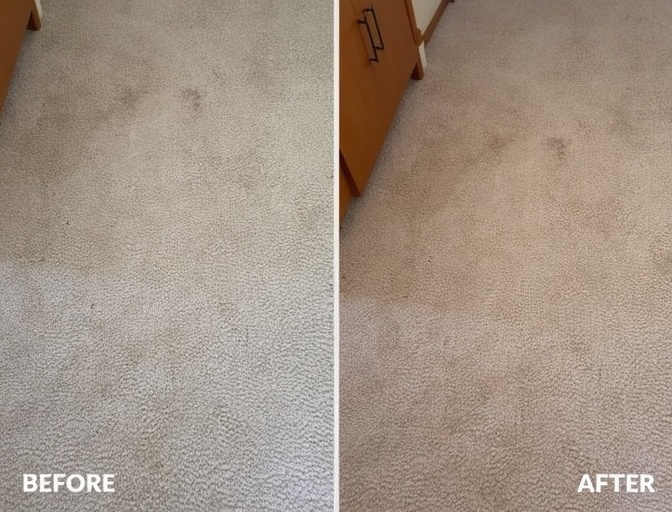
While the general recommendation for most households is a professional deep clean every twelve to eighteen months, pet-owning households generally benefit from more frequent attention, roughly every six to twelve months, given the additional wear, shedding, and odour considerations pets introduce.
Building a Complete Pet-Proofing Routine
- Vacuum several times a week using a pet-hair-specific attachment
- Wipe paws after outdoor time, particularly during wet weather
- Treat any accidents immediately with enzyme-based cleaner
- Use baking soda periodically for general odour management
- Trim pet nails regularly to reduce scratching damage
- Book a professional deep clean every six to twelve months
When DIY Isn't Enough for Pet-Related Issues
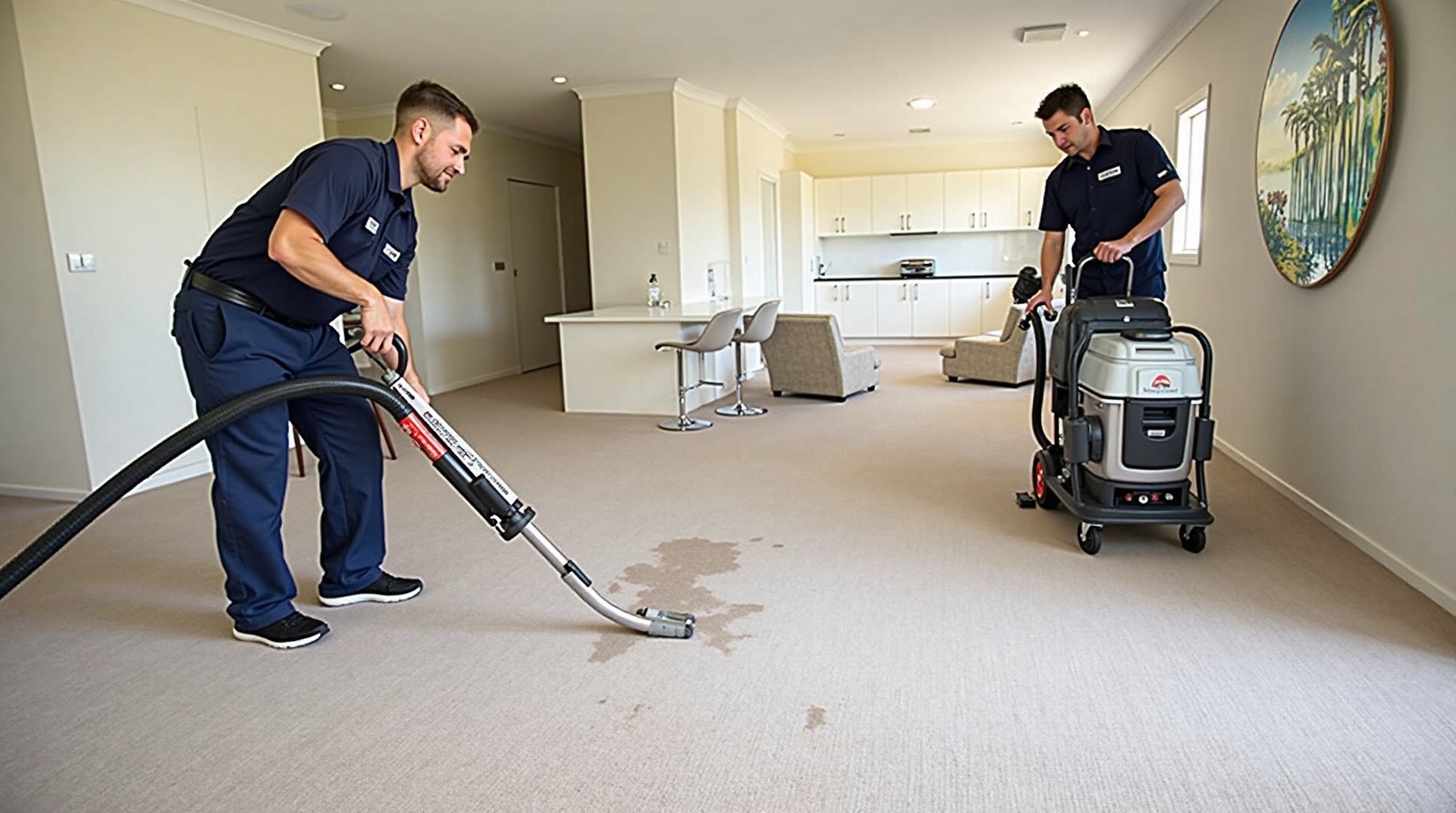
Persistent pet odour that doesn't respond to home treatment, significant allergen buildup, or repeated accidents in the same area are all strong signs that professional-grade treatment is needed. Professional hot water extraction and enzyme treatment reach deeper into the carpet and underlay than most home methods, addressing contamination that surface-level cleaning simply can't resolve. If the issue is specifically a lingering, musky smell from a dog, our guide on how to get dog smell out of carpet walks through the methods that genuinely work.
Frequently Asked Questions
1. How often should pet owners vacuum their carpet?
Several times a week is ideal for pet-owning households, using a vacuum with a dedicated pet hair attachment or motorised brush head for the best results.
2. Is professional carpet cleaning worth it for pet owners?
Yes, professional hot water extraction is particularly valuable for pet-owning households, given its effectiveness at removing embedded allergens, pet dander, and any residual odour that home methods often can't fully address.
3. What's the best carpet type for households with pets?
Synthetic fibres like nylon and polyester generally hold up better against pet-related wear and staining than delicate natural fibres, and darker or patterned carpets help hide pet hair and minor marks.
4. Can regular detergent remove pet urine odour?
No, standard detergent doesn't fully break down the uric acid crystals responsible for pet urine odour. An enzyme-based cleaner is needed for genuine, lasting odour removal.
5. How often should pet owners book a professional carpet clean?
Roughly every six to twelve months, which is more frequent than the standard recommendation for pet-free households, given the additional wear and odour considerations pets introduce.
6. Does having multiple pets mean I need to clean more often?
Yes, multi-pet households generally see faster accumulation of hair, dander, and general wear, so leaning toward more frequent vacuuming and professional cleaning is worthwhile.
7. Are there special considerations for older pets and carpet care?
Older pets can experience increased accidents and shedding due to age-related changes, so slightly more frequent carpet attention and quicker accident response are worth building into your routine.
Final Thoughts
Keeping carpet genuinely pet-proof takes a bit more consistent effort than a pet-free household requires, but with the right combination of regular vacuuming, prompt accident treatment, sensible product choices, and periodic professional deep cleaning, it's entirely achievable. A little proactive care goes a long way toward keeping your carpet fresh, even with a beloved, shedding, occasionally muddy companion in the house.
If your carpet needs a deeper clean than your regular routine can manage, contact Fresho Carpet Cleaning Brisbane today for a professional service tailored to pet-owning households.