How to Dry Floors Before Humidity Brings Back the Musty Smell
In Brisbane, a floor can feel dry on top while moisture remains in carpet backing, underlay, timber joints or beneath furniture. Warm, humid air slows evaporation, and if damp materials stay enclosed, a stale or musty smell can return after cleaning. The most useful response is to remove excess water promptly, move air across the affected area and manage indoor humidity—not simply turn up the heat or mask the odour. Start by checking where the water came from, how far it travelled and what flooring is underneath. Clean water from a small spill may be manageable at home; water from a leak, drain or outdoor flooding needs a more cautious approach. The steps below explain how to dry common floor types, reduce the chance of wicking and recognise when a professional moisture assessment is sensible. If the smell persists despite thorough drying, treat it as a sign to investigate rather than cover up.
Key Takeaways
- Remove standing water and wet items quickly, then use airflow and dehumidification to dry the floor and room together.
- Do not seal a humid room by opening windows indiscriminately: compare indoor and outdoor conditions, and use air conditioning or a dehumidifier when outside air is muggy.
- Blot carpet rather than scrubbing it, and check beyond the visible damp patch for moisture beneath furniture, along edges and in adjacent rooms.
- Watch for returning stains, a musty smell, lifted flooring or dampness that remains after the surface seems dry; these can indicate moisture below the surface.
- Stop and seek appropriate help if water may be contaminated, the affected area is extensive, or electrical equipment and wet flooring are in contact.
Why a floor can smell musty again after it seems dry
Floor drying is not just about whether the surface feels wet underfoot. Carpet can hold moisture in its pile, backing and underlay. Water can also spread sideways beneath a rug, into the edge of a room or under fixed furniture. With hard flooring, liquid can collect in joints, under floating boards or around skirting. A dry-looking surface can therefore hide a damp layer that continues to release moisture into the room.
Humidity matters because evaporation slows when the air is already holding a lot of moisture. Brisbane’s warm, humid spells can make this especially noticeable: a fan may move air around without removing much water from the room. If indoor air stays damp, odours can linger, and vulnerable materials may remain wet longer than is ideal. A musty smell is not proof that mould is present, but it is a useful warning to check for concealed moisture, especially if the smell returns after cleaning or becomes stronger when the room is closed.
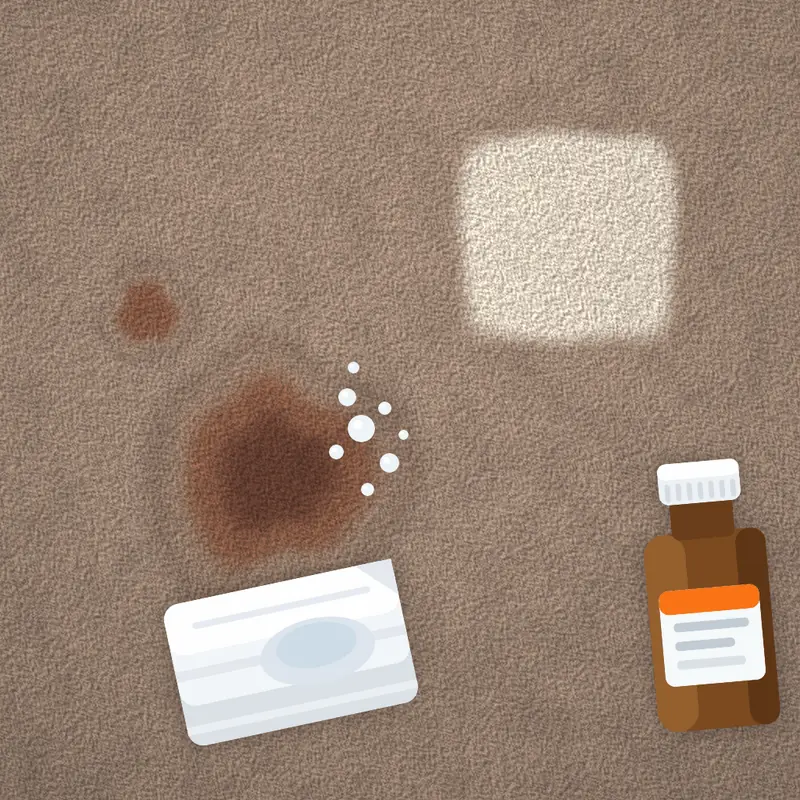
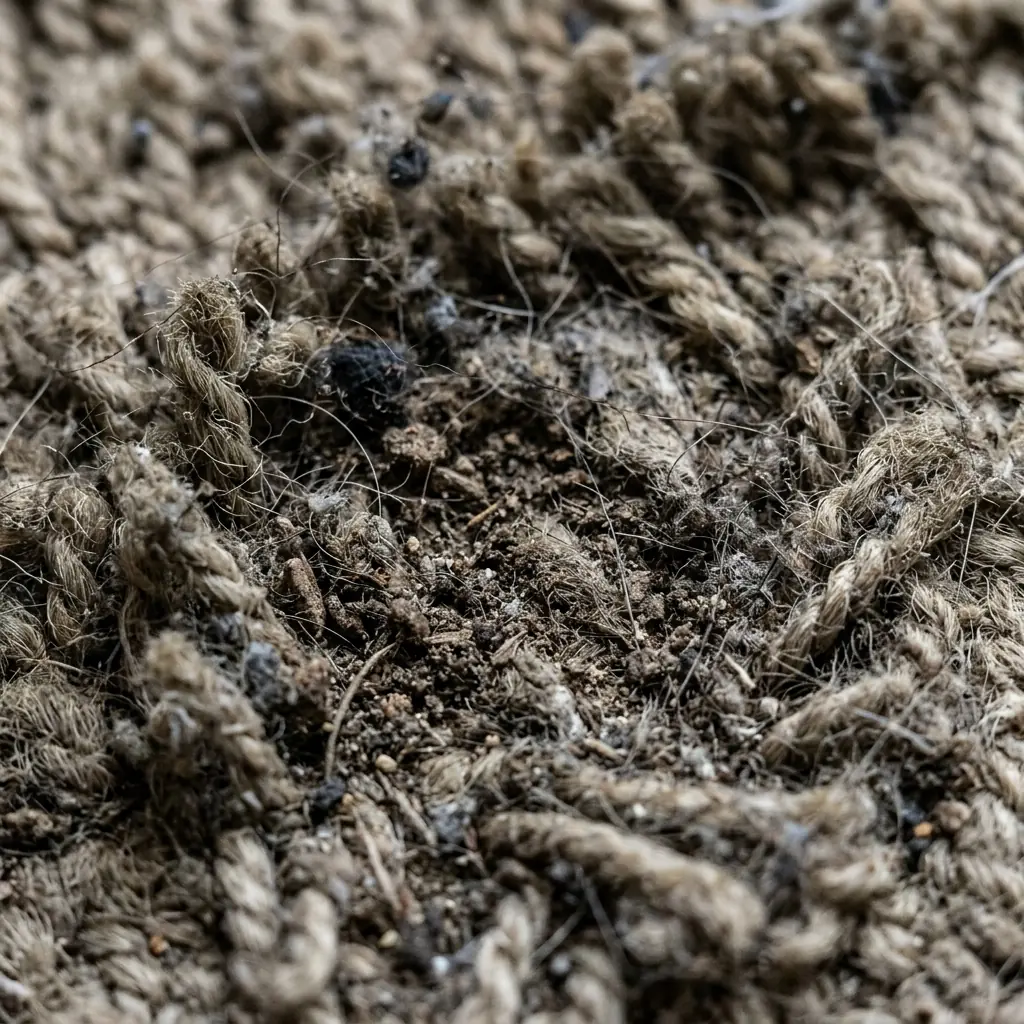
Another common issue is wicking. As carpet dries, moisture and residues from deeper in the pile or backing can move upwards. A stain may fade while the carpet is wet, then reappear as it dries. This is more likely when a spill has soaked through, when a stain has not been fully removed, or when excess cleaning solution remains in the fibres. Drying well helps, but it cannot remove contamination or residues that are still present.
Act quickly, but identify the water source first
Before setting up fans, work out what has made the floor wet. The right response depends on whether you are dealing with clean water, a cleaning rinse, a leak, or water that may contain sewage, chemicals or outdoor contaminants. If water is entering from a plumbing fault, roof leak or appliance, stop the source only if you can do so safely. Drying without fixing the cause usually leads to another wet floor.
Small, clean spills and freshly cleaned floors
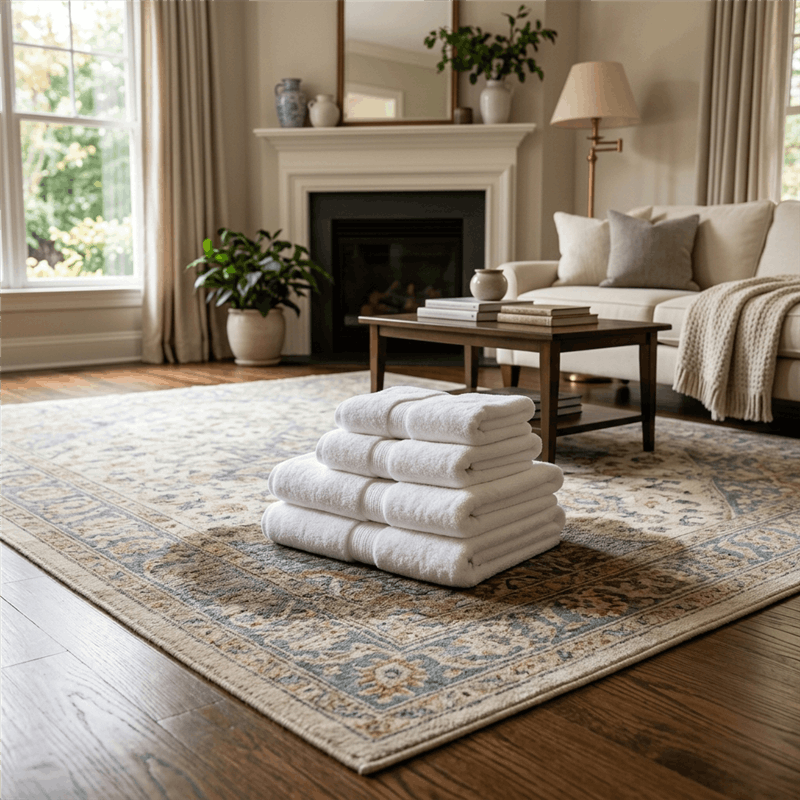
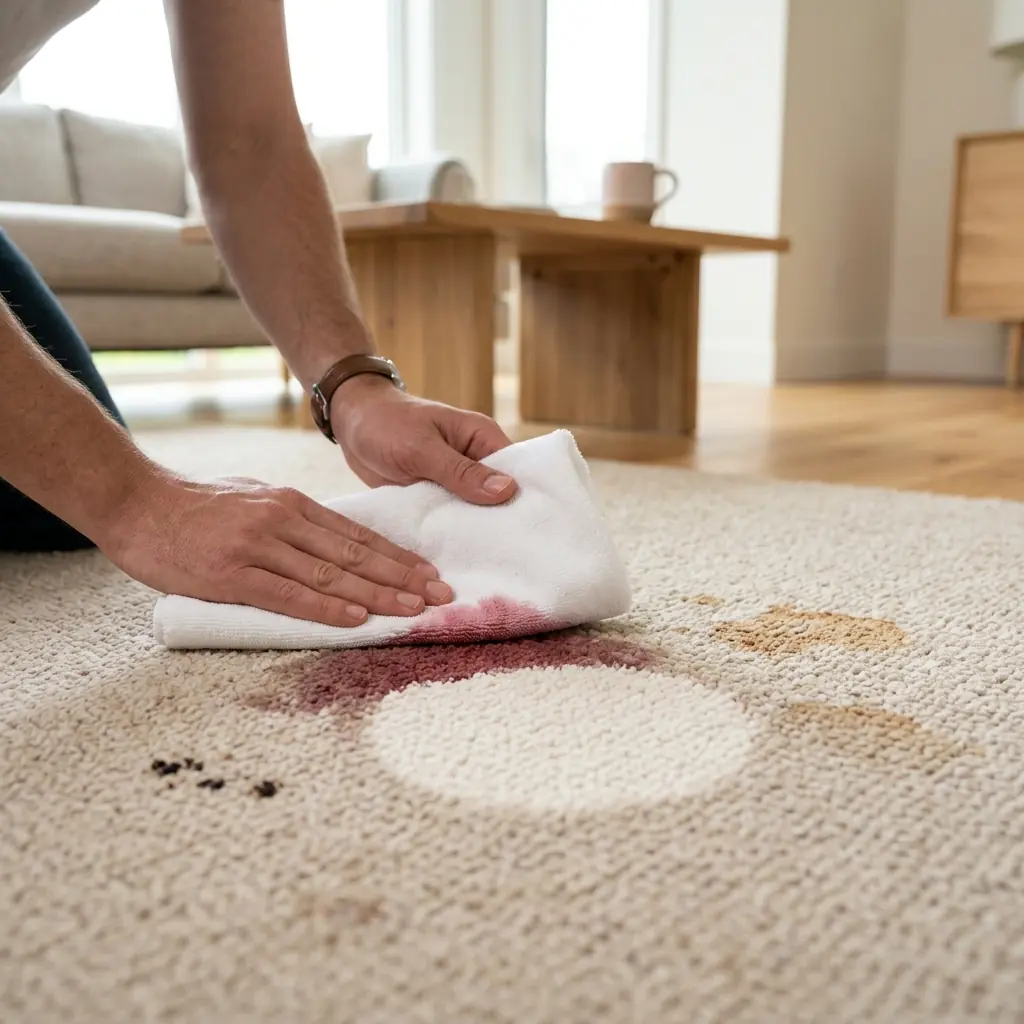
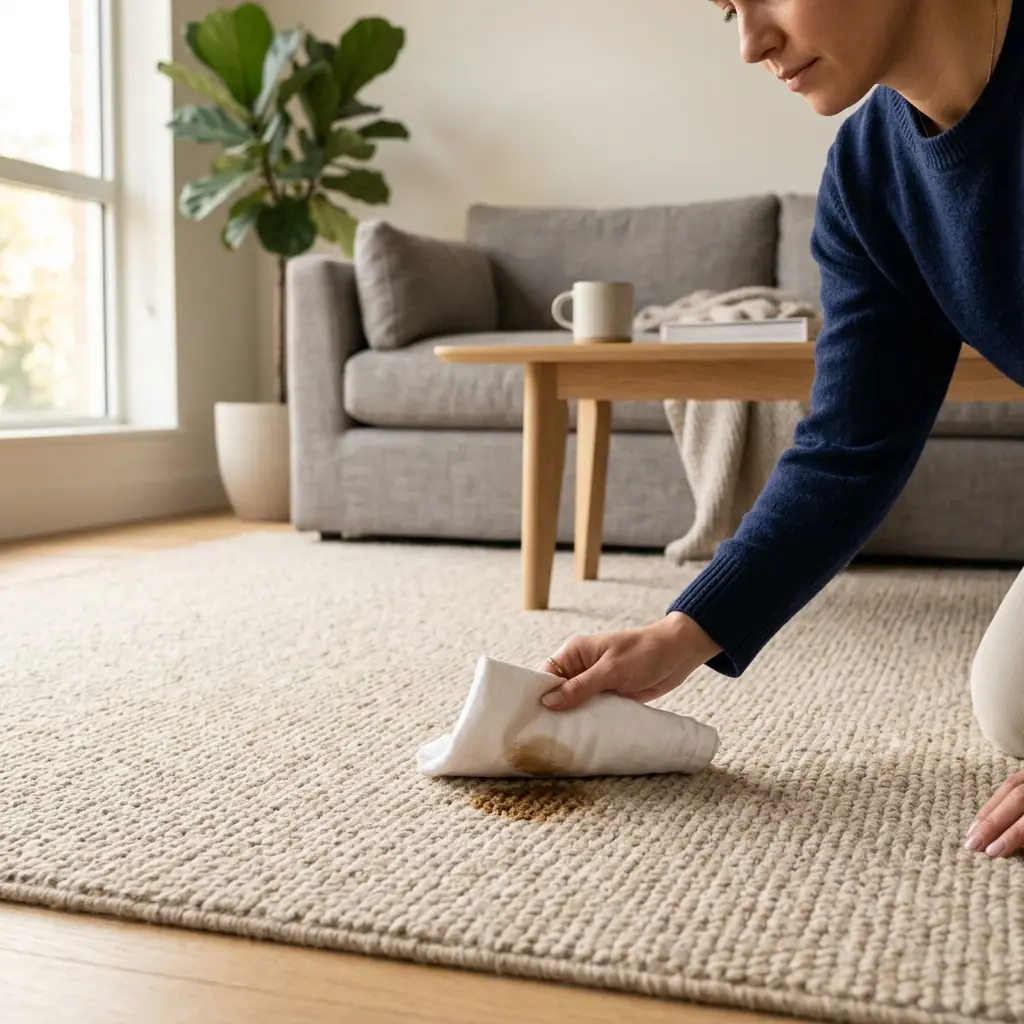
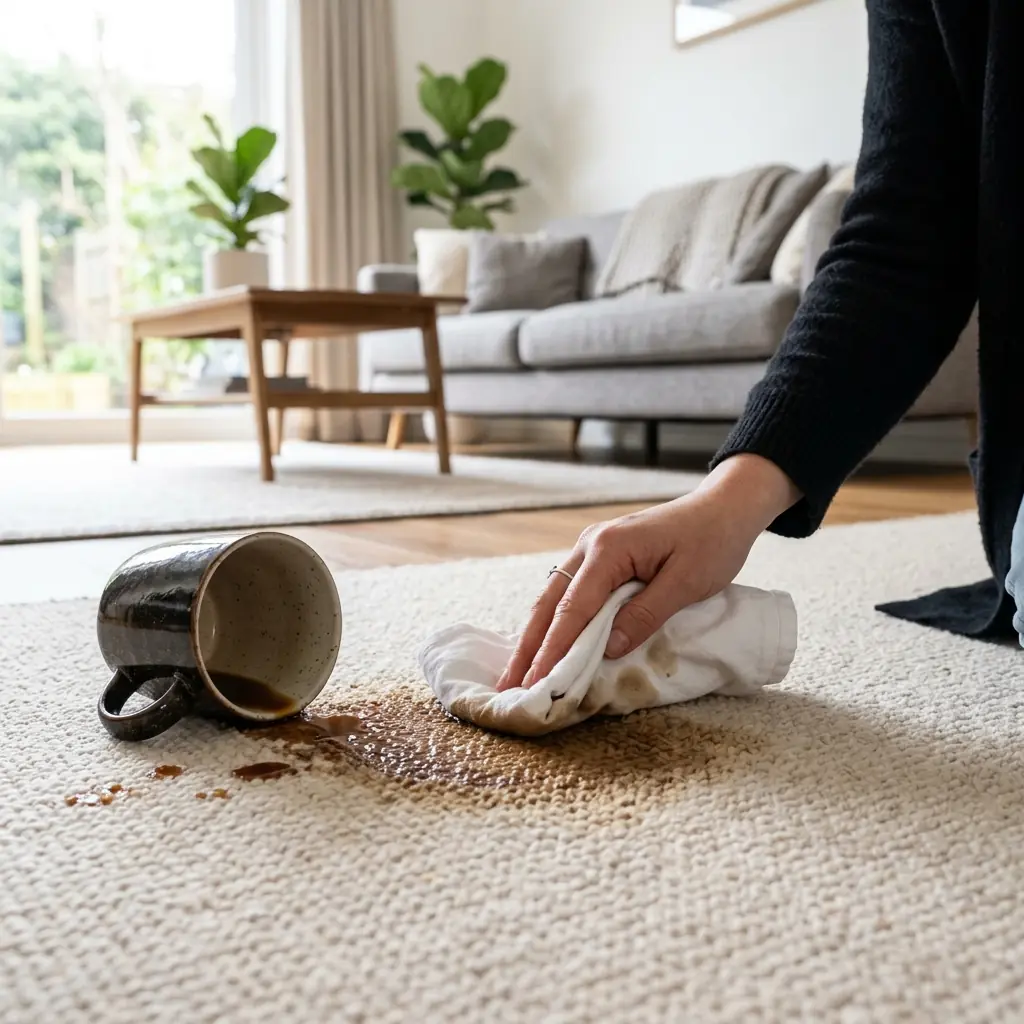
For a small drink spill or a freshly cleaned floor, remove loose items and absorb surface water with clean towels. Press down to lift liquid; avoid vigorous rubbing, which can push a spill deeper into carpet or spread it across a larger area. If you have used a carpet-cleaning machine, follow its operating instructions and make additional slow extraction passes only if the machine is designed for that purpose. Do not repeatedly soak the carpet in an attempt to rinse it.
Leaks and water of uncertain quality
A leak that has affected carpet underlay, wall cavities or a broad section of flooring is harder to assess by touch alone. Water from a drain, toilet overflow, floodwater or a source that may contain chemicals should not be treated like a clean spill. Avoid walking through it, moving wet materials through the home or directing household fans across contaminated water. Keep people and pets away and arrange suitable professional advice.
When the source is unclear, the affected area is growing, or water has reached electrical fittings, stop work and prioritise safety. Drying equipment should not be placed where plugs, leads or the equipment itself could get wet. If you cannot set up safely, do not improvise.
A practical step-by-step drying checklist
For a manageable area affected by clean water or recent cleaning, use this sequence. Check progress as you go; a single pass with a towel or fan is rarely enough if moisture has reached a backing layer.
- Stop the source. Turn off or isolate the leaking appliance or water supply only if it is safe. If the cause is not obvious or water keeps appearing, arrange a repair rather than continuing to mop.
- Clear the area. Move rugs, baskets and lightweight furniture out of the damp zone. Put protective material under furniture that cannot be moved, and avoid leaving damp items piled together. Check whether water has travelled beneath nearby objects.
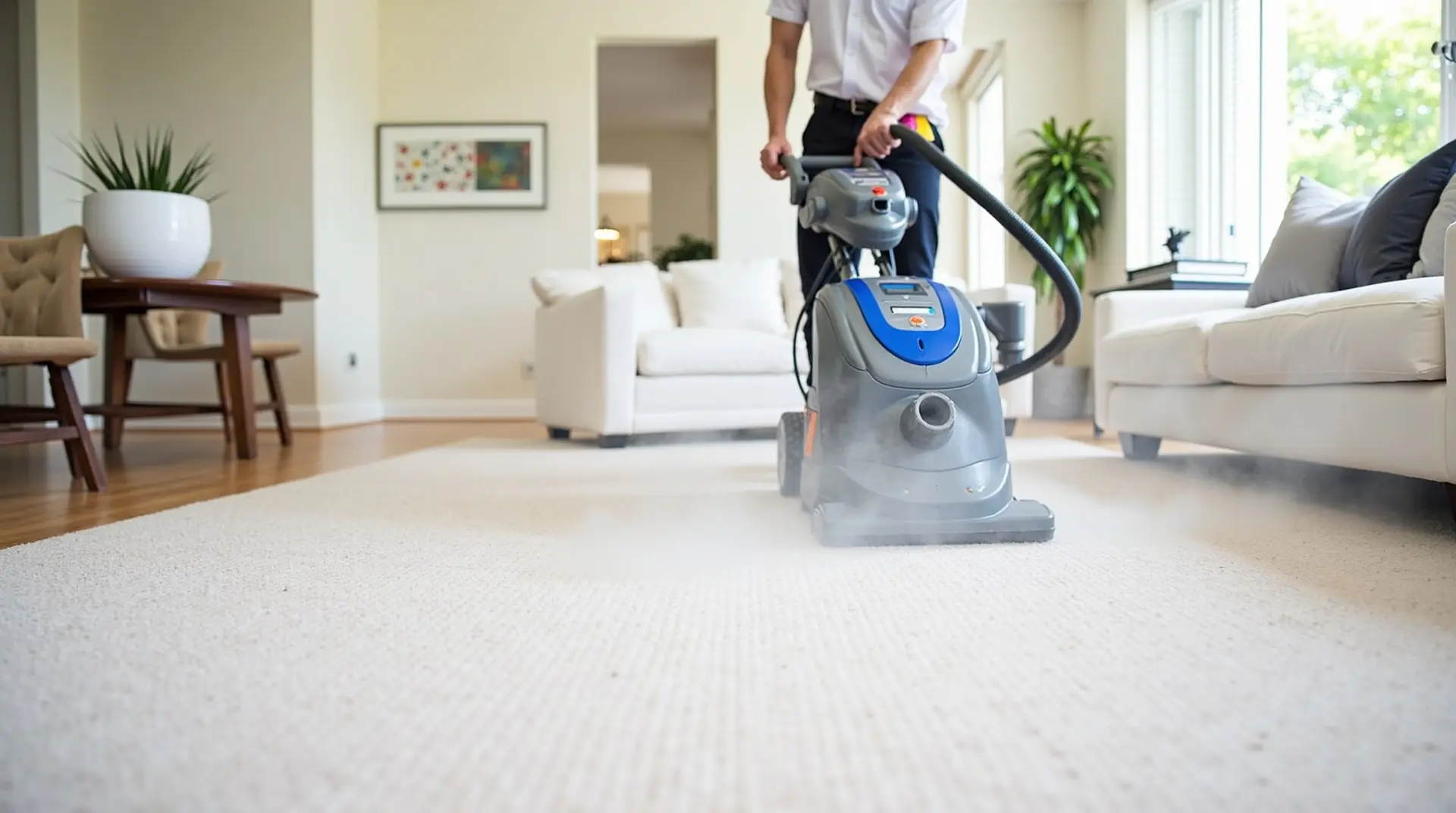
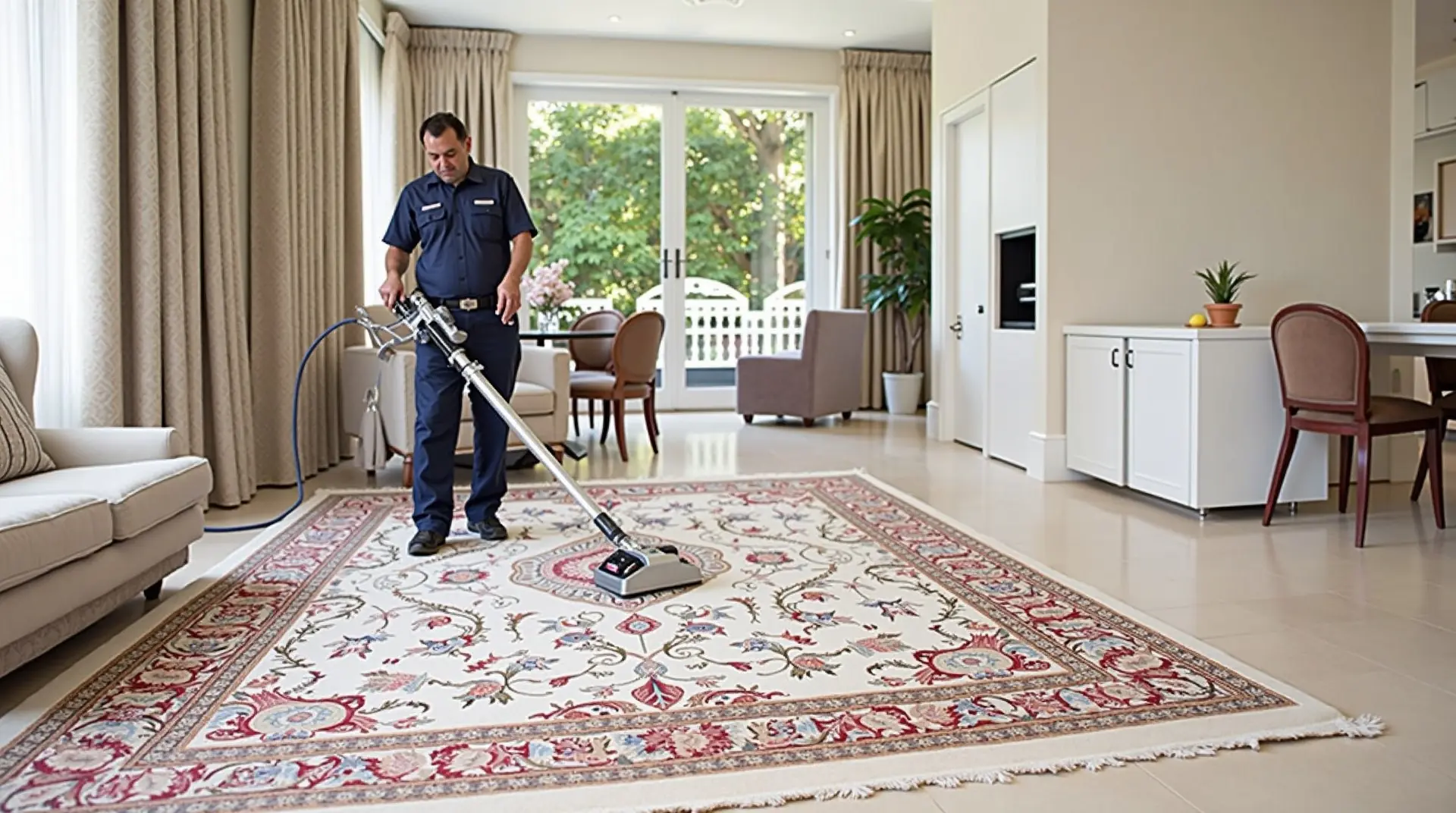
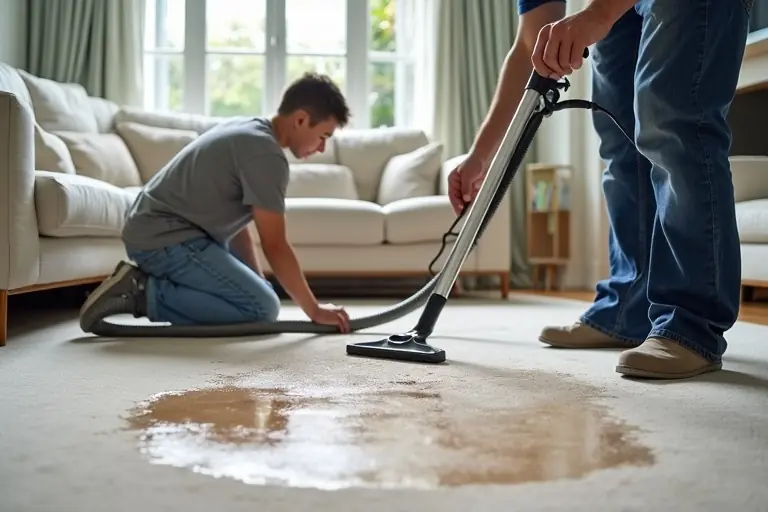
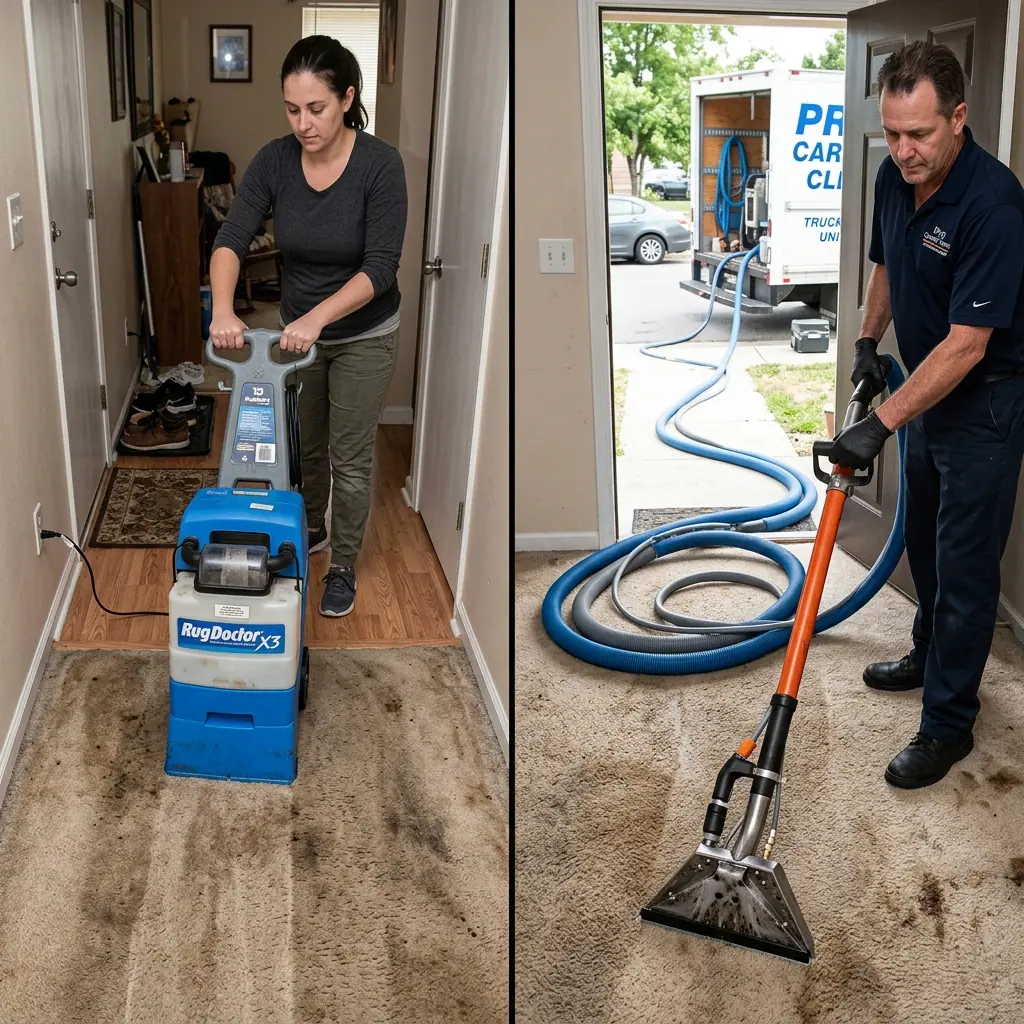
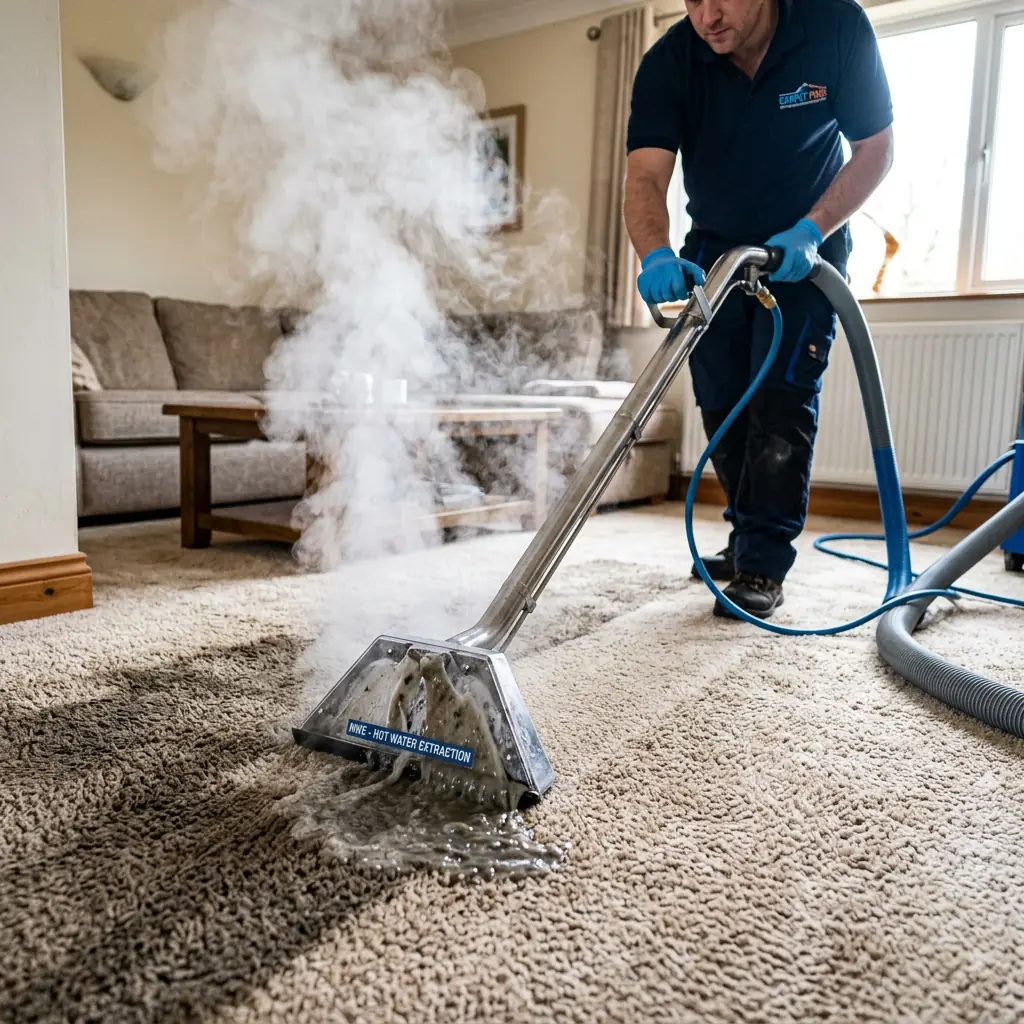
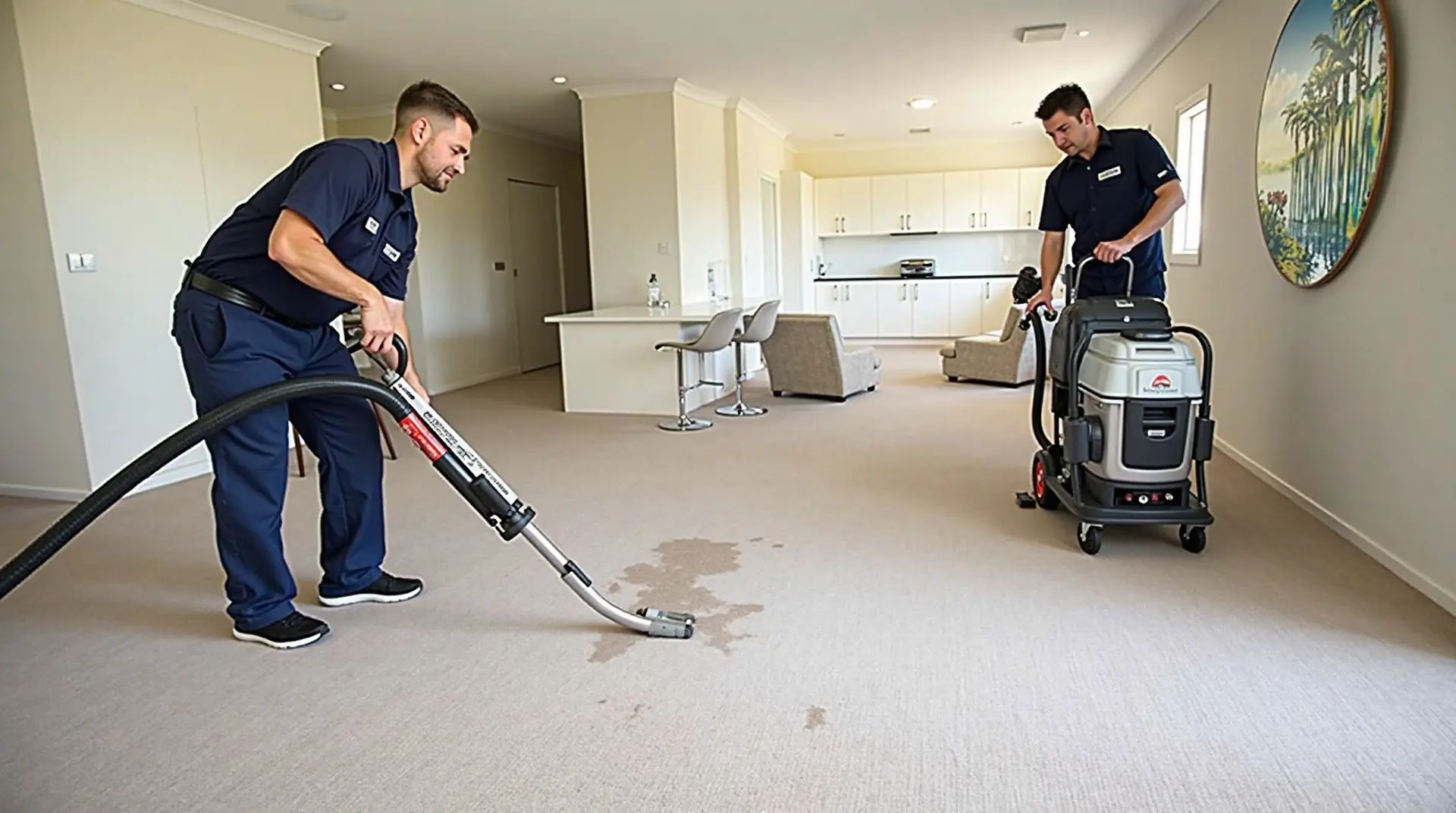
- Blot or extract excess water. Use absorbent towels on small spills, pressing rather than scrubbing. For carpet, a suitable wet-extraction machine can help remove water; empty it as needed and use it only as directed. Do not use a standard household vacuum on wet flooring.
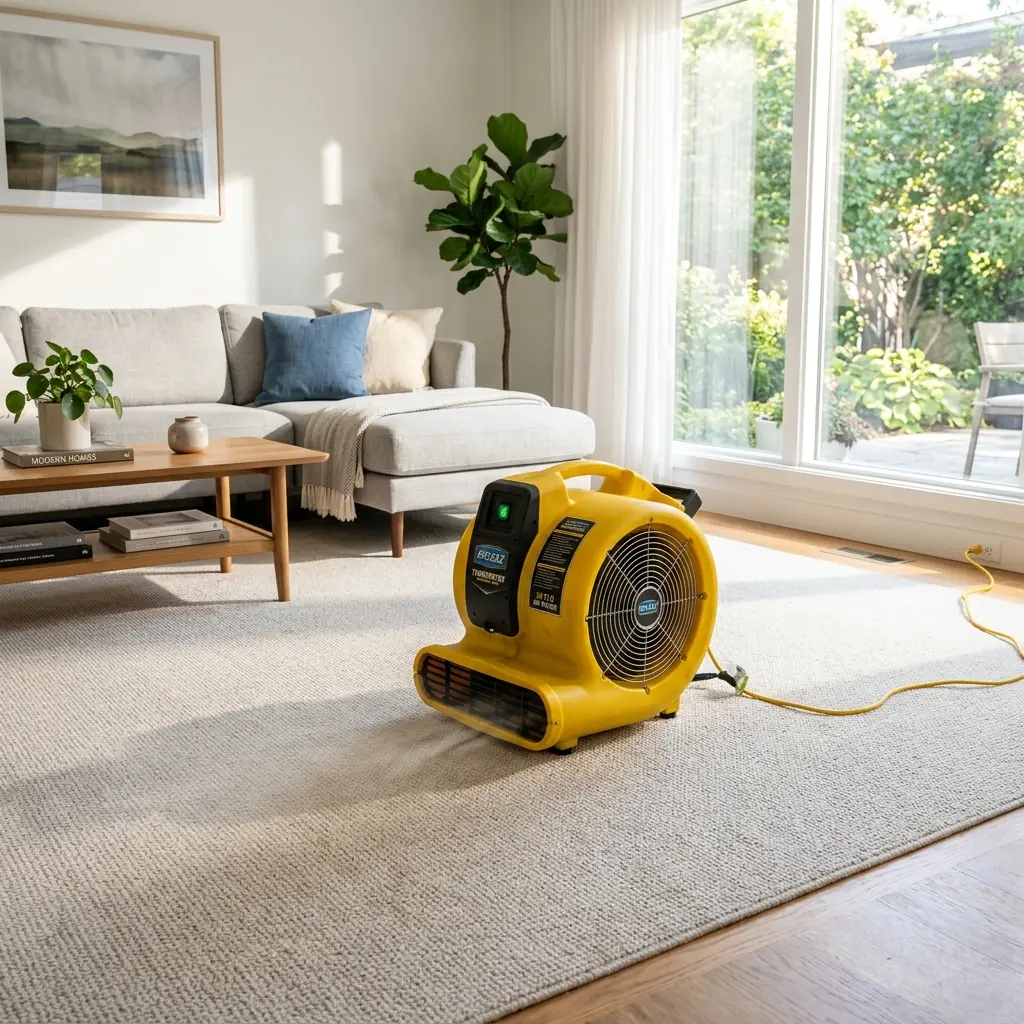
- Increase useful airflow. Open interior doors and create a clear path for air to move through the room. Position a fan to circulate air across the damp area, not so close that it disturbs fibres or blows debris around. Keep cords and devices away from wet patches.
- Control humidity. If outdoor air is humid, keep exterior windows closed and use air conditioning’s dry setting or a dehumidifier according to the appliance instructions. If the outdoor air is noticeably drier and there is a safe cross-breeze, ventilation may help instead.
- Check hidden edges and adjacent areas. Feel around carpet edges, under removable rugs and near skirting; inspect the other side of a doorway if water may have spread. Do not pull up fixed carpet or floating flooring if doing so could cause damage or expose a hazard.
- Reassess rather than guess. Check the area again after the airflow has run for a while and later in the day. Look for cool or clammy patches, a returning stain, a damp smell or signs that the material is changing shape. If progress stalls, seek an assessment.
- Keep drying until the whole area is dry. A surface that feels dry does not confirm that underlay, subfloor or joints are dry. Continue sensible airflow and humidity control, and avoid putting rugs or heavy furniture back until the flooring and the items themselves are dry.
Do not place towels or plastic over a damp patch and leave them there; they can trap moisture against the floor. Likewise, do not switch off drying simply because the room smells fresher. Odour can vary with ventilation and temperature, while hidden materials remain damp.
Choose a drying setup that suits Brisbane conditions
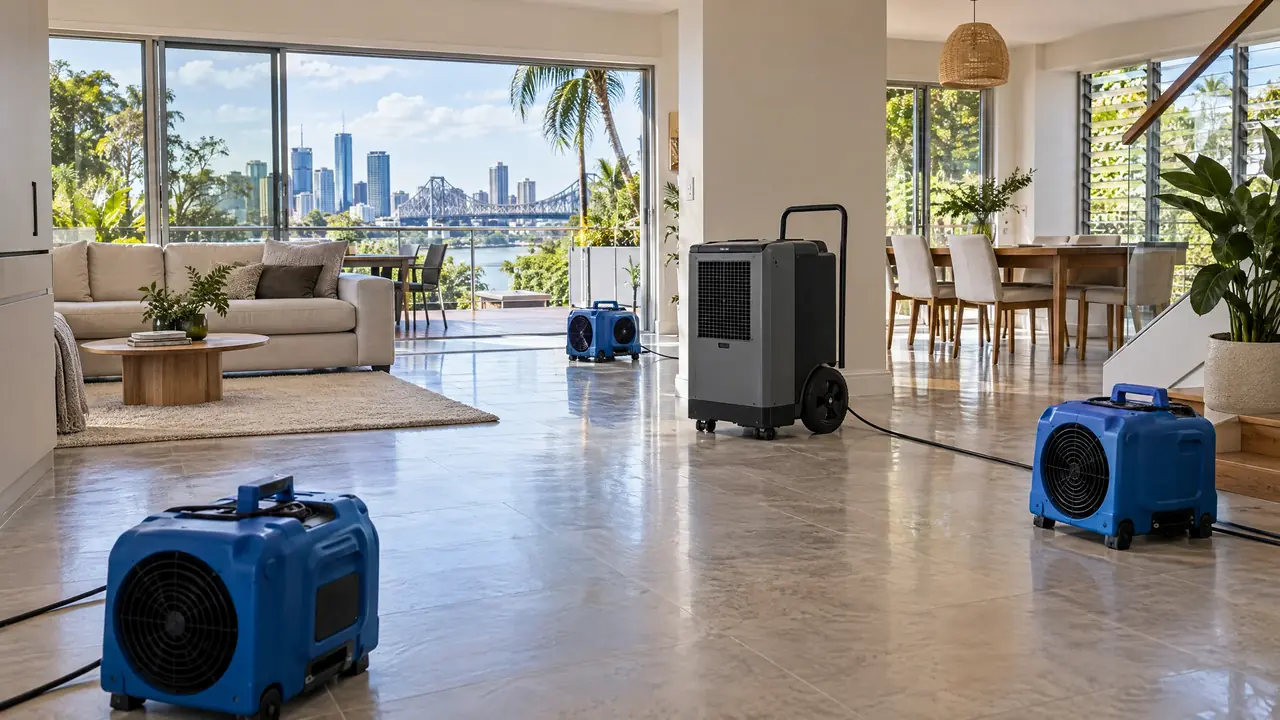
The aim is to help moisture leave the floor and then remove that moisture from the room. A fan moves air but does not, by itself, take water vapour out of the home. A dehumidifier collects moisture from the air, while air conditioning can also help manage indoor humidity when operated as intended. In humid weather, combining moderate airflow with humidity control is often more useful than relying on open windows alone.
| Conditions or equipment | When it can help | Practical caution |
|---|---|---|
| Fan or air mover | Moves air across a clean, damp surface and supports evaporation. | Keep the unit and its power supply clear of water. It does not remove humidity from the room. |
| Dehumidifier | Useful when indoor air feels damp or exterior air is humid; run it in the affected room as instructed. | Keep doors and windows managed according to the appliance guidance, and empty or drain its tank safely. |
| Air conditioning | Can make an occupied room more comfortable and help control moisture when the unit has a suitable setting. | Use the manufacturer’s instructions; do not assume every setting will dry a wet floor quickly. |
| Open windows | May help when outside air is drier, there is a safe breeze and outdoor conditions are suitable. | In muggy or rainy weather, bringing in humid air can slow drying. Close windows if weather changes. |
| Direct heat or a hair dryer | Generally not a good room-drying strategy. | Strong local heat may damage finishes or fibres and does not address moisture below the surface. |
Close doors to rooms you are not drying if that helps concentrate dehumidification, but do not block required ventilation for fuel-burning appliances or create an unsafe setup. Follow the equipment’s clearance and electrical instructions. Empty collected water without splashing it back onto the floor, and keep children and pets away from running equipment and cords.
Drying carpet without spreading the stain
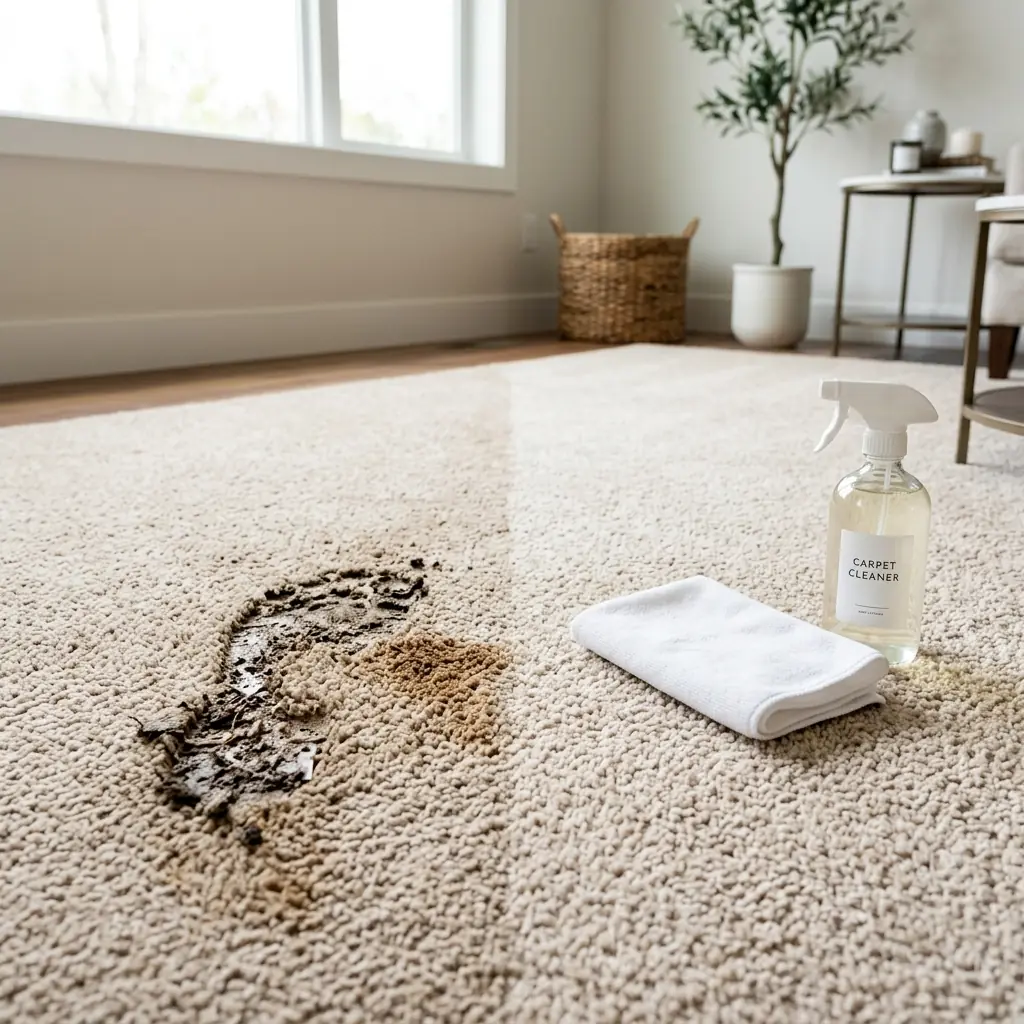
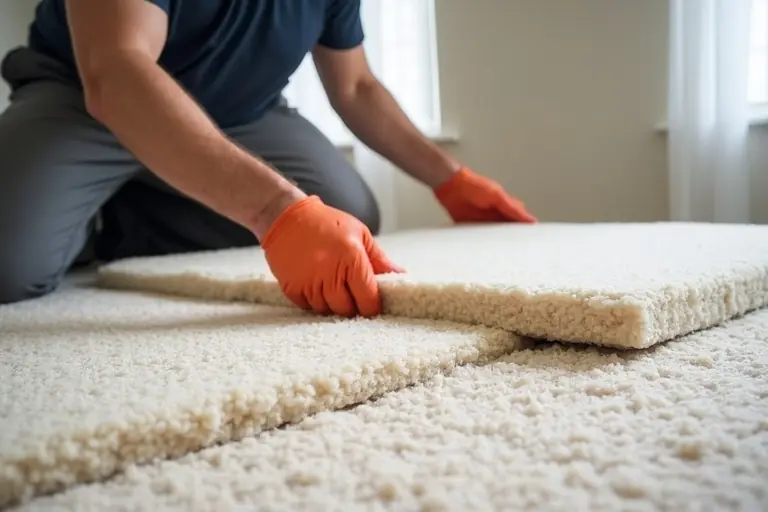
Carpet needs careful handling because liquid can pass through the pile into backing and underlay. Begin with gentle blotting using clean, colourfast towels. Work from the outer edge of a small spill towards the centre to avoid enlarging it. Replace saturated towels rather than pushing the same wet one around. If the carpet was cleaned recently, avoid adding more detergent or water unless the product or machine instructions specifically call for it; extra solution can leave residue and prolong drying.
Move light furniture if it is safe, then check the carpet beneath it. A damp chair leg or table foot can transfer colour, mark a finish or hold moisture against the pile. For heavier pieces, use suitable protective barriers or wait until the carpet is dry rather than dragging furniture across wet fibres. Do not use cardboard or printed material as a barrier on damp carpet, as colour or material may transfer.
Watch for wicking as the pile dries
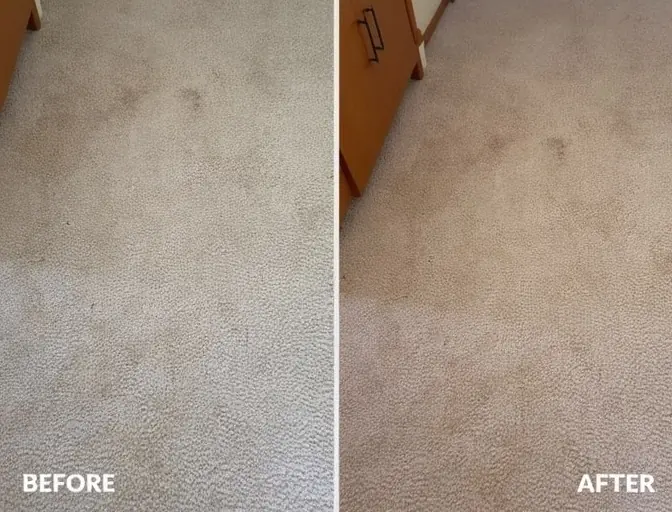
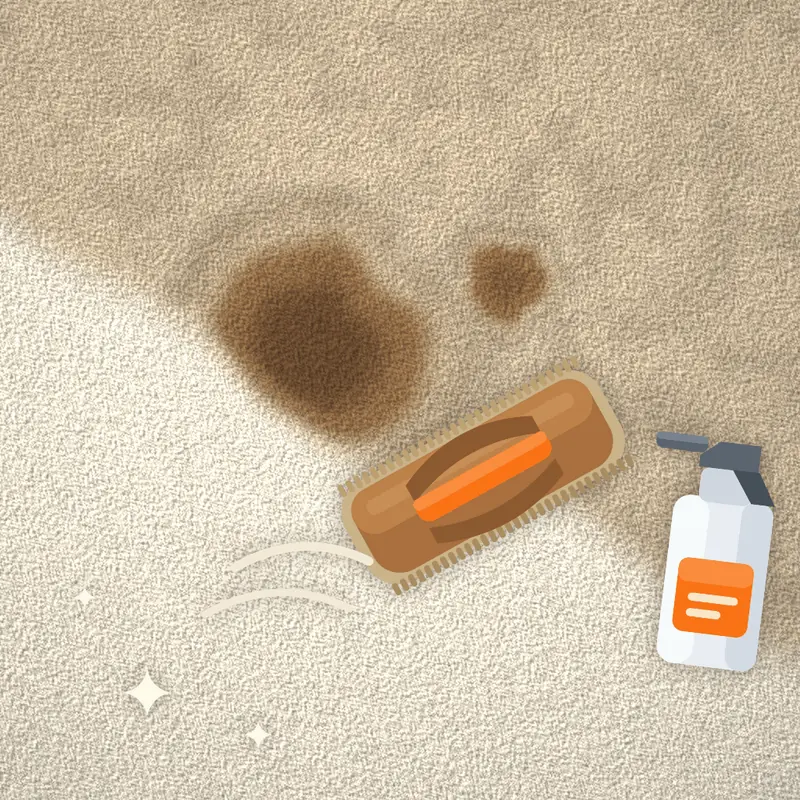
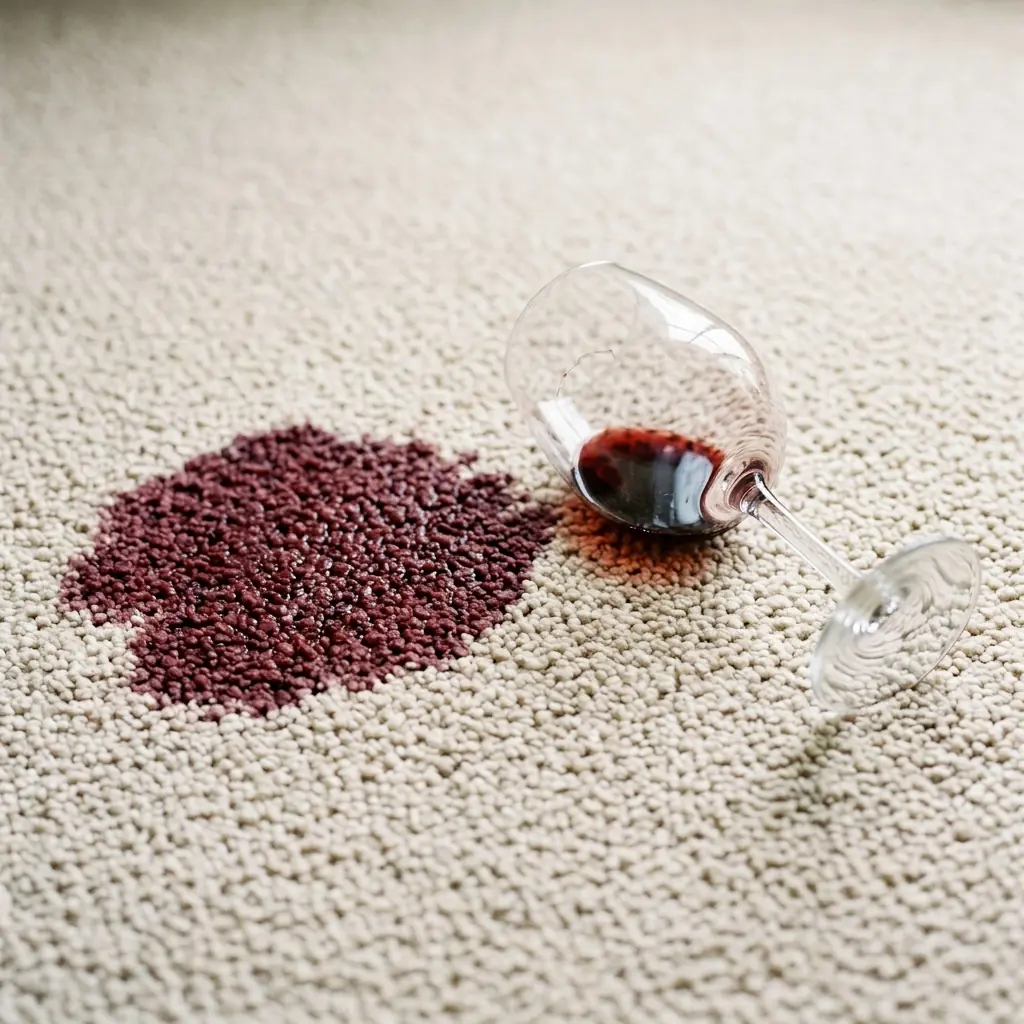
If a stain reappears, blotting the top repeatedly may not solve it. The source may be deeper in the carpet, or detergent and soil may be moving towards the surface as moisture evaporates. Blot the area gently and allow it to dry with airflow. Avoid aggressive scrubbing, strong chemicals or repeated wetting, which can distort pile, affect dyes or move the stain further. If the mark keeps returning, smells unpleasant or covers a large area, professional treatment may be more appropriate than another home-cleaning attempt.
Carpet drying time varies with pile type, how much water was used, underlay, ventilation and indoor humidity. Rather than relying on a fixed number of hours, check whether the pile and the area around it are dry, whether the room’s humidity is controlled, and whether a cool damp feel or odour remains. If you are arranging a professional clean, ask what drying preparation is suitable for your specific carpet and home conditions. You can read about the local carpet cleaning service when considering help with a carpet that is slow to dry or has a recurring stain.
Adjust your approach for timber, laminate, tile and rugs
Different floors respond differently to water, so avoid treating every surface like carpet. Check the flooring manufacturer’s care guidance if available, particularly after a leak or when the floor is newly installed.
- Timber and engineered wood: Wipe up water promptly and dry the surface with a soft cloth. Look for raised edges, cupping, gaps or changes in the finish. Water can enter joints and affect layers below the visible surface, so a board that looks dry may still need assessment after a significant leak. Avoid soaking, steam mops and concentrated heat unless the flooring instructions expressly permit them.
- Laminate and floating floors: Remove surface water from seams and edges. Swelling, lifting or a soft feel can indicate that moisture has reached the core or underlay. Do not force boards flat or pry them up without knowing how the floor is installed; document the change and seek appropriate advice if it persists.
- Tile and grout: Dry the tile surface and check grout lines, corners and the junction with walls or cabinetry. Porous grout, damaged sealant or gaps can let water reach what lies beneath. If dampness or odour continues after the tile surface is dry, investigate rather than assuming the grout alone is responsible.
- Loose rugs: Lift the rug and dry both sides, along with the floor underneath. Lay it flat or hang it in a suitable ventilated place if its care instructions allow. A rug left in place can hide a damp patch and slow evaporation.
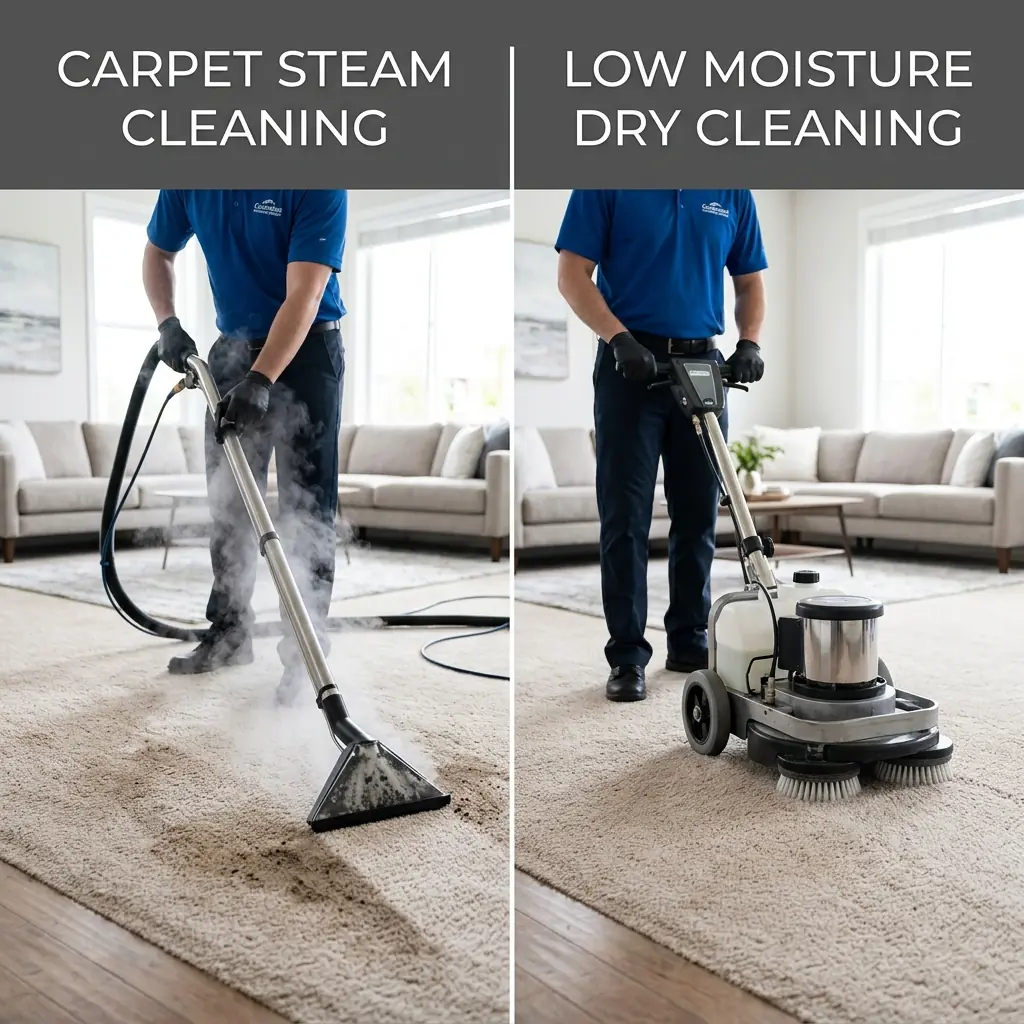
For any floor type, avoid using a steam cleaner, hair dryer or heater as a shortcut after a spill unless the product instructions specifically allow it. Heat can damage finishes, alter adhesives or create a burn or fire hazard. The safer general approach is to remove excess water, use suitable airflow and address indoor humidity.
Reduce the chance of odour, mould and repeat dampness
Prevention starts with getting the whole affected area dry, not just the visible stain. Keep furniture slightly clear of damp sections while they dry, lift rugs, and check neighbouring areas where water could have tracked. Once the floor is dry, clean any remaining spill residue using a method suitable for the material. If the original water was contaminated or the smell persists, do not try to disguise it with fragrance or household sprays.
Maintain a comfortable indoor environment without creating new risks. Use bathroom and kitchen exhaust fans when moisture is being produced, and address leaks or condensation that repeatedly wets the same area. In a humid spell, short periods of ventilation may be useful when outside air is drier; at other times, air conditioning or dehumidification may be more effective. Avoid leaving a damp room closed up with wet towels, laundry or a waterlogged rug inside.
Keep an eye on warning signs over the next few days: an odour that returns after the room has been closed, new discolouration, persistent clamminess, skirting that appears swollen, or flooring that lifts or changes shape. These signs do not confirm a particular cause, but they do justify a closer look. If the source is fixed and the area is dry yet the smell remains, moisture or residue may be concealed. A professional can assess the flooring and cleaning needs without relying on guesswork.
When to stop DIY drying and ask for an assessment
Home drying is most appropriate for a small area affected by clean water when the source is stopped and the floor is accessible. Consider professional advice when water has spread beneath fixed flooring, affected a large area, soaked carpet underlay, or returned after earlier drying. Also seek help if the floor remains damp despite reasonable airflow and humidity control, the musty odour persists, or you can see bubbling, swelling, lifted edges or recurring stains.
Water quality changes the decision. Sewage, floodwater, water from an unknown source, or liquid that may contain chemicals can pose health risks beyond ordinary dampness. Do not touch or attempt to clean it without appropriate advice. Similarly, avoid using electrical equipment around standing water, and do not enter a room if there is a risk involving wiring, a damaged ceiling or structural instability.
For a smaller clean-water incident, you can still ask a flooring or cleaning professional to assess whether moisture may have reached deeper layers. When describing the issue, note where water came from, approximately when it happened, what materials are affected, what drying steps you have tried and whether a stain or smell has returned. This information helps the professional decide what to inspect and what treatment is suitable. For other local information, visit the Fresho Carpet Cleaning Brisbane home page.
Safety note
Do not use a household vacuum to collect water, handle wet electrical cords or plugs, or run fans where they could be splashed. Keep people and pets away from contaminated water. If the water may be sewage or chemical-contaminated, or if electrical fittings are affected, leave the area alone and contact the relevant qualified service.
Worried your damp Brisbane floor will turn musty?
When requesting help, provide the room location, approximate wet area, water source, time since the spill or cleaning, and whether the floor is carpet, timber, vinyl, or concrete. If there is a persistent smell, bubbling, staining, or soft underlay, say so at the first contact so drying advice can be matched to the actual moisture problem.
Get in touch to request an assessment or quote. Include your suburb, the problem you can see or smell, how long it has been happening, and any access or safety concern. The more specific the first message, the easier it is to recommend the right response.
Request a floor drying and carpet cleaning assessment or call 07 3778 7181.
Frequently Asked Questions
Should I open the windows to dry a wet floor in Brisbane?
Only if outdoor air is likely to help. A dry breeze can improve ventilation, but humid or rainy air may slow evaporation. If the air outside feels muggy, keep windows closed and consider air conditioning or a dehumidifier, used according to its instructions. Reassess if the weather changes.
Will a fan on its own dry carpet?
A fan can help by moving air across the carpet, but it does not remove moisture from the room. In humid conditions, combine airflow with a way to manage indoor humidity, such as a suitable dehumidifier or air-conditioning setting. Ensure the equipment and its power supply stay well clear of wet areas.
How can I tell whether carpet is dry underneath?
Touch alone is not a reliable test for moisture in underlay or subfloor. Check the edges and nearby areas for coolness, clamminess or returning odour, and note whether stains reappear as the carpet dries. If the carpet was soaked or the smell persists, arrange an assessment rather than assuming a dry surface means the whole assembly is dry.
Why did a stain come back after I cleaned and dried it?
Moisture can draw soil or residue from deeper in the carpet towards the surface as it evaporates. This is known as wicking. Blot gently and avoid adding more cleaner or water without a suitable method. A recurring mark may need deeper treatment, particularly if it is accompanied by an odour or the carpet became wet through to its backing.
Can I use a heater or hair dryer to speed up floor drying?
It is generally better to use controlled airflow and humidity management. Strong, direct heat can damage carpet fibres, timber finishes, adhesives or laminate, and it may create a burn or fire risk. Follow the flooring and appliance instructions, and do not position electrical equipment near water.
When does a damp floor need professional attention?
Seek advice if a leak has soaked underlay or flooring layers, the affected area is extensive, the water quality is uncertain, or dampness and odour continue after sensible drying. Swollen or lifting boards, recurring stains and a persistent musty smell are also reasons to investigate. Contaminated water and electrical hazards need the relevant specialist, not routine floor cleaning.
Finish drying thoroughly, then investigate anything that returns
For a small, clean spill or freshly cleaned floor, the essentials are straightforward: remove excess water, expose the damp area, circulate air safely and manage humidity. Check beyond the surface and give the material time to dry through before replacing rugs or furniture. If a smell, stain or damp patch returns, do not mask it or keep adding cleaning products; look for moisture that may have travelled underneath and get suitable advice if it is not resolving.
If your carpet is slow to dry, has a recurring mark or needs a considered clean, you can revisit this floor-drying guide while deciding on the next step. Addressing the source and the underlying moisture is more useful than treating odour alone.
Urgent hazards such as electrical risk, suspected contamination or fire damage should be handled by the relevant emergency service or an appropriate professional.