How to Remove Common Carpet Stains at Home
Carpet stains are an inevitable part of home life, whether from a spilled drink or a pet accident. Prompt action and the right approach can make the difference between a temporary spot and a mark that sets in. When something spills onto your carpet, the immediate reaction is often panic. However, understanding the basic properties of carpet fibres and the nature of the spill can empower you to tackle the problem properly and safely. In this comprehensive guide, we will explore the science of carpet stains, general pointers for immediate treatment, and specific step-by-step methods for removing some of the most common and stubborn household spills. By adopting these methods, you can preserve the appearance of your flooring and prolong its life.
The Science of Carpet Fibres and Spills
To successfully remove a stain, it helps to understand what you are working with. Most residential carpets are made from synthetic fibres like nylon, polyester, triexta, or natural fibres like wool. Synthetic fibres are highly durable and often treated with factory stain-repellent coatings, but they can still absorb liquids if a spill is left unattended. Wool, on the other hand, is highly absorbent and delicate, requiring extra care and mild cleaning agents. Spills generally fall into three categories: water-soluble (like beer, soda, fruit juice, and mud), oil-based (like butter, cooking oil, cosmetics, and grease), and protein-based (like blood, dairy, and pet accidents). Each category reacts differently to cleaning agents, meaning a one-size-fits-all approach will not work and may actually set the stain for good.
The Golden Rule of Stain Removal: Speed and Blotting
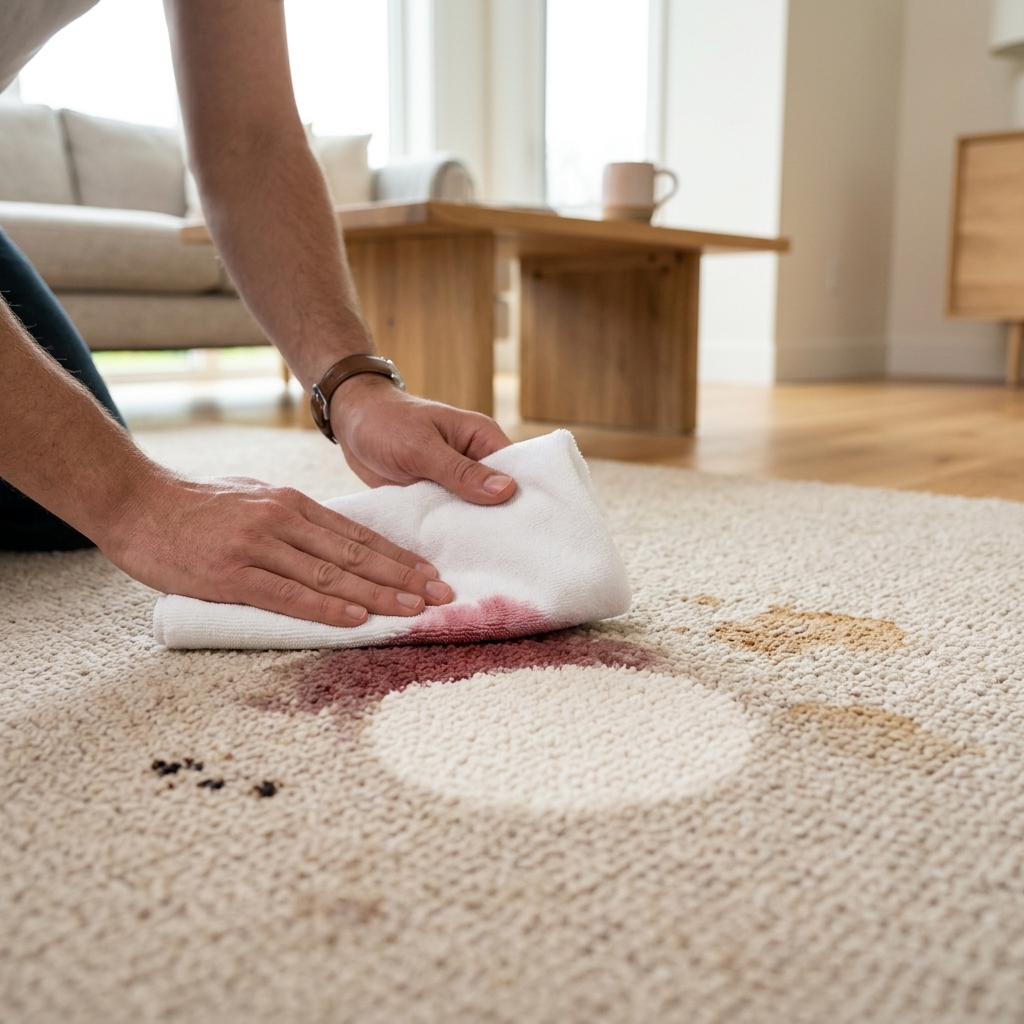
The absolute most critical factor in removing any spill is timing. The longer a liquid is allowed to sit, the deeper it penetrates into the carpet pile, eventual soaking through the backing and into the underlayment. Once a stain reaches the backing, it becomes incredibly difficult to extract and can lead to mould growth and recurring stains that wick back up to the surface. The second rule is to always blot, never scrub. Scrubbing creates friction that heats the fibres, causing them to distort, untwist, and fray. Furthermore, scrubbing pushes the staining particles deeper into the carpet pile and spreads them outwards, turning a small spot into a large smudge. Always use a clean, white cotton towel or a plain paper towel to blot the moisture from the outside of the spill inwards, preventing it from spreading.
Step-by-Step Guides for Specific Stains
Let us look at detailed instructions for dealing with the most common culprits in household stains:
Red Wine and Dark Berries
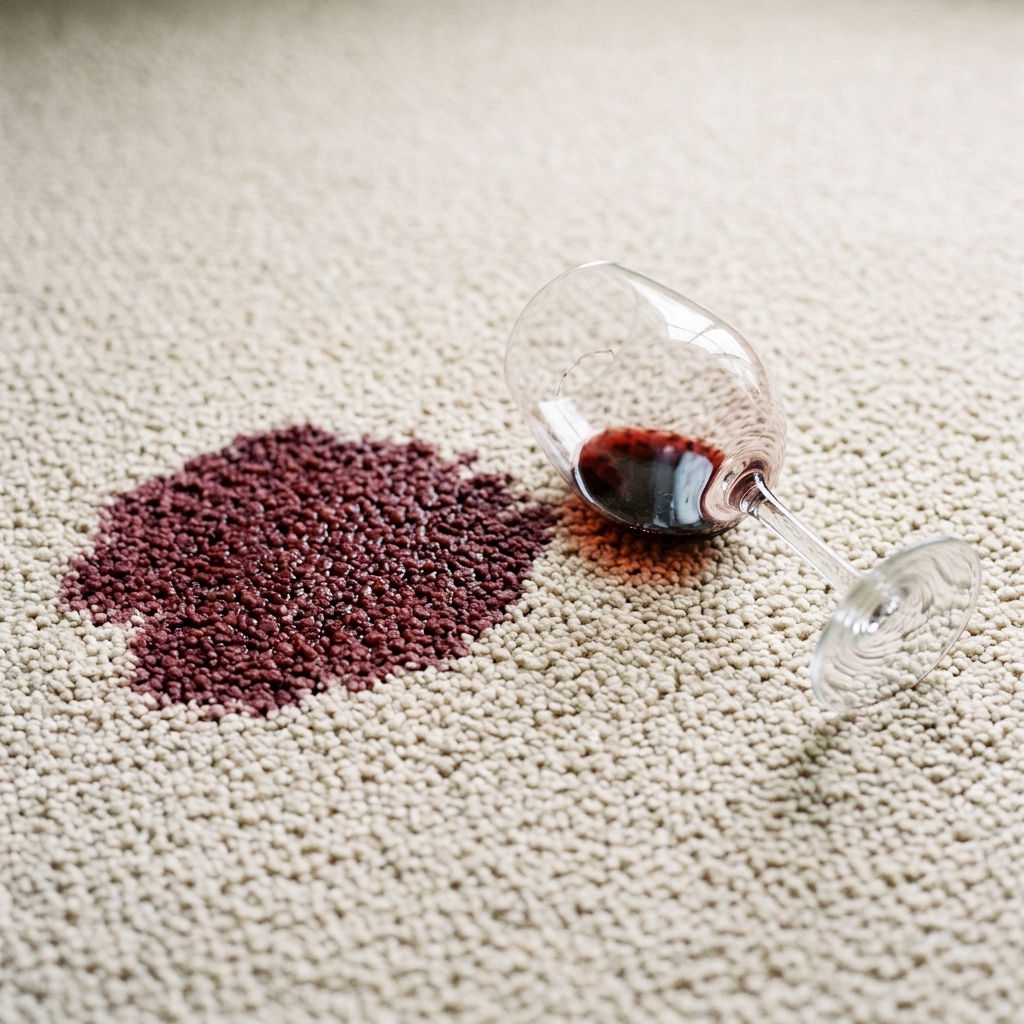
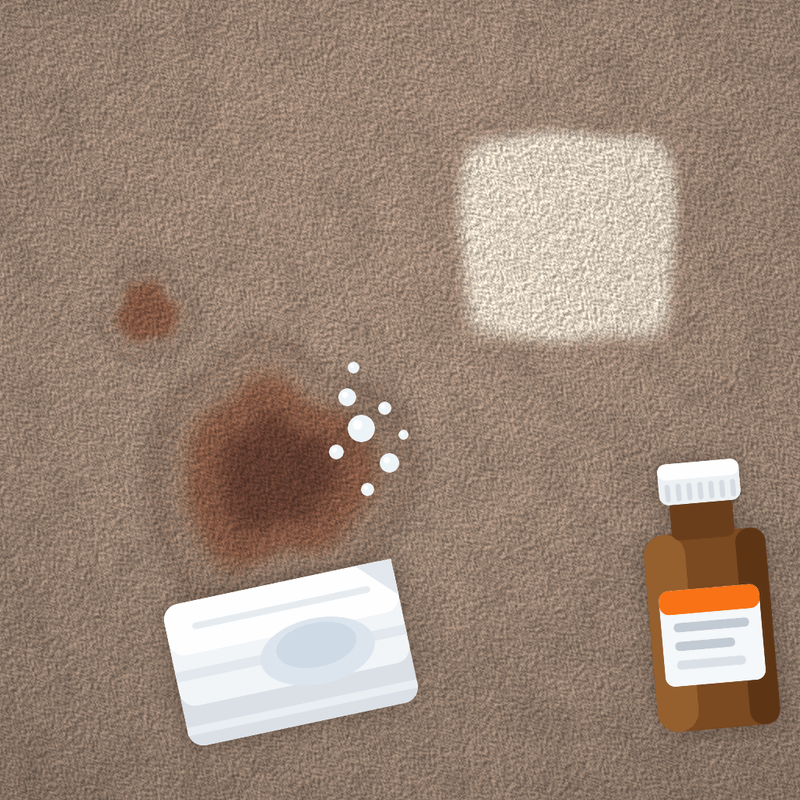
Red wine is notorious for causing immediate panic. The red pigments, known as anthocyanins, bind quickly to carpet fibres. To combat this, use this procedure: First, blot as much of the liquid as possible using a dry white cloth. Next, pour a small amount of clean, cold water directly onto the stain to dilute the remaining pigments, and continue blotting. You can also sprinkle a generous amount of table salt or baking soda over the wet area. The salt will draw the liquid up out of the carpet as it dries. Let the salt sit for several hours, then vacuum it up. If a faint stain remains, mix one tablespoon of liquid dish soap and one tablespoon of white vinegar with two cups of warm water. Apply this solution sparingly to the stain, blot gently, and rinse with cold water before drying.
Coffee and Black Tea
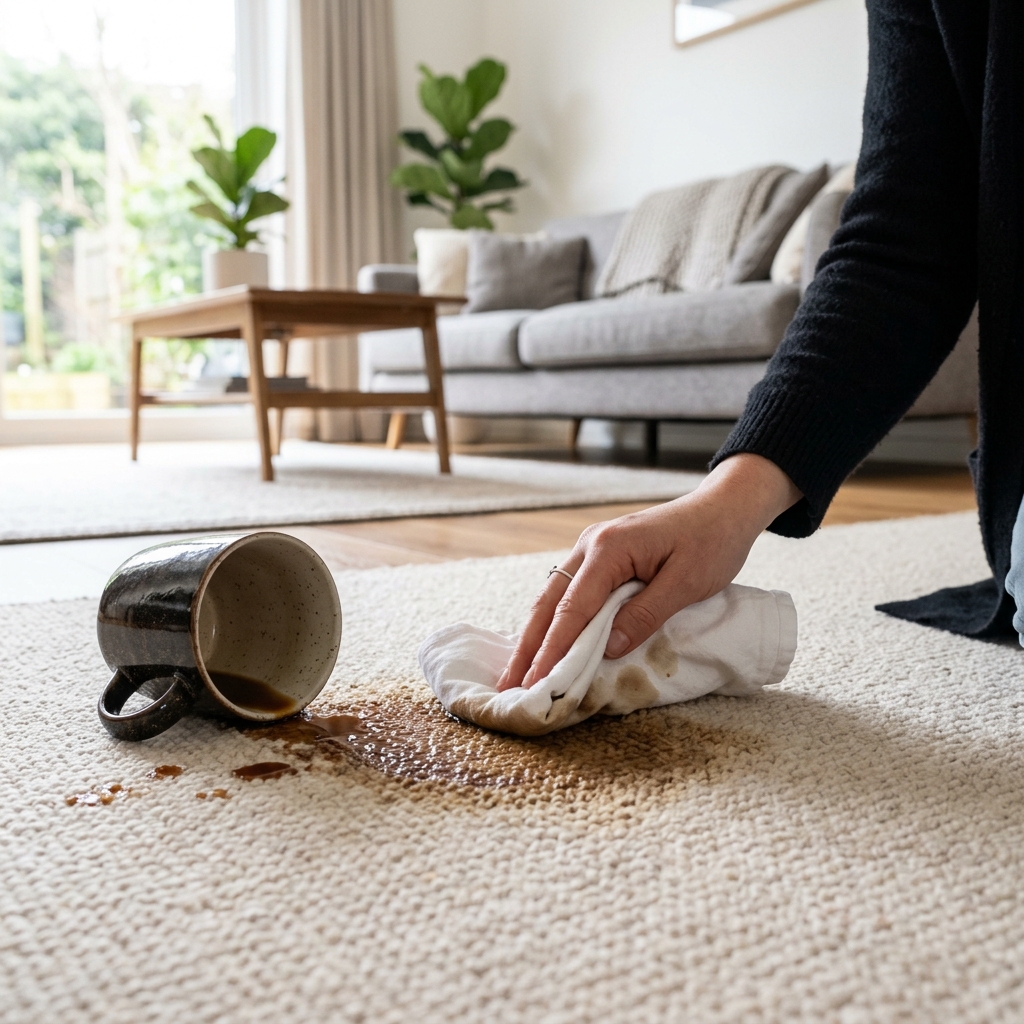
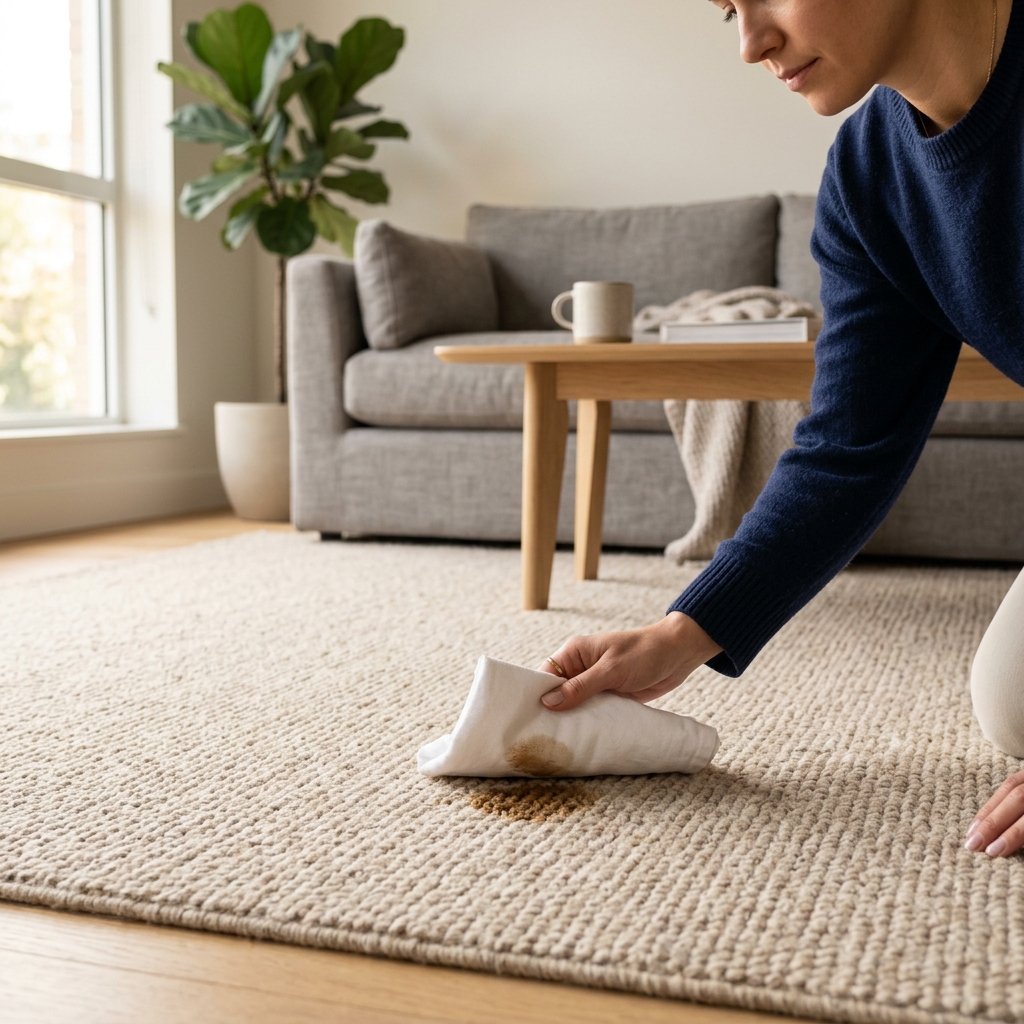
Coffee contains tannins that dye fibres quickly. To treat coffee spills, start by blotting up as much liquid as you can. Mix a solution of one part white vinegar, one part water, and a few drops of mild dishwashing liquid. Apply this solution to the stained area with a spray bottle or a clean cloth. Let the mixture sit on the stain for five minutes to break down the tannins. Blot the spot firmly, working from the outer edges toward the centre. Rinse the area by misting it with clean water and blotting once more. Avoid using warm water initially on coffee stains, as heat can lock the stain into the fibres.
Grease, Cooking Oil, and Makeup
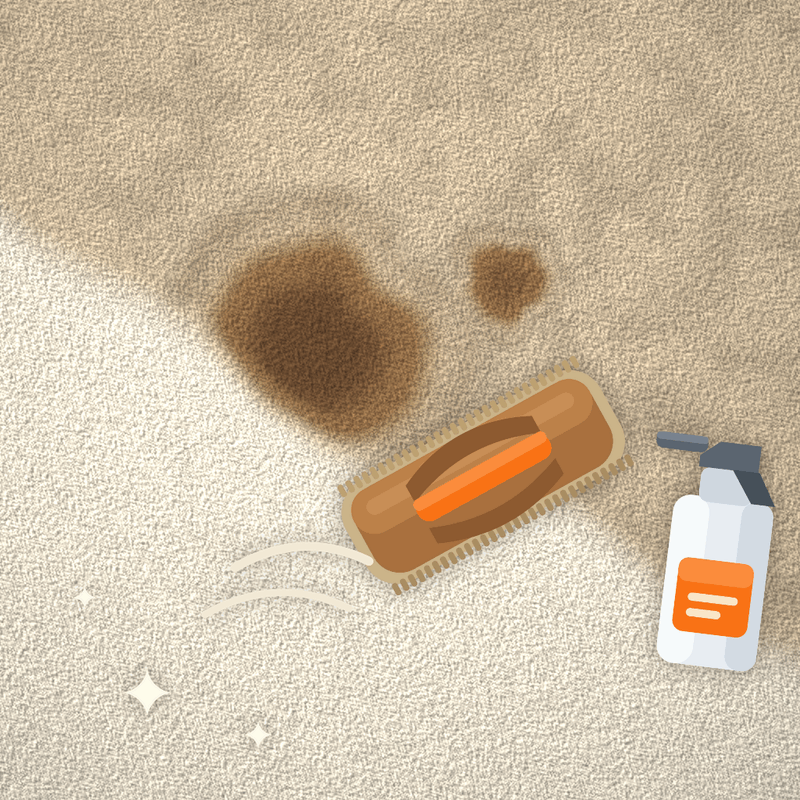
Oil-based stains require a degreasing agent to break the chemical bond between the oil and the synthetic fibres. First, absorb any excess oil with a clean paper towel. Sprinkle cornstarch or baking soda over the spot and let it sit for thirty minutes to absorb the grease. Vacuum the powder away. Next, apply a small amount of clear dishwashing liquid directly to the spot. Use a soft-bristled brush or clean cloth to massage the soap gently into the fibres, working from the outside in. Blot the area with a damp cloth to lift the dissolved oil and soap. Rinse thoroughly with clean water, as any soap residue left in the carpet will attract dirt in the future, causing a dark patch to develop over time.
Pet Accidents
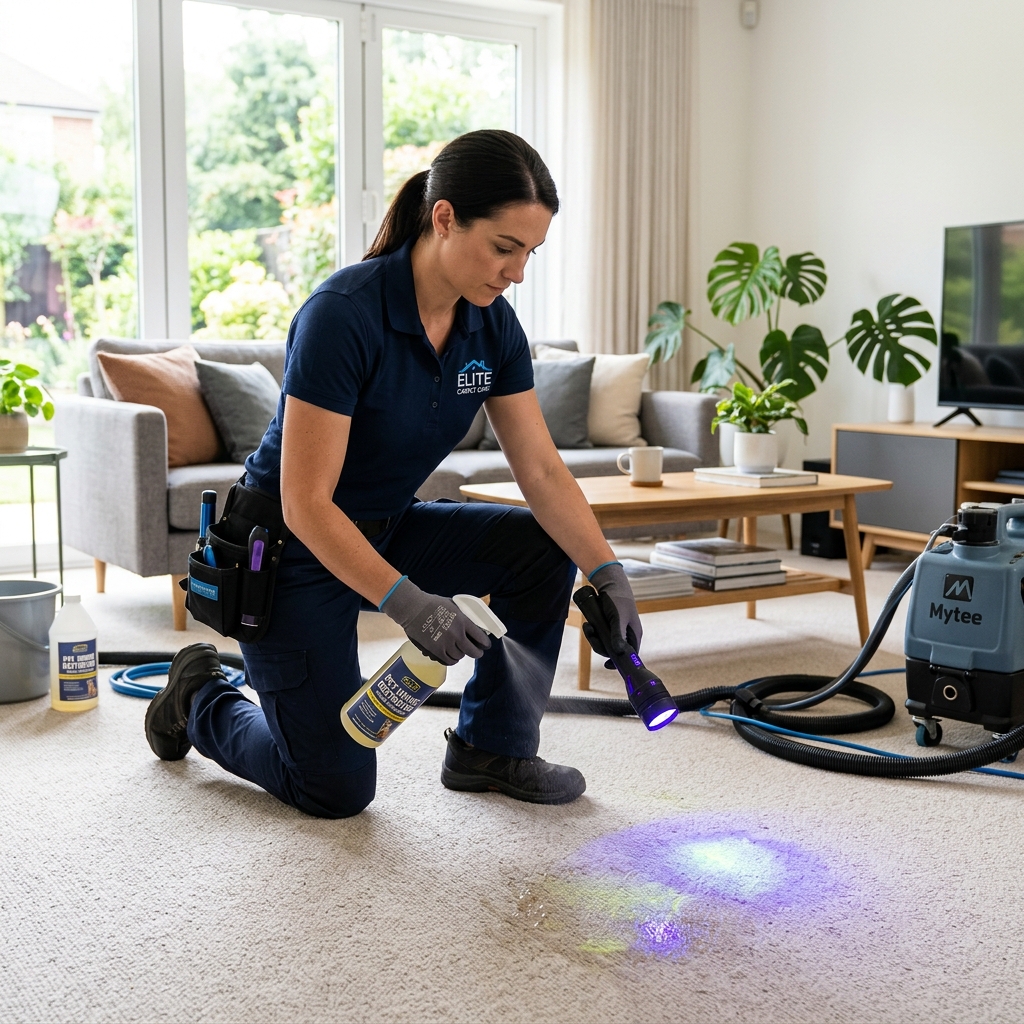
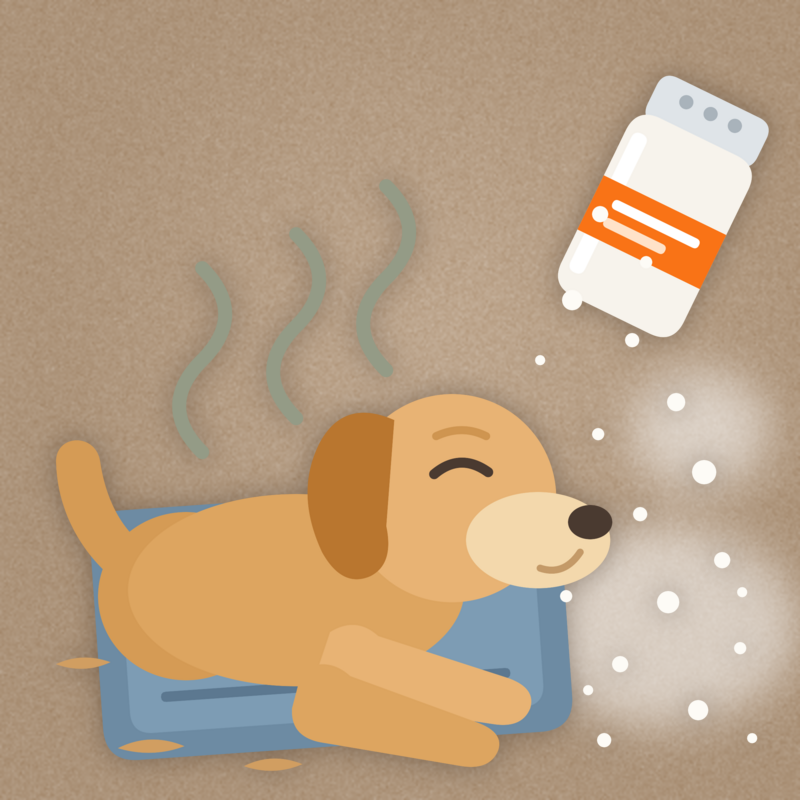
Pet urine requires immediate attention to avoid staining and long-term odour issues. If the accident is fresh, blot up as much liquid as possible. Avoid using ammonia-based cleaners, as the smell of ammonia mimics urine and may encourage your pet to mark the same spot again. Instead, mix a solution of equal parts white vinegar and cold water. Pour this over the area and blot firmly. The vinegar neutralises the alkaline ammonia in the urine. Once the area is dry, apply a specialized enzymatic cleaner. Enzymatic cleaners contain live bacteria that consume the urea and uric acid crystals, which are the source of the odour. Let the cleaner sit according to the package instructions, then allow the carpet to dry naturally.
Rinsing and Post-Cleaning Care
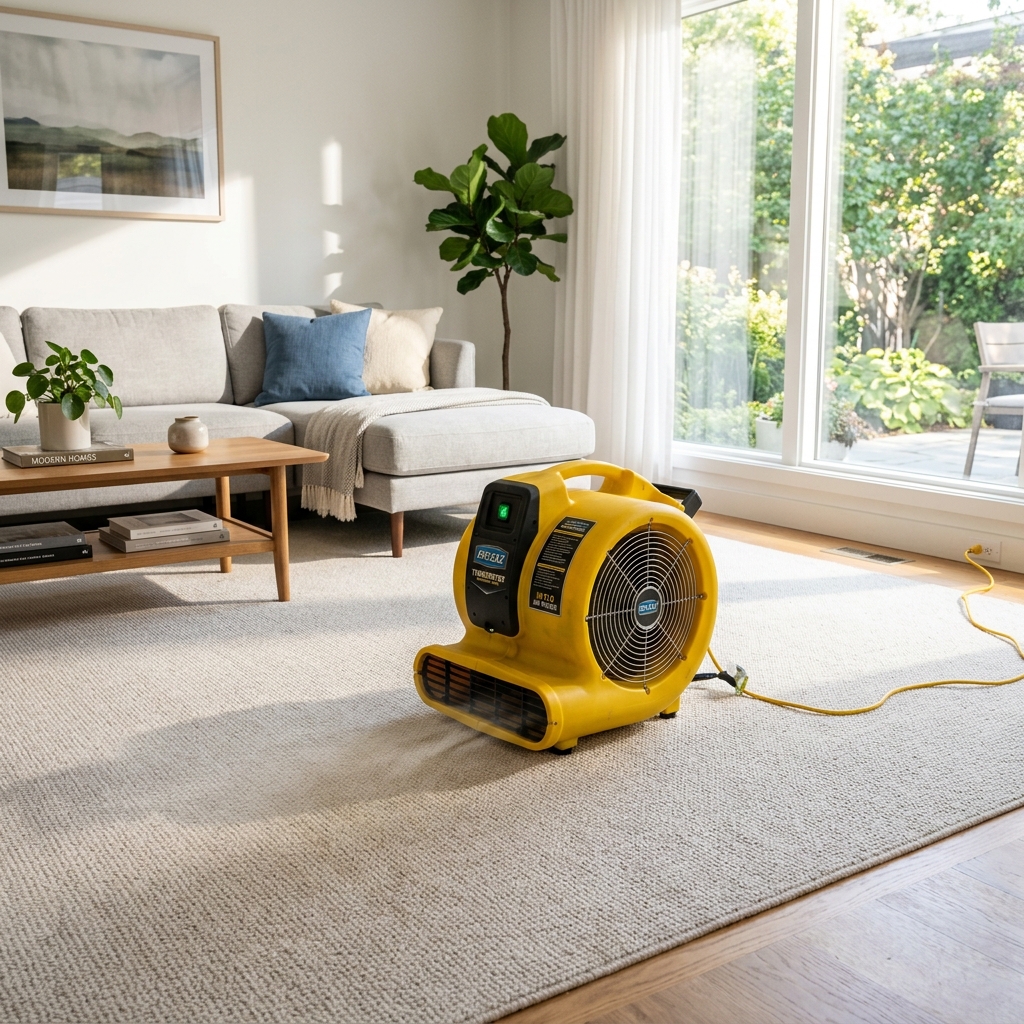
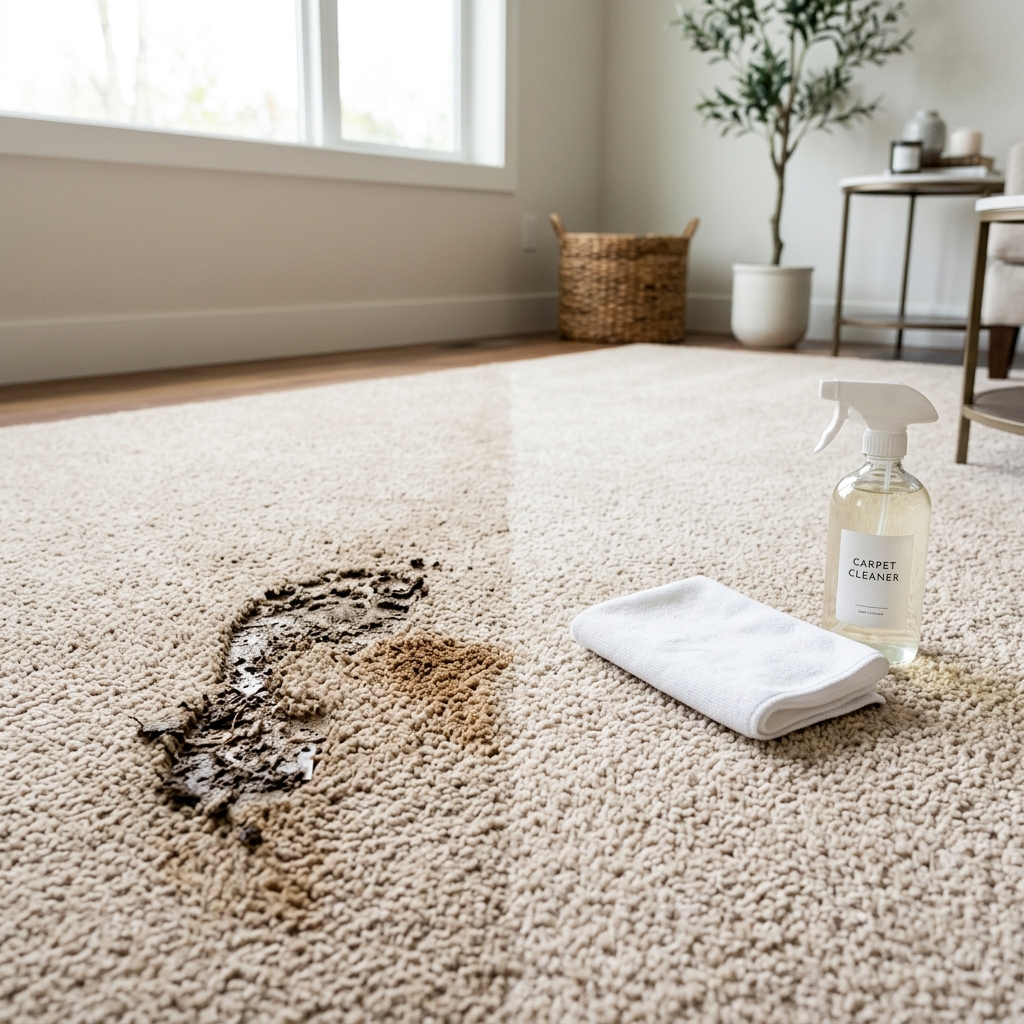
One of the most common mistakes homeowners make is not rinsing the carpet after treating a stain. Whether you use vinegar, dish soap, or a store-bought carpet cleaner, residue will remain in the fibres. As the carpet dries, this sticky residue acts like a magnet for airborne dust, pet hair, and dirt tracked in on shoes. Within a few weeks, the stain may appear to have returned, but it is actually just a collection of new dirt clinging to the cleaning agent. Always perform a final rinse by misting the area with clean, cold water and blotting it dry with a clean towel. To speed up drying, place a thick layer of paper towels over the spot, weigh it down with a heavy object like a book wrapped in plastic, and leave it overnight. Once dry, vacuum the carpet to lift the flattened pile.
When to Call a Professional Cleaner
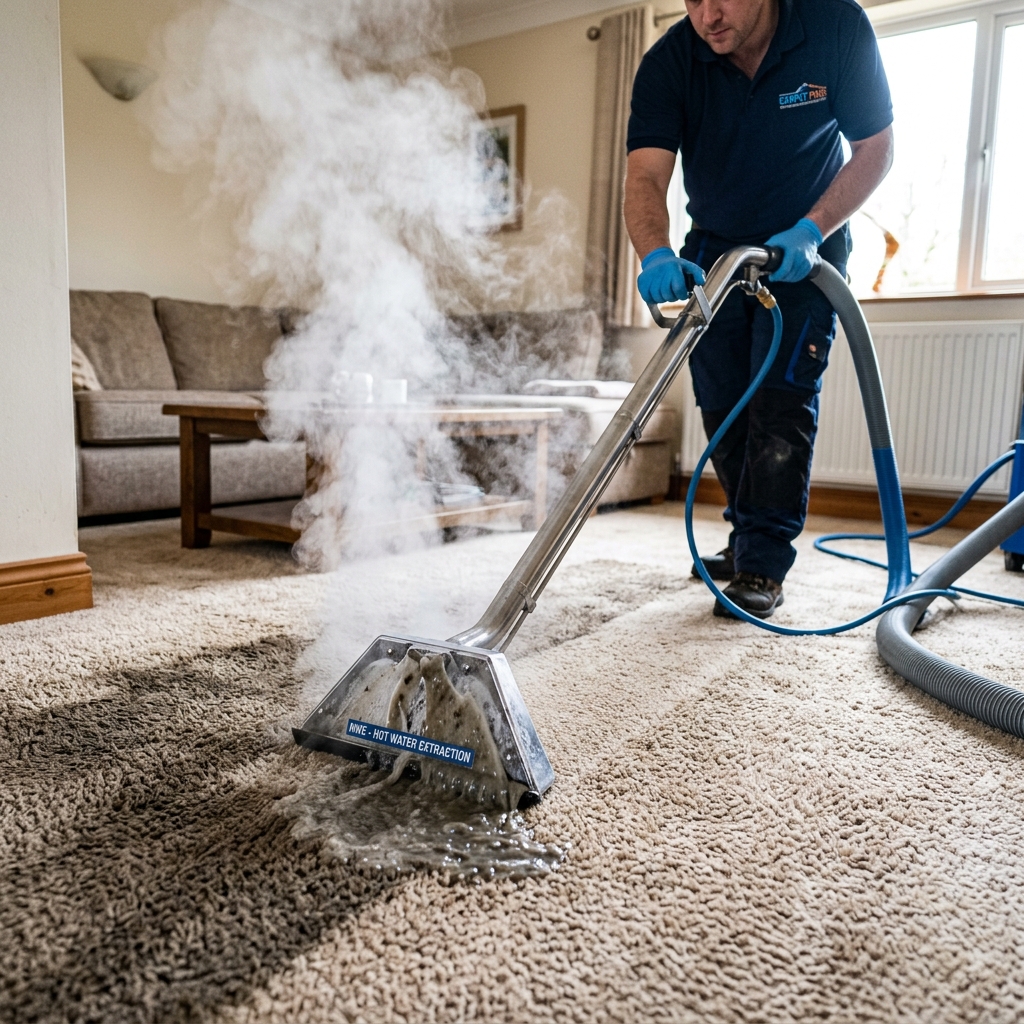
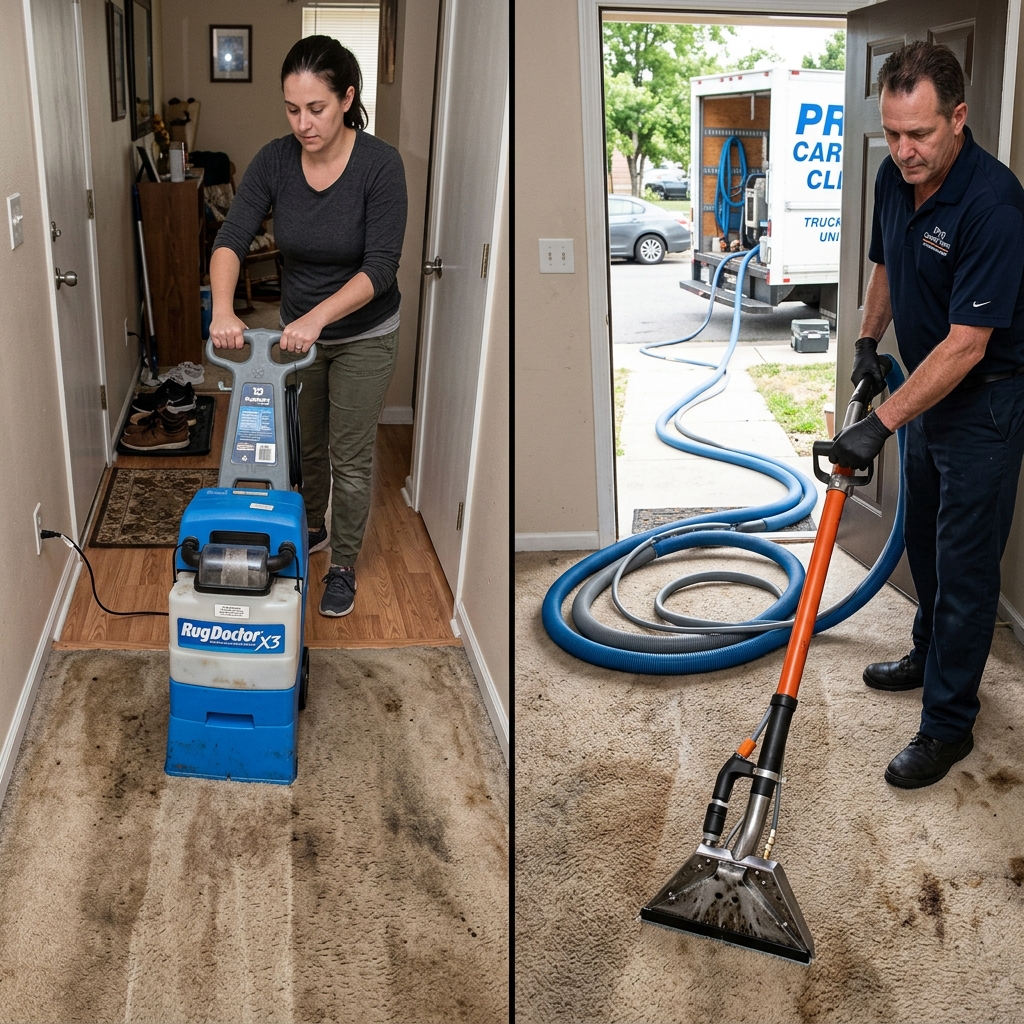
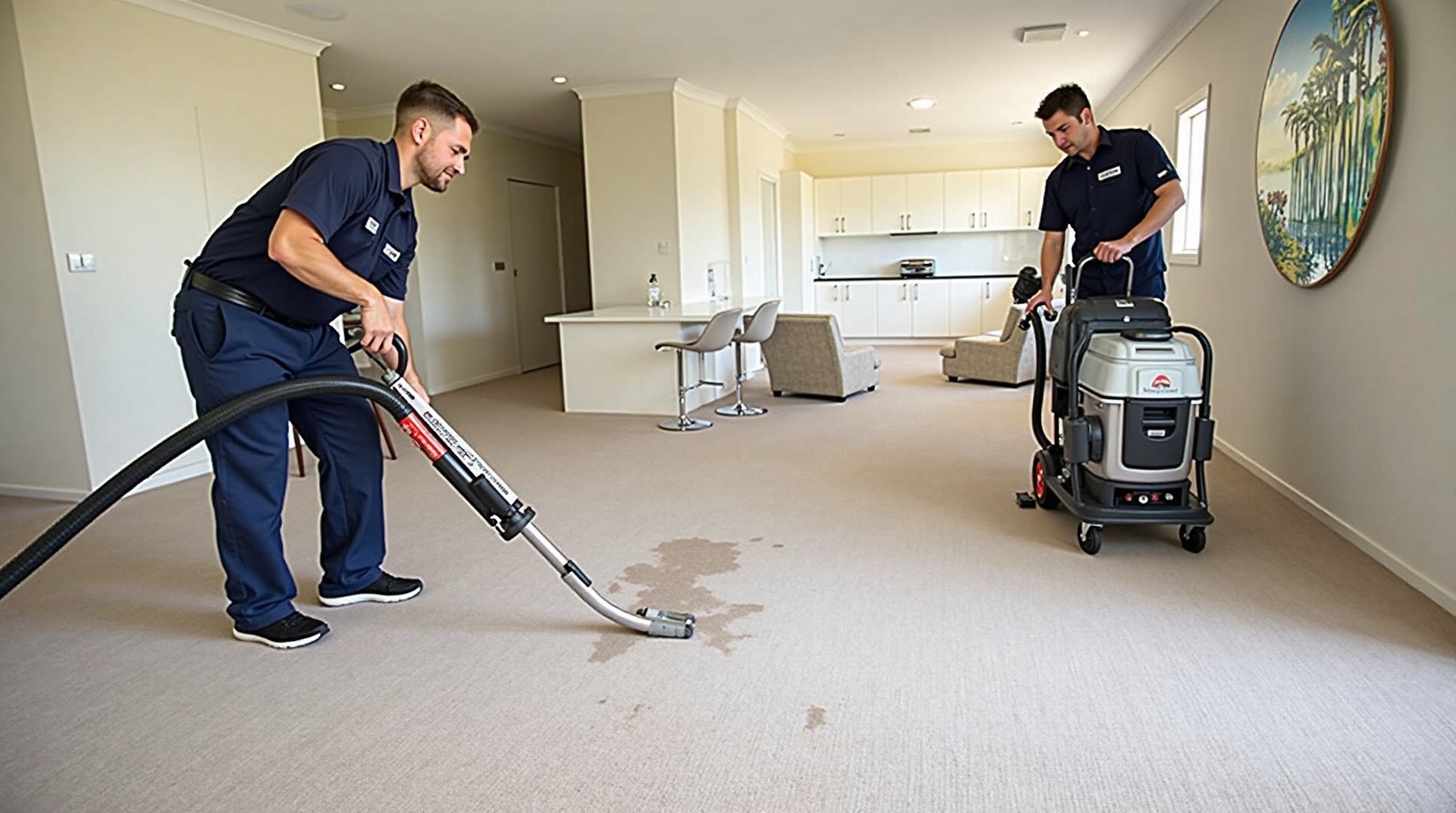
While many minor stains can be treated at home, there are times when professional intervention is required. If a stain has dried right through and has been present for several weeks, it may have chemically bonded for good with the dye sites in the fibres. Attempting to use strong chemicals or scrub the area can cause bleaching, pile distortion, or damage to the carpet backing. Additionally, delicate carpets like wool, silk, or antique rugs should always be handled by specialist professionals. Professional carpet cleaners have access to specialized extraction equipment, pH-balanced solutions, and targeted spotting agents that can lift deep-set stains safely without compromising the structural integrity of your flooring. Investing in routine professional deep cleaning once or twice a year is the best way to maintain the health, cleanliness, and beauty of your carpets for years to come.