
How Often Should You Clean Your Carpets? A Room-by-Room Guide
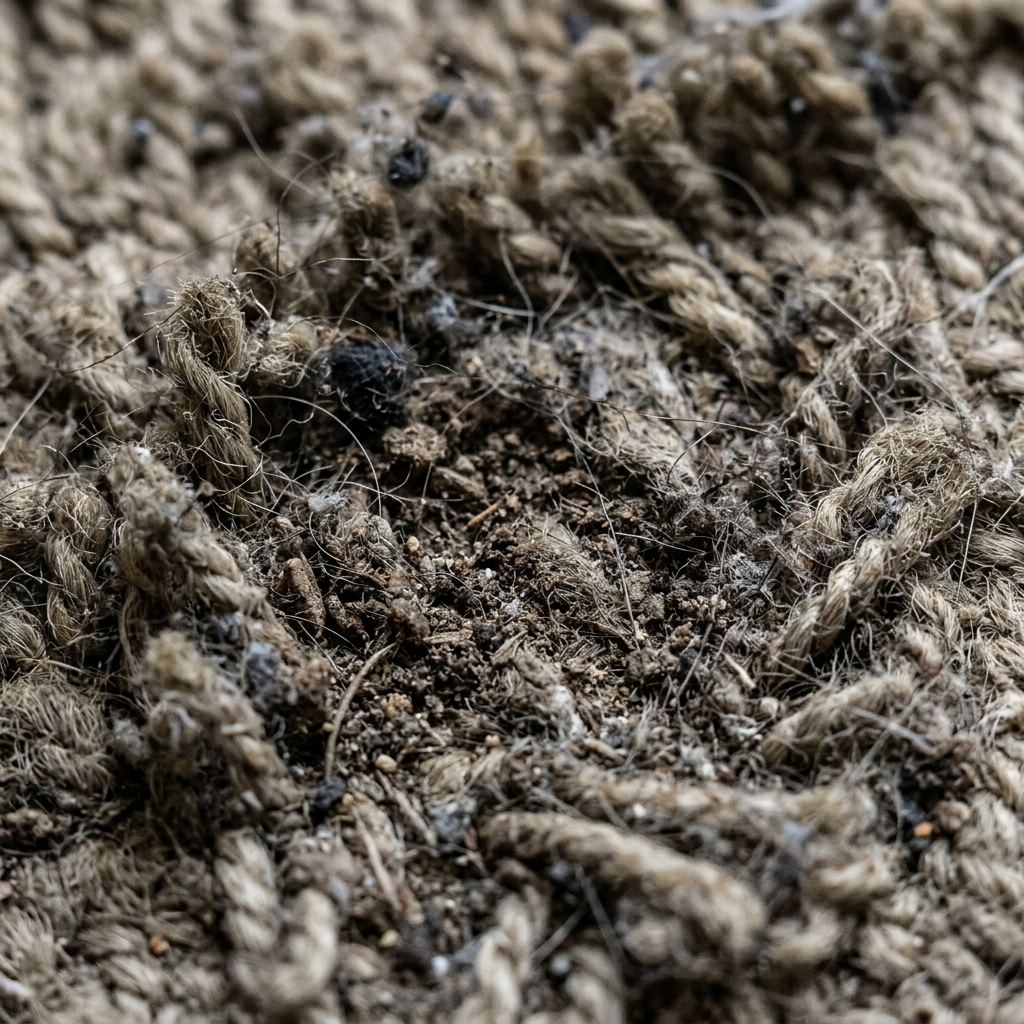
Carpets are a major investment in any home. They provide comfort, warmth, and a soft surface for families to walk and play on. However, because they are made of dense fibres, they act as massive filters, trapping dust, dirt, pollen, pet dander, and other airborne particles. Over time, these particles accumulate at the base of the pile. When you walk across the floor, these particles are ground against the fibres, causing them to wear out prematurely. Additionally, a full filter stops working properly, releasing dust back into the air with every step. Knowing how often to clean your carpets is essential for protecting your investment, maintaining home hygiene, and preserving indoor air cleanliness.
Many homeowners assume that a single cleaning schedule applies to the entire house. In reality, different rooms serve different purposes, see different levels of foot traffic, and face different types of soil. A bedroom where you only sleep does not require the same cleaning frequency as an entryway that receives wet shoes and muddy paws. By taking a room-by-room approach, you can create a highly efficient carpet care routine that targets high-use areas while saving time and resources on low-use zones. This comprehensive guide breaks down the ideal vacuuming and professional cleaning frequencies for every area of your home.
The Entryway and Hallways: The High-Traffic Corridors
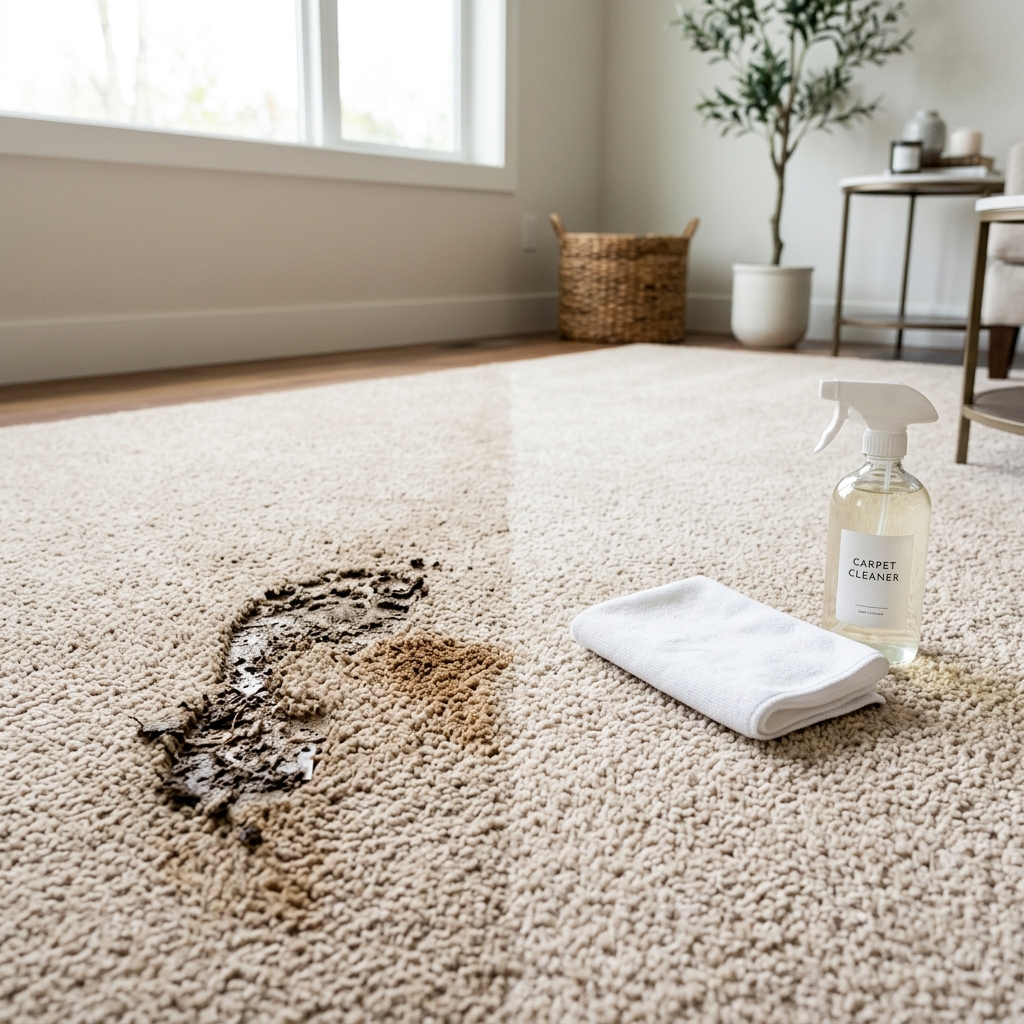
The entryway and hallways are the main thoroughfares of your home. Every time someone enters, they track in moisture, sand, dirt, and chemical residues from the outdoors. Because these areas are narrow, foot traffic is concentrated in a tight line, leading to rapid wear and soil accumulation. The sand and grit brought in from outside act like tiny blades under the pressure of footsteps, slicing at the synthetic or wool fibres and causing them to look dark, matted, and worn.
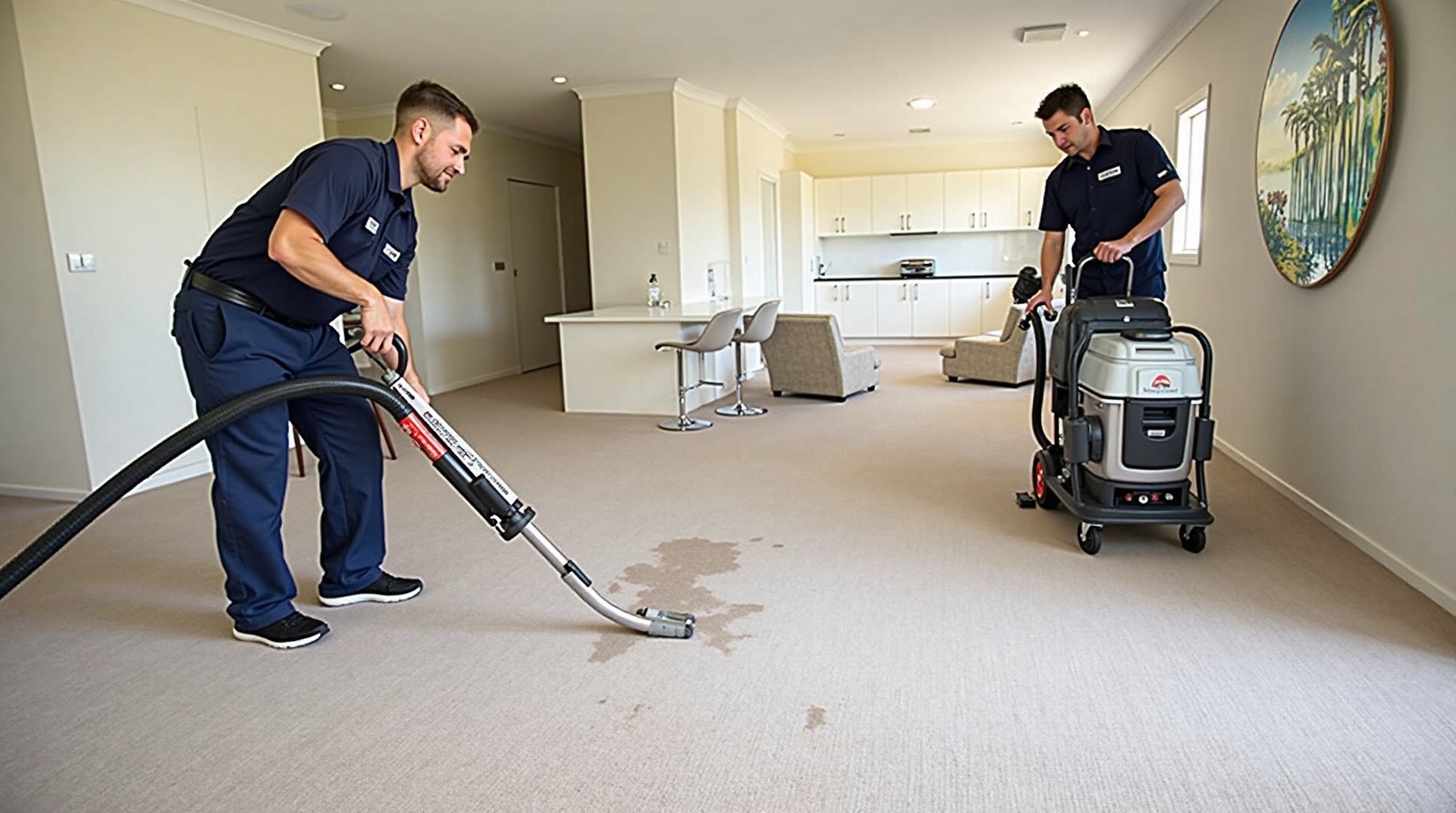
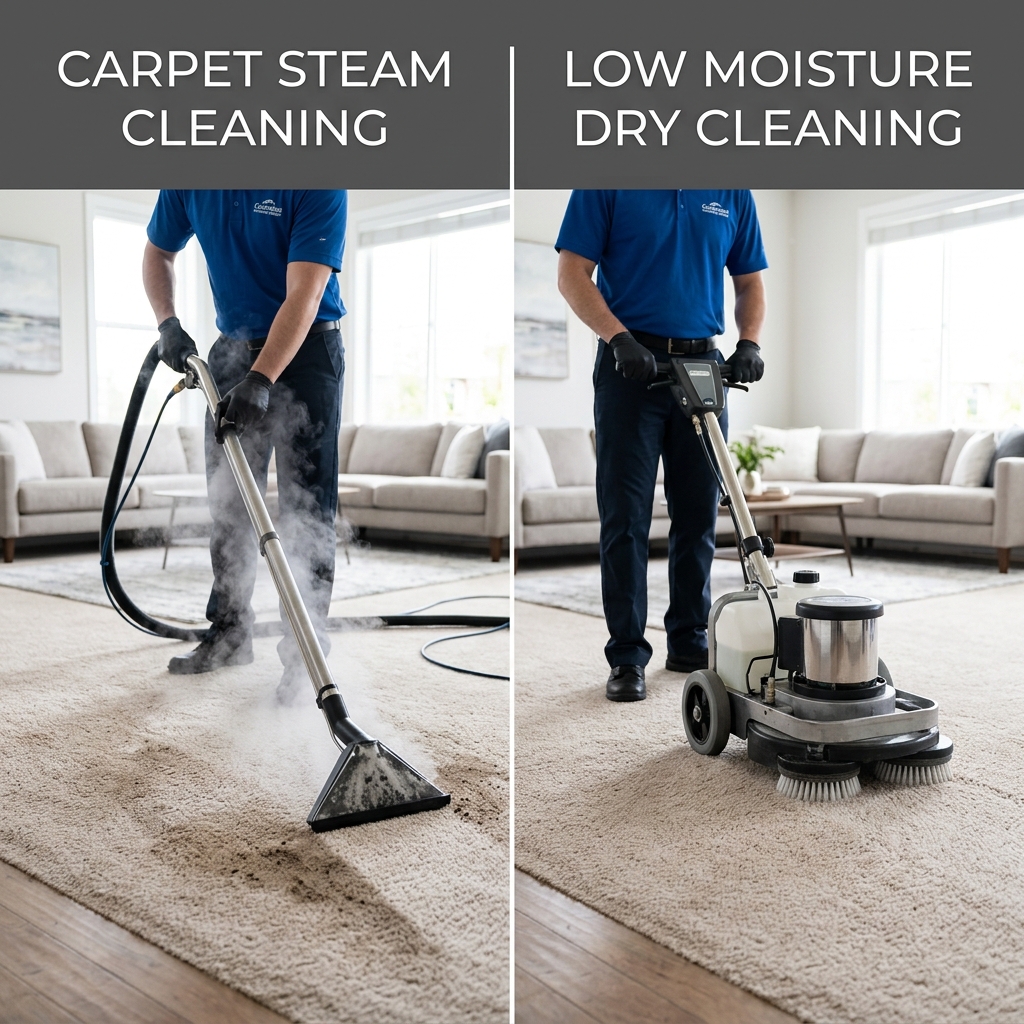
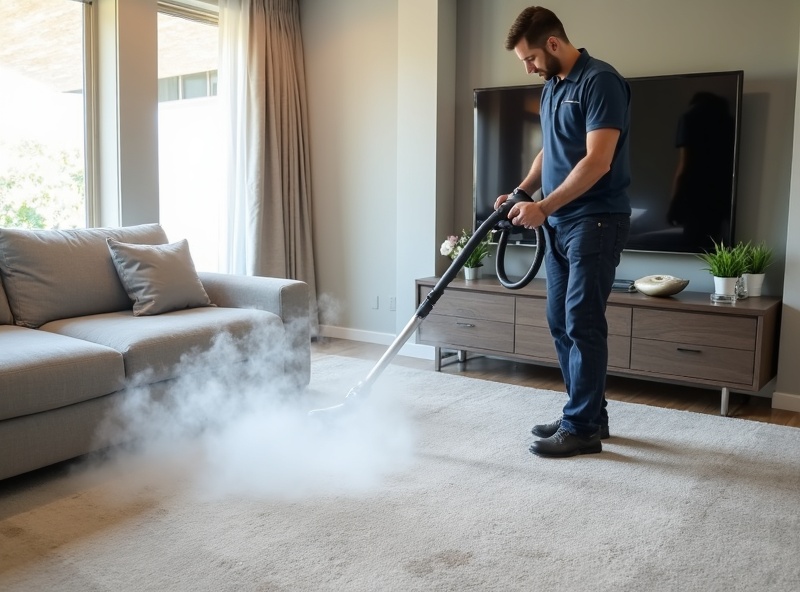
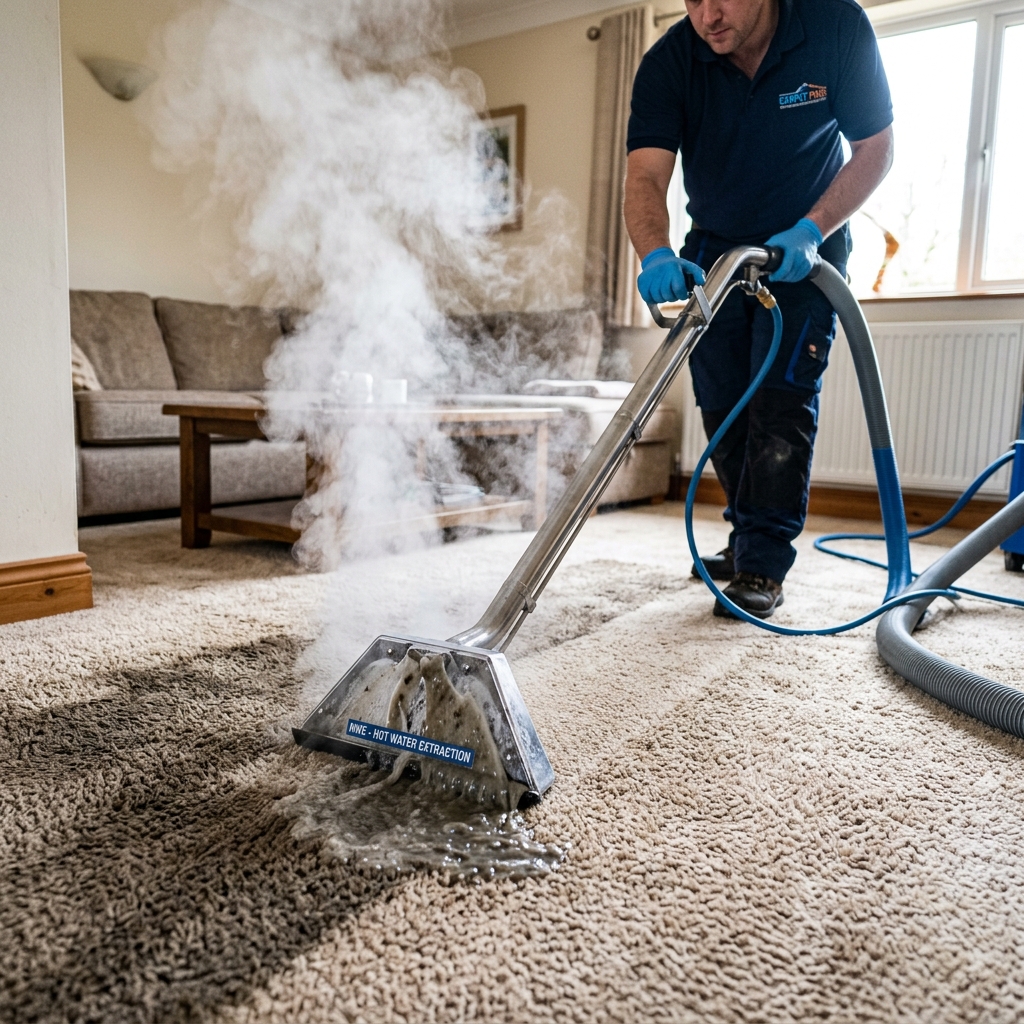
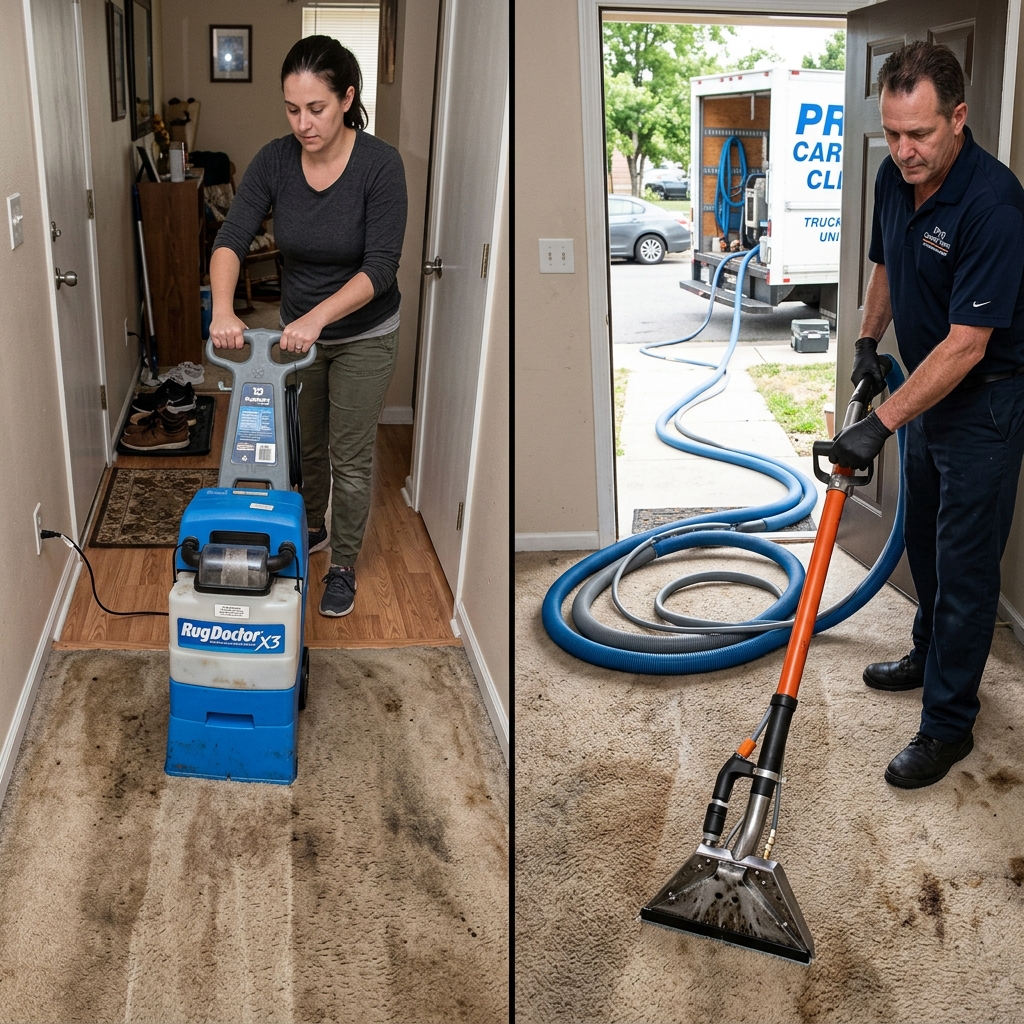
To combat this constant influx of dirt, you should vacuum entryways and hallways at least three times a week. Frequent vacuuming lifts the abrasive grit before it can settle deep into the pile. For deep maintenance, these zones require professional hot water extraction every six months. Professional extraction flushes out the embedded grit and restores the resilience of the matted fibres, preventing set-in traffic lanes from forming. Placing durable walk-off mats inside and outside doors will also catch up to eighty percent of soil before it reaches your carpeted areas.
The Living Room and Family Area: The Social Hubs
The living room is where the household gathers. It is a space for relaxation, entertainment, play, and socializing. Because of this, it is highly susceptible to food spills, drink splashes, pet activity, and general dust build-up. Unlike entryways, where dry dirt is the main problem, living rooms face a combination of physical wear, airborne dust, and organic stains.
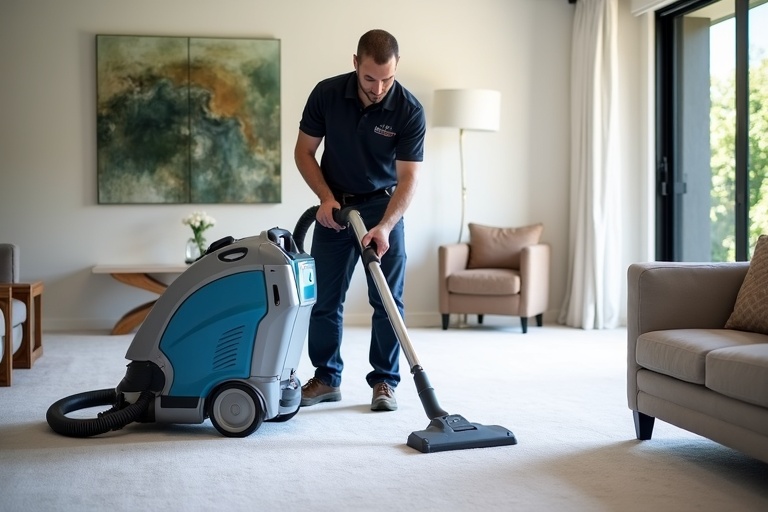
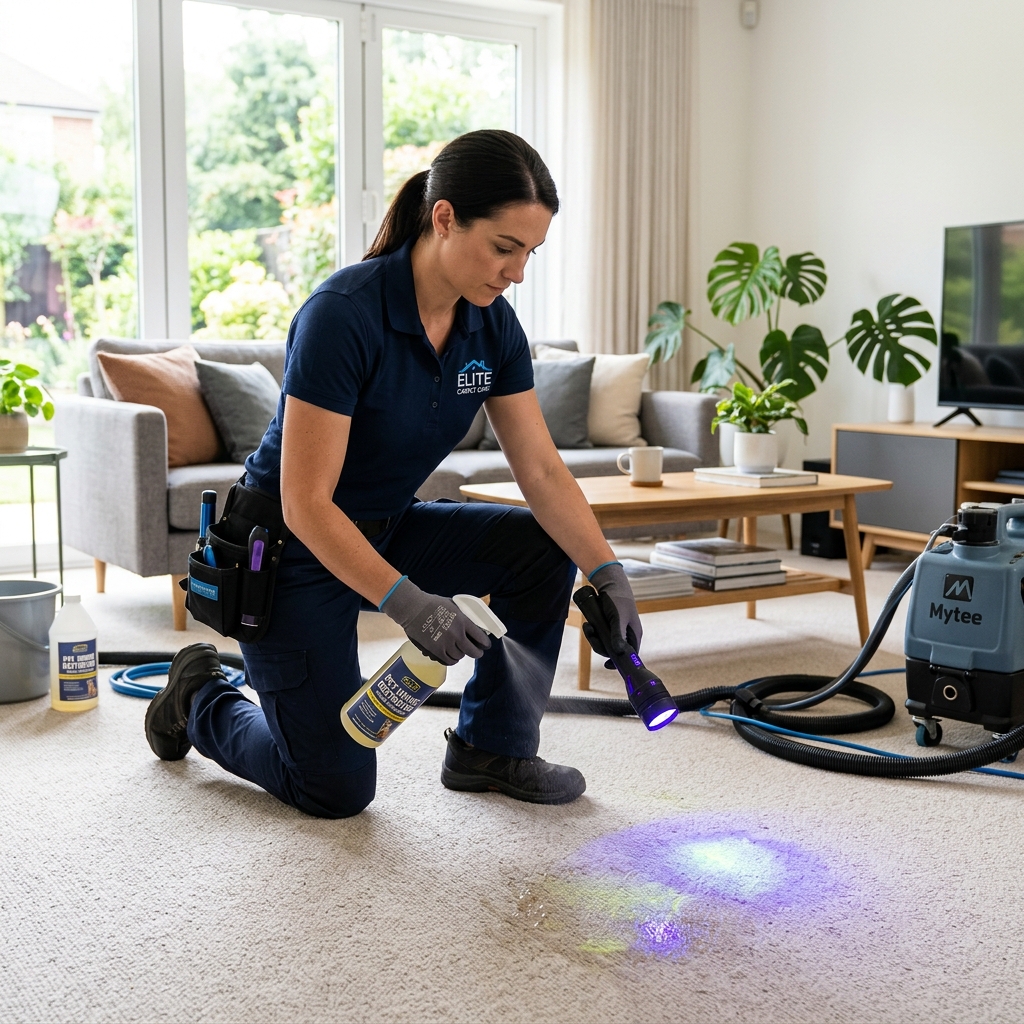
For active living rooms, vacuuming should occur two to three times a week, focusing on areas in front of sofas and chairs. Professional cleaning should be scheduled every six to twelve months. If you have pets or young children who spend a lot of time on the living room floor, leaning toward the six-month mark is advisable to maintain proper sanitation. Professional cleaners can also apply protective treatments that wrap around the fibres, making it easier to blot up spills and vacuum up dirt during your regular routine.
The Dining Room: The Spill Zone
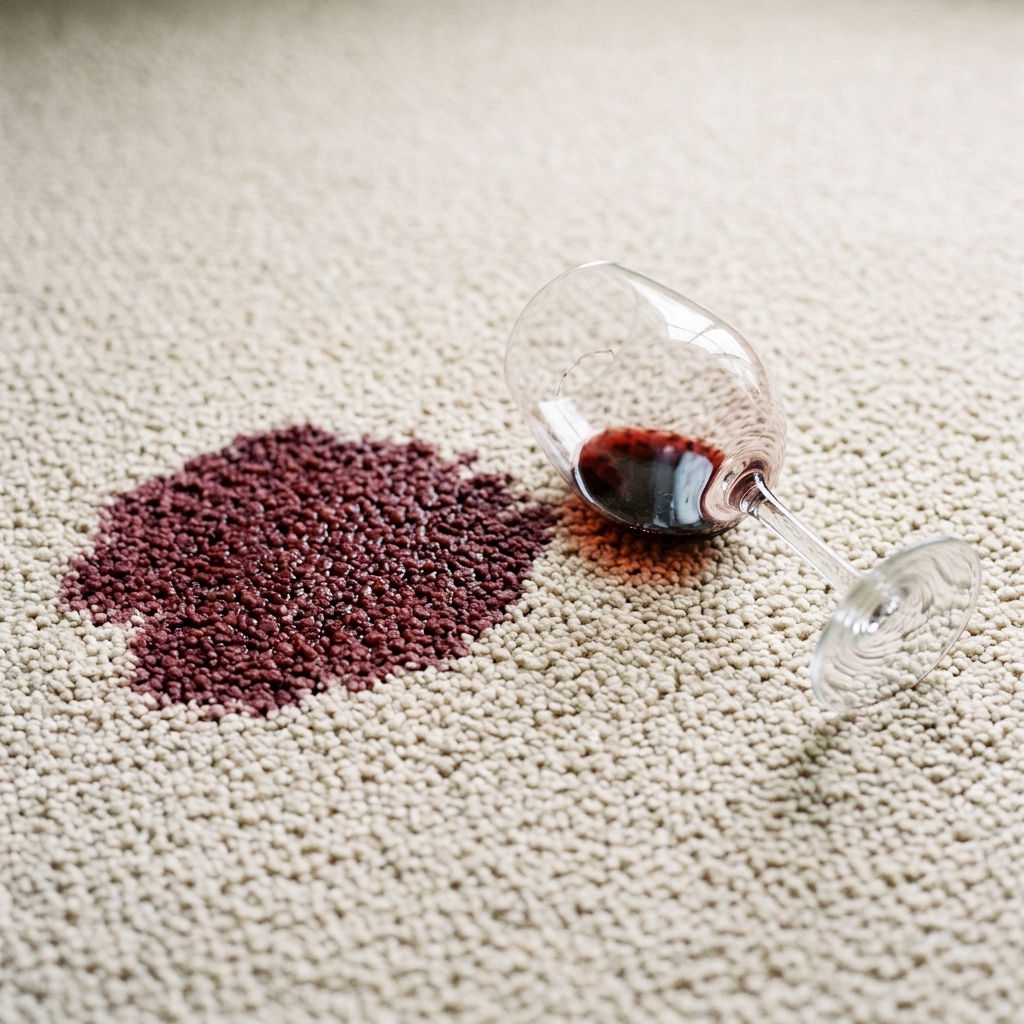
While some homes have hard flooring in the dining area, many still feature carpeting. Dining room carpets face unique challenges, primarily food crumbs, grease, and liquid spills. When organic food particles fall into the carpet, they can attract pests and serve as a breeding ground for bacteria if not cleaned promptly. The friction of sliding chairs also adds localized physical stress to the fibres.
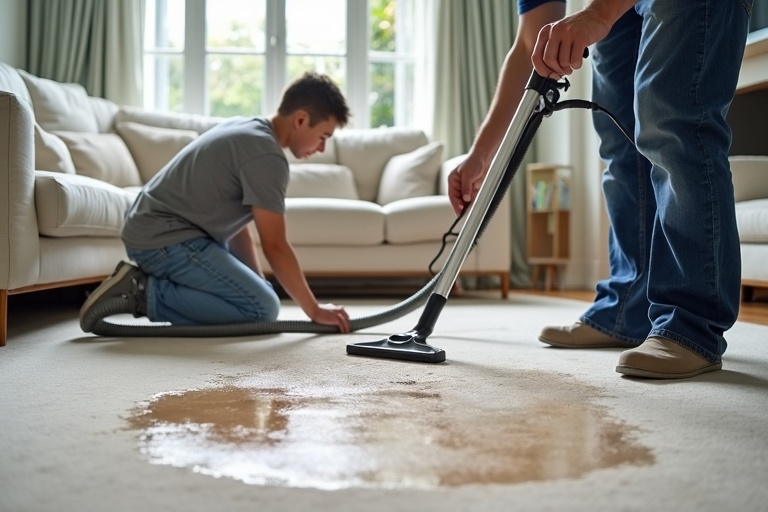
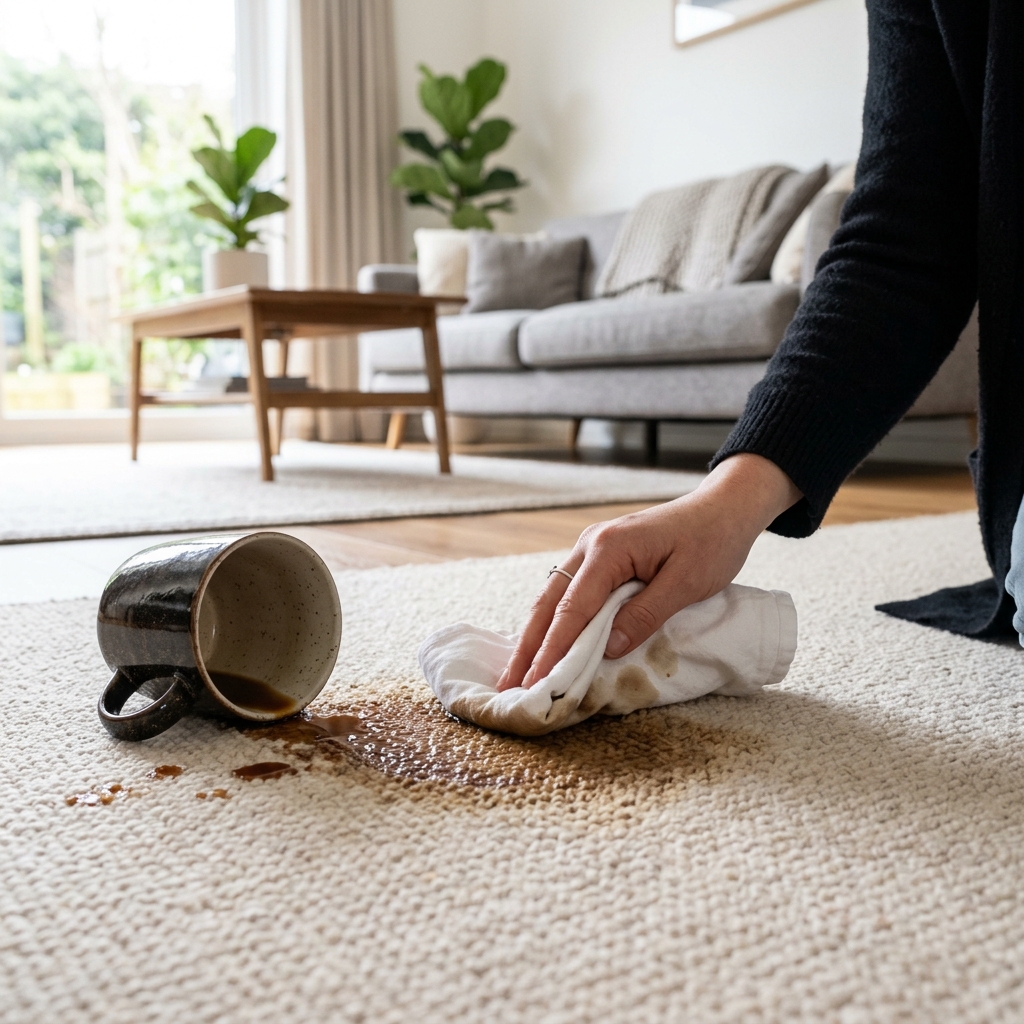
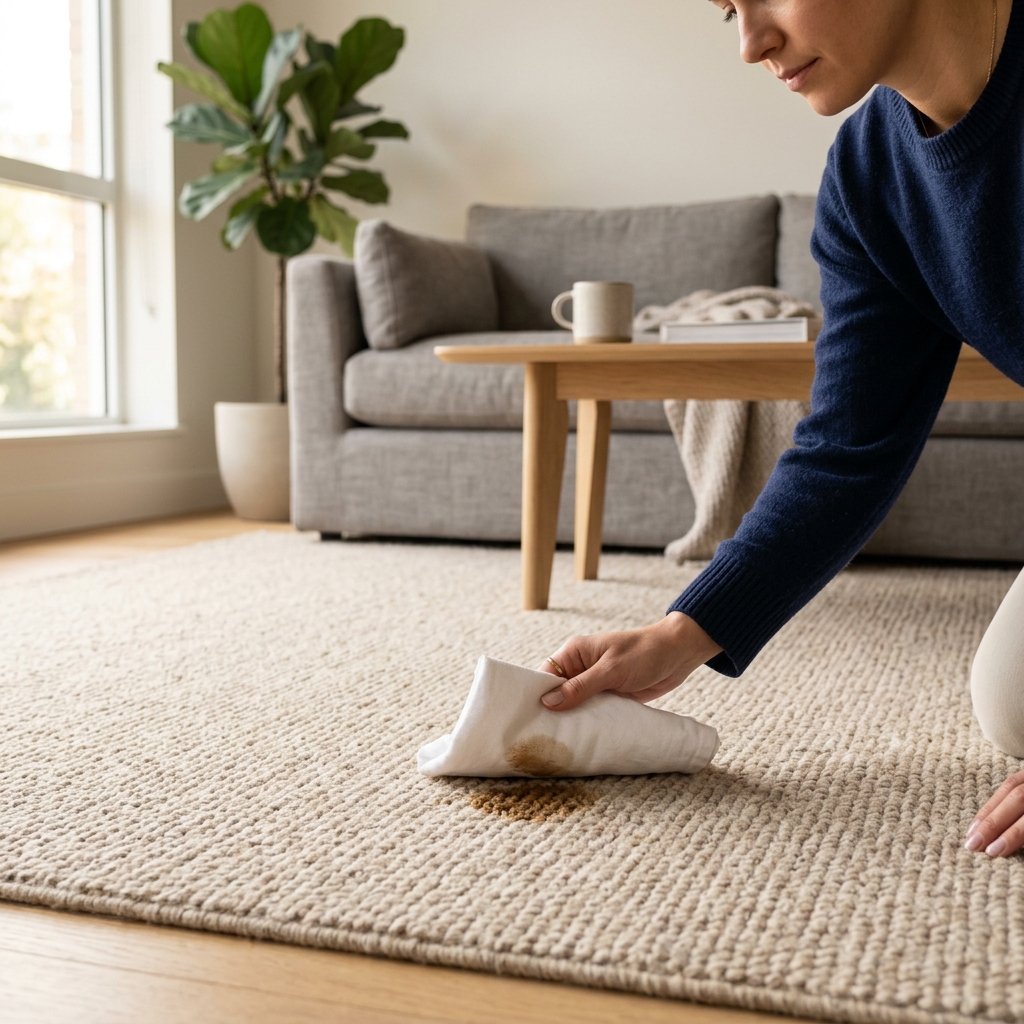
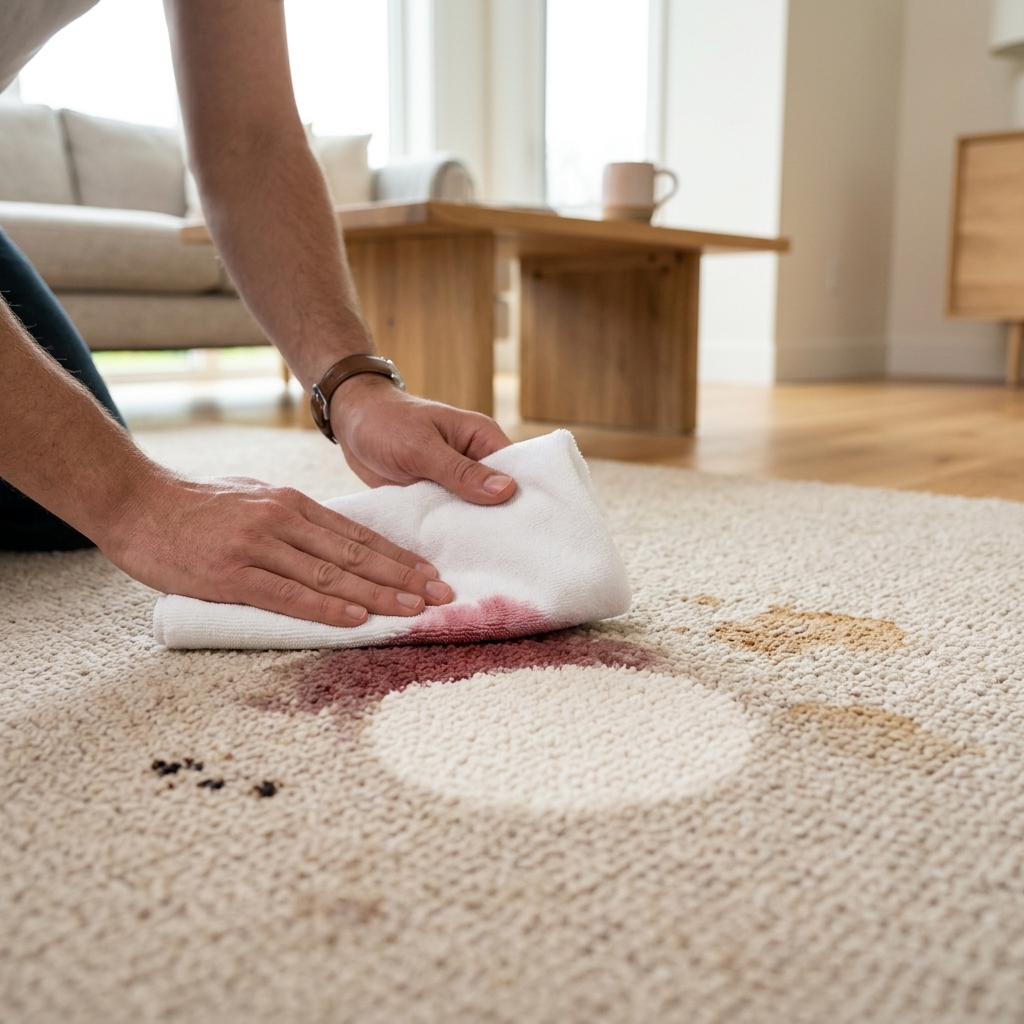
Vacuuming the dining room twice a week is recommended, particularly after major family meals. In terms of professional cleaning, an annual visit is usually sufficient, provided you deal with spills immediately. When a spill occurs, blot it with a clean white towel from the outside in, and avoid scrubbing, which can distort the fibres. If the dining room is used daily and is prone to frequent spills, shifting to a professional clean every six to nine months will prevent grease build-up and keep the room smelling fresh.
The Bedrooms: The Sleep Sanctuaries
Bedrooms are generally low-traffic areas. People usually spend time there sleeping or resting, meaning the physical wear on the fibres is minimal. However, bedrooms accumulate a large amount of microscopic soil. We spend about eight hours a night in our bedrooms, during which we shed millions of dead skin cells. These skin flakes settle into the carpet, providing an abundant food source for microscopic dust mites. Additionally, bedrooms hold airborne dust, clothing lint, and pet dander.
Because the physical wear is low, vacuuming bedrooms once a week is typically enough. However, because we breathe the air in our bedrooms for a third of the day, maintaining a clean carpet is crucial for respiratory health. A professional deep clean every twelve to eighteen months is recommended to flush out dust mites, dander, and skin cells. This deep extraction improves indoor air cleanliness, helping you breathe easier and sleep better.
The Children's Playroom: The Active Floor Space
Playrooms are spaces where infants crawl, toddlers roll, and kids build towers. Children are in constant, direct contact with the carpet. They also bring in art supplies, play dough, crumbs, and juices. Because of this close contact, playroom carpets must be kept to the highest level of hygiene and safety.
Vacuuming in playrooms should be done daily or every other day to remove small toys, crumbs, and loose dirt that could pose a choking hazard or attract pests. Professional cleaning should be done every six months. When hiring professionals, ask for non-toxic, low-tox cleaning agents that are safe for children and pets. Frequent hot water extraction removes harmful bacteria, allergens, and sticky residues, creating a safe, hygienic environment where your kids can play freely.
Home Offices and Studies: The Workspaces
With the rise of remote work, home offices have become high-activity zones. The primary source of carpet wear in a home office comes from office chairs. The rolling wheels of a desk chair put immense pressure on a small section of the carpet, grinding dirt into the backing and crushing the pile.
Vacuuming the office once a week is sufficient, but you should pay extra attention to the space under the desk. To protect the carpet from chair wheels, place a durable plastic chair mat over the carpet. In terms of deep cleaning, a professional visit every twelve to eighteen months will lift matted fibres and extract the dirt ground in by foot traffic.
Adjusting the Schedule for Your Lifestyle
While these room-by-room suggestions provide a solid foundation, you must adjust them based on your specific lifestyle. Households with multiple dogs or cats will need to clean their carpets twice as often to manage pet hair, dander, and outdoor dirt. Similarly, if anyone in your family suffers from moderate to severe asthma, eczema, or seasonal allergies, scheduling professional steam cleaning every six months across all rooms will significantly reduce environmental triggers. By keeping a consistent cleaning schedule, you protect your flooring investment, improve your home's overall hygiene, and ensure a fresh, healthy living space for your family.