How to Remove Coffee Stains from Carpet Without Leaving a Mark
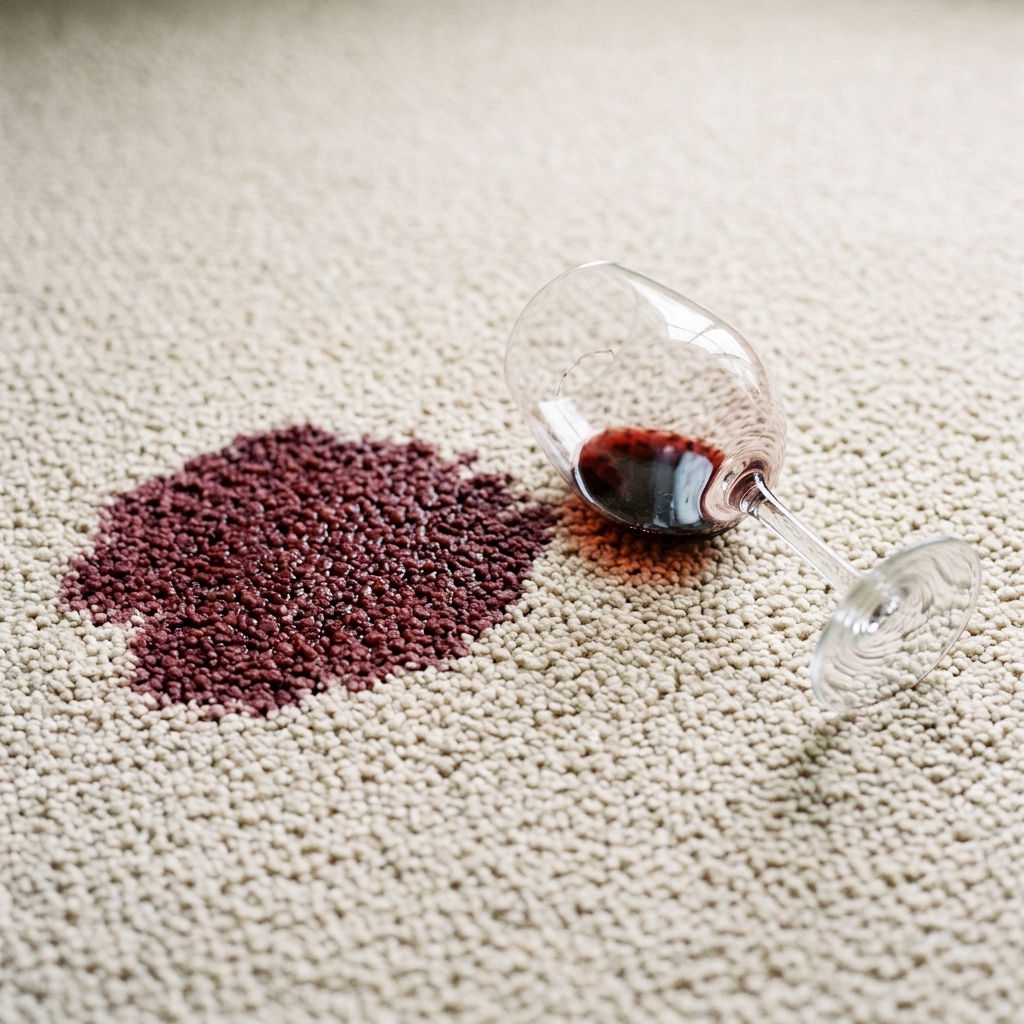
There's a particular kind of dread that comes with watching a full cup of coffee tip over and soak into your carpet. Coffee stains are notorious for being difficult to fully remove, and if handled incorrectly, they can leave behind a faint yellow-brown ring long after the initial spill has been cleaned up. The tannins in coffee bind readily to carpet fibres, and the milk or sugar often added to a cup can complicate the cleaning process further.
The good news is that coffee stains are very treatable if you act quickly and use the right process. At Fresho Carpet Cleaning Brisbane, we've successfully removed countless coffee stains, both fresh and old, and in this guide, we'll walk you through exactly how to do it at home without leaving a lingering mark.
Why Coffee Stains Carpet So Easily
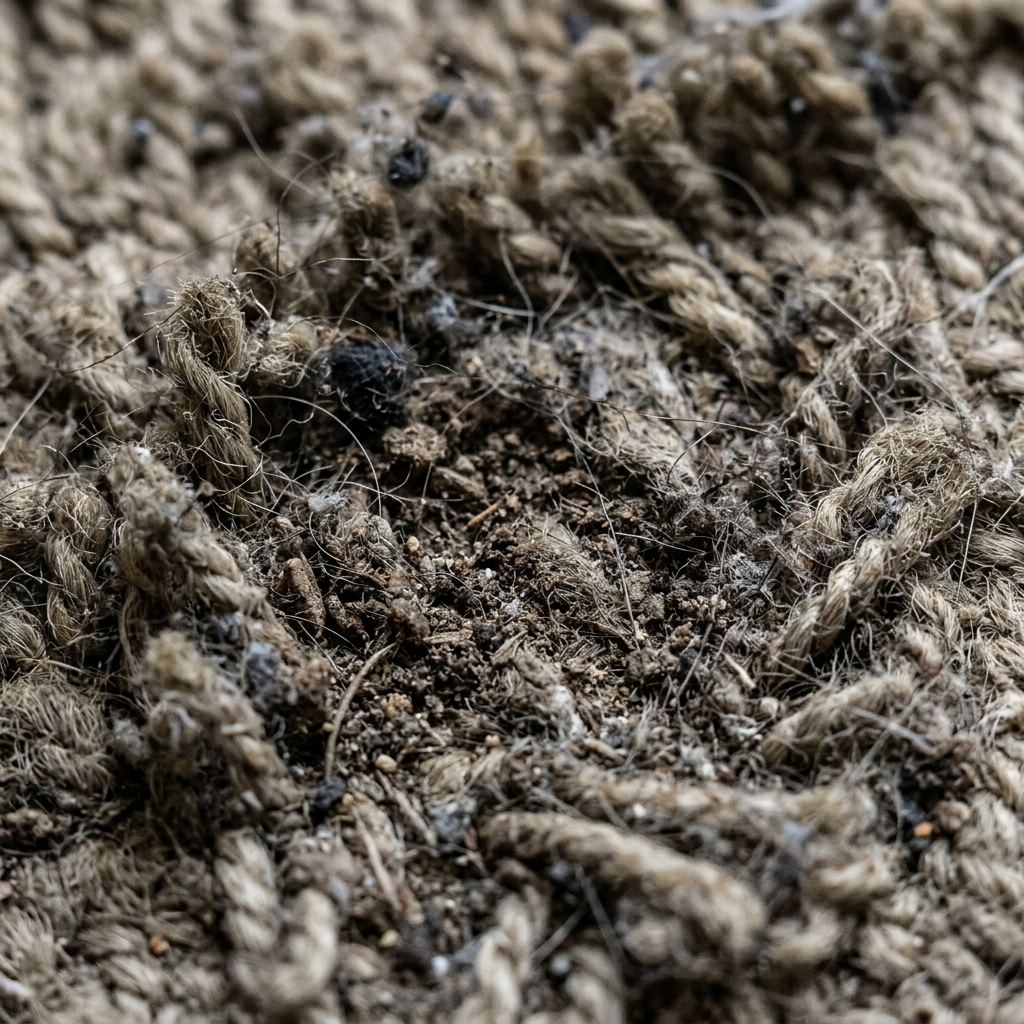
Coffee contains tannins, natural plant compounds that are notorious for staining fabric. These tannins bond quickly with carpet fibres, particularly light-coloured or synthetic carpets, and if left untreated, they can oxidise and darken over time, making the stain progressively harder to remove the longer it's left.
Coffee with milk or cream adds another layer of complexity, as the dairy component can leave behind a residue that, if not fully removed, can attract dirt and cause the area to darken again even after the visible coffee stain appears gone.
Step 1: Act Quickly
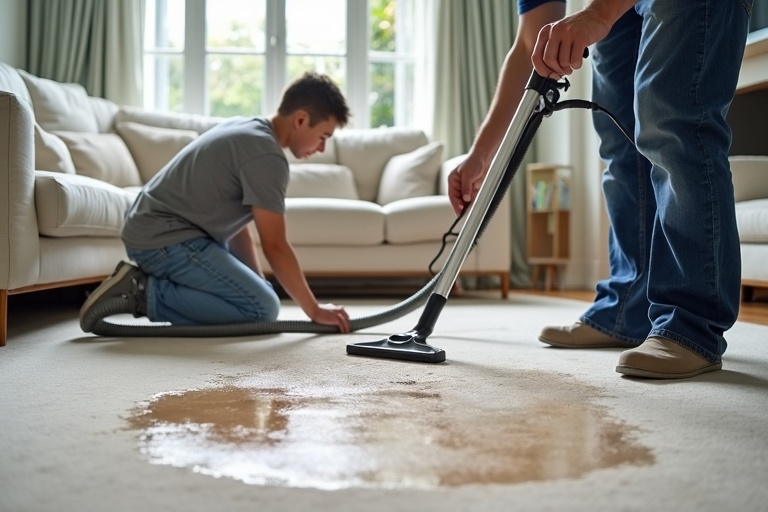
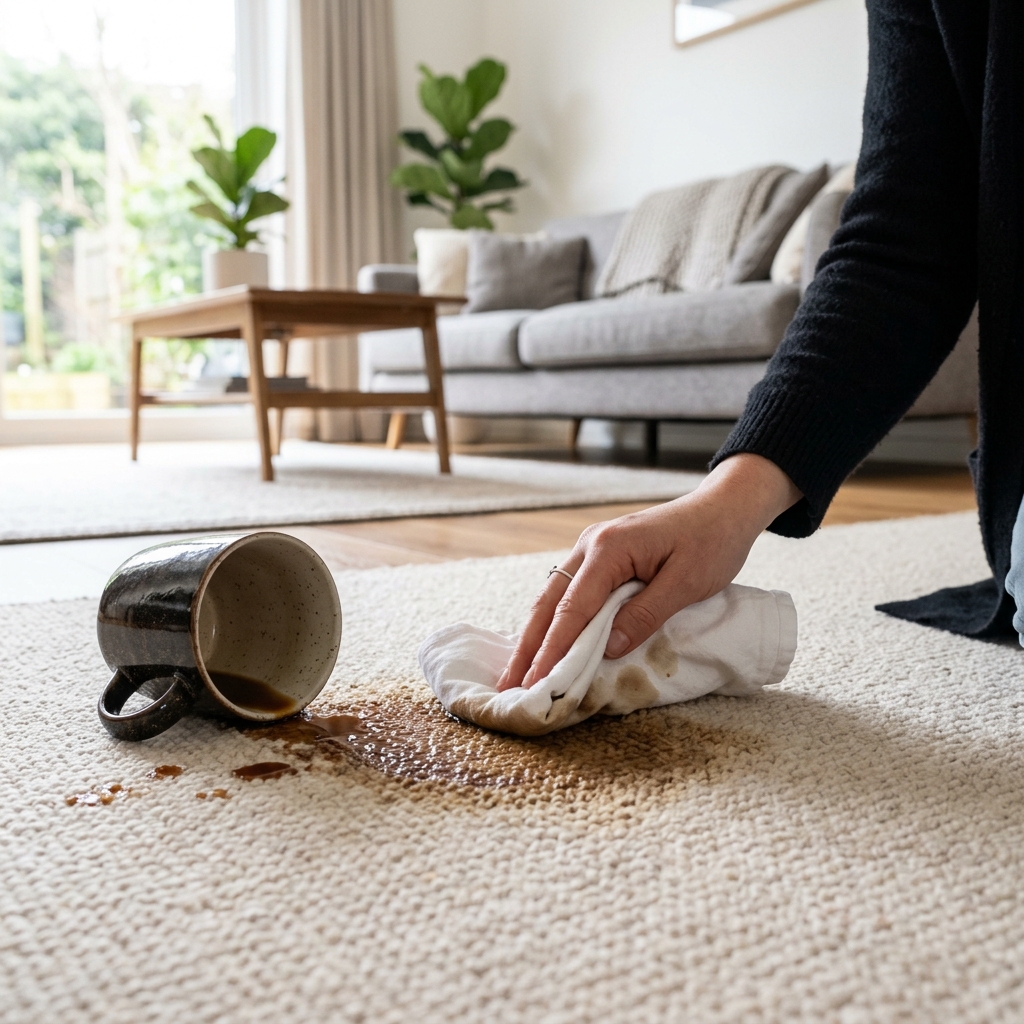
The single most important factor in successfully removing a coffee stain is speed. The longer coffee sits on the carpet, the more time the tannins have to bond with the fibres, making the stain significantly harder to lift. As soon as a spill happens, grab a clean, absorbent white cloth or paper towel and get to work.
Step 2: Blot, Don't Rub
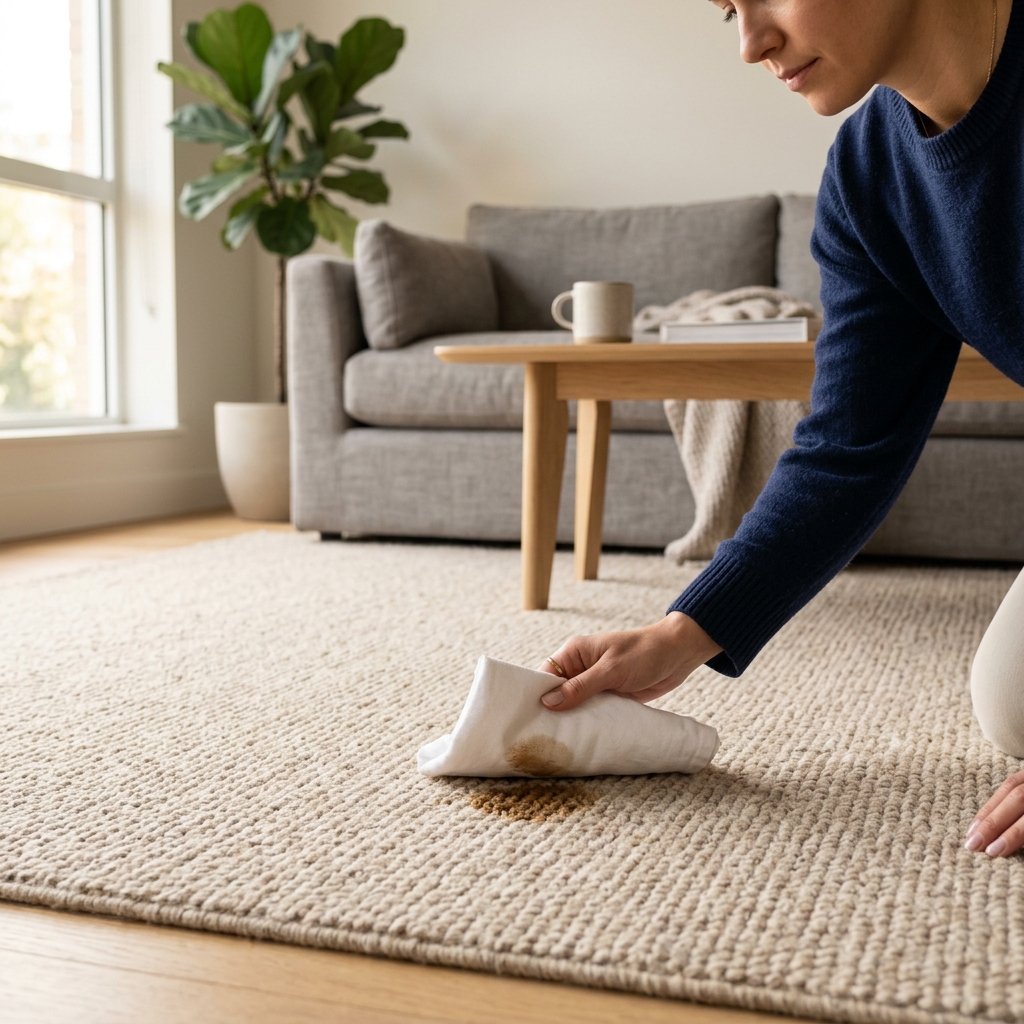
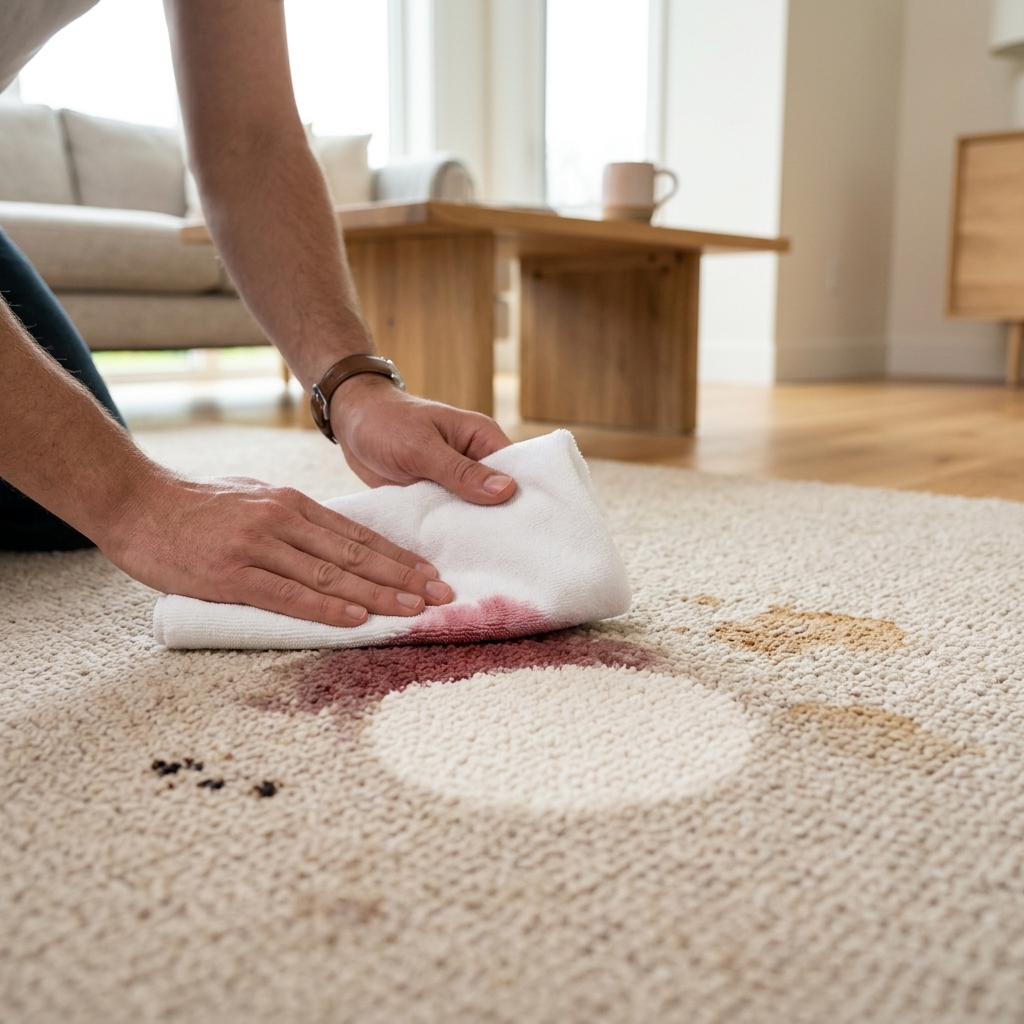
Press a clean cloth firmly onto the spill and lift straight up, repeating with a fresh section of the cloth as it absorbs coffee. Never rub the stain, as rubbing spreads the coffee further into the fibres and can also damage the carpet pile, particularly on plush or looped carpet styles. Work from the outer edge of the stain inward to prevent it from spreading to a larger area.
Step 3: Prepare a Cleaning Solution
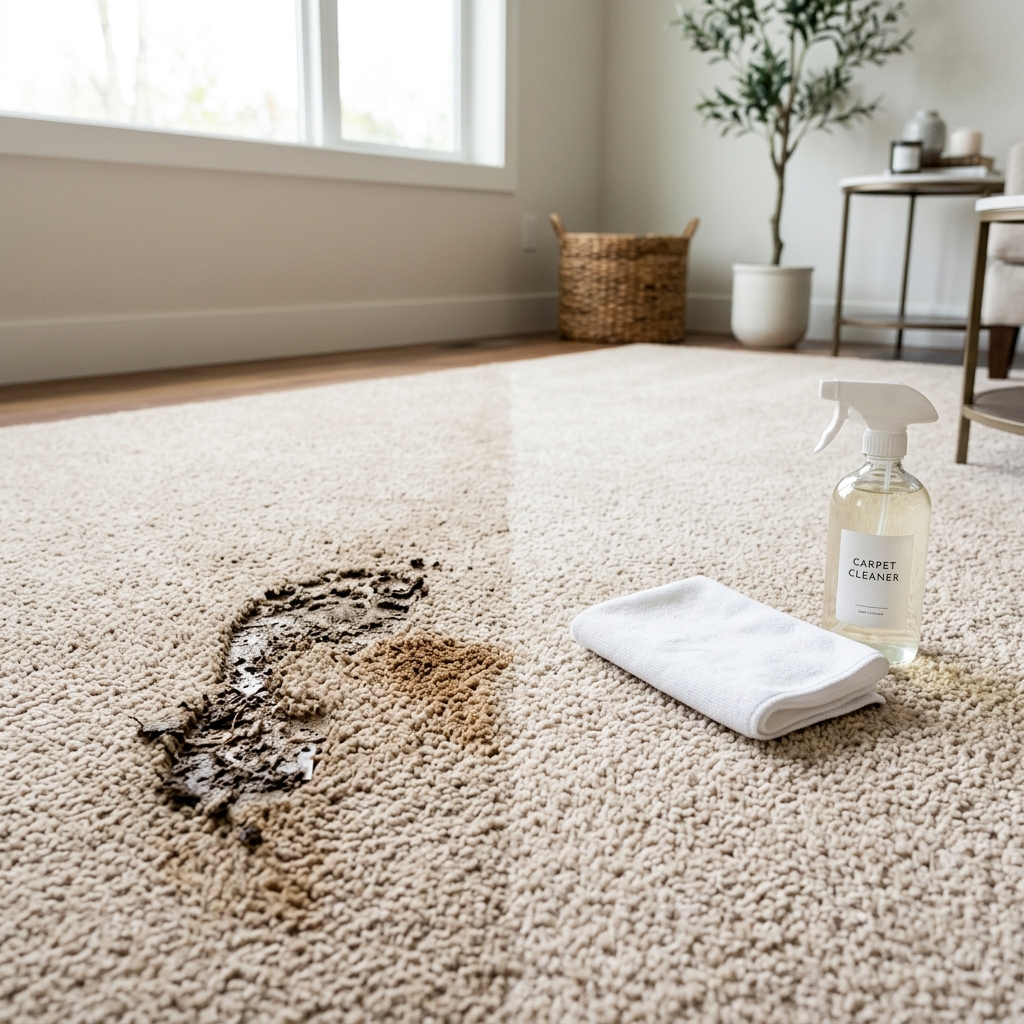
For most carpets, a simple solution of one tablespoon of mild dishwashing liquid, one tablespoon of white vinegar, and two cups of warm water works well as a first line of treatment. Mix the solution and test it on an inconspicuous area of carpet first, such as inside a closet or under furniture, to ensure it doesn't cause any discolouration.
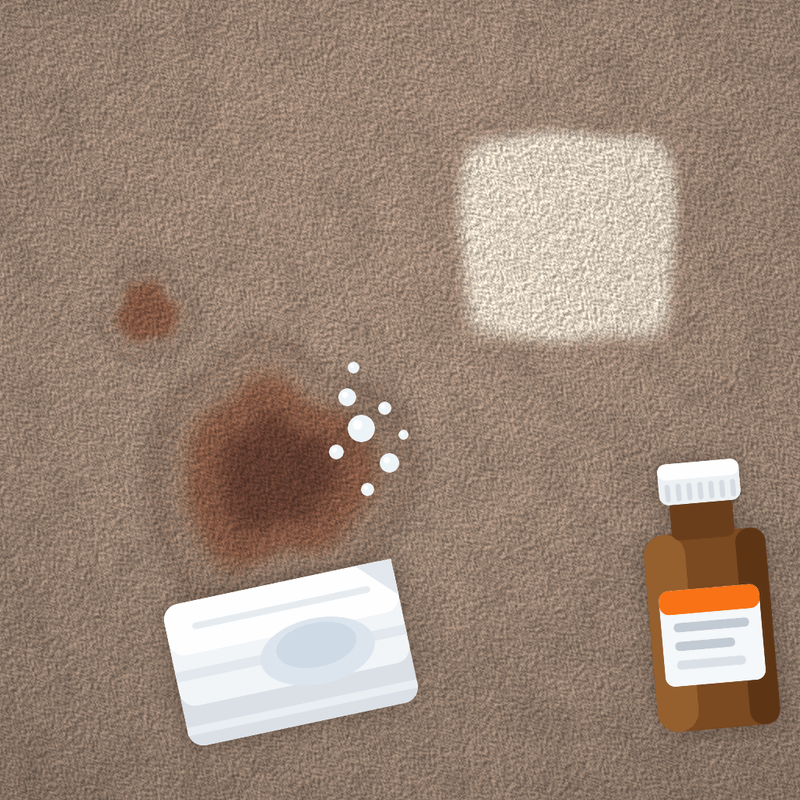
For synthetic carpets with more stubborn or older coffee stains, a small amount of hydrogen peroxide diluted with water can also work well, though this should always be patch tested first, particularly on darker or dyed carpets, as it can occasionally cause lightening.
Step 4: Apply and Blot
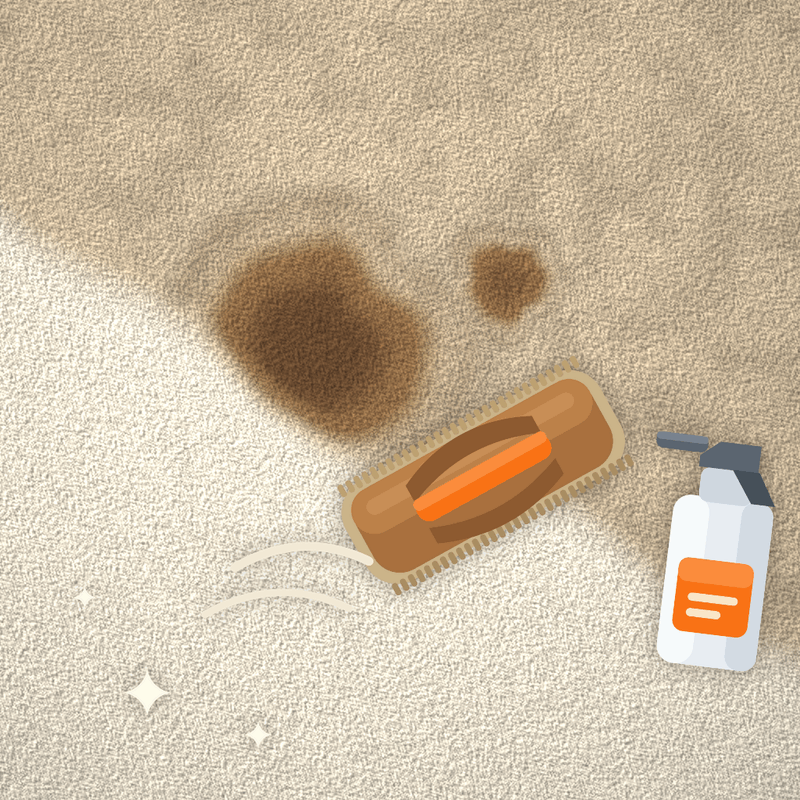
Apply the cleaning solution to a clean cloth, rather than pouring it directly onto the carpet, and gently blot the stained area, working from the outside in. Continue blotting with fresh sections of cloth, reapplying solution as needed, until no more coffee colour transfers to the cloth.
Avoid oversaturating the carpet, as excess moisture can seep into the underlay and potentially cause a secondary problem, such as mould growth or a lingering damp smell, if not dried thoroughly afterward.
Step 5: Rinse and Dry
Once the stain has lifted, dampen a clean cloth with plain water and blot the area again to rinse away any cleaning solution residue. Leaving cleaning product residue in the carpet can actually attract dirt over time, causing the area to appear dirty again even after the original stain is gone.
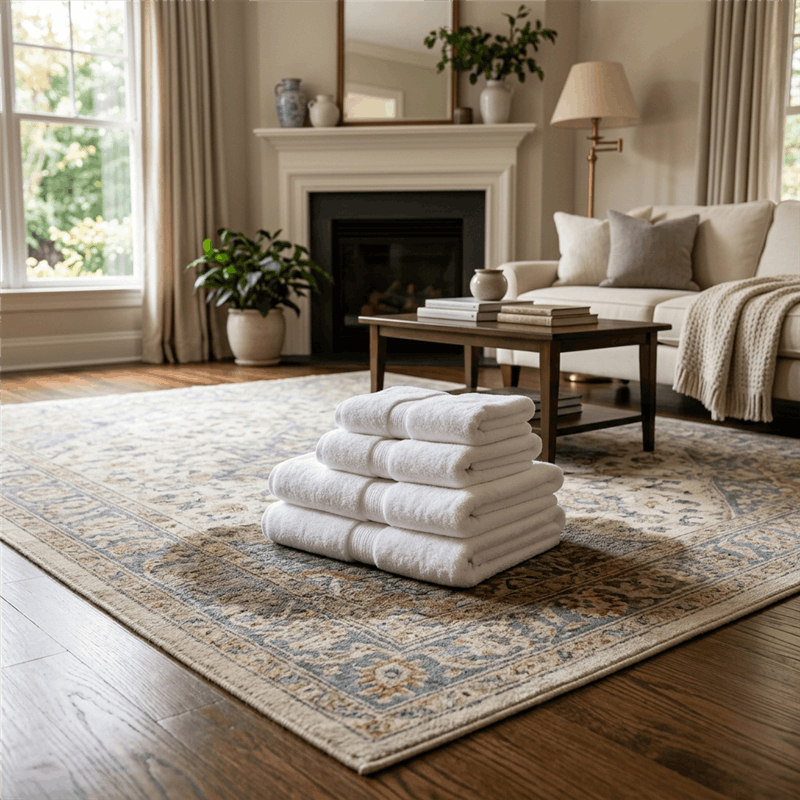
Finish by placing a dry, absorbent towel over the area and applying light pressure, or standing on it, to draw out remaining moisture. Allow the carpet to air dry fully, using a fan or opening windows to speed up the process, and avoid walking on the area or replacing furniture until it's fully dry.
Coffee Stains on Different Carpet Types
Synthetic carpets, such as nylon and polyester, generally respond well to the cleaning method described above, since these fibres are less prone to absorbing liquid deeply or reacting badly to mild cleaning solutions. Wool carpets require a lighter touch, using cooler water and gentler blotting, as excessive agitation or heat can affect the wool's natural texture and cause the fibres to felt or mat together.
Looped or Berber-style carpets need particular care during blotting, as vigorous rubbing can snag and pull individual loops, creating a visible flaw in the carpet's texture that's separate from the stain itself. Always blot gently and in the direction of the loops when working on this carpet style.
What About Coffee Stains on Carpet Rugs?
Area rugs and carpet runners can generally be treated using the same method, though it's worth checking whether the rug has a rubber or latex backing, which can sometimes react differently to moisture than a fully carpeted floor. If the rug is a valuable or antique piece, particularly one made from natural fibres like wool or silk, it's often safer to have it professionally assessed rather than risk a DIY treatment that could affect its value or condition.
Dealing With Old or Set-In Coffee Stains
If you're dealing with an older coffee stain that's already dried and set into the carpet, the process is similar but may require more patience and repeated treatment. Start by lightly dampening the area with warm water to help loosen the dried tannins, then apply the cleaning solution as described above, allowing a few minutes of dwell time before blotting.
For particularly stubborn set-in stains, a specialised commercial carpet stain remover formulated for tannin-based stains, such as coffee, tea, or wine, may work better than a homemade solution. Always use the product instructions and patch test first.
Frequently Asked Questions
Does adding milk to coffee make the stain worse?
It can complicate treatment, since the dairy component may leave behind a residue that needs to be fully rinsed out, in addition to treating the tannin-based coffee stain itself.
Can club soda be used instead of a detergent solution?
Club soda is a common home remedy and can help lift a very fresh spill, but it's generally less thorough than a proper detergent and vinegar solution for anything beyond an immediate spill.
What if the stain reappears after a few days?
This is often a sign that some coffee residue remains deeper in the carpet fibres or backing, which can wick back up to the surface as the carpet dries. Reapplying the treatment, or calling a professional for deeper extraction, usually resolves this.
Common Mistakes That Leave a Mark Behind
- Using hot water, which can set the stain rather than lift it
- Rubbing the stain instead of blotting
- Skipping the rinse step, leaving behind cleaning product residue that attracts dirt
- Not fully drying the carpet, leading to a musty smell or new discolouration
- Using bleach-based products, which can strip colour from the carpet
- Waiting too long to treat the stain, allowing it to fully set and oxidise
Preventing Future Coffee Stains
- Use travel mugs with secure lids when carrying coffee through carpeted areas
- Keep a designated coffee station away from high-traffic carpeted zones where possible
- Apply a carpet protector treatment, which helps liquids bead on the surface rather than soak in immediately
- Keep a stain-removal kit on hand so you can respond within the first crucial minutes of a spill
When to Call a Professional
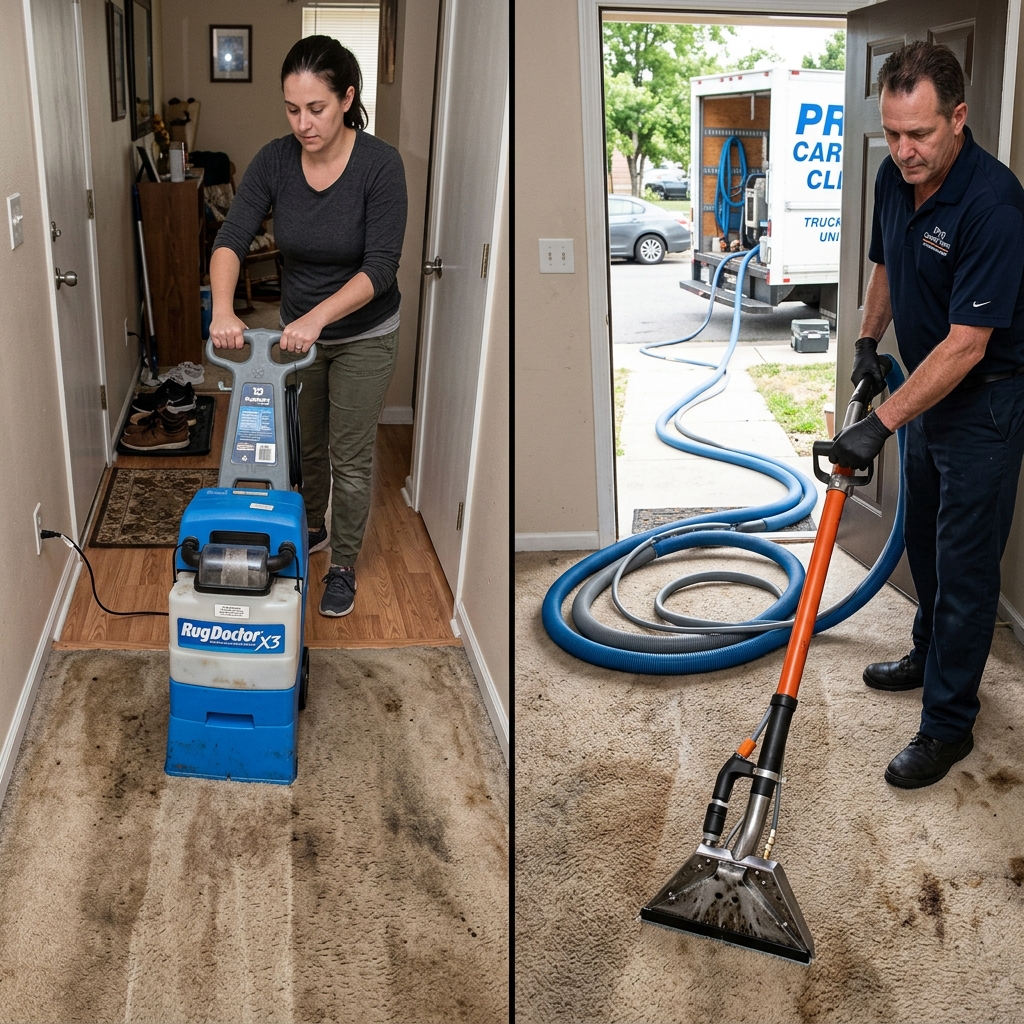
Most fresh coffee stains can be successfully treated at home using the method above. However, if the stain is old, particularly large, or hasn't fully lifted despite your best efforts, it may be time to call in a professional. This is especially true for wool or other natural fibre carpets, where the wrong cleaning approach can cause more harm than good.
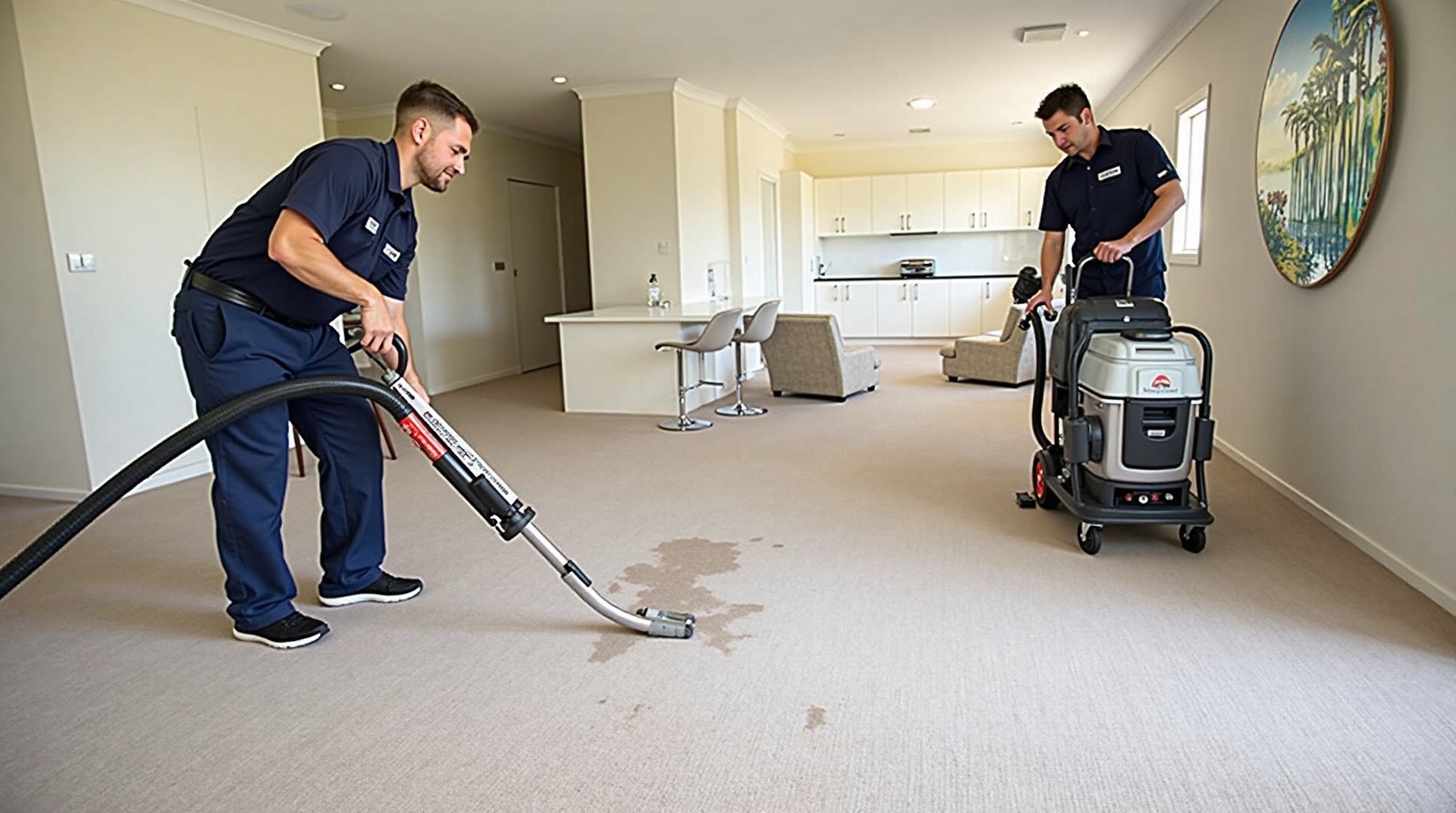
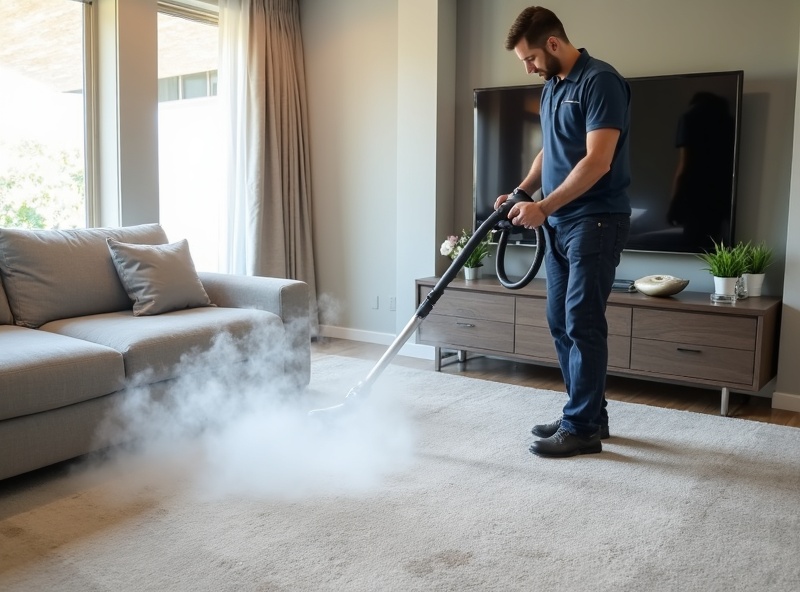
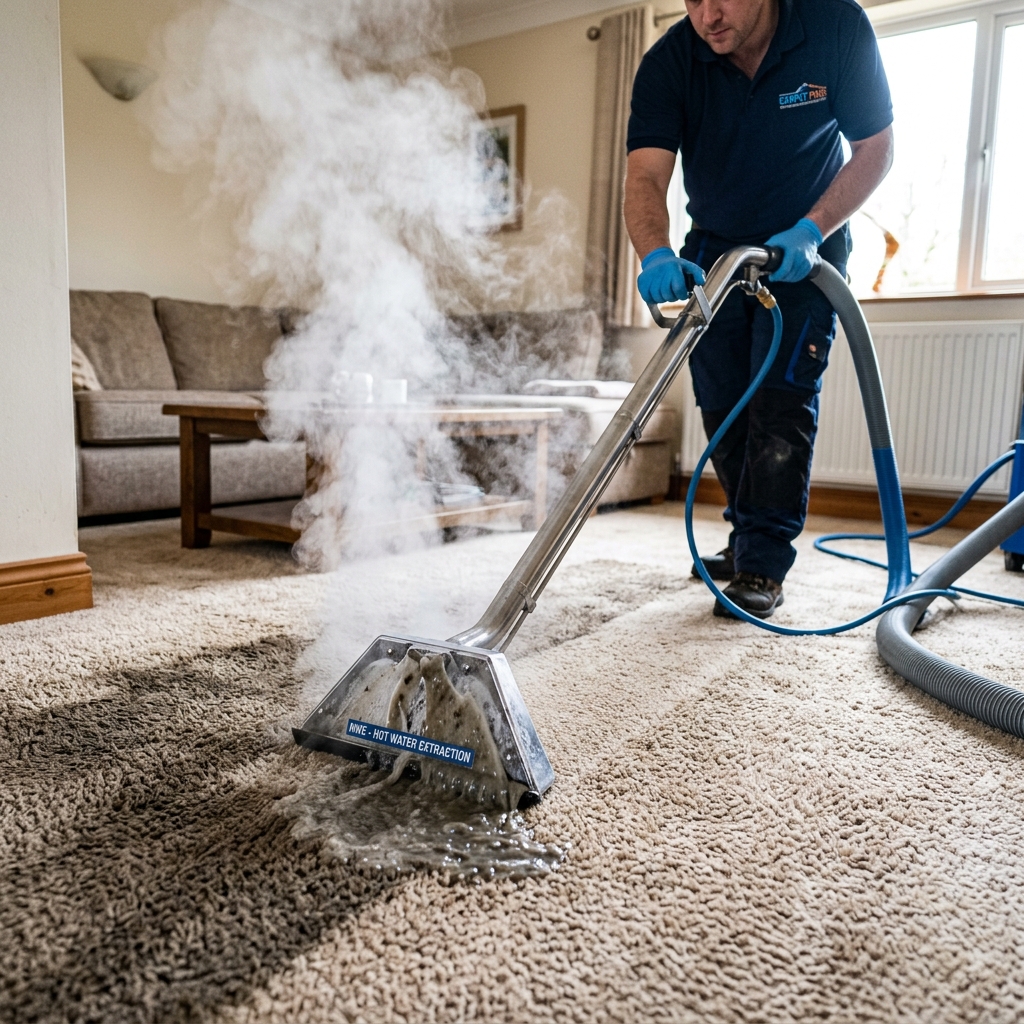
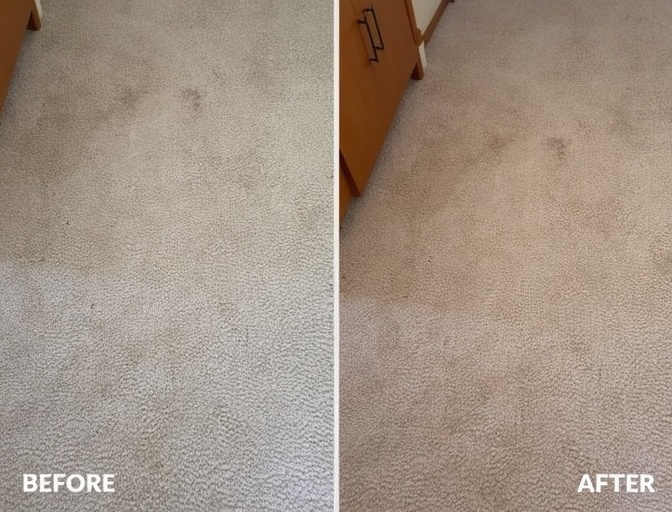
At Fresho Carpet Cleaning Brisbane, our technicians use professional-grade stain removal solutions and hot water extraction equipment that lifts tannin stains far more thoroughly than most home remedies, without the risk of leaving a lingering mark or residue behind.
Final Thoughts
Coffee stains might seem daunting, but with a quick response and the right technique, blotting rather than rubbing, using a suitable cleaning solution, and rinsing and drying thoroughly, they can be removed cleanly without leaving a mark behind. For older or more stubborn stains, professional treatment is often the safest and surest path to a fully restored carpet.
If you're dealing with a coffee stain that just won't budge, get in touch with Fresho Carpet Cleaning Brisbane today for expert stain removal that gets your carpet looking spotless again.