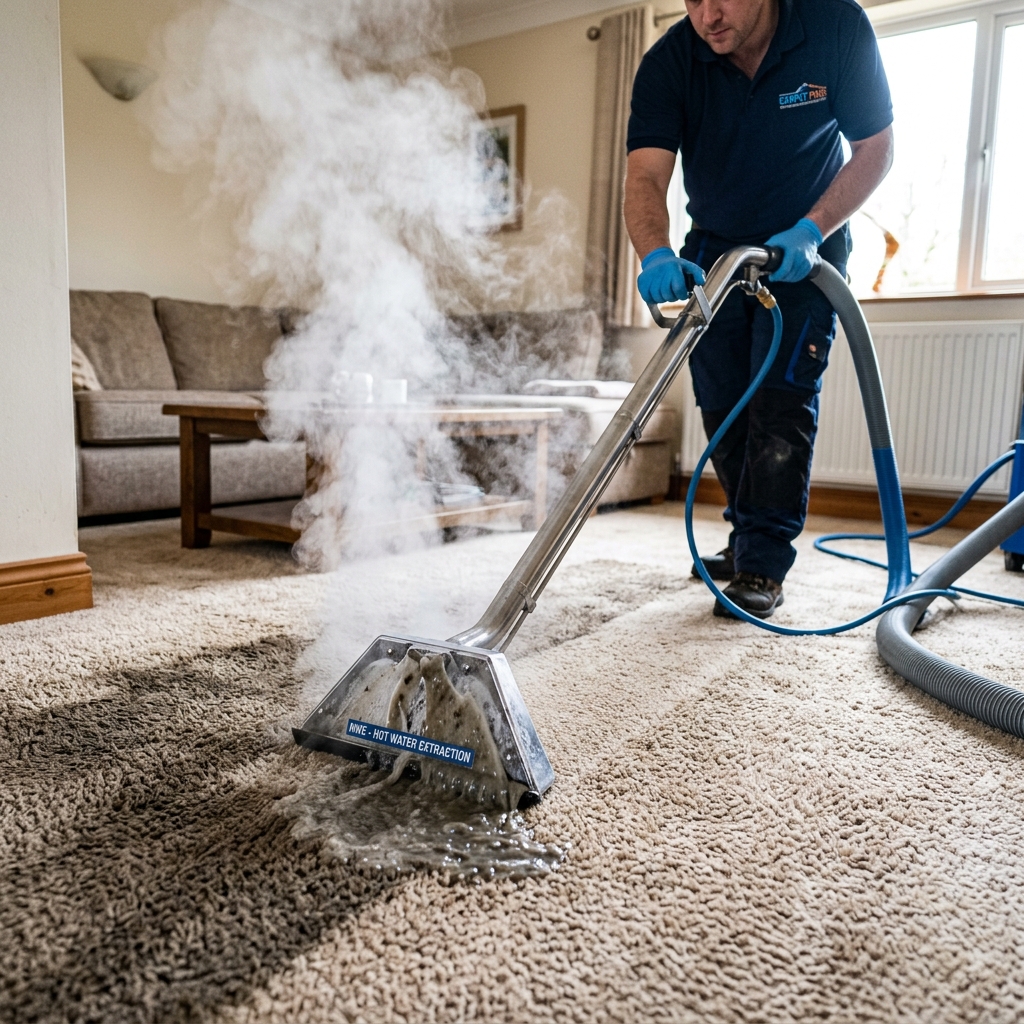
Hot Water Extraction vs Shampooing: Which Carpet Cleaning Method Wins?
Over the years, the technology and chemistry behind carpet cleaning have evolved significantly. Decades ago, homeowners and businesses had limited choices when it came to deep cleaning their flooring. Today, there are several distinct methods, with hot water extraction and carpet shampooing being two of the most commonly discussed. While they might sound similar to the average consumer, they rely on entirely different mechanisms to clean carpet fibres. Understanding the differences between these two methods is essential for choosing the best service for your home. This article provides an honest, head-to-head comparison between hot water extraction and traditional shampooing to determine which method is the true winner.
The Traditional Method: Carpet Shampooing
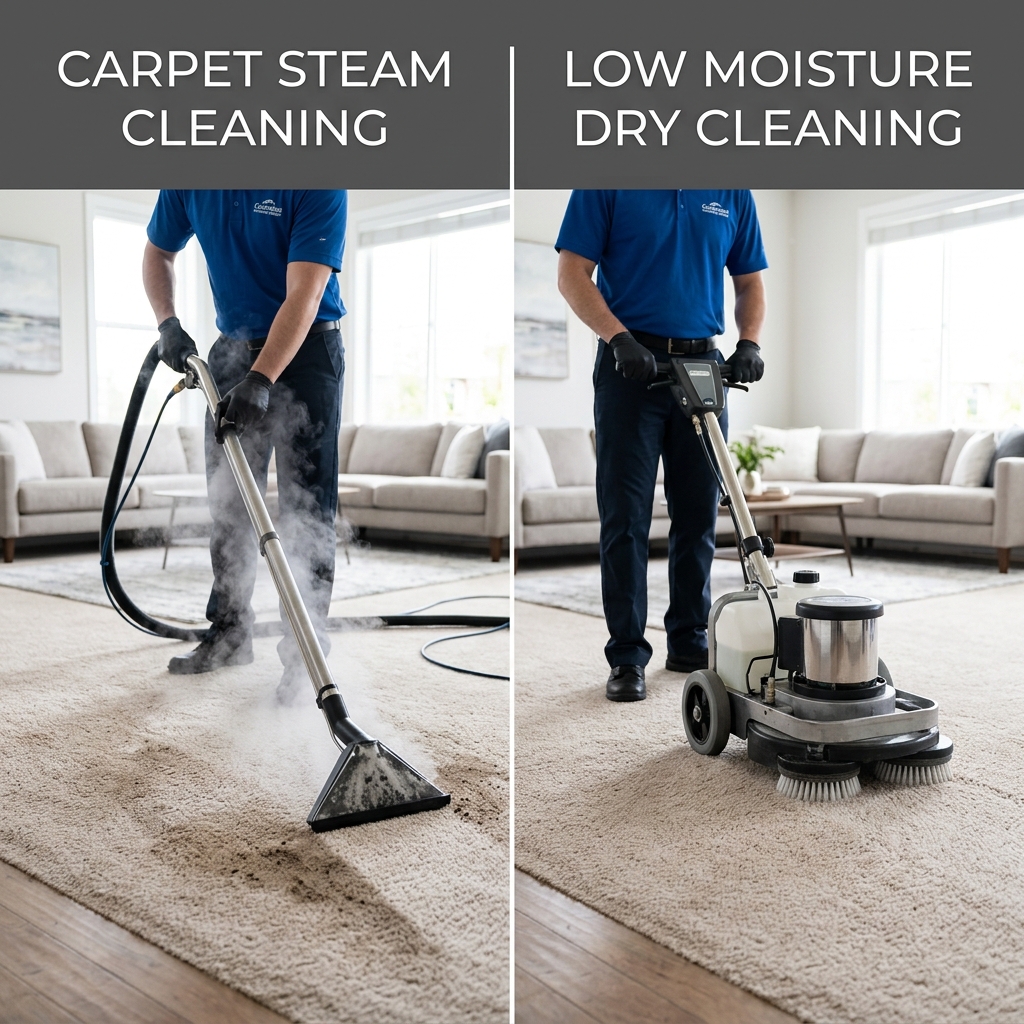
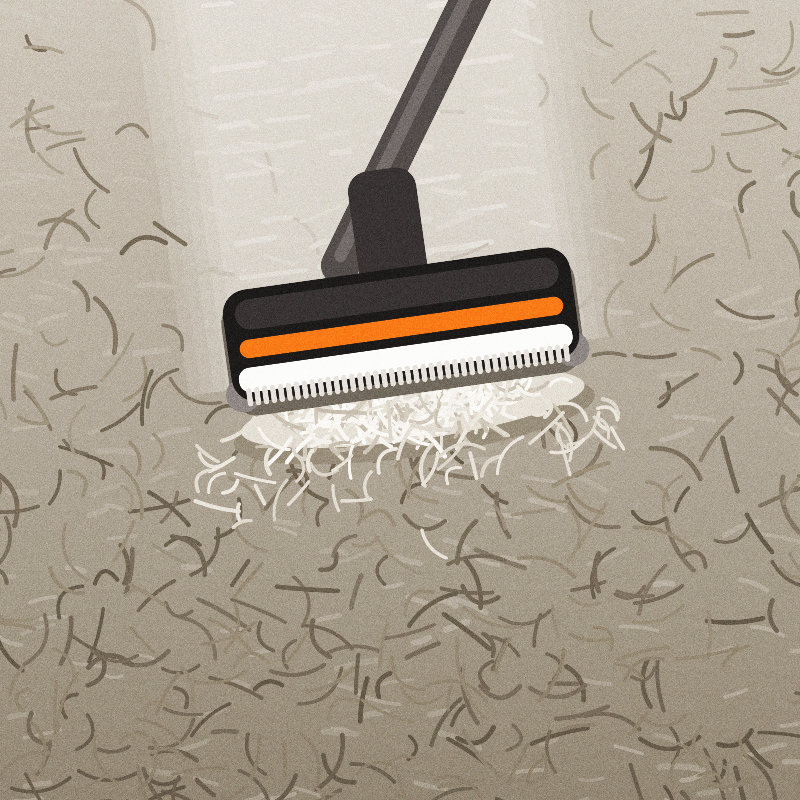
Carpet shampooing is one of the oldest methods of deep carpet cleaning. The process began in the mid-twentieth century and involves applying a generous amount of specialized liquid detergent (shampoo) to the carpet. A heavy rotary machine equipped with circular brushes is then run over the carpet, agitating the detergent to generate a thick, heavy lather or foam.
The mechanical action of the spinning brushes works the foam into the carpet fibres, suspending dirt, grease, and oil particles. The chemistry of the shampoo is designed to bind with these contaminants. Once the carpet is dry, the dried soap residue, which holds the encapsulated soil, is vacuumed out using an ordinary vacuum cleaner.
The Fatal Flaw of Carpet Shampooing: Sticky Residue
While shampooing can make a heavily soiled carpet look bright and clean initially, it has a major drawback: sticky soap residue. The shampooing process relies on a large volume of high-foaming detergent, and it does not involve a thorough rinsing phase. It is practically impossible to remove all the detergent from the dense carpet pile using only brushes and a vacuum.
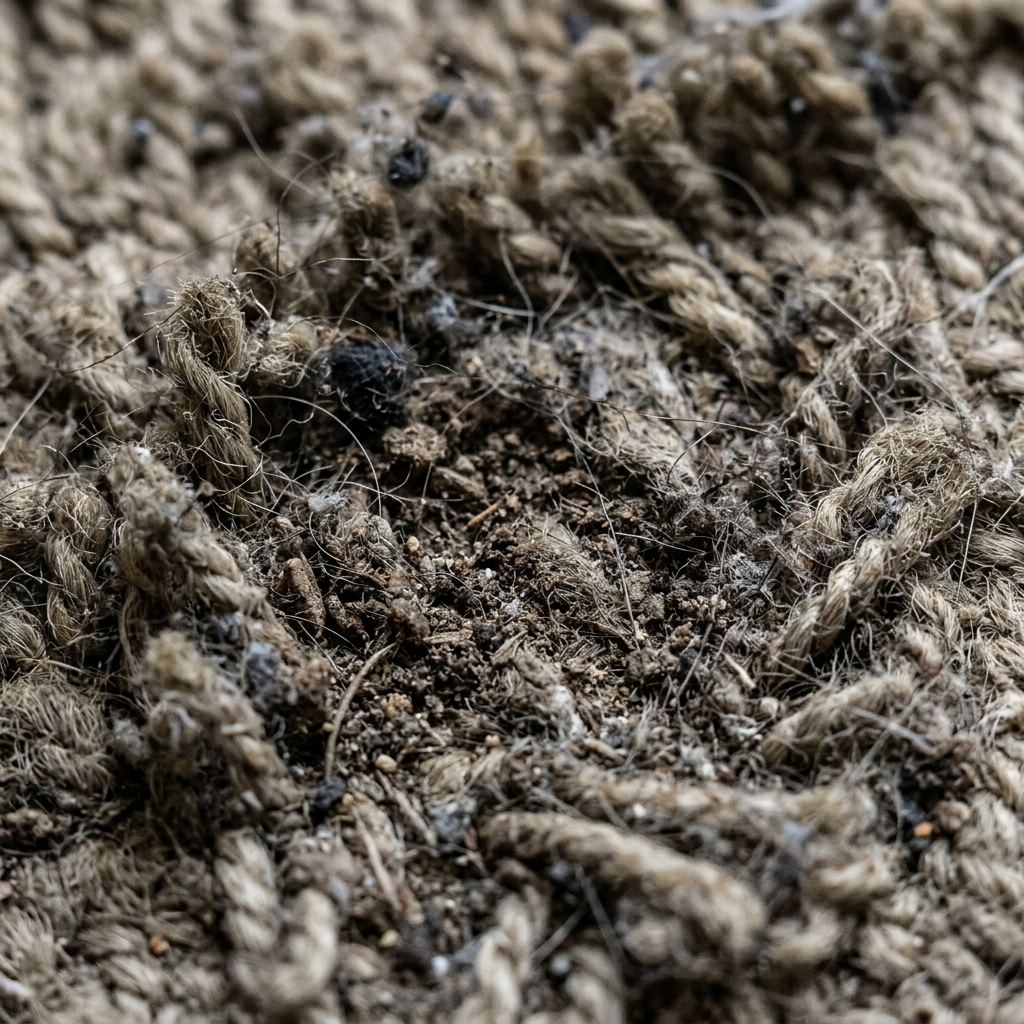
As the carpet dries, the leftover shampoo remains on the fibres, forming a sticky, invisible film. This film acts like a magnet for airborne dust, pet dander, and soil tracked in on shoes. Within a few weeks of cleaning, the carpet often begins to look dull and dirty again, sometimes even worse than before it was washed. This rapid re-soiling is a direct result of the sticky detergent residue left behind by the shampooing process.
The Modern Method: Hot Water Extraction
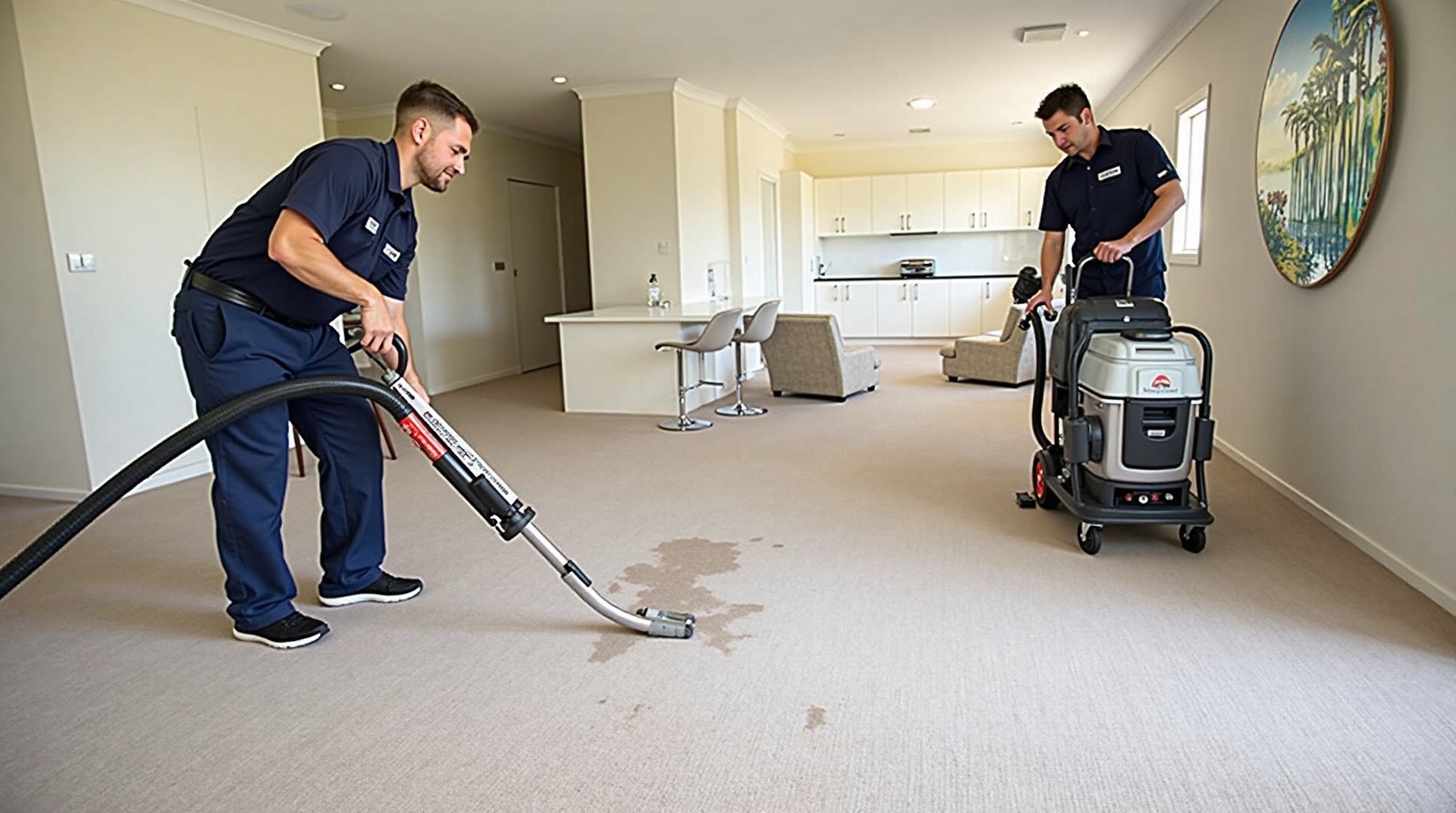
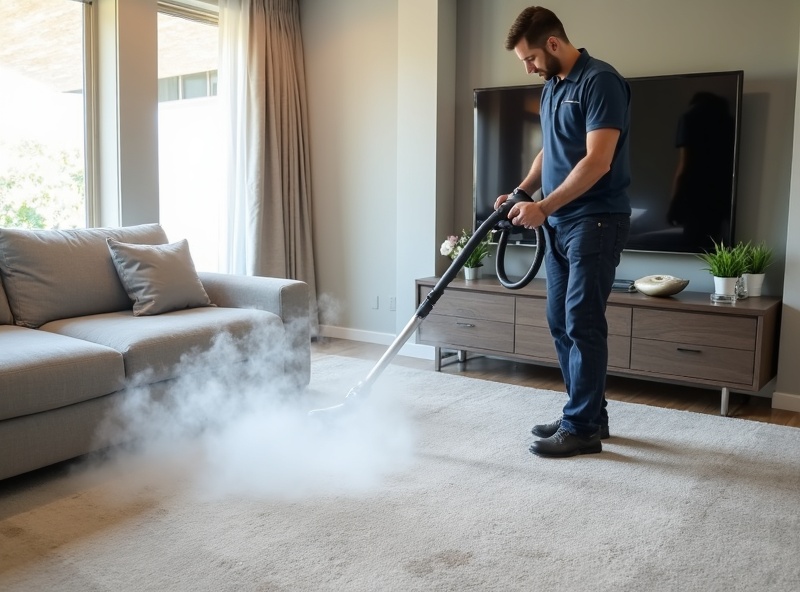
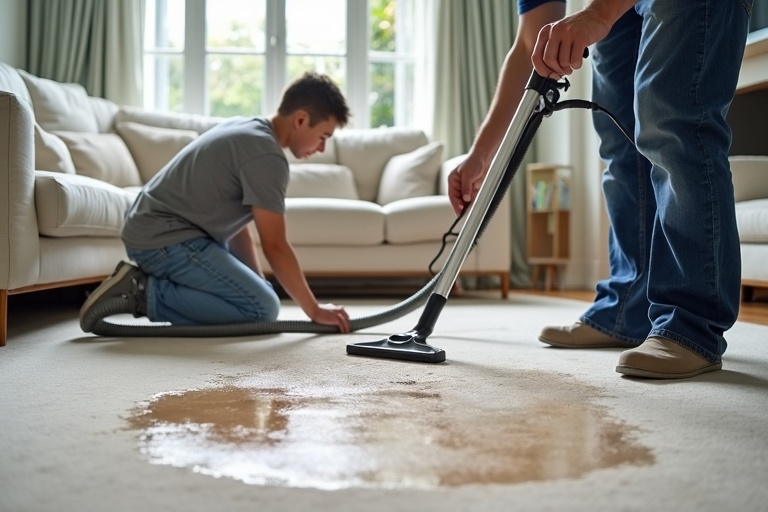
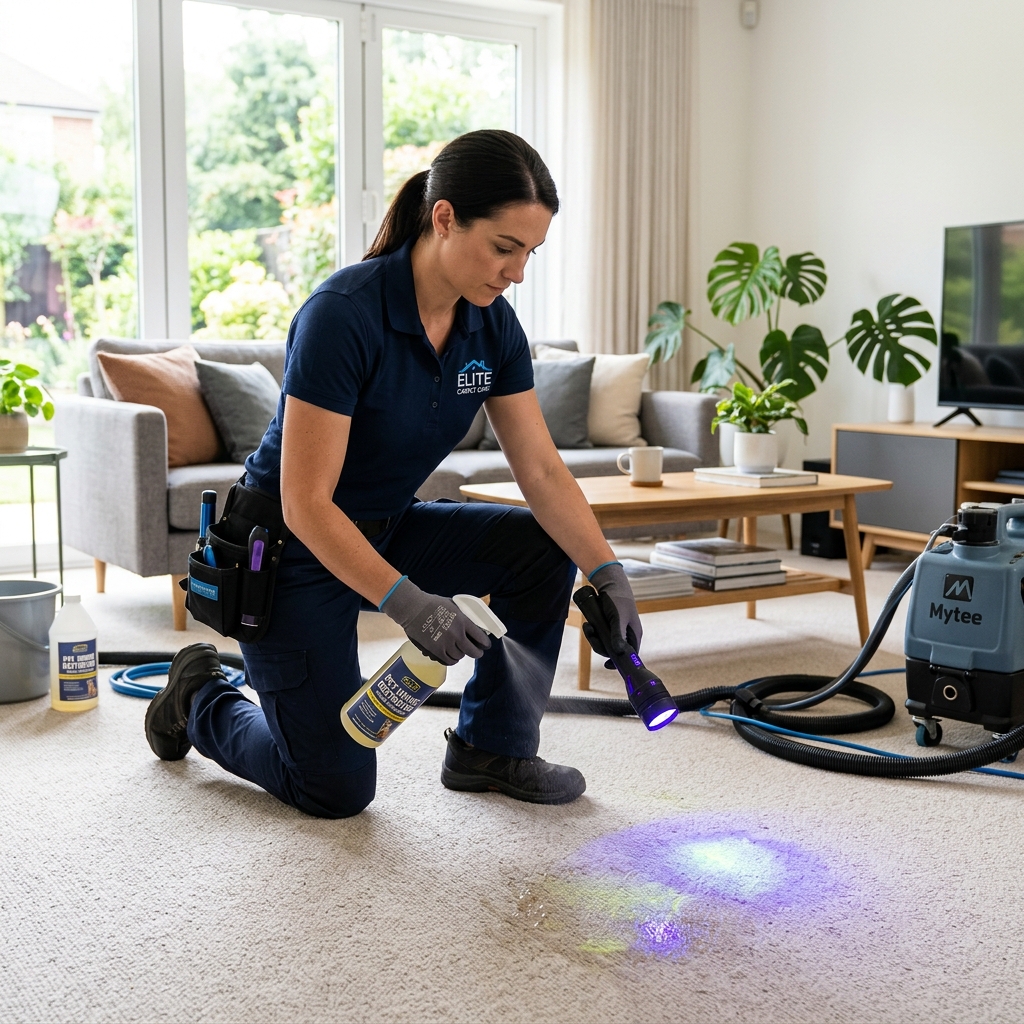
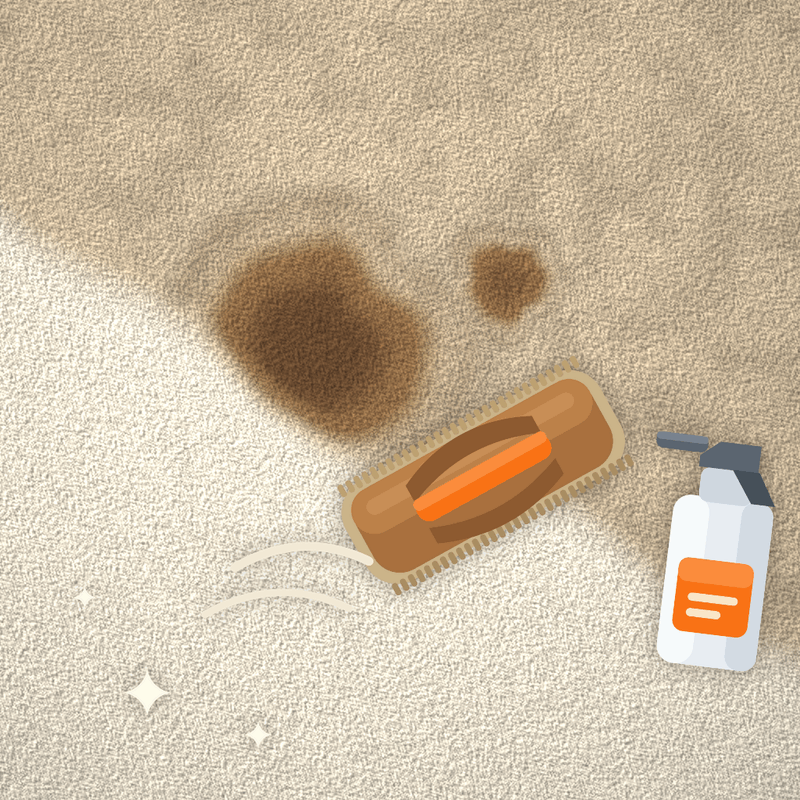
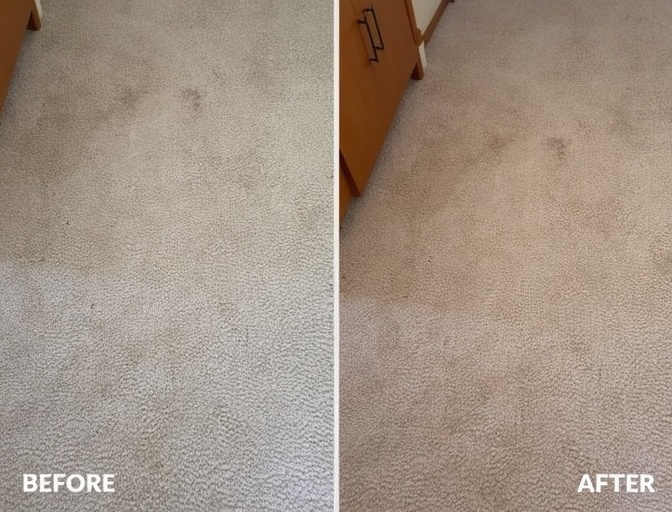
Hot water extraction, often referred to as professional steam cleaning, is the modern method for carpet care. Unlike shampooing, which relies on heavy foam and brushing, hot water extraction uses a high-pressure injection and vacuum system. First, a pre-treatment spray is applied to the carpet to break down oils and loosen soil.
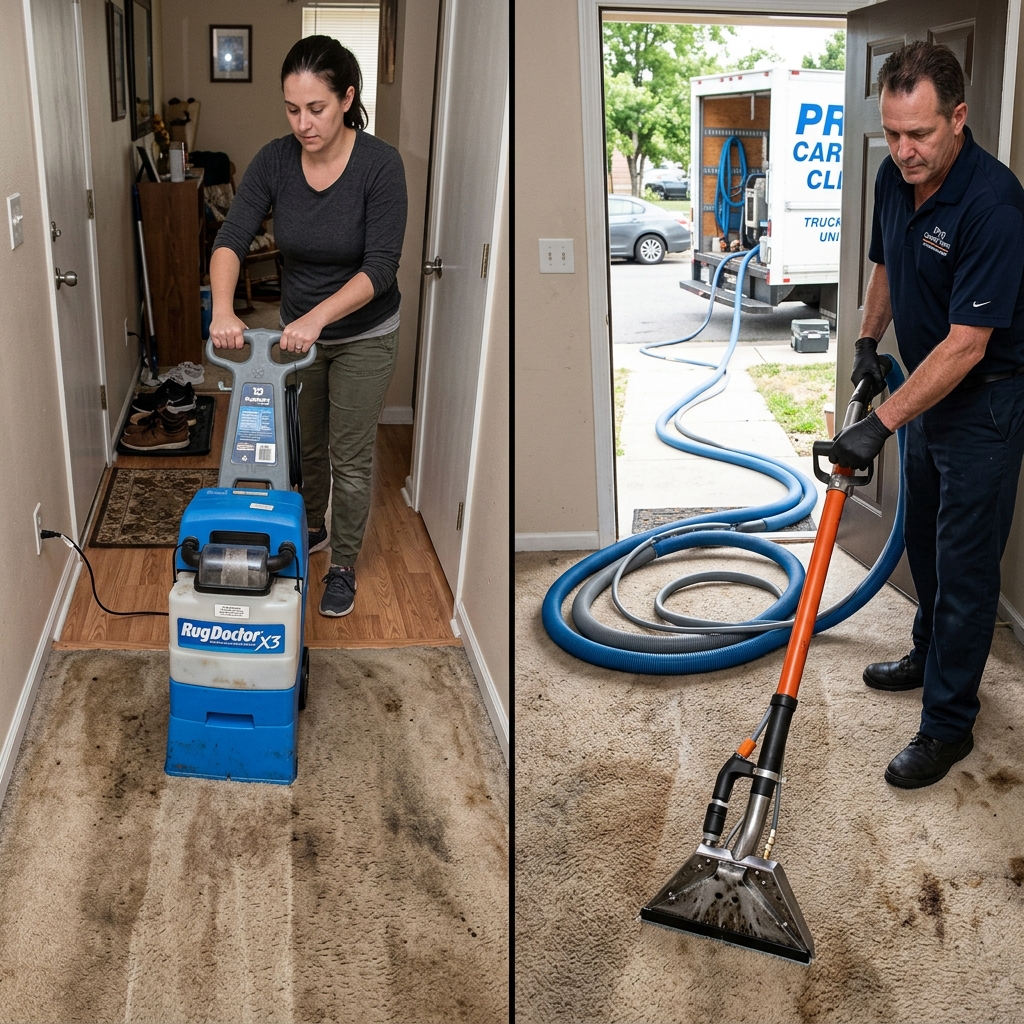
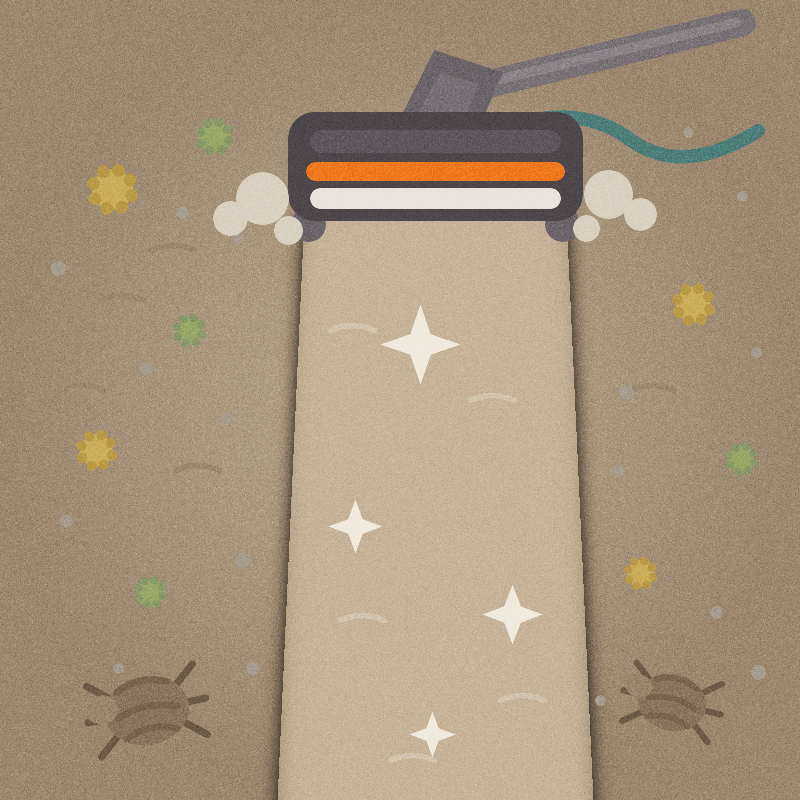
Next, a professional machine injects hot water (heated to temperatures between eighty and one hundred degrees Celsius) deep into the carpet pile under high pressure. This pressurized hot water flushes out the embedded dirt, sand, and organic particles. Almost simultaneously, a high-powered vacuum system extracts the water, cleaning agents, and suspended dirt back out of the carpet and into a recovery tank. The process thoroughly flushes the fibres clean from the backing up to the surface.
Head-to-Head Comparison: Extraction vs. Shampooing
1. Depth of Cleaning and Soil Removal
When it comes to the depth of clean, hot water extraction wins by a landslide. Shampooing relies on rotary brushes that clean the surface and upper layers of the carpet pile, but they can actually push heavy grit and sand deeper down toward the backing. Hot water extraction, on the other hand, flushes the entire carpet pile under pressure, drawing out contaminants from the very base of the fibres.
2. Detergent Residue and Re-soiling
Hot water extraction is the clear winner here as well. The extraction process includes a rinsing phase where clean, hot water is pulled through the fibres, removing both the dirt and the pre-treatment solutions. This leaves the carpet thoroughly clean and free of sticky residues, ensuring that it remains clean and fresh for a much longer period. Shampooing, as discussed, leaves a heavy, sticky residue that leads to rapid re-soiling.
3. Drying Time and Convenience
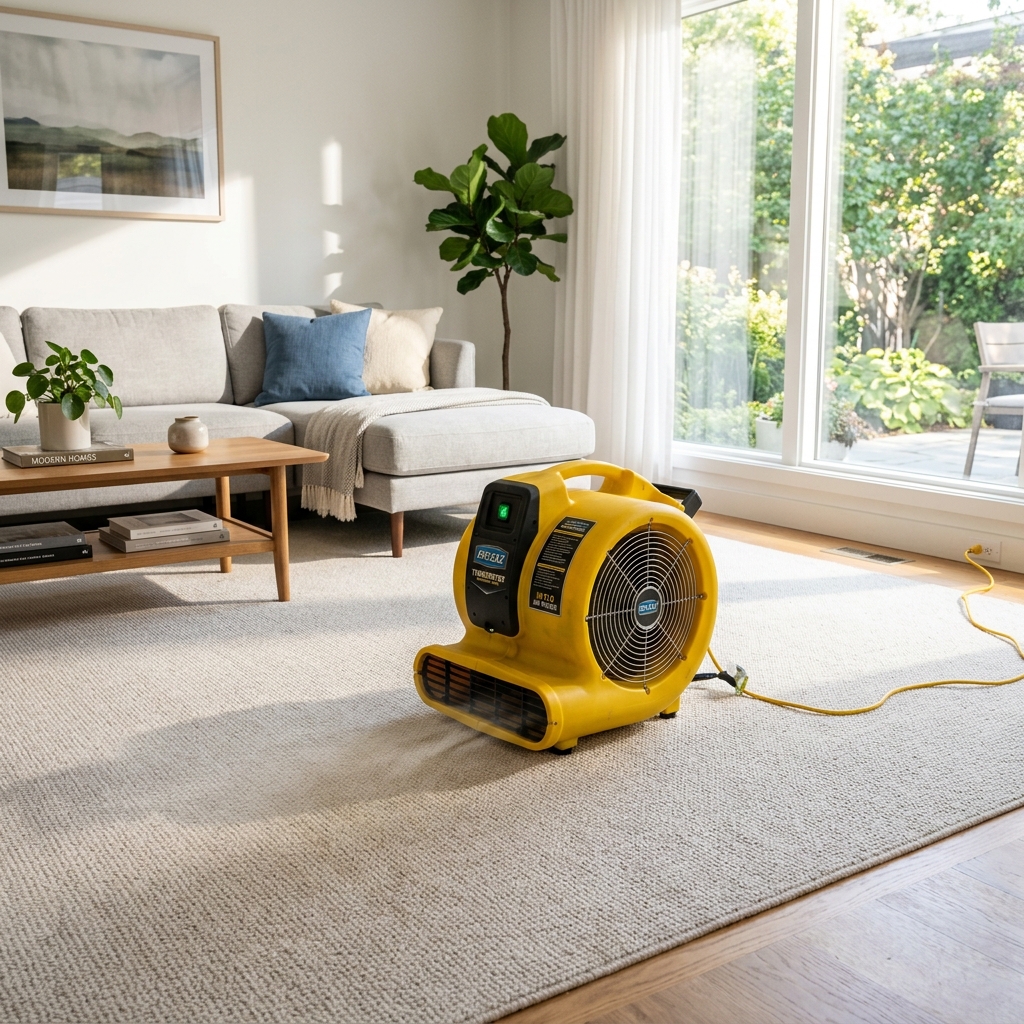
Because shampooing uses a thick lather that sits on the carpet, it requires a significant amount of water to generate and can take over twenty-four hours to dry. Additionally, because the water is not actively extracted under vacuum, it can soak into the underlay, increasing the risk of musty odours. Hot water extraction uses pressurized water but extracts it immediately. A powerful truck-mounted extraction system removes up to ninety-five percent of the water, allowing the carpet to dry within six to twelve hours.
4. Fiber Wear and Agitation across Different Pile Types
Shampooing involves heavy mechanical scrubbing with stiff rotary brushes, which can cause significant wear and tear on delicate carpet fibres. For loop pile carpets like Berber, the rotating bristles can catch on loops, causing snags and pulls. For plush cut pile carpets like Saxony, the aggressive agitation untwists the yarn tips, leading to a fuzzy, worn appearance. Hot water extraction uses pressurized water for agitation, which is far gentler on the carpet structure while providing a deeper clean, making it safe for all pile types.
Why Industry Experts Prefer Hot Water Extraction
Because of these differences, almost all major carpet manufacturers recommend hot water extraction as the preferred method for maintaining carpet and extending flooring life. They recognize that traditional shampooing can damage fibres, leave chemical deposits, and leave behind the abrasive grit. Furthermore, soil particles scratch the surface of synthetic carpet fibres, altering how they reflect light. This scratching makes the carpet look dark and worn, even if it is clean. By flushing this abrasive grit out, hot water extraction prevents this scratching and maintains the carpet's natural lustre.
Environmental and Chemical Safety for Families
Another key factor to consider is the environmental impact and chemical safety of the two methods. Carpet shampooing relies heavily on synthetic chemicals and large quantities of detergent to create the thick lather required for cleaning. Because there is no extraction or rinsing phase, these chemical residues remain in your home, where children and pets are in close contact with them. In contrast, hot water extraction uses heat as its primary cleaning agent. The high temperature of the water melts grease and sanitizes the carpet, reducing the need for harsh detergents. Any mild cleaning solution used in hot water extraction is thoroughly rinsed out and vacuumed away, leaving a clean, chemical-free surface that is safe for your family and the environment.
Conclusion: The Clear Winner
While carpet shampooing played an important role in the history of home care, it has been surpassed by modern technology. Traditional shampooing is harsh on fibres, leaves a sticky residue that attracts dirt, and does not provide a deep rinse. Hot water extraction wins in every performance metric: it cleans deeper, sanitizes the fibres with heat, removes detergent residues, and dries much faster. For a clean, healthy, and longer-lived carpet, hot water extraction is the undisputed champion.