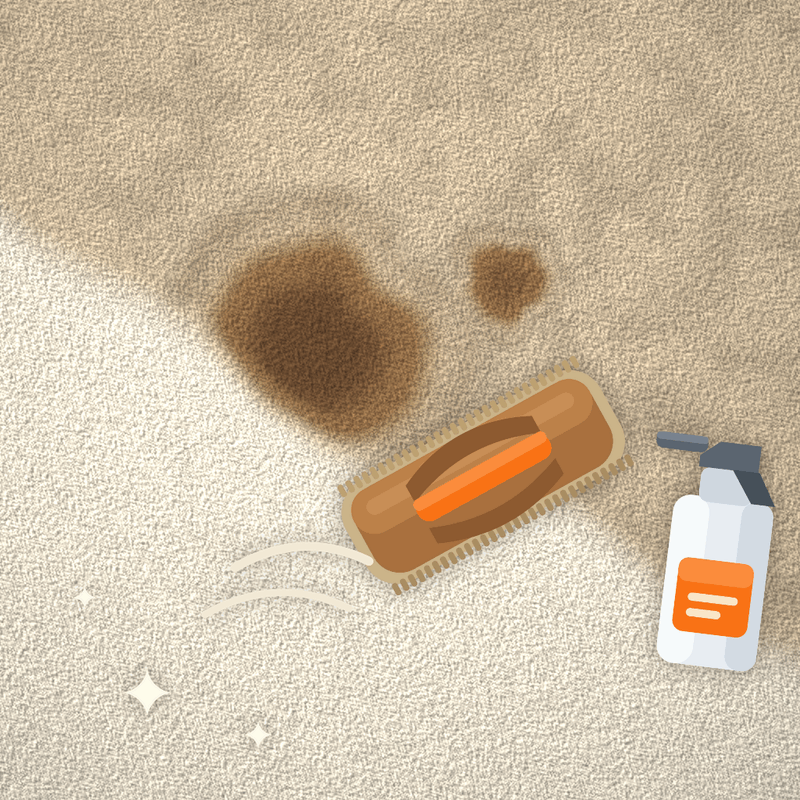
How to Remove Old Set-In Stains from Carpet
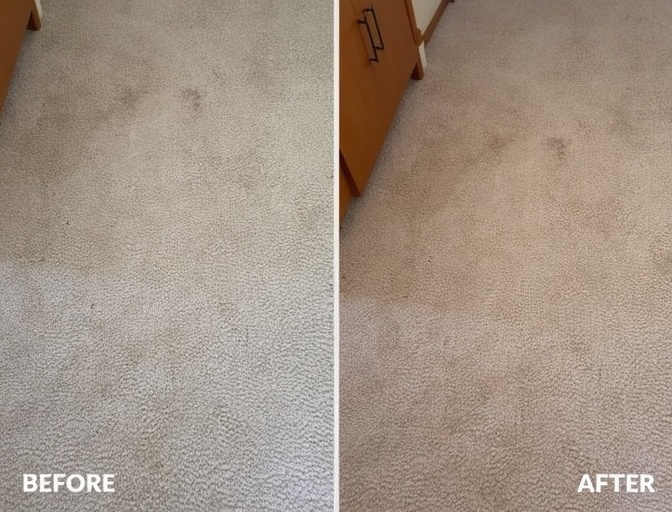
Every home has one, that stubborn carpet stain that's been there so long nobody quite remembers what caused it. Old, set-in stains are genuinely more challenging to remove than fresh spills, since they've had time to bond deeply with the carpet fibres, sometimes even oxidising and changing colour over months or years. But challenging doesn't mean impossible, even for stains that feel like a permanent fixture at this point.
At Fresho Carpet Cleaning Brisbane, tackling old, mystery stains is a regular part of our work, and we've developed reliable techniques that succeed far more often than most homeowners expect. In this guide, we'll walk through exactly how to approach old, set-in carpet stains, step by step.
Why Old Stains Are Harder to Remove
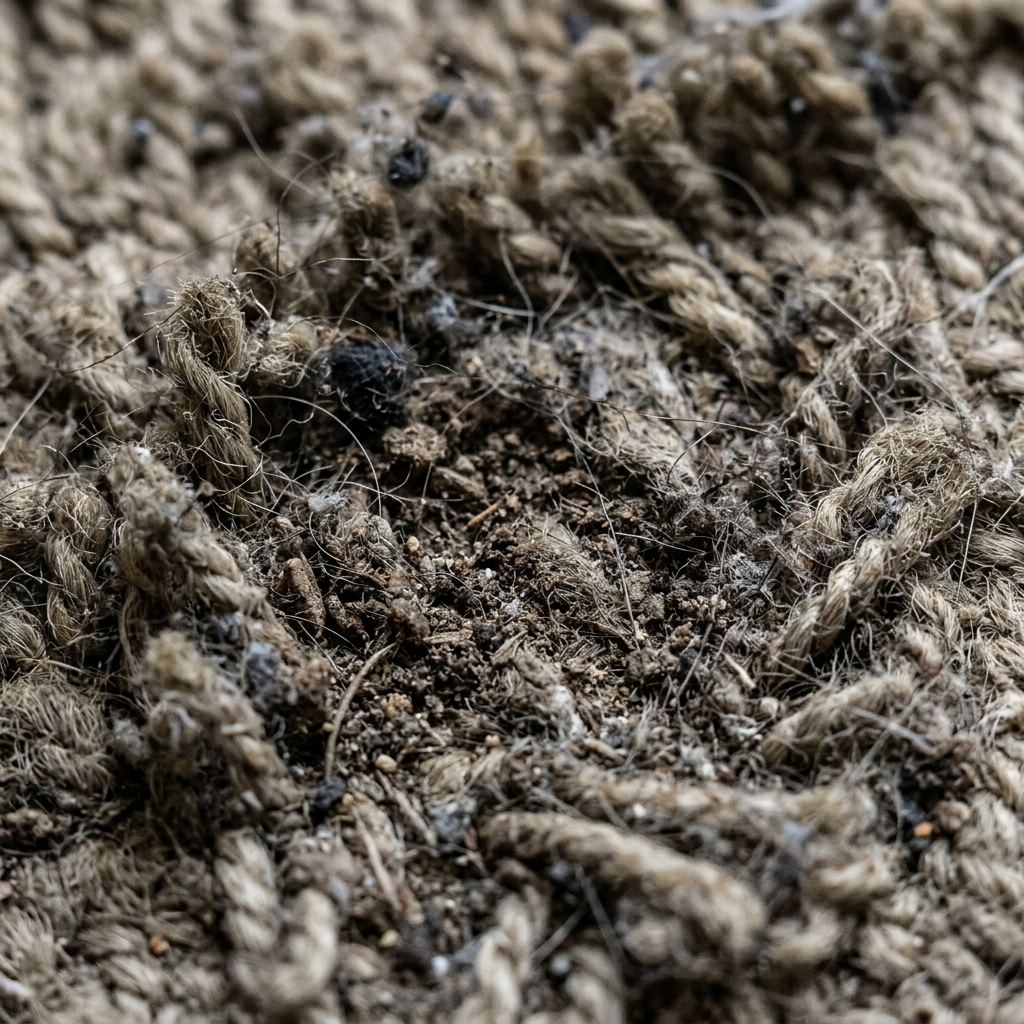
Fresh stains sit primarily on the surface of carpet fibres, making them relatively easy to lift with prompt treatment. Given time, however, stain particles work their way deeper into the fibre structure and can chemically bond with the material, particularly with certain substances like tannins in coffee or wine. Some stains also oxidise over time, undergoing a chemical reaction with air that changes their colour and makes them more resistant to standard cleaning solutions.
Step 1: Identify the Stain Type If Possible
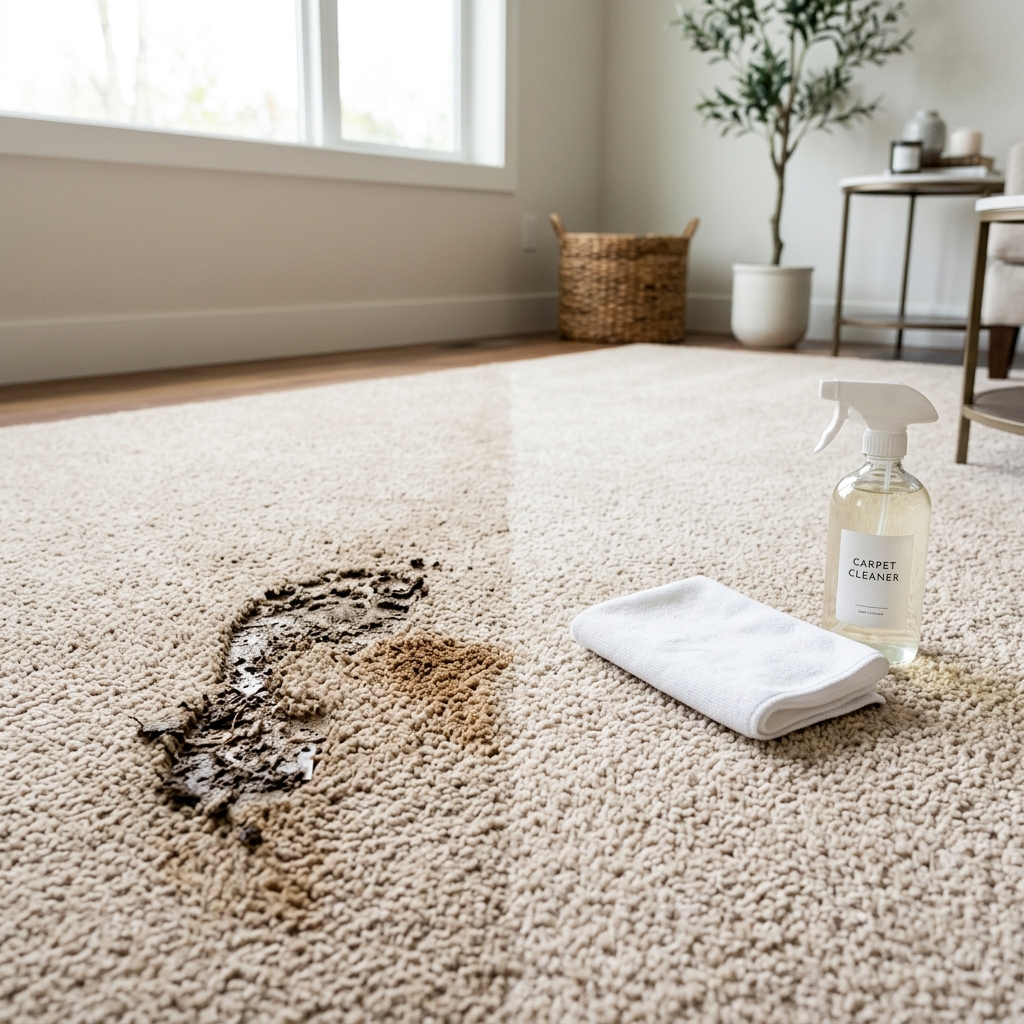
While it's not always possible to know exactly what caused an old stain, any clues can help guide the right treatment approach. A stain in a dining area is more likely to be food or drink related, while a stain near an entryway might be mud or dirt. If you genuinely have no idea what caused it, a general-purpose approach, starting gentle and working up to stronger treatment if needed, is the safest strategy.
Step 2: Loosen the Stain First
Before applying any cleaning solution, gently work the stained area with a soft-bristled brush to help loosen bonded particles and improve how well any subsequent treatment can penetrate. Avoid aggressive scrubbing, which can damage the carpet pile, particularly on older or more delicate carpets, and work in the direction of the fibres rather than against them.
Step 3: Apply a General-Purpose Enzyme or Oxygen-Based Cleaner
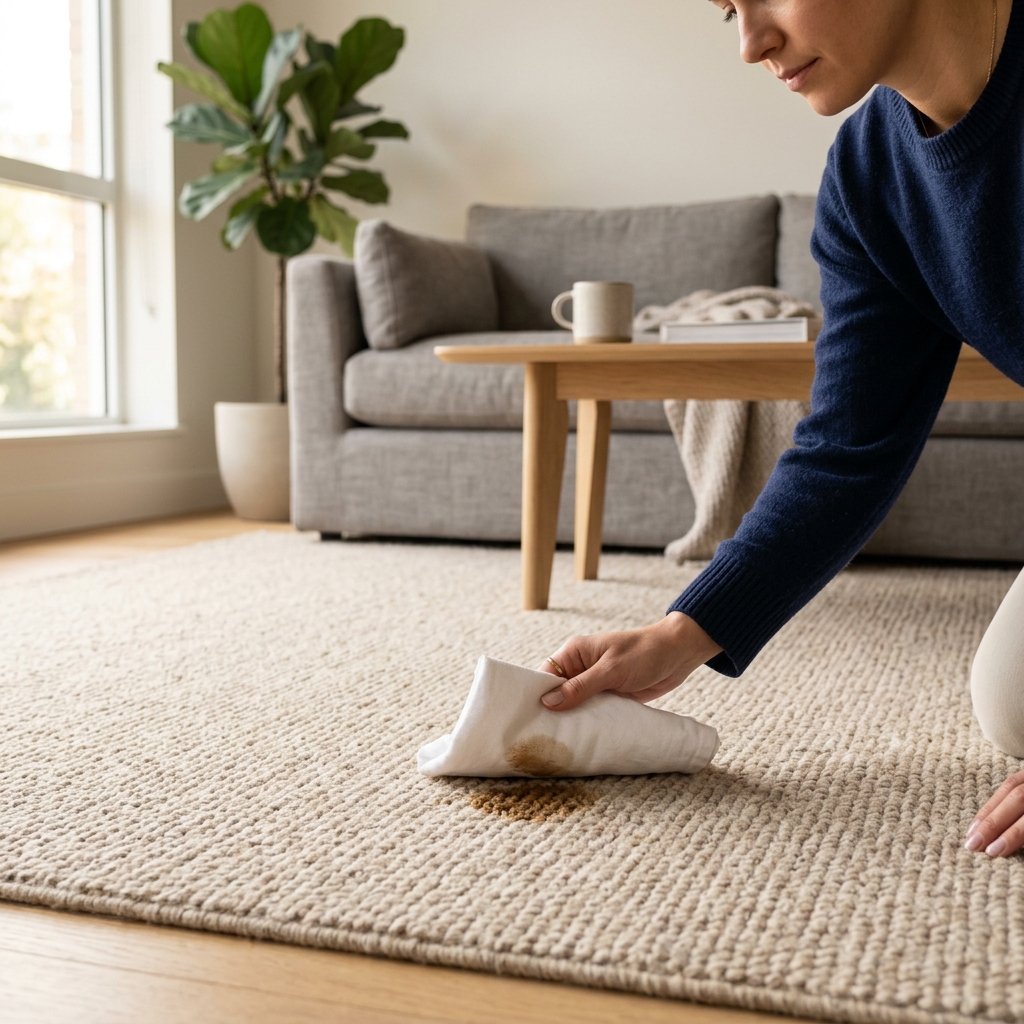
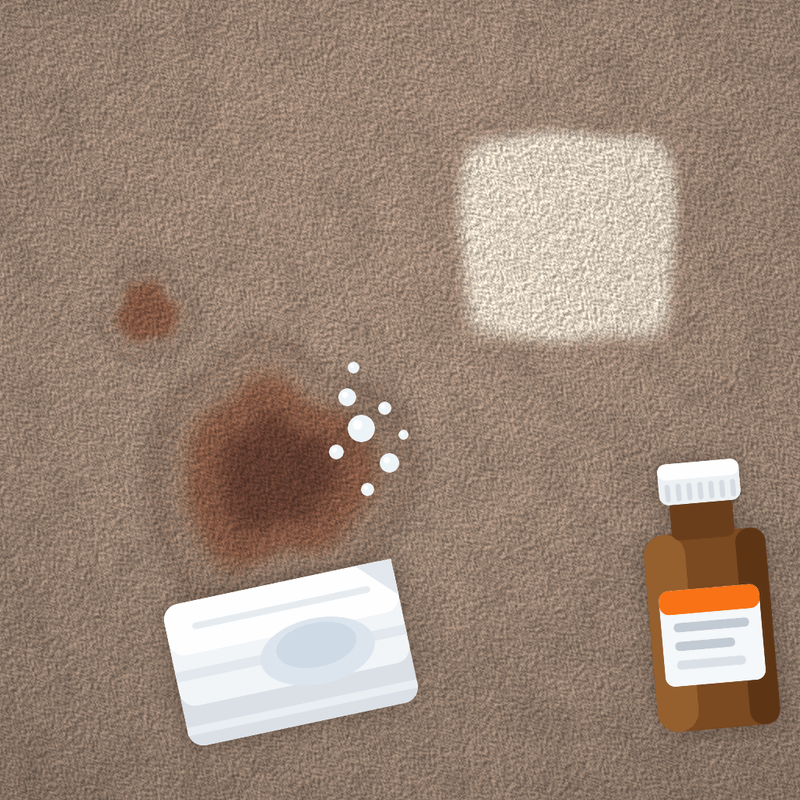
For unidentified or organic-origin old stains, an oxygen-based or enzyme cleaner tends to be more effective than a standard detergent solution, since these products work by breaking down stain compounds at a chemical level rather than simply lifting surface residue. Apply according to the product's instructions, allowing adequate dwell time, often longer than you'd use for a fresh stain, before blotting or extracting.
Step 4: Consider a Targeted Approach for Known Stain Types
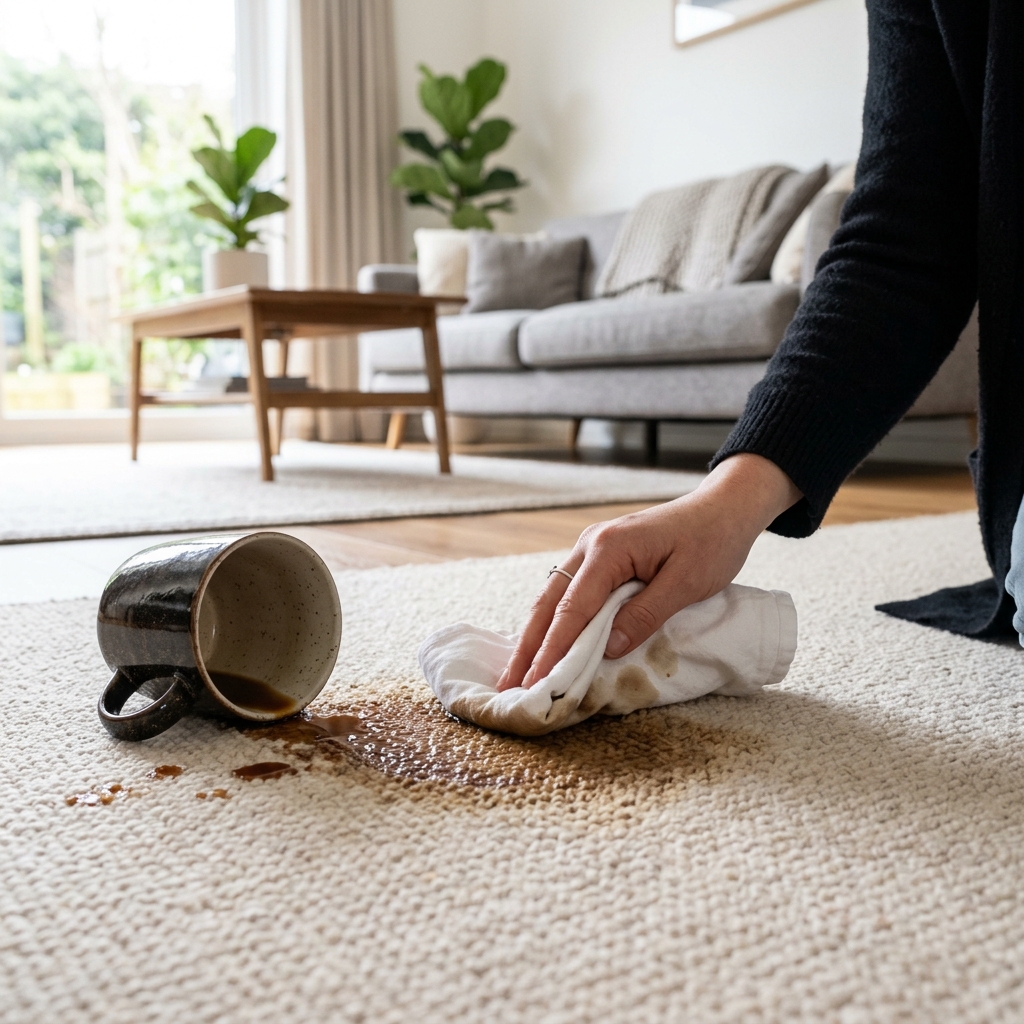
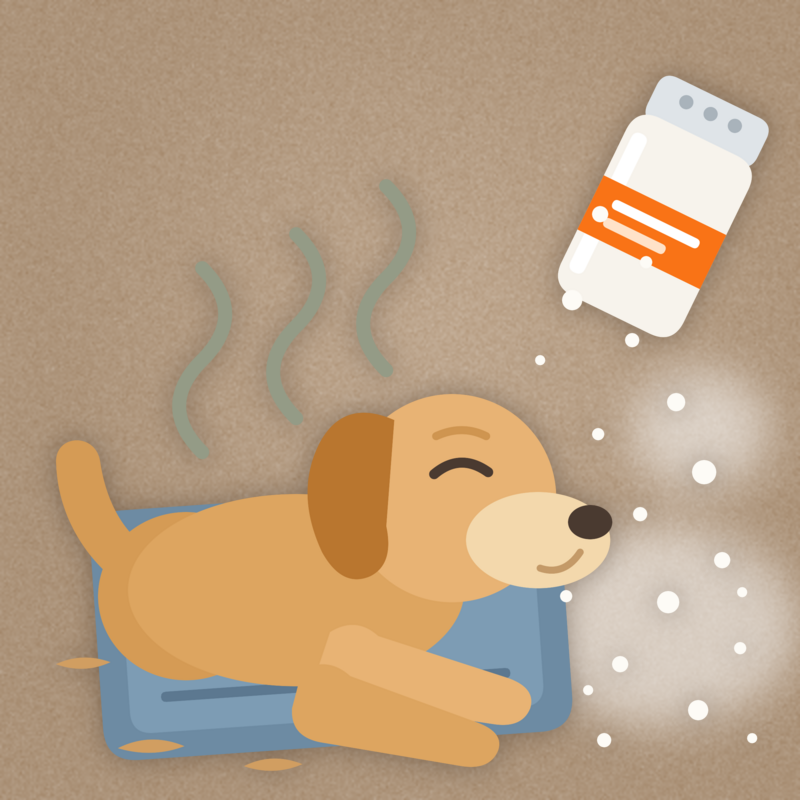
If you can identify the likely cause, a more targeted treatment often works better than a general-purpose approach. Old coffee or tea stains respond well to a detergent and vinegar solution, applied with a longer dwell time than usual. Old grease stains benefit from an absorbent powder step to draw out any residual oil before liquid treatment. Old blood stains should still be treated with cold water only, since heat can permanently set the protein even in an old, already-set stain.
Step 5: Repeat Treatment Rather Than Increasing Strength
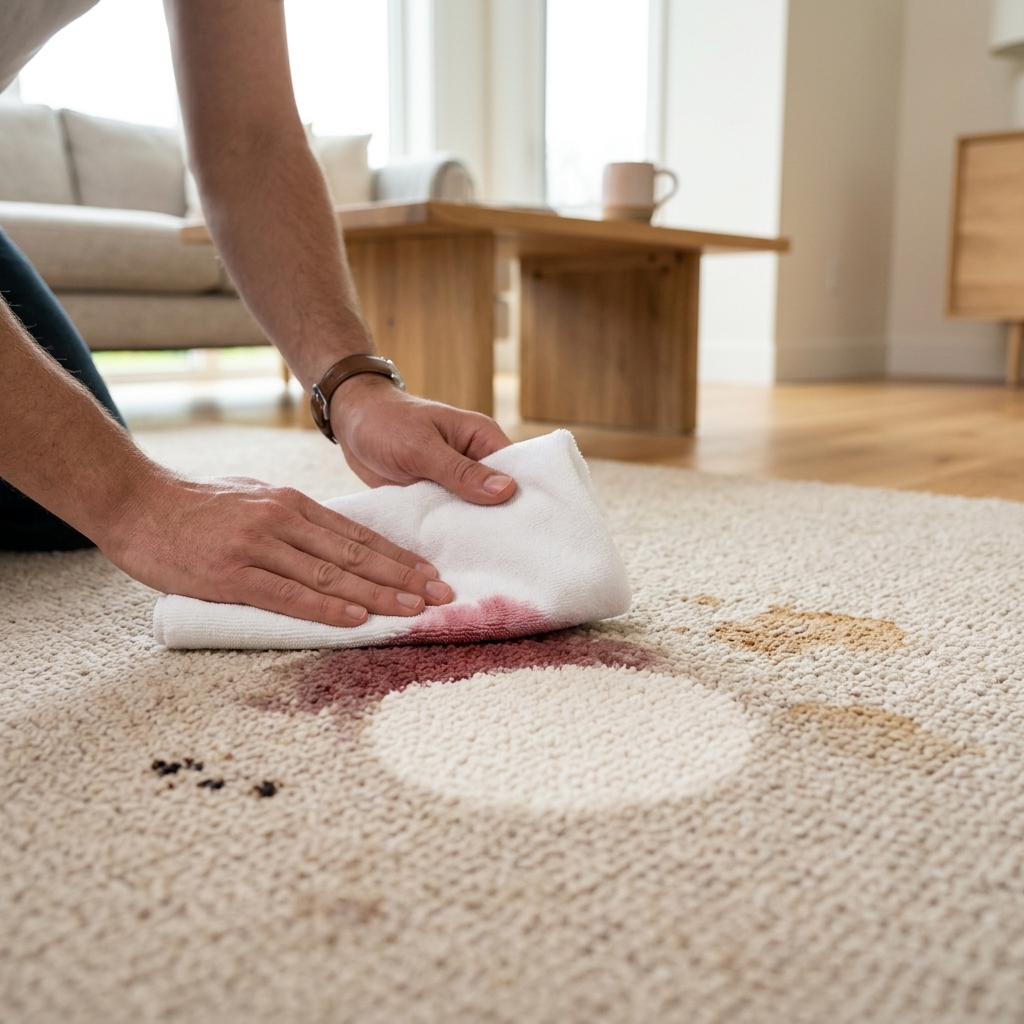
It's tempting to reach for a stronger, harsher product when a gentle solution doesn't fully resolve an old stain on the first attempt. In most cases, it's safer and ultimately more effective to repeat a milder treatment several times, allowing the carpet to dry between attempts and checking progress each time, rather than jumping to an aggressive chemical that risks damaging the carpet fibres or affecting colour.
Step 6: Try a Specialised Commercial Stain Remover
If home remedies aren't making sufficient progress after a few repeated attempts, a specialised commercial carpet stain remover, chosen based on your best guess at the stain type, can offer additional cleaning power. Always patch test on a hidden section of carpet first, and follow the product's specific dwell time and rinsing instructions closely.
Step 7: Address Any Remaining Discolouration
Occasionally, even after a stain's residue has been fully removed, a faint discolouration remains where the original substance interacted with the carpet's dye over an extended period. This is different from an active stain and generally can't be fully resolved with standard cleaning. In these cases, a professional carpet cleaner may be able to use specialised, colour-safe treatments to further reduce the mark's visibility, though complete restoration isn't always possible for genuinely old dye-affected areas.
Old Stains on Different Carpet Fibres
Synthetic carpets generally tolerate repeated treatment attempts reasonably well, since these fibres are more resistant to damage from moisture and mild agitation. Wool and other natural fibre carpets require considerably more caution with old stains, since repeated treatment attempts can gradually affect the fibre's texture if not handled gently, making professional assessment a wiser choice sooner rather than later for these more delicate carpet types.
Why Patience Pays Off With Old Stains
It's worth setting the expectation early that old, set-in stains rarely disappear after a single treatment, even when using the correct method. Homeowners who commit to two or three careful, patient treatment sessions, spaced out to allow proper drying between attempts, generally see far better results than those who try once, assume the stain is permanent, and give up prematurely.
Why Professional Hot Water Extraction Often Succeeds Where DIY Fails
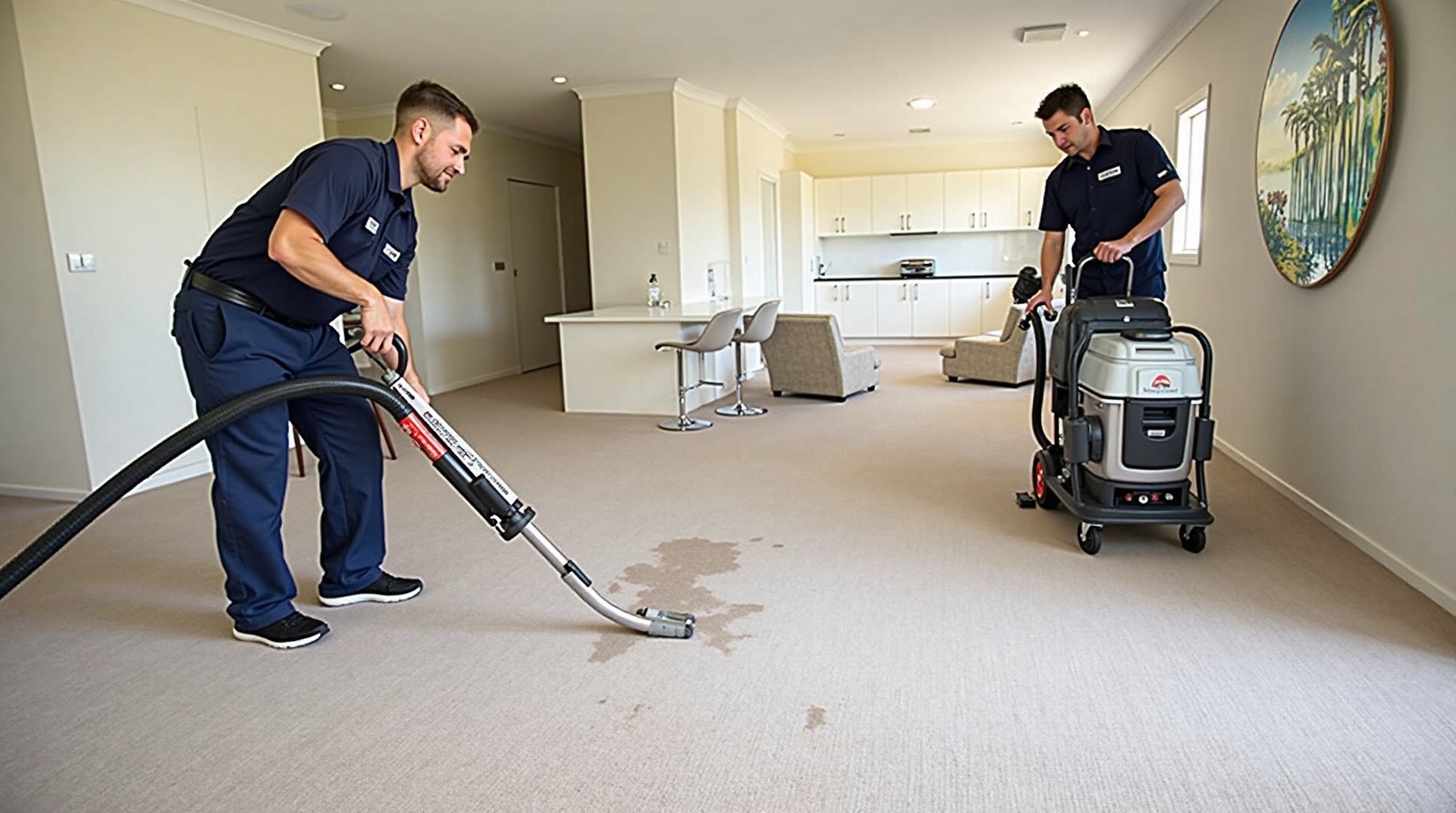
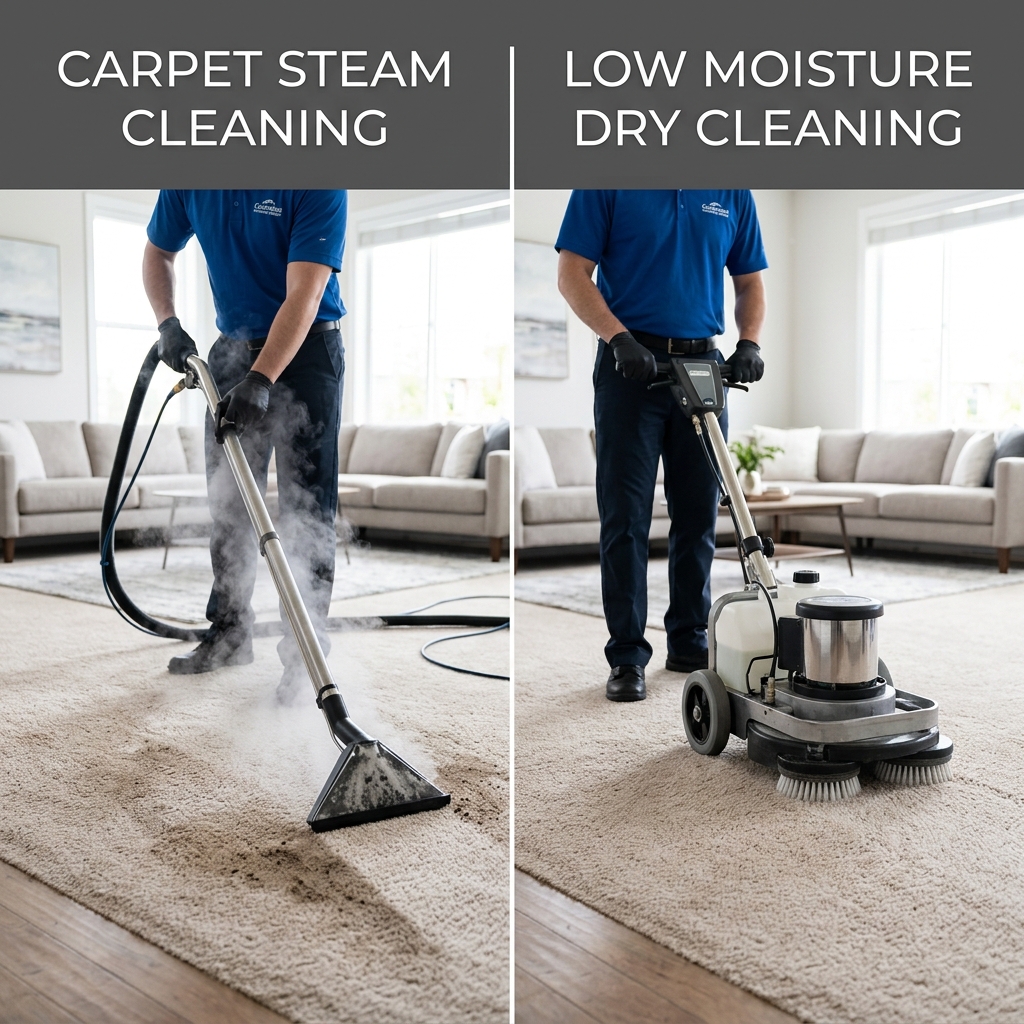
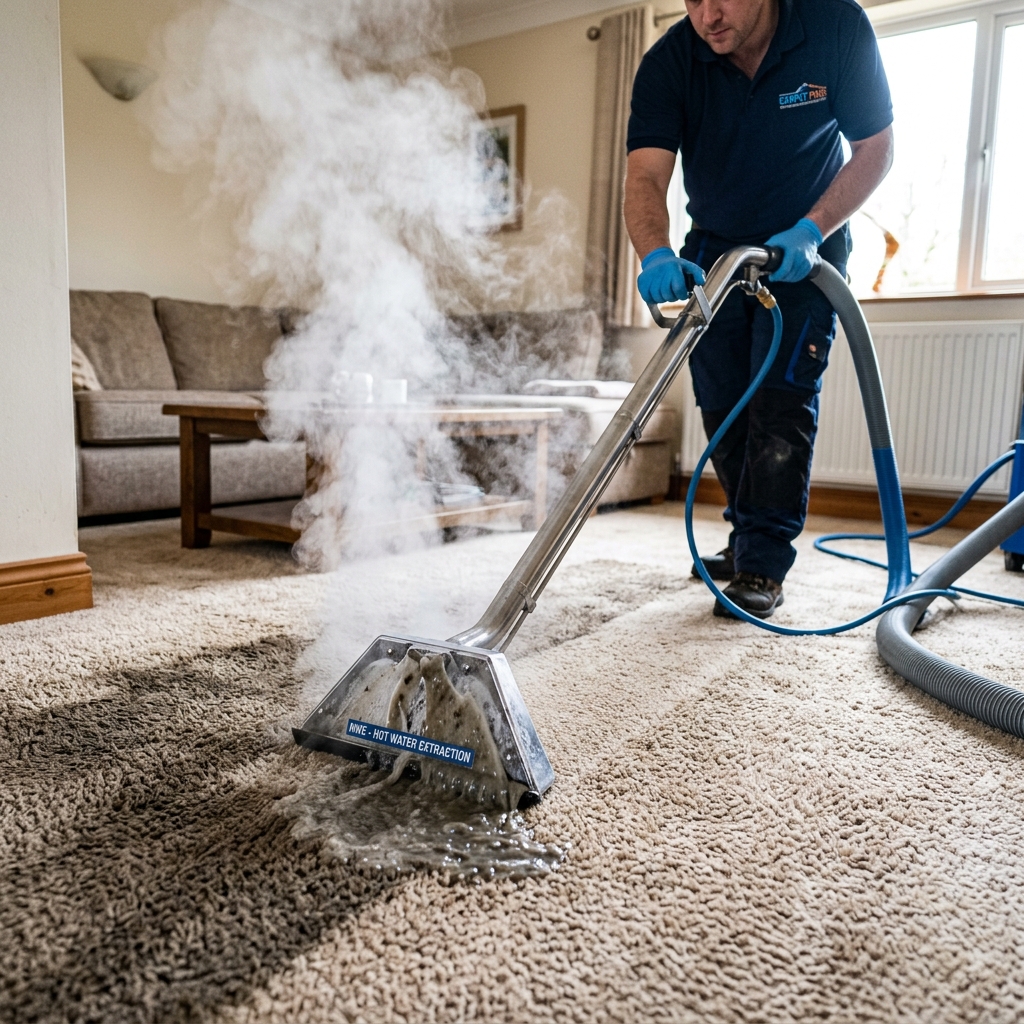
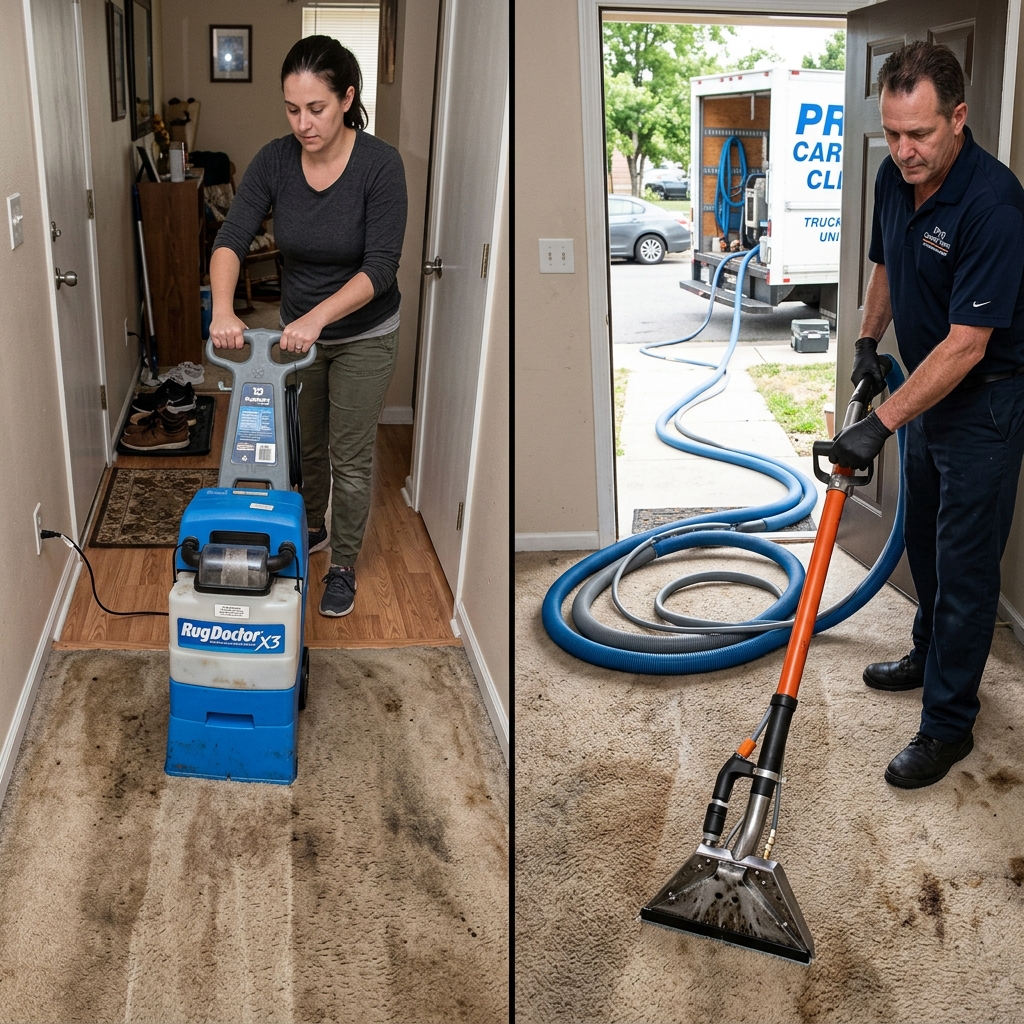
Professional hot water extraction offers significantly stronger suction and higher water temperature than most home or rental machines, allowing it to reach and lift bonded stain particles that DIY methods often can't fully access. This makes it particularly effective for old, set-in stains that have resisted repeated home treatment attempts.
Common Mistakes When Treating Old Stains
- Using hot water on unidentified stains, which can set certain types permanently
- Scrubbing aggressively instead of gently loosening and blotting
- Jumping straight to harsh chemicals rather than repeating a milder treatment
- Skipping a patch test before applying a new product
- Giving up after one attempt, when old stains often need several repeated treatments
When to Call in a Professional
If an old stain hasn't responded to a few careful, repeated home treatment attempts, it's a strong sign the job needs professional-grade extraction and expertise. This applies particularly to larger stains, stains on delicate natural fibre carpets, or stains you're genuinely unsure how to identify. Our broader guide on 10 Common Carpet Stains and the Best Way to Treat Each One is a useful reference for identifying and treating specific, known stain types before they have the chance to become old and set-in.
Setting Realistic Expectations
It's worth being realistic that not every old stain will disappear completely, particularly if genuine dye discolouration has occurred rather than just surface residue. That said, most old stains show significant, often complete, improvement with the right combination of patience, correct product choice, and repeated treatment, or professional extraction when home methods reach their limit.
Frequently Asked Questions
1. Can old carpet stains really be removed, or are they permanent?
Most old stains can be significantly improved or fully removed with the right treatment and patience, though genuine dye discolouration in rare, severe cases may not fully reverse.
2. Why didn't my first attempt at cleaning an old stain work?
Old stains have often bonded more deeply with carpet fibres, meaning a single treatment may only partially lift the mark. Repeated, patient treatment is usually more effective than a single aggressive attempt.
3. Should I use hot water on an old, unidentified stain?
It's safer to avoid hot water on unidentified stains, since certain types, particularly protein-based ones like blood, can be permanently set by heat even after they've already aged.
4. What's the best general-purpose product for an unknown old stain?
An oxygen-based or enzyme cleaner tends to work well as a general-purpose option, since these break down a wide range of organic stain compounds at a chemical level.
5. When should I stop trying DIY methods on an old stain?
If a few careful, repeated attempts haven't shown meaningful improvement, it's time to call a professional who can use stronger extraction equipment and targeted treatment.
6. Does an old stain mean the carpet padding underneath is also affected?
Not always, but for larger or liquid-based old stains, it's worth considering, since surface treatment alone won't resolve contamination that has soaked through to the padding below.
Final Thoughts
Old, set-in carpet stains are undeniably more stubborn than fresh spills, but with the right technique, patience, and a willingness to repeat treatment rather than reach for harsher chemicals, most can be significantly improved or fully removed. When home methods reach their limit, professional-grade extraction offers the deeper cleaning power needed to finish the job.
If a stubborn old stain has been bothering you for months, get in touch with Fresho Carpet Cleaning Brisbane today for expert stain removal that finally gets results.