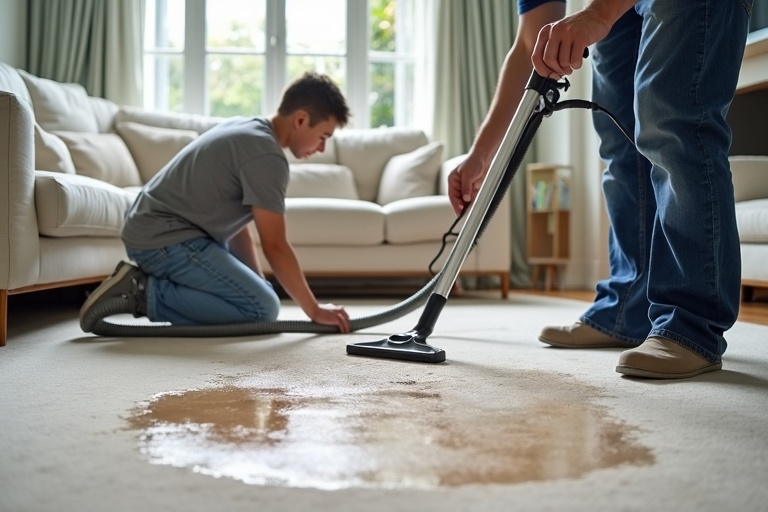
The Ultimate Carpet Stain Removal Guide: How to Remove Any Stain from Your Carpet
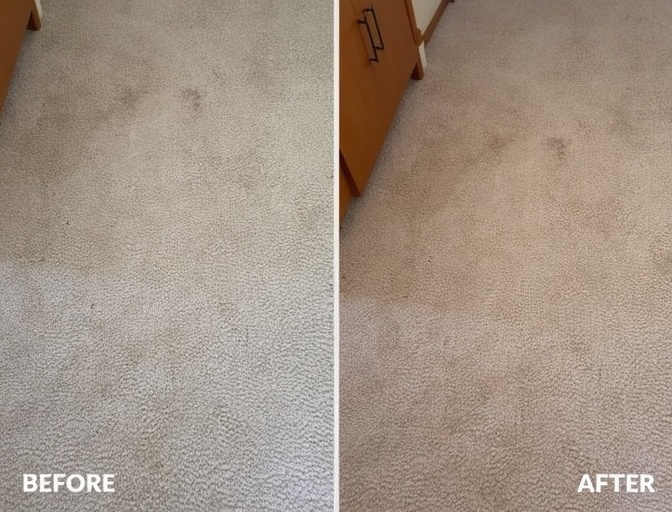
Every carpet eventually meets its match - a spilled glass of wine, a muddy paw print, a dropped crayon, or a coffee mug that didn't quite make it to the table. The difference between a stain that disappears and one that sets in for good usually comes down to two things: how quickly you act, and whether you use the right method for that particular type of stain.
This guide covers the core principles behind successful carpet stain removal, along with specific techniques for the most common stains households deal with - so whatever's just hit your carpet, you'll know exactly what to do next.
The Golden Rules of Carpet Stain Removal
Act fast. The longer a stain sits, the deeper it sets into the carpet fibres and the padding beneath. Most fresh stains can be significantly reduced or fully removed if treated within the first few minutes; stains left overnight are far more likely to leave a mark behind.
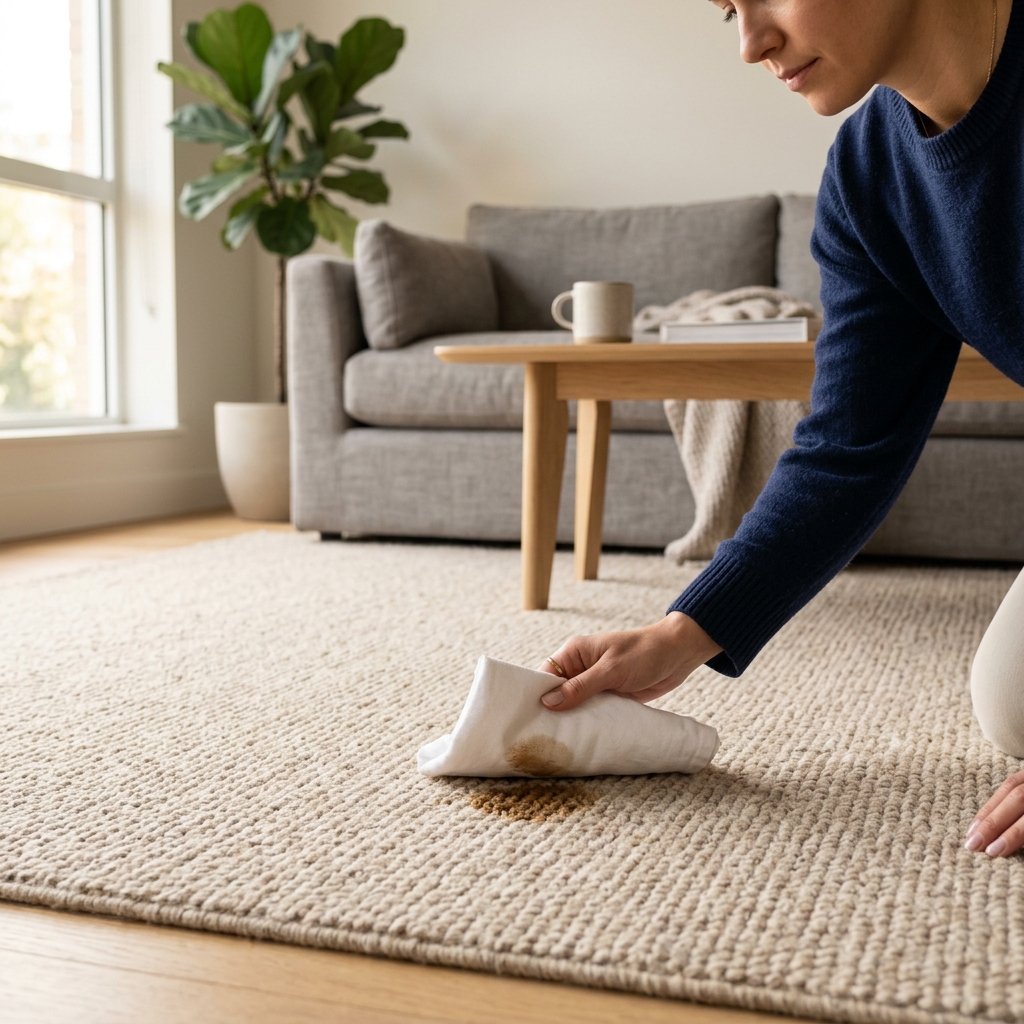
Blot, never rub. Rubbing a stain spreads it further into the fibres and can damage the pile, especially on wool or delicate carpets. Always blot gently from the outside of the stain inward, using a clean white cloth or paper towel.
Work from the outside in. Starting at the edge of a stain and working toward the centre stops it from spreading outward into clean carpet.
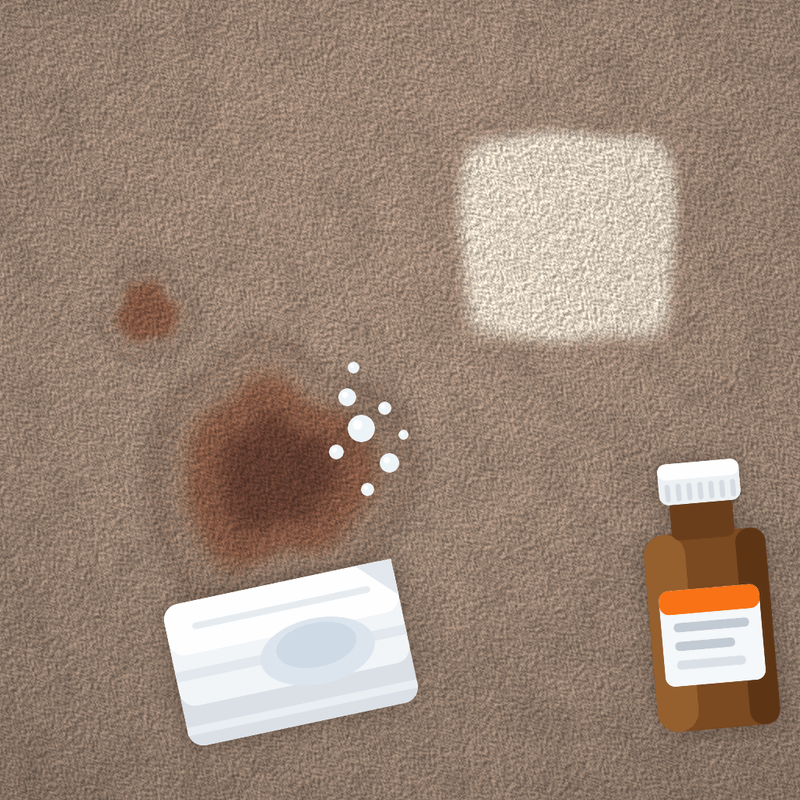
Test any cleaning solution first. Apply a small amount to an inconspicuous area - inside a closet, under furniture, or a leftover carpet offcut - and wait a few minutes to check for colour change or damage before using it on the visible stain.
Don't oversaturate. Using too much liquid can push the stain deeper into the padding below, where it becomes much harder to remove and can lead to lingering odour or mould.
Cold water for most stains, not hot. Hot water can set certain stains, particularly protein-based ones like blood or dairy, by causing the proteins to bind to the fibres. Cold or lukewarm water is the safer default unless a specific stain calls for something different.
Essential Tools and Supplies to Keep on Hand
- Clean white cloths or paper towels (colour from patterned towels can transfer onto damp carpet)
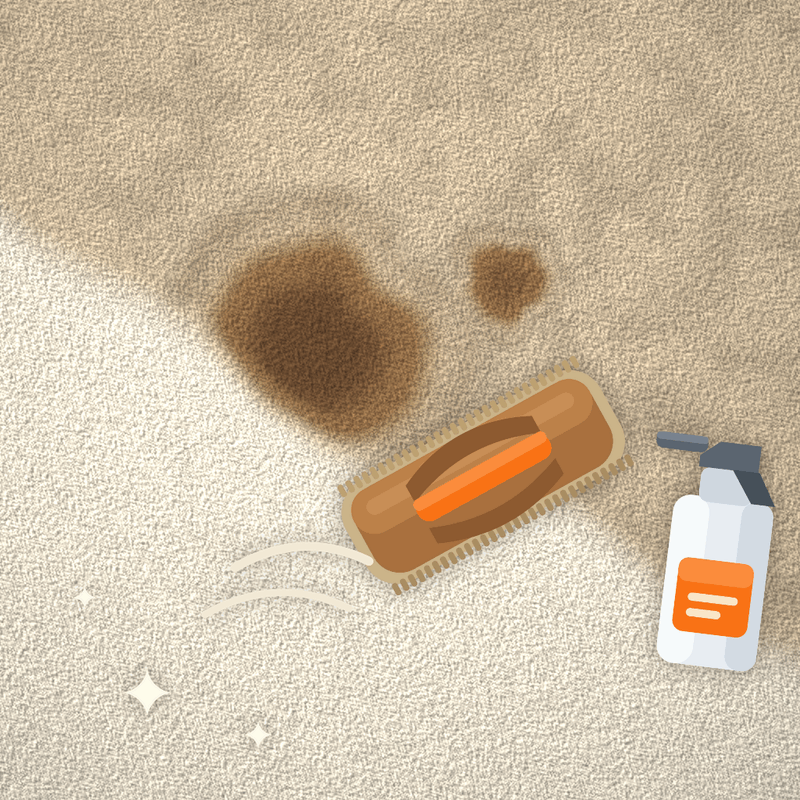
- A soft-bristled brush for working solution gently into carpet fibres
- Dish soap (a mild, colourless variety)
- White vinegar
- Baking soda
- Hydrogen peroxide (3% solution, for light-coloured carpets only, tested first)
- Rubbing alcohol, for ink and some dye-based stains
- A wet/dry vacuum, if available, for lifting excess moisture
General Stain Removal Method (Works for Most Fresh Stains)
- Blot up as much of the spill as possible immediately, using a clean cloth and firm but gentle pressure, without rubbing.
- Mix one tablespoon of mild dish soap with two cups of cool water.
- Apply a small amount of the solution to a clean cloth - not directly onto the carpet - and blot the stain, working from the outside in.
- Rinse by blotting with a cloth dampened with plain cool water to remove the soap residue.
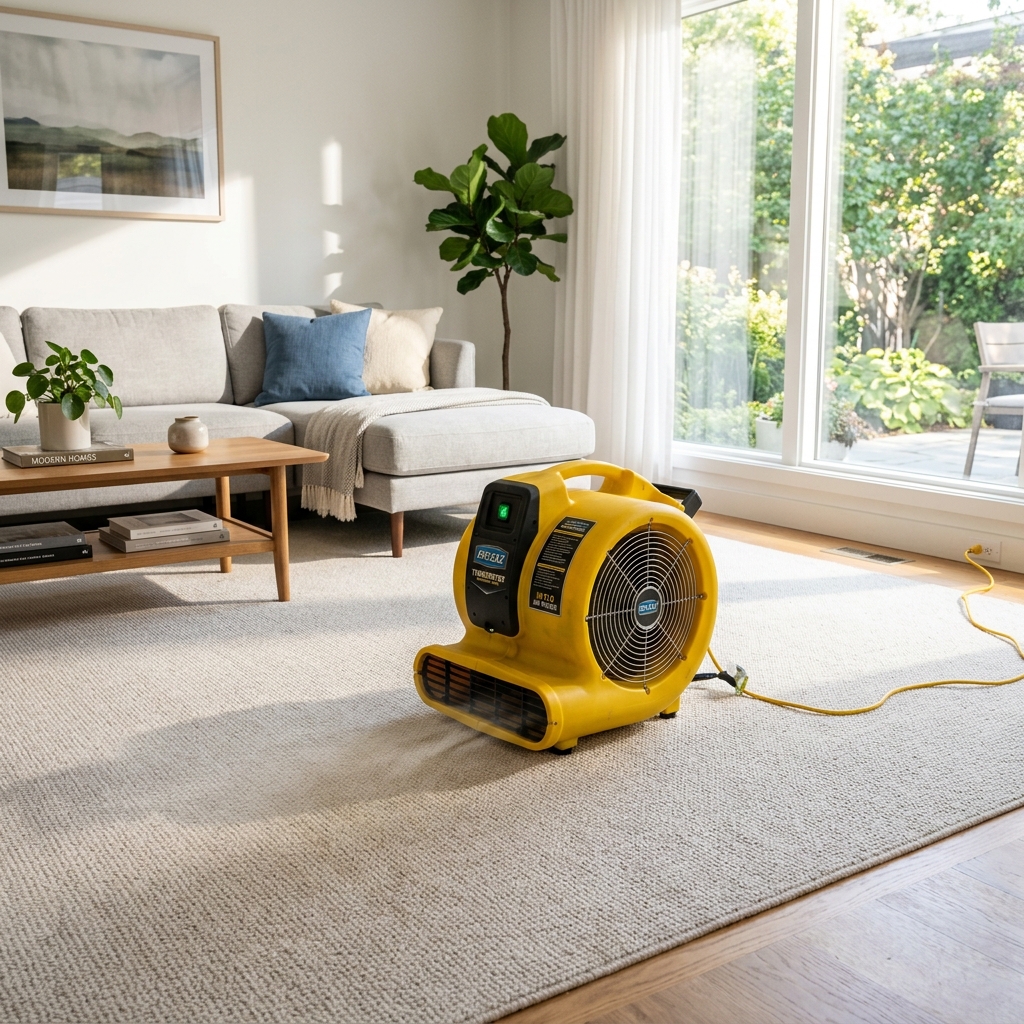
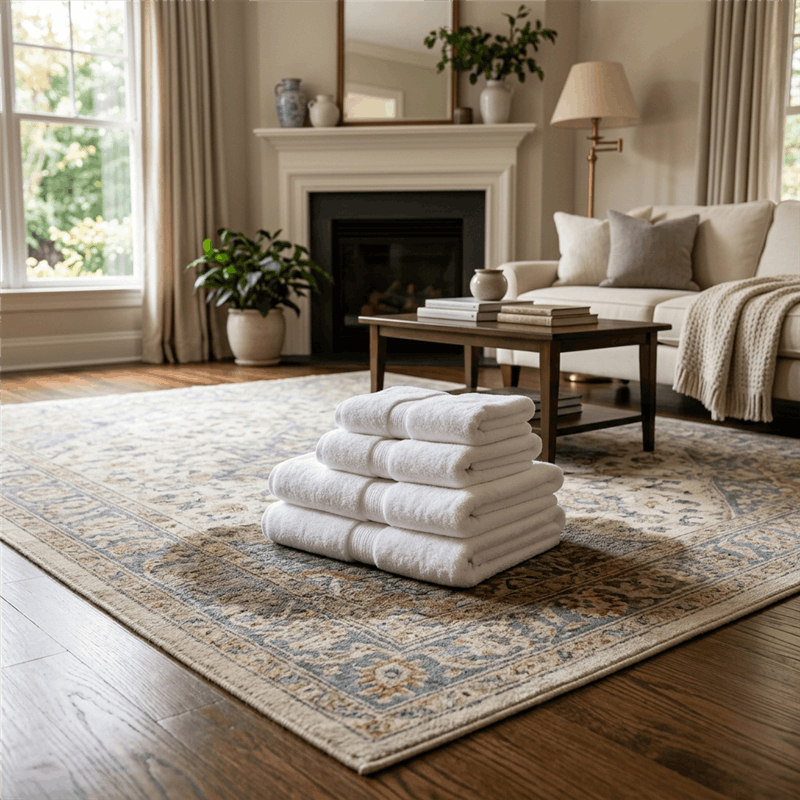
- Blot dry with a fresh, dry towel, then place a stack of paper towels over the area and weigh it down with a flat, heavy object to draw out remaining moisture over several hours.
- Once fully dry, vacuum the area to restore the pile texture.
Stain-Specific Removal Guide
Red Wine
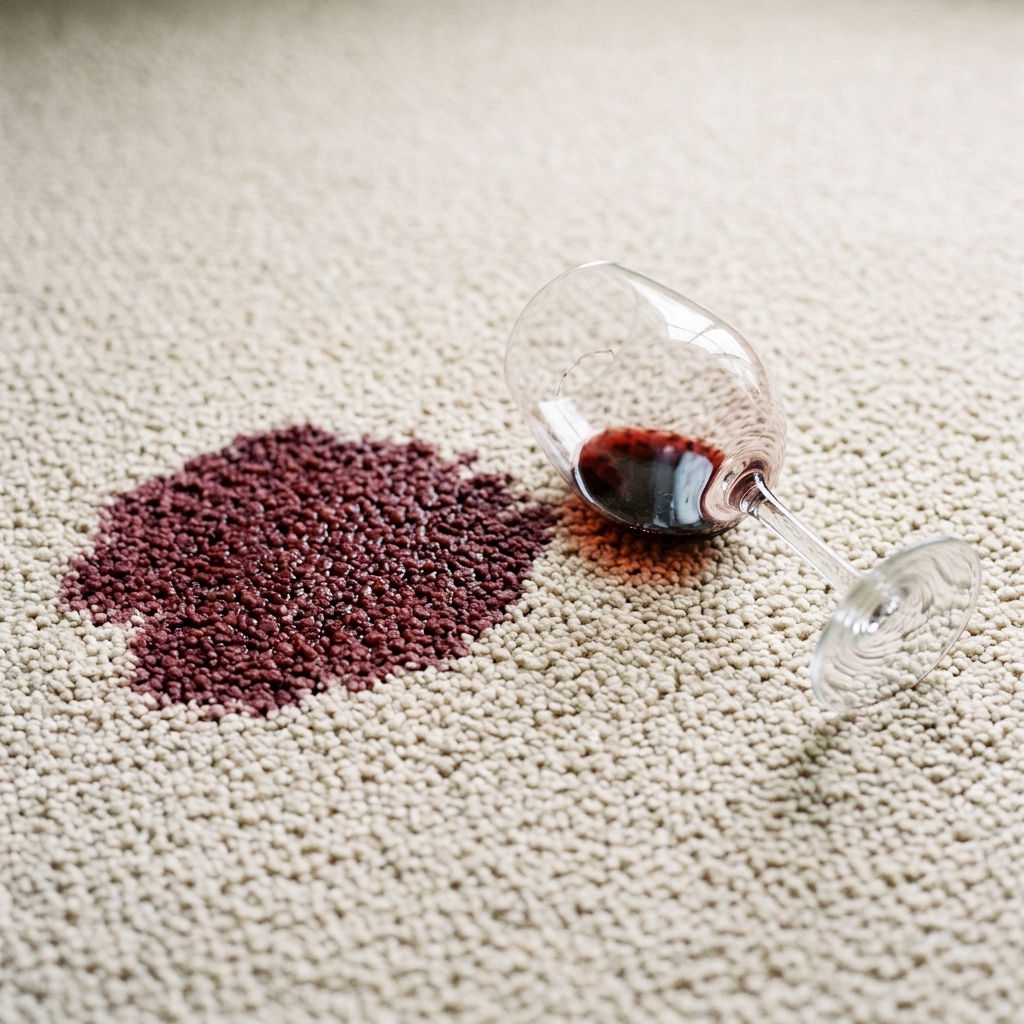
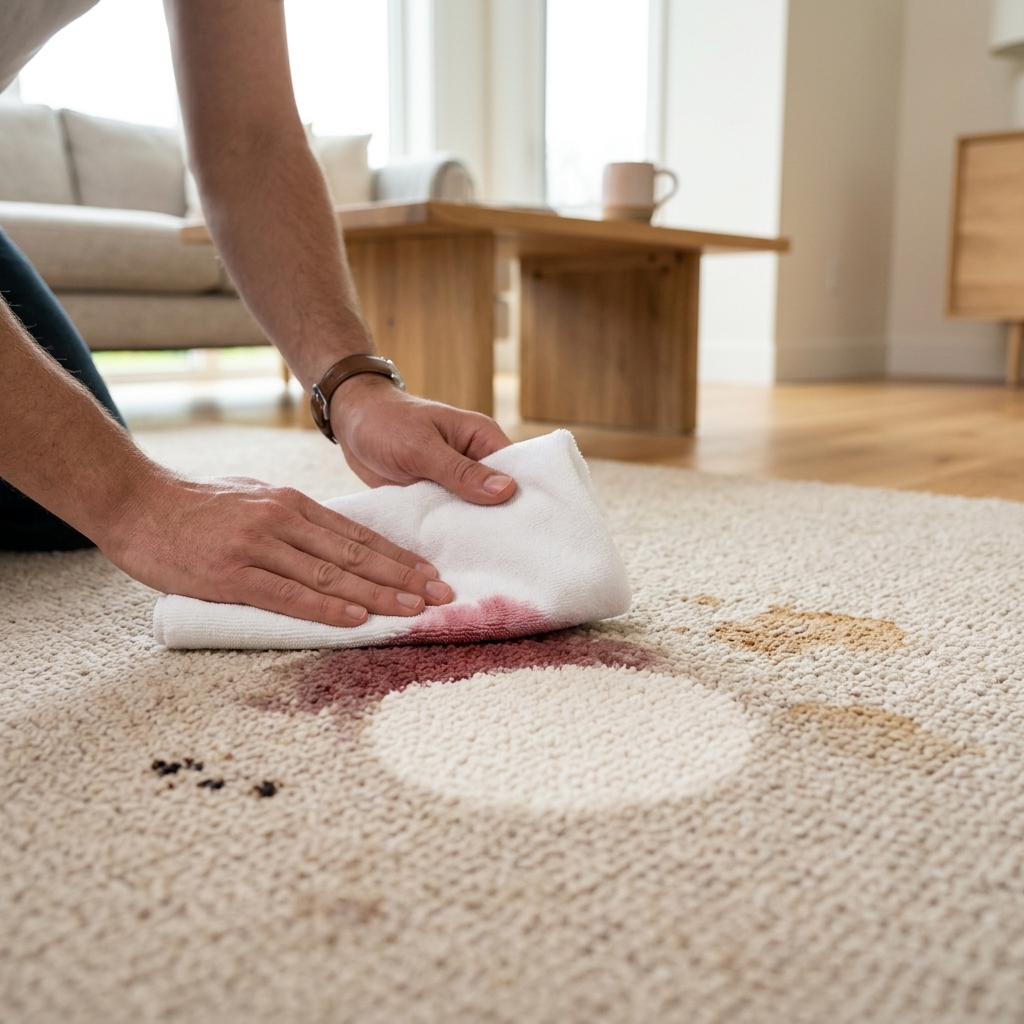
Blot up as much liquid as possible immediately, then apply a mixture of dish soap and hydrogen peroxide (for light carpets) or a specialised wine stain remover, and blot from the outside in. For a full step-by-step method, see our dedicated guide on removing red wine stains from carpet.
Coffee and Tea
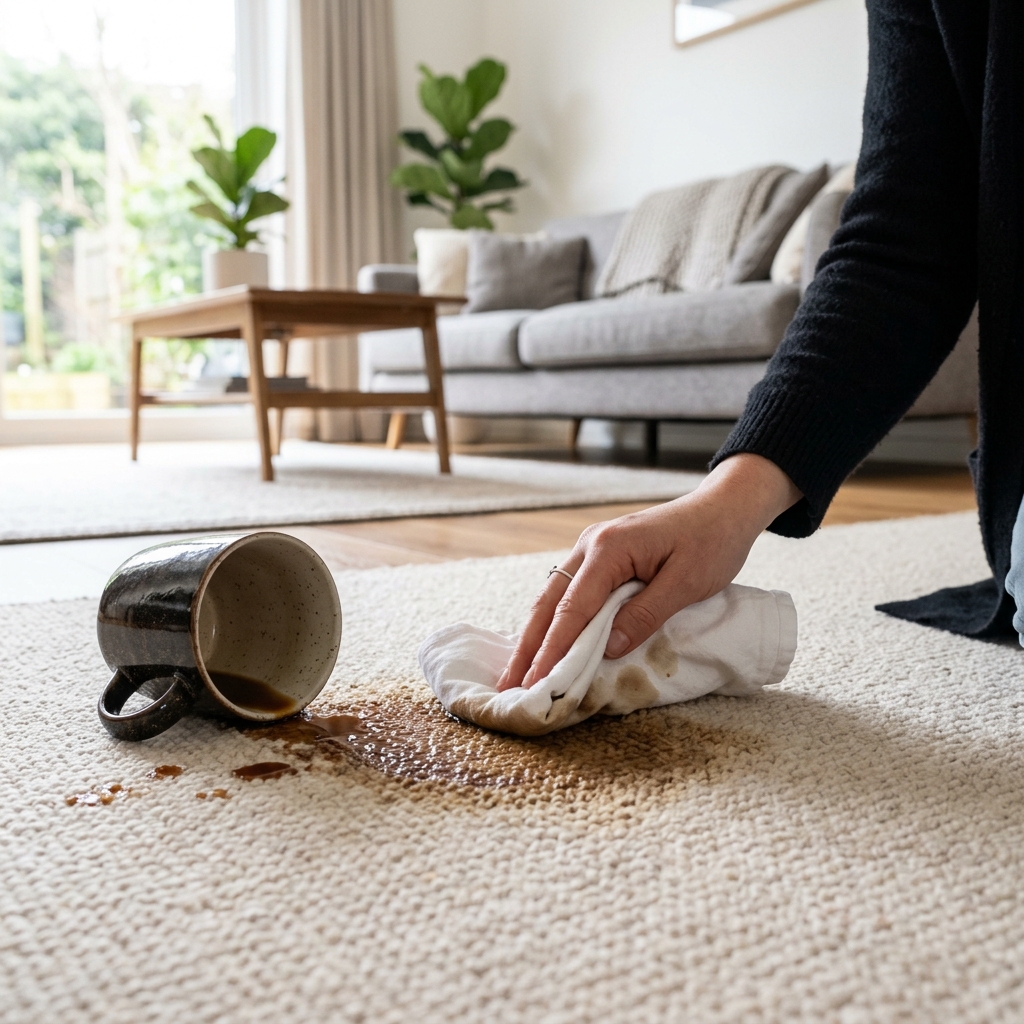
Blot up excess liquid, then apply a mixture of one tablespoon dish soap, one tablespoon white vinegar, and two cups of warm water. Blot the stain repeatedly with a cloth dampened in the solution, rinse with plain water, and blot dry. For stubborn or older coffee stains, a small amount of hydrogen peroxide can help lift the remaining discolouration on light carpets, but should always be tested first.
Pet Stains (Urine, Vomit, Faeces)
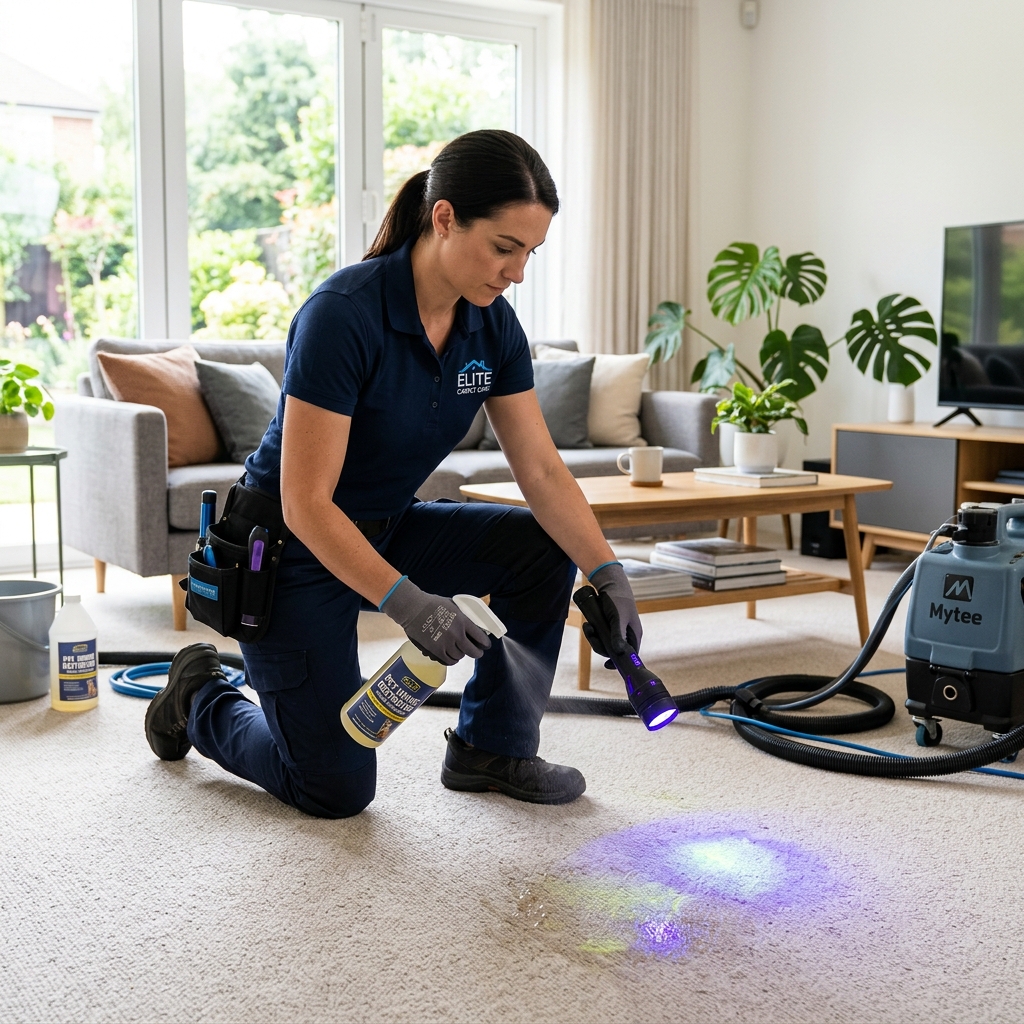
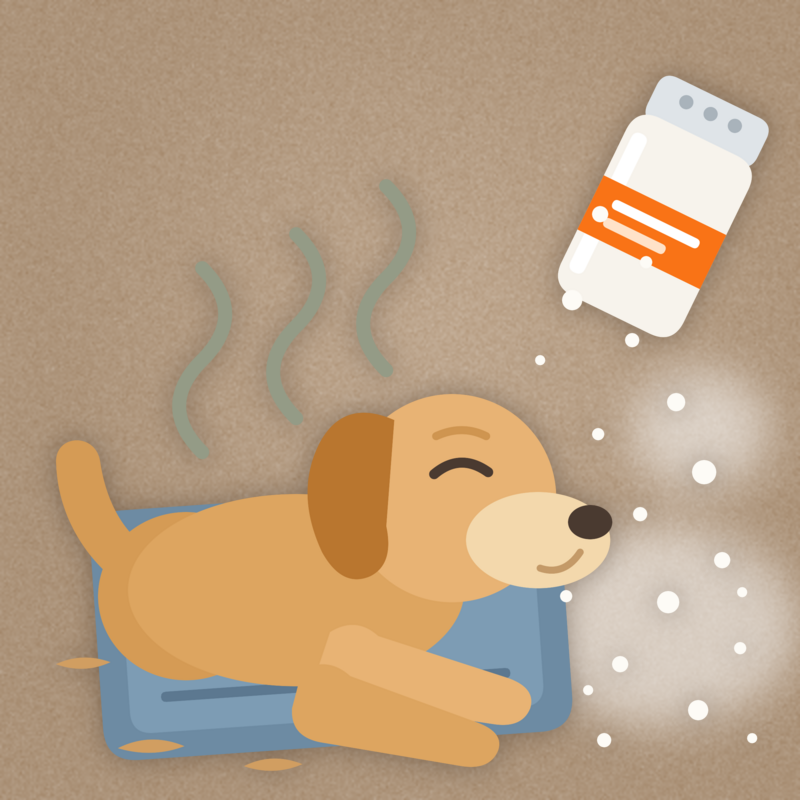
Blot up as much as possible first, then apply an enzyme-based pet stain cleaner, which breaks down the proteins responsible for both the stain and the odour - regular detergent alone often doesn't fully eliminate pet odour, since it doesn't address the underlying enzymes. Let the enzyme cleaner sit for the time specified on the product, then blot dry. For urine stains, blotting quickly is especially important, since urine that dries in the carpet is significantly harder to remove and more likely to leave an odour that lingers.
Blood
Always use cold water for blood stains - hot water causes the proteins in blood to bind to the carpet fibres, setting the stain for good. Blot with cold water first, then apply a mixture of cold water and a small amount of dish soap, blotting gently. For dried blood, a paste of cold water and salt or baking soda left to sit for a few minutes before blotting can help lift the stain.
Grease and Oil
Sprinkle a generous layer of baking soda or cornstarch directly onto the stain and let it sit for at least 15 minutes to absorb the oil, then vacuum it up. Then apply a solution of dish soap (which is specifically good at breaking down grease) and warm water, blotting from the outside in, then rinse and blot dry.
Ink
Dab the stain gently with rubbing alcohol on a clean cloth, working from the outside in and switching to a clean section of cloth frequently so you're not reapplying lifted ink back onto the carpet. Rinse with a cloth dampened in plain water once the ink has lifted, then blot dry. Always test rubbing alcohol on an inconspicuous area first, since it can affect carpet dye.
Chewing Gum
Harden the gum first by holding an ice cube against it in a plastic bag for several minutes, then gently scrape off as much as possible with a blunt tool, such as the edge of a spoon, being careful not to damage the carpet fibres. Any remaining residue can usually be lifted with a small amount of rubbing alcohol on a cloth.
Mud
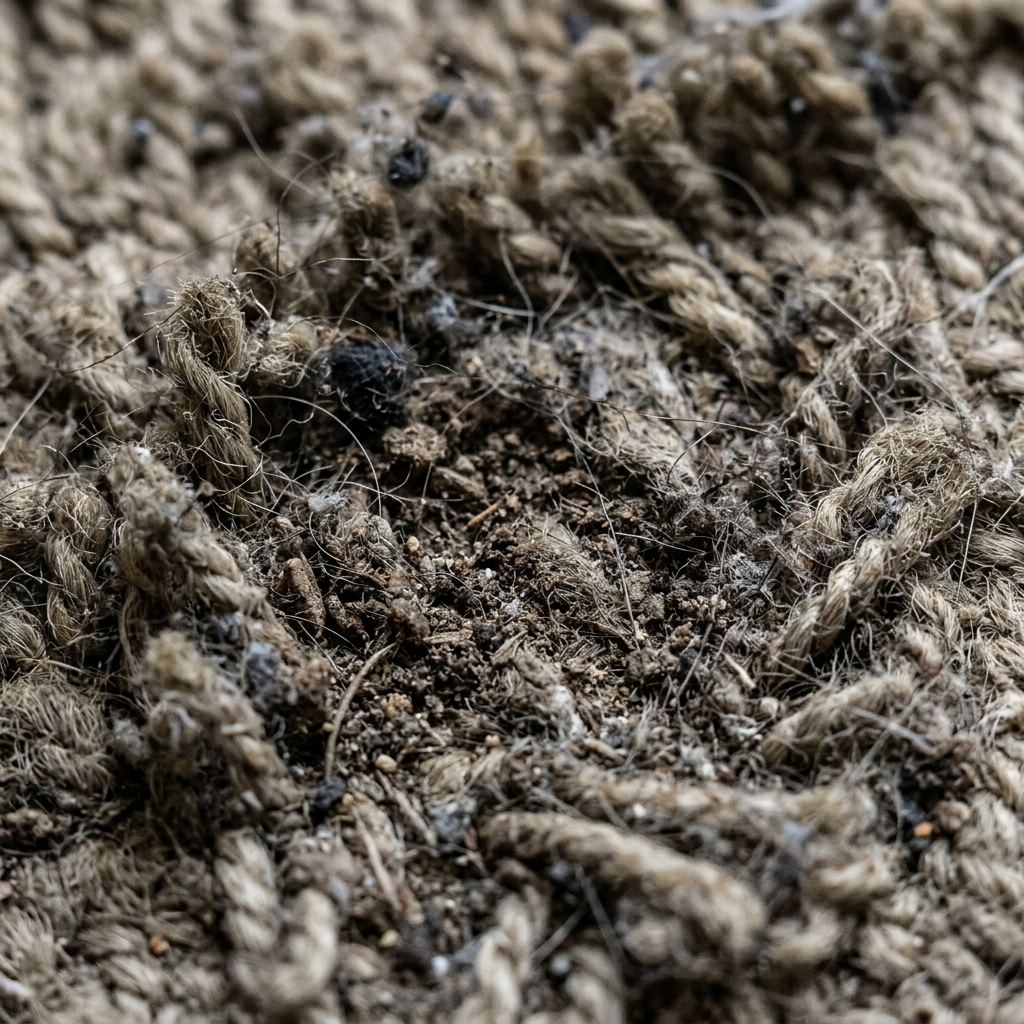
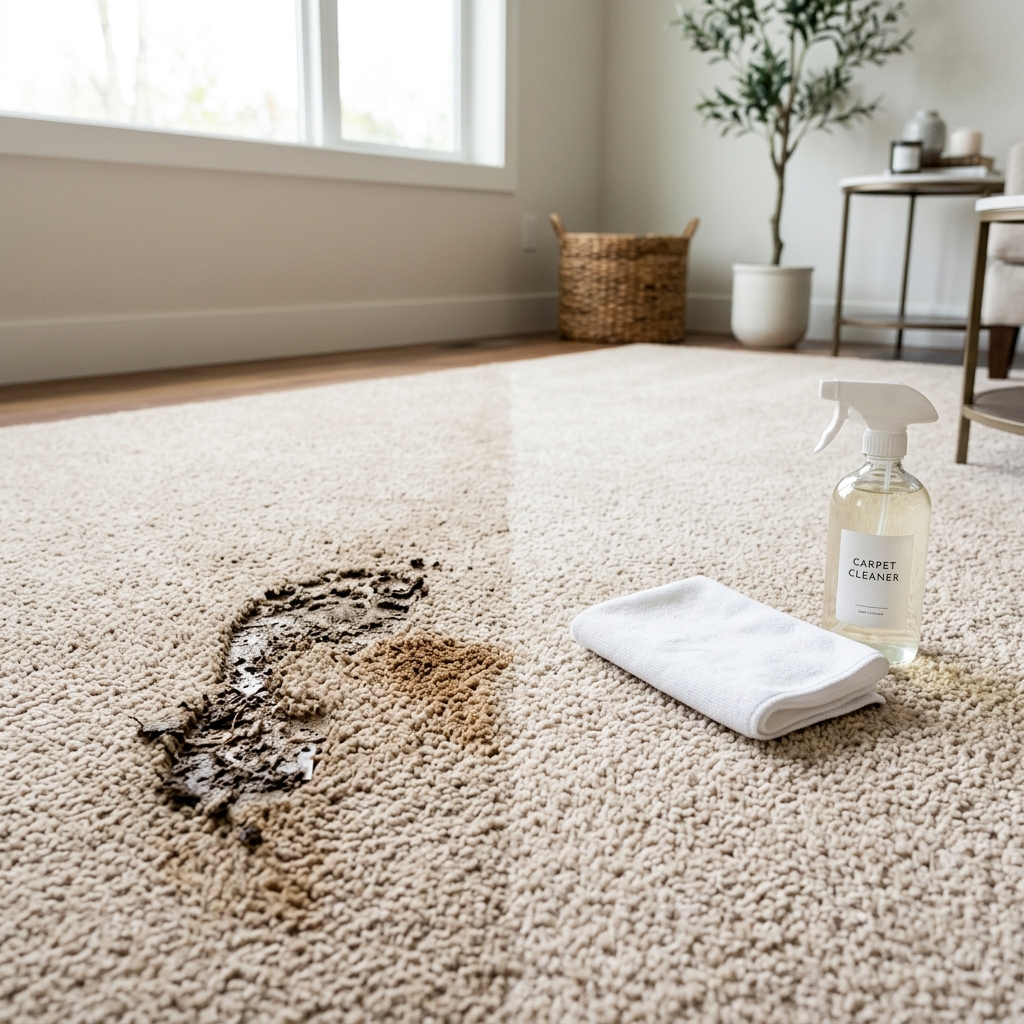
Let mud dry fully rather than trying to clean it wet, since wet mud tends to smear and spread further into the fibres. Once dry, vacuum thoroughly to remove as much as possible, then treat any remaining discolouration with the general dish soap and water method above.
Wax (Candle Wax or Crayon)
Harden the wax with an ice cube in a plastic bag, then gently scrape off the excess with a blunt tool. Place a clean paper towel or brown paper bag over the remaining wax and run a warm (not hot) iron over it briefly - the heat will melt the residual wax into the paper rather than the carpet. Repeat with a fresh section of paper as needed.
Nail Polish
Blot immediately without rubbing, then apply a small amount of non-acetone nail polish remover to a cloth and dab gently, working from the outside in. Acetone-based removers can damage certain carpet fibres, particularly synthetic ones, so always test first and use a non-acetone formula where possible.
Dealing With Set-In or Old Stains
Older, set-in stains are harder to remove but not always impossible. A paste of baking soda and water or white vinegar, left to sit on the stain for 30 minutes to an hour before blotting and rinsing, can help loosen stains that have had time to bind to the fibres. For particularly stubborn set-in stains, a commercial carpet stain remover formulated for that stain type, or a call to a professional carpet cleaner, is often the surest route forward.
Carpet Fibre Considerations
Not all carpets respond to cleaning the same way. Synthetic carpets like nylon and polyester are generally more stain-resistant and forgiving of a wider range of cleaning solutions. Wool carpets are more delicate and can be damaged by high pH cleaning products or excessive heat, so mild, wool-safe solutions and cooler water are recommended. Always check with the carpet manufacturer or a professional if you're dealing with a high-value or unusual carpet fibre, since the wrong product can cause discolouration or fibre damage that's more costly to fix than the original stain.
When to Call a Professional Carpet Cleaner
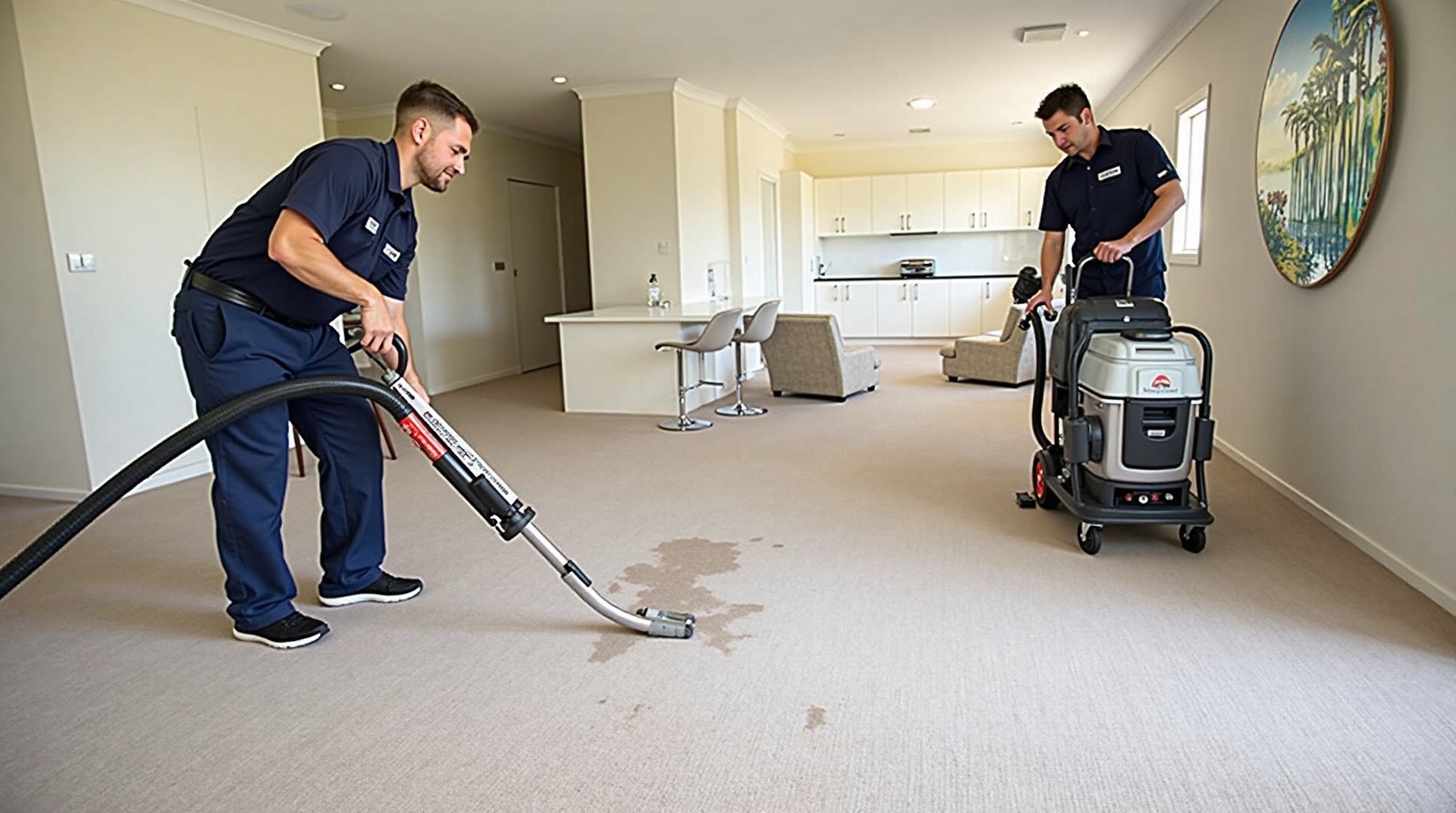
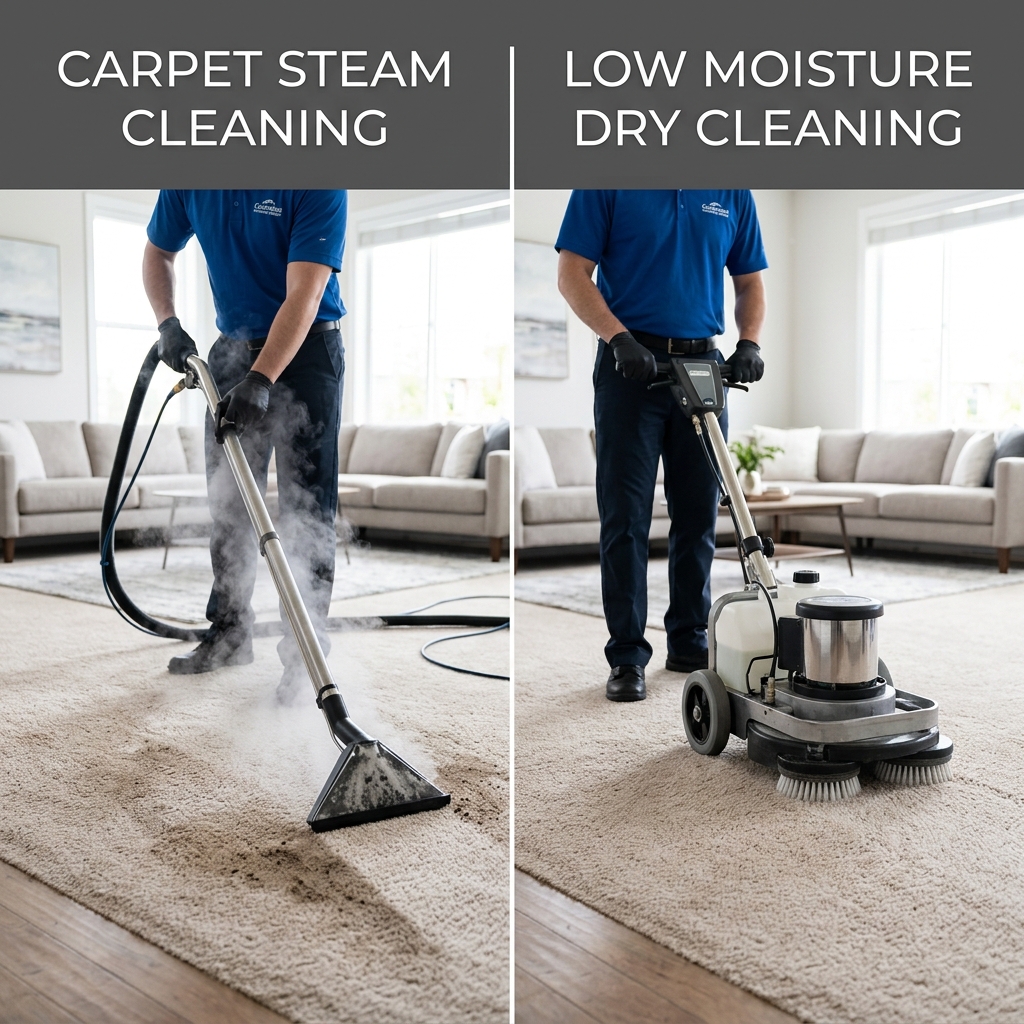
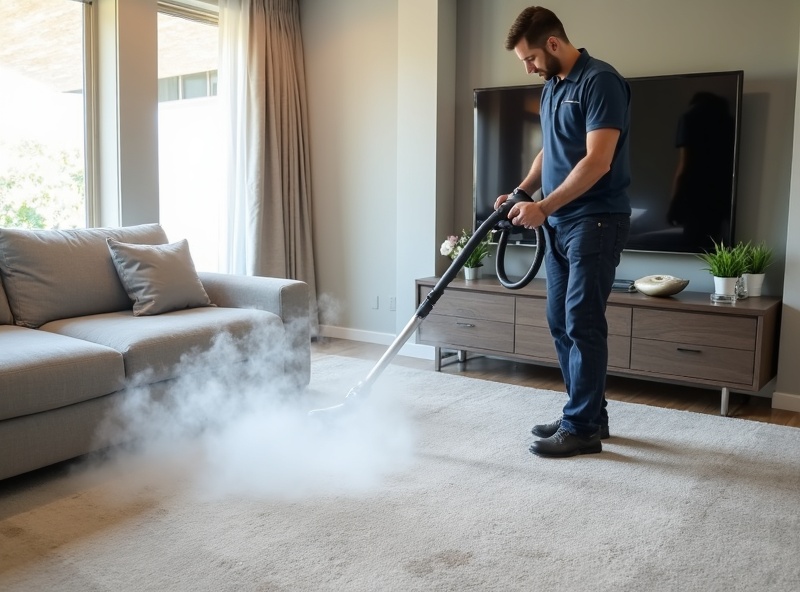
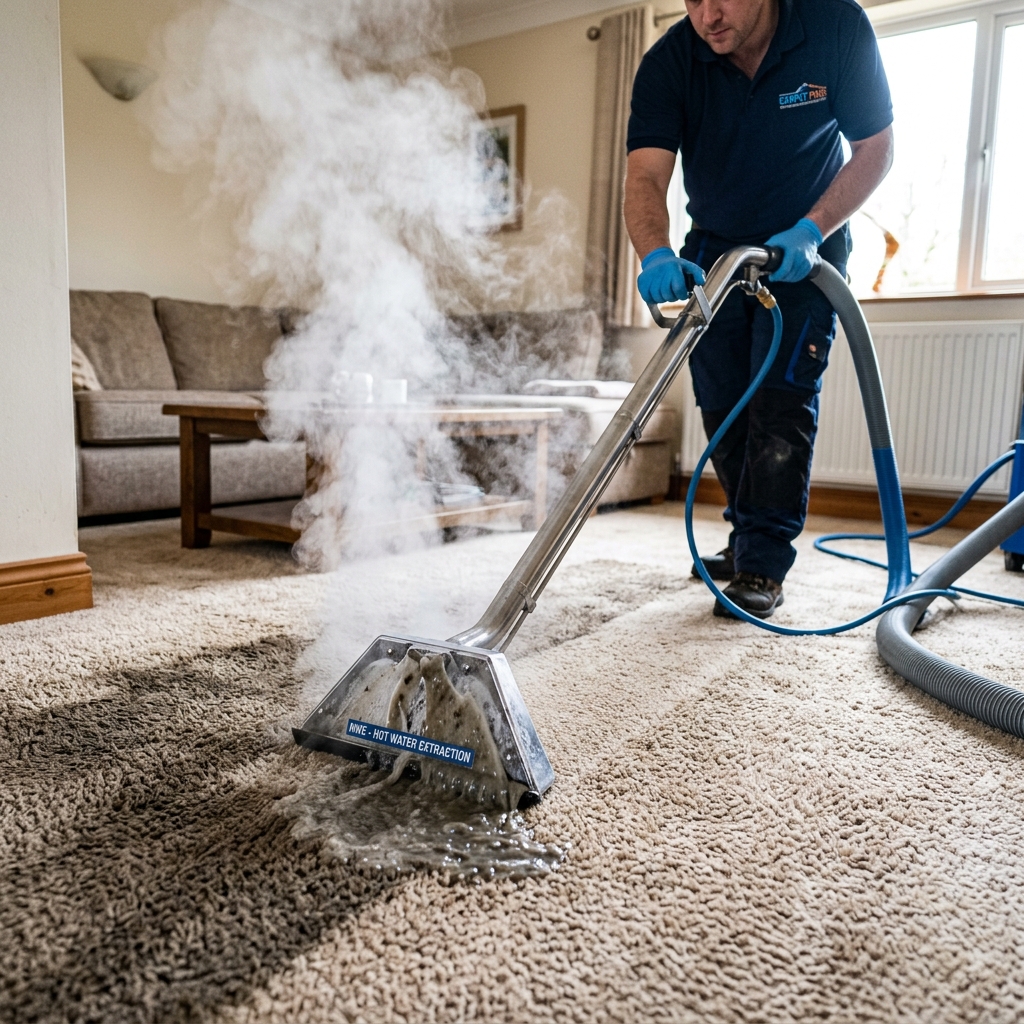
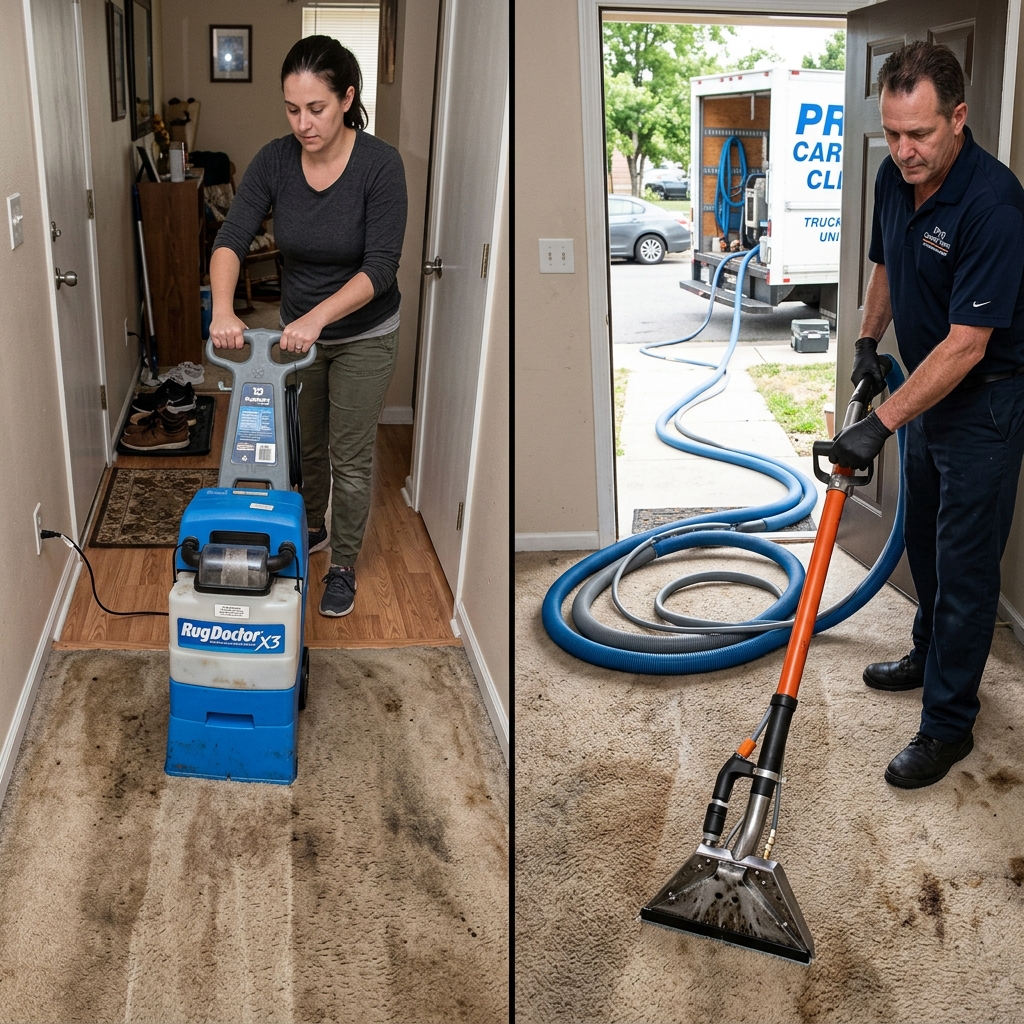
Some stains are worth handing over to a professional rather than risking further damage with repeated DIY attempts - particularly large or old stains, stains on wool or high-value carpets, stains that keep reappearing after cleaning (which can indicate the stain has soaked into the padding beneath), and any situation where a previous cleaning attempt has left a texture change, colour change, or ring mark. Professional carpet cleaners have access to hot water extraction equipment and stronger, fibre-specific solutions that can lift stains without the guesswork of a home remedy.
The Bottom Line
Most carpet stains are manageable if you act quickly, blot rather than rub, and match your method to the type of stain and carpet fibre involved. Keep a few basic supplies on hand - mild dish soap, white vinegar, baking soda, and clean white cloths - and you'll be prepared for the vast majority of everyday spills. For anything stubborn, old, or on a delicate carpet, a professional clean is a safer bet than risking irreversible damage with a DIY method that isn't suited to the job.