How to Get Dog Smell Out of Carpet: Proven Methods That Actually Work
There's a specific, musky smell that dog owners often become so used to that they stop noticing it themselves, even when it's genuinely obvious to visitors walking through the front door. Dog smell in carpet is one of the most common complaints we hear at Fresho Carpet Cleaning Brisbane, and it's a genuinely solvable problem once you understand what actually works, rather than relying on products that only mask the smell temporarily and leave the underlying odour untouched.
In this guide, we'll walk through the proven, tested methods that genuinely eliminate dog smell from carpet, rather than the quick fixes that offer only short-term improvement before the odour inevitably returns.
Why Dog Smell Settles Into Carpet So Persistently
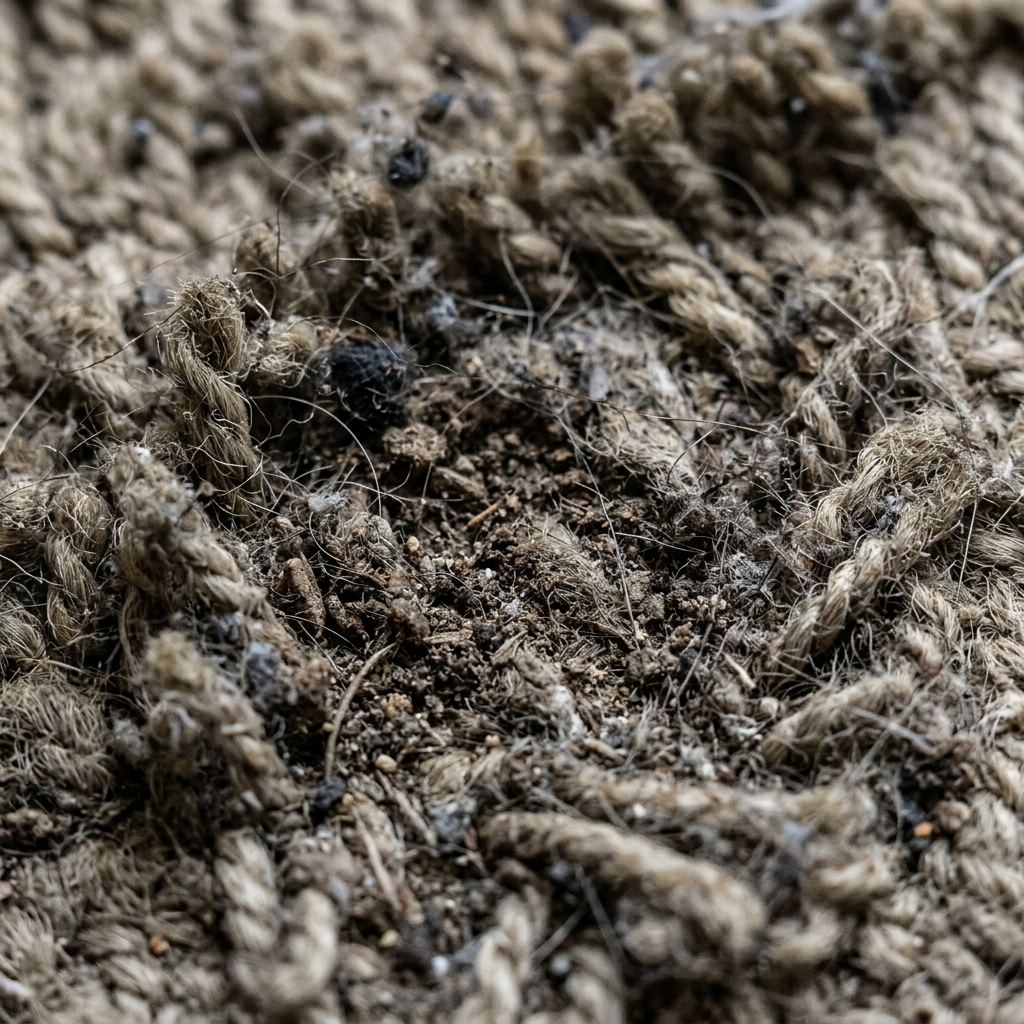
Dogs naturally produce oils in their skin and fur that transfer onto carpet fibres through regular contact, particularly if your dog has a favourite spot for lying down. Combined with dander, saliva from grooming, and occasional outdoor moisture and dirt, these compounds gradually build up within the carpet's fibre structure, creating a persistent odour that regular vacuuming alone can't fully resolve.
Method 1: Deep Vacuuming as the Essential First Step
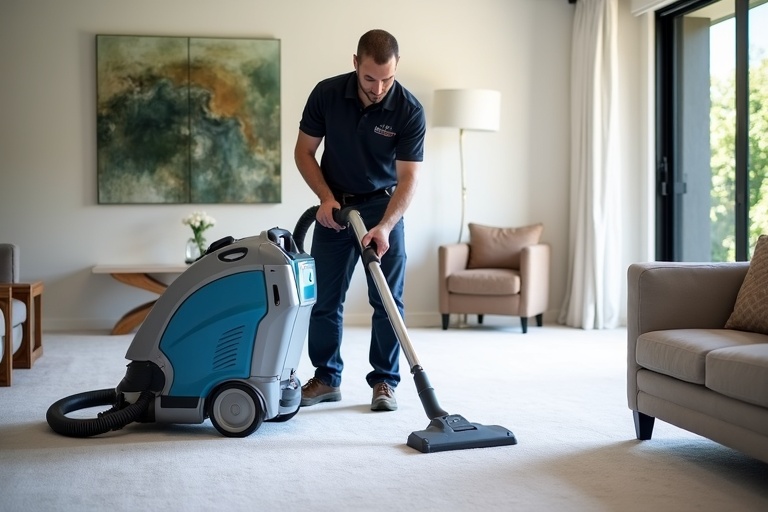
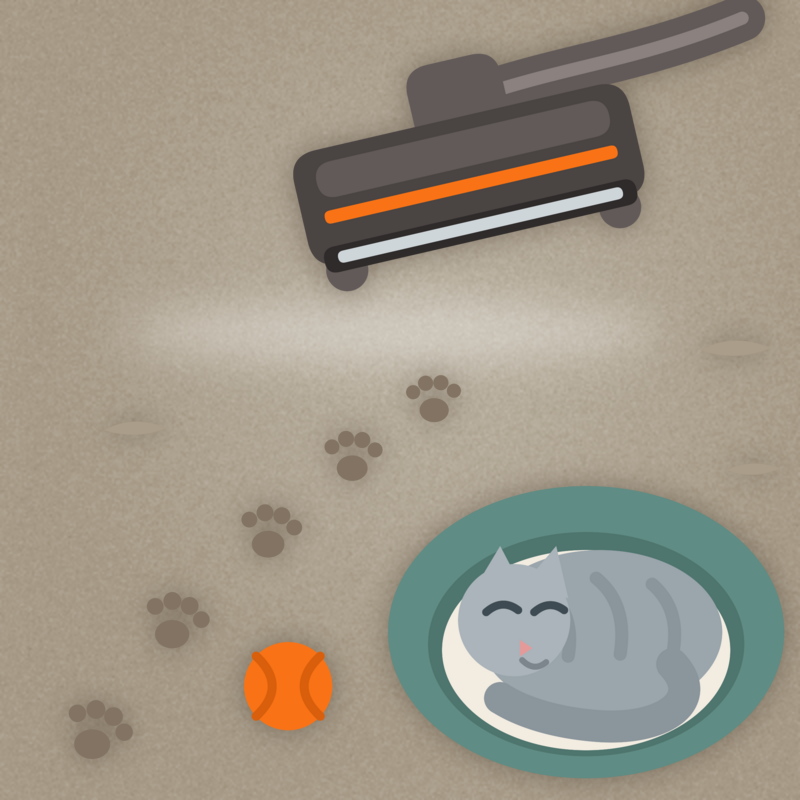
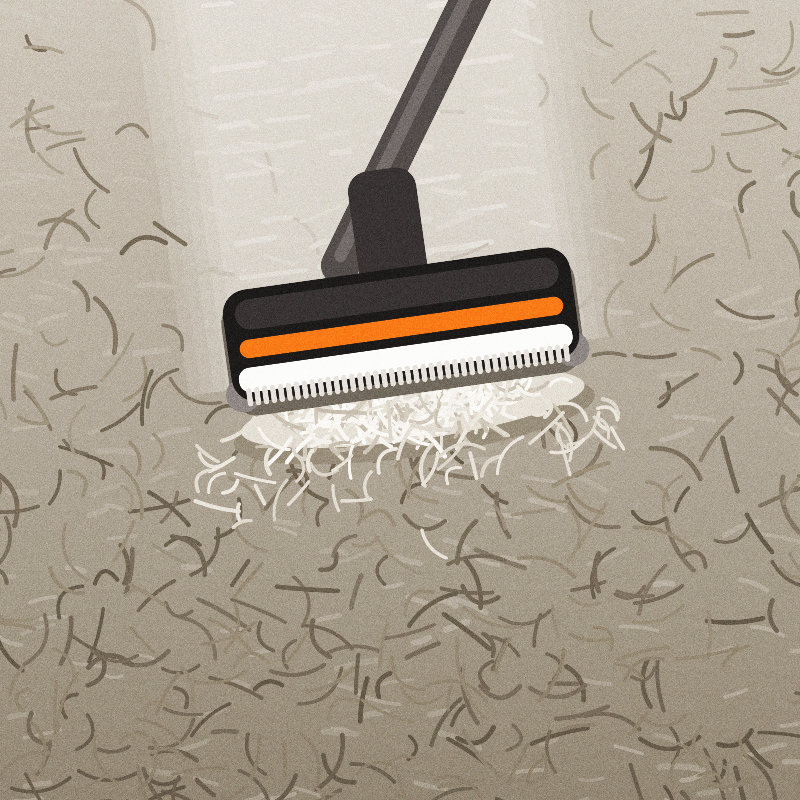
Before any liquid treatment, a thorough vacuum using a motorised brush head or pet-hair-specific attachment removes surface-level hair, dander, and loose debris that would otherwise interfere with deeper odour treatment. Vacuum slowly and in multiple directions to lift as much embedded material as possible from the base of the carpet fibres.
Method 2: Baking Soda for General Ambient Odour
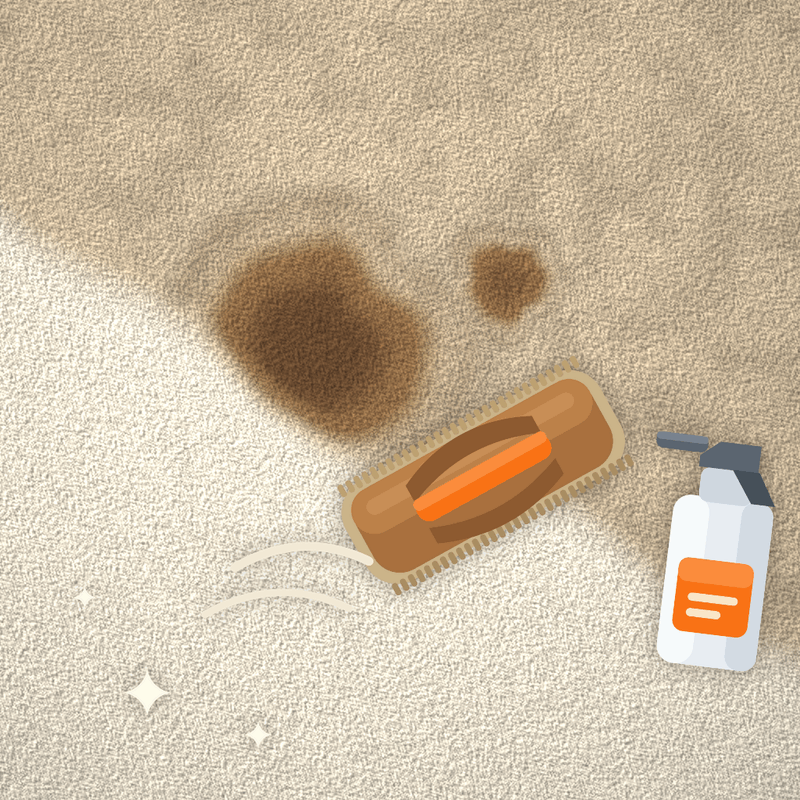
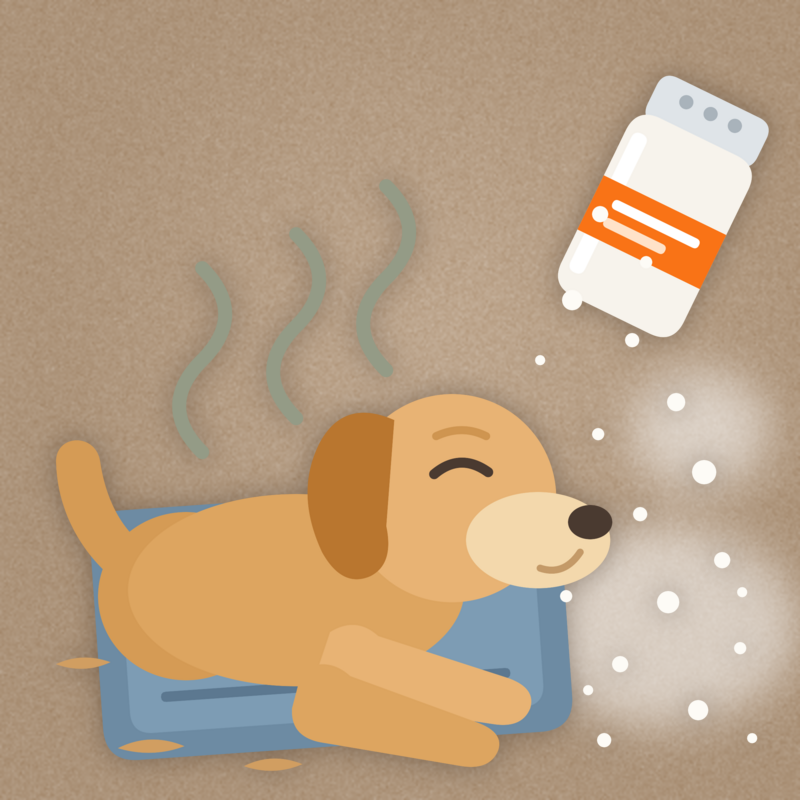
For general dog smell not linked to a specific accident, sprinkle a generous, even layer of baking soda across the affected carpet area, working it gently into the fibres with a soft brush. Leave it for at least several hours, ideally overnight, allowing it time to absorb odour compounds, then vacuum thoroughly. This method genuinely absorbs odour rather than masking it, making it one of the more effective, low-cost options for ambient dog smell.
Method 3: Enzyme Treatment for Accident-Related Odour
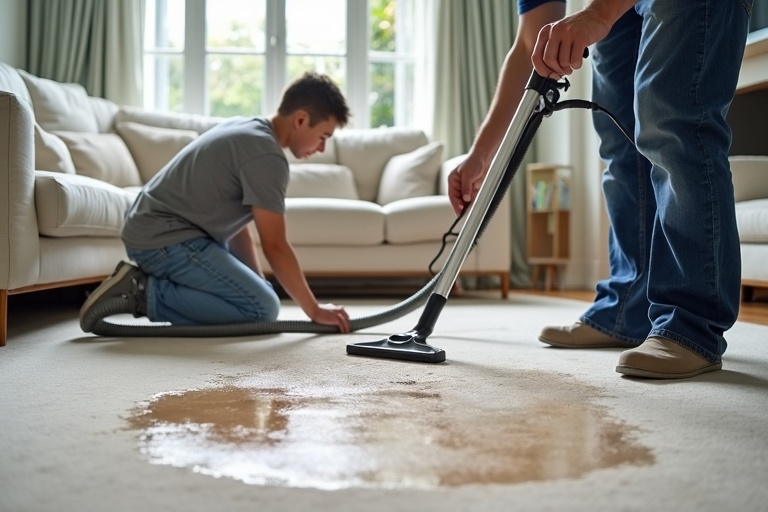
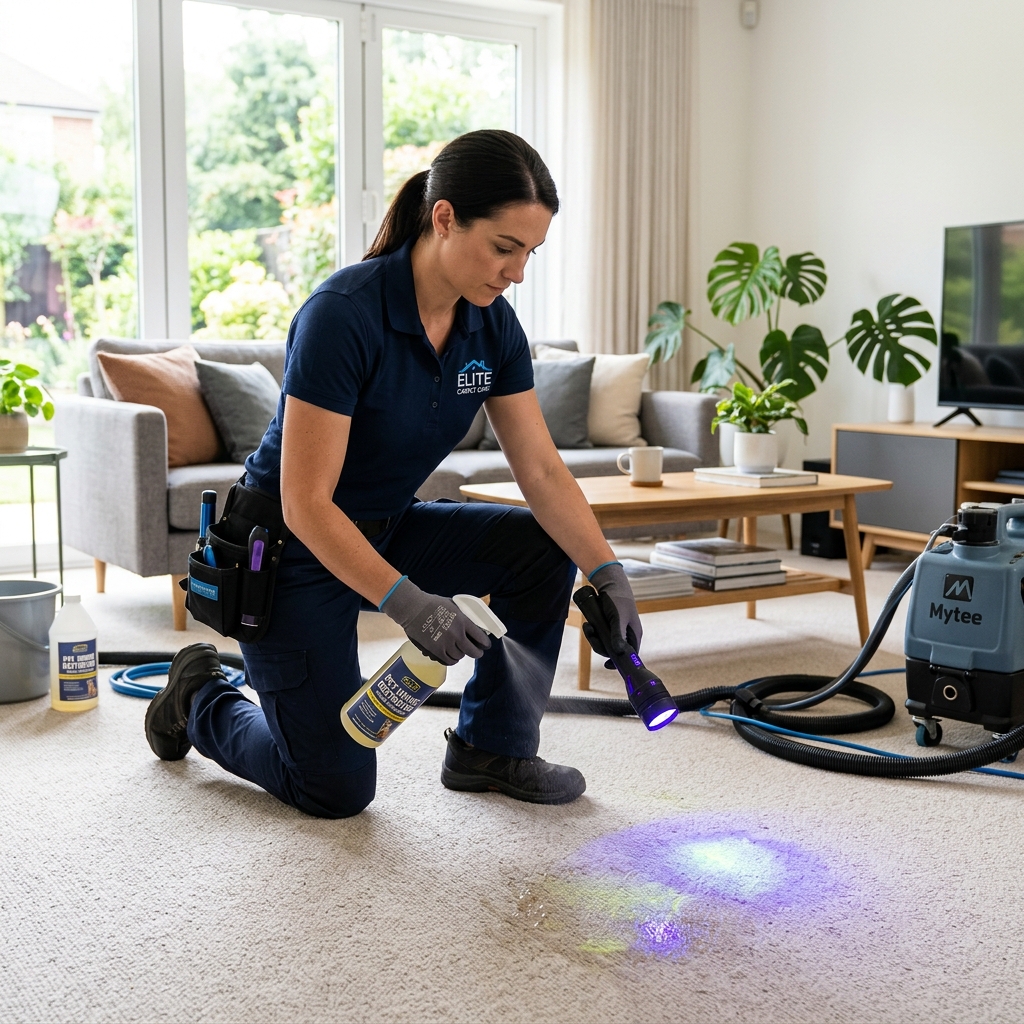
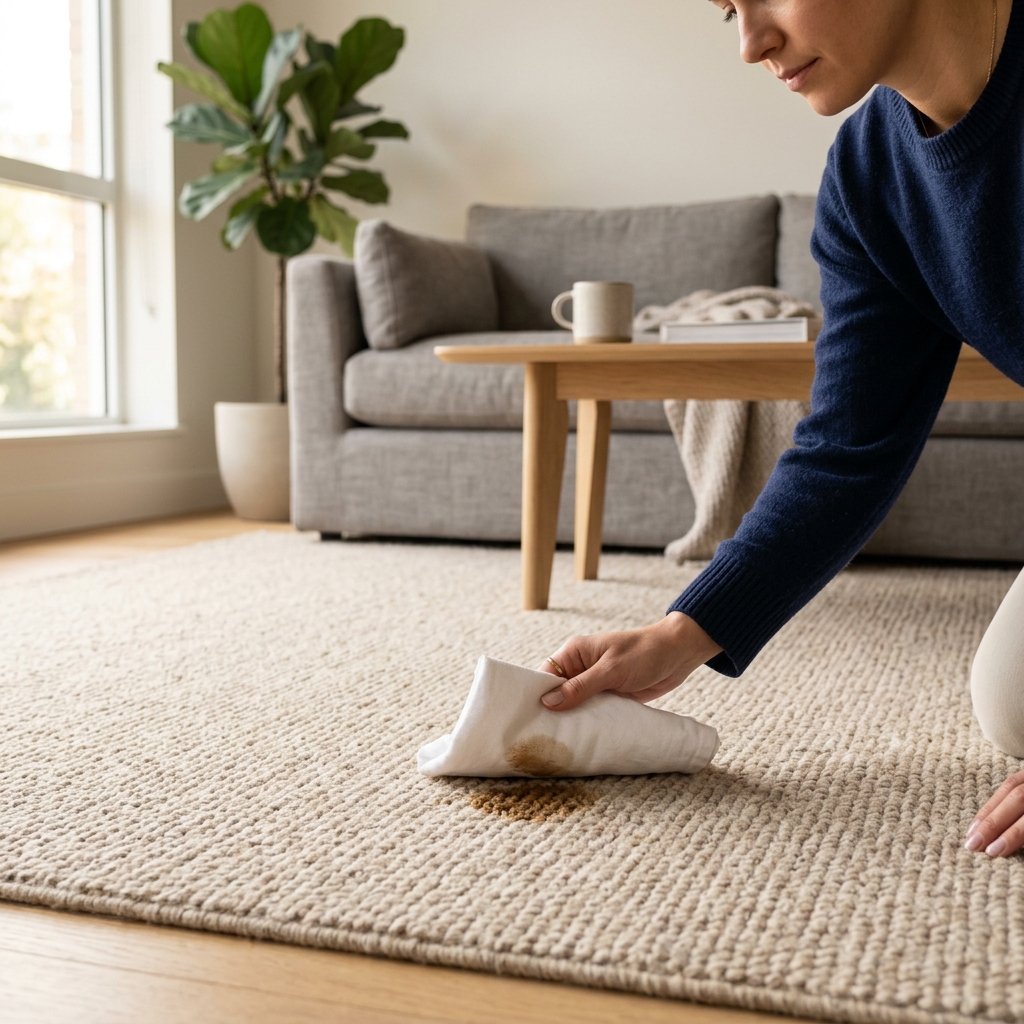
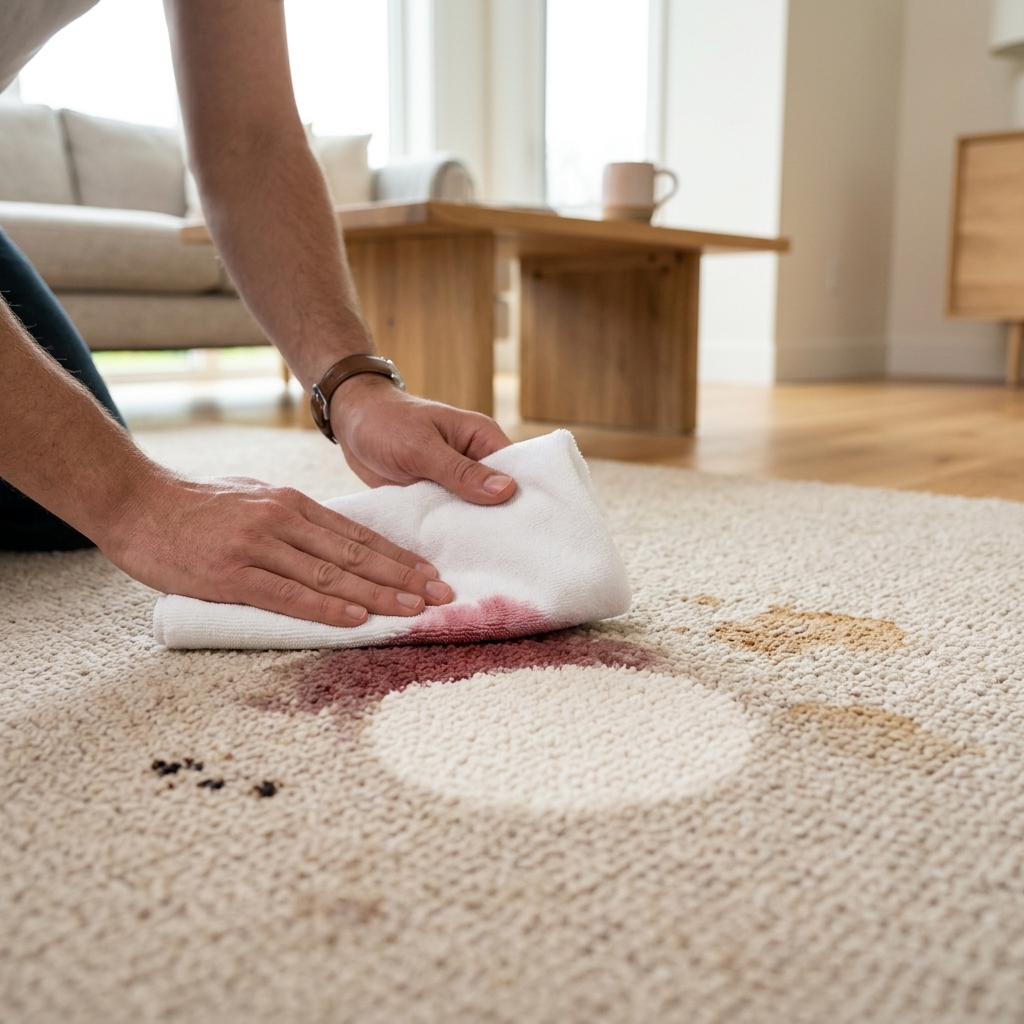
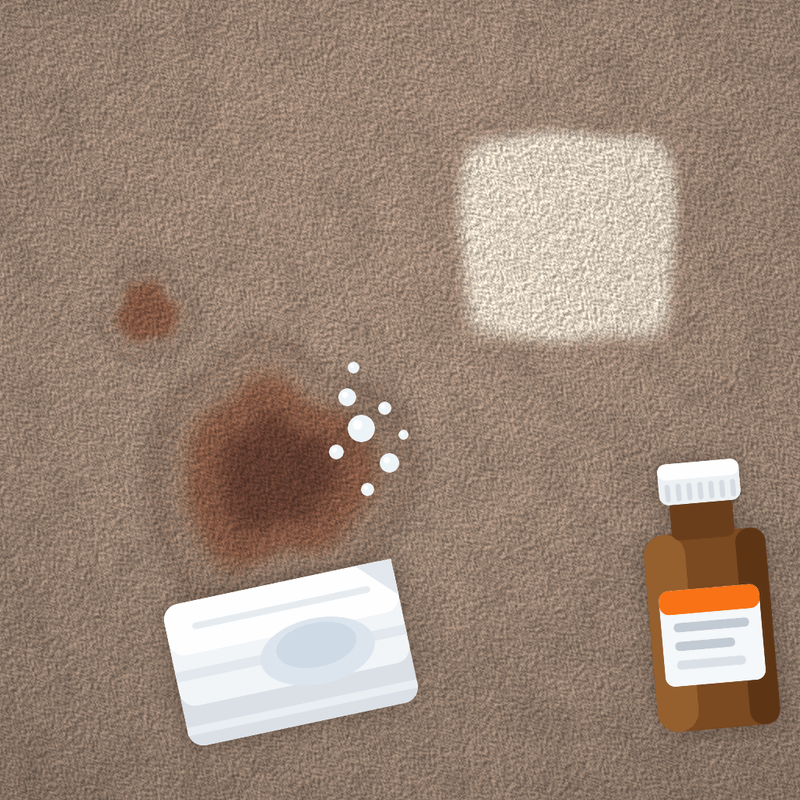
If the odour stems from specific accidents rather than general ambient smell, an enzyme-based cleaner is essential. These products contain bacterial cultures that break down the uric acid crystals responsible for persistent urine odour at a molecular level, something standard detergent simply can't achieve. Apply according to product instructions, allowing adequate dwell time before blotting or extracting.
Method 4: Vinegar Solution for Surface-Level Freshening
A diluted white vinegar solution, roughly one part vinegar to two parts water, can help neutralise surface-level odour when lightly misted over affected carpet areas and allowed to air dry. While vinegar has a distinct smell of its own initially, this dissipates completely as it dries, leaving genuinely reduced odour behind rather than simply masking the dog smell with a different scent.
How Weather and Season Affect Dog Smell Intensity
Humid weather, common throughout much of the year in Brisbane, can make dog odour seem more noticeable, since moisture in the air can reactivate oils and compounds already present in the carpet fibres. During particularly humid stretches, more frequent baking soda treatment or improved ventilation can help keep odour more consistently managed.
Why Some Dogs Contribute to Stronger Carpet Odour Than Others
Certain breeds, particularly those with oilier coats or specific skin conditions, naturally produce stronger odour-causing compounds than others. If your dog falls into this category, more frequent grooming and bathing, alongside more regular carpet freshening, generally helps keep the overall odour more manageable despite the breed-specific tendency.
Method 5: Professional Hot Water Extraction
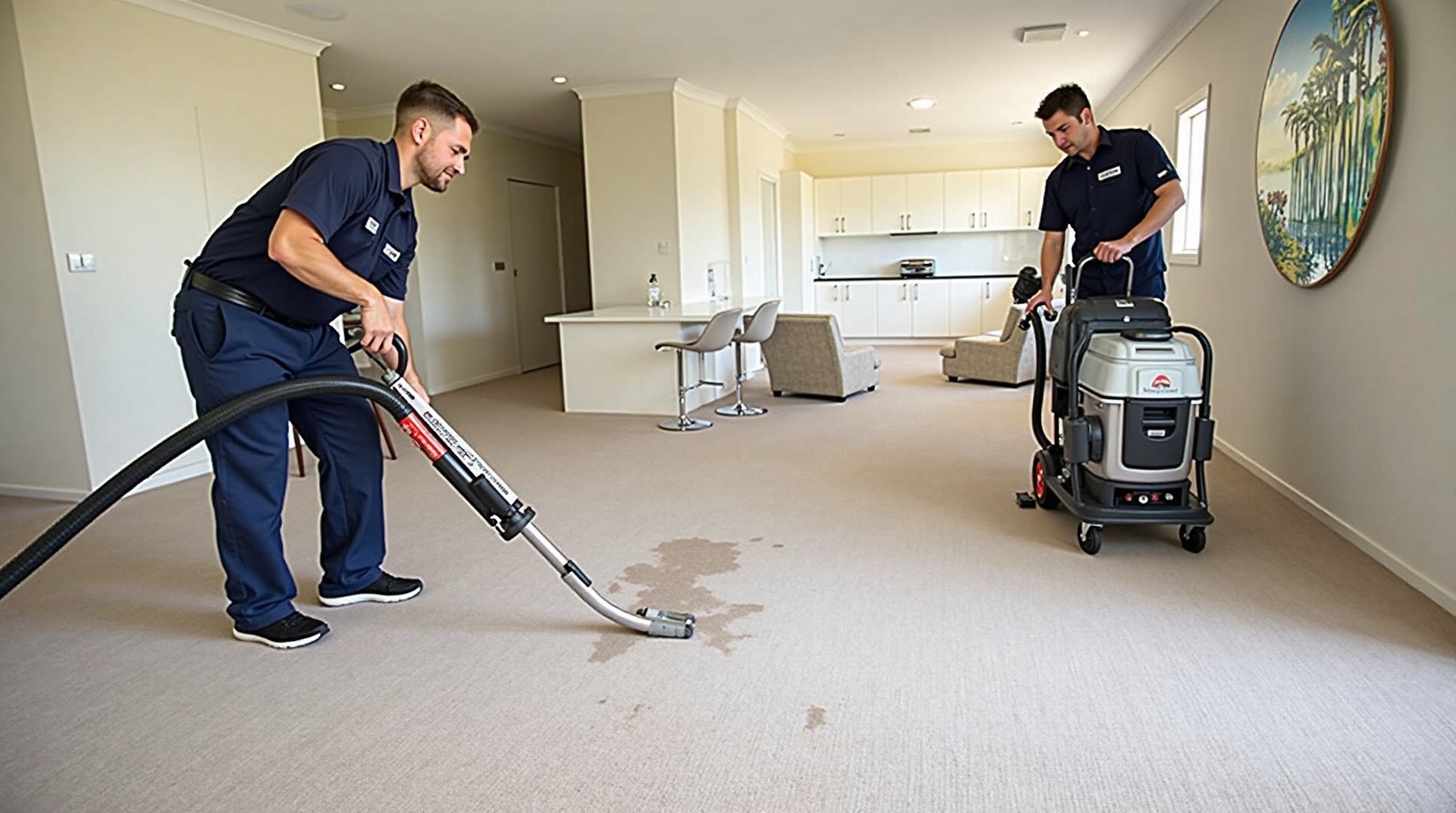
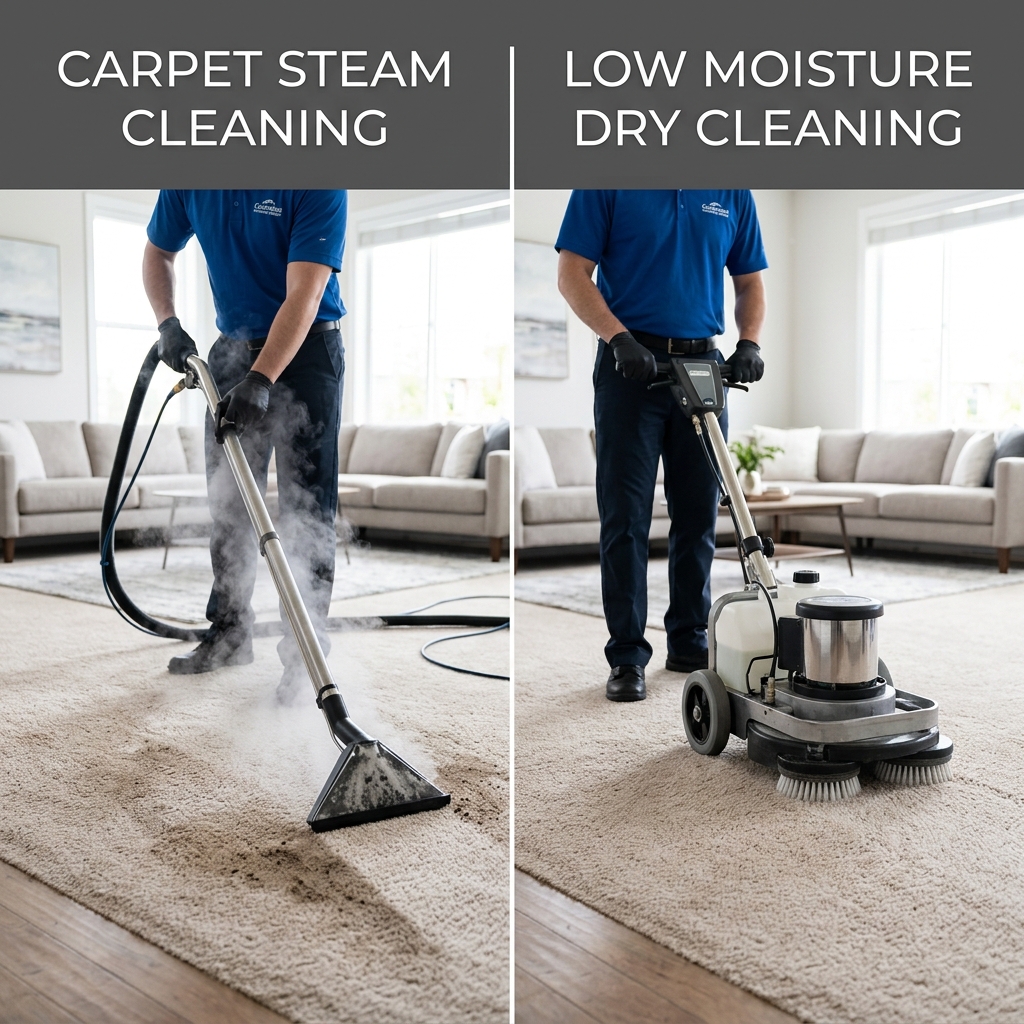
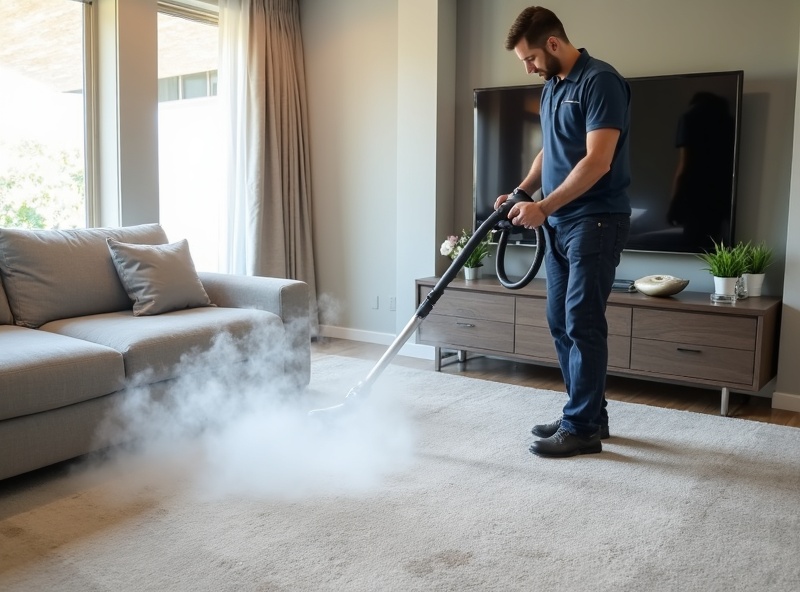
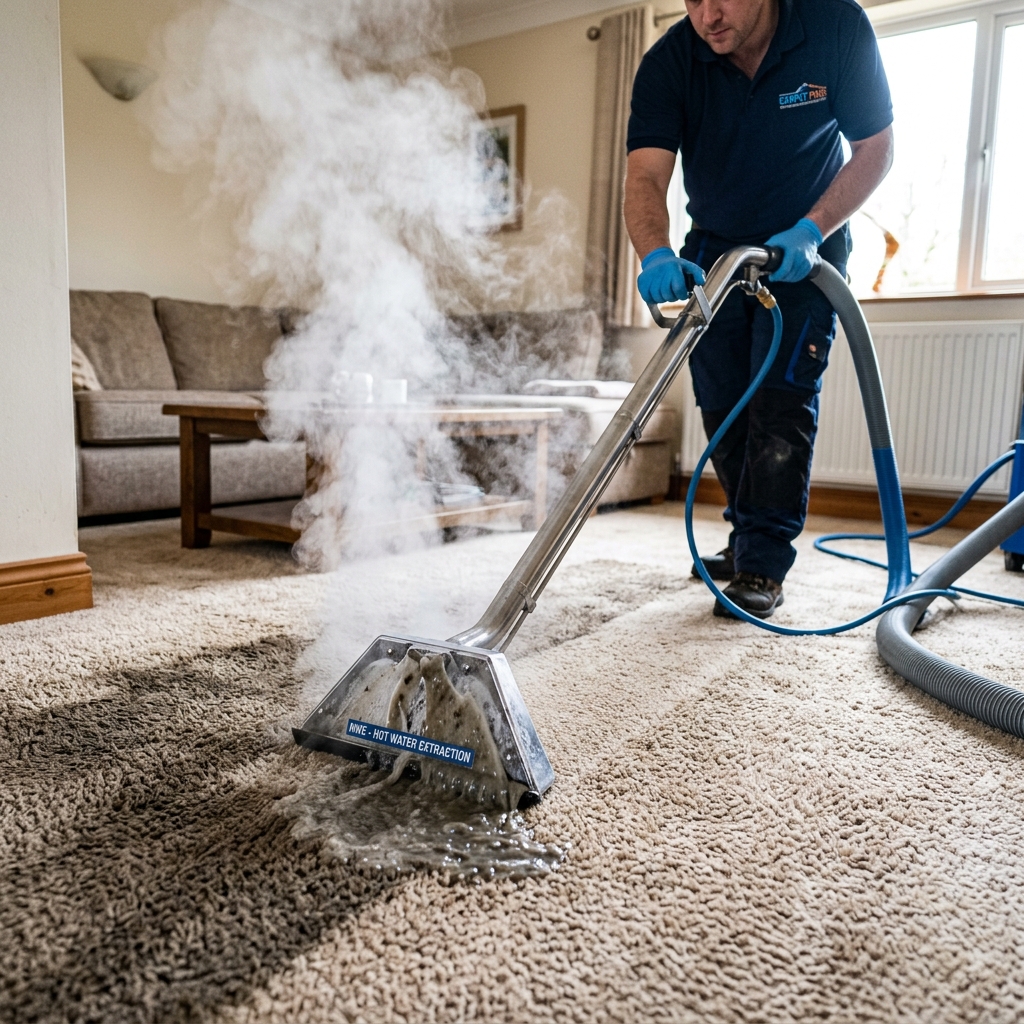
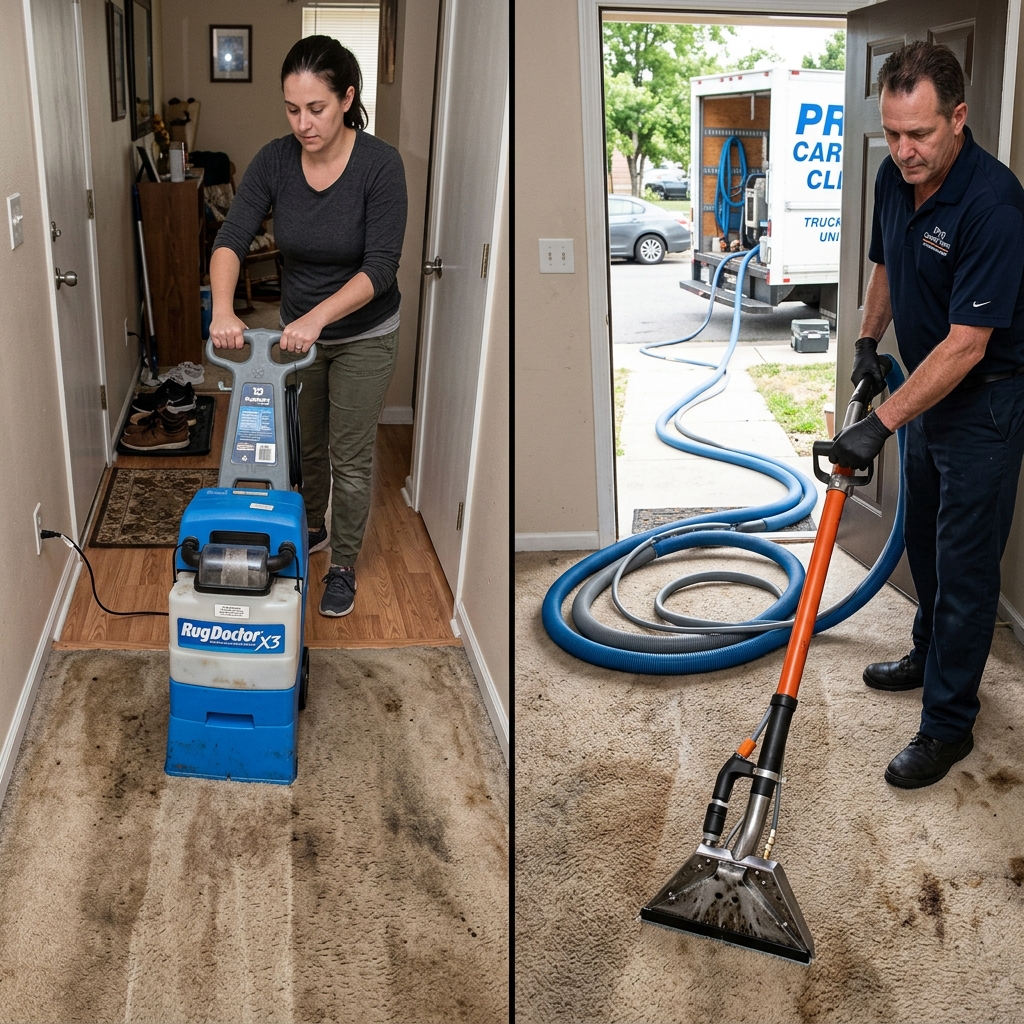
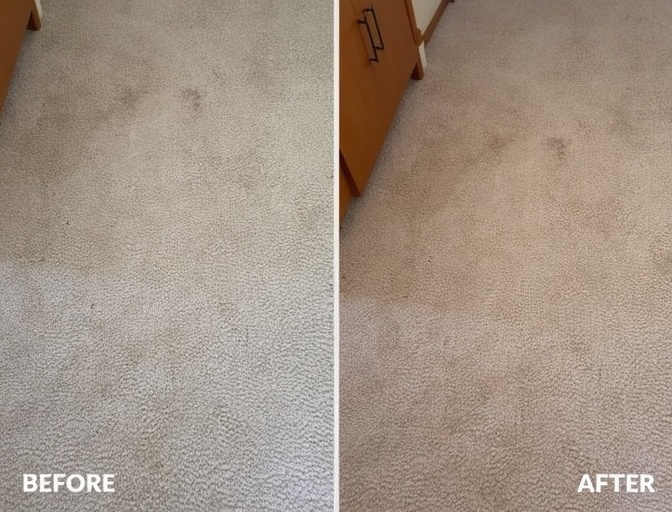
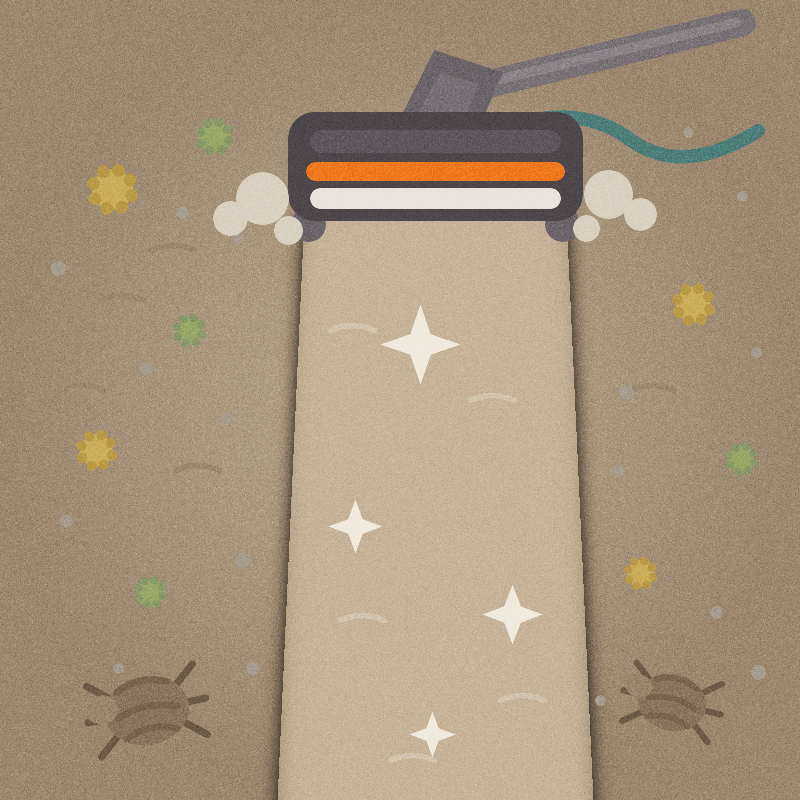
For deeply embedded, long-term dog smell that hasn't responded to home treatment, professional hot water extraction offers significantly stronger cleaning power than any DIY method. The combination of higher water temperature, stronger suction, and professional-grade cleaning solutions reaches deeper into the carpet and underlay, addressing odour sources that home methods often can't fully access.
Testing Any New Product on a Hidden Section First
Before applying vinegar, baking soda in larger quantities, or any new product to a visible area, it's worth testing on a small, hidden section of carpet, such as inside a closet, particularly for lighter-coloured or natural fibre carpets. This precaution helps avoid any unexpected discolouration before committing to full treatment of a visible room.
Combining Methods for Stubborn, Long-Term Odour
For carpet that's absorbed dog smell over many years, a single method often isn't enough. Combining deep vacuuming, baking soda treatment, and periodic professional hot water extraction, used together as an ongoing routine rather than a one-off fix, tends to produce far better long-term results than relying on any single method in isolation.
Why Regular Air Fresheners Don't Actually Work
It's worth being direct about this: scented sprays, plug-in air fresheners, and scented candles do not remove dog smell from carpet. They add a competing fragrance that temporarily masks the underlying odour, but once that fragrance fades, the original dog smell becomes noticeable again, sometimes in an unpleasant combination with lingering artificial scent.
Addressing the Padding, Not Just the Carpet Surface
For long-term dog owners, especially with older dogs that may have had occasional accidents over the years, odour can sometimes extend beyond the visible carpet surface into the padding underneath. If surface treatment doesn't fully resolve a persistent smell, it's worth having a professional assess whether padding contamination is contributing to the ongoing issue.
Managing Odour From a Dog's Favourite Resting Spot
If your dog consistently lies in the same carpet area, this specific spot often accumulates oil and odour more heavily than the rest of the room. Placing a washable dog bed or blanket over this favourite resting area, which can be laundered regularly, significantly reduces how much oil and odour transfers directly onto the carpet itself.
Preventing Dog Smell From Building Up Again
- Bathe your dog regularly according to your vet's recommendations for their specific coat type
- Brush your dog regularly to reduce loose fur and dander reaching the carpet
- Use a washable bed or blanket in favourite resting spots
- Vacuum several times a week, more than the standard recommendation for pet-free homes
- Address any new accidents immediately with enzyme-based treatment
A Broader Approach for Pet-Owning Households
Dog smell is often just one part of the broader carpet care picture for pet-owning households, alongside shedding, muddy paws, and general wear. Our comprehensive guide on Pet-Proof Your Carpets: The Complete Guide to Carpet Cleaning for Pet Owners covers the full routine worth building into your regular carpet care as a pet owner.
Frequently Asked Questions
1. Does baking soda actually remove dog smell from carpet?
Yes, baking soda genuinely absorbs odour compounds rather than masking them, making it an effective, low-cost method for general ambient dog smell.
2. Why doesn't air freshener get rid of dog smell?
Air fresheners only add a competing fragrance that temporarily masks the underlying odour. Once the fragrance fades, the original dog smell typically becomes noticeable again.
3. Do I need an enzyme cleaner for general dog smell, or just for accidents?
Enzyme cleaners are specifically important for accident-related urine odour. For general ambient smell without specific accidents, baking soda and regular vacuuming are often sufficient.
4. How often should dog owners professionally clean their carpet?
Roughly every six to twelve months is generally recommended for dog-owning households, more frequent than the standard guideline for pet-free homes.
5. Can dog smell get into the carpet padding, not just the surface?
Yes, particularly with older dogs or repeated accidents in the same area. If surface treatment doesn't resolve the smell, professional assessment of the padding may be needed.
6. Is it safe to combine baking soda and vinegar treatments on the same carpet?
It's best to use them separately rather than combining directly, since mixing the two causes a fizzing reaction that reduces their individual effectiveness. Use one, rinse or vacuum thoroughly, then apply the other if needed.
7. How long should I wait between treatments if the smell doesn't fully clear?
Allow the carpet to dry completely, generally six to twenty-four hours, before assessing whether a repeat treatment is needed, since some odour only becomes apparent once the area has fully dried.
Final Thoughts
Dog smell in carpet is a genuinely common, and genuinely solvable, problem once you move past temporary fragrance-based fixes and focus on methods that actually address the underlying odour, deep vacuuming, baking soda, enzyme treatment for accidents, and professional extraction for deeply embedded cases.
If dog smell has settled into your carpet and home methods aren't cutting it, contact Fresho Carpet Cleaning Brisbane today for a professional clean that gets to the real source of the odour.