Hydrogen Peroxide on Carpet: Safe or Risky? What Homeowners Need to Know
Hydrogen peroxide is one of those household products that comes up constantly in stain removal advice, praised for its ability to lift stubborn marks like red wine and blood. But it also carries a genuine warning that gets repeated just as often: use it carelessly, and you risk permanently bleaching or discolouring your carpet. So which is it, a genuinely useful cleaning tool or a risky gamble not worth taking?
At Fresho Carpet Cleaning Brisbane, we get asked about hydrogen peroxide regularly, and the honest answer is that it can be both, depending entirely on how it's used. In this guide, we'll break down exactly when hydrogen peroxide is safe for carpet, when it's genuinely risky, and how to use it correctly if you decide to give it a try.
What Hydrogen Peroxide Actually Does
Hydrogen peroxide is a mild oxidising agent, meaning it works by chemically breaking down stain molecules and organic matter, rather than simply lifting a stain the way soap and water does. This is exactly why it's so effective on certain stubborn, colour-based stains, but it's also precisely why it carries a real risk of affecting your carpet's own dye in the process, which is the trade-off worth understanding before reaching for it.
The Concentration Matters More Than Anything Else
The hydrogen peroxide sold in most Australian pharmacies and supermarkets for household use is typically a three percent solution, which is considerably milder than the higher concentrations used in some industrial or cosmetic applications. This standard three percent solution is generally the only concentration worth considering for carpet use, and even then, it should always be diluted further and tested carefully before wider application.
When Hydrogen Peroxide Is Genuinely Useful
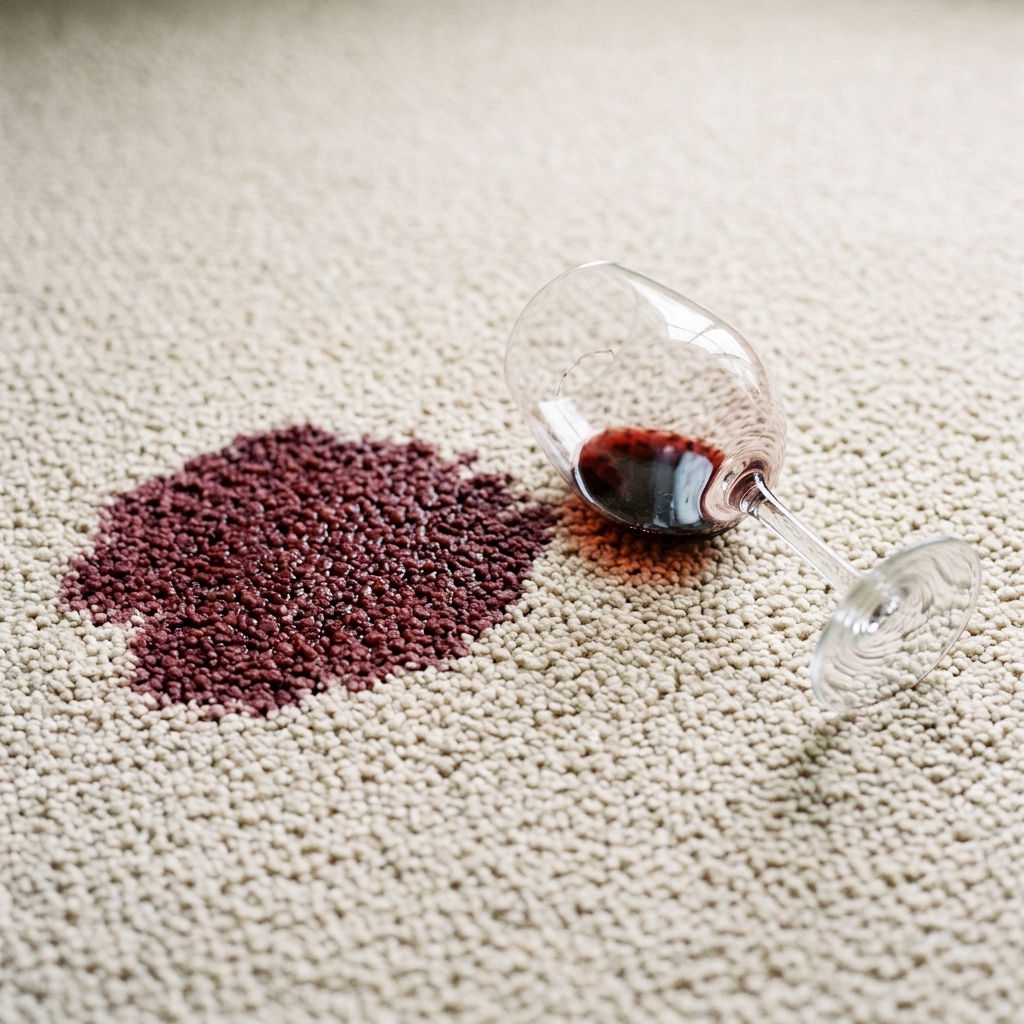
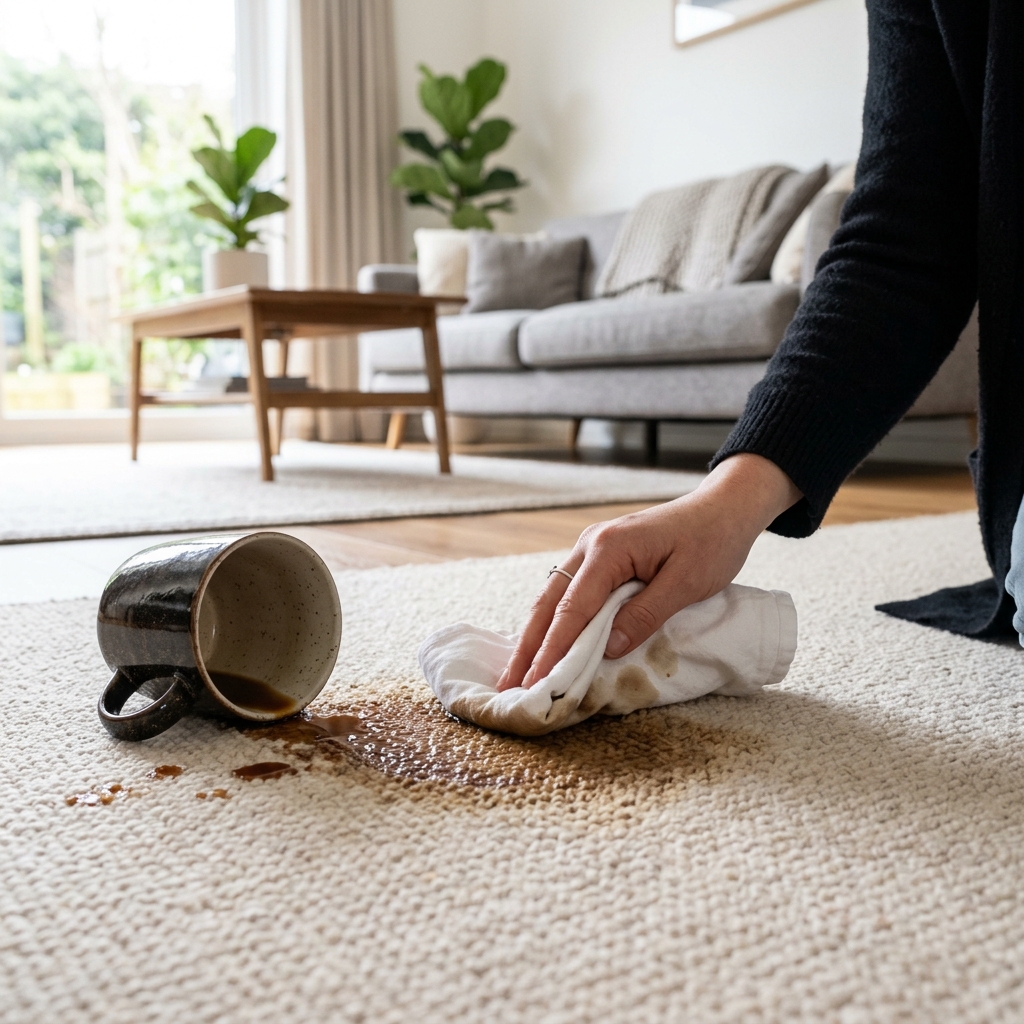
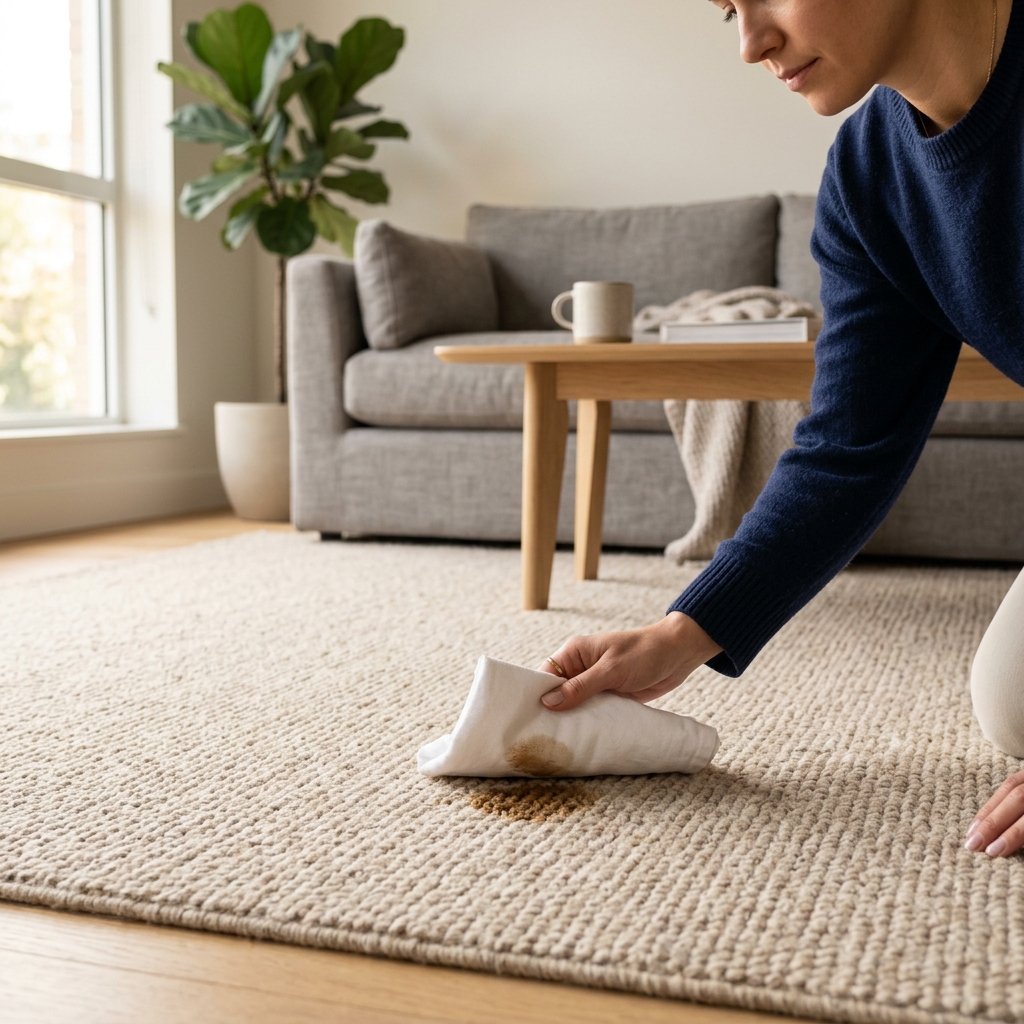
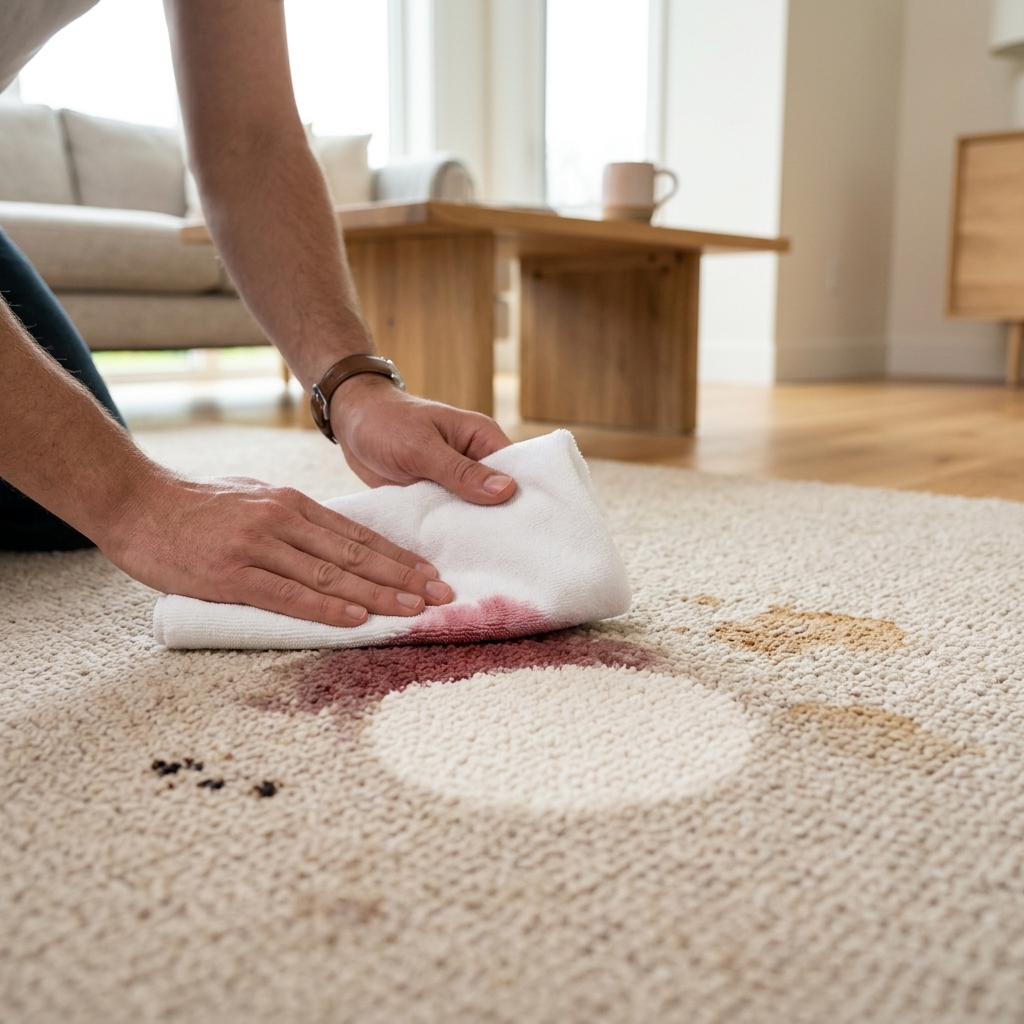
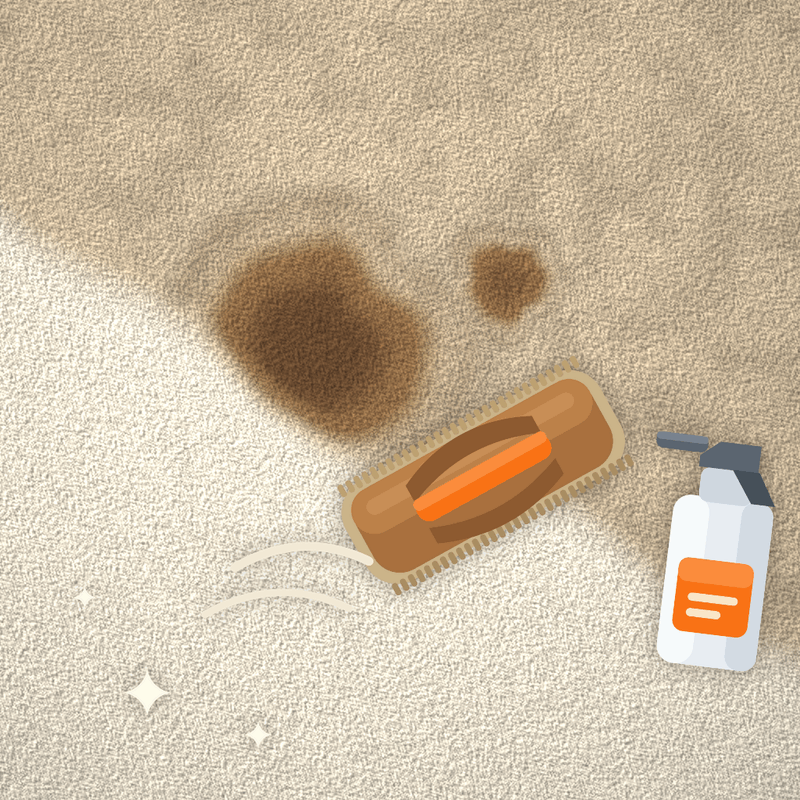
Hydrogen peroxide performs particularly well on protein and tannin-based stains that resist standard detergent treatment, including red wine, coffee, tea, and certain food-based marks. It's also commonly used, in combination with mild detergent, for treating blood stains, since it can help break down the protein compounds without the need for hot water, which would otherwise risk setting the stain permanently.
When Hydrogen Peroxide Becomes Risky
The primary risk with hydrogen peroxide is its bleaching effect on dyed carpet fibres, which can range from a barely noticeable lightening to a distinct, obvious bleached patch, depending on the carpet's specific dye and how the product is applied. This risk is significantly higher on darker, more saturated carpet colours, where any lightening effect becomes far more visually obvious than it would on a lighter or more neutral carpet.
Wool and other natural fibre carpets also require extra caution, since these fibres can react differently to hydrogen peroxide compared to synthetic carpets, sometimes resulting in a change to the fibre's natural texture in addition to any colour effect.
The Non-Negotiable Step: Always Patch Test First
Regardless of how confident you feel about using hydrogen peroxide, a patch test on a hidden section of carpet, such as inside a closet or under a piece of furniture, is genuinely non-negotiable. Apply a small amount to the hidden area, wait several minutes, and check for any colour change before considering the product safe to use on a visible stain.
How to Use Hydrogen Peroxide Safely on Carpet
- Always start with a standard three percent solution, never a higher concentration
- Dilute further with water for an extra margin of safety on more delicate or darker carpets
- Patch test on a hidden section of carpet before any visible application
- Apply to a clean cloth rather than pouring directly onto the carpet
- Blot gently rather than rubbing, working from the outer edge of the stain inward
- Rinse thoroughly with plain water afterward and allow the carpet to dry fully
How Hydrogen Peroxide Compares to Other Stain Removers
Compared to standard detergent-based cleaners, hydrogen peroxide offers genuinely stronger stain-lifting power for certain colour-based marks, but this power is exactly what introduces the bleaching risk that milder detergents don't carry. Vinegar-based solutions, by contrast, are gentler and lower risk, though correspondingly less effective on some of the more stubborn, deeply set stains that hydrogen peroxide can address.
Combining Hydrogen Peroxide With Other Products
Hydrogen peroxide is sometimes used alongside a small amount of mild dishwashing liquid for treating certain stains, particularly blood. It's worth avoiding combining it with other cleaning chemicals beyond this simple pairing, particularly anything containing vinegar or ammonia, since certain chemical combinations can produce unwanted reactions or reduce the product's effectiveness rather than improving results.
What Colours and Carpet Types to Be Most Cautious With
Dark carpets, particularly deep reds, navy blues, and rich browns, tend to show any bleaching effect far more obviously than lighter, more neutral tones. Wool carpets warrant extra caution given their different chemical composition compared to synthetic fibres. If your carpet falls into either of these categories, it's worth considering a milder alternative first, or having a professional assess the stain instead.
Alternatives to Consider First
For many common stains, a gentler combination of mild detergent and white vinegar is often sufficient without introducing any bleaching risk at all. Our detailed guide on 10 Common Carpet Stains and the Best Way to Treat Each One covers the appropriate, lower-risk treatment method for a wide range of common stains, many of which don't require hydrogen peroxide at all.
Signs You Should Skip Hydrogen Peroxide Entirely
- The carpet is a dark, saturated colour where any lightening would be highly visible
- The carpet is wool or another delicate natural fibre
- The carpet is valuable, antique, or difficult to replace
- You're unsure of the exact fibre content or dye type
- A patch test shows any noticeable colour change
What to Do If Hydrogen Peroxide Causes Discolouration
If a patch test or actual application results in unwanted lightening, stop using the product immediately and avoid further application to the affected area. In many cases, a professional carpet cleaner may be able to help blend or minimise the discolouration using specialised, colour-safe treatments, though a fully reversed result isn't always guaranteed once bleaching has occurred.
Storing Hydrogen Peroxide Correctly
Hydrogen peroxide degrades over time, particularly when exposed to light and air, which can affect its cleaning effectiveness. Store it in its original, opaque container, in a cool, dark place, and check the expiry date before use, since an old, degraded solution may perform less predictably than a fresh one, adding an extra variable to an already delicate process.
Professional-Grade Alternatives
Professional carpet cleaners have access to specifically formulated, carpet-safe oxidising treatments that offer similar stain-lifting power to household hydrogen peroxide but with more predictable, controlled results and reduced bleaching risk. For valuable or delicate carpets, or particularly stubborn stains, this professional-grade approach is generally the safer choice over a DIY hydrogen peroxide attempt.
Frequently Asked Questions
1. Is hydrogen peroxide safe for all carpet colours?
No, it carries a genuine risk of lightening or bleaching dyed carpet fibres, particularly on dark, saturated colours, which is why a patch test is essential before any visible application.
2. What concentration of hydrogen peroxide is safe for carpet?
The standard three percent solution commonly sold for household use is the appropriate strength to consider, always diluted further and patch tested before use.
3. Can hydrogen peroxide remove old, set-in stains?
It can help with certain stubborn, colour-based stains like red wine or coffee, though older stains may require repeated, patient treatment rather than a single application.
4. Is hydrogen peroxide safe for wool carpet?
Wool requires extra caution, since it can react differently to hydrogen peroxide compared to synthetic fibres. A patch test is essential, and professional treatment is often the safer choice for wool.
5. What should I do if hydrogen peroxide lightens my carpet?
Stop application immediately. A professional carpet cleaner may be able to help minimise the discolouration, though full reversal isn't always possible once bleaching has occurred.
6. Can hydrogen peroxide be used to remove pet stains?
It can sometimes help with the visible discolouration from pet stains, but it doesn't address the underlying uric acid odour, which requires a dedicated enzyme-based cleaner for full resolution.
Final Thoughts
Hydrogen peroxide can be a genuinely effective tool for certain stubborn carpet stains, but it's not a risk-free, one-size-fits-all solution. Understanding your carpet's colour and fibre type, always patch testing first, and using an appropriately diluted concentration are all essential steps in using it safely rather than risking permanent discolouration.
If you're unsure whether hydrogen peroxide is right for your specific stain and carpet, or you'd simply prefer a professional, lower-risk approach, get in touch with Fresho Carpet Cleaning Brisbane today for expert stain removal advice and service.