How to Handle Pet Stains and Odours
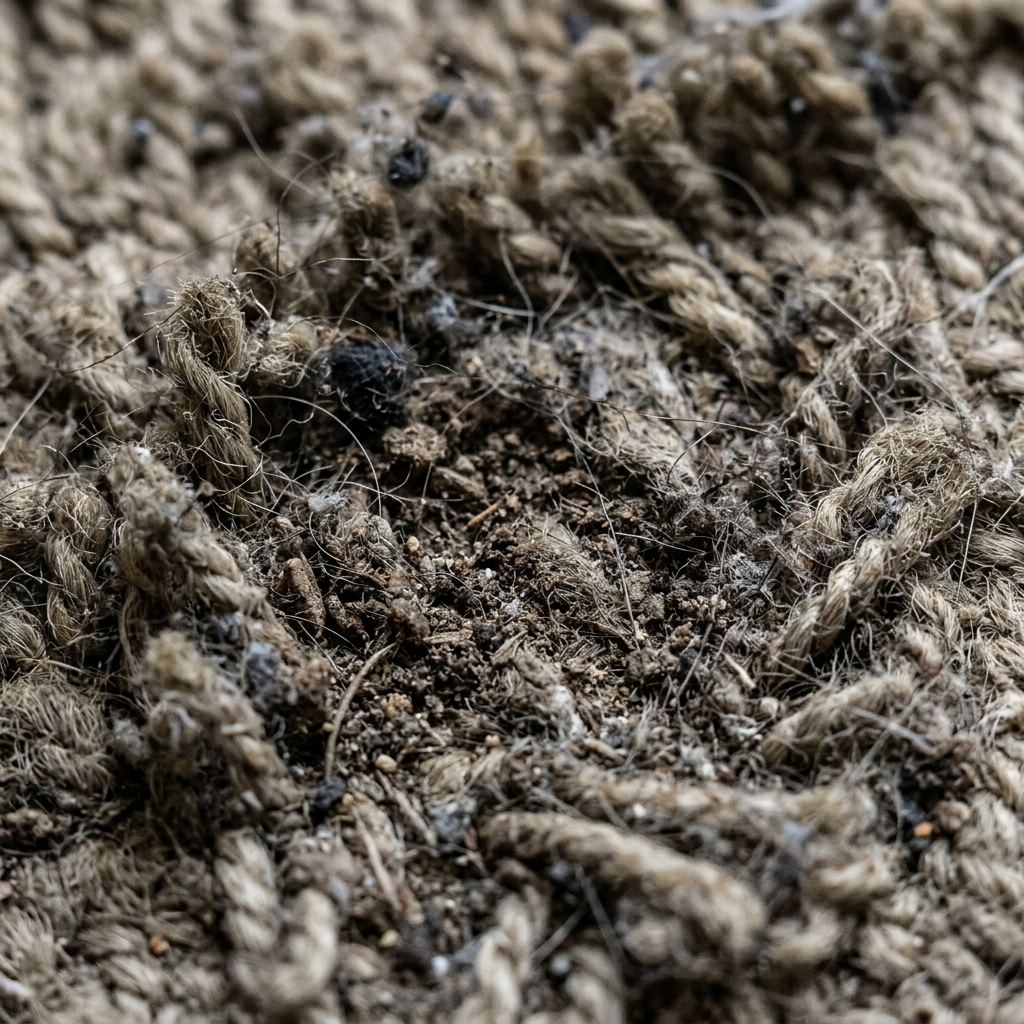
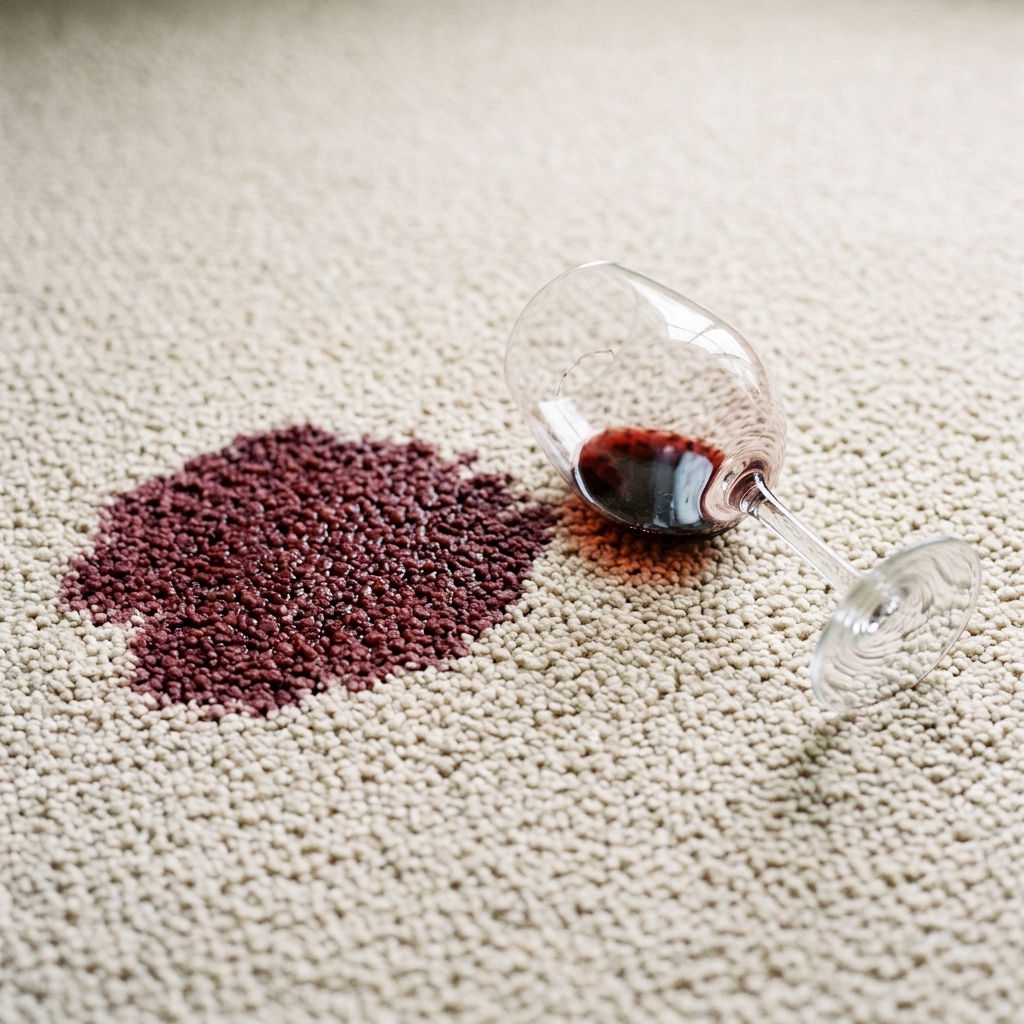
Pets are family, but their accidents can ruin carpets. Read our guide on how to properly eliminate pet stains and persistent odours. As much as we love our dogs and cats, sharing a home with animals means dealing with the occasional mess. Pet accidents, whether urine, faeces, or vomit, present a unique challenge for carpet care. Unlike everyday food spills, pet accidents contain organic compounds, enzymes, and bacteria that can damage carpet fibres, cause staining, and leave behind unpleasant, persistent odours. If not treated correctly, these odours can settle deep into the backing and subfloor, leading to a recurring problem. In this guide, we will examine the chemistry of pet stains, explain why prompt action is essential, and provide clear instructions on how to remove pet stains and eliminate odours for good.
The Chemistry Behind Pet Stains and Odours
To understand why pet urine is so difficult to clean, it helps to understand its chemical composition. Fresh pet urine is slightly acidic and relatively easy to clean. However, as it sits, bacteria begin to break down the urea, converting it into ammonia. This process makes the urine highly alkaline, which can bleach or discolor carpet dyes, especially on wool or nylon carpets. Furthermore, as the urine dries, it forms uric acid crystals. These crystals are insoluble in water and bind tightly to carpet fibres. Uic acid crystals can remain dormant in the carpet for years. Whenever the area gets damp or humid, the moisture reactivates the crystals, releasing the strong, distinct smell of ammonia. This is why store-bought sprays and masking agents often fall short: they cover up the smell temporarily, but do not destroy the uric acid crystals.
Immediate Response Steps for Fresh Accidents
When you discover a fresh accident, speed is your ally. The goal is to remove as much of the liquid as possible before it can soak through the carpet backing. Use these steps:
1. Blotting and Absorption
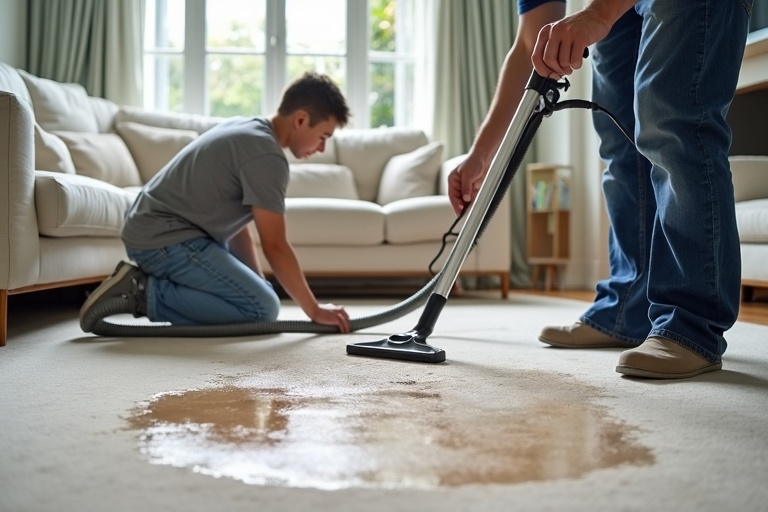
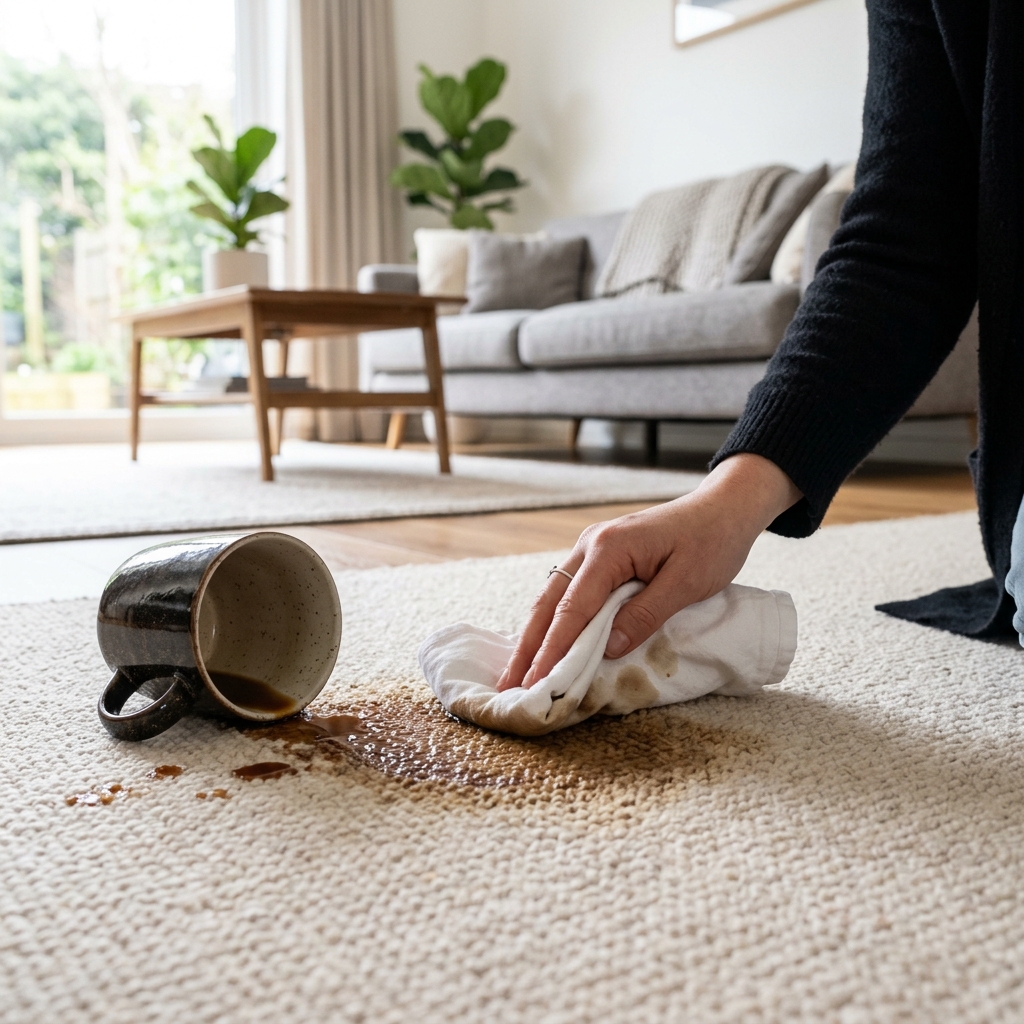
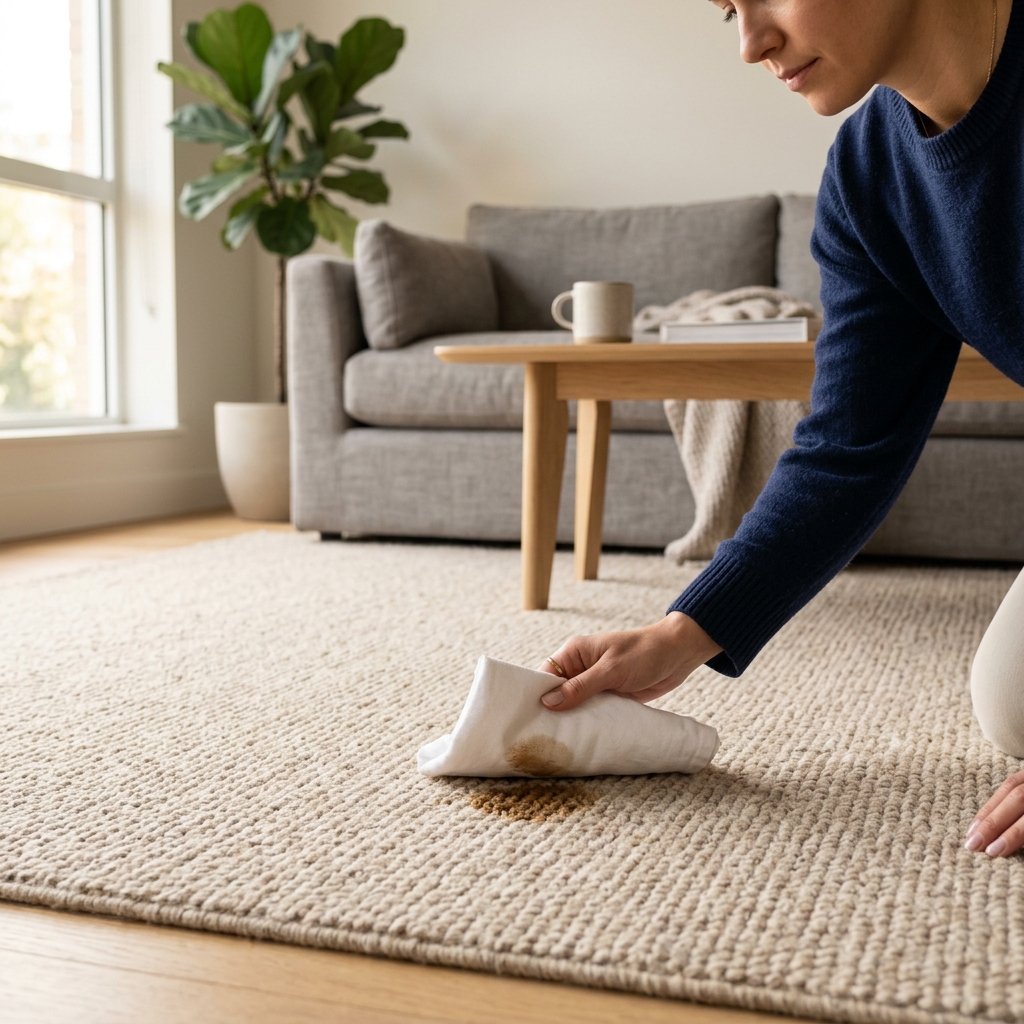
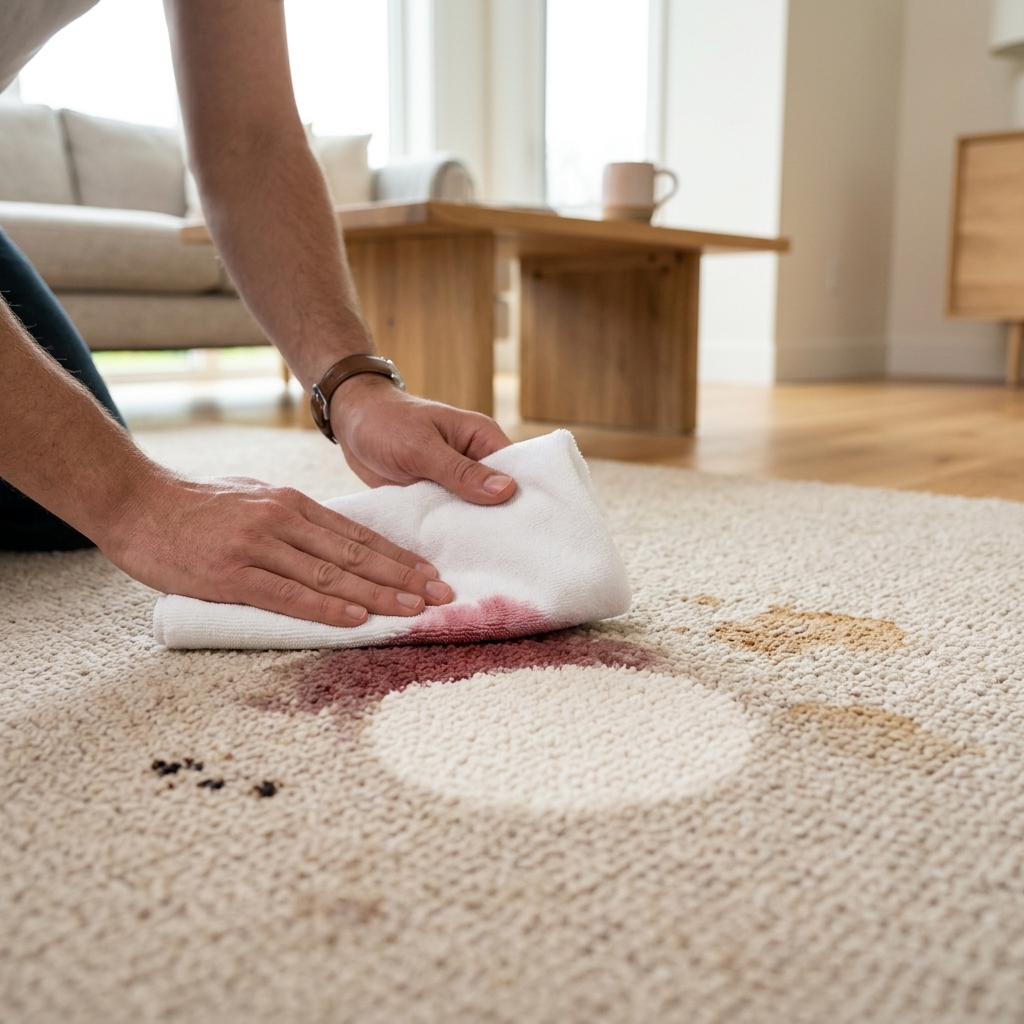
Place a thick layer of paper towels or a clean white cotton towel over the wet spot. Press down firmly with your hands or step on the towel to force the liquid up out of the carpet. Repeat this process with fresh, dry towels until no more moisture is absorbed. Do not scrub, as this will spread the urine and damage the carpet fibres.
2. Dilution
Pour a small cup of cold water over the area to dilute the remaining urine. Blot the area again, working from the outside in. This helps remove the bulk of the pigment and salts before they can dry.
3. Vinegar Neutralisation
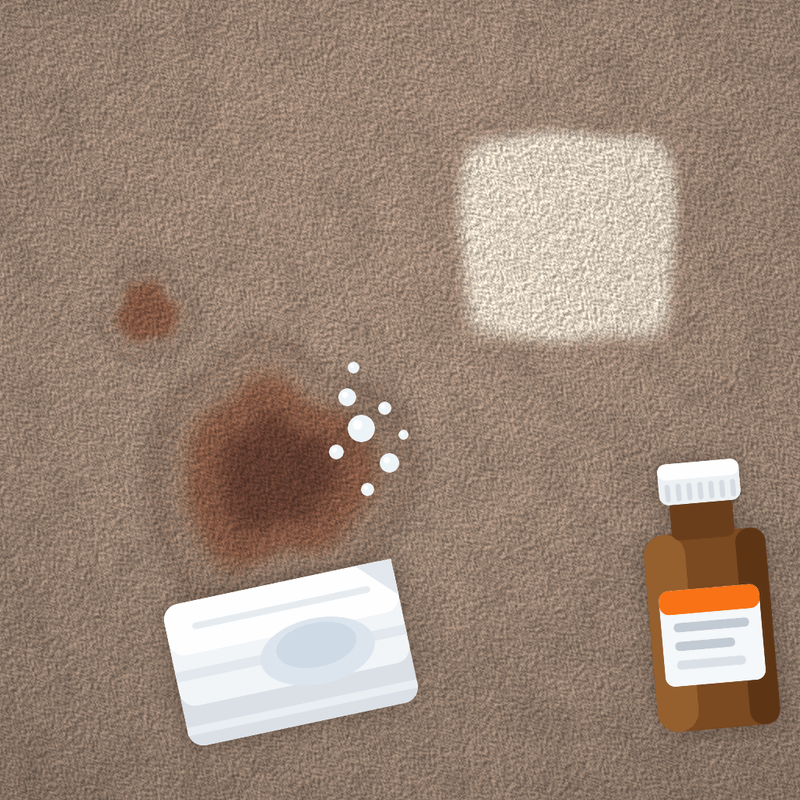
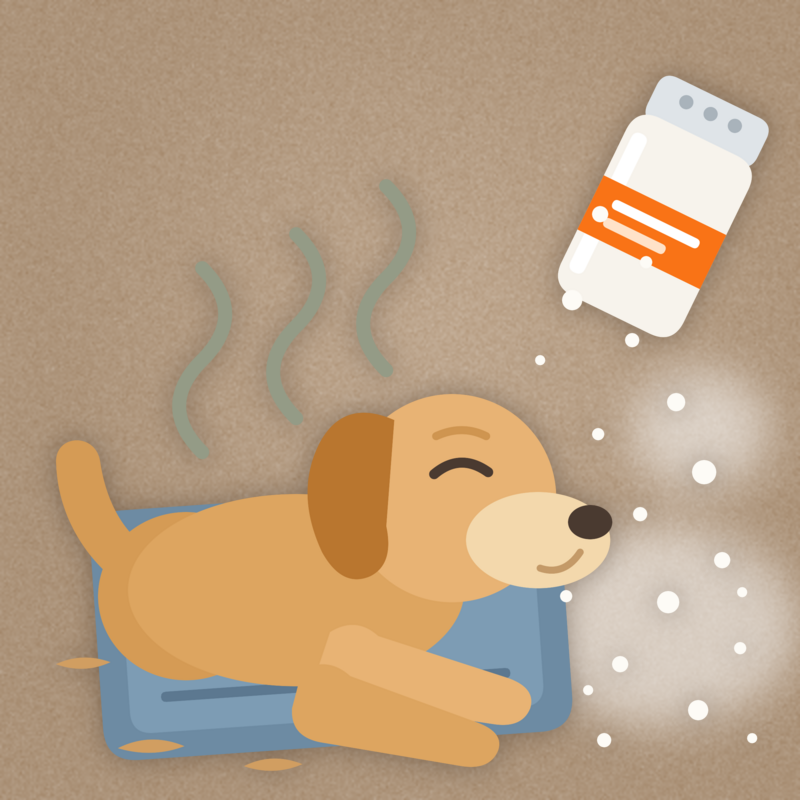
Mix a solution of equal parts white vinegar and cold water. Vinegar is acidic, which helps neutralise the alkaline ammonia in the urine. Spray or pour this solution over the spot and let it sit for ten minutes. Blot thoroughly with a dry towel. Once the area is dry, sprinkle a small amount of baking soda over the spot to absorb any remaining moisture and odour, then vacuum it up the next day.
The Power of Enzymatic Cleaners
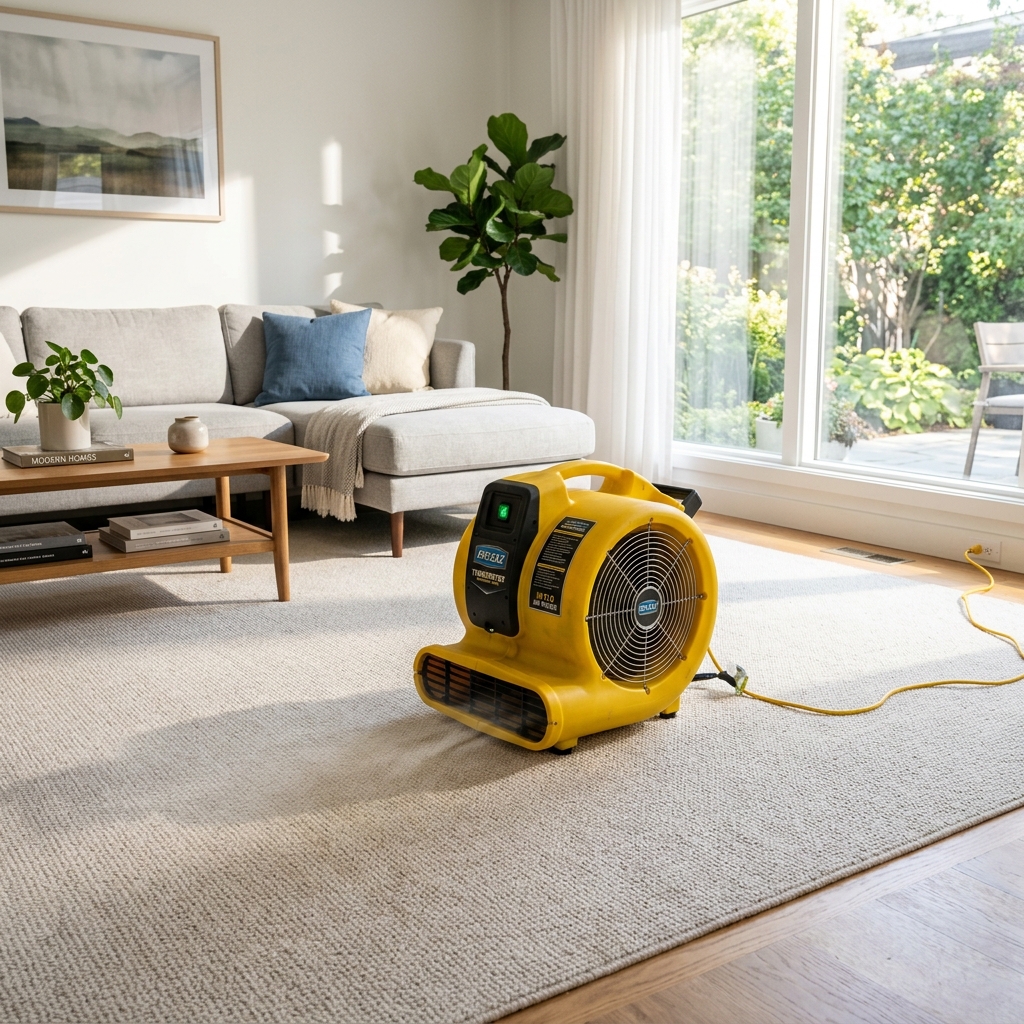
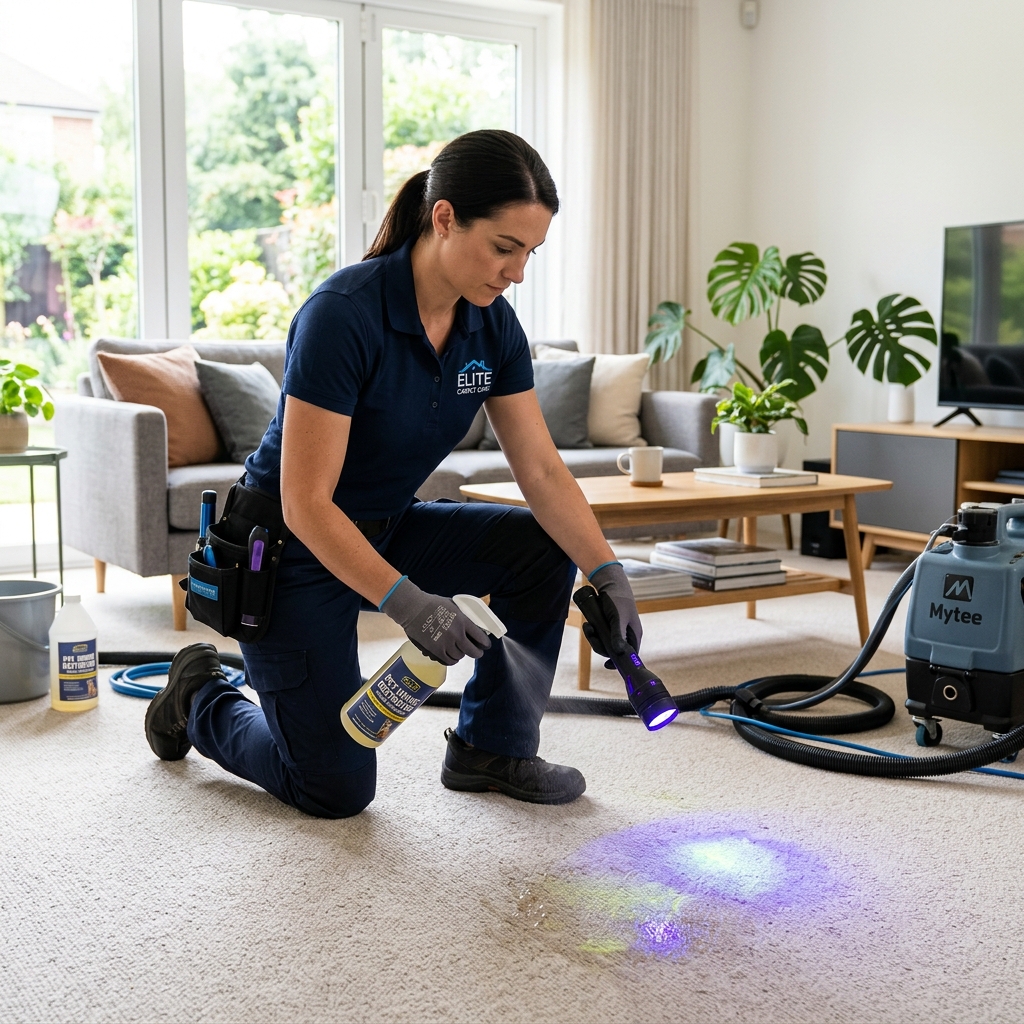
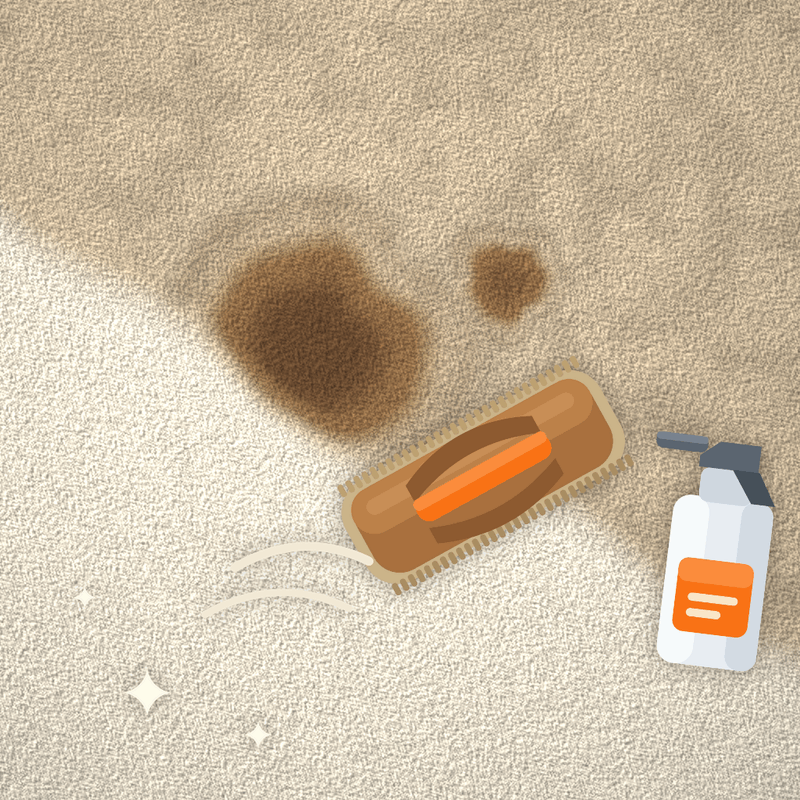
For dry or older pet stains, ordinary household cleaners will not suffice. You must use an enzymatic cleaner. Enzymatic cleaners contain live, beneficial bacteria and enzymes that target organic matter. The enzymes break down the complex proteins and urea into simple molecules, which the bacteria then consume. This biological process breaks down the uric acid crystals, eliminating the root source of both the stain and the odour. To use an enzymatic cleaner, apply a generous amount to the stained area, ensuring it penetrates deep into the backing and underlay. Cover the area with a damp towel to keep the enzymes active, and let it sit for the time specified on the bottle. Allow the area to dry naturally, which can take a few days.
Dealing with Persistent and Old Odours
If a pet accident occurred unnoticed and has dried right through, it may have soaked through the carpet, the underlay, and into the wooden or concrete subfloor. In these cases, superficial cleaning will not solve the problem. Every time the weather is humid, the subfloor will release the odour. To treat deep-seated odours, you may need to lift the carpet to inspect the underlay and subfloor. If the underlay is heavily saturated, it should be cut out and replaced. The subfloor can then be cleaned with enzymatic solutions and sealed with an odour-blocking primer before installing new underlay and refitting the carpet. This is a complex process, but it is often the only way to eliminate severe, long-term pet odours.
Why Masking Sprays and DIY Remedies Can Backfire
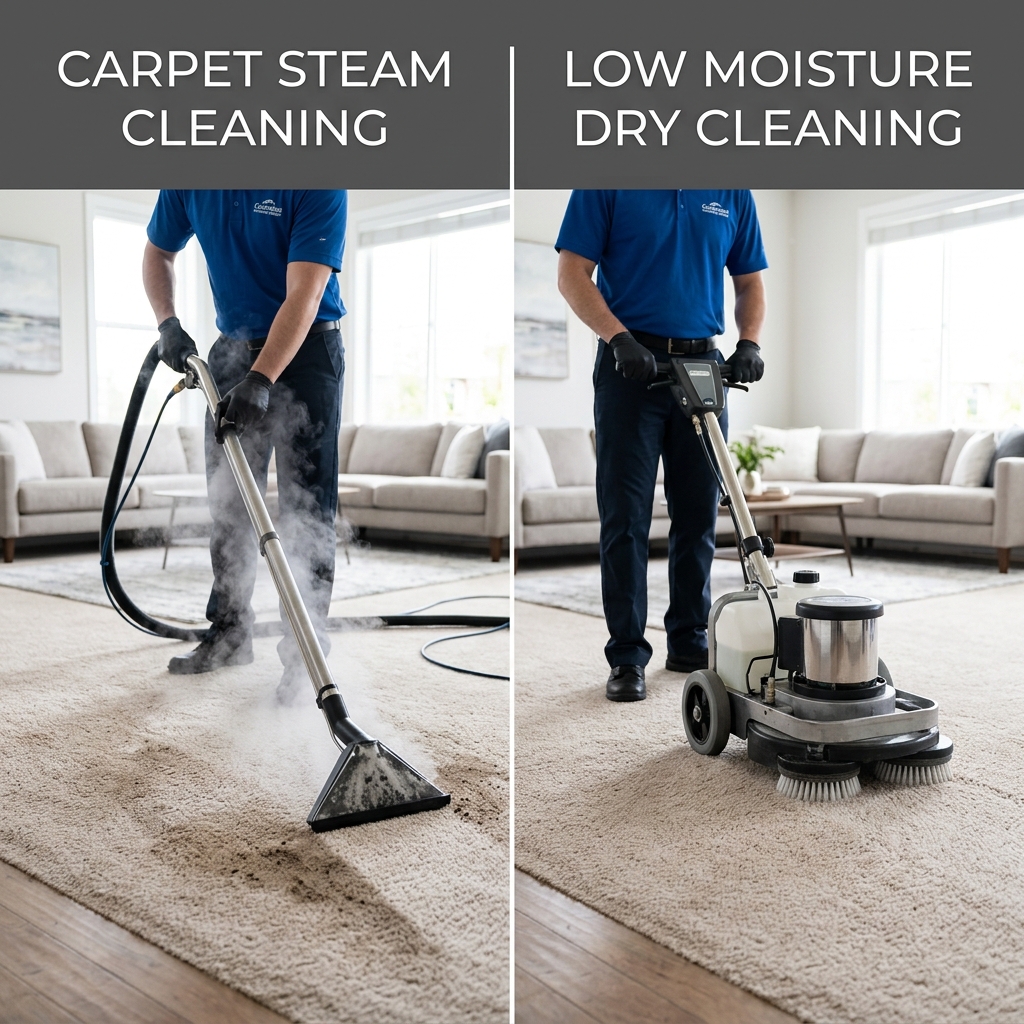
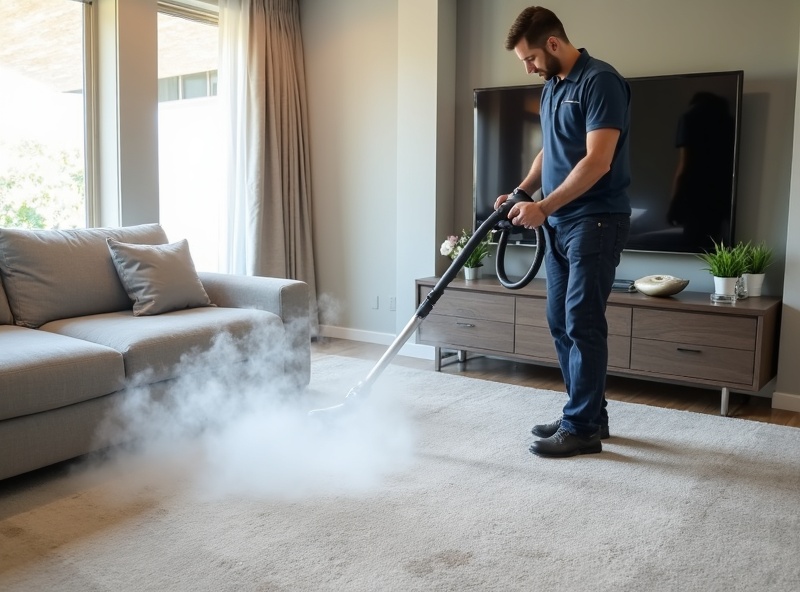
Many homeowners attempt to solve pet odour issues by using heavy air fresheners, perfume sprays, or home remedies like steam cleaners. However, these methods can often make the problem worse. Masking sprays merely cover up the smell, creating a heavy, sweet scent mixed with ammonia that can be even more unpleasant. Using a steam cleaner on fresh urine is particularly problematic, as the heat from the steam cooks the proteins in the urine, binding them for good to the synthetic carpet fibres and making the stain and smell almost impossible to remove. Always stick to cold water, vinegar, and enzymatic cleaners for urine accidents.
Professional Pet Odour and Stain Extraction
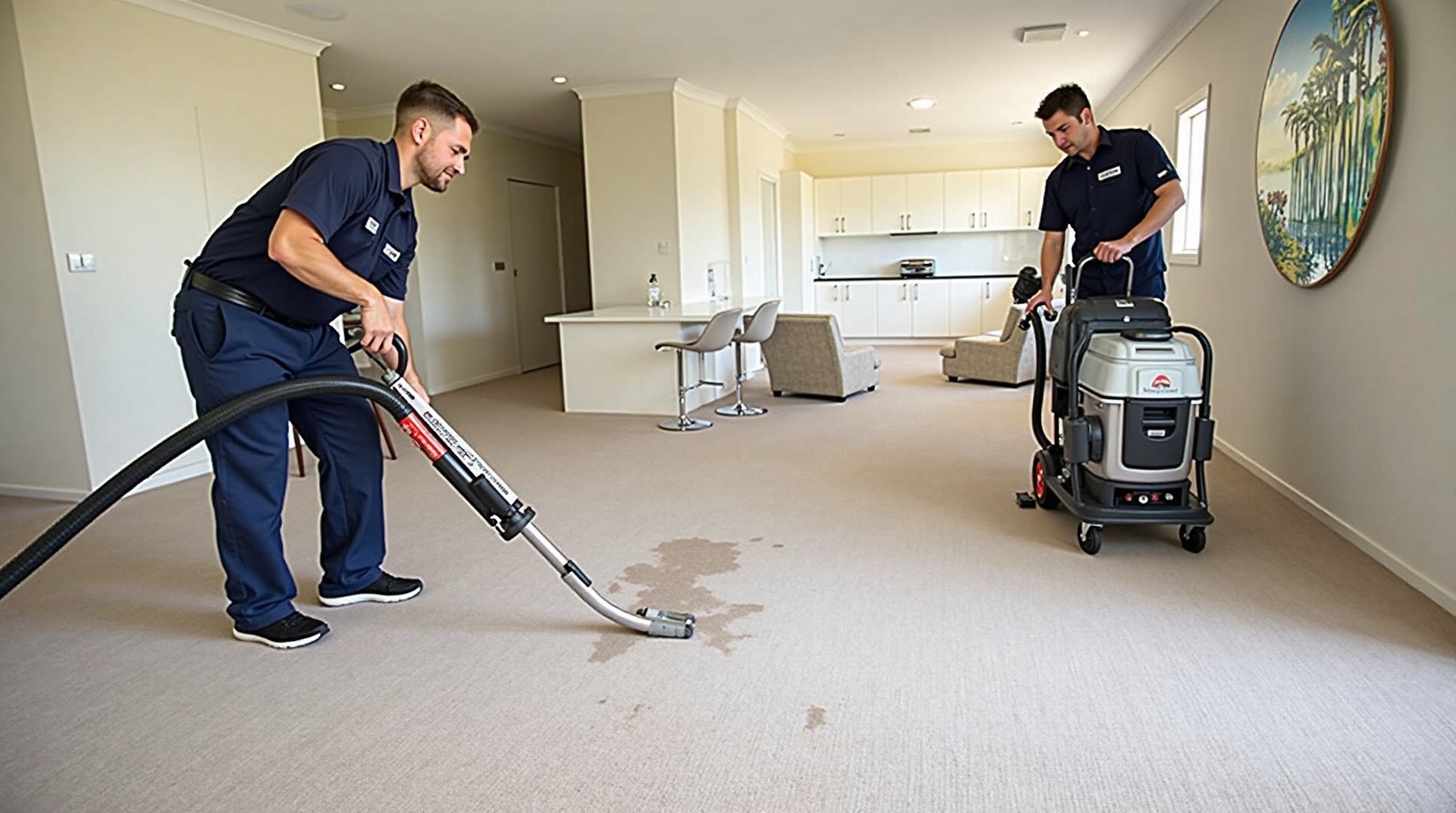
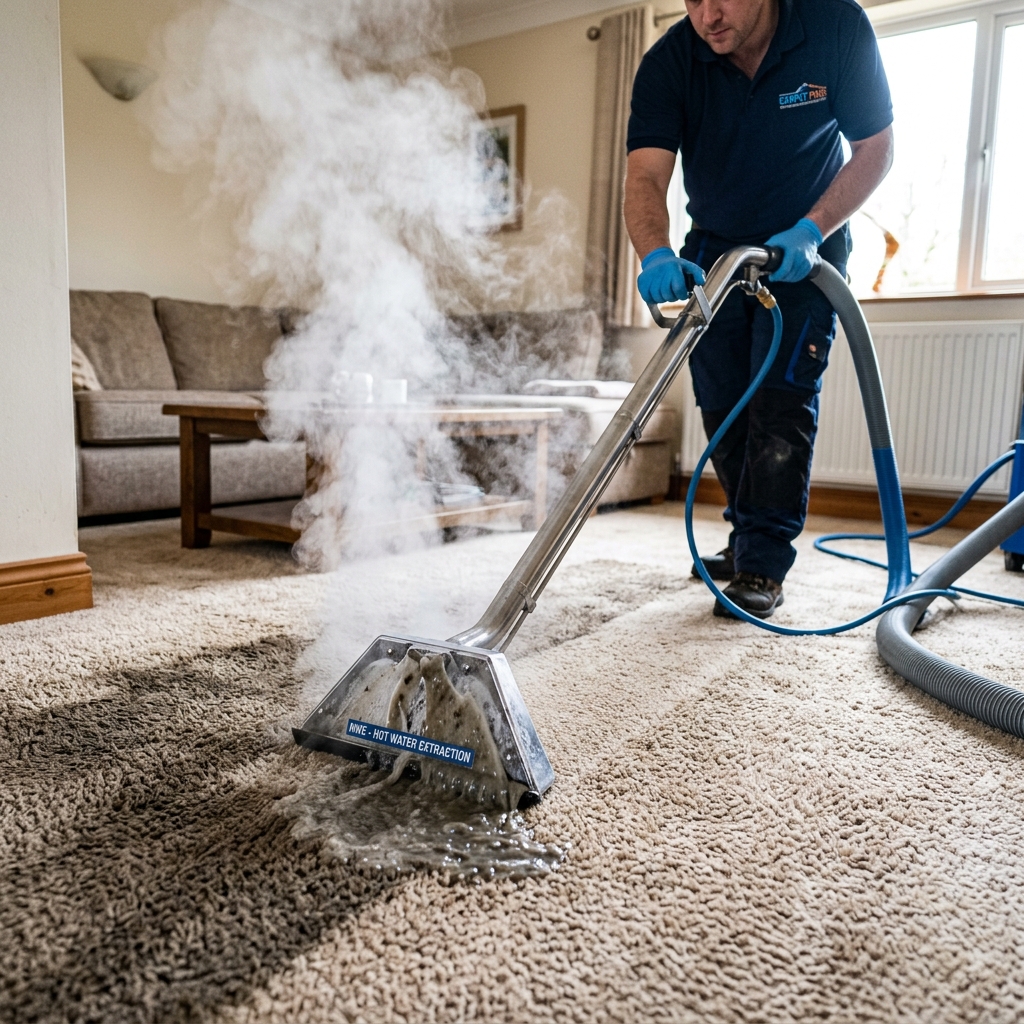
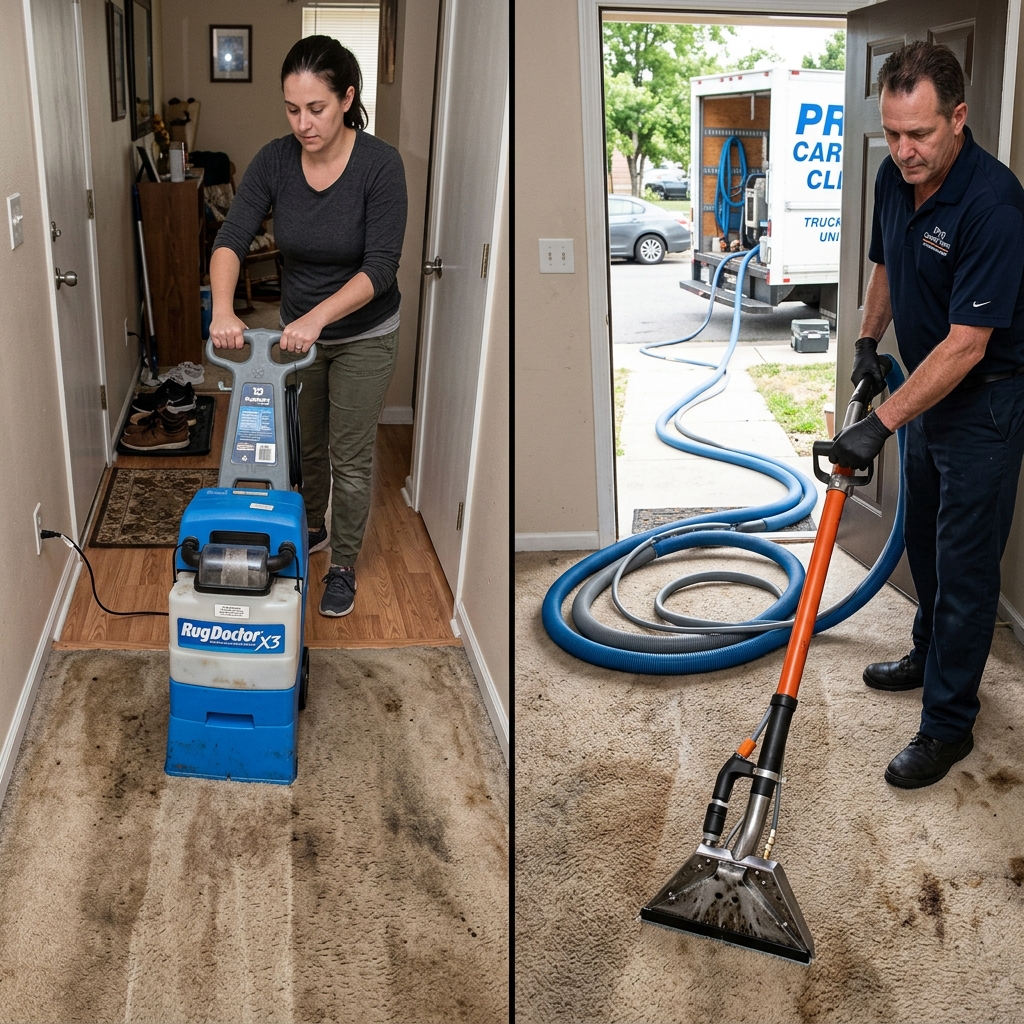
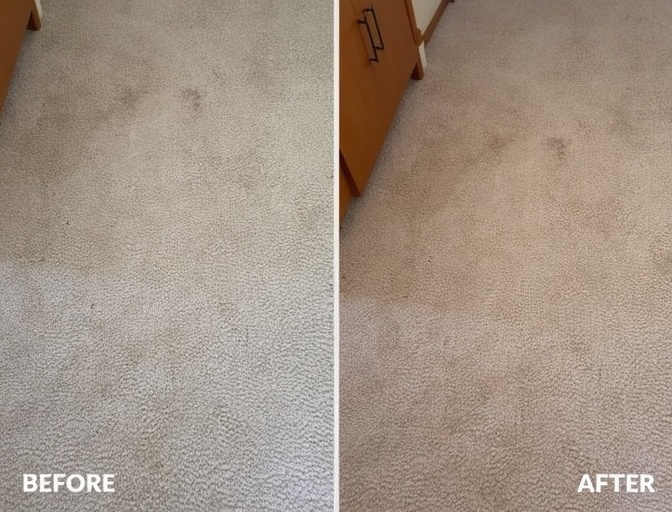
When pet accidents are frequent or cover a large area, professional carpet cleaning is the most efficient and reliable solution. Professional cleaners use specialized sub-surface extraction tools that can inject cleaning solutions deep into the underlay and vacuum them out without lifting the carpet. They also have access to industrial-strength antimicrobial treatments and enzymatic formulas that sanitize the carpet and kill odour-causing bacteria. Professional hot water extraction cleans the fibres thoroughly, leaving your carpets hygienic, fresh, and free from pet odours. This not only restores your home environment but also helps prevent your pets from returning to the same spot, breaking the cycle of indoor accidents.