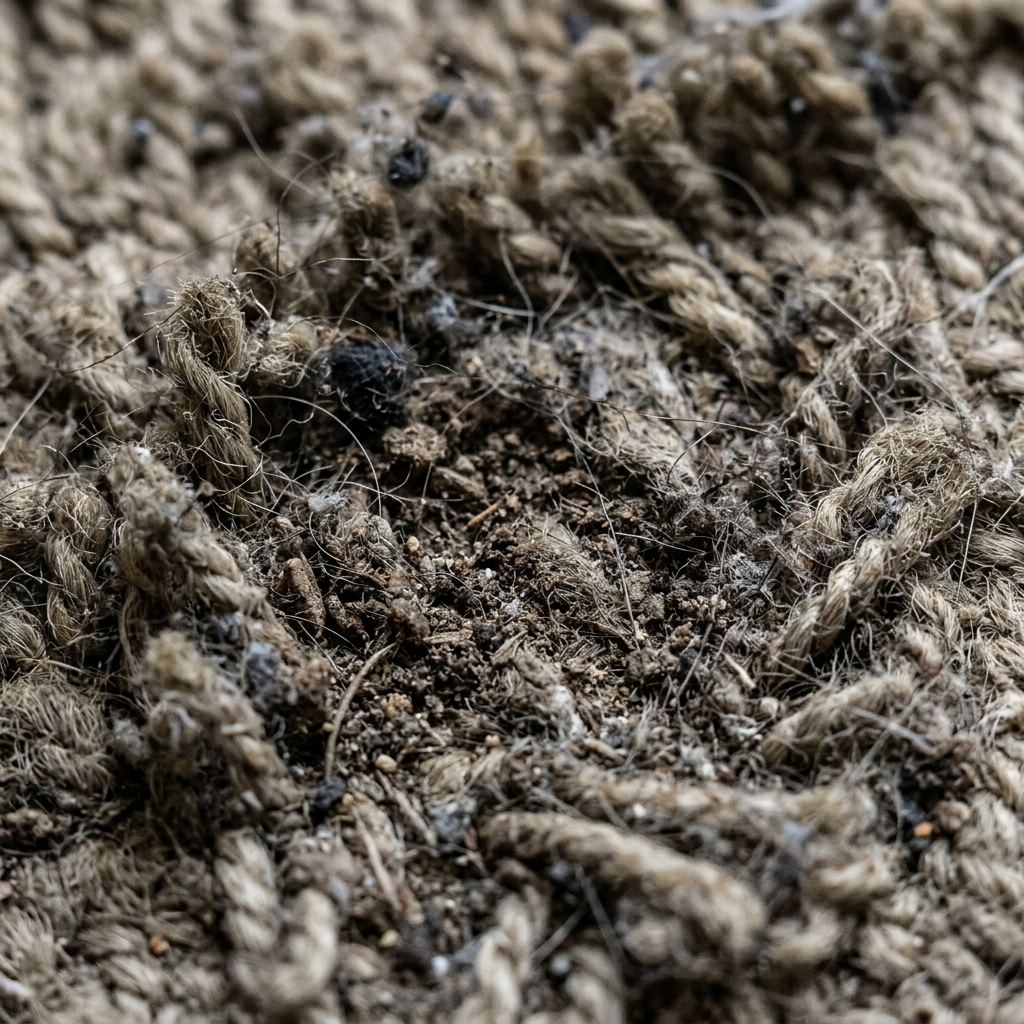
What Happens If You Never Clean Your Carpets? The Hidden Dangers
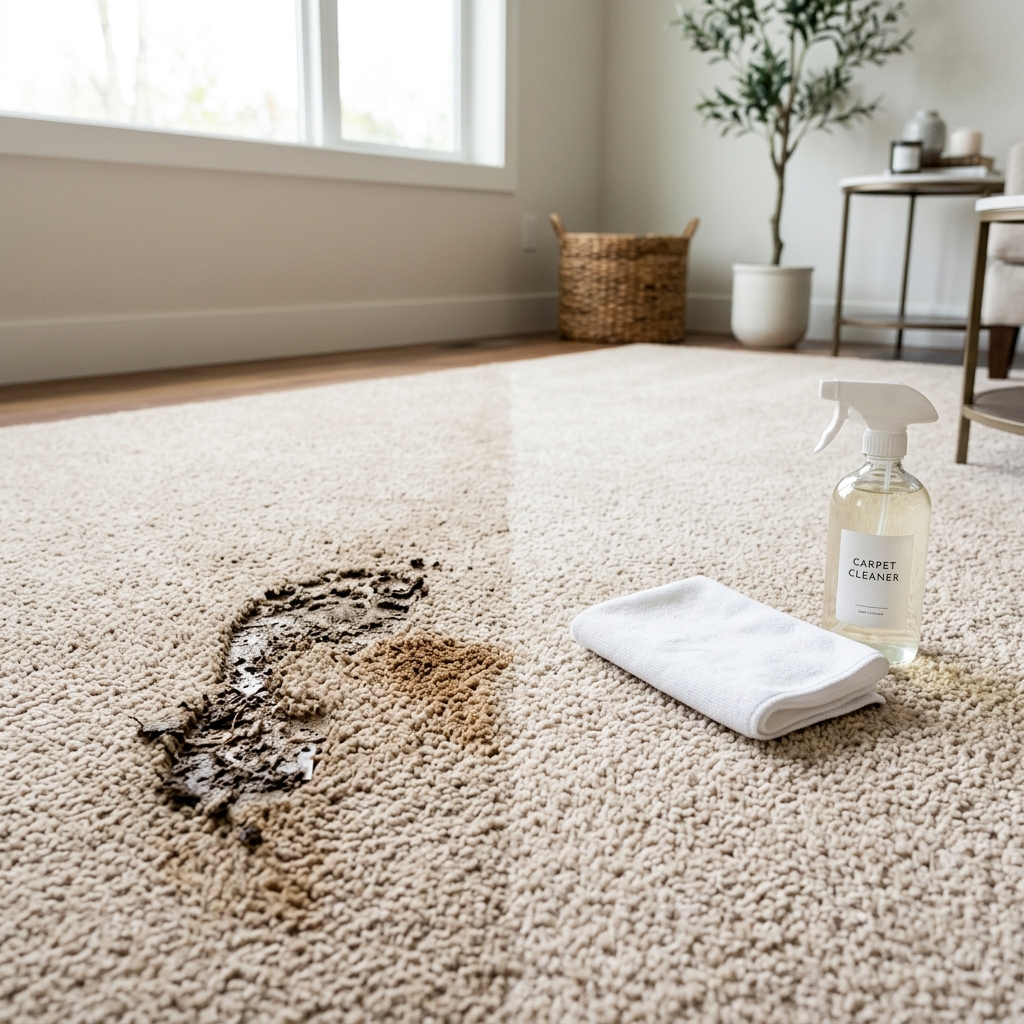
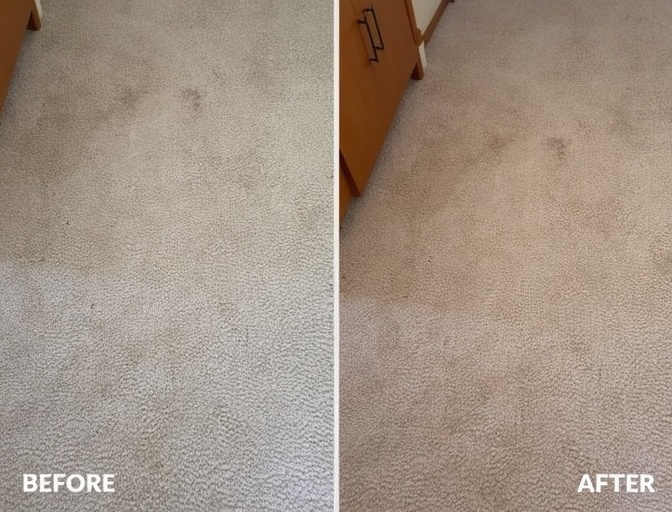
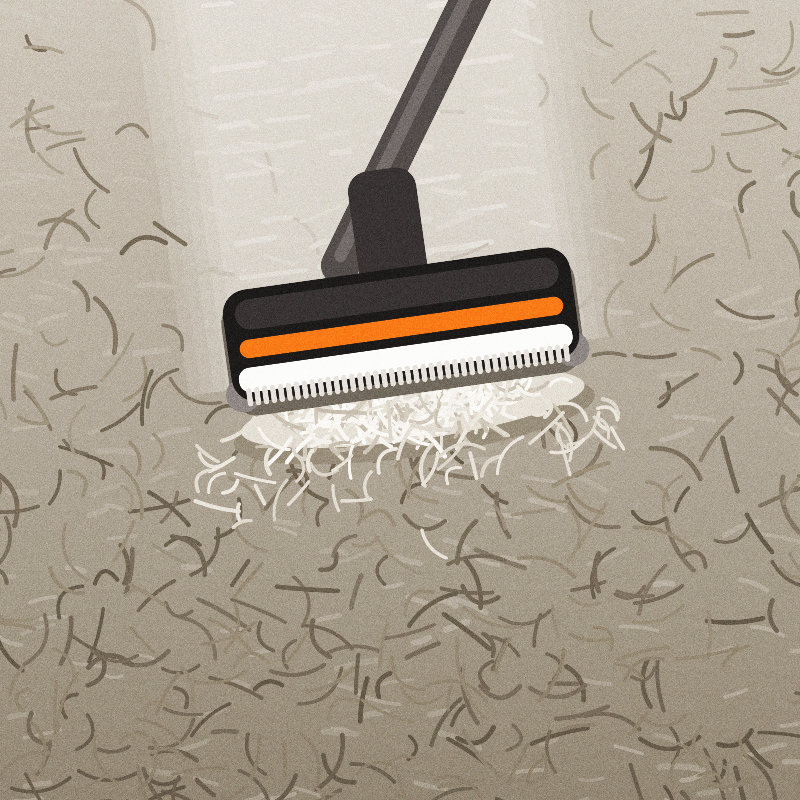
To the untrained eye, a carpet can look perfectly clean even if it hasn't been professionally washed in years. Regular vacuuming removes surface debris, lint, and pet hair, creating the illusion of a clean floor. However, because of their fibrous structure, carpets are very good at trapping microscopic particles. Gravity pulls dust, pollen, skin cells, and tracked-in dirt deep into the pile, where they settle near the backing. Over months and years of neglect, this build-up turns your carpet into a reservoir of hidden dangers. Neglecting deep carpet cleaning does not just ruin the look of your flooring; it also poses serious risks to your home's hygiene and your family's health. This article explores the hidden dangers of never deep cleaning your carpets.
1. Abrasive Wear and Fibre Destruction
The most immediate physical consequence of neglecting carpet cleaning is irreversible damage to the fibres. Every day, people track in fine sand, grit, and soil from outside. While vacuuming removes the top layer of dirt, it cannot reach the heavy grit that settles at the very bottom of the carpet pile.
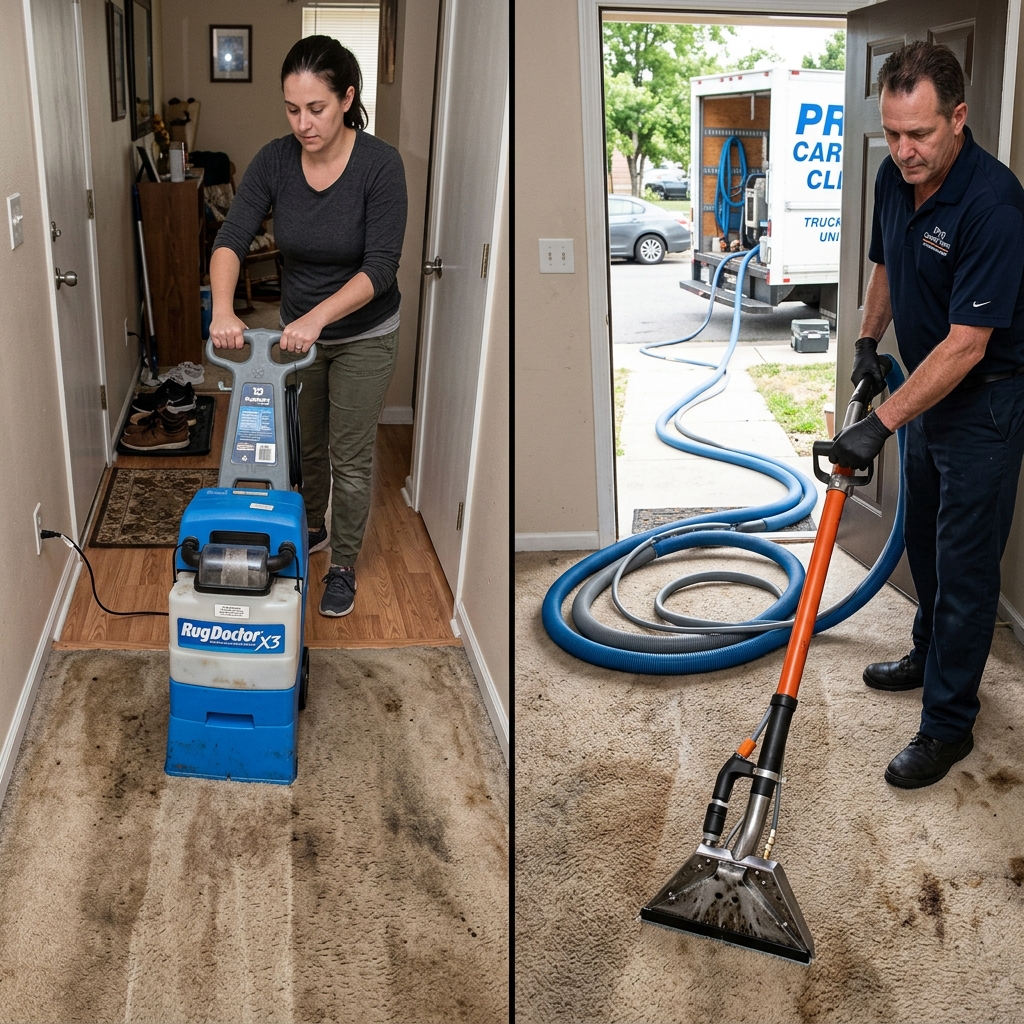
When you walk across the room, the weight of your footsteps grinds these sharp, abrasive grit particles against the delicate carpet fibres. This friction acts like a metal file, scraping and cutting the fibres. Over time, the fibres fray, split, and untwist. This damage is what causes the dark, dull, and matted pathways in high-traffic hallways and doorways. Once the carpet fibres are physically cut or broken, no cleaning process can restore them, leading to premature and costly carpet replacement. Regular professional cleaning lifts this grit out before the damage occurs, saving your flooring.
2. Exploding Dust Mite Populations
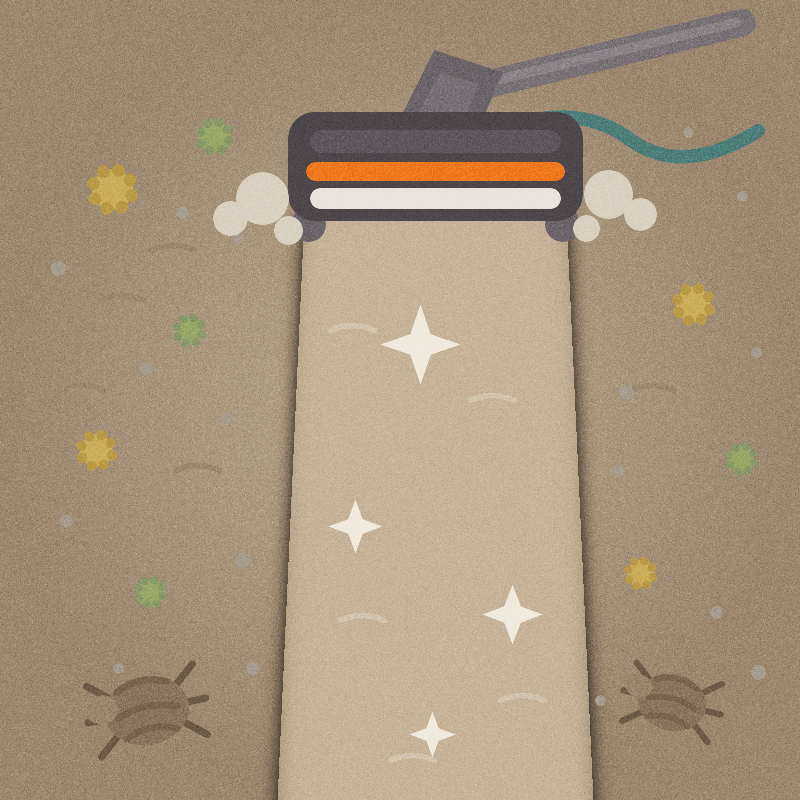
Dust mites are microscopic organisms that thrive in warm, humid indoor environments. They do not bite or feed on humans directly; instead, they feed on dead skin cells shed by people and pets. Since humans shed millions of skin cells daily, and much of this settles into the carpet, neglected carpets become a massive food source for dust mites.
While dust mites themselves are harmless, their waste products and decaying bodies contain highly potent allergens. Every time someone walks across a dusty carpet, these microscopic allergens are sent back into the air. Inhaling these particles can trigger chronic sneezing, watery eyes, runny noses, and severe asthma attacks. For children and adults with respiratory sensitivities, living with a neglected carpet is a constant source of discomfort. Over time, this build-up can even trigger new allergies in individuals who previously had none.
3. Reservoirs for Bacteria and Pathogens
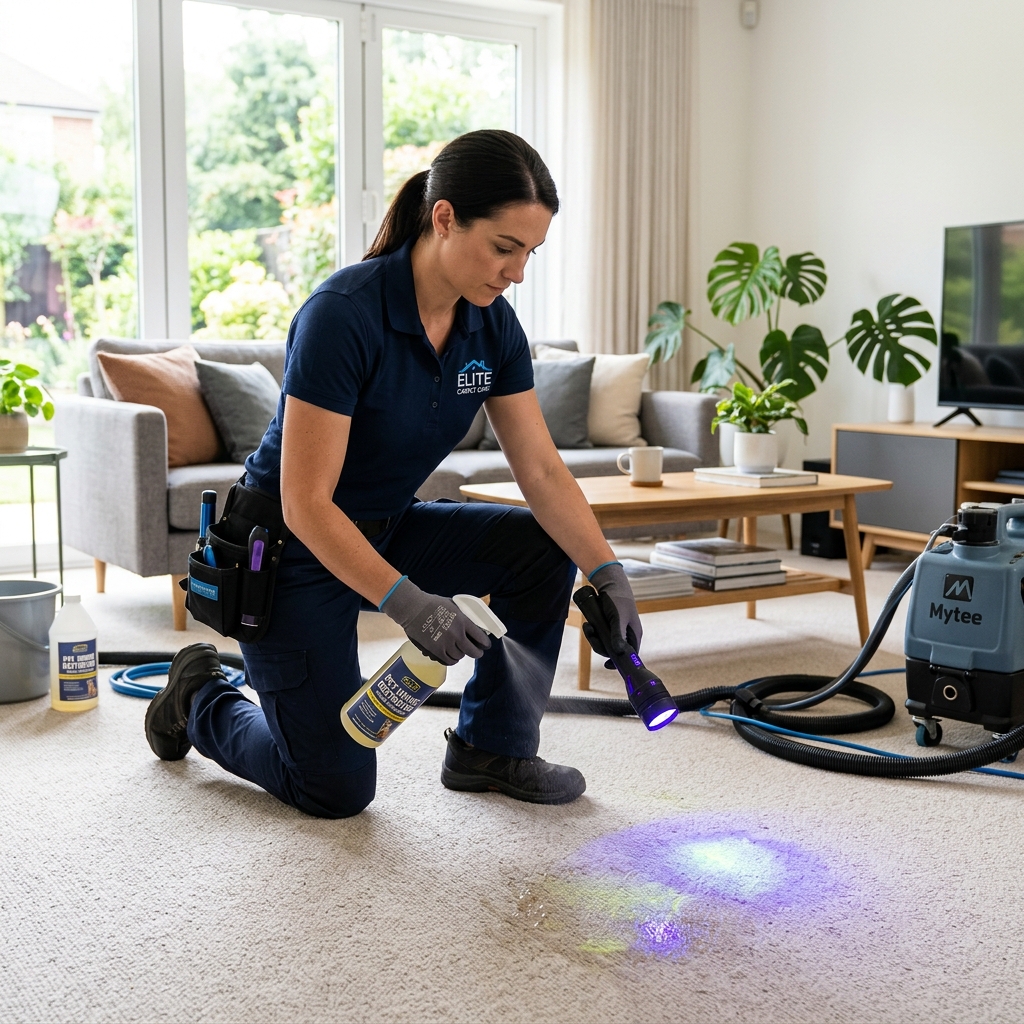
Your carpet is a landing pad for outdoor pollutants. The soles of shoes carry millions of bacteria, including environmental pathogens and fecal bacteria from outdoor sidewalks. Pets also track in bacteria on their paws, and organic accidents like urine, vomit, or food spills provide the ideal nutrients for bacteria to multiply.
In a carpet that is never deep cleaned, these bacteria can survive and multiply deep within the fibres for weeks or months. This creates a significant health hazard, particularly for crawling infants and young children who play on the floor and frequently put their hands and toys in their mouths. Without regular deep sanitation, the floor becomes a breeding ground for harmful germs. The close physical contact that children have with the floor means they are directly exposed to these microscopic threats, making sanitation a high priority.
4. Mould and Mildew Growth
Mould and mildew require two main things to grow: organic nutrients and moisture. A neglected carpet is packed with organic nutrients, including dust, skin cells, and food residues. Moisture can come from humidity, damp weather, wet shoes, or accidental liquid spills.
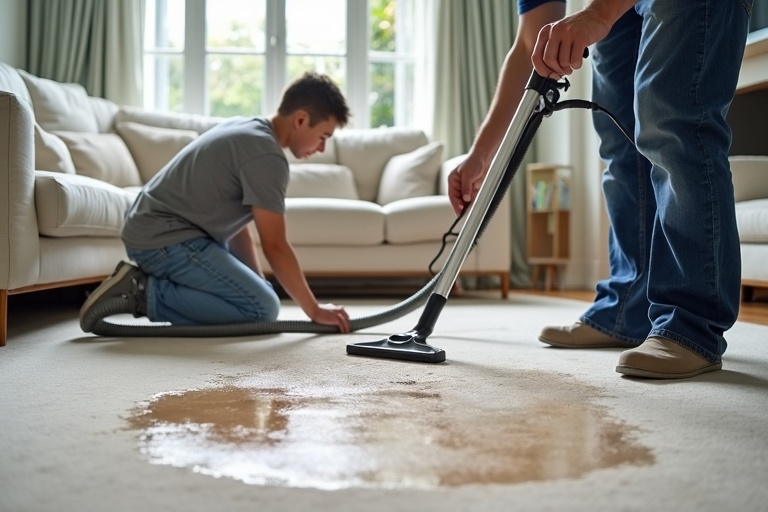
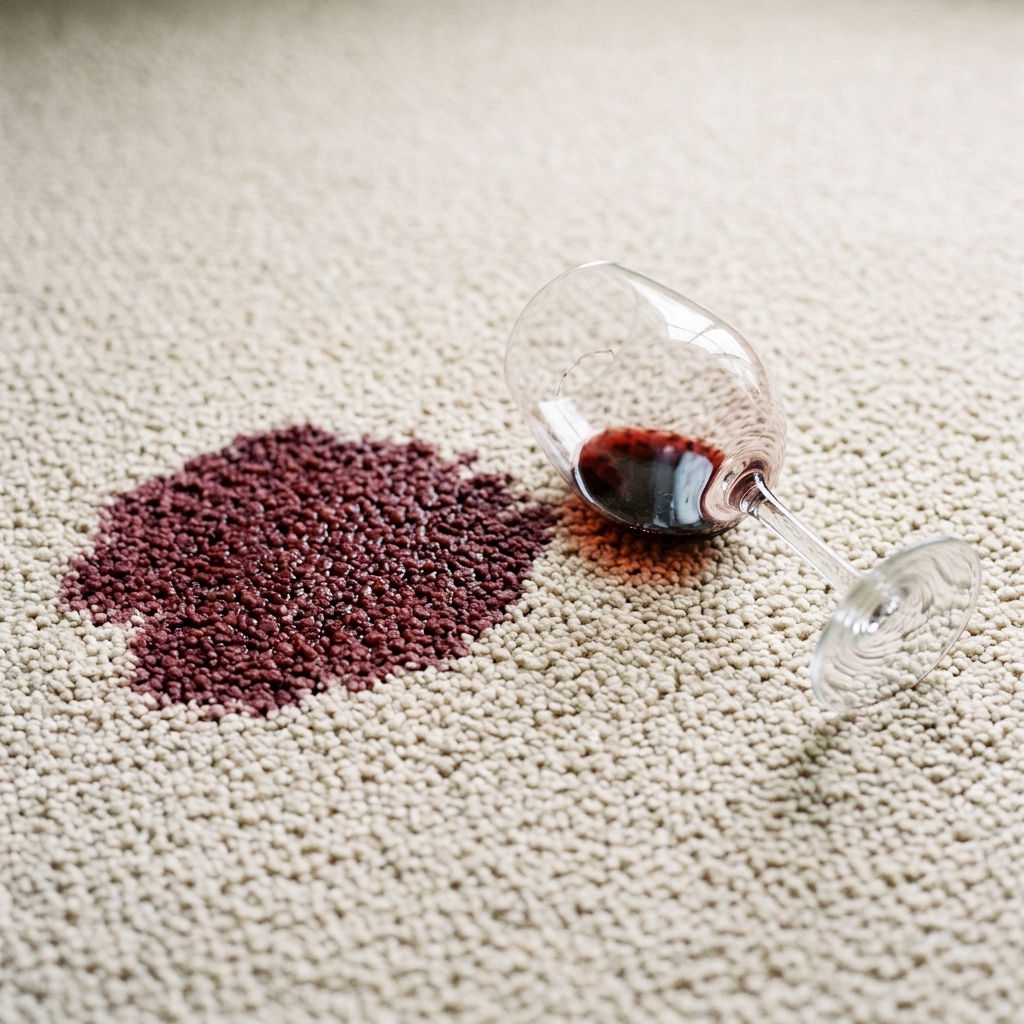
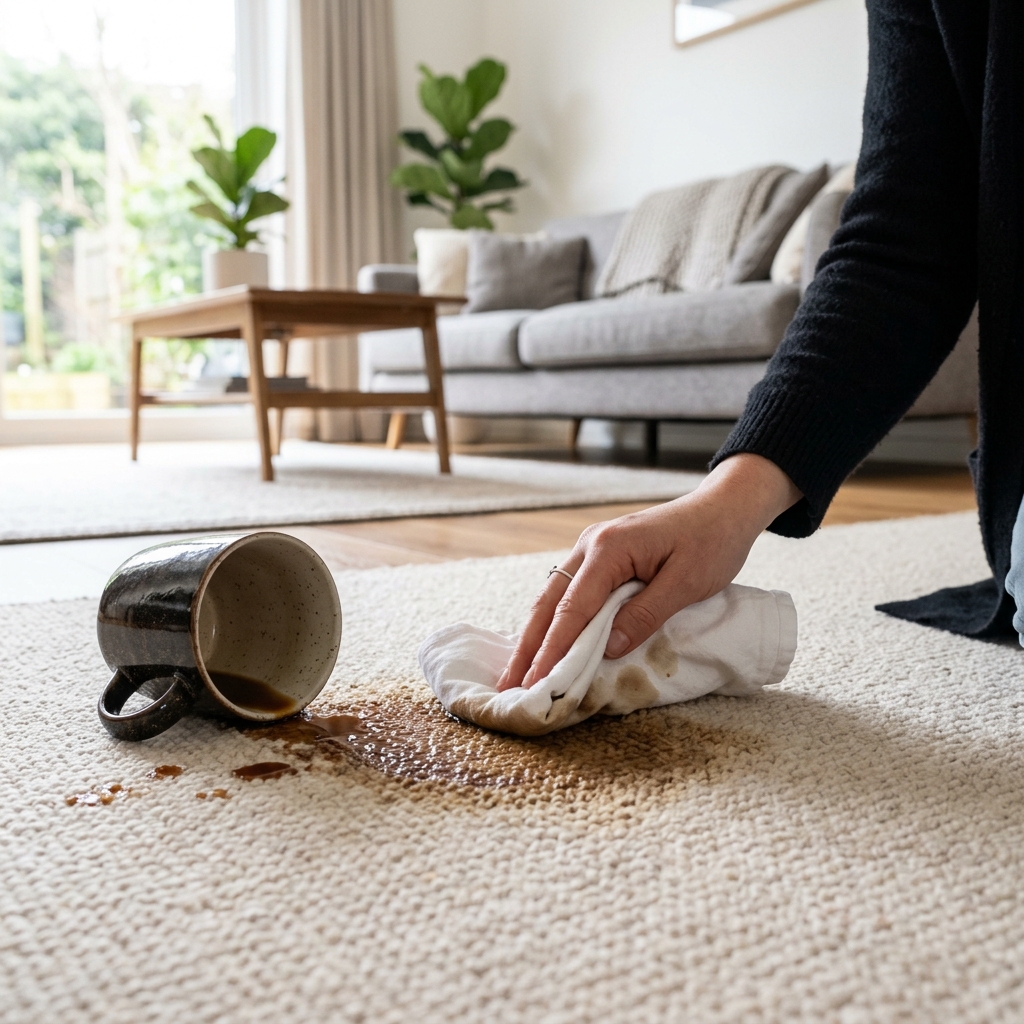
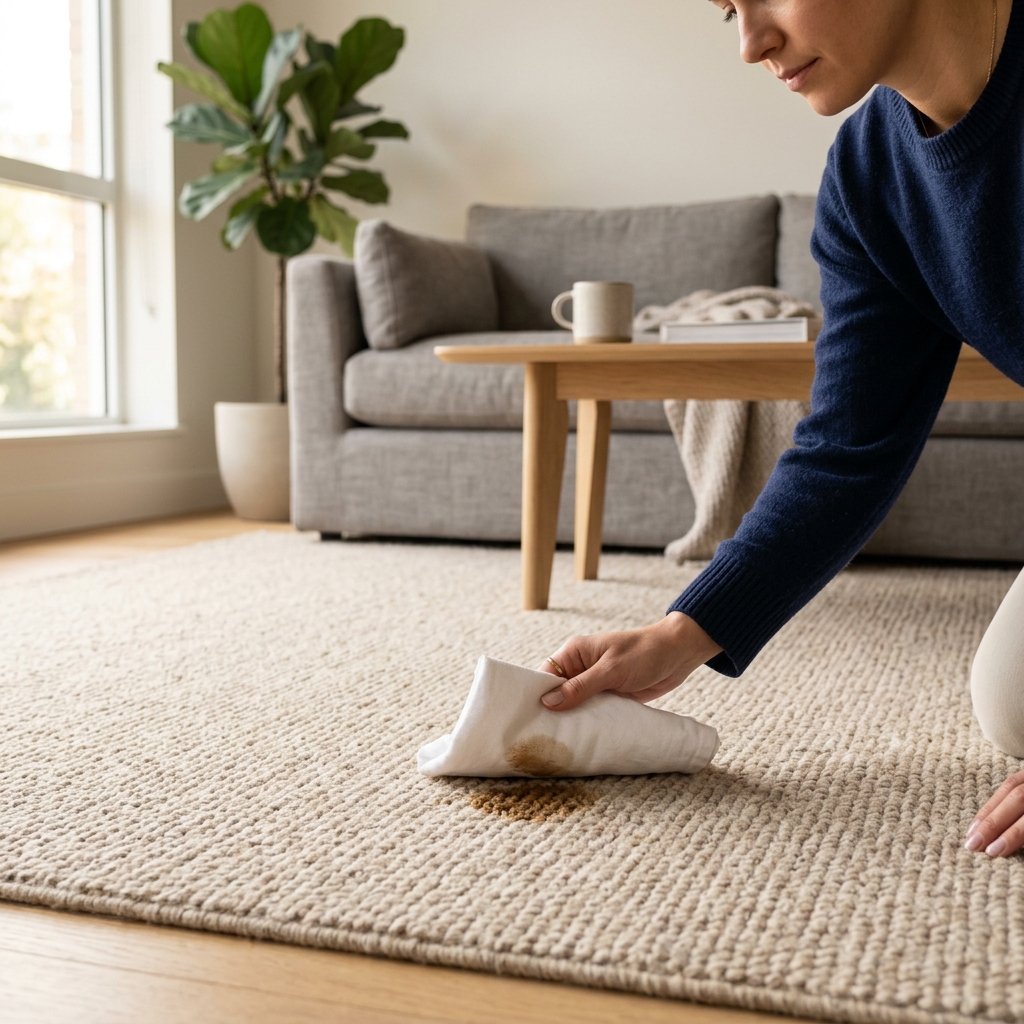
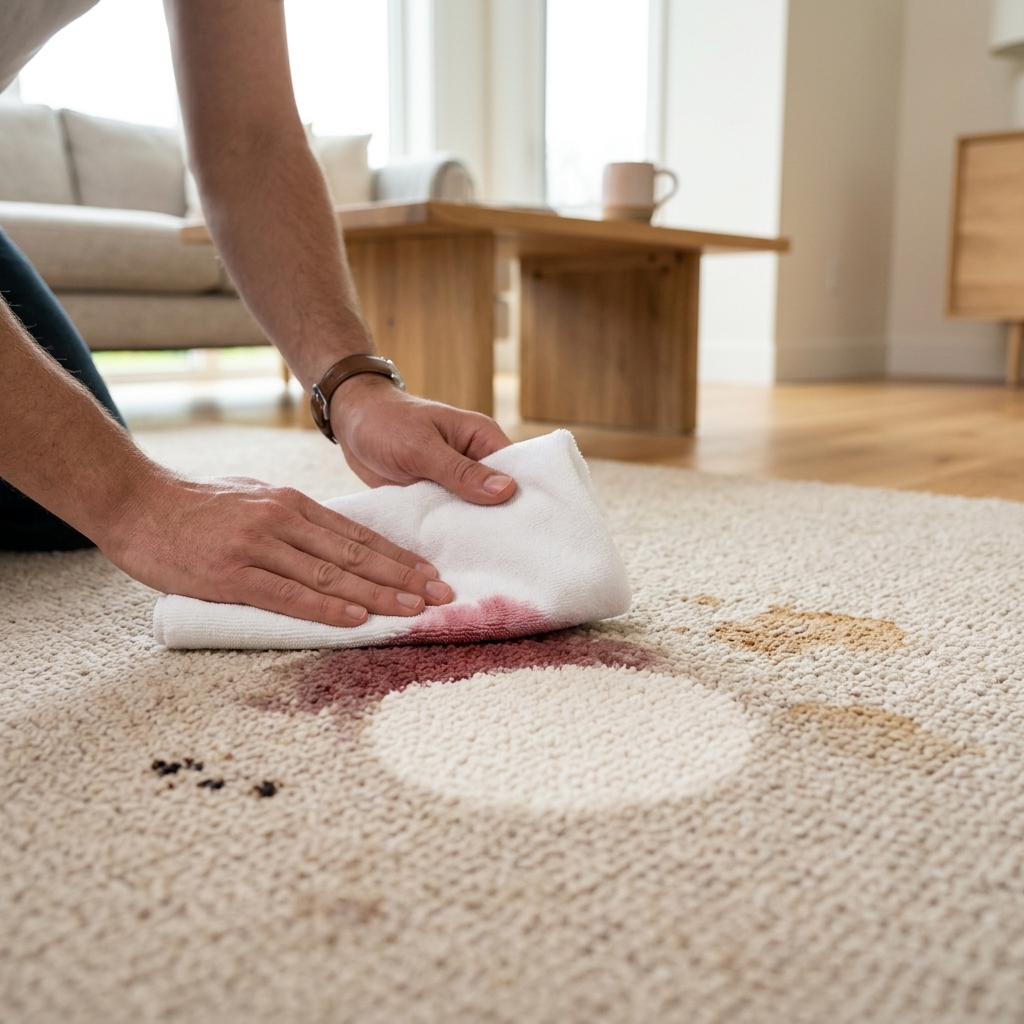
When a spill occurs on a carpet, the liquid quickly penetrates the surface and soaks into the backing and underlay. Because the air cannot circulate down there, the backing remains damp for days. This creates the perfect conditions for mould spores to germinate. Once mould takes root in the carpet backing, it releases volatile organic compounds and new spores into the room. This can cause musty odours, throat irritation, chronic coughing, and respiratory issues, and it often requires the entire carpet to be discarded.
5. Persistent Odours and Stale Air
Over time, carpets absorb all the odours of a household. This includes cooking grease, pet smells, sweat, cigarette smoke, and musty dampness. As these odours accumulate, they bond with the fibres and the backing, creating a persistent, stale smell that cannot be masked by air fresheners or baking soda.
Additionally, a carpet's filtering capacity is limited. Once the carpet is full of dust and pollutants, it can no longer trap new particles. Instead, every footstep acts like a bellows, pushing dust, allergens, and bad odours up into the room's breathing zone. This stale indoor air can cause headaches, fatigue, and general discomfort for everyone in the home, turning a room that should be a sanctuary into a source of indoor pollution.
6. Insect Infestations and Structural Damage
Neglected carpets can also attract a variety of household pests. Carpet beetles, moths, and fleas find shelter and food in dirty fibres. Carpet beetle larvae feed on natural fibres like wool, as well as animal hair, lint, and food crumbs. If left unchecked, these pests can chew large holes in your carpet, clothing, and upholstered furniture, causing severe financial damage.
If you have pets, a dirty carpet can also become a breeding ground for flea eggs and larvae. Fleas can lay eggs on your pet, which then fall off onto the carpet. The larvae hide deep in the pile, feeding on organic debris until they emerge as adult fleas, leading to a persistent infestation that is difficult to eliminate.
The Long-Term Impact on Home Value and Comfort
Beyond the physical health risks, neglecting your carpets has a profound impact on the overall comfort and economic value of your home. A house with dirty, smelly, or stained carpets immediately feels uninviting. It affects the mood of the inhabitants and creates a negative impression on guests and visitors. Furthermore, if you are renting, neglected carpets can lead to the loss of your security deposit. For homeowners planning to sell, stained and worn carpets can decrease the property's market value, as potential buyers will factor in the high cost of replacing the flooring outright. Investing in regular maintenance is far more budget-friendly than premature replacement.
Conclusion: Protect Your Home with Deep Extraction
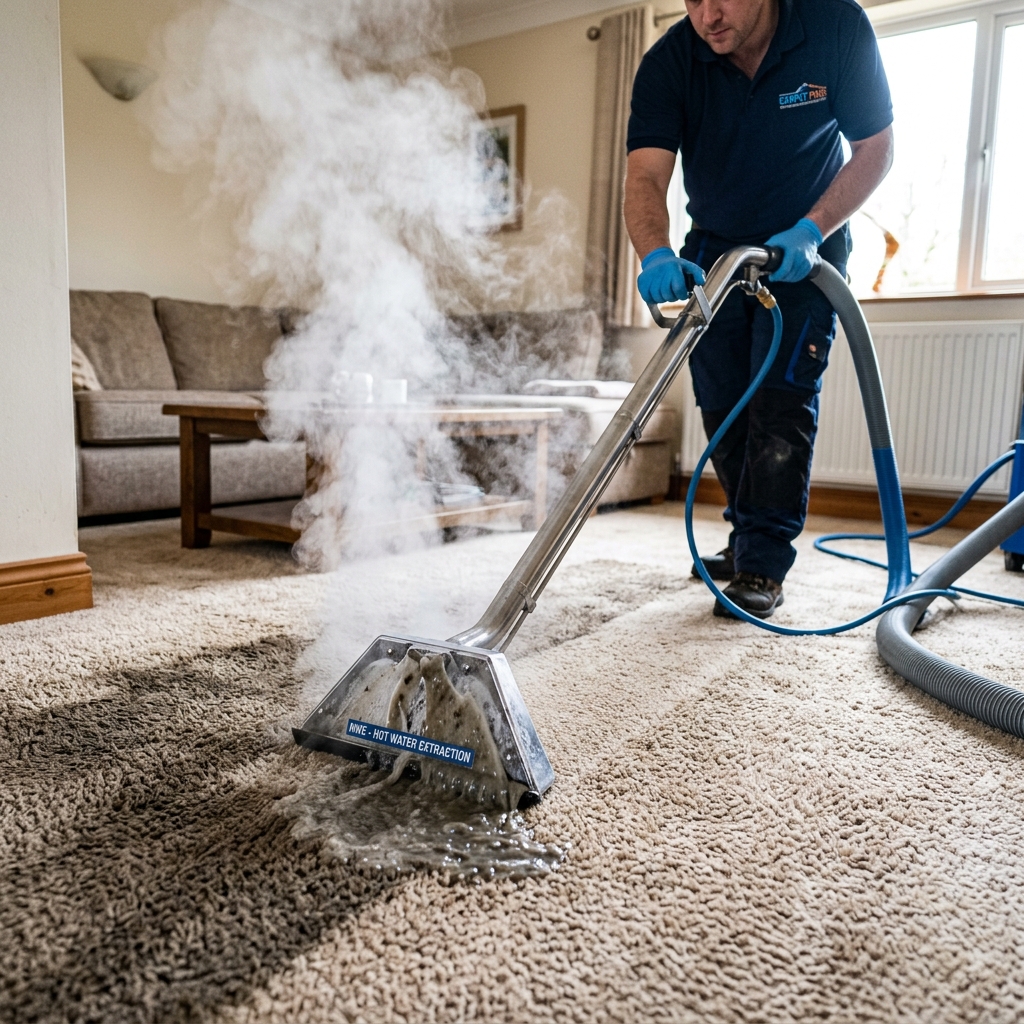
Vacuuming is a vital part of weekly home care, but it is not enough to maintain a healthy and safe indoor environment. To remove the abrasive grit, eliminate dust mites, kill bacteria, and prevent mould growth, you must schedule regular professional deep extraction. Having your carpets professionally deep cleaned once or twice a year removes these hidden dangers, restores the look and feel of your flooring, and ensures a clean, hygienic, and fresh home for your family.