Tips for Keeping Carpets Clean in High-Traffic Areas
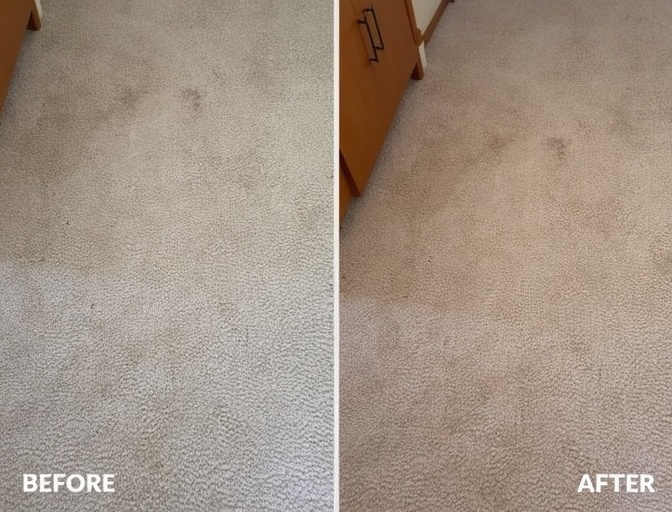
High-traffic areas such as entrances, hallways, and family rooms bear the brunt of daily foot traffic, leading to rapid wear and tear if not properly managed. In any home, certain pathways see constant use throughout the day. Family, guests, and pets walk back and forth along the same paths, transferring dirt, moisture, and debris onto the carpet fibres. Over time, these areas begin to look dull, dark, and flat compared to the rest of the flooring. Keeping these high-traffic zones clean and maintaining their appearance requires a combination of preventive strategies, targeted maintenance routines, and professional care. In this article, we will discuss practical tips to protect high-traffic carpets, restore flattened fibres, and keep your home's main thoroughfares looking fresh and clean.
The Impact of Traffic on Carpet Longevity
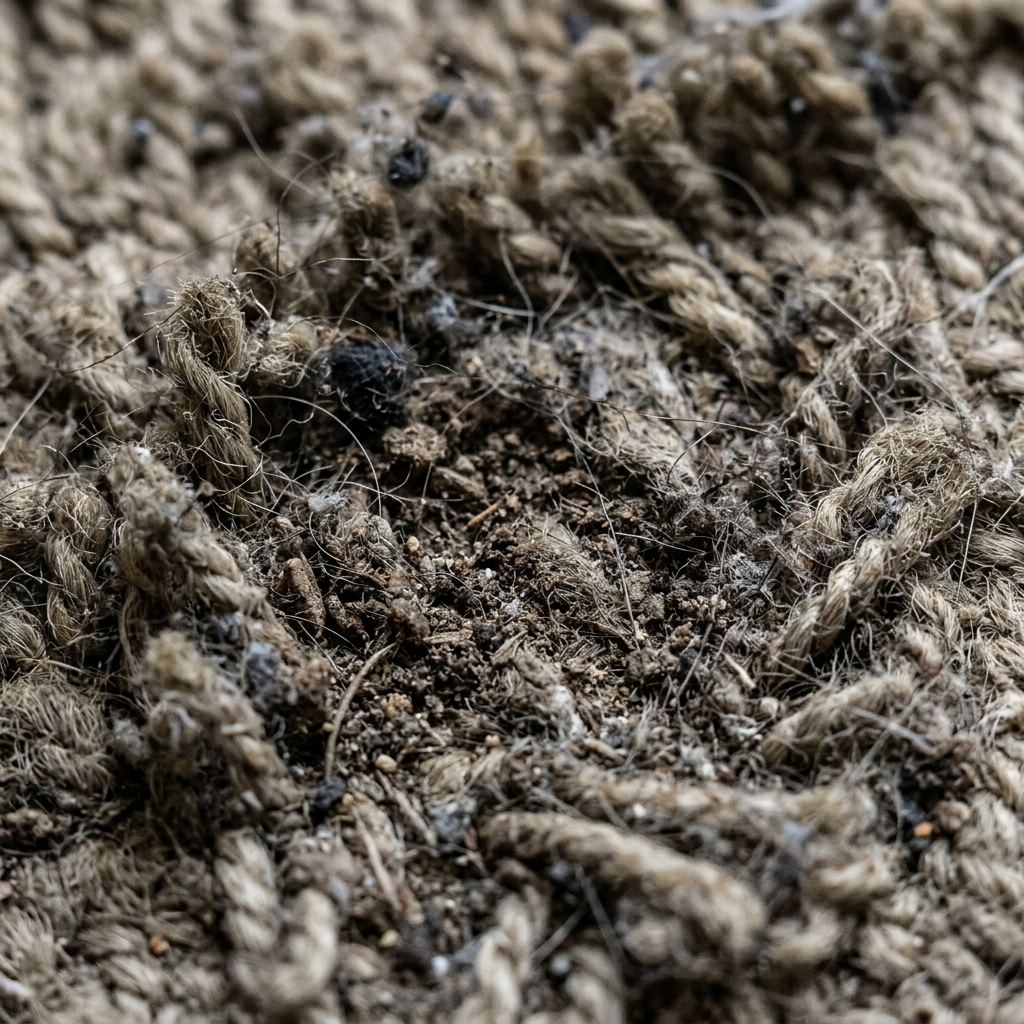
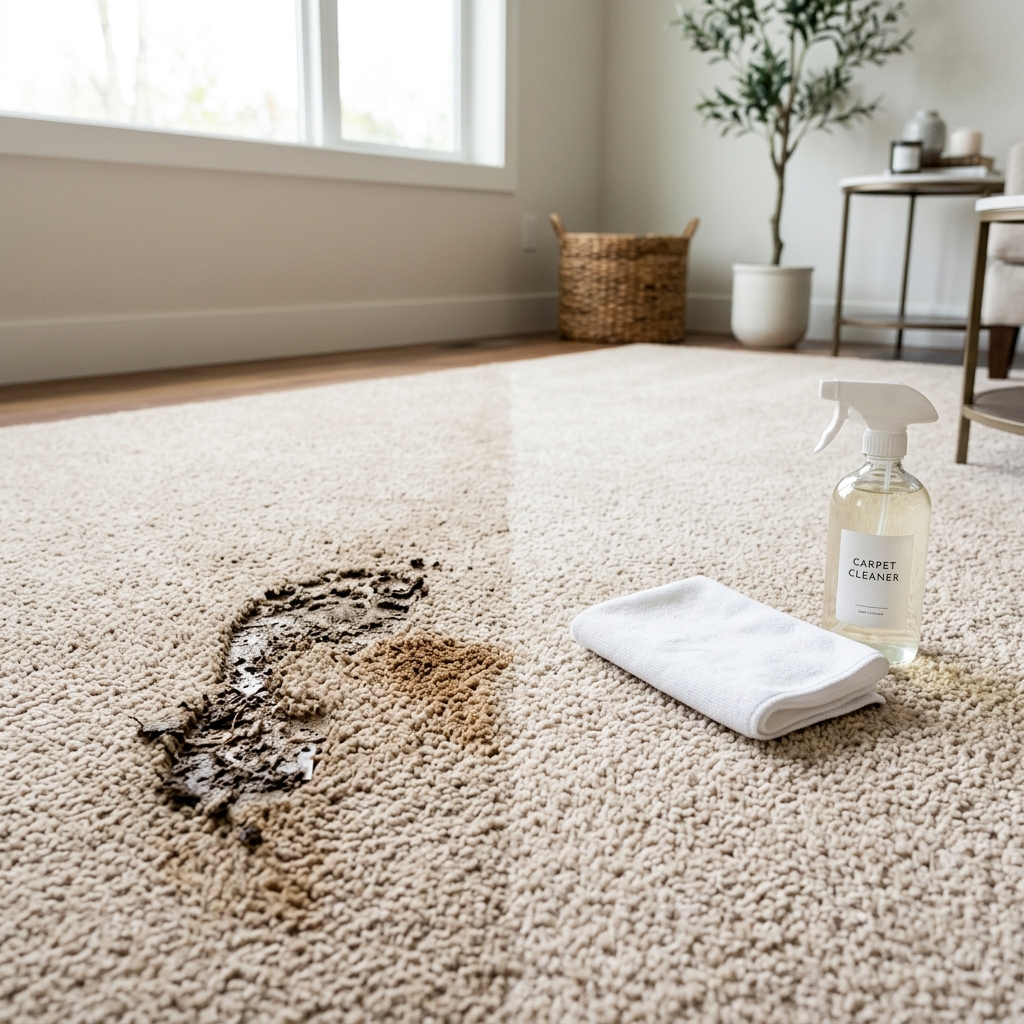
High-traffic zones suffer from two main issues: heavy soil accumulation and fibre matting. When feet step on carpet, they deposit fine dirt and abrasive sand deep into the pile. If this soil is not removed, it acts like sandpaper, grinding against the carpet fibres with every step and causing them to fray and break. Additionally, the physical weight of foot traffic compresses the carpet pile. Over time, the fibres lose their twist and resiliency, resulting in a flat, matted appearance that makes the carpet look worn out. Once fibres are physically damaged or broken, cleaning cannot repair them. Therefore, the key to carpet longevity is preventing soil accumulation and restoring the pile before irreversible damage occurs. Regular care will help ensure that these pathways remain soft and appealing.
Preventive Measures: Stop Dirt at the Door
The easiest way to keep high-traffic carpets clean is to prevent dirt from reaching them in the first place. You can implement several practical preventive measures in your home:
Use Durable Mats
Place large, durable doormats both outside and inside every entrance to your home. Encourage family and guests to wipe their feet thoroughly. A double-mat system - a coarse mat outside to scrape away mud and gravel, and a soft, absorbent mat inside to trap moisture and fine dust - can catch up to eighty percent of the dirt before it ever touches your carpets. Make sure to clean or shake out these mats weekly to keep them working well.
Set a No-Shoes Policy
Asking everyone to remove their shoes at the entrance is one of the most practical ways to preserve your carpets. Shoes carry outdoor grime, motor oil, pesticides, and moisture, all of which can stain and wear down carpet fibres. Provide a comfortable bench and a shoe rack near the door, and offer slippers or socks to guests to make the policy convenient and welcoming. By keeping shoes off the carpet, you reduce dry soil accumulation by over seventy percent.
Protect with Rugs and Runners
Place stylish area rugs, carpet runners, or protector mats over the highest-traffic areas, such as main hallways and the spaces in front of sofas and chairs. These rugs absorb the wear and dirt, protecting the underlying carpet. Area rugs are much easier to shake out, vacuum, wash, or replace, offering a simple and budget-friendly way to extend the lifespan of your wall-to-wall carpeting. Make sure to use non-slip underlays under these rugs to prevent them from moving around and causing uneven wear on the carpet pile below.
Targeted Daily and Weekly Maintenance
High-traffic zones require more frequent and thorough maintenance than the rest of your home. Adjust your cleaning routine with these practices:
Frequent Vacuuming
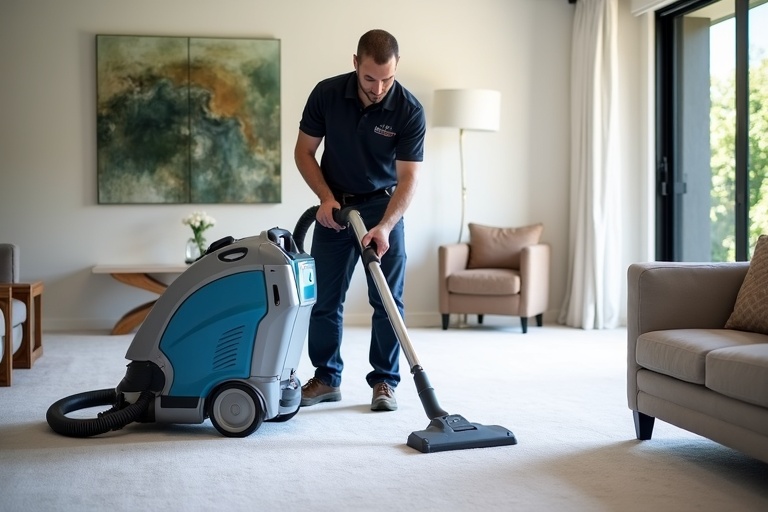
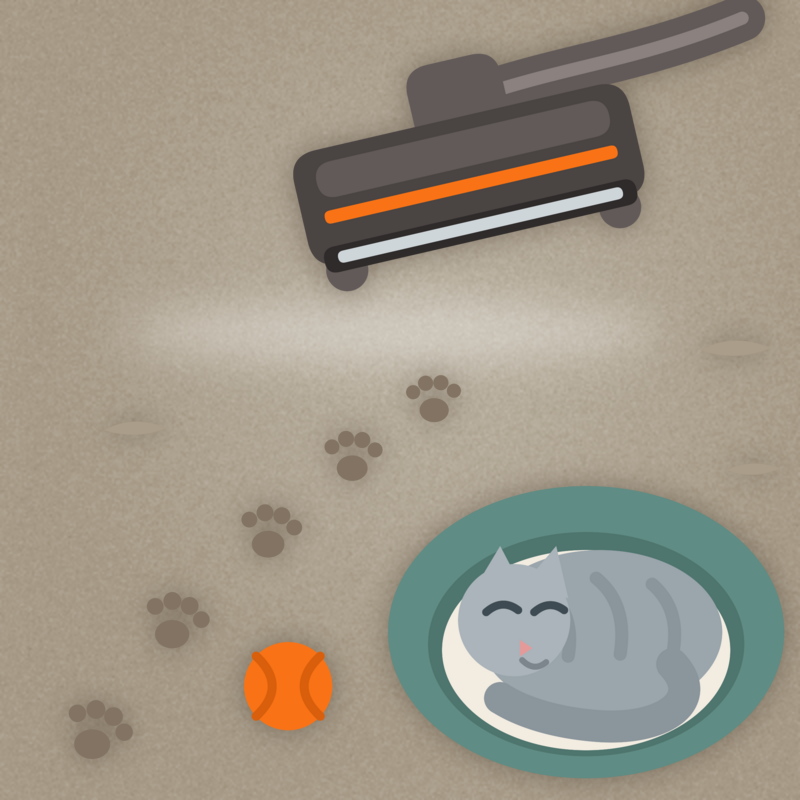
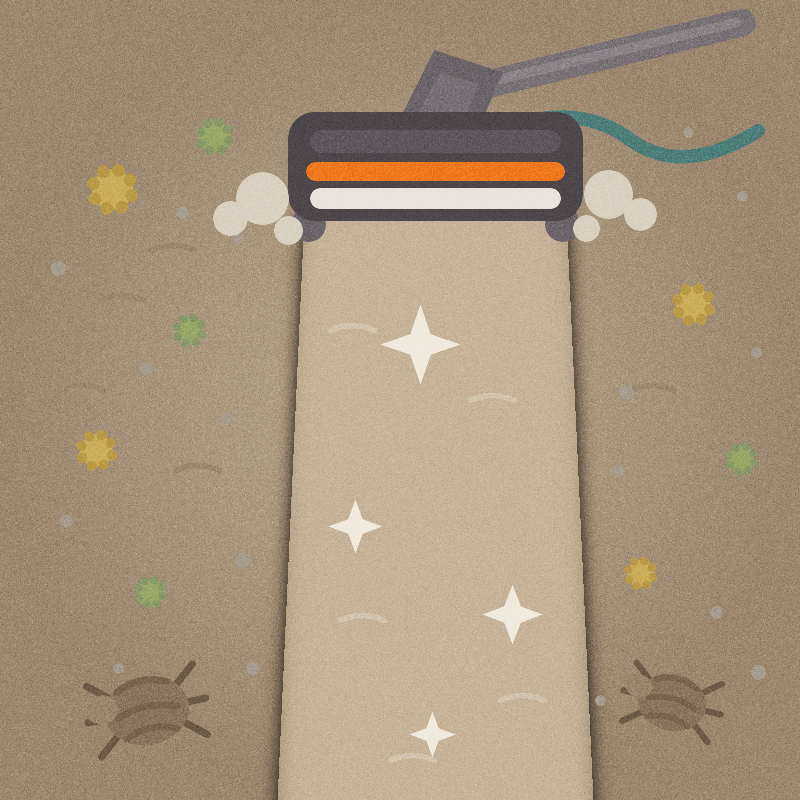
Do not wait for the weekly clean to vacuum high-traffic pathways. Entrances and main hallways should be vacuumed every two to three days. This prevents the abrasive grit from settling deep into the pile where it can damage the fibres. Use a vacuum with a rotating brush or beater bar, and make multiple, slow passes in different directions to ensure you draw out the dirt from all angles. For the best results, use a vacuum with a HEPA filter to prevent fine dust from being exhausted back into the room.
Rotate Furniture Regularly
If the layout of your room allows, rearrange your furniture every six to twelve months. Changing the position of your sofa, chairs, and tables alters the walking paths in the room, distributing the foot traffic more evenly across the carpet. This prevents a single, highly-visible worn pathway from developing. It also gives hidden sections of the carpet a chance to recover from indentations and exposure to sunlight.
The Importance of Carpet Grooming
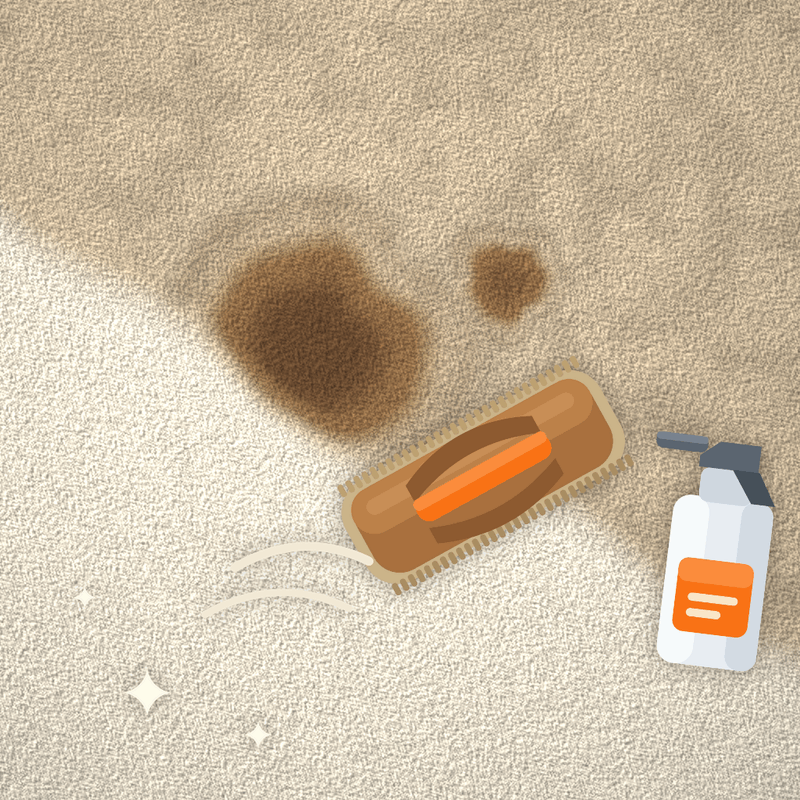
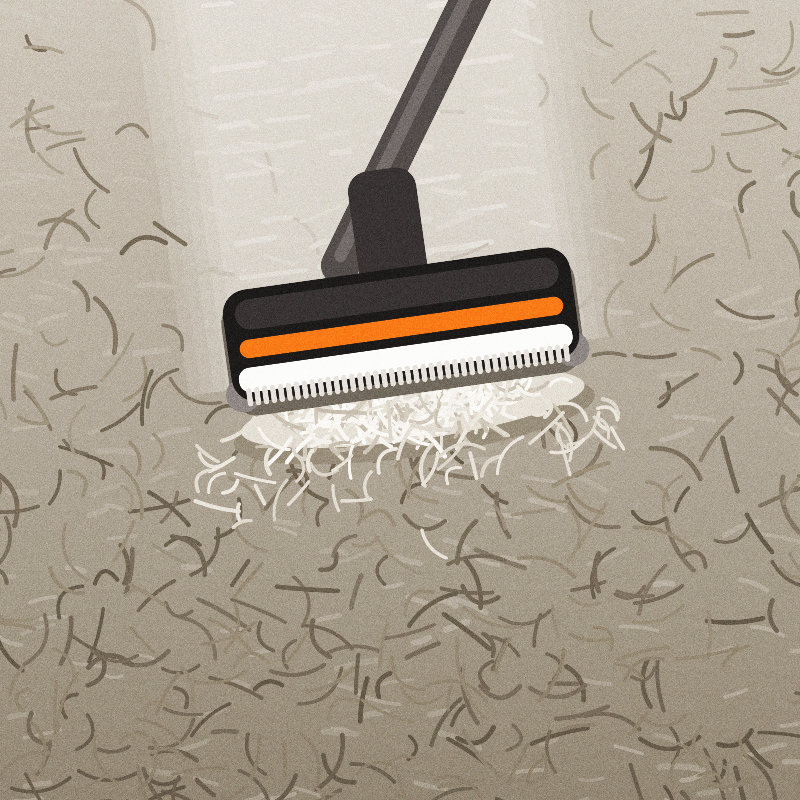
Using a carpet rake or carpet brush is an excellent way to maintain high-traffic areas. Raking before vacuuming loosens deeply embedded soil, lifting it to the surface where the vacuum can easily extract it. Raking after vacuuming aligns the fibres, helping to restore the uniform look of the pile and preventing matting. Routine grooming takes only a few minutes but makes a significant difference in the long-term appearance of active areas.
Restoring Flattened and Matted Fibres
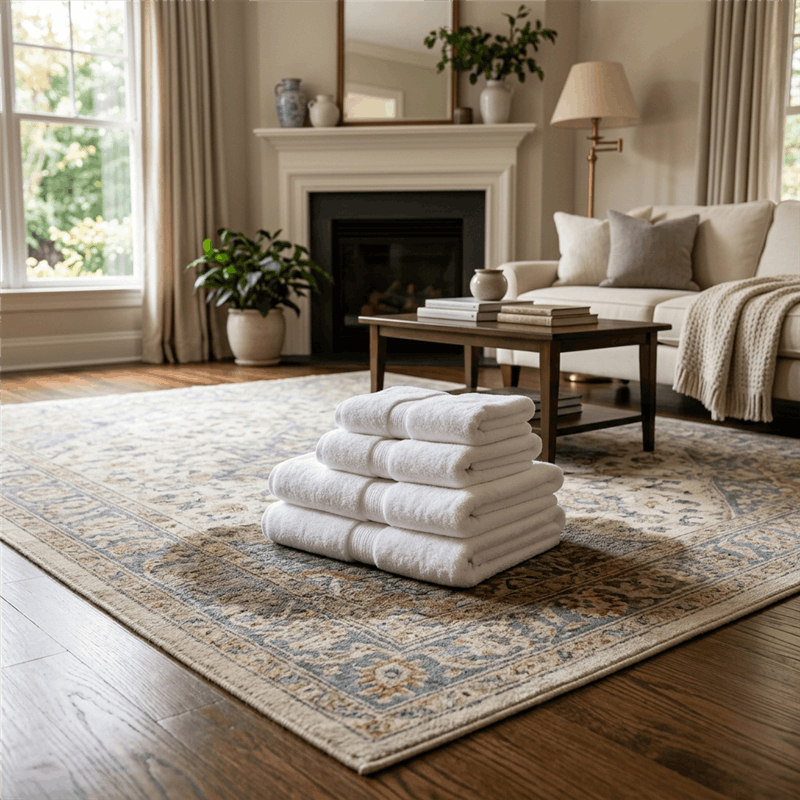
If your carpet fibres have become flat and compressed, you can restore some of their texture and bounce at home. For small indented areas left by heavy furniture, place an ice cube on the indentation and allow it to melt slowly. The moisture will swell the fibres. Once dry, use a coin or a spoon to gently fluff the pile back up. For larger matted areas in hallways, you can use a damp white cloth and a warm iron. Place the damp cloth over the flat carpet and press the iron gently over it for a few seconds. The steam will loosen the fibres. Remove the cloth and brush the carpet pile with a soft brush or your fingers. Never touch the iron directly to the carpet, as synthetic fibres can melt easily under direct heat. Performing this simple restoration routine monthly keeps carpet pathways looking fluffy and well-maintained.
Professional Protection and Deep Cleaning
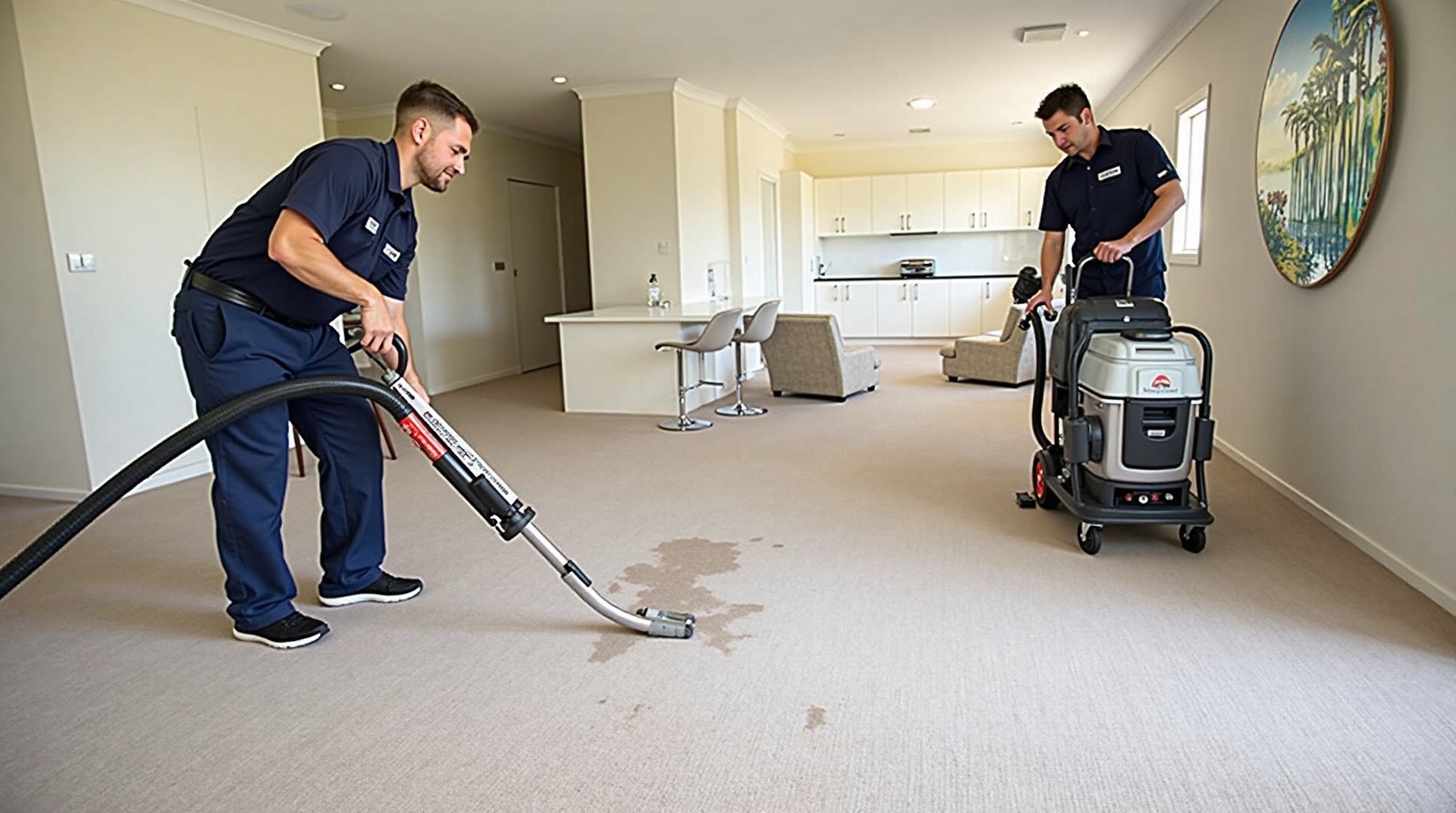
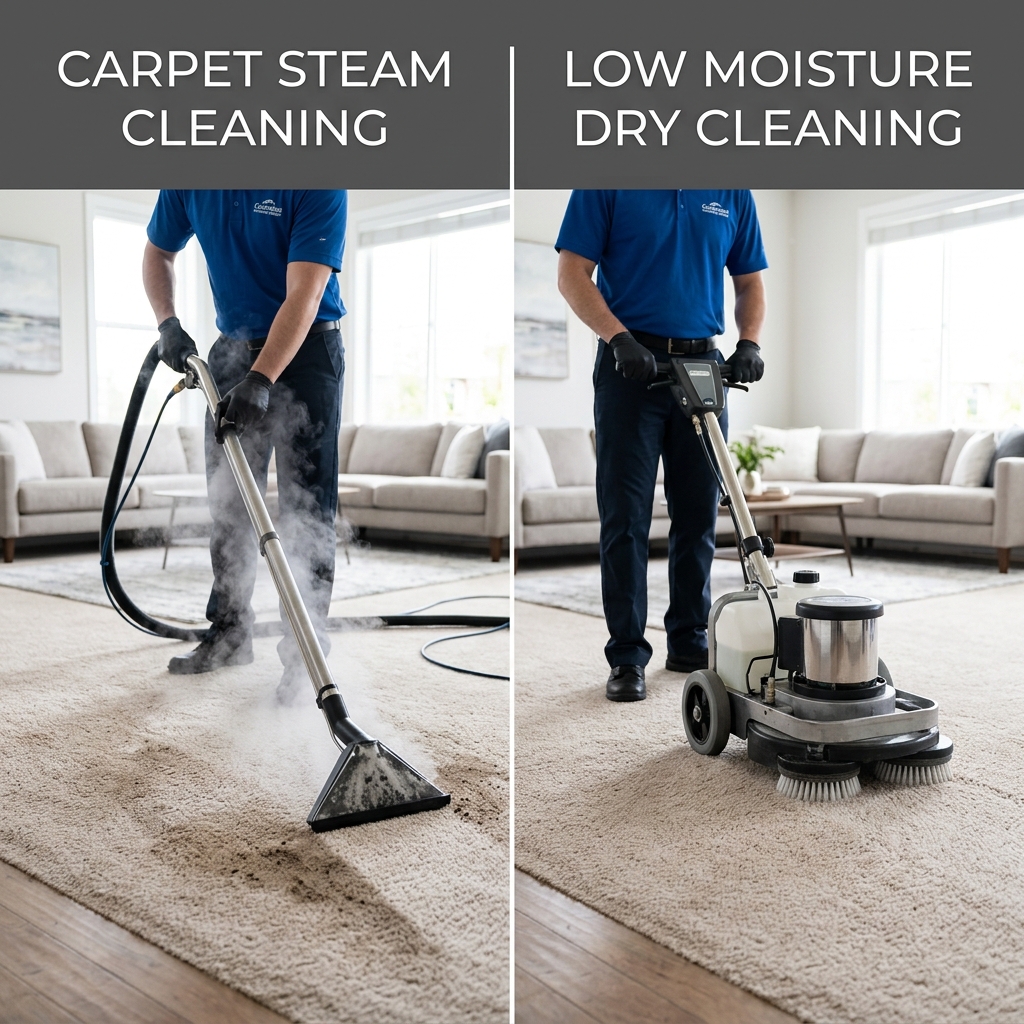
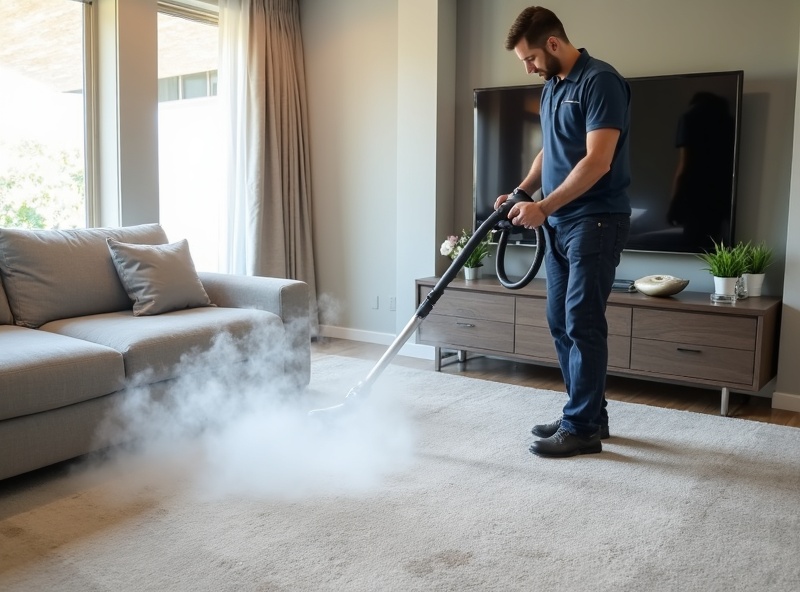
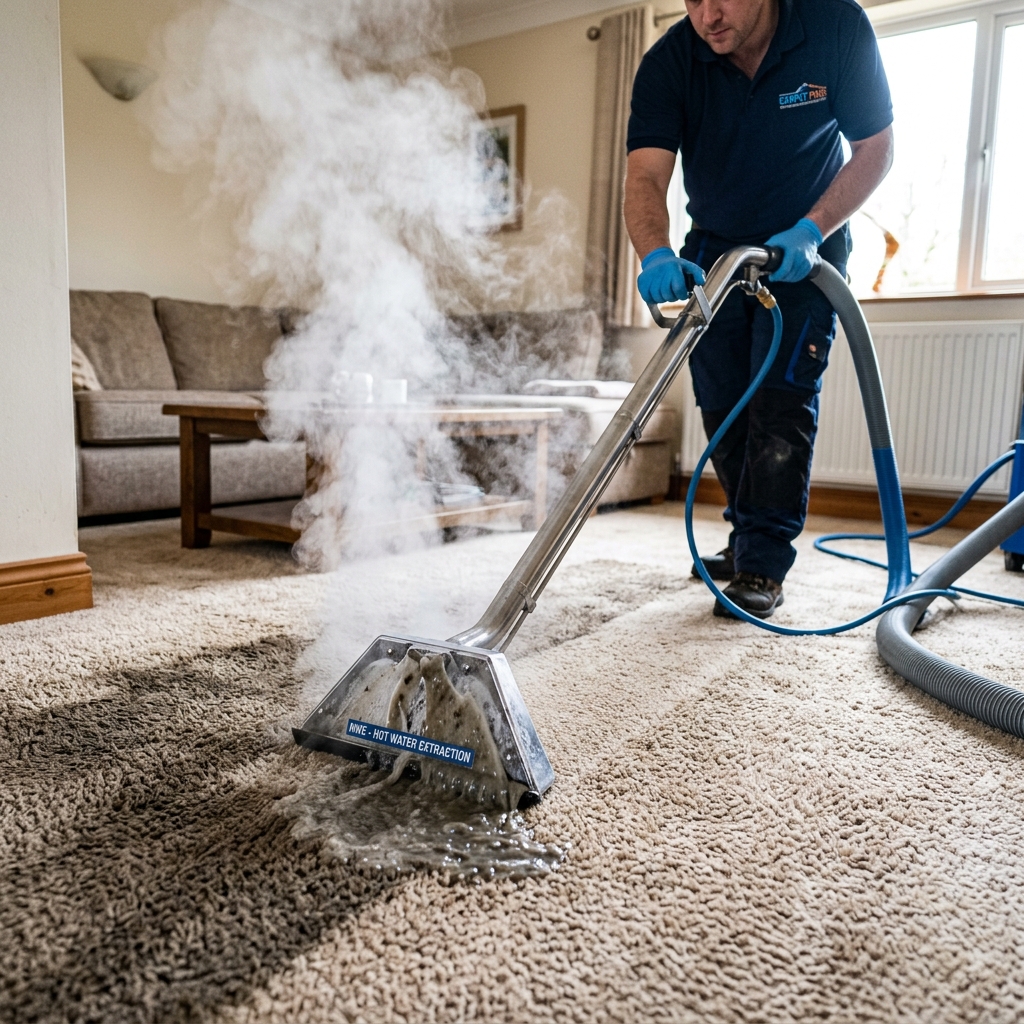
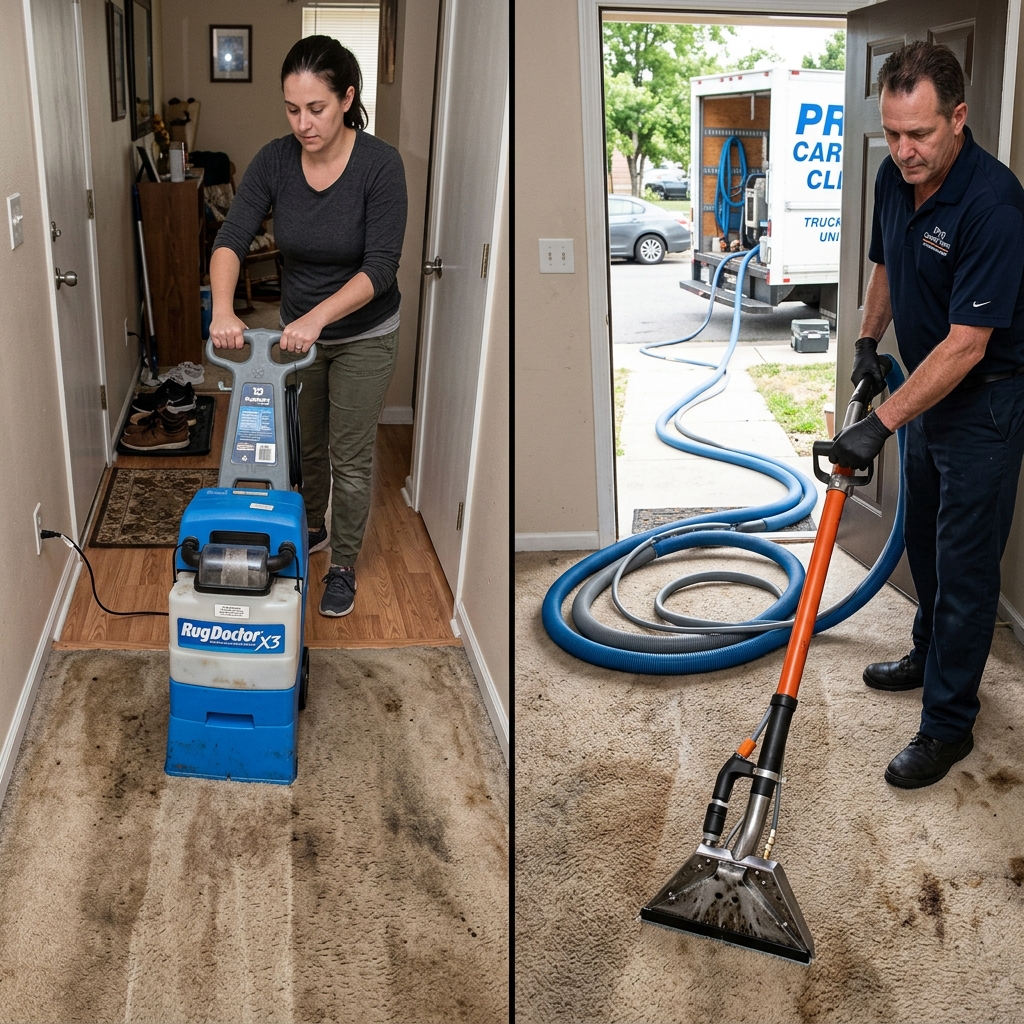
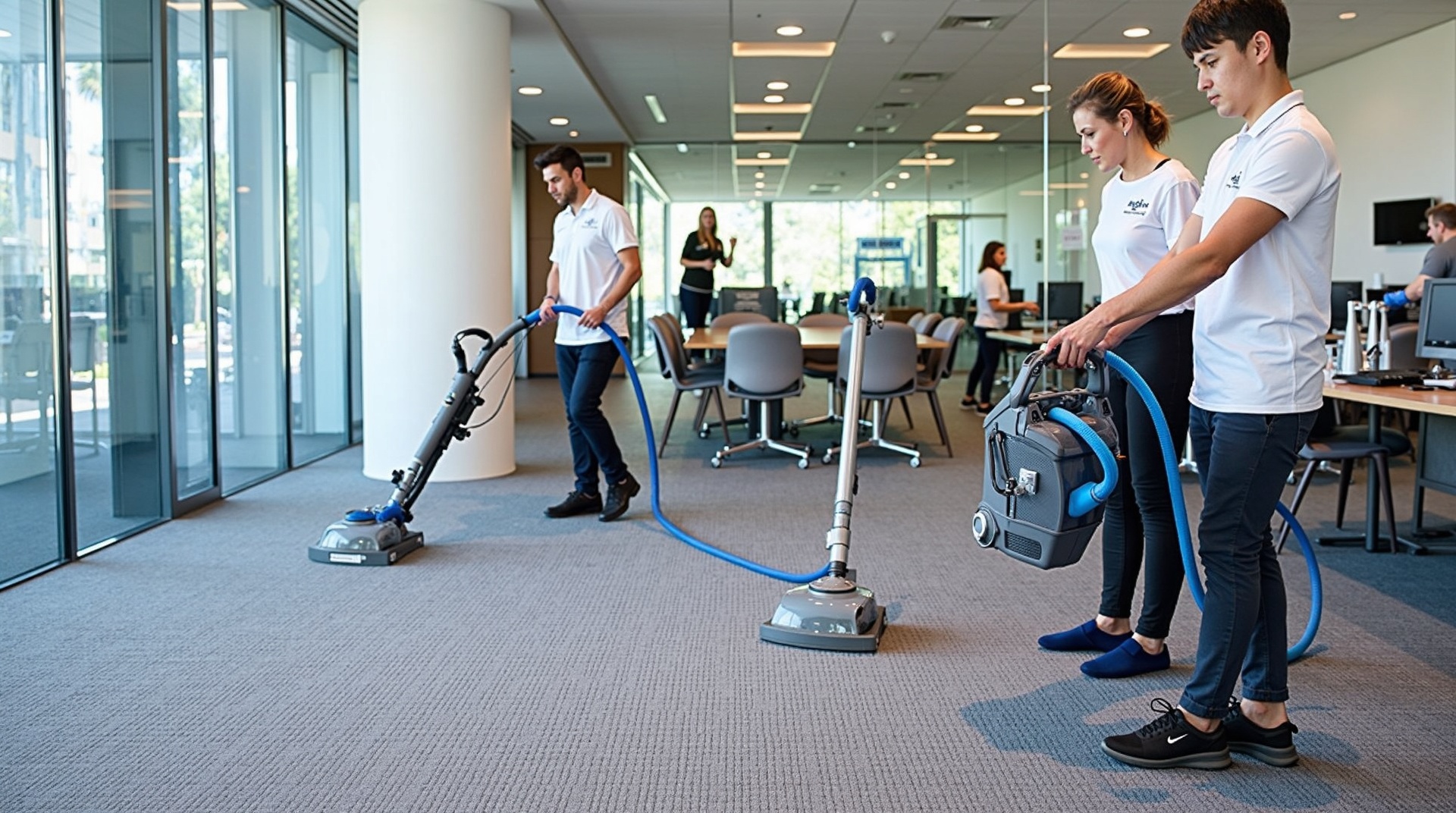
While routine maintenance is essential, high-traffic carpets will eventually require professional deep cleaning. Professional hot water extraction works well at flushing out the fine, abrasive sand that settles at the very bottom of the pile. In addition to deep cleaning, professionals can apply a specialized stain protector treatment to your carpets. Stain protectors create an invisible barrier around each carpet fibre, preventing liquids and dirt from penetrating. This barrier makes it much easier to vacuum up dirt and blot up spills during your regular cleaning, keeping your high-traffic pathways looking clean and extending their lifespan significantly. Applying protector treatments after every deep clean is the most reliable way to maintain the beauty and structure of heavily used carpets.