Why Carpet Stains Come Back After Cleaning and How to Stop It
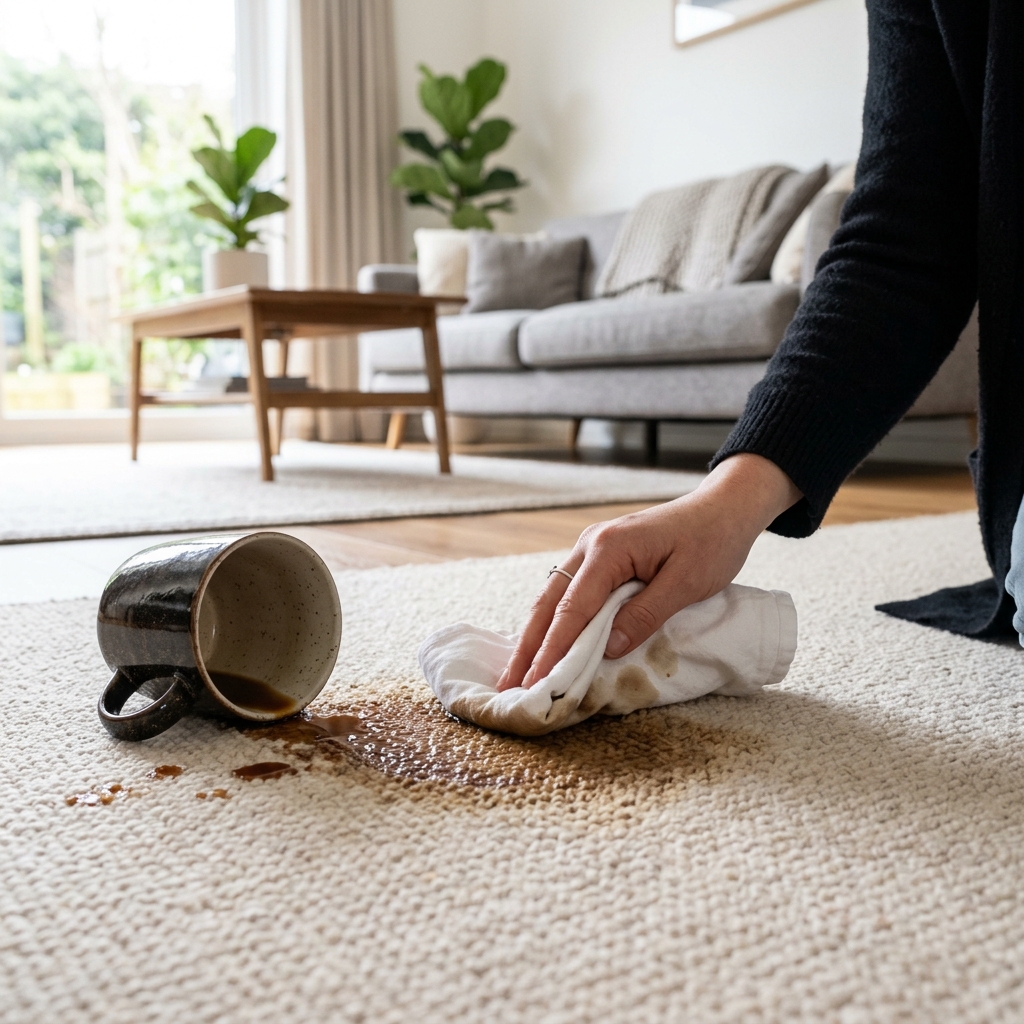
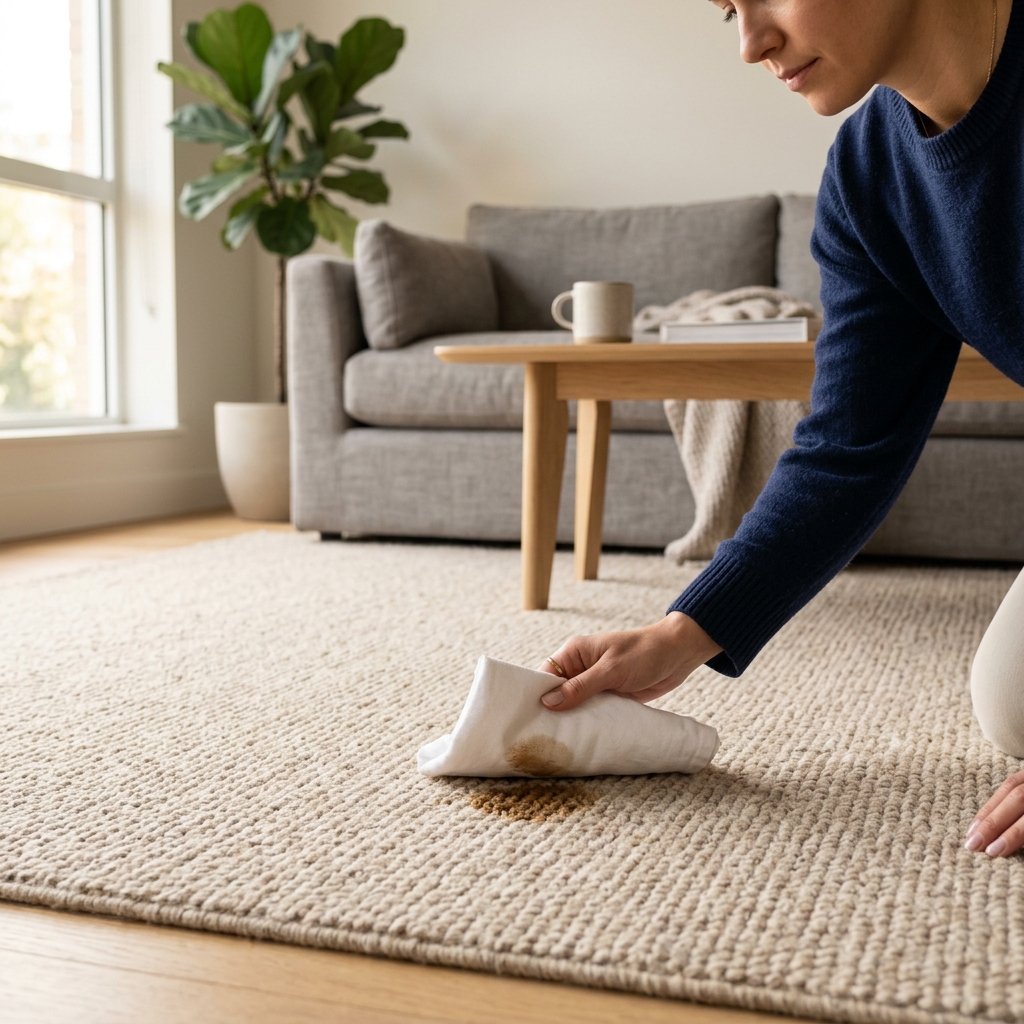
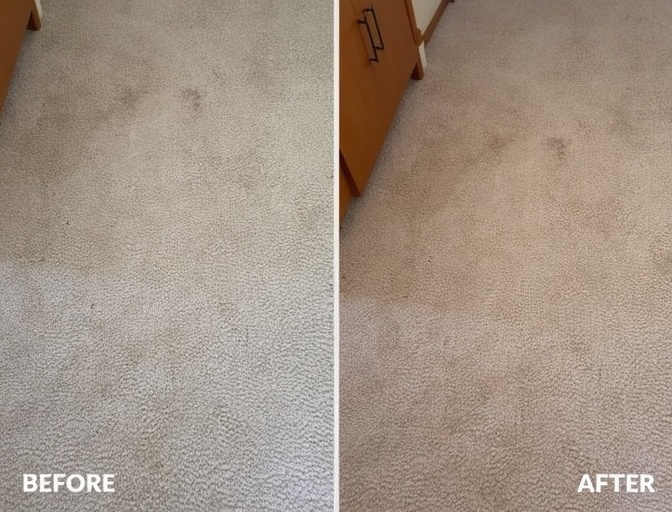
It's one of the most frustrating carpet problems a homeowner can face: you spend time carefully treating a stain, it looks completely gone, and then a few days later, that same mark reappears, sometimes even larger than before. If this sounds familiar, you're not alone, and more importantly, there's usually a clear, fixable reason behind it.
At Fresho Carpet Cleaning Brisbane, 'why does my stain keep coming back' is one of the questions we hear most often. In this guide, we'll explain exactly why this happens and what you can do to stop it for good.
The Wicking Effect: The Most Common Culprit
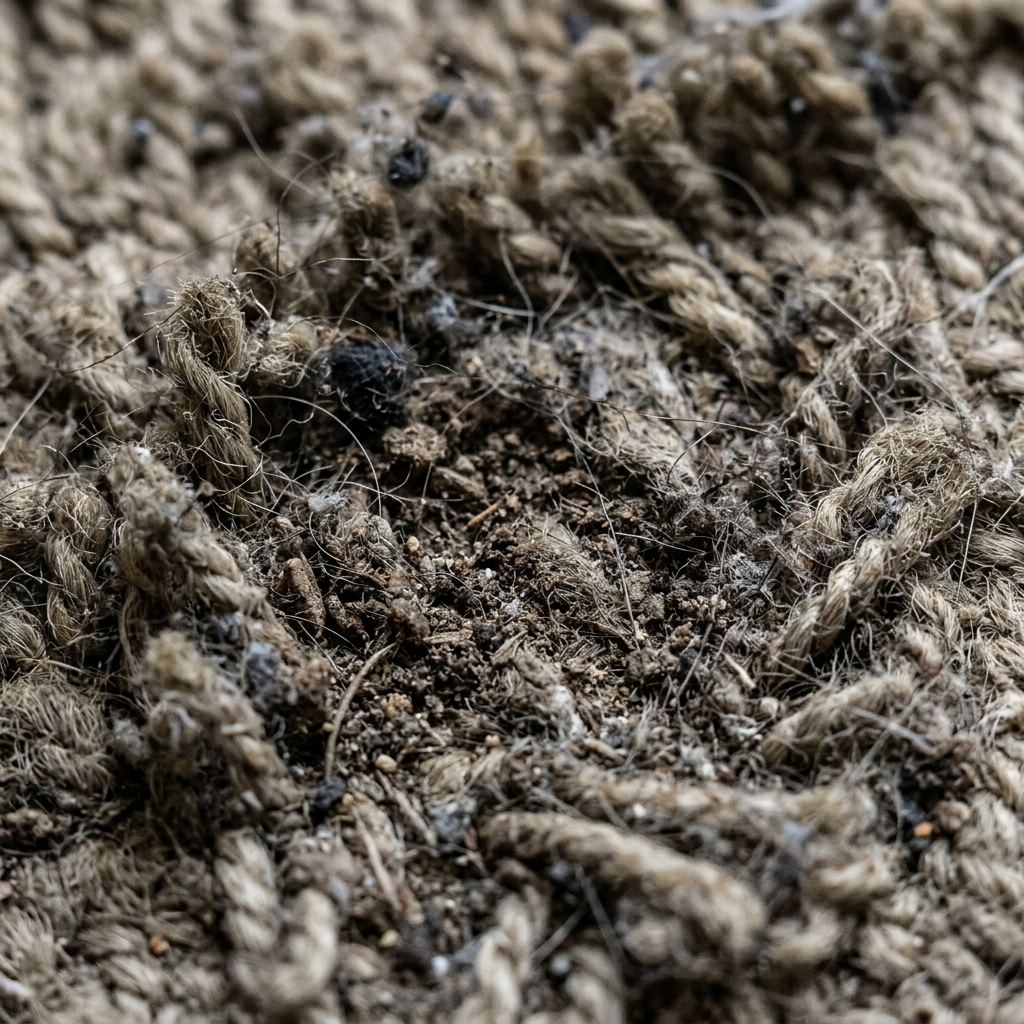
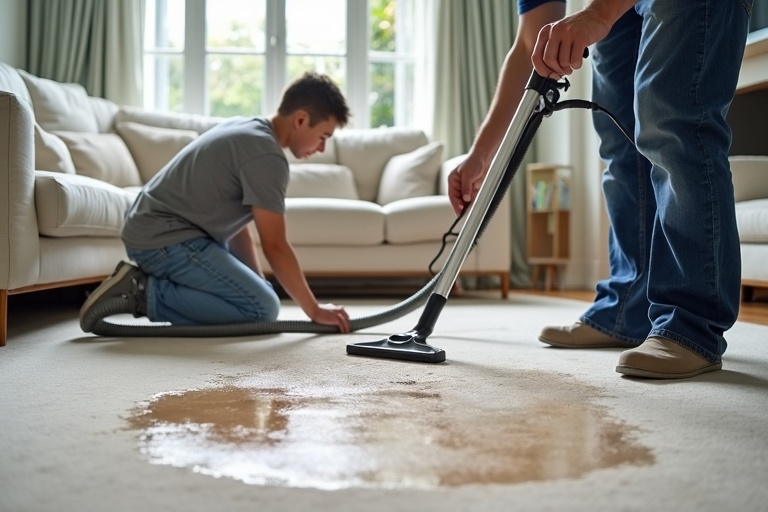
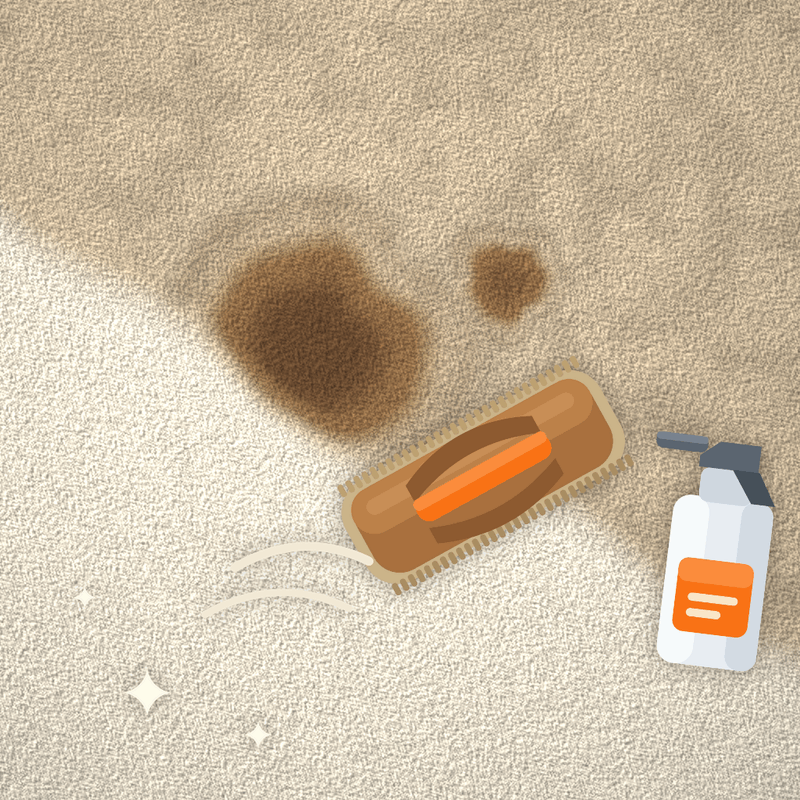
The most frequent reason a stain reappears is something called wicking. When a spill soaks down into the carpet backing, padding, or underlay, cleaning the visible surface often only removes what's on top, leaving residue trapped deeper down. As the carpet dries, moisture and dissolved stain particles are drawn back up toward the surface through capillary action, causing the mark to reappear once the area has fully dried, sometimes days after the original cleaning.
This is particularly common with larger spills, pet accidents, and stains that weren't treated promptly, since more liquid has had the chance to soak down through the carpet layers before any cleaning took place.
Leftover Detergent Residue
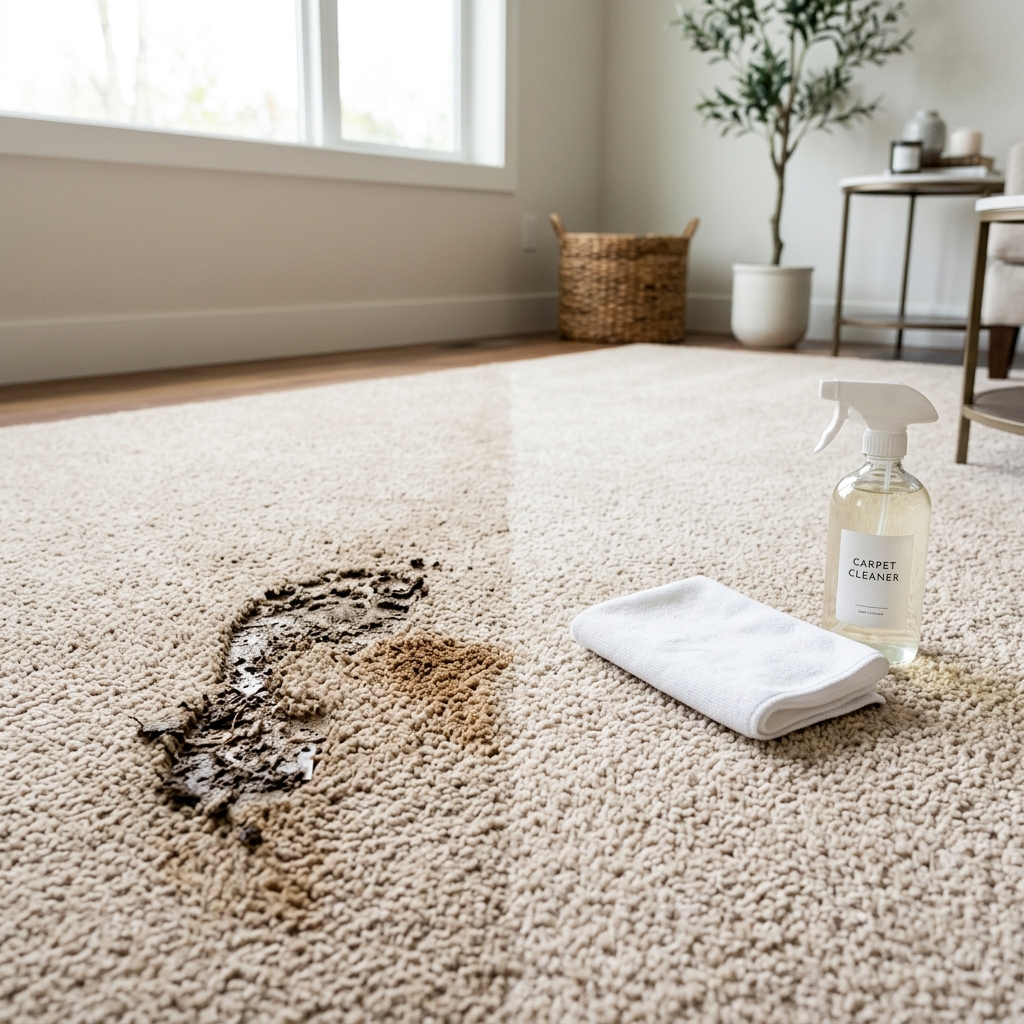
Ironically, one of the most common causes of a returning stain is the cleaning process itself. If a cleaning solution isn't fully rinsed out after treatment, the leftover detergent residue can act like a magnet for dirt and dust, causing the treated area to look dirty again far more quickly than the surrounding carpet, even without any new spill occurring.
This is especially common with DIY carpet shampooing or rental machine use, where thorough rinsing is sometimes skipped in favour of speed, leaving behind sticky residue that attracts grime over the following days and weeks.
Incomplete Stain Removal in the First Place
Sometimes what looks like a stain 'coming back' is actually a stain that was never fully removed to begin with. Surface treatment can lift enough of a mark to make it appear gone, particularly on lighter-coloured carpets under artificial lighting, while a faint trace remains that becomes more visible again once the carpet fibres fully dry and return to their natural position.
Improper Drying After Cleaning
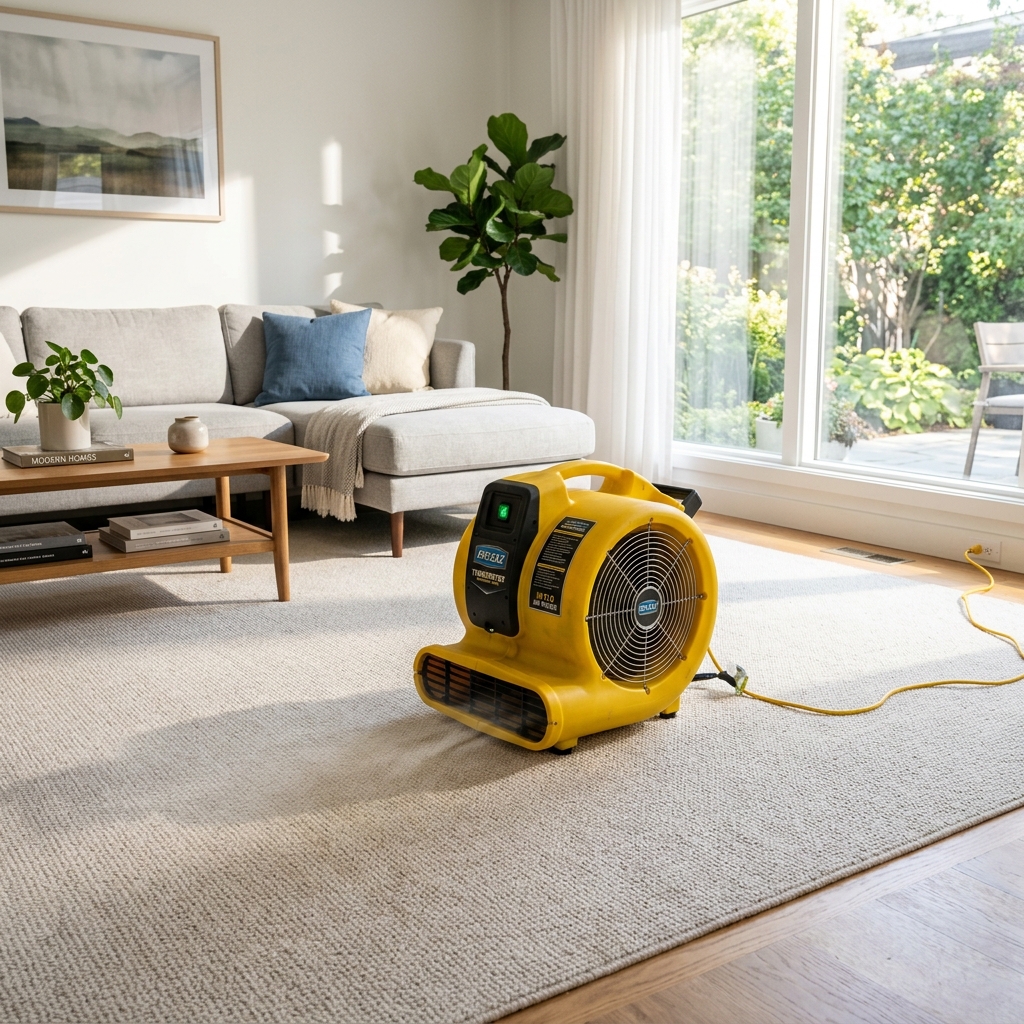
Carpet that isn't allowed to dry properly after cleaning can develop secondary issues, including a return of odour or discolouration as trapped moisture interacts with any remaining residue in the padding below. Walking on damp carpet, placing furniture back too soon, or cleaning in a poorly ventilated room can all slow drying time and increase the risk of a stain or odour reappearing.
Contamination in the Carpet Padding
For larger spills, particularly pet accidents, contamination can extend beyond the carpet itself into the padding and even the subfloor underneath. Surface-level cleaning, no matter how thorough, can't reach this deeper contamination, which means the stain and associated odour can continue to resurface until the padding itself is treated or, in severe cases, replaced.
Using the Wrong Cleaning Method for the Stain Type
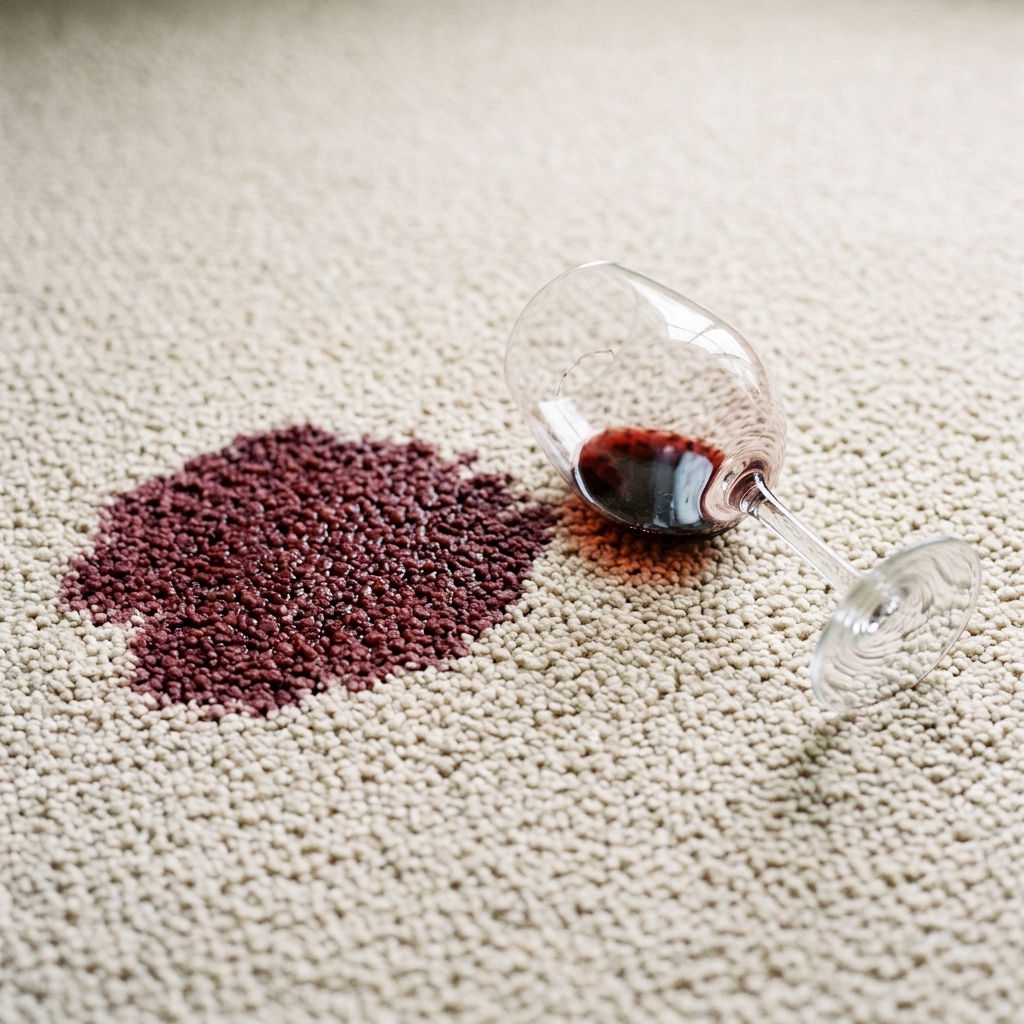
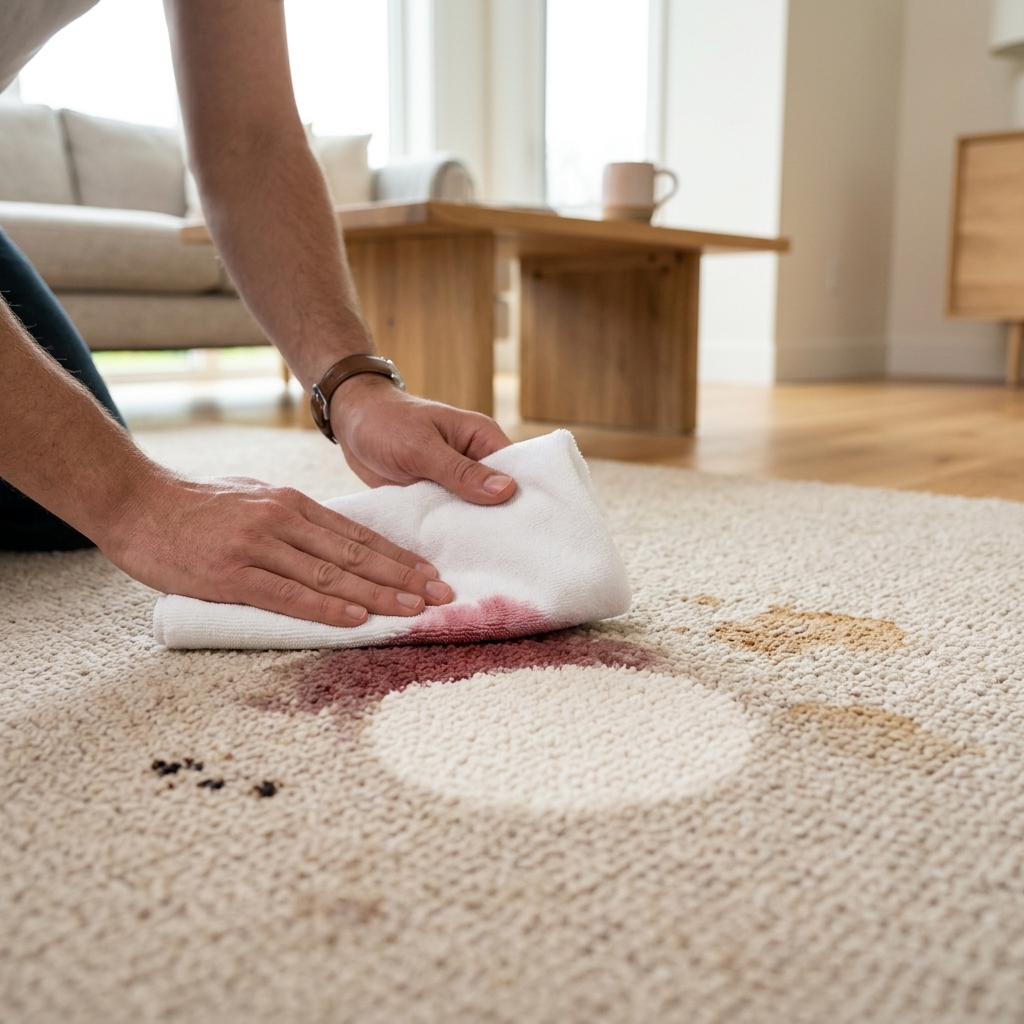
Different stains require different treatment approaches, and using the wrong method can sometimes mask a stain temporarily rather than genuinely removing it. Oil-based stains, for example, require an absorbent powder step before liquid treatment, while protein-based stains like blood need cold water rather than hot. Treating a stain with the wrong approach can leave behind residual contamination that resurfaces later, even if the immediate result looks reasonably clean.
Why Larger Spills Are More Prone to Returning
The size and volume of the original spill plays a significant role in how likely a stain is to reappear. A small, contained mark treated promptly rarely reaches deep enough into the carpet backing to cause wicking issues later. Larger spills, particularly those left to soak for even a short period before treatment, have far more opportunity to travel down through the carpet layers, making thorough extraction and drying considerably more important for a lasting result.
The Role of Carpet Age and Padding Condition
Older carpet and padding that have absorbed years of general spills, foot traffic residue, and cleaning product buildup can sometimes hold onto contamination more persistently than newer carpet, even with proper cleaning technique. If stains seem to return more frequently in an older carpet despite following all the right steps, it may be worth having the padding itself assessed, since accumulated residue over many years can occasionally reach a point where full extraction becomes more difficult.
How to Stop Stains From Coming Back
- Treat spills as soon as possible, before they have a chance to soak deep into the carpet backing
- Always rinse cleaning solution out thoroughly, rather than leaving detergent residue behind
- Use the correct treatment method for the specific type of stain
- Allow carpet to dry completely and avoid walking on it or replacing furniture too soon
- For larger spills or pet accidents, consider whether padding beneath the carpet may also need treatment
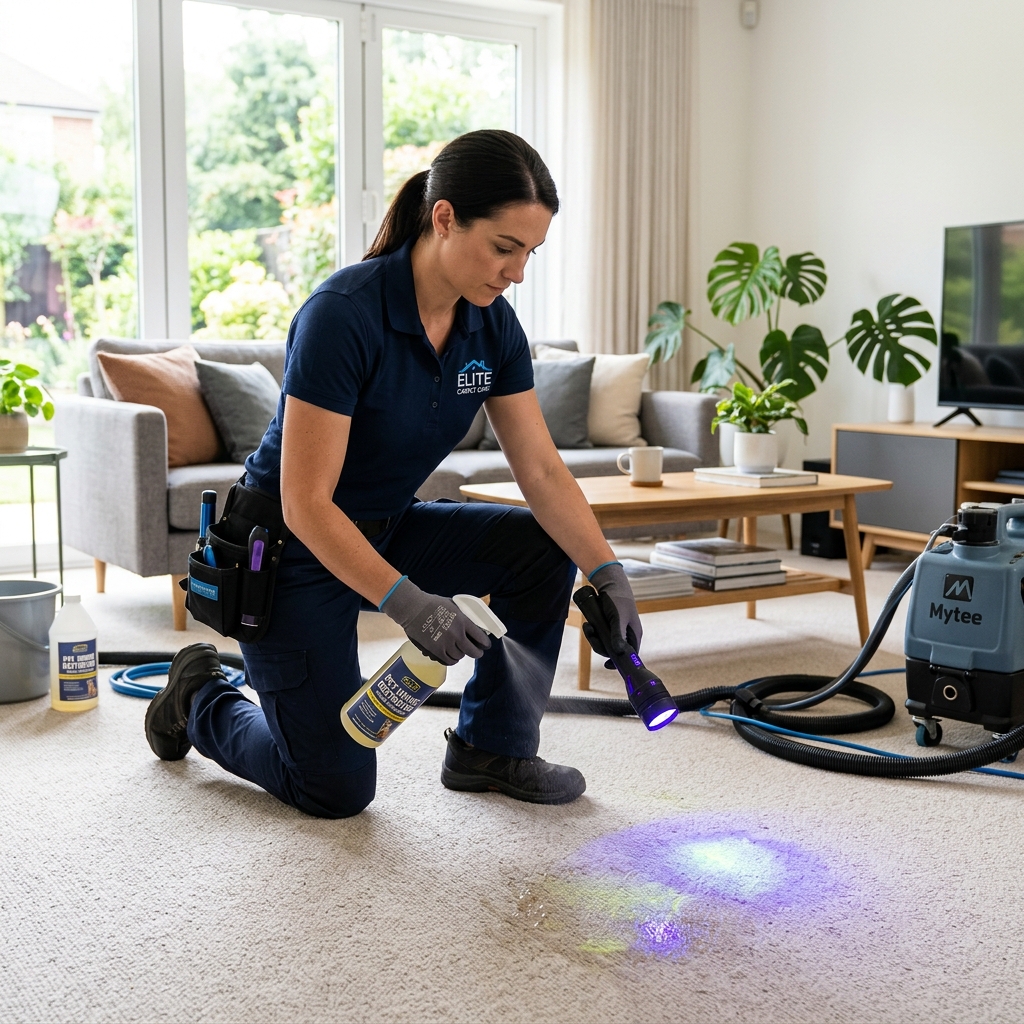
- For enzyme-based stains like pet urine, ensure enough dwell time is given for the solution to fully break down contamination
When Professional Extraction Makes the Difference
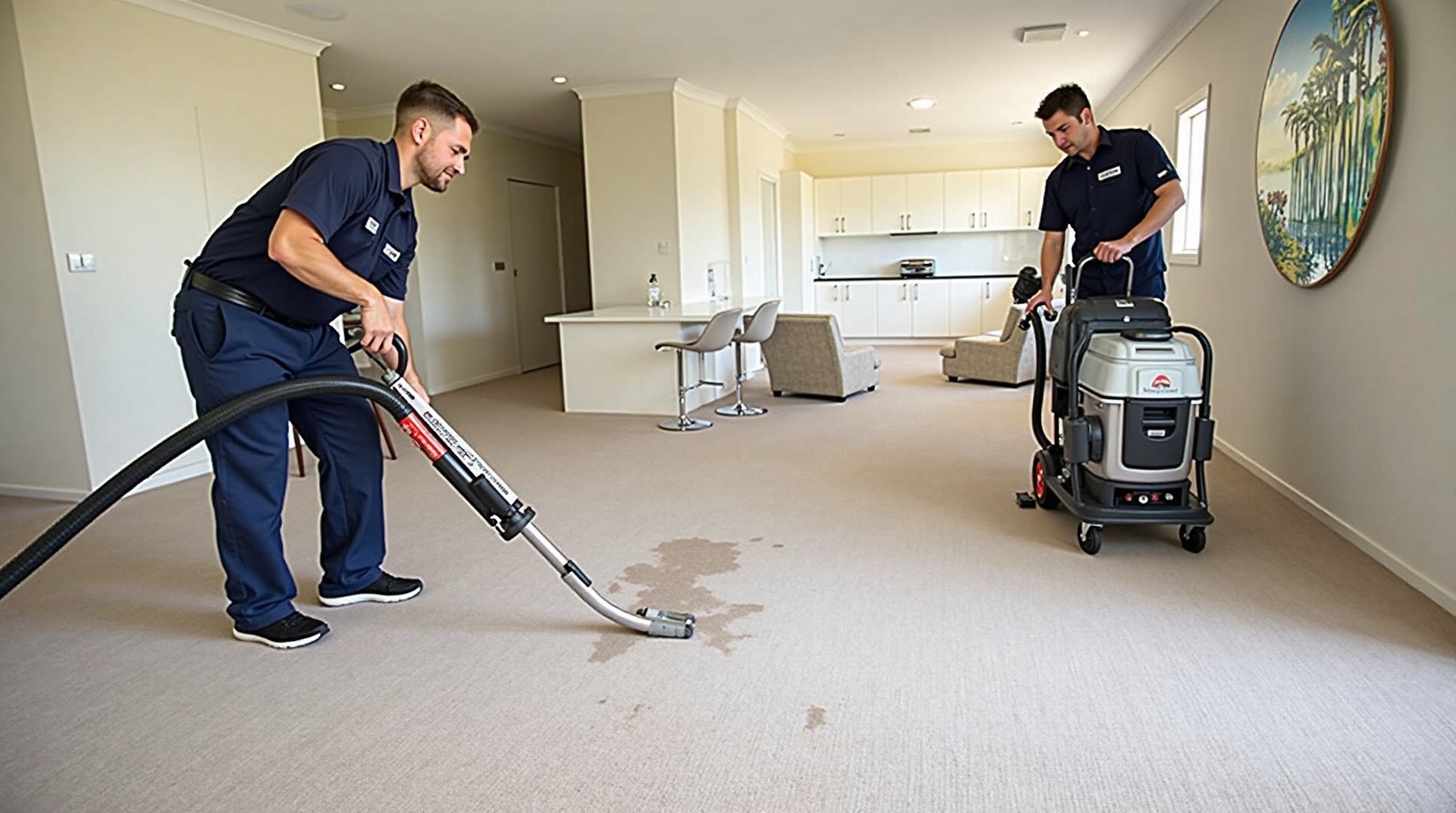
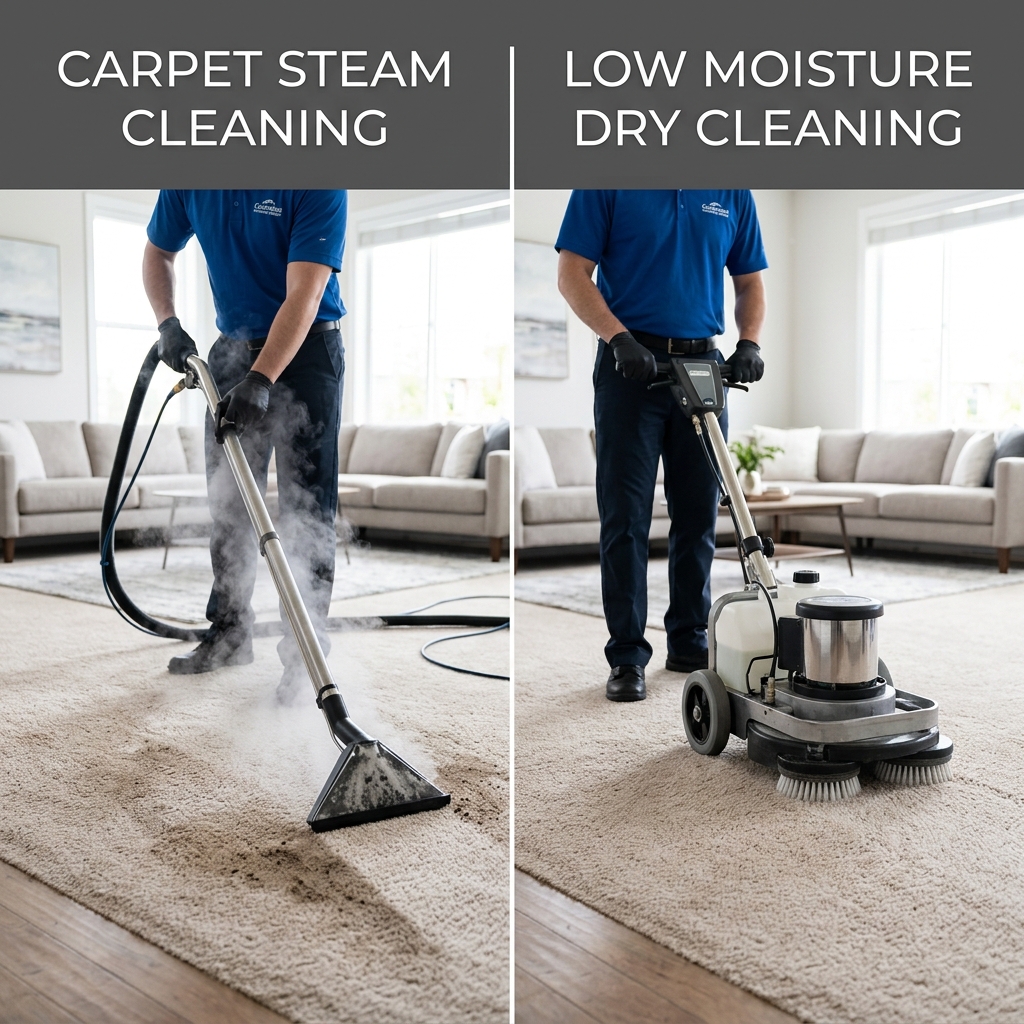
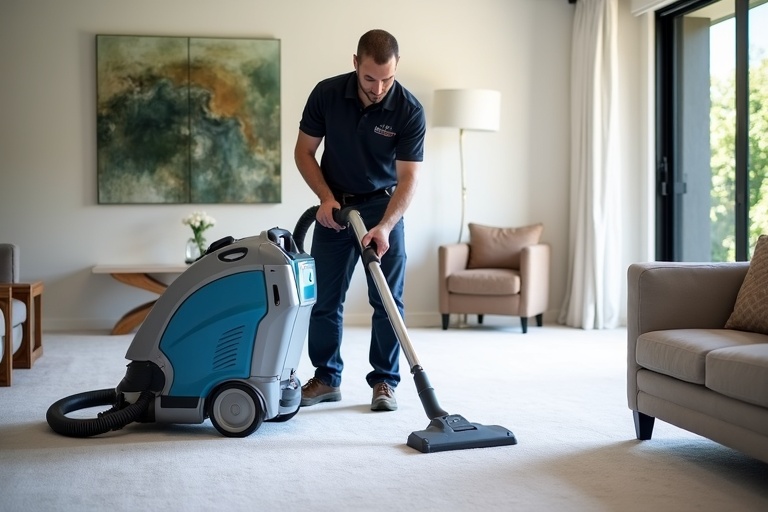
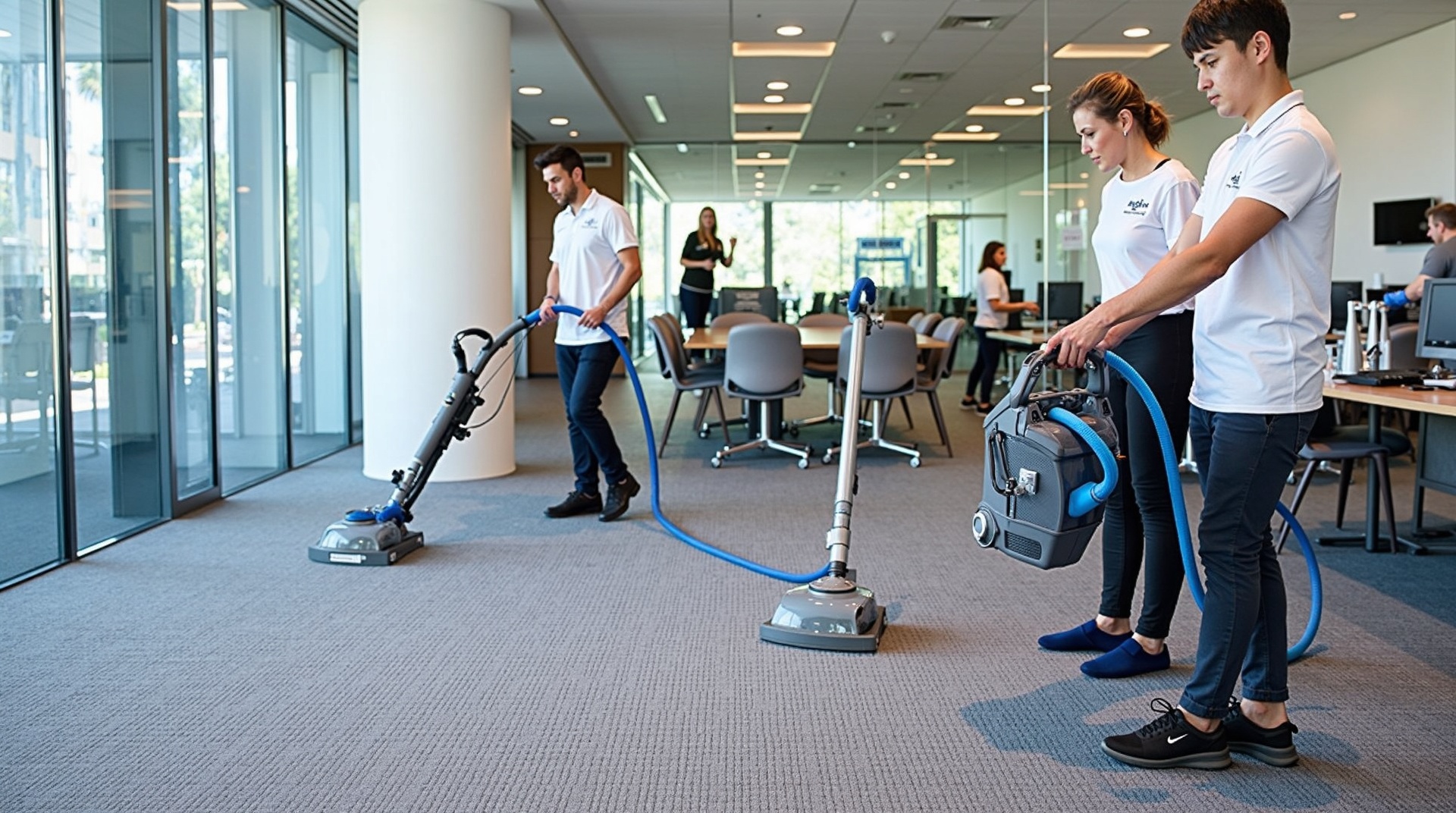
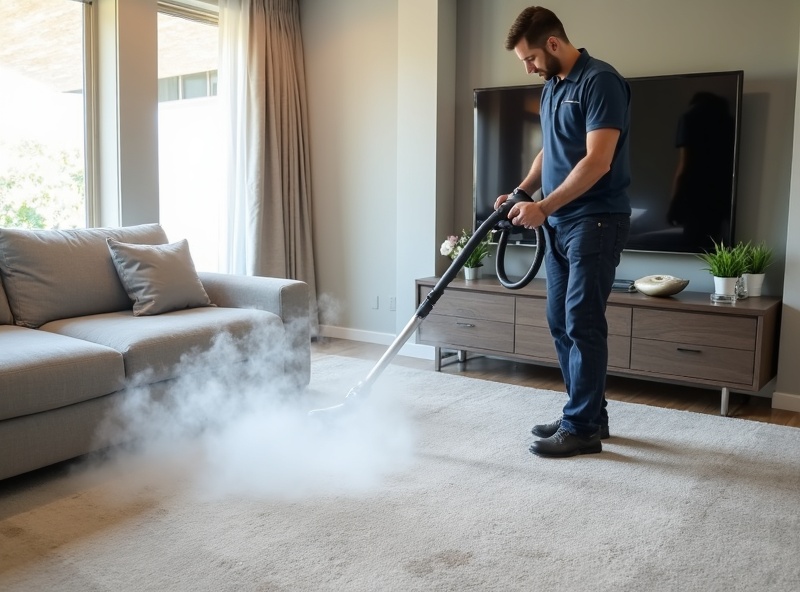
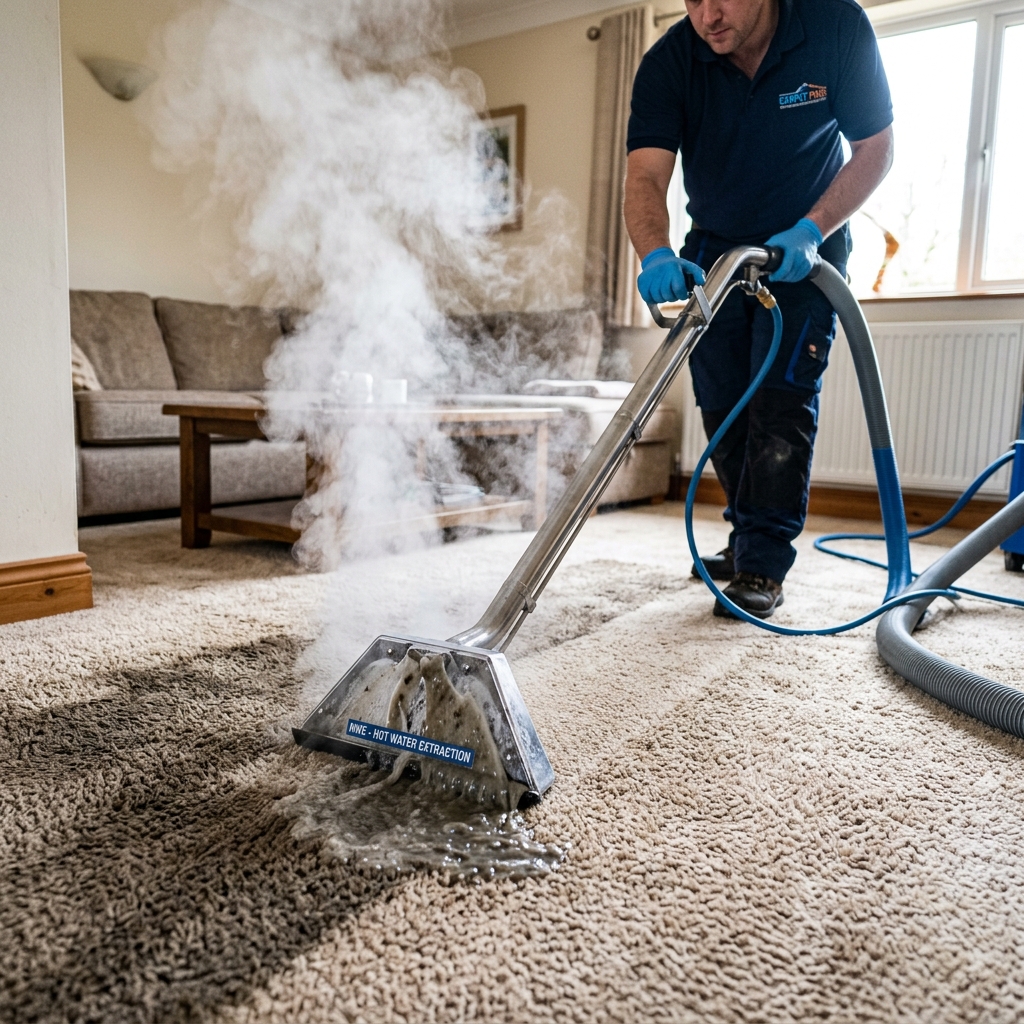
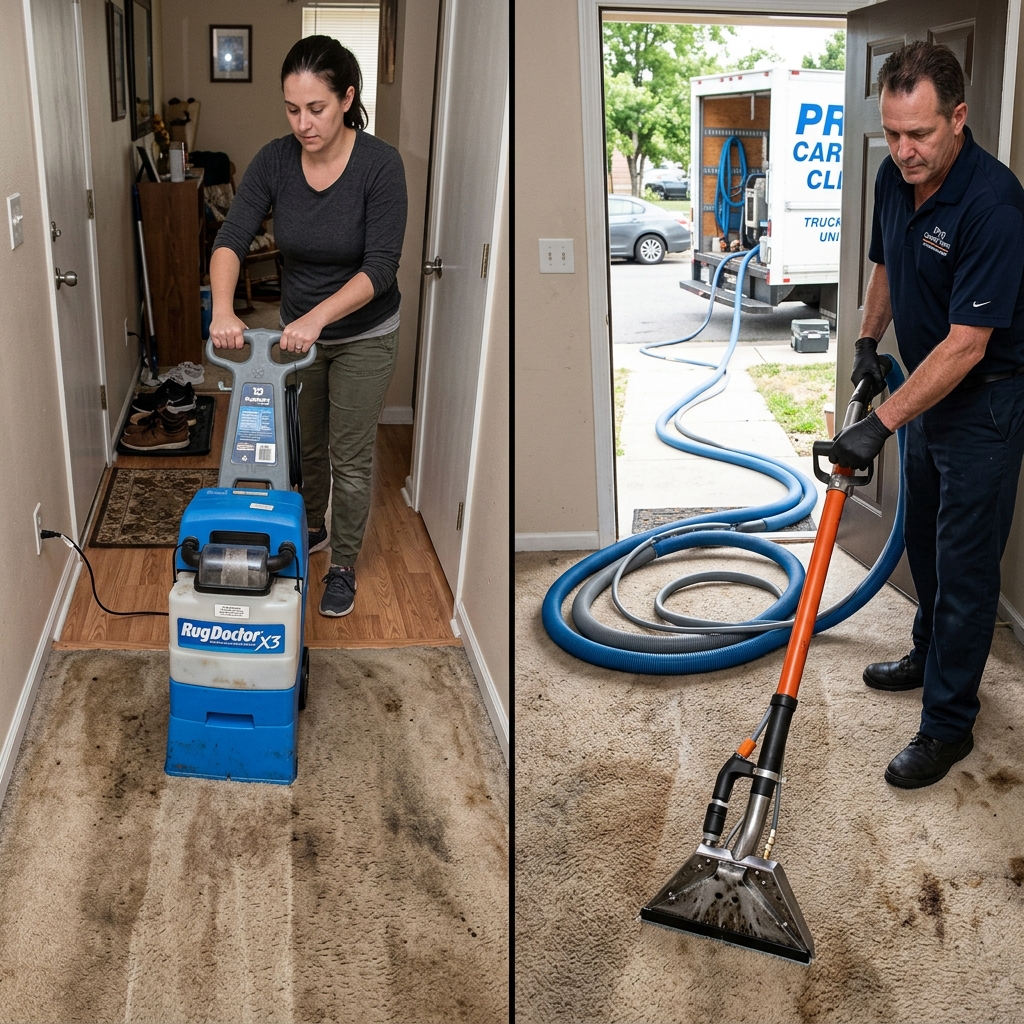
Professional hot water extraction addresses several of these issues at once. It uses significantly stronger suction than most home or rental machines, drawing moisture and dissolved contamination up from deeper within the carpet and padding, rather than leaving it to wick back to the surface later. Professional technicians also know how to identify the specific type of stain and select an appropriate treatment, reducing the risk of a mismatched approach leaving residual contamination behind.
Preventing Wicking on DIY Cleans
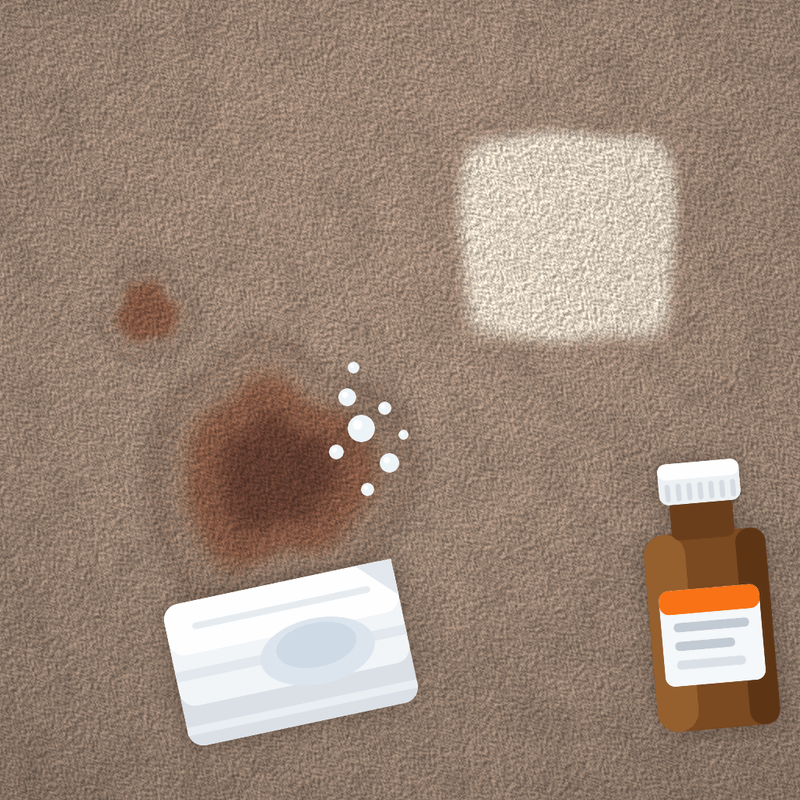
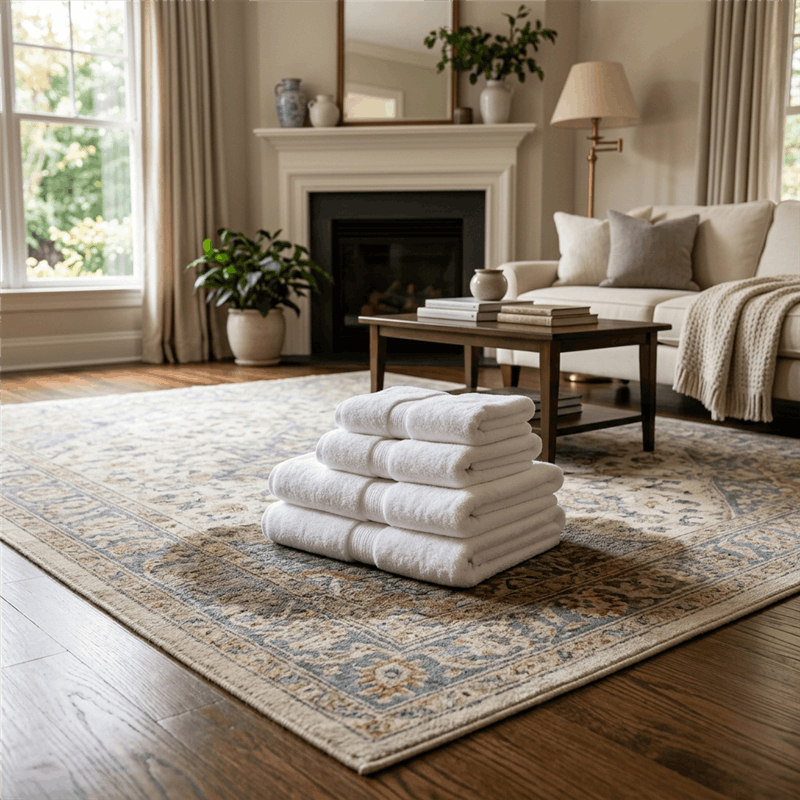
If you're treating a stain yourself, placing a stack of clean, dry white towels over the area after initial treatment, and applying firm, even pressure, or weighting them down overnight, can help draw residual moisture and dissolved contamination up out of the padding before it has a chance to wick back to the surface once the towels are removed. Replacing the towels with fresh, dry ones once they've absorbed moisture improves the effectiveness of this technique.
A Note on Pet Stains Specifically
Pet urine stains are particularly prone to reappearing, since uric acid crystals bond tightly to carpet fibres and aren't broken down by standard detergent. If a pet stain keeps resurfacing despite cleaning, it's a strong sign that the underlying contamination hasn't been fully addressed. Our detailed guide on How to Remove Pet Urine Smell from Carpet for Good covers exactly why enzyme-based treatment is necessary for this specific type of stain and how to apply it correctly.
How Long Should You Wait Before Judging a Clean's Success?
It's worth allowing carpet to fully dry, generally six to twenty-four hours depending on the method used, before assessing whether a stain has genuinely been removed. Judging too early, while the carpet is still damp, can be misleading, since some residual marks only become visible once the fibres have returned to their natural, dry position.
Frequently Asked Questions
1. Why does my carpet stain look gone but then reappear days later?
This is usually caused by wicking, where residual contamination trapped deep in the carpet backing or padding is drawn back up to the surface as the carpet dries.
2. Does leftover cleaning solution really cause stains to return?
Yes, detergent residue left in the carpet can attract dirt and dust, making the treated area look dirty again more quickly than the surrounding carpet.
3. How can I stop wicking from happening?
Placing dry towels over the treated area after cleaning, applying firm pressure, and allowing thorough drying time can help draw out residual moisture before it wicks back to the surface.
4. Do I need to treat the carpet padding, not just the carpet itself?
For larger spills or repeated pet accidents, yes. Contamination that has soaked through to the padding won't be resolved by surface-level cleaning alone.
5. Will professional cleaning definitely stop a stain from coming back?
Professional hot water extraction significantly reduces the risk by removing contamination more thoroughly than most home methods, though very deep padding contamination may require additional treatment or, rarely, padding replacement.
Final Thoughts
Every stain has its own best treatment method, and knowing the right approach before disaster strikes can make the difference between a fully removed mark and a lingering shadow. Keeping a basic stain kit on hand and acting quickly gives you the best chance of success with almost any spill.
If a stain has you stumped, or simply won't budge with home treatment, get in touch with Fresho Carpet Cleaning Brisbane today for professional stain removal that gets your carpet looking spotless again.