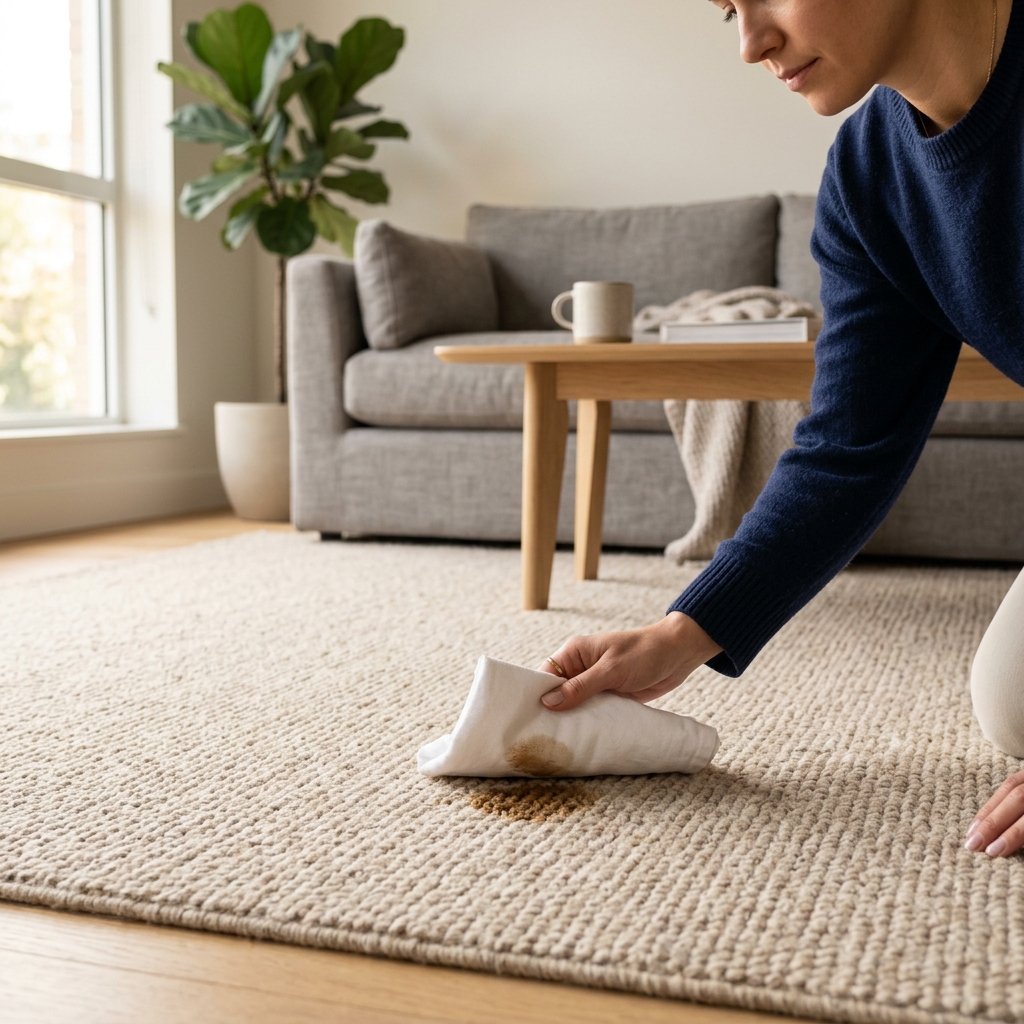
How to Remove Grease and Oil Stains from Carpet
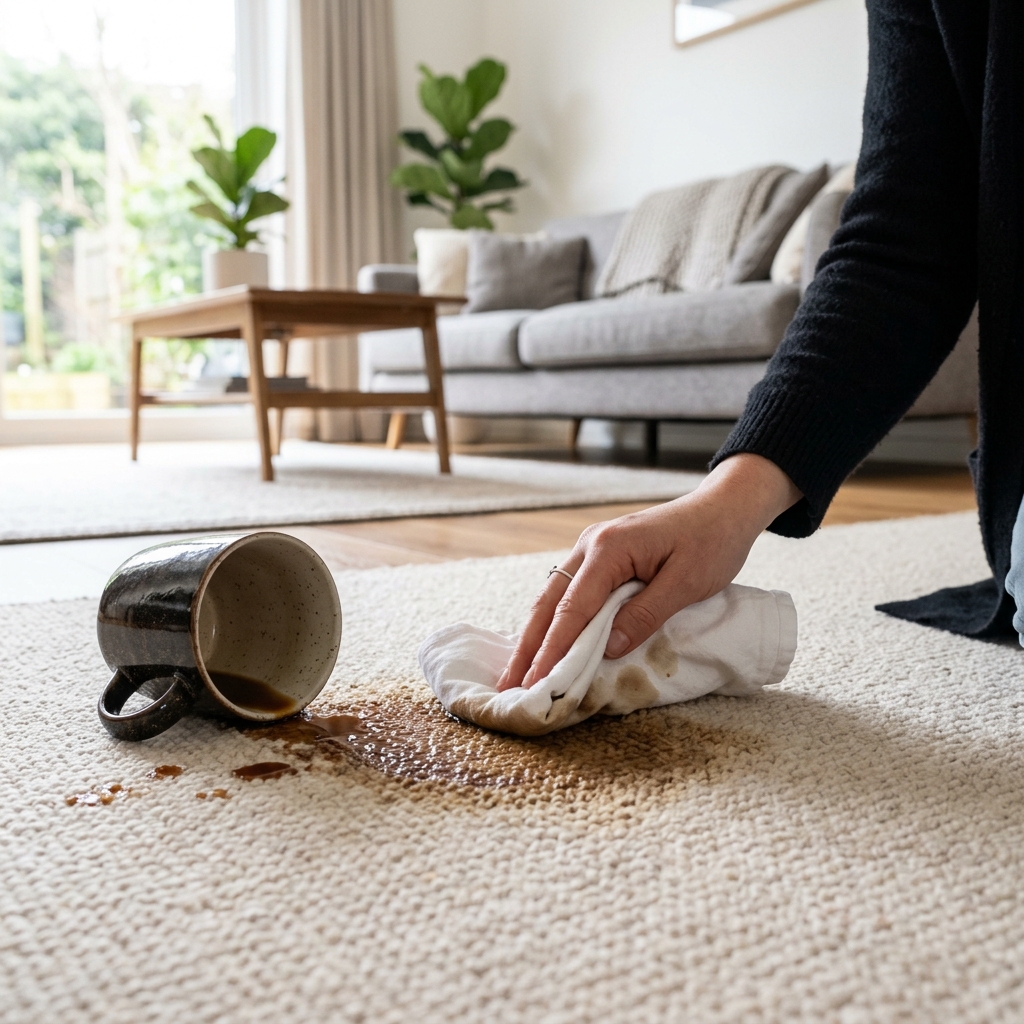
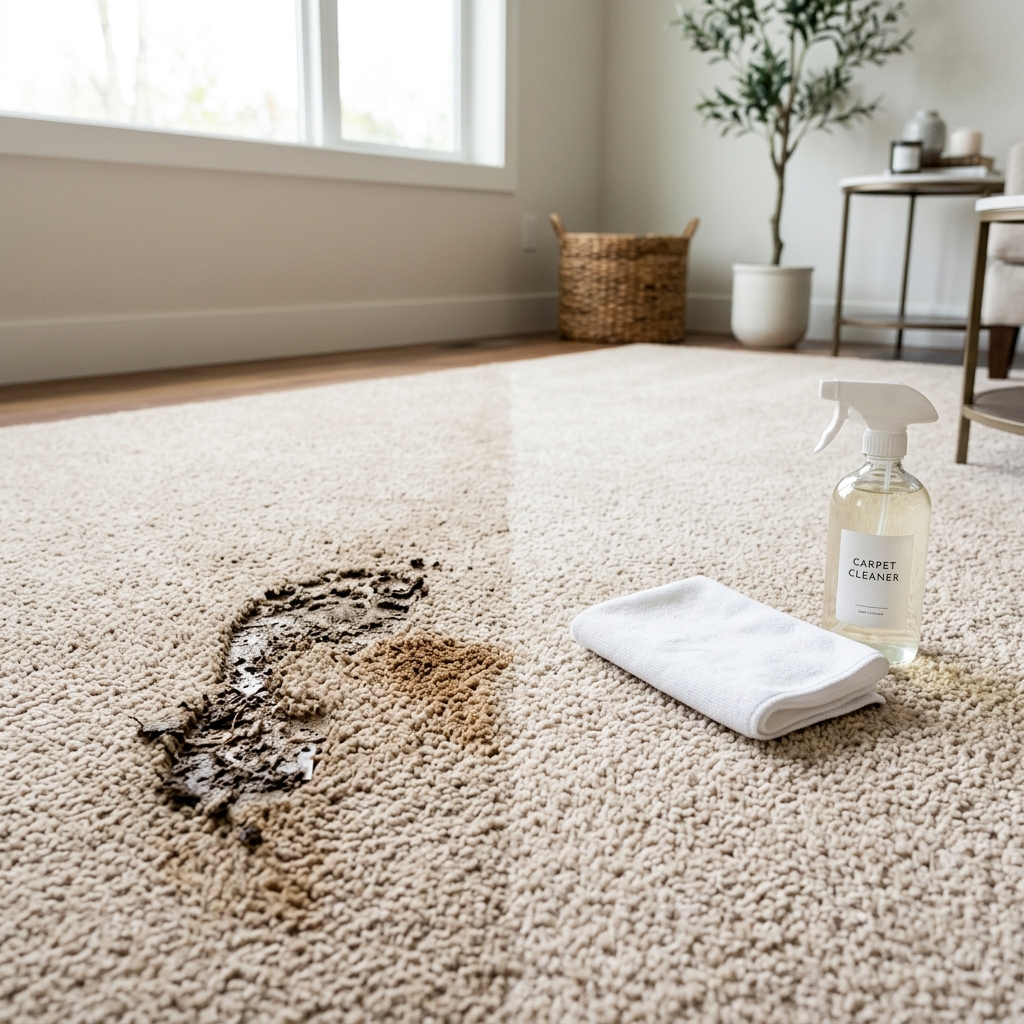
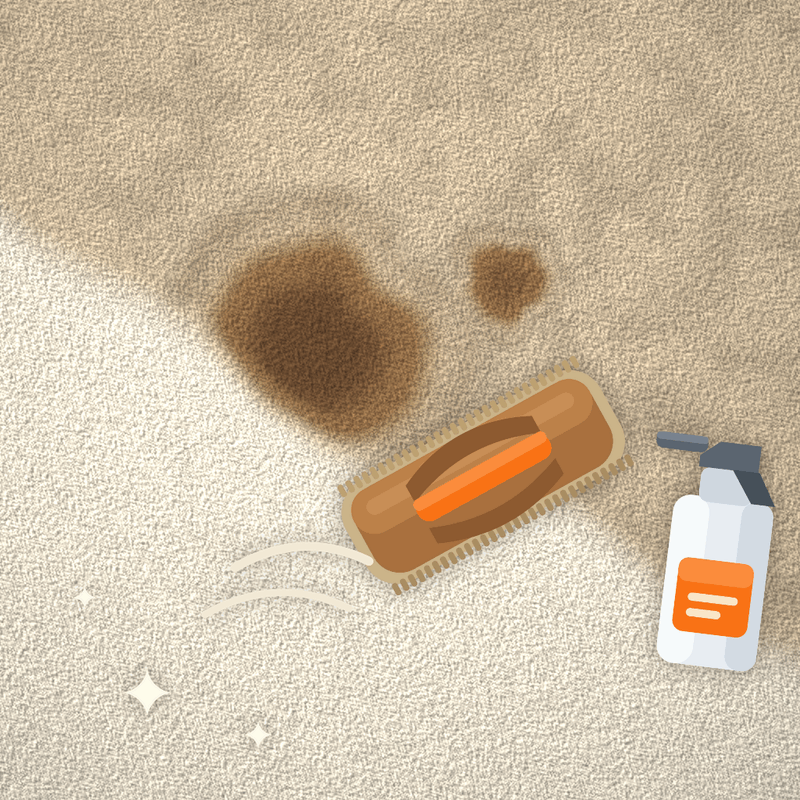
Grease and oil stains are among the more frustrating carpet marks to deal with, whether it's a dropped piece of fried food, a splash from cooking, or oil tracked in from the garage on the bottom of a shoe. Unlike water-based spills, grease and oil don't dissolve in plain water, which means the usual blot-and-rinse approach that works for most stains often falls flat here.
At Fresho Carpet Cleaning Brisbane, grease and oil stains are one of the trickier jobs our technicians handle, precisely because they require a different approach to typical spot cleaning. In this guide, we'll walk you through exactly how to tackle grease and oil stains at home, step by step, so you can get your carpet looking clean again without spreading the problem further.
Why Grease and Oil Stains Are Different
Grease and oil are hydrophobic, meaning they repel water rather than dissolving in it. This is why simply blotting an oil stain with a wet cloth often just moves the grease around rather than lifting it out of the carpet. Oil also tends to spread outward as it soaks into carpet fibres, which is why a stain can sometimes look larger than the original spill.
Because of this, oil-based stains require an absorbent, breakdown-focused approach rather than the usual water-based blotting method used for most other spills.
Step 1: Absorb Excess Grease Immediately
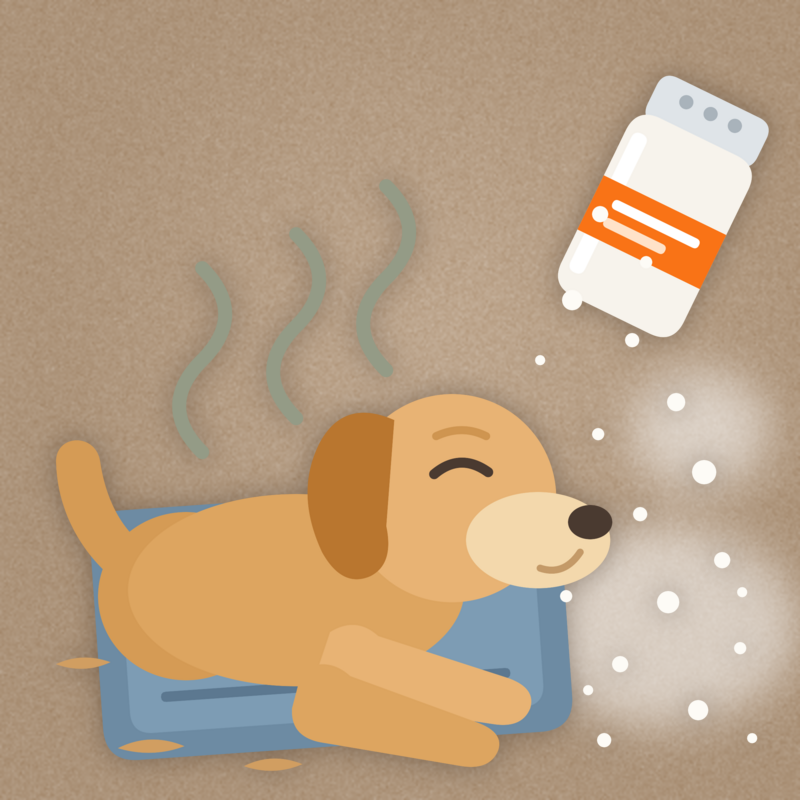
As soon as a grease or oil spill happens, the priority is to absorb as much of the excess oil as possible before it has a chance to spread further into the carpet fibres. Cover the area with a generous layer of an absorbent powder, such as cornstarch, baking soda, or even plain talcum powder, and gently press it into the stain without rubbing.
Leave the powder to sit for at least fifteen to twenty minutes, or longer for larger spills, allowing it to draw the oil up out of the fibres and into the powder itself.
Step 2: Vacuum Away the Powder
Once the powder has had time to absorb the oil, vacuum it up thoroughly. You should notice the powder has taken on a slightly darker, greasy appearance, a sign that it's successfully drawn oil out of the carpet. If the stain still looks fairly heavy, repeat this powder-and-vacuum step once more before moving on to liquid treatment.
Step 3: Apply a Grease-Cutting Solution
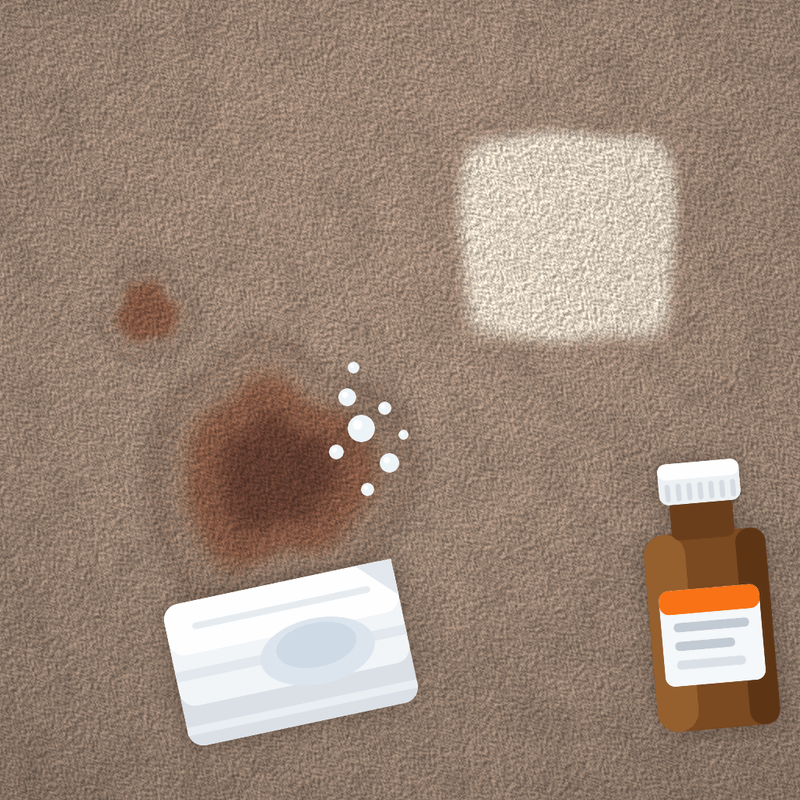
For the remaining stain, a solution of one tablespoon of dishwashing liquid specifically formulated to cut grease, mixed with two cups of warm water, works well. Dishwashing liquids designed for washing greasy dishes are particularly good here, since they're formulated to break down oils rather than simply spreading them around.
Apply the solution to a clean white cloth, rather than pouring it directly onto the carpet, and gently dab at the stain, working from the outer edge inward. Avoid rubbing vigorously, as this can push the grease deeper into the carpet backing.
Step 4: Rinse Thoroughly
Grease stains require particularly thorough rinsing, since any leftover detergent residue can attract dirt and cause the area to look dingy again fairly quickly. Dampen a fresh cloth with plain water and blot the area repeatedly, checking that no soapy residue remains before moving on to drying.
Step 5: Dry and Assess
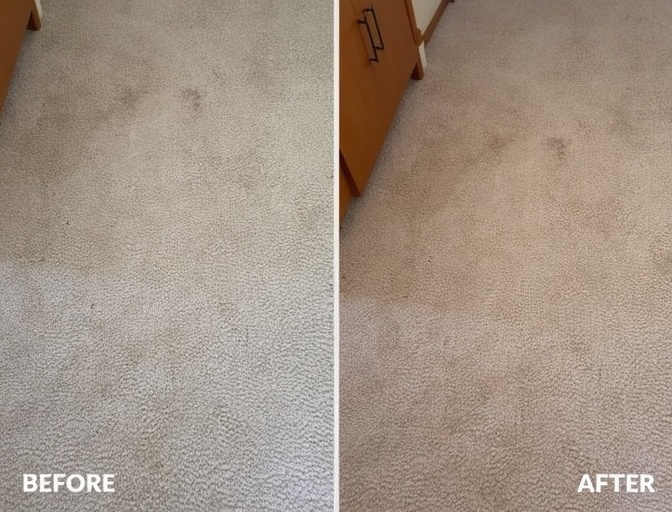
Place a dry towel over the treated area and press down firmly, or stand on it, to help draw out remaining moisture. Allow the carpet to air dry fully, and once dry, check whether any faint shadow of the original stain remains. If a slight mark is still visible, it's often due to a small amount of oil still present deeper in the fibres, and repeating the powder absorption step can help lift the remainder.
Dealing With Older, Set-In Grease Stains
Grease stains that have been left untreated for some time can oxidise and darken, making them more stubborn to remove than a fresh spill. For older stains, a specialised carpet degreaser, available at most hardware and cleaning supply stores, tends to work better than a homemade solution. Always patch test first, particularly on wool or other natural fibre carpets, and use the product's specific dwell time and rinsing instructions.
Grease Stains on Different Carpet Types
Synthetic carpets, such as nylon and polyester, generally hold up well to the degreasing process described above, since these fibres are more resistant to oil absorption than natural fibres. Wool carpets require a gentler approach, using cooler water and lighter dabbing, as excessive moisture or agitation can affect the wool's natural texture and cause matting in the treated area.
Dealing With Grease Stains Near Cooking Areas
Carpet near kitchens or dining areas is particularly prone to repeated grease exposure over time, even from small, everyday splashes that aren't always immediately noticeable. Periodically checking these high-risk zones for early signs of grease buildup, and treating them promptly with the powder-and-degreaser method above, can prevent a gradual, harder-to-treat buildup from developing over months of regular use.
What Not to Do
- Don't use hot water, as heat can actually help set an oil stain rather than lift it
- Don't skip the powder absorption step, since treating oil with liquid alone often just spreads it
- Don't rub vigorously, which pushes grease deeper into the carpet backing
- Don't use a generic all-purpose cleaner without checking it's suitable for grease and oil
- Don't leave the stain untreated for too long, as older grease becomes harder to fully remove
Grease Stains on Rugs and Upholstery
The same absorbent powder and grease-cutting technique can generally be applied to area rugs and some upholstery fabrics, though it's worth checking the specific material's care instructions first, particularly for rugs with a rubber or latex backing, or upholstery with a delicate finish. When in doubt, test the treatment on a small, hidden section first to confirm it doesn't cause discolouration or texture changes.
Preventing Future Grease Stains
A few simple habits can go a long way in reducing grease stains around the home, such as removing shoes before walking on carpet if you've been in a garage or workshop, using placemats or trays for greasy food near carpeted areas, and applying a carpet protector treatment that helps liquids and oils bead on the surface rather than soak straight in.
For stains that occur regularly in the same high-risk area, such as near a home garage entrance or a favourite spot for takeaway dinners, it's worth considering a small area rug that can be more easily cleaned or replaced than the carpet underneath.
How Grease Stains Compare to Other Common Carpet Marks
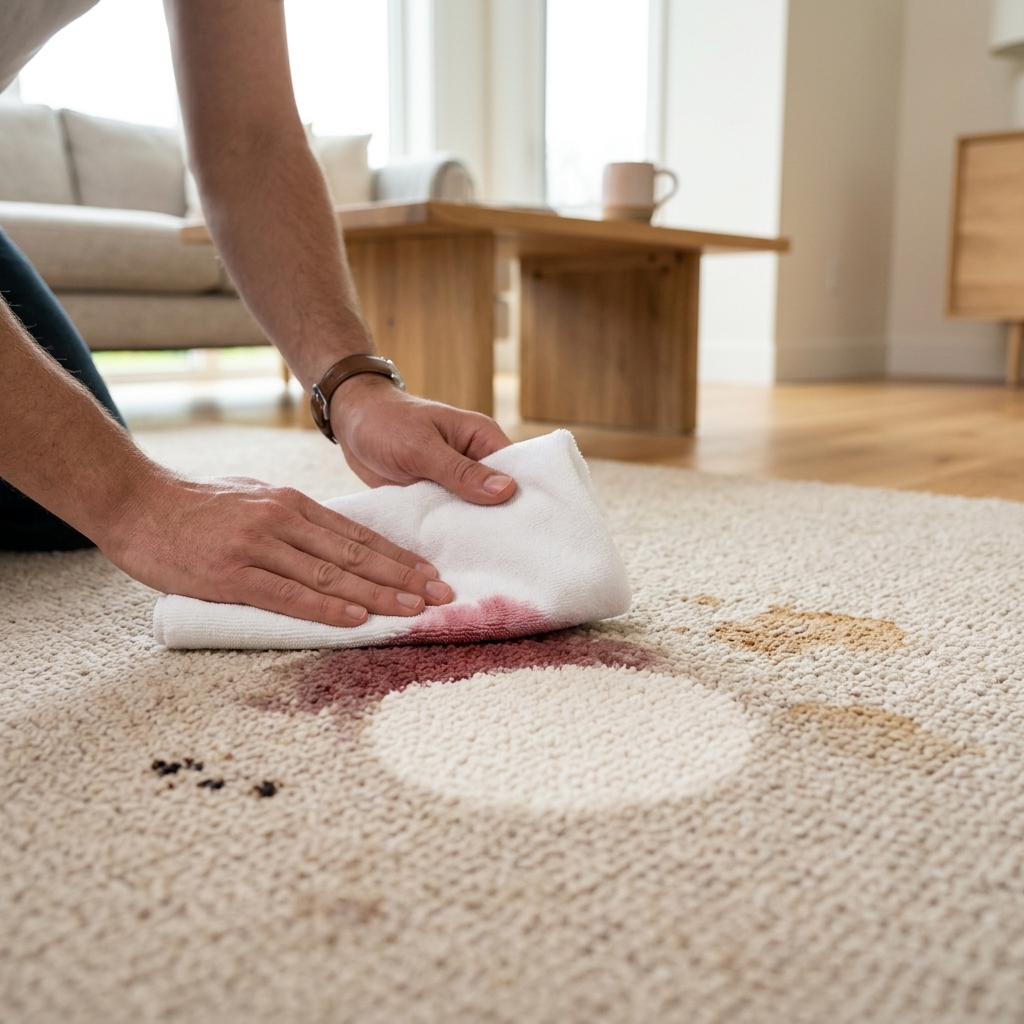
Not every stubborn stain requires the same treatment approach. Coffee and tea stains, for example, respond well to a straightforward detergent and vinegar blotting method, without the need for the absorbent powder step used for grease. If you're dealing with a mix of different stain types around your home, it's worth treating each according to its specific cause, since applying a grease-focused method to a water-based stain, or vice versa, often works less well. Our guide on How to Remove Coffee Stains from Carpet Without Leaving a Mark covers the right approach for that particular type of spill in more detail.
Frequently Asked Questions
1. Can grease stains be fully removed from carpet?
In most cases, yes, particularly if treated reasonably promptly using an absorbent powder then a grease-cutting solution. Older, set-in stains may require repeated treatment or a specialised degreaser.
2. Does baking soda remove oil stains from carpet?
Yes, baking soda is a strong absorbent that draws oil up out of the carpet fibres when left to sit before vacuuming, making it a useful first step for fresh grease stains.
3. Why does my grease stain keep coming back after cleaning?
This is usually a sign that some oil residue remains deeper in the carpet fibres or backing, which can wicking back up to the surface as the carpet dries. Repeating the powder absorption step often resolves this.
4. Is dish soap safe to use on carpet?
A small amount of mild dishwashing liquid, properly diluted and rinsed thoroughly afterward, is generally safe for most carpets, though it's always worth patch testing first, particularly on delicate fibres.
5. When should I call a professional for a grease stain?
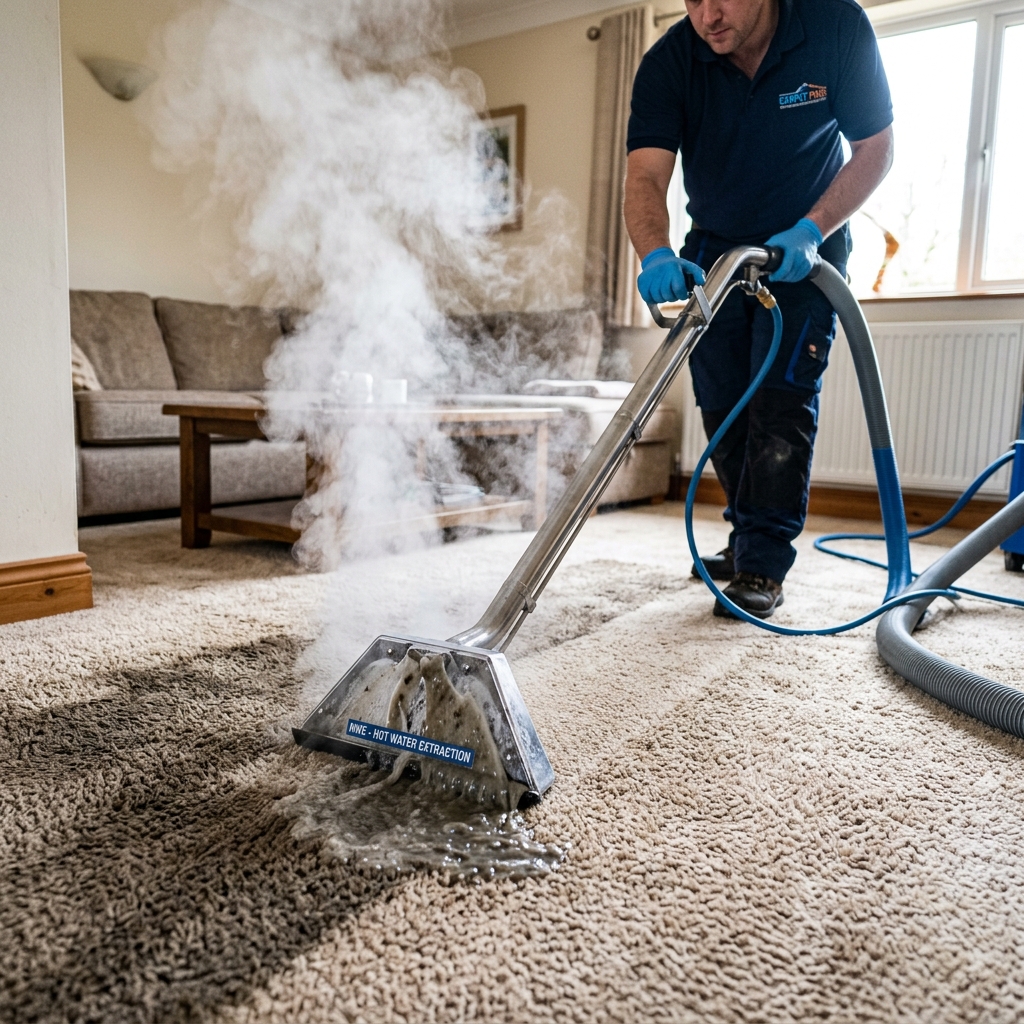
If the stain is old, covers a large area, or hasn't responded to home treatment, a professional carpet cleaner can use specialised degreasing solutions and stronger extraction to fully resolve the mark.
6. Can grease stains attract more dirt over time if not fully removed?
Yes, leftover oil residue can act like a magnet for dust and dirt, which is why thorough absorption and rinsing are so important, even if the stain appears mostly gone after initial treatment.
Final Thoughts
Grease and oil stains require a slightly different approach than most other carpet marks, absorbing excess oil first, then treating the remainder with a grease-cutting solution and thorough rinsing. With the right technique, even stubborn grease stains can be fully removed without leaving a mark behind.
If a grease stain just won't budge, get in touch with Fresho Carpet Cleaning Brisbane today for professional stain removal that gets your carpet looking spotless again.