How Long Does Carpet Take to Dry After Professional Cleaning?
After investing in professional carpet cleaning, your home immediately looks and feels fresher. However, before you can return to your normal routine, there is one final phase to navigate: the drying process. A common question homeowners ask is: how long does carpet take to dry after a professional cleaning? Understanding drying times, the factors that influence them, and how you can speed up the process is essential for protecting your flooring and preventing moisture-related problems. This comprehensive guide covers everything you need to know about post-cleaning drying times.
The Average Drying Time: What is Normal?
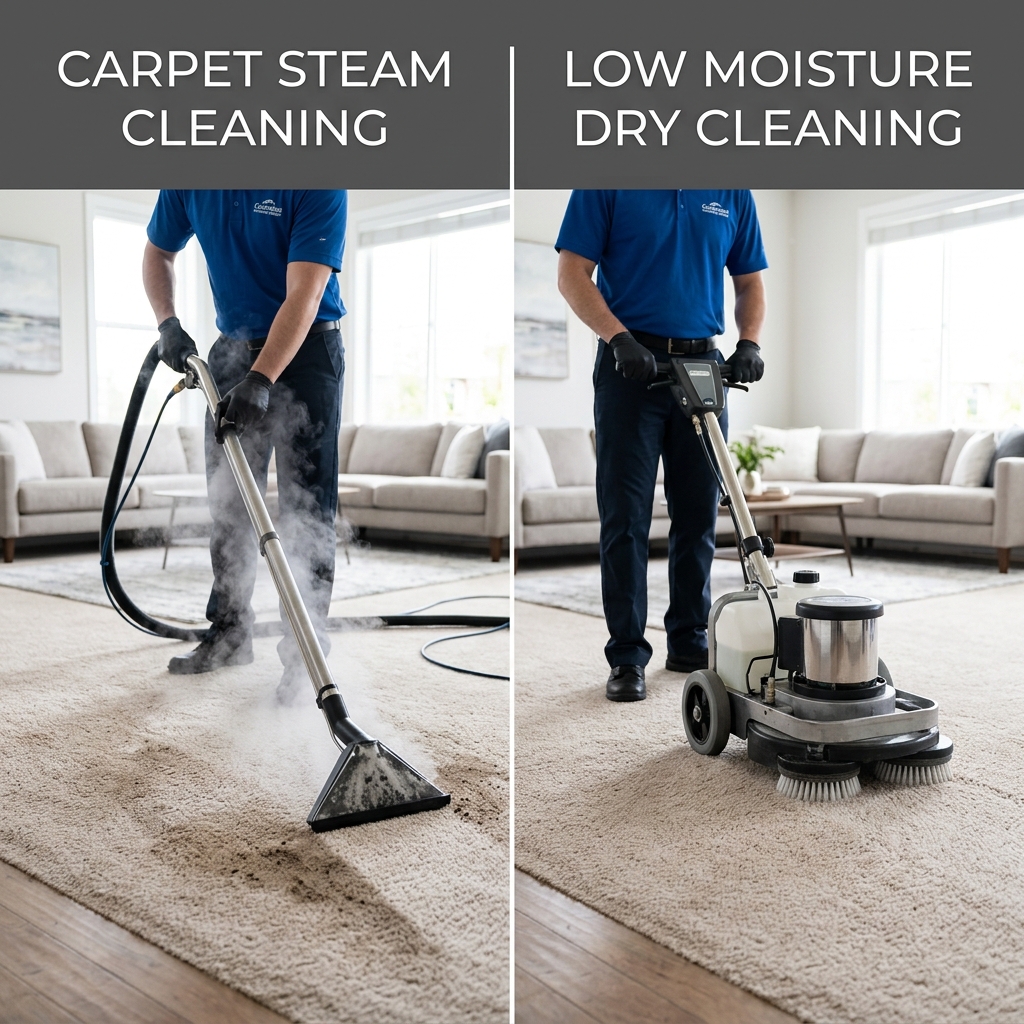
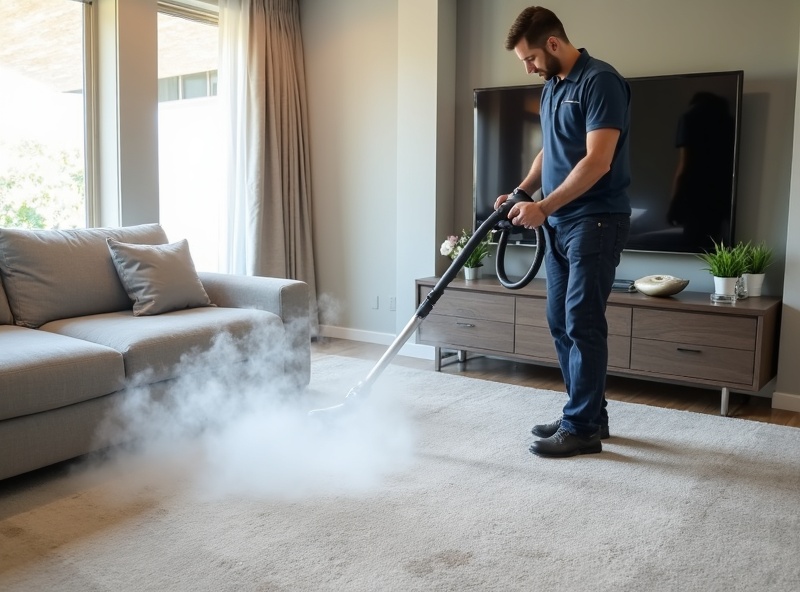
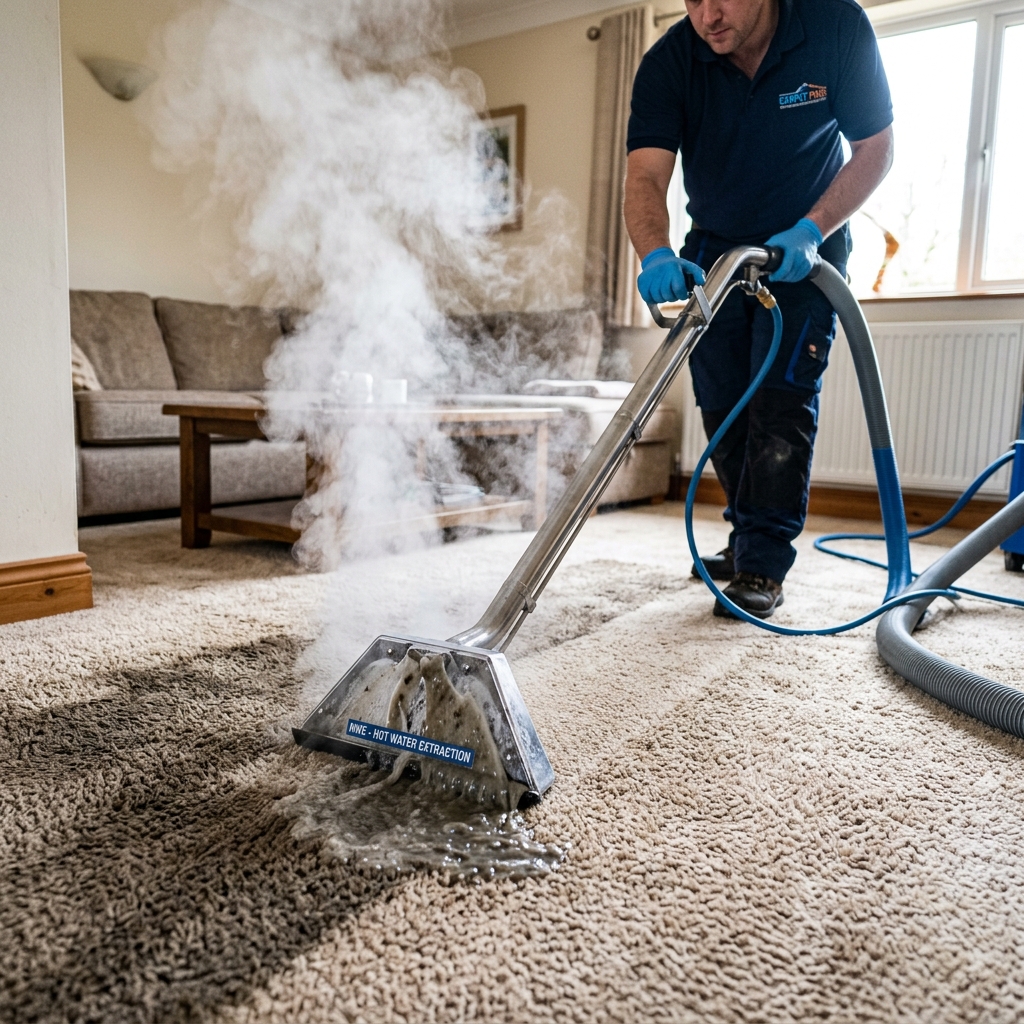
In general, carpets cleaned using the professional hot water extraction (steam cleaning) method take between six and twelve hours to dry fully. In some cases, depending on environmental conditions, it can take up to twenty-four hours. If the carpets were cleaned using low-moisture dry cleaning methods, such as encapsulation, the drying time is significantly shorter, usually ranging from one to two hours.
During this drying period, the carpet fibres are damp but not sodden. It is vital to minimize foot traffic during this phase to avoid tracking in new dirt and crushing the wet pile, which can distort the texture of the fibres and cause premature wear. It is also important to distinguish between 'touch dry' and 'fully dry'. Often, the tips of the carpet fibres on the surface can feel dry to the touch within a couple of hours, leading homeowners to assume the process is complete. However, the backing material and the deep base of the pile may still hold significant moisture. Walking on the carpet or moving heavy objects back onto it while the backing is still damp can trap moisture, causing the fibres to flatten or musty smells to develop.
Factors That Influence Carpet Drying Times
Several key factors determine how quickly or slowly your carpets will dry:
1. The Cleaning Method
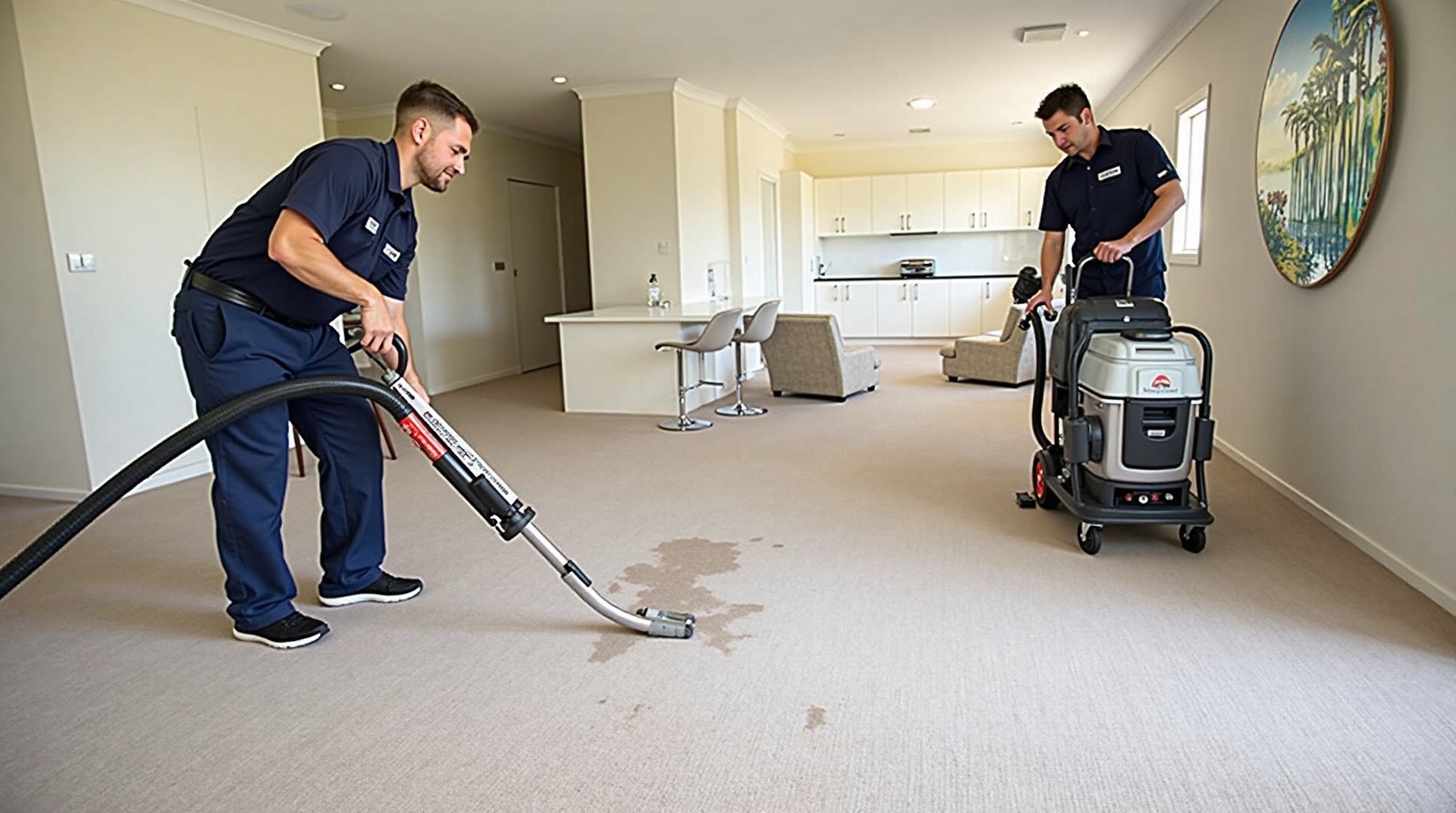
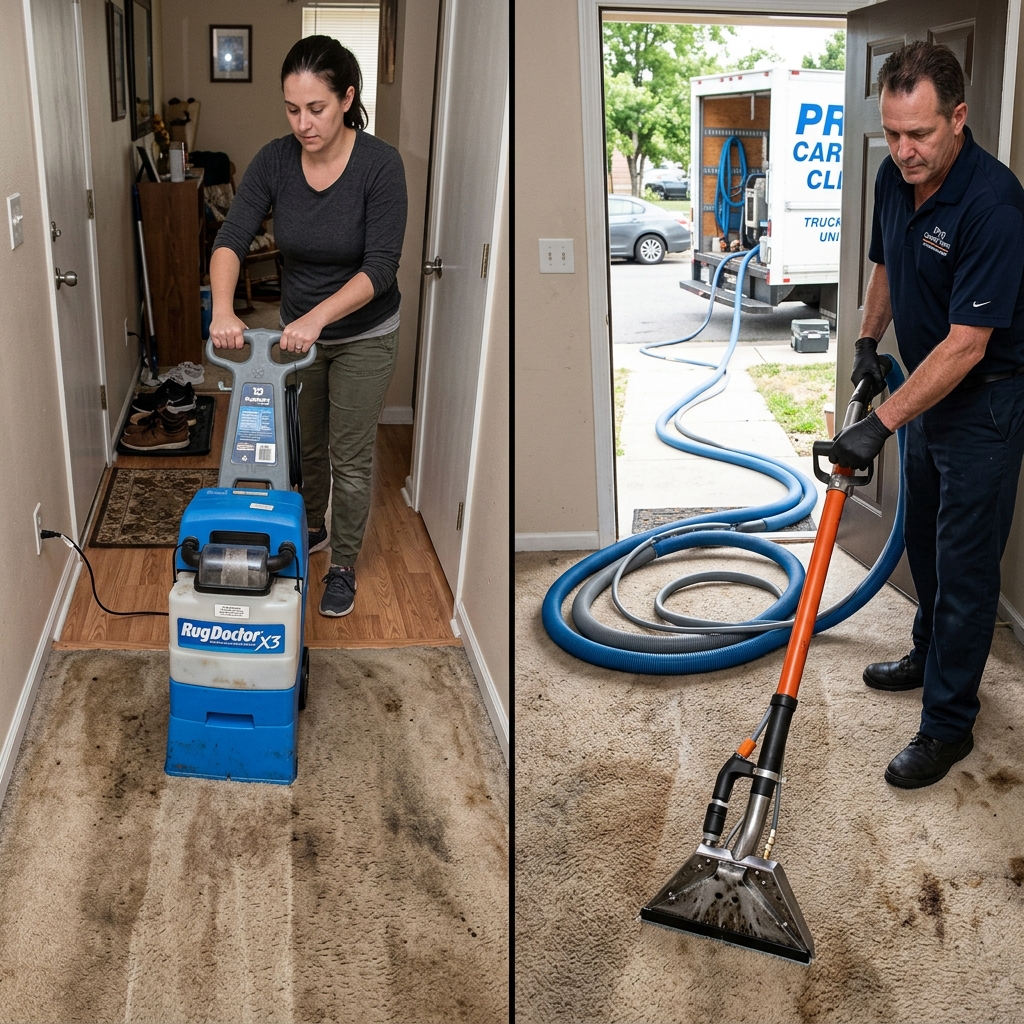
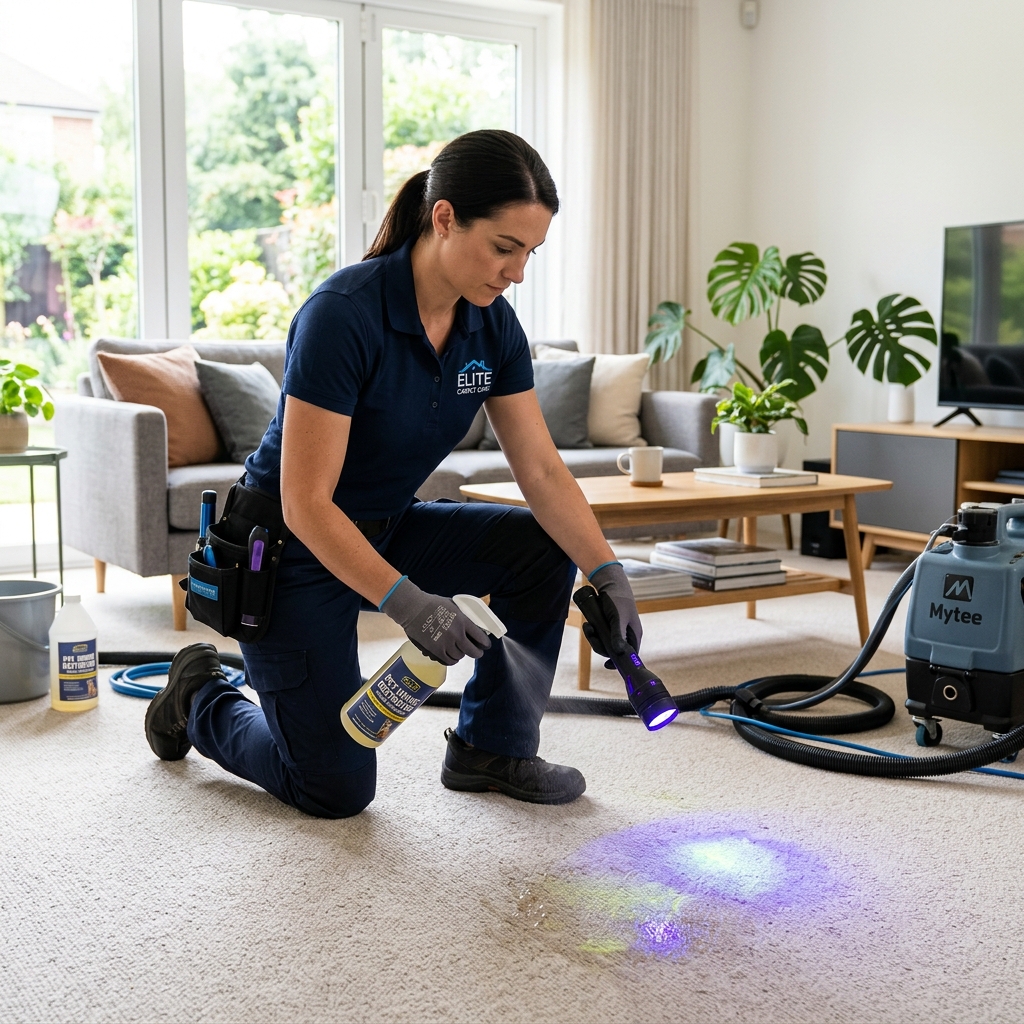
As discussed, the cleaning method used is the primary factor. Hot water extraction injects water under pressure and extracts it, leaving some moisture behind. The efficiency of the technician's equipment plays a major role here. Commercial-grade, truck-mounted extraction units have very strong vacuum blowers that remove up to ninety-five percent of the water, resulting in much faster drying times than smaller portable machines or rental units.
2. Indoor Humidity and Temperature
The climate in your area and the conditions inside your home have a major impact on drying. Humidity refers to the amount of moisture in the air. If the indoor air is already saturated with moisture (high humidity), it cannot absorb the water evaporating from the carpet, which slows down the drying process. Higher indoor temperatures generally speed up evaporation, provided the humidity is low.
3. Air Circulation and Ventilation
Stagnant air is the enemy of fast drying. If there is no air movement in the room, a layer of humid air forms directly over the wet carpet, trapping moisture in the fibres. Introducing a steady flow of air across the floor removes this humid layer, allowing water to evaporate continuously.
4. Carpet Fiber Type and Pile Thickness
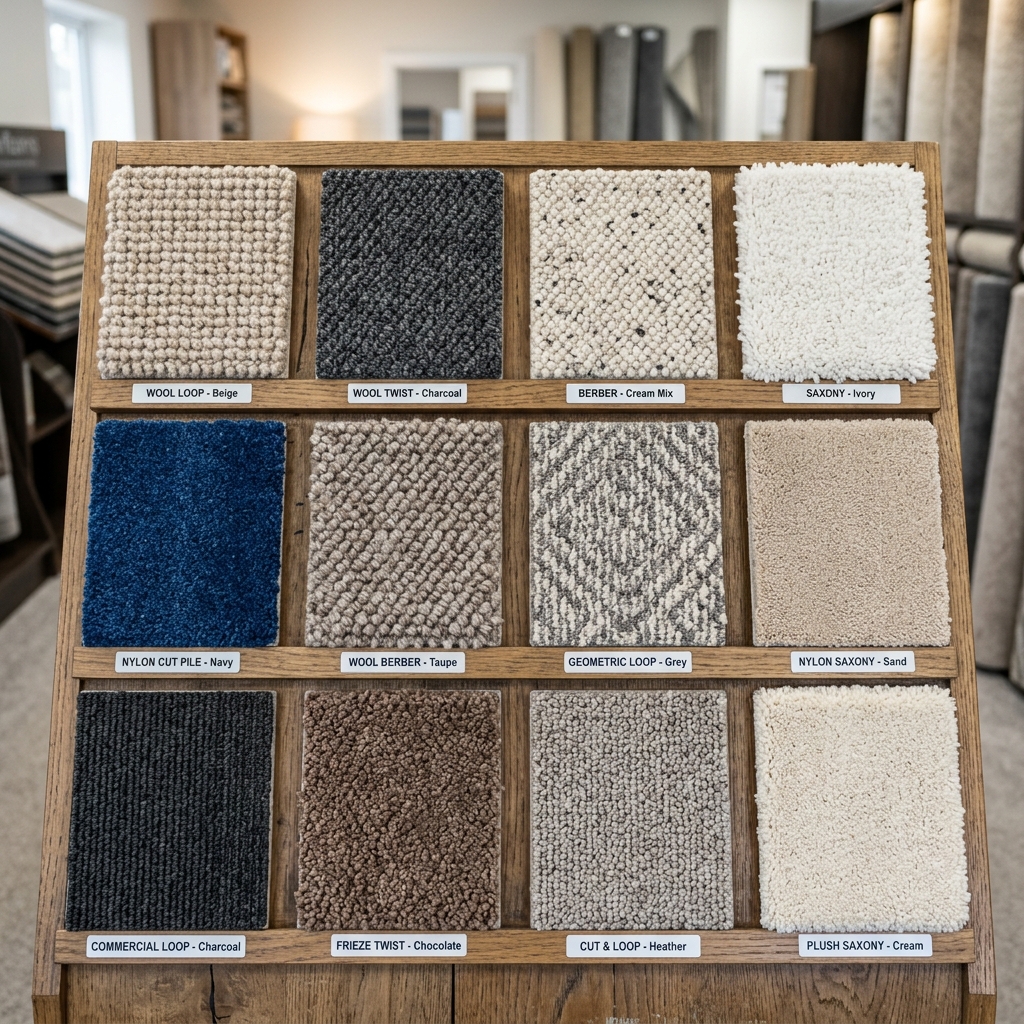
The material of your carpet plays a significant role in moisture retention. Synthetic fibres like nylon, polyester, and triexta are made from extruded polymers, which behave like plastic. Because of this, they are non-porous and absorb very little water into the structure of the fibre, leading to faster drying times. Natural fibres, particularly wool, are highly absorbent. Wool fibres have a hollow central core called the medulla, which swells when wet. Wool can hold a large percentage of its weight in moisture before even feeling wet, meaning wool carpets take much longer to dry than synthetic alternatives. Additionally, thick, dense loop pile carpets will retain water longer than thin cut pile carpets.
Tips to Speed Up Carpet Drying Times
If you want to return to your normal routine quickly, you can take several active steps to speed up the drying process:
- Turn on Ceiling Fans: High-speed ceiling fans create excellent air circulation, pushing dry air down and pulling moisture away from the carpet.
- Run the Air Conditioner: Air conditioning units act as natural dehumidifiers, cooling the air and removing moisture from the room. Set your system to a moderate temperature and turn on the fan setting.
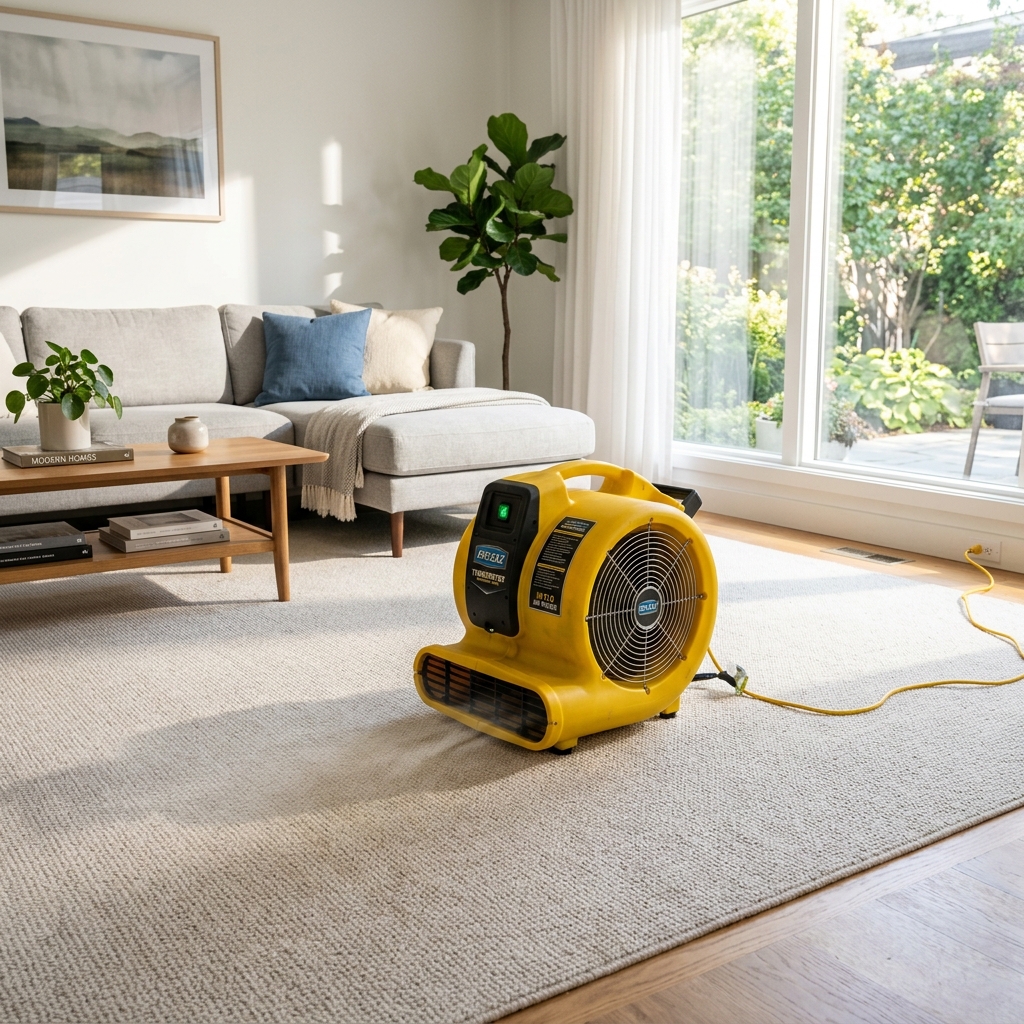
- Use Pedestal Fans or Blowers: Place portable fans on the floor, pointing them across the carpeted areas to create a cross-breeze.
- Open Windows (Weather Permitting): If the weather outside is dry, warm, and breezy, opening windows and doors will create a natural cross-ventilation that dries carpets rapidly. Do not open windows if it is raining or highly humid outside.
- Run a Dehumidifier: If you have a dehumidifier, placing it in the room will help pull moisture from the air, allowing the carpet to dry faster.
The Hidden Dangers of Slow-Drying Carpets
Ensuring your carpets dry quickly is not just about convenience; it is also a matter of hygiene and flooring protection. If a carpet remains damp for more than twenty-four to forty-eight hours, several problems can develop:
- Musty Odours: Damp carpets can quickly develop a sour, musty smell. This odour is caused by the multiplication of bacteria and mould spores in the wet fibres and backing.
- Mould and Mildew Growth: Once mould takes root in the wet underlay or backing, it can be extremely difficult to remove, often requiring complete replacement of the carpet.
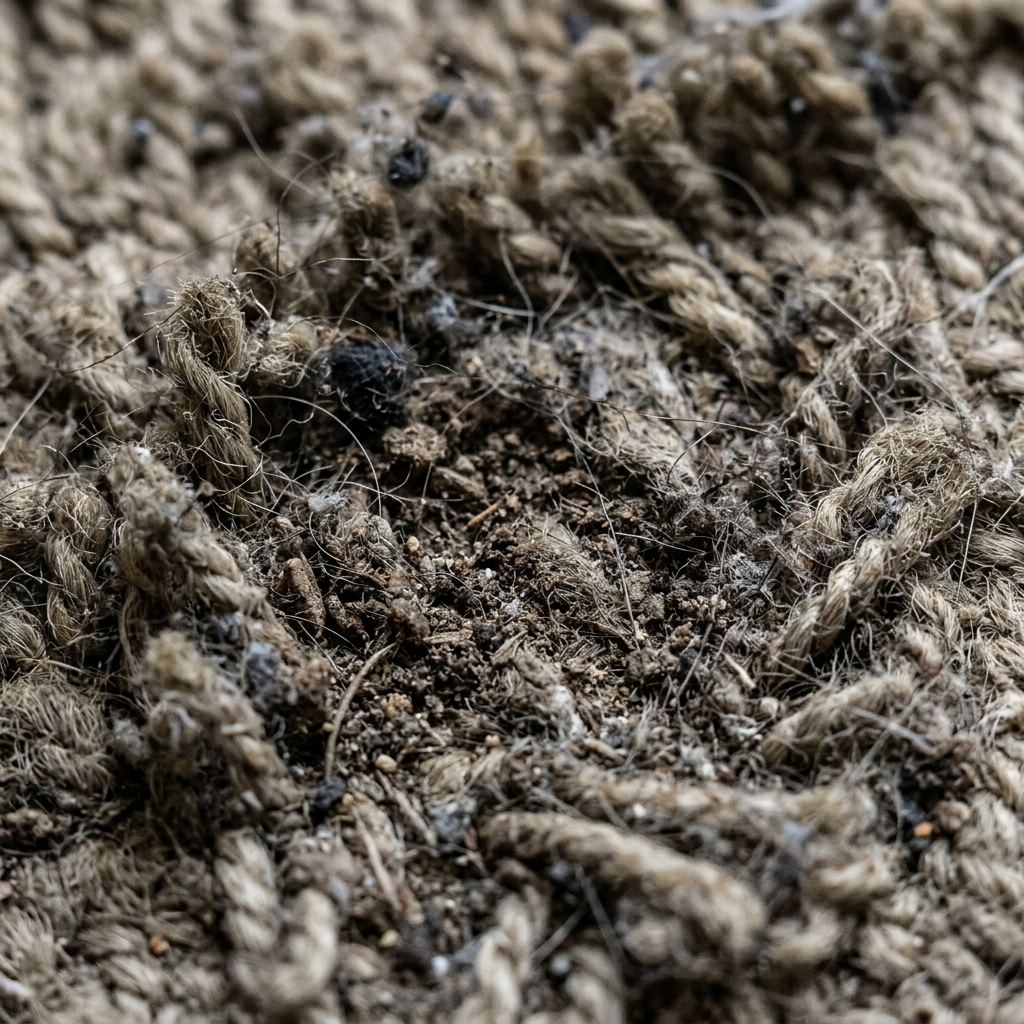
- Cellulosic Browning: In some carpets, particularly those with jute backing, slow drying can cause cellulosic browning. Water dissolves natural lignins in the backing and wicks them to the surface of the carpet as it dries, leaving brown, unsightly stains that are difficult to remove.
- Backing Warping and Buckling: When backing materials remain wet for too long, the yarns swell and warp, causing the carpet to expand. This leads to wrinkles, ripples, and buckling across the room, which may require professional restretching once dry.
Rules for Post-Cleaning Care
While your carpet is drying, use these simple tips to protect it:
- Keep shoes off: Walk only in clean socks or bare feet if you must cross the damp areas.
- Leave protective tabs in place: Do not move furniture back onto the carpet or remove the protective plastic tabs and foam blocks placed under furniture legs by the technicians until the carpet is dry, which prevents rust and wood stain transfer.
- Avoid vacuuming: Do not vacuum the carpet until it is fully dry to avoid damaging the machine or pulling damp fibres.
Conclusion: Patience for Perfect Results
While waiting for your carpets to dry requires some patience, understanding the science behind drying times helps you protect your flooring and maintain a healthy home. By choosing professional services that use high-power extraction equipment and taking steps to improve air circulation and manage humidity, you can minimize drying times and enjoy clean, fresh, and fully dry carpets in no time.