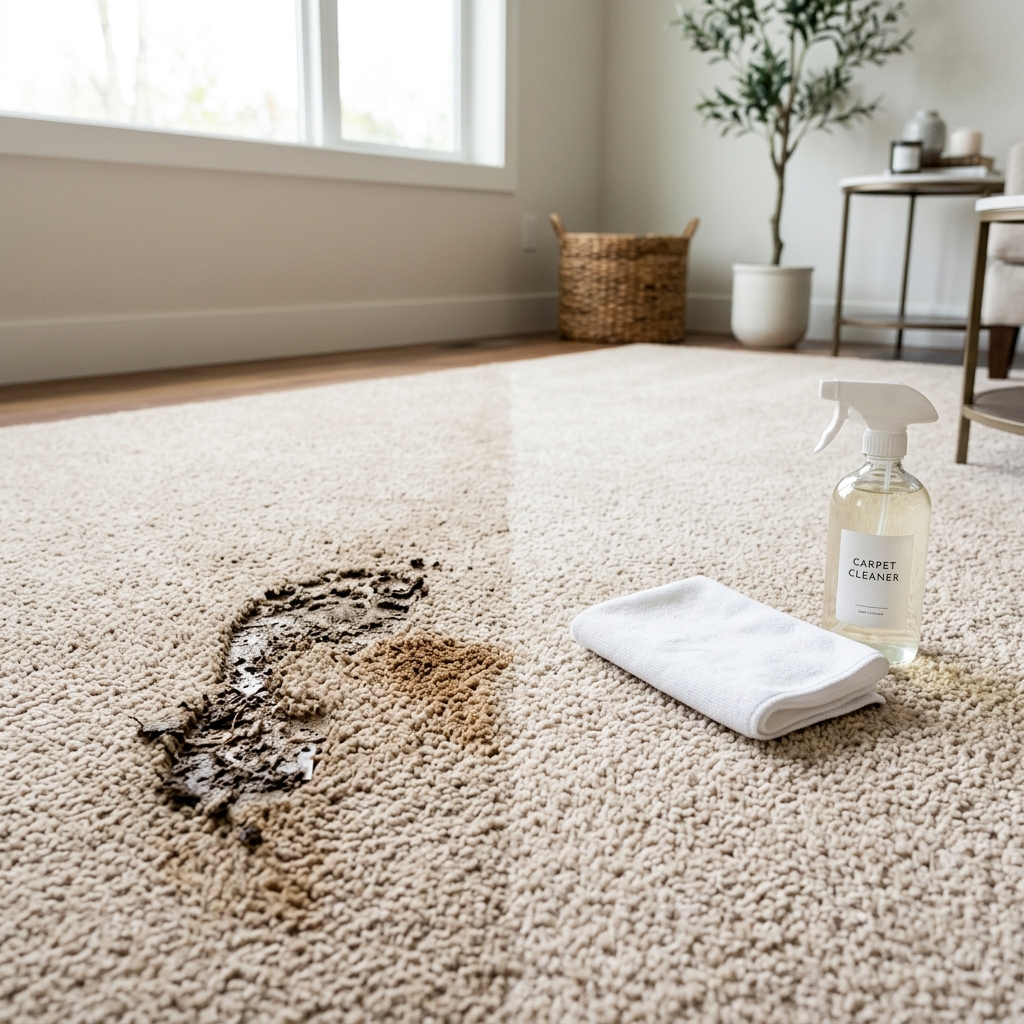
How to Get Mud and Dirt Stains Out of Carpet Fast
Muddy footprints, paw prints after a rainy walk, or a gardening mishap tracked through the hallway, mud stains are one of the most common carpet problems Brisbane households deal with, especially during the wetter months. The good news is that when you know how to remove mud stains from carpet the right way, most mud marks can be lifted right out without leaving a trace, as long as you approach the job with the right technique.
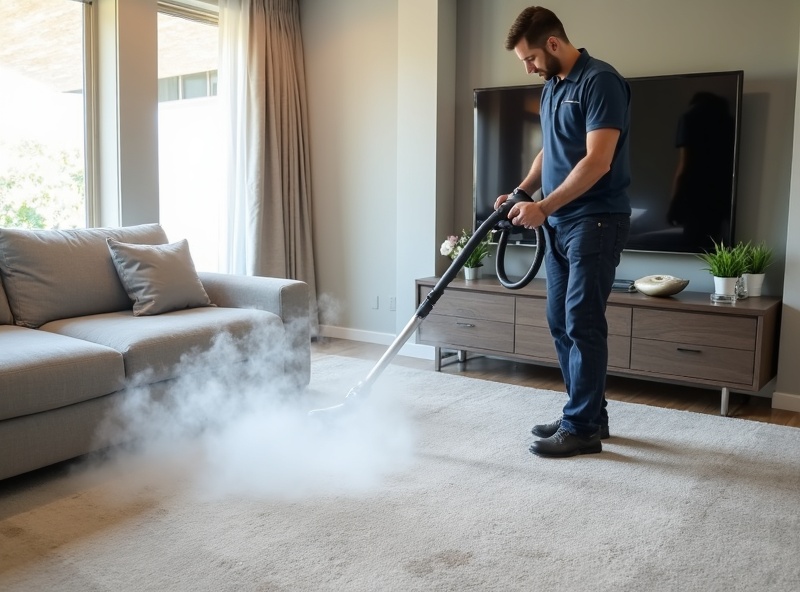
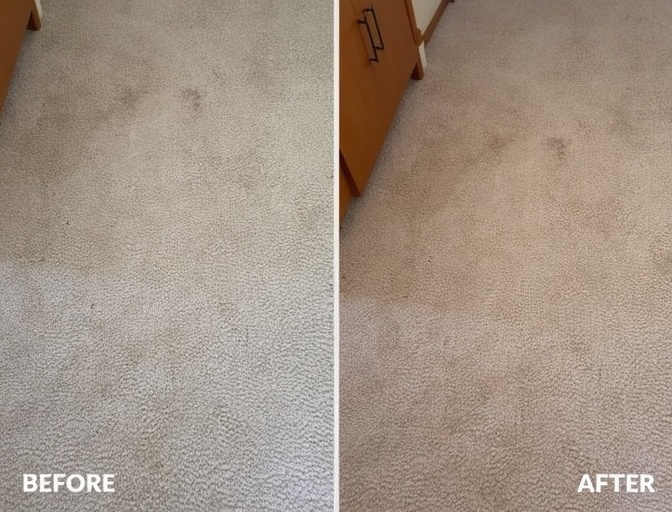
At Fresho Carpet Cleaning Brisbane, mud and dirt stains are one of the most common jobs our technicians handle. In this guide, we'll walk you through the fastest, safest way to remove mud stains from carpet at home, along with answers to the questions we hear most often from homeowners dealing with this exact problem.
Why Mud Stains Are Trickier Than They Look
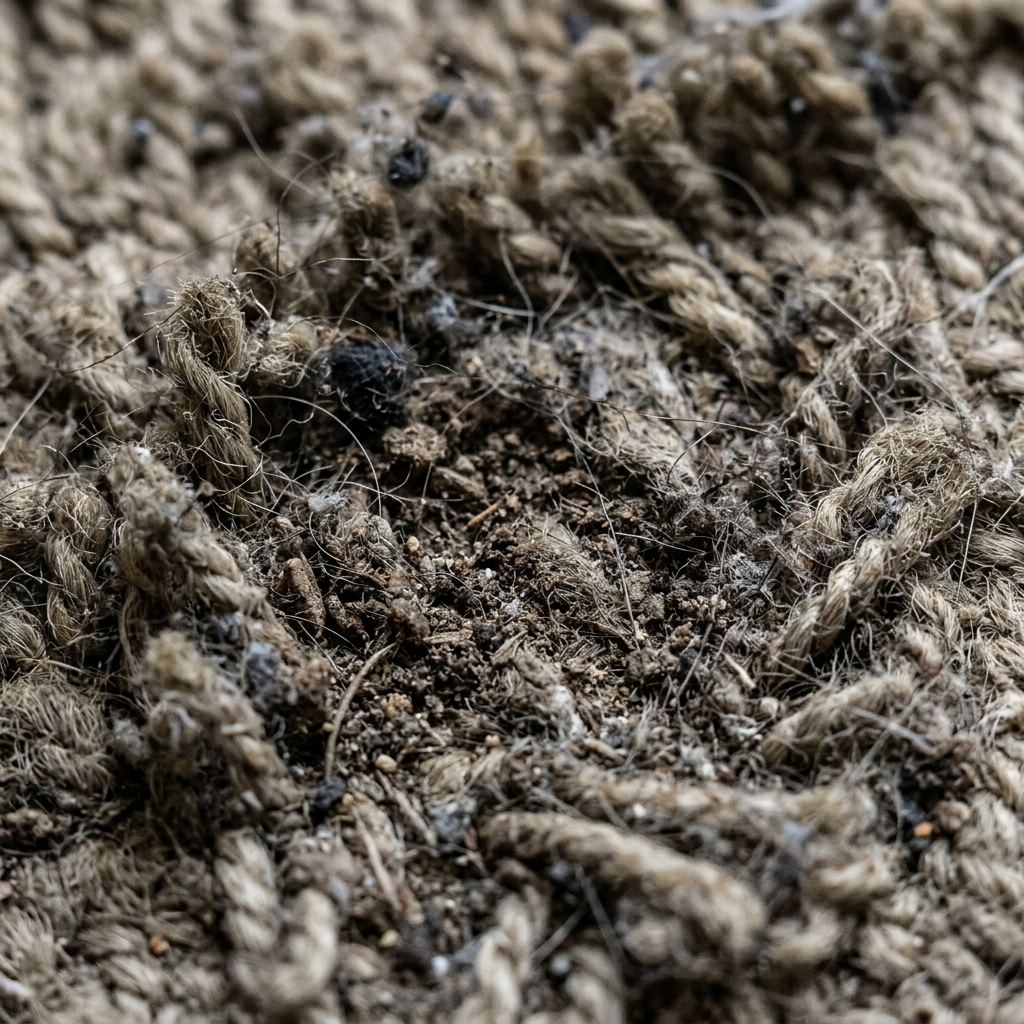
Mud isn't just dirt, it's a combination of soil, organic matter, and water, and depending on where it's come from, it can also carry oils, grass stains, or fine clay particles that bind tightly to carpet fibres as the mud dries. This is why mud stains that are treated while still wet often respond very differently to ones that have been left to dry into the carpet overnight.
Unlike a simple liquid spill, mud tends to sit both on the surface of the carpet and settle down between the fibres, which is why a two-stage approach, removing solid material first, then treating the residual stain, tends to give the best results.
Step 1: Let It Dry (Yes, Really)
It might seem counterintuitive, but for fresh, wet mud, one of the most practical first steps is often to let it dry out fully rather than immediately scrubbing at it. Wet mud tends to smear and spread further into the carpet fibres when agitated, actually making the stain larger and harder to manage. Once dry, mud becomes much easier to remove as a solid, rather than a wet, spreading mess.
Step 2: Remove the Dry Residue
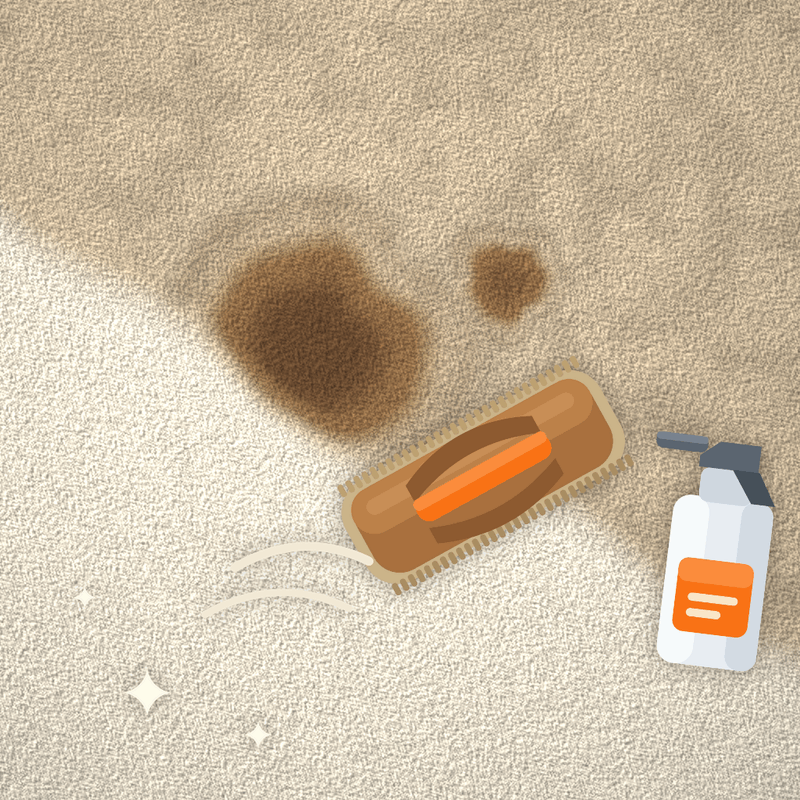
Once the mud has fully dried, use a stiff-bristled brush or the edge of a spoon to gently break up and lift the dried clumps, working from the outer edge of the stain inward to avoid spreading it further. Then go over it with a vacuum cleaner to remove any loose, dried particles from the carpet fibres before moving on to liquid treatment.
Step 3: Treat the Remaining Stain
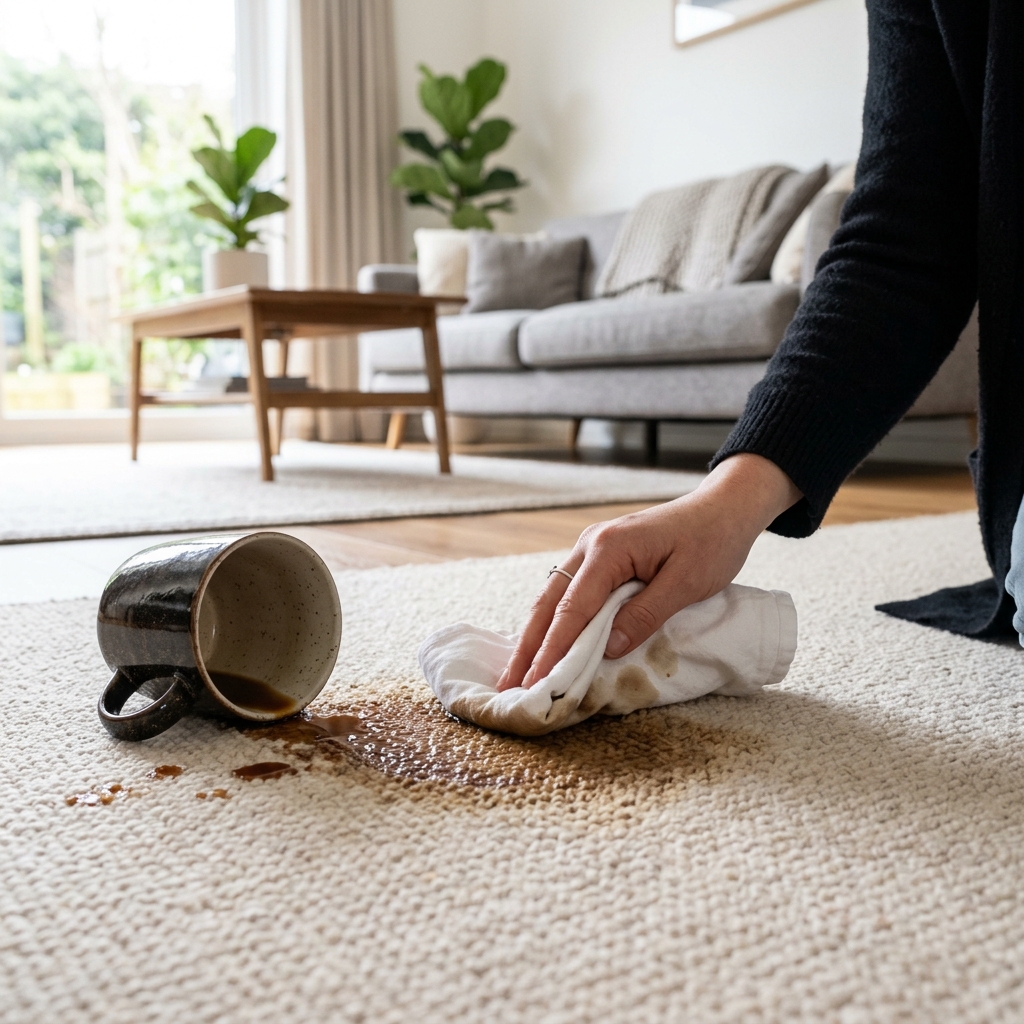
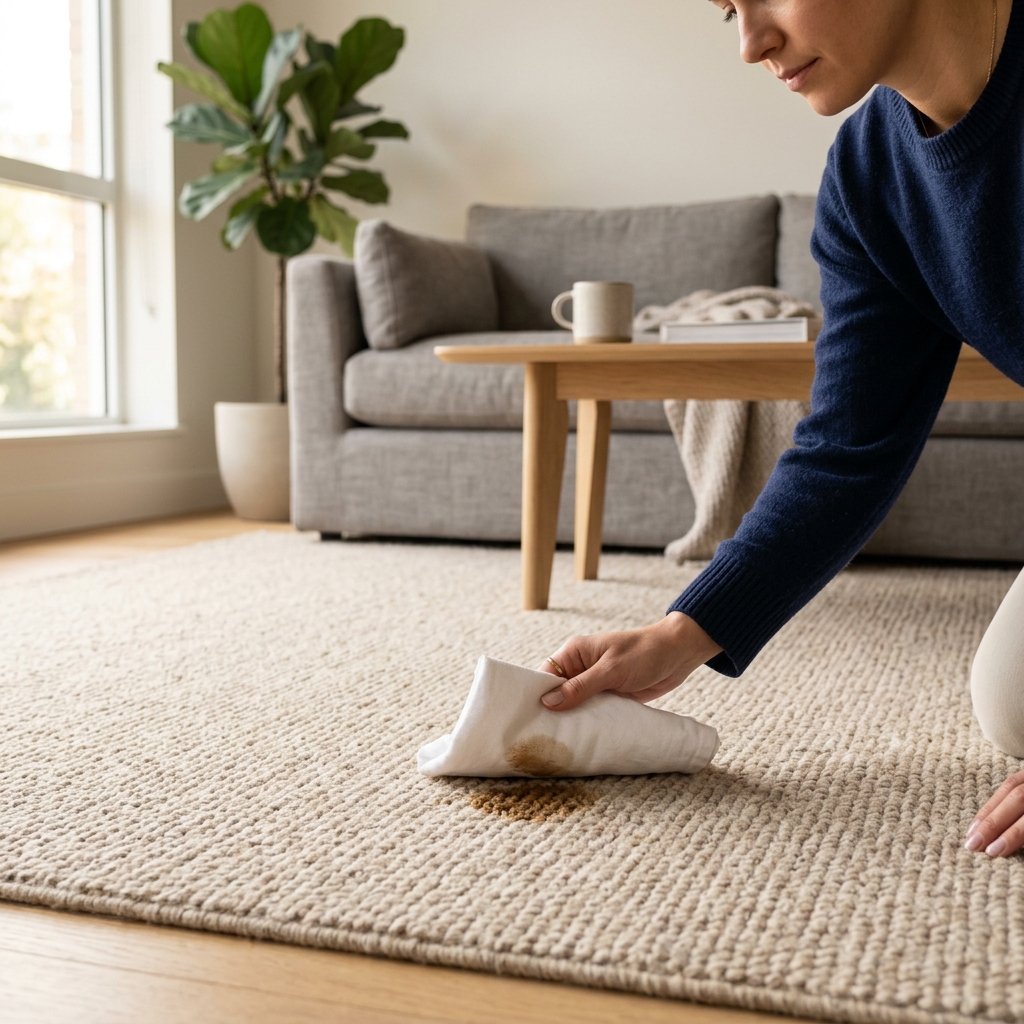
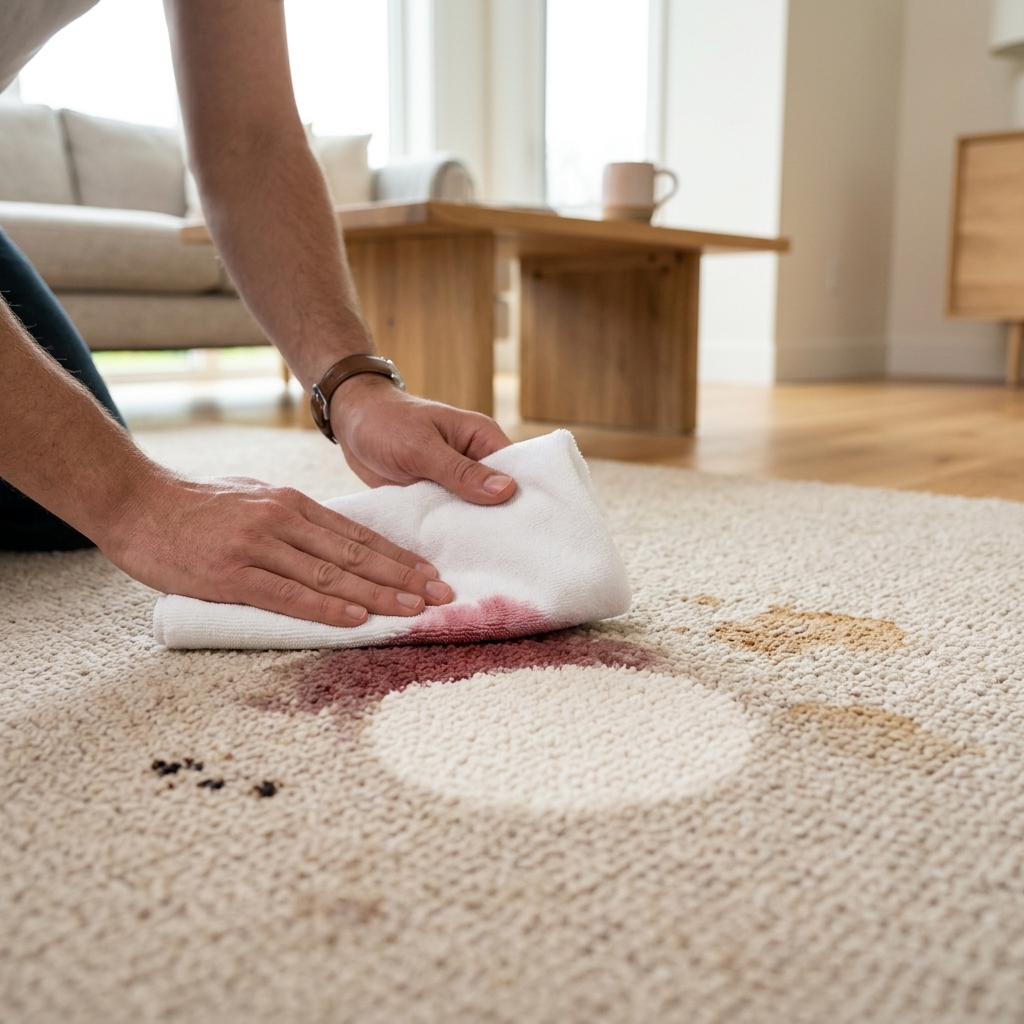
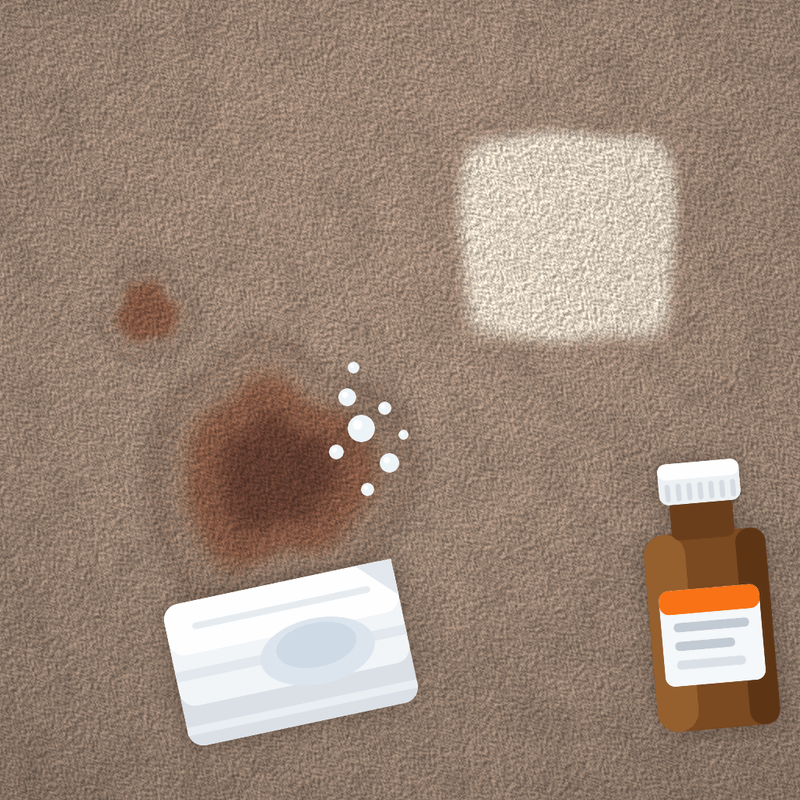
For most carpets, a simple solution of one tablespoon of mild dishwashing liquid, one tablespoon of white vinegar, and two cups of cool water works well to lift the remaining mud residue. Apply the solution to a clean white cloth, rather than pouring it directly onto the carpet, and blot the stained area gently, working from the outside in.
Always test any cleaning solution on a hidden section of carpet first, such as inside a closet, to make sure it doesn't cause discolouration, particularly on wool or other natural fibre carpets.
Step 4: Rinse and Dry
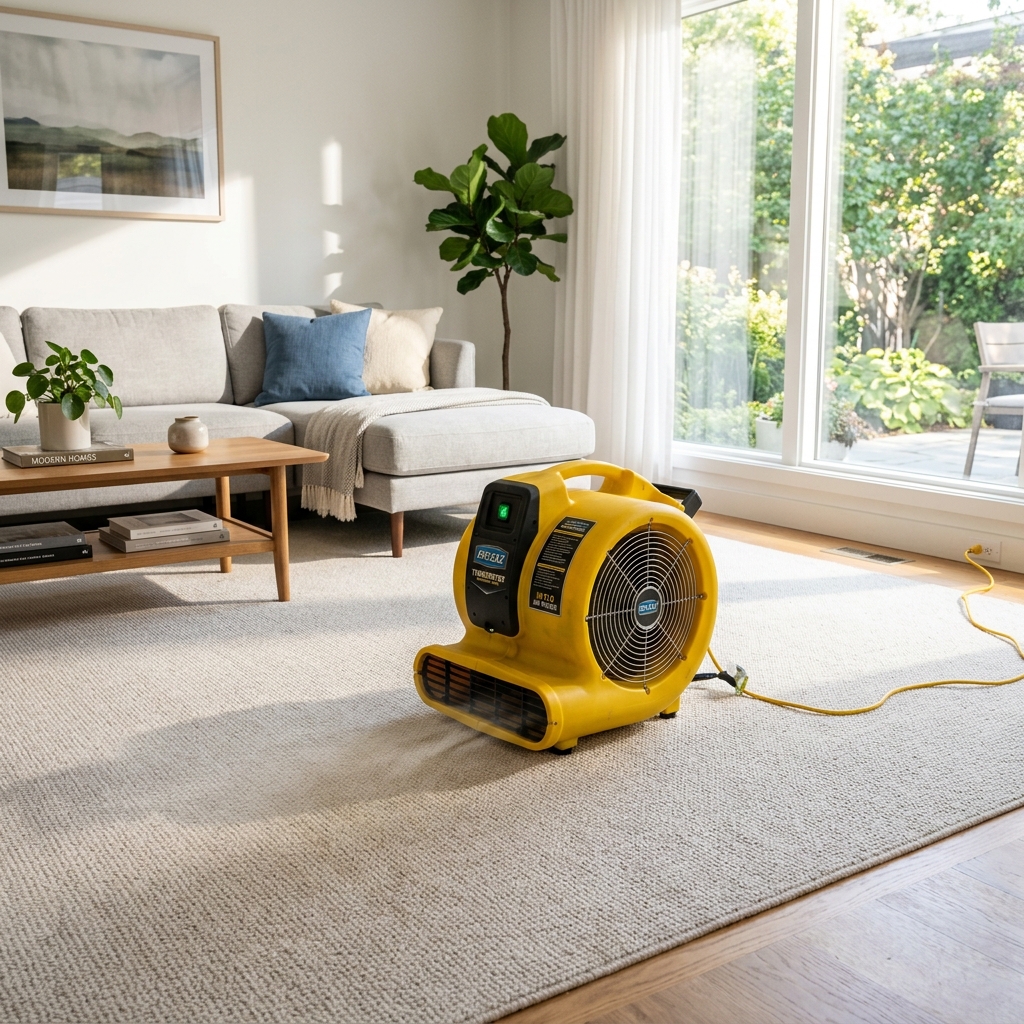
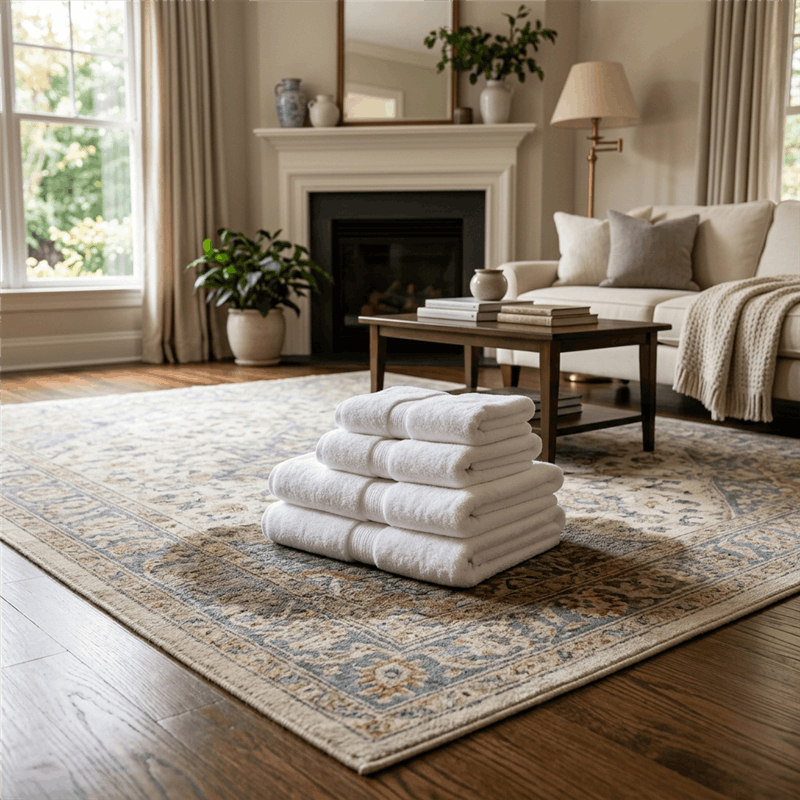
Once the stain has lifted, dampen a fresh cloth with plain water and blot the area again to rinse away any cleaning solution residue, which can otherwise attract dirt over time. Finish by placing a dry towel over the area and applying light pressure to draw out remaining moisture, then allow the carpet to air dry fully with good ventilation.
What About Stubborn or Set-In Mud Stains?
If mud has been left in the carpet for an extended period and has already set in, you may need to repeat the treatment process a few times, allowing the carpet to dry between applications and checking progress each time. For particularly stubborn stains, a specialised carpet stain remover formulated for dirt and clay-based stains can be more thorough than a homemade solution, always using the product instructions and patch testing first.
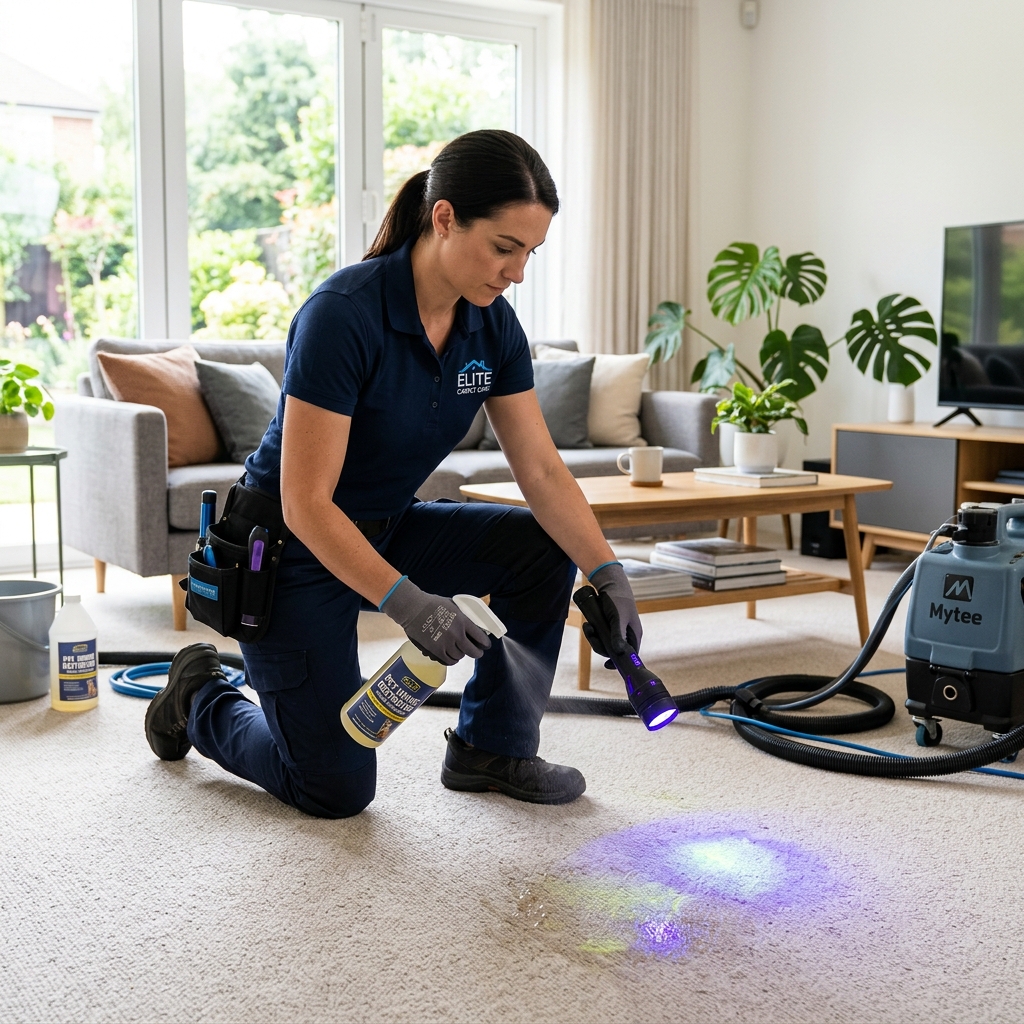
If pets are also part of the mess in your home, our guide on how to get pet urine smell out of carpet covers how to fully eliminate stubborn odours using the right enzyme-based treatment.
Mud Stains on Different Carpet Types
Synthetic carpets generally handle the treatment process described above without issue, since these fibres are less prone to absorbing liquid deeply. Wool carpets need a gentler touch, using cooler water and softer blotting, as excessive agitation can cause the fibres to felt or mat together. Looped or Berber-style carpets should be blotted carefully in the direction of the loops to avoid snagging during the removal process.
What About Mud Stains on Outdoor Entry Mats and Rugs?
Entryway rugs and mats bear the brunt of most mud tracked into a home, and treating these promptly can prevent mud from ever reaching your main carpet in the first place. Many entry mats can be shaken out and hosed down outdoors once dry, making them a much easier surface to manage than a fully installed carpet.
Common Mistakes to Avoid
- Scrubbing wet mud, which spreads it further into the carpet
- Using hot water, which can set the stain into the fibres
- Skipping the rinse step, leaving behind residue that attracts more dirt
- Applying too much liquid, which can soak through to the underlay
- Waiting too long to treat the residual stain after removing dried mud
Frequently Asked Questions
1. How do you remove dried mud stains from carpet?
Break up and vacuum the dried mud first, then treat the residual stain with a mild detergent and vinegar solution, blotting gently from the outside in before rinsing and drying thoroughly.
2. Can mud stain a carpet for good?
It's rare for mud to stain a carpet for good if it's treated reasonably promptly. However, mud left untreated for weeks or months, particularly on light-coloured carpet, can become more difficult to fully remove and may require professional treatment.
3. Should I let mud dry before cleaning it?
Yes, for fresh wet mud, allowing it to dry fully before attempting removal usually gives better results, since wet mud tends to smear and spread further into the fibres if scrubbed while still damp.
4. What is the best homemade solution for mud stains?
A mix of one tablespoon mild dishwashing liquid, one tablespoon white vinegar, and two cups of cool water is a reliable and carpet-safe homemade solution for most mud and dirt stains.
5. Does vinegar remove dirt stains from carpet?
Yes, white vinegar is a mild acid that helps break down dirt and mineral residue in mud stains, and it's commonly used alongside a small amount of detergent for reliable, carpet-safe stain removal.
6. Can baking soda clean muddy carpets?
Baking soda can help absorb odour and loosen dried mud residue when sprinkled on the area and left for a short time before vacuuming, though it works best as a supporting step rather than a standalone stain remover.
7. Is hot water safe for cleaning carpet stains?
Hot water isn't recommended for mud stains, as it can cause the stain to set into the fibres. Cool or lukewarm water is generally the safer choice for treating mud and dirt marks.
8. When should I hire a professional carpet cleaner?
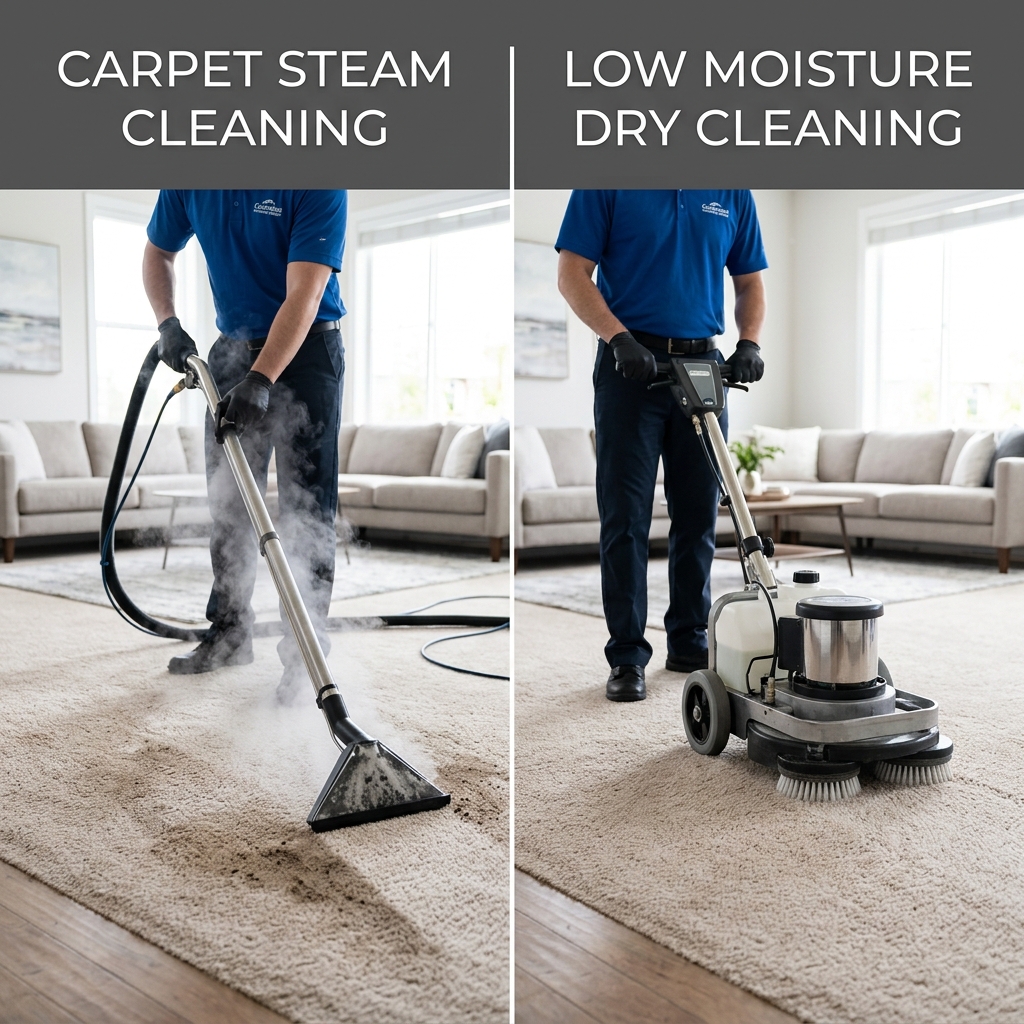
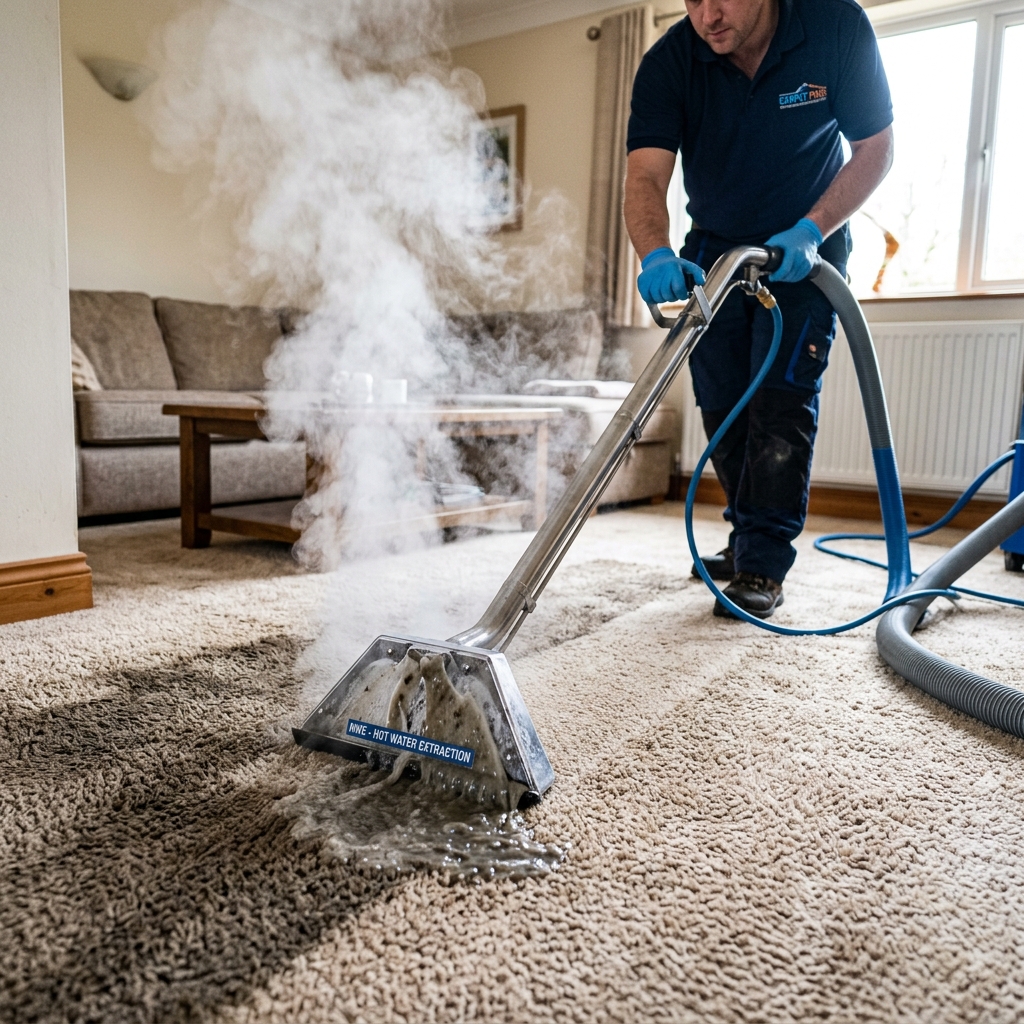
If the mud stain is old, covers a large area, or hasn't lifted after a couple of treatment attempts, it's worth calling a professional carpet cleaner who can use hot water extraction and specialised stain treatments to fully restore the carpet.
9. How can I prevent mud stains on carpets?
Using doormats at every entry point, removing shoes before walking on carpet, wiping pet paws after outdoor walks, and applying a carpet protector treatment can all significantly reduce the frequency and severity of mud stains.
10. How long does it take to remove mud stains fully?
Fresh mud stains can often be fully removed within fifteen to twenty minutes of active treatment, while older or more stubborn stains may take multiple treatment sessions across a day or two to fully lift.
When to Call in the Professionals
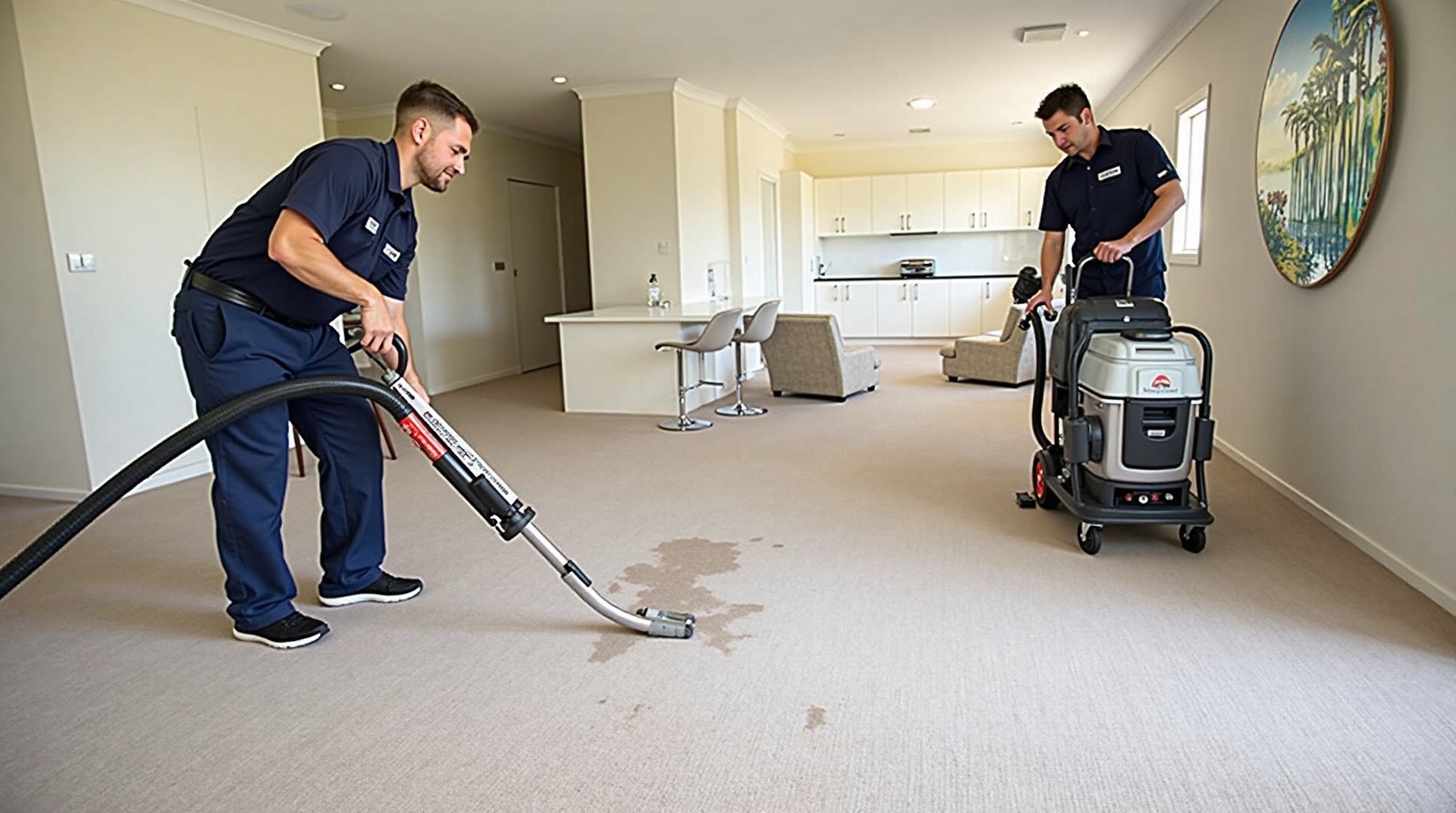
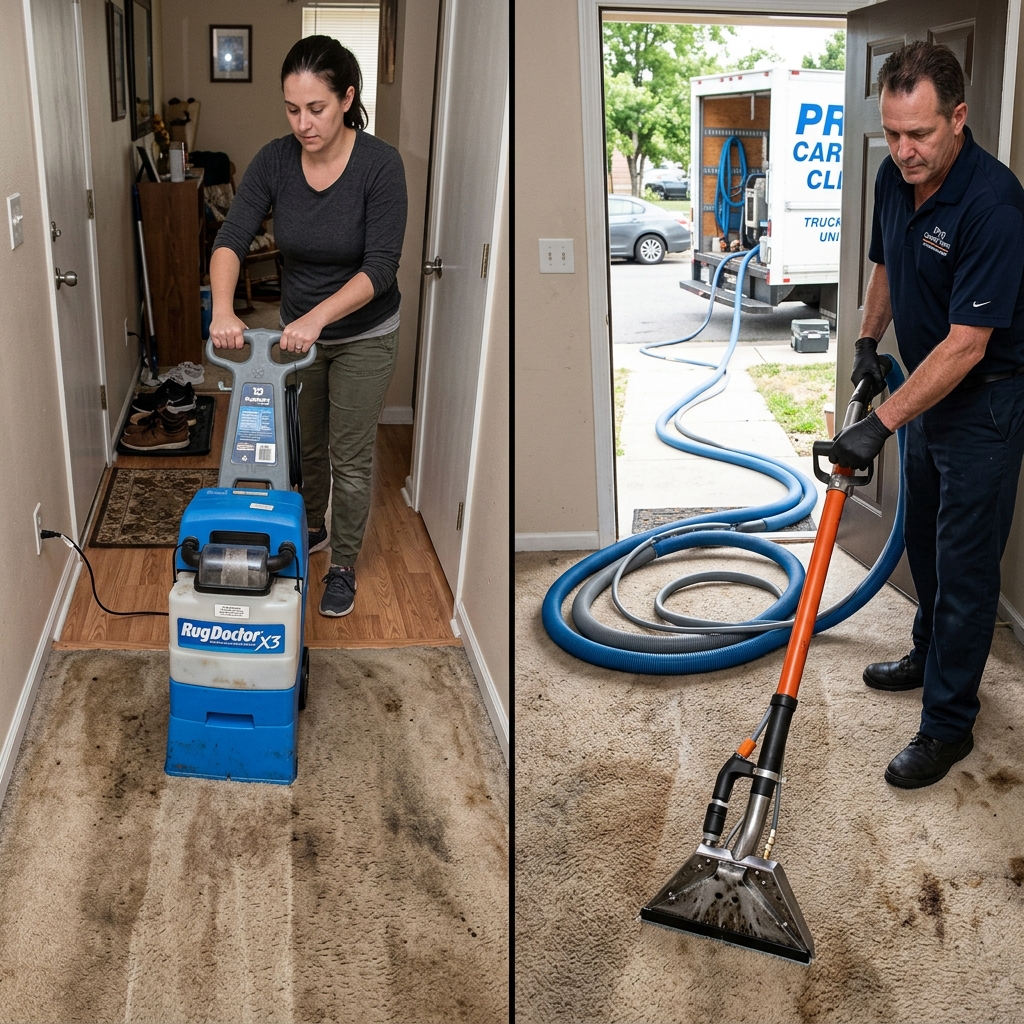
While most mud stains can be successfully treated at home using the steps above, larger areas, older set-in stains, or delicate natural fibre carpets are often better handled by a professional. At Fresho Carpet Cleaning Brisbane, our technicians use hot water extraction and specialised stain treatments to fully lift stubborn mud and dirt stains without risking damage to your carpet.
Final Thoughts
Mud stains might seem daunting, but with the right approach, letting wet mud dry, removing the solid residue, and treating the remaining mark with a gentle cleaning solution, most stains can be fully removed without a trace. For stubborn or older stains, professional treatment is always available to restore your carpet right through.
If mud stains just won't budge, get in touch with Fresho Carpet Cleaning Brisbane today for professional stain removal that gets your carpet looking spotless again.