How to Remove Pet Hair Embedded Deep in Carpet
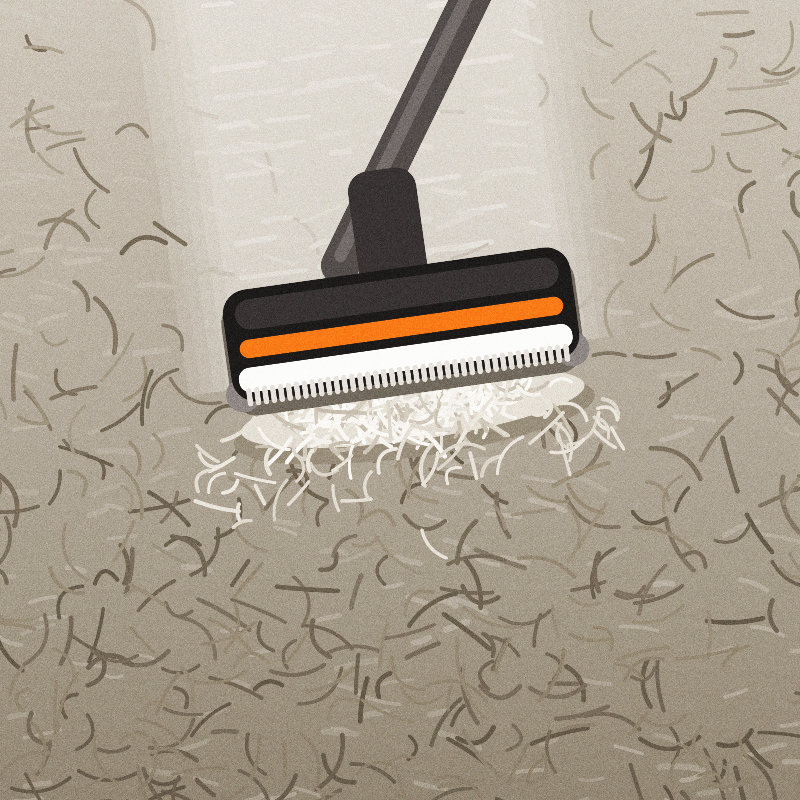
Anyone who has vacuumed a carpet only to find it still peppered with pet hair knows the particular frustration of dealing with hair that has worked its way deep into the fibres rather than sitting conveniently on the surface. Deeply embedded pet hair is a genuinely different challenge to everyday shedding, and standard vacuuming, even done thoroughly, often is not enough to fully address it, no matter how much time and effort you put in.
At Fresho Carpet Cleaning Brisbane, embedded pet hair is one of the more common frustrations we hear about from pet-owning households. In this guide, we will walk through why hair becomes embedded in the first place and the specific techniques that actually work to remove it.
Why Pet Hair Becomes Embedded in the First Place
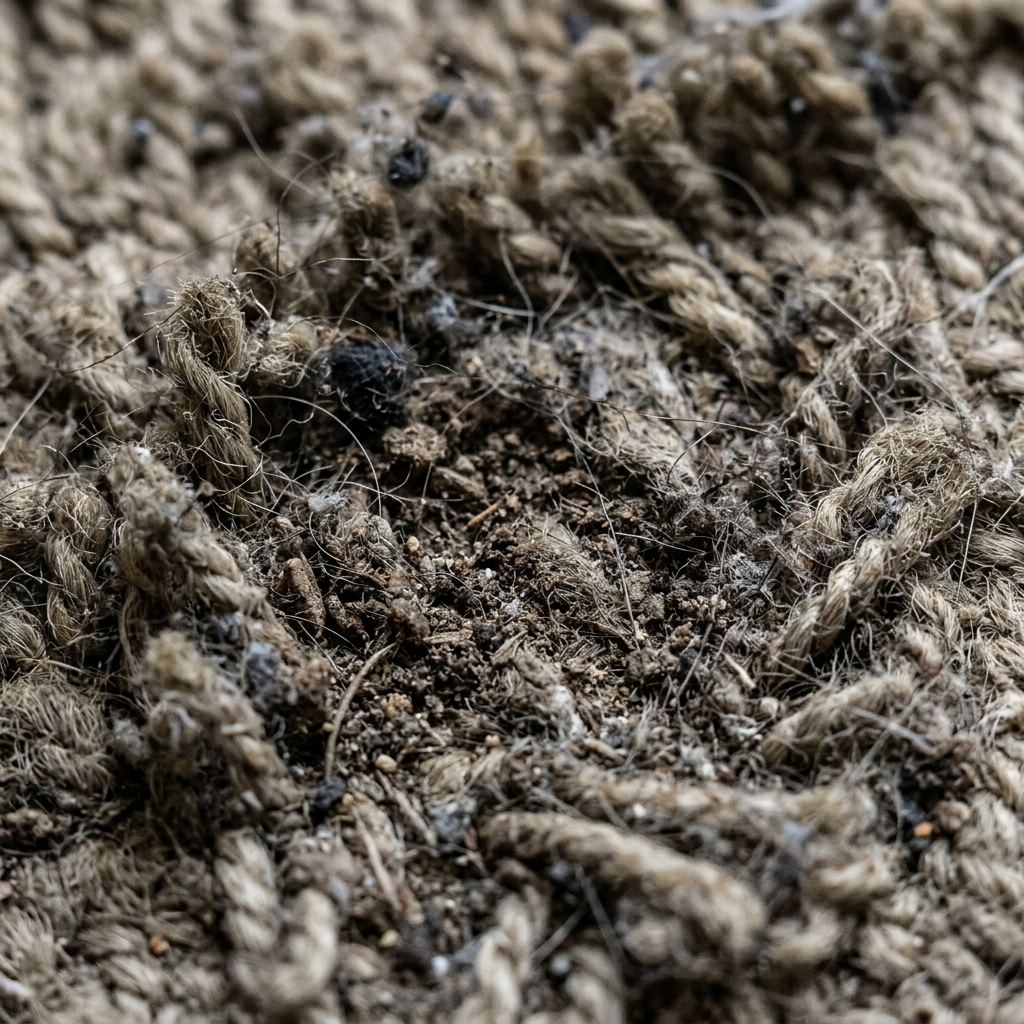
Pet hair, particularly from breeds with fine, textured, or curly coats, has a natural tendency to wrap around and cling to carpet fibres through static electricity and simple physical entanglement. Over time, foot traffic pushes this hair progressively deeper into the carpet pile, eventually settling near the base of the fibres where standard vacuum suction struggles to reach it effectively.
Why Standard Vacuuming Often Falls Short
Most vacuum cleaners are genuinely effective at lifting loose surface debris, but embedded hair, wrapped tightly around individual fibres, requires more targeted agitation to dislodge. A standard vacuum pass, even repeated several times, often only removes a portion of deeply embedded hair, leaving a frustratingly persistent amount behind despite consistent effort.
Why Some Pets Contribute More to This Problem Than Others
Breeds with fine, downy undercoats, such as many double-coated dogs, tend to shed hair that embeds more readily into carpet fibres than breeds with coarser, longer hair that stays more on the surface. If your pet falls into this category, it is worth applying these deep-cleaning techniques somewhat more frequently than a household with a low-shedding breed might need to.
Dealing With Hair on Stairs and Upholstered Furniture Too
While this guide focuses on carpet specifically, many of the same techniques, rubber brooms, damp gloves, and pet-specific vacuum attachments, work equally well on carpeted stairs and upholstered furniture, which can accumulate embedded pet hair just as persistently as flooring, particularly on fabric-covered furniture where pets like to rest.
Technique 1: Use a Rubber Broom or Squeegee
A rubber-bristled broom or a simple rubber squeegee, dragged firmly across the carpet in one consistent direction, creates static and physical friction that draws embedded hair up to the surface remarkably effectively. This technique works particularly well as a pre-vacuum step, loosening hair that a standard vacuum can then pick up more easily.
Technique 2: Try a Damp Rubber Glove
Wearing a slightly dampened rubber glove and running your hand firmly across the carpet in sweeping motions can lift a surprising amount of embedded hair, since the combination of the rubber grip and slight moisture helps hair cling to the glove rather than staying wrapped around carpet fibres. This works well for smaller, spot-treatment areas rather than an entire room.
Technique 3: Use a Pet-Specific Vacuum Attachment
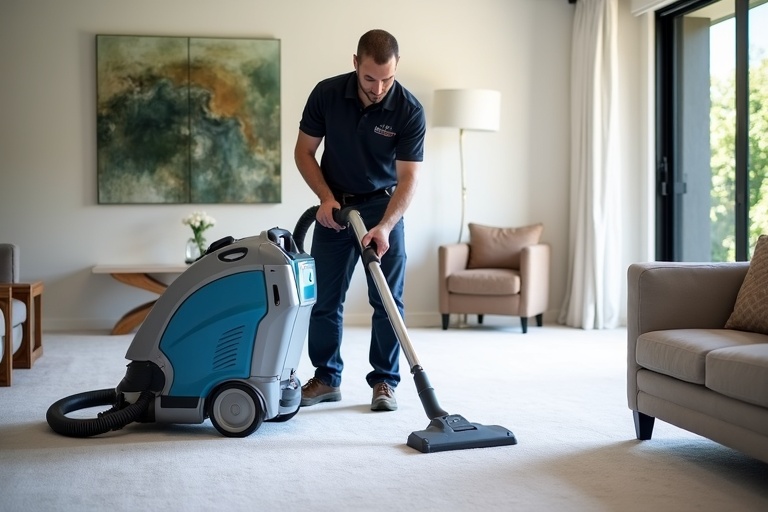
Many vacuum brands offer dedicated pet hair attachments, typically featuring a motorised brush roll or rubber-tipped bristles specifically designed to agitate and lift embedded hair more effectively than a standard attachment. If you do not already have one, this is a genuinely worthwhile investment for any household with shedding pets.
Technique 4: Vacuum in Multiple Directions
Rather than vacuuming in a single direction, going over the same area from multiple angles, forward and backward, then side to side, helps dislodge hair trapped at different angles within the carpet pile. This simple adjustment to vacuuming technique can noticeably improve results without needing any additional tools.
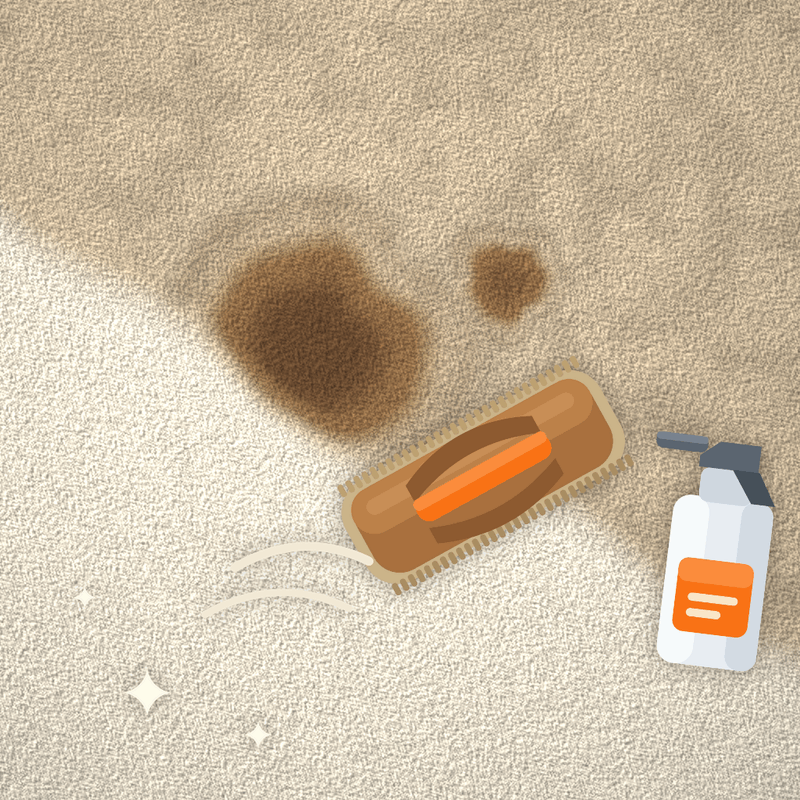
Technique 5: Try a Carpet Rake
A carpet rake, a tool with stiff, closely spaced bristles, is specifically designed to dig into carpet pile and lift embedded debris, including pet hair, up to a level where a subsequent vacuum pass can remove it effectively. This tool is particularly useful for thicker, plush carpets where hair tends to bury itself more deeply than in shorter, tighter weaves.
Technique 6: Address Static Buildup
Static electricity is part of why hair clings so persistently to carpet fibres, particularly in drier conditions. Lightly misting the carpet with a mixture of water and a small amount of fabric softener before brushing or vacuuming can help reduce static and make hair easier to lift, though this should be tested on a hidden section first, particularly for natural fibre carpets.
Why Professional Extraction Reaches What Home Methods Cannot
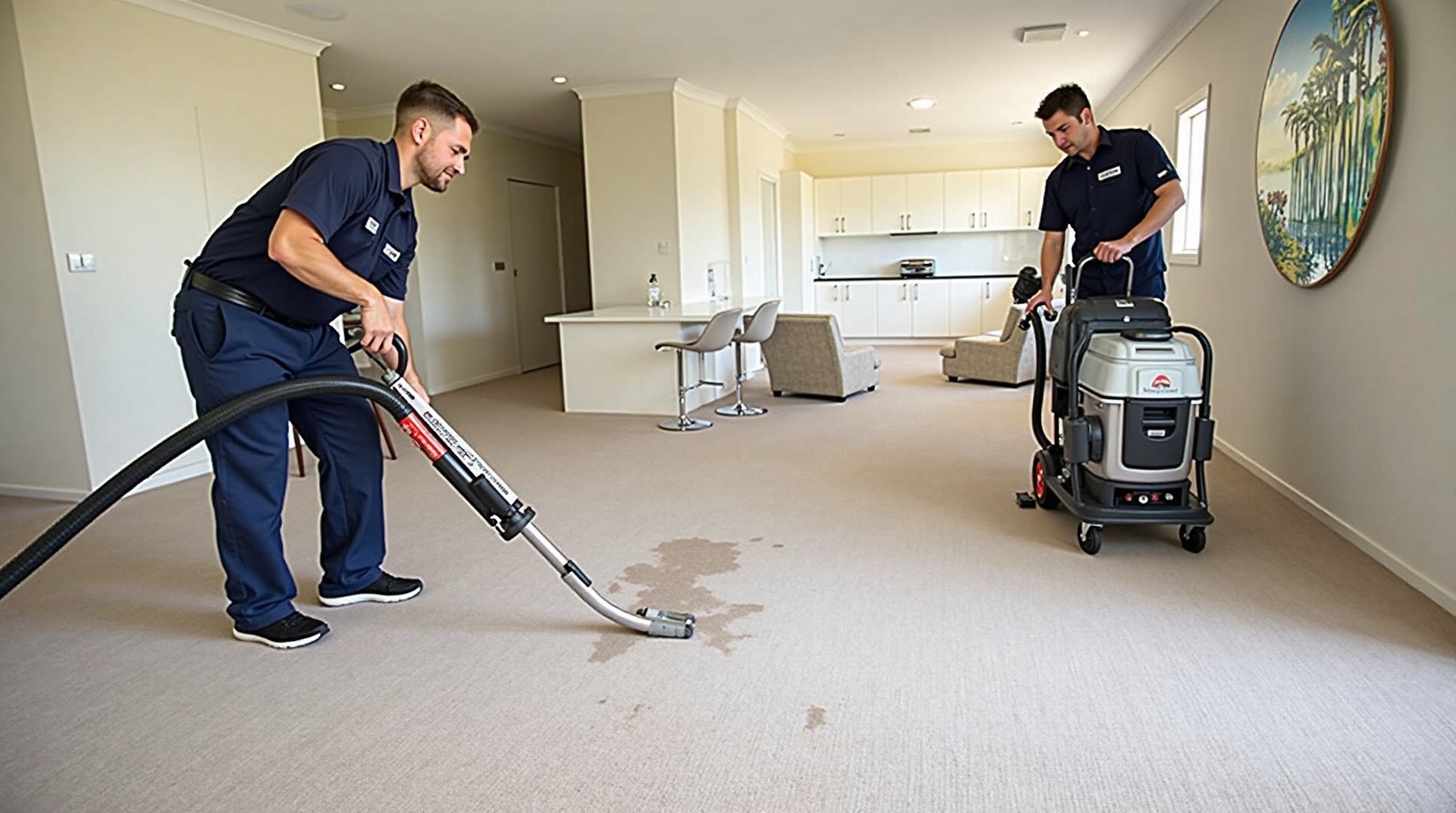
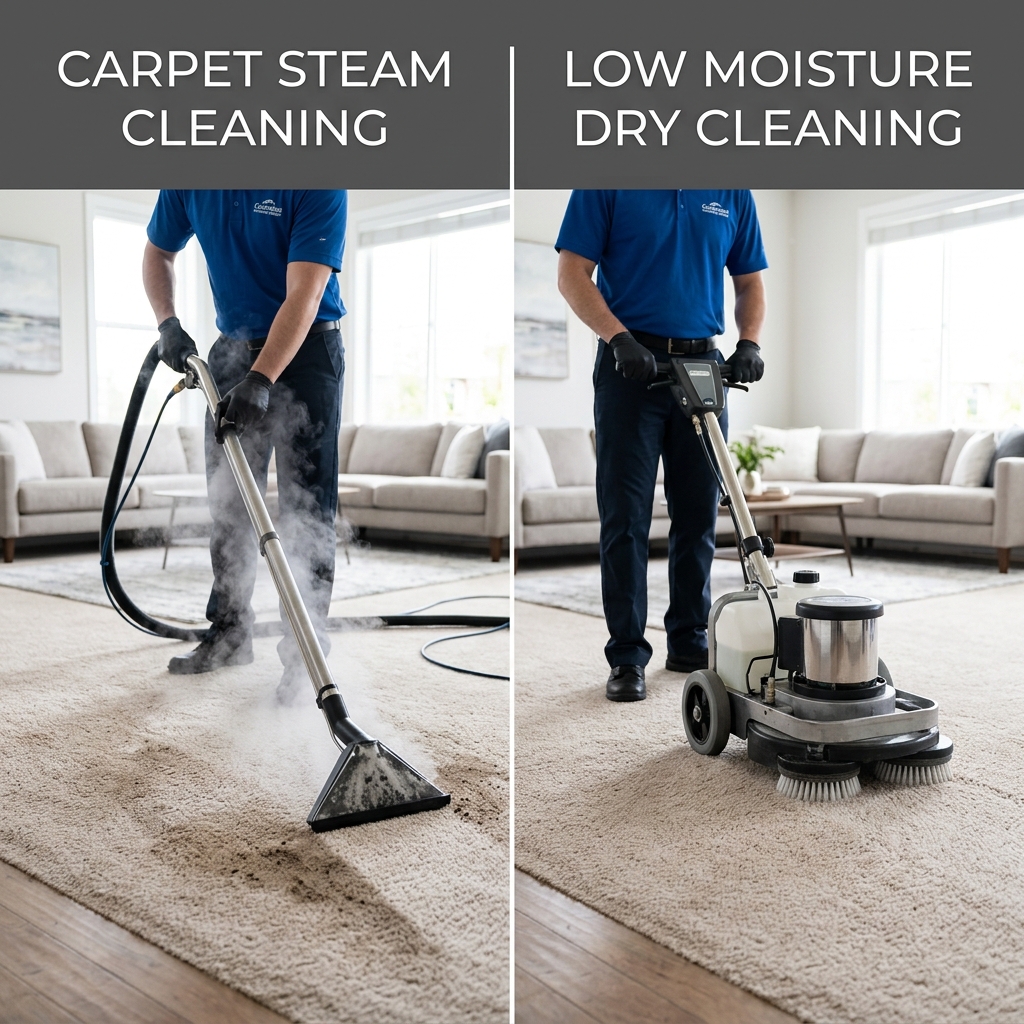
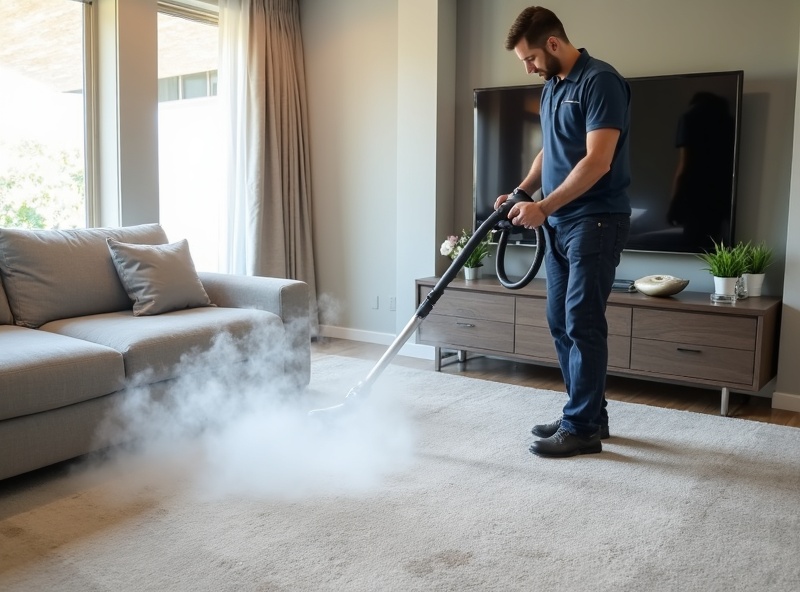
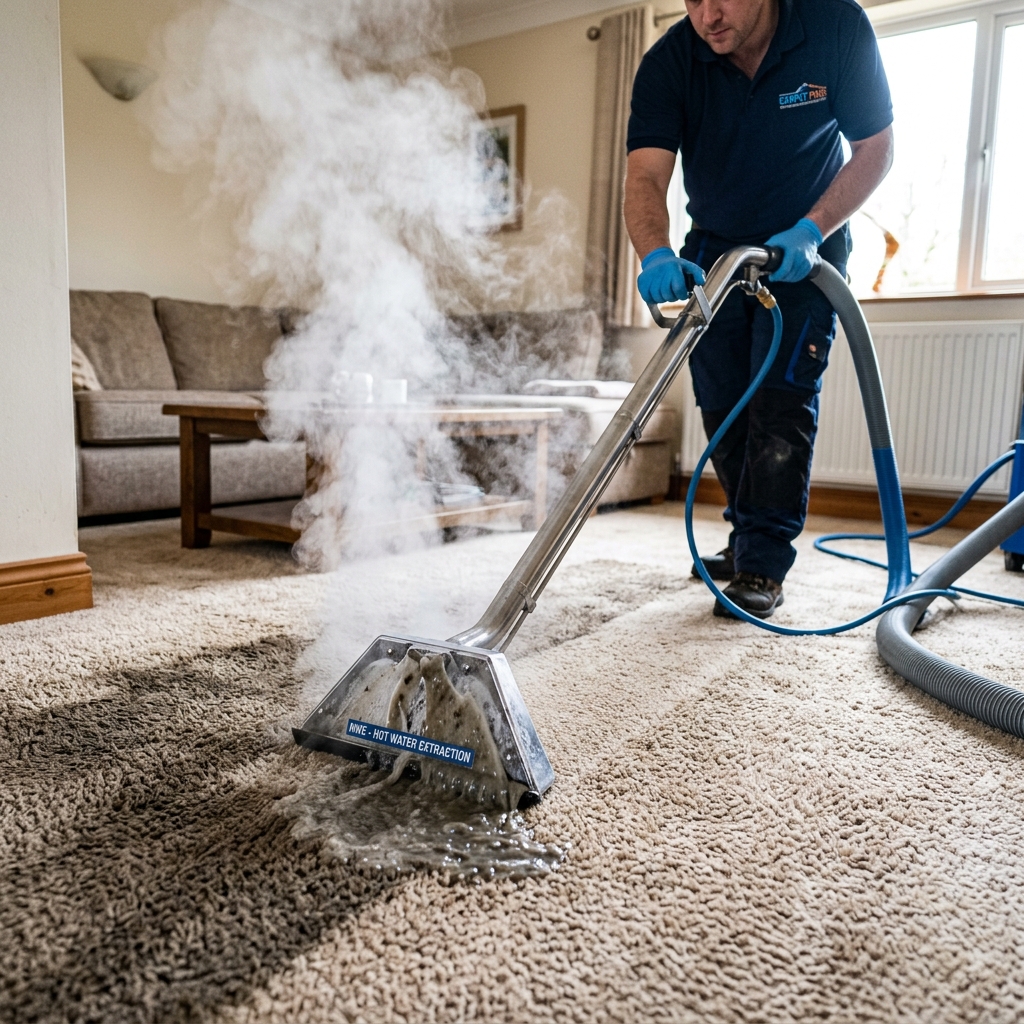
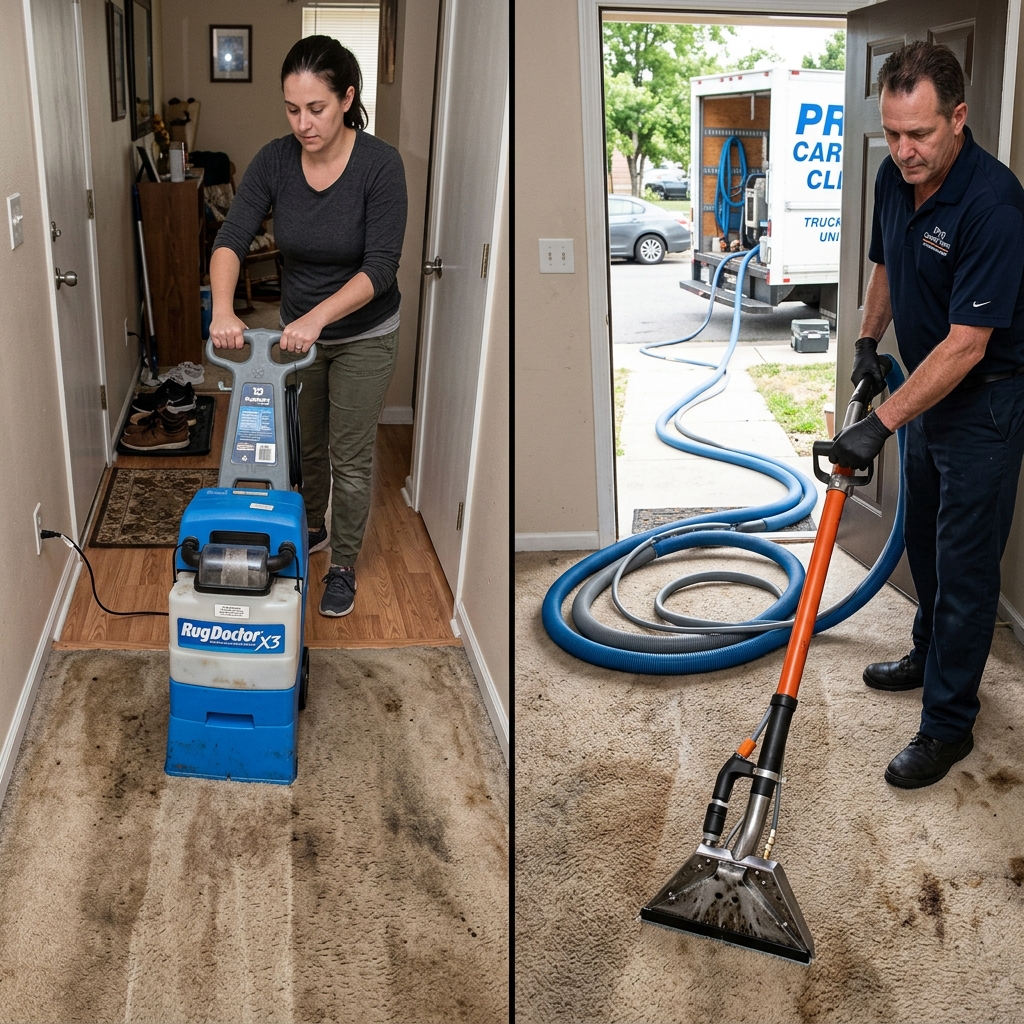
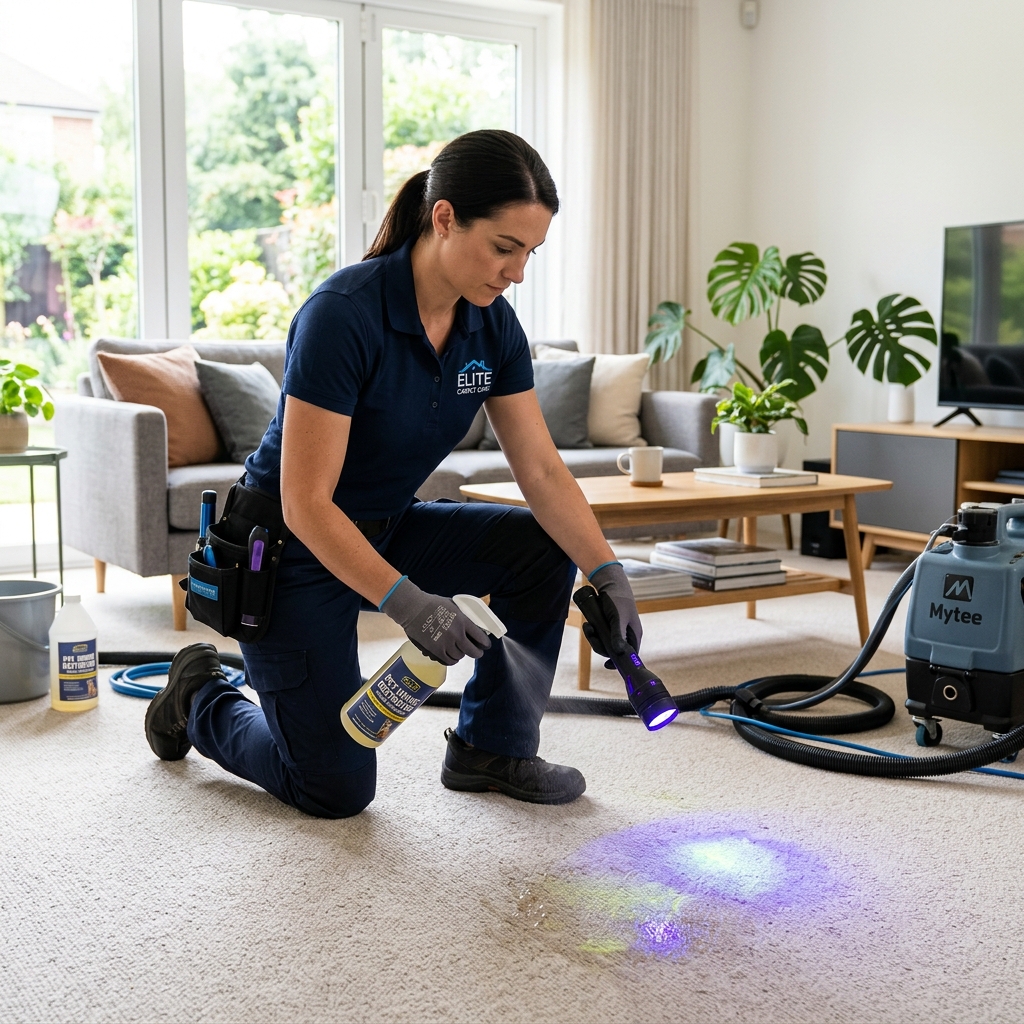
For particularly stubborn, long-accumulated embedded hair, professional hot water extraction offers considerably stronger suction and agitation than any home method, reaching deep into the carpet pile to lift hair that has been building up over months or years of regular shedding. This is particularly valuable for households that have not had a professional deep clean in some time.
Preventing Hair From Becoming Deeply Embedded
- Groom pets regularly to reduce the amount of loose hair reaching the carpet in the first place
- Vacuum several times a week using a pet-specific attachment
- Use a rubber broom periodically between full vacuum sessions
- Address hair promptly rather than letting it accumulate and get walked deeper into the pile
- Book periodic professional cleaning to address any hair that has built up despite regular home maintenance
How Long Does It Take to See Results?
For most households, a combination of these techniques applied over one thorough session will noticeably reduce embedded hair, though carpets with years of accumulated buildup may need two or three repeated sessions, spaced a week or so apart, to achieve a genuinely thorough result comparable to a fresh, unaffected carpet.
Which Carpet Types Trap Hair Most Persistently
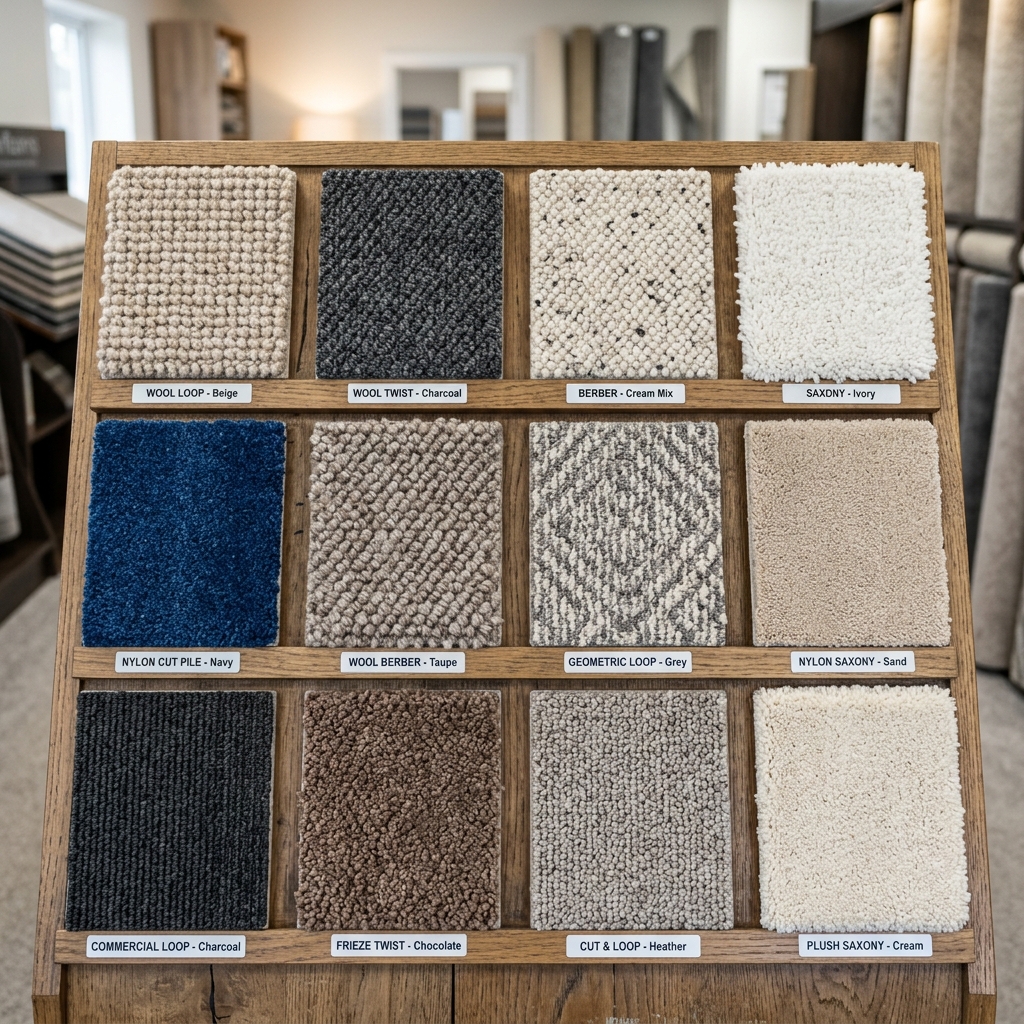
Looped or Berber-style carpets are particularly prone to trapping pet hair, since the loop structure provides more surface area for hair to wrap around compared to a cut-pile carpet. Plush, high-pile carpets also tend to bury hair more deeply simply due to their thickness, meaning households with these carpet types may need to apply these techniques somewhat more frequently than those with shorter, tighter-woven carpets.
A Broader Approach for Pet-Owning Households
Embedded pet hair is just one part of a broader set of carpet care considerations for pet owners, alongside shedding management, odour control, and accident treatment. Our comprehensive guide on Pet-Proof Your Carpets: The Complete Guide to Carpet Cleaning for Pet Owners covers the full routine worth building into your regular carpet care as a pet owner.
Frequently Asked Questions
1. Why does regular vacuuming not remove all the pet hair from my carpet?
Standard vacuum suction is effective at lifting loose surface debris but often struggles to dislodge hair that is wrapped tightly around fibres deep within the carpet pile.
2. Does a rubber broom really work for embedded pet hair?
Yes, the combination of static and physical friction from a rubber-bristled broom is genuinely effective at drawing embedded hair up to the surface, where a vacuum can then remove it.
3. Which carpet types trap pet hair the most?
Looped or Berber-style carpets and thick, plush pile carpets tend to trap and bury hair more persistently than shorter, tighter-woven carpet types.
4. Is professional carpet cleaning necessary for embedded pet hair?
For long-accumulated, deeply embedded hair, professional hot water extraction offers considerably stronger suction and agitation than home methods, making it worthwhile for particularly stubborn cases.
5. How often should pet owners vacuum to prevent hair from becoming embedded?
Several times a week is ideal, using a pet-specific vacuum attachment where possible, to prevent hair from being walked progressively deeper into the carpet pile over time.
6. Do these techniques work on stairs and furniture too?
Yes, rubber brooms, damp gloves, and pet-specific vacuum attachments work equally well on carpeted stairs and upholstered furniture, which can accumulate embedded hair just as persistently as flooring.
7. How many sessions does it take to fully clear years of built-up hair?
Carpets with significant accumulated buildup may need two or three repeated sessions, spaced roughly a week apart, to achieve a genuinely thorough result comparable to a fresh, unaffected carpet.
Final Thoughts
Deeply embedded pet hair is a genuinely common frustration, but with the right combination of techniques, rubber brooms, carpet rakes, multi-directional vacuuming, and static management, most households can significantly improve results beyond standard vacuuming alone. For particularly stubborn, long-accumulated cases, professional extraction offers a deeper, more thorough solution.
If pet hair has become a persistent problem in your carpet, contact Fresho Carpet Cleaning Brisbane today for a professional clean that reaches what home methods cannot.